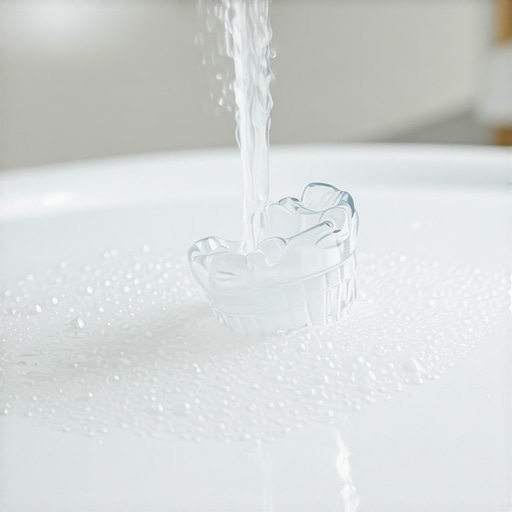
I’ll never forget the morning I realized my retainer had developed its own ecosystem. It was a Tuesday. I popped that clear plastic tray out and caught a whiff that was—to put it mildly—revolting. It wasn’t just the smell; there was a weird, crusty white film building up in the crevices. I felt like I was failing at basic hygiene. I’d spent years in braces, and here I was, potentially jeopardizing my smile because I didn’t know how to scrub a piece of plastic correctly.
Stop Warping Your Appliance With These Common Mistakes
I’ve been there, staring at a cloudy retainer and thinking, “A little boiling water will kill the germs, right?” Wrong. That was my first big mistake. I thought heat equaled clean, but all I did was warp the plastic until it wouldn’t fit. If you have ever wondered why your teeth feel tight after you haven’t worn your retainer, imagine how much worse it is when the retainer itself has changed shape. You want a fresh mouth, not a distorted piece of expensive medical-grade plastic. Today, I’m going to show you exactly how to keep your retainer crystal clear and odor-free without spending a fortune or making it brittle. We’re talking about a method that preserves your oral health routine without the drama.
Do You Really Need to Buy Those Expensive Tablets?
It’s a fair question. Every time I walk down the dental aisle, I’m bombarded by pro soaking solutions that cost more than my monthly coffee budget. While they have their place, you don’t necessarily need them every single day. A study published in the Journal of Clinical Dentistry notes that many oral appliances harbor high levels of biofilm and bacteria if not managed daily. But here’s the kicker: I used to think I could just use my regular toothpaste. Big mistake. Toothpaste is abrasive. It creates tiny, microscopic scratches where bacteria love to hide. It’s actually one of those 5 dental habits that are actually ruining your enamel and your retainer at the same time. Have you ever noticed your retainer getting fuzzy or cloudy no matter how much you brush it? That’s likely the micro-abrasion damage I’m talking about. Have you ever accidentally warped your retainer or struggled with that stubborn white buildup? Drop a comment and let me know—I honestly thought I was the only one! Now, let’s look at the best way to tackle how to clean a retainer that has started to smell bad before it becomes a permanent biohazard in your mouth.
Rinse It Immediately or Regret the Smell Later
The second that retainer leaves your mouth, it’s a race against time. Saliva is amazing for digestion, but when it dries on plastic, it turns into a hard, smelly film. Think of it like a dirty dinner plate; if you let the sauce dry, you’re scrubbing for an hour. If you rinse it immediately, it takes two seconds. I learned this the hard way at a backyard BBQ. I popped my retainer out to eat a burger, tossed it in the case, and forgot about it until the next morning. It was like someone had glued a layer of sour-smelling silk to the plastic. Now, I never let it hit the case without a lukewarm water rinse.
The Right Way to Scrub Without Scratches
Since we already established that toothpaste is basically liquid sandpaper for your retainer, what do you use? Castille soap or a very mild, clear dish soap is your best friend here. Use a soft-bristled toothbrush—different from the one you use for your oral health routine—and gently move in circular motions. You aren’t trying to power-wash the plastic; you’re just lifting away the day’s debris. Much like maintaining your dental crowns, the goal is longevity through gentle care, not brute force. If you treat it like a delicate piece of jewelry, it won’t get those cloudy micro-scratches that trap bacteria. 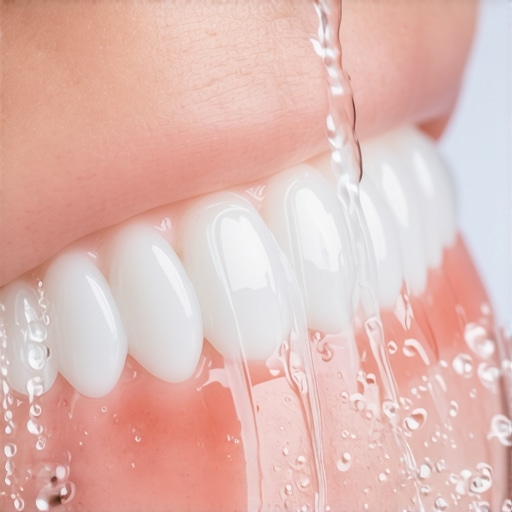
Break Down That Stubborn White Crust
If you already have that white, chalky buildup, soap alone won’t touch it. This stuff is basically mouth stone, also known as tartar. To dissolve it safely, a 50/50 mix of white vinegar and lukewarm water is a lifesaver. Soak it for about 20 minutes. The acetic acid in the vinegar breaks down the mineral deposits without melting the tray. I once tried to scrape this stuff off with a toothpick—don’t do that. I ended up with a gouge in the plastic that felt like a sharp razor against my tongue for weeks. If you’re dealing with kids, these teeth cleaning secrets can save you hundreds in replacement costs. Avoid bleach at all costs; the plastic is porous, and you do not want to ingest those chemicals later.
Keep the Environment Clean Too
You can have a pristine retainer, but if your case is a petri dish, you’re wasting your time. Your case needs a scrub once a week. Think of it like family dentistry focus: the environment matters as much as the individual tooth. Use the same mild soap and let it air dry completely. Moisture is the enemy; it’s the breeding ground for that mothball smell. If you’ve ever wondered the real reason your tongue turns white, it’s often the same bacteria that’s hitching a ride on your unwashed retainer. The impact of regular teeth cleaning isn’t just about the enamel; it’s about every surface that touches your mouth. When I travel, I even use a dedicated cleaning wipe for the case to ensure expert advice on crowns and teeth cleaning is applied to my entire orthodontic kit.
Let’s dig deeper because there’s a nuance most people miss when they’re obsessing over a clean mouth. Most of us grew up with the habit of brushing, then immediately rinsing with a big gulp of water to clear out the foam. In my experience, this is the single biggest mistake people make in their daily oral health routine. You’ve just spent two minutes coating your teeth in protective fluoride, and then you wash it all down the drain before it can even settle. A study cited by the British Dental Journal confirms that rinsing with water significantly reduces the beneficial effects of fluoride toothpaste. If you want results, you have to embrace the ‘spit, don’t rinse’ method. It feels weird at first—like you’re leaving a film behind—but that film is exactly what prevents decay. This is one of those teeth cleaning secrets that dental pros know but rarely emphasize enough.
The Mouthwash Mistake That Dries You Out
The same logic applies to mouthwash. We’ve been conditioned to think that the ‘sting’ means it’s working. But if you’re using an alcohol-based wash right after brushing, you’re often just drying out your tissues and neutralizing the fluoride. This is why you should stop rinsing with water immediately after brushing and wait at least 30 minutes before reaching for the mouthwash. I’ve seen so many people complain about sensitive teeth while they’re actively washing away the very minerals meant to strengthen them. Have you ever fallen into this trap of rinsing until your mouth feels ’empty’? Let me know in the comments—I’m curious how many of us were taught the ‘wrong’ way!
Why Does Your Crown Smell Even After Brushing?
This is the advanced level of mouth maintenance. You can scrub your retainer and teeth perfectly, but if you have dental work, you have hidden valleys. Many people believe a crown is ‘set it and forget it,’ but the margin where the porcelain meets your natural tooth is a magnet for bacteria. If you’ve noticed a localized odor, you need to learn how to stop your crown from smelling like old food before the tooth underneath starts to rot. Unlike natural enamel, caring for crowns requires specialized flossing techniques, like using a ‘shoeshine’ motion with woven floss to reach under those margins. 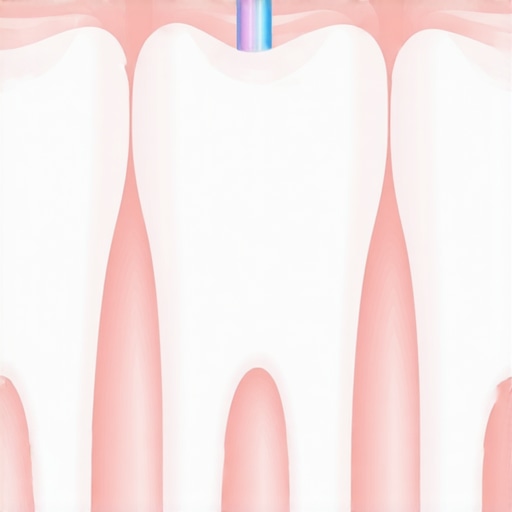 This isn’t just about aesthetics; expert advice on crowns and teeth cleaning suggests that ignoring these margins leads to secondary decay that can’t be seen until the crown literally falls off. The impact of regular teeth cleaning isn’t just a surface-level polish; it’s about the microscopic integrity of your dental investments and ensuring your family dentistry focus remains on prevention rather than expensive repairs.
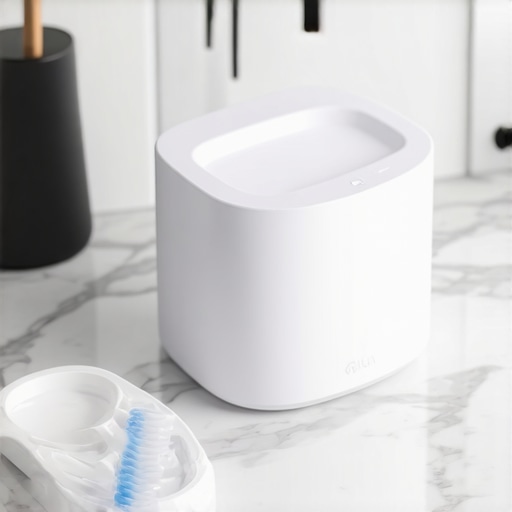
I finally bit the bullet and bought a small ultrasonic cleaner last year, and honestly, it changed everything. If you’re tired of manual scrubbing, this is the one tool I’d tell you to grab. I use it for my retainer and my husband’s night guard, and the difference is night and day. It uses high-frequency sound waves to create millions of tiny bubbles that implode, literally blasting the bacteria off the plastic. A report in the International Journal of Dentistry explains that this process, called cavitation, is significantly more effective at removing biofilm than hand-brushing alone. It reaches into those microscopic pores that we simply can’t see with the naked eye. If you want expert advice on crowns and teeth cleaning, start by investing in tools that do the heavy lifting for you.
How do I maintain my dental work over time?
The secret to keeping your smile intact for decades isn’t a one-time fix; it’s about cumulative habits. I used to think my crowns were indestructible, but then I felt that familiar, sharp zing and realized the reason your tooth hurts when you bite down hard is often because the support structure around the crown is failing. Maintenance means looking at the foundation. You need to focus on how to keep your porcelain crown from staining over time by avoiding highly acidic drinks and using a non-abrasive polish. It’s also about consistency. I tell my friends that if they can’t commit to a 10-minute routine, they should at least commit to the ‘high-traffic’ areas—the molars and the gumline where the most damage happens.
Stop Relying Solely on Traditional Floss
If you have tight contacts or intricate dental work, standard string floss can sometimes feel like trying to clean a comb with a single thread. This is where interdental brushes come in. I personally switched to these because they fill the entire gap between the teeth, scrubbing the side walls of your natural teeth and your crowns simultaneously. Learning the proper way to use interdental brushes for best results can prevent the localized gingivitis that often creeps up around orthodontic wires or crown margins. It feels more like a mini-bottle brush for your mouth, and the results are far superior for long-term gum health.
The Next Era of Oral Health Technology
Looking ahead, I predict we are moving toward a world of ‘smart’ dental appliances. We’re already seeing the rise of 3D-printed bio-active retainers that can actually release tiny amounts of minerals to strengthen your enamel while you sleep. By the time we hit the mid-2020s, I expect integrated sensors in our night guards will alert our phones if we’re clenching too hard or if our saliva pH is dropping too low. Staying ahead of these oral health tips every family should follow in 2025 will be the difference between proactive care and reactive surgery. My challenge to you today: swap your evening water-rinse for the ‘spit only’ method tonight. It’s a small, zero-cost adjustment that gives your teeth the fluoride soak they deserve while you sleep.
Why I Stopped Treating My Retainer Like a Side Project
For years, I viewed my retainer as an annoying afterthought rather than a vital component of my oral health. The biggest lightbulb moment for me was realizing that your retainer is essentially a sponge for everything happening in your mouth. If you wouldn’t leave a damp sponge in a dark box for 12 hours and then put it in your mouth, don’t do it with your orthodontic gear. I also learned that consistency in small steps—like the 30-second soap scrub—is far more effective than the occasional aggressive soak that can lead to brittleness. Another hard lesson? Never trust a ‘natural’ remedy like lemon juice; the acidity can degrade the plastic over time just as easily as it can affect your enamel. Keeping your mouth fresh requires a proactive mindset, much like maintaining your dental crowns to ensure they last for decades.
Tools That Actually Earn Their Spot in My Bathroom Cabinet
I’ve wasted plenty of money on gimmicks, but a few items have become non-negotiable for my daily routine. First, a dedicated soft-bristled brush is essential; using your regular toothbrush risks cross-contamination of abrasive toothpaste residues. Second, I swear by a small bottle of clear, unscented Castile soap—it’s gentle, effective, and leaves zero chemical aftertaste. For those who struggle with sensitivity, understanding why your mouth stings when you use alcohol-based mouthwash can lead you to better, alcohol-free alternatives that won’t dry out your gums while you wear your trays. Lastly, I keep a high-quality ventilated case in my car and my bathroom to ensure my retainer never ends up wrapped in a napkin, which is the number one cause of accidental loss and breakage.
Don’t Wait for the Smell to Tell You There’s a Problem
Your smile is one of your greatest assets, and keeping it bright involves more than just a quick brush. Whether you are following oral health tips every family should follow in 2025 or simply trying to get through the week without a ‘funky’ retainer, the key is mindfulness. When you take care of your appliances, you are protecting the time and money you invested in your teeth. Don’t be afraid to experiment with the ‘spit, don’t rinse’ method or the vinegar soak to see what works best for your chemistry. A healthy mouth is a gateway to overall wellness, and it starts with the things we put in it every single night. Have you ever accidentally melted your retainer in hot water or struggled with that stubborn white buildup? Let me know in the comments below!