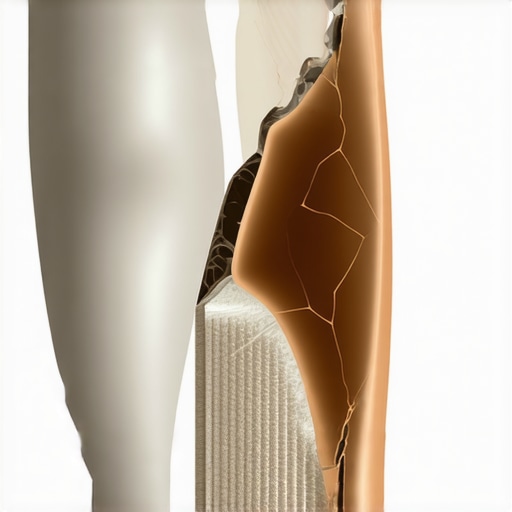
I was sitting at my kitchen table, nursing a lukewarm coffee and enjoying a slice of crusty sourdough, when it happened. One bite—just one—sent a jolt of electricity straight into my jawbone. It wasn’t a dull throb or a lingering ache. It was a sharp, aggressive ouch that disappeared the second I stopped chewing. I felt like a cartoon character seeing stars. For a while, I played the “chew on the other side” game, hoping it would just go away. Spoiler alert: it didn’t.
That Sharp Zinger Every Time You Chew
If you’re here, you’re likely doing the same dance. You’re wondering why your mouth feels perfectly fine until the very moment you try to eat. Today, I want to walk you through exactly why this happens and help you distinguish between a minor irritation and a situation where you need to stop a minor toothache from becoming a major emergency. We are going to look at the anatomy of that bite and why pressure is the ultimate reveal of dental secrets.
Is This Actually Worth the Trip to the Dentist?
You might think you can just tough it out. I thought so too. In my early twenties, I ignored a similar sharp pain for months. I convinced myself it was just a sensitive spot. By the time I finally sat in the chair, I’d turned what could have been a simple bonding repair into a situation where I had to learn why your dentist recommends a crown after a root canal. It was an expensive, painful lesson in procrastination. According to the American Association of Endodontists, localized pain when biting is a classic sign of a cracked tooth, and ignoring it often leads to the loss of the tooth entirely.
The Hidden Cracks You Can’t Even See
Sometimes the culprit is a microscopic fracture. These hairline cracks don’t show up on every X-ray, but boy, can you feel them. When you bite down, you’re actually flexing the tooth, which irritates the internal pulp. If you’ve ever wondered how to tell if your dental crown is cracked or just the cement, you know that localized pressure is the ultimate diagnostic tool. Have you ever felt that specific, sharp ‘click’ or zap when eating something as simple as a piece of fruit? I want to hear about it, because knowing exactly where it hurts is the first step to fixing it. We are going to dive into the most common culprits, from loose fillings to gum issues, so you can stop guessing and start eating comfortably again.
Stop the Flex Before the Break
Think of your tooth like the windshield of a car. A tiny chip might seem harmless, but as soon as you hit a pothole—or in this case, a crusty piece of sourdough—the pressure causes that tiny crack to flex. This movement is what sends that sharp, stabbing pain into your nerve. I remember a movie night where I hit a popcorn kernel and felt a strange, muffled ‘click.’ It didn’t even hurt then, just felt like a loose floorboard in my mouth. I ignored it, but two weeks later, that click became a lightning bolt every time I chewed. I eventually learned that why your dental crown feels like it has a click when you bite is often the first signal of structural failure. When you bite, the two sides of the crack separate and then snap back together, irritating the pulp inside. 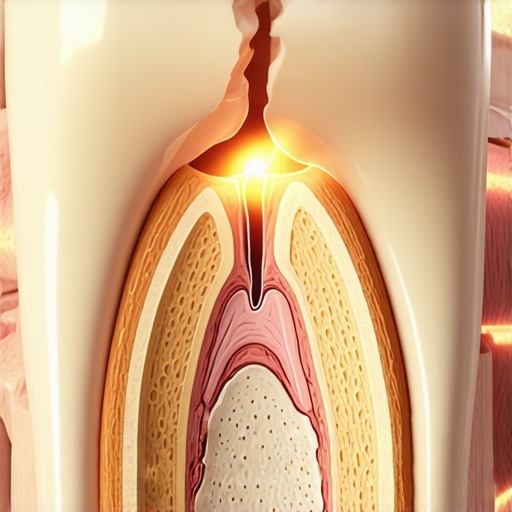
Check Your Old Fillings for Invisible Damage
If you have older silver fillings, they might be the secret culprits behind your biting pain. Metal expands and contracts at different rates than your natural tooth structure when you drink hot coffee or eat ice cream. Over decades, this constant ‘breathing’ can create stress fractures in the surrounding enamel. You might not see them in the mirror, but your nerves certainly feel them. This is often why your old metal fillings might be cracking your teeth from the inside without you even realizing it. Replacing these with modern composite materials or a protective cap can stop the tooth from splitting further.
The Difference Between Sensitivity and Structural Failure
It is crucial to distinguish between a tooth that is sensitive to temperature and one that hurts under physical load. If you can drink cold water fine but jump out of your seat when you chew a bagel, you aren’t dealing with thin enamel; you’re dealing with a mechanical issue. In these cases, you need to know how to fix a sensitive tooth flare up before your next appointment so you don’t cause more trauma to the area. Structural issues require stabilization, which is why expert advice on crowns and teeth cleaning for lasting results emphasizes that a crown acts like a hoop on a barrel, holding everything together so it can’t flex.
Practical Steps to Manage the Zap
While you wait for a professional evaluation, there are concrete steps you can take to minimize damage. First, stop the ‘test bites.’ It’s tempting to keep poking at the tooth with your tongue or biting down to see if it still hurts, but every time you do, you risk deepening the crack. Switch to a soft-food diet—think smoothies, mashed potatoes, and yogurt—to give the ligaments a rest. If the pain is coming from a high filling or a recent crown, the reason your crown feels loose when you wake up might be related to nighttime grinding, which makes the biting pain worse. Using an over-the-counter night guard can provide immediate relief by reducing the constant pressure. Remember, maintaining a rigorous oral health routine strengthening your smile every day keeps the surrounding gums healthy, which prevents bacteria from entering any cracks that have formed.Let’s dig deeper into the “set it and forget it” mentality that often surrounds high-end dental work. Most patients believe that once a crown is seated, that tooth is officially “safe” from decay forever. In reality, the opposite is true. While the porcelain itself won’t rot, the tiny seam where the crown meets your natural tooth—the margin—is a magnet for plaque. If you neglect maintaining your dental crowns dos and donts for best results, you’re essentially inviting bacteria to set up shop right at the foundation. I’ve seen perfectly crafted crowns fail within years because of a “shield” myth. Even the best understanding the role of crowns in modern smile makeovers won’t save a tooth if the patient ignores the biological width—the specific space between the crown edge and the bone.
Your Crown Isn’t an Invincible Shield
The most common mistake I see is the “scrubbing” trap. People feel the need to polish their teeth with aggressive force, thinking more pressure equals more clean. This is where the impact of regular teeth cleaning on overall oral wellness gets misunderstood. Using a hard-bristle brush can actually cause gum recession, exposing the vulnerable root surfaces below your crown. This is why your dentist wants you to stop using hard bristles immediately. A study published in the Journal of the American Dental Association (JADA) highlights that high Relative Dentin Abrasivity (RDA) in toothpastes, combined with stiff bristles, significantly accelerates enamel and restoration wear. 
Does Your Toothbrush Actually Do More Harm Than Good?
If you’ve jumped on the charcoal bandwagon to keep your smile bright, you might be doing more damage than you realize. The truth about charcoal toothpaste and why it might be ruining your enamel is that its gritty texture acts like sandpaper. It can dull the glaze on your porcelain restorations and weaken the bond of the cement. I’ve noticed that the reason your coffee habit is ruining your crowns sealant is often compounded by these abrasive “natural” cleaners that create micro-scratches where stains can easily hide.
The Maintenance Trap You Need to Avoid
Another nuance involves the “cleaner-is-better” fallacy with mouthwashes. Many people use high-alcohol rinses thinking they are sterilizing their mouth. However, chronic use of alcohol-based rinses can actually dry out your oral tissues and potentially soften the composite resins used to seal your crowns. It’s a subtle chemical reaction that happens over years, not days. Focus on oral health routine strengthening your smile every day using pH-balanced, non-abrasive products. Furthermore, if you are treating the whole family, remember that family dentistry focus building a lifetime of healthy smiles means teaching kids that more foam doesn’t mean more clean. Have you ever fallen into this “scrubbing” trap or used charcoal paste thinking it was safer? Let me know in the comments below; I’d love to hear your experiences.To truly move past the fear of that sudden, sharp ‘zap,’ you have to transition from reactive care to precision maintenance. I used to think a quick scrub with whatever was on sale at the drugstore was enough. I was wrong. Investing in the right tools is the difference between a crown that lasts ten years and one that lasts thirty. For example, I’ve completely swapped traditional string floss for a high-quality water flosser when cleaning around my porcelain work. The reason is simple: the pressurized stream can reach into the gingival sulcus—the tiny pocket where your gum meets the tooth—far more effectively than a piece of string without risking the ‘tug’ that can dislodge a temporary or weakened margin.
The Gadgets That Actually Protect Your Investment
If you are serious about oral health, you need an electric toothbrush with a built-in pressure sensor. I personally use the Oral-B iO series because it flashes red the second I press too hard. This is vital because keeping your gums from receding is the only way to avoid the dreaded dark line at the base of your tooth. When you see how crowns can transform your dental confidence, the last thing you want is for that aesthetic to be ruined by exposed roots. I also recommend looking into interdental brushes; they are tiny, pine-tree-shaped brushes that slide between teeth. According to a study published in the Journal of Clinical Dentistry, the use of a water flosser in combination with manual brushing was found to be significantly more effective at reducing gingival bleeding and plaque than brushing and string flossing alone. This isn’t just about ‘cleaning’; it’s about disrupting the biofilm before it can calcify into tartar. 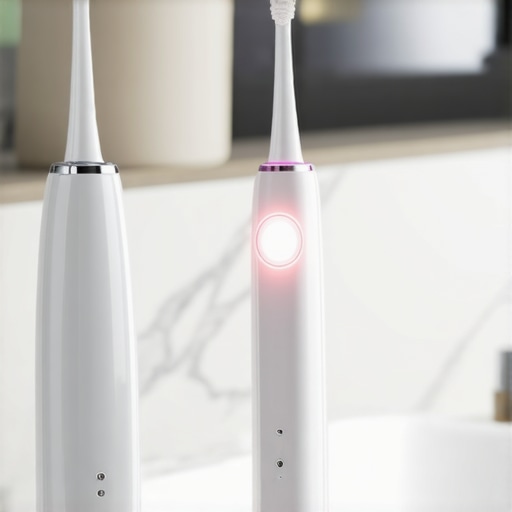
How can I keep my dental work looking new for decades?
The secret lies in consistent, non-abrasive care. While we’ve discussed the truth about the charcoal whitening trend and its dangers, the positive alternative is using a hydroxyapatite-based toothpaste. Unlike fluoride alone, hydroxyapatite can actually help remineralize small soft spots in the enamel surface. To ensure caring for crowns essential tips for longevity and shine are followed, I suggest scheduling your professional visits not just for a quick polish, but for a full assessment of the crown’s integrity. You need to understand what a professional prophy cleaning removes that your toothbrush cant touch, specifically the hardened calculus that acts like a wedge against your dental work.
The Future of Your Smile is Digital and Personalized
Looking ahead, I predict we are moving toward a ‘smart’ era of family dentistry. We are already seeing saliva diagnostic kits that can tell you your specific bacterial load before a cavity even forms. Soon, your toothbrush won’t just tell you if you’re pressing too hard; it will analyze your oral microbiome in real-time. For now, the most effective ‘future-proofing’ you can do is biological: how a simple night guard can save you thousands in future dental work cannot be overstated. By neutralizing the mechanical force of grinding, you prevent the micro-cracks we talked about earlier. If you’re still using a manual brush, my challenge to you is this: switch to a pressure-sensing electric model for just two weeks. You’ll be shocked at how much less ‘trauma’ your gums feel, and you’ll finally master the teeth cleaning secrets effective home practices for family dental health that the pros use.
The One Dental Truth I Learned the Hard Way
If there is one thing I’ve realized after years of navigating dental chairs, it’s that pain is a messenger, not a nuisance. I used to think that if the pain wasn’t constant, it wasn’t serious. I was wrong. I’ve learned that a sharp zinger is often the only warning your tooth gives you before a fracture reaches the nerve. I also discovered that your dentist isn’t a mind reader; you have to be specific. Tell them if the pain happens when you release the bite or when you press down, as this helps them decide why we use different materials for front crowns versus back molars to best support your unique bite force. Lastly, I realized that preventative steps are significantly cheaper than reactive ones, and waiting for the pain to become constant is a recipe for an emergency.
Gear That Actually Saves Your Restoration
I’ve curated a small but mighty toolkit that has kept my dental work in pristine condition. First, I never skip the benefit of using an alcohol-free mouthwash for dry mouth because keeping the oral environment hydrated protects the seals of my crowns from premature degradation. Second, I’ve made how a simple night guard can save you thousands in future dental work my personal mantra. I wear mine every single night without fail to neutralize the physical forces that cause micro-cracks. Finally, I trust my water flosser over traditional string because it provides a deeper clean without the risk of snagging a margin. These aren’t just gadgets; they are the frontline defense for your long-term health.
Take Control of Your Bite Today
Don’t let the fear of a potential procedure keep you from enjoying your favorite meals. Whether you need a simple adjustment or are just starting to look into family dentistry focus building a lifetime of healthy smiles, taking that first step toward a diagnosis is where your relief begins. Your comfort and your ability to eat without hesitation are essential to your quality of life. Commit to an oral health routine strengthening your smile every day, and you’ll find that the sharp zap becomes a distant memory. Have you ever felt that mystery pain only when eating specific foods like seeds or crusty bread? Let me know in the comments below!