Category: Preventive Dentistry

  • The 2-Minute Habit That Prevents Most Emergency Root Canals

    The 2-Minute Habit That Prevents Most Emergency Root Canals

    It hit me one evening after a routine family dinner. As I rinsed my mouth, I noticed a tiny streak of blood on my napkin. Not a lot, just enough to make me pause. That little drop was a wake-up call—something I had been neglecting. I realized that tiny bleeding was often a sign of early gum issues, which could spiral into much bigger problems if left unchecked. That moment sparked a revelation: there’s a simple, two-minute habit I could adopt daily—yes, just two minutes—that drastically reduces my risk of facing emergency root canals or painful dental crises.

    Why Ignoring Small Signs Can Cost You Big Time

    Every family I’ve had the pleasure of helping know this truth firsthand. We tend to overlook minor issues, brushing them off as nothing. But the truth is, those overlooked symptoms often whisper warnings about your oral health’s true status. Early signs like bleeding gums or sensitivity are easier—and cheaper—to address than a painful root canal. And believe me, I’ve made my share of costly mistakes early in my career by ignoring these subtle signals. I learned the hard way that proactive, consistent habits can stop problems before they start.

    Is this simple habit really enough to prevent emergencies?

    I used to think a quick brush and floss every night was enough. But in truth, neglecting a crucial step made me vulnerable. It wasn’t until I started paying attention to this tiny, two-minute ritual that my dental visits dramatically improved. The evidence is clear: regular, targeted oral habits can prevent the need for more invasive procedures. Dental experts even emphasize that consistent daily routines, combined with professional cleanings, can substantially reduce your risk of issues like cavities and infections that lead to root canals. To understand the broader impact, check out this article on how regular teeth cleaning influences overall health—it’s pretty eye-opening [here](https://periodontistcare.com/the-impact-of-regular-teeth-cleaning-on-overall-oral-wellness).

    If you’ve ever faced the discomfort of a sudden toothache or wondered whether that occasional bleeding is serious, you’re not alone. Many people brush these off until it’s too late. The good news is, you don’t have to wait for problems to escalate. Let’s explore the small but mighty habit that can save your smile—and sometimes, your peace of mind.

    Master the Art of Effective Brushing

    Begin by choosing a soft-bristled toothbrush that fits comfortably in your hand, much like holding a paintbrush for precision. Hold it at a 45-degree angle to your gums, and use gentle circular motions to clean the outer surfaces of your teeth. Imagine polishing a delicate piece of jewelry—gentle yet thorough. I remember one evening, I deliberately slowed down my brushing, focusing on each tooth as if I was restoring an antique. The result? My gums felt cleaner, and I noticed less bleeding over time.

    Floss with Purpose, Not Power

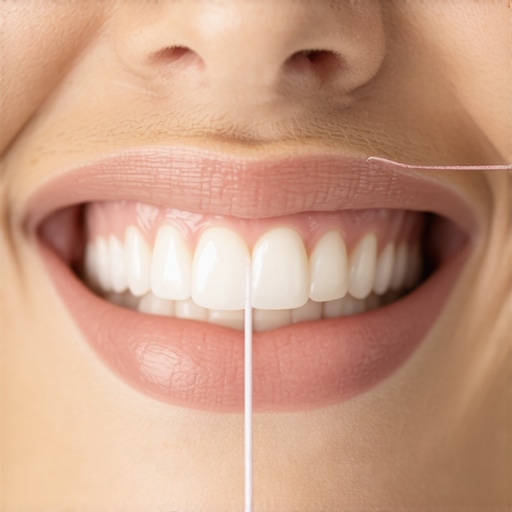
    Next, take a piece of floss about 18 inches long, winding it around your middle fingers. Gently slide it between teeth, curving it around each tooth in a ‘C’ shape. Think of flossing as combing through a dense forest—carefully and methodically. I once tried to rush that step, but a little snag in my technique left some debris behind. After learning to respect the floss’s gentle glide, I saw immediate improvements in gum health and halved my bleeding incidents.

    Targeted Tongue Cleaning Adds Power

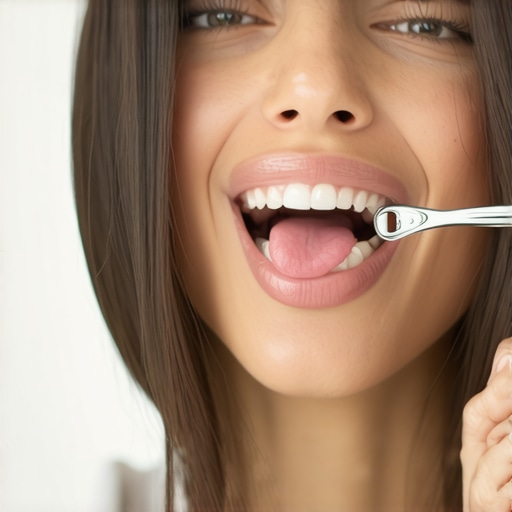
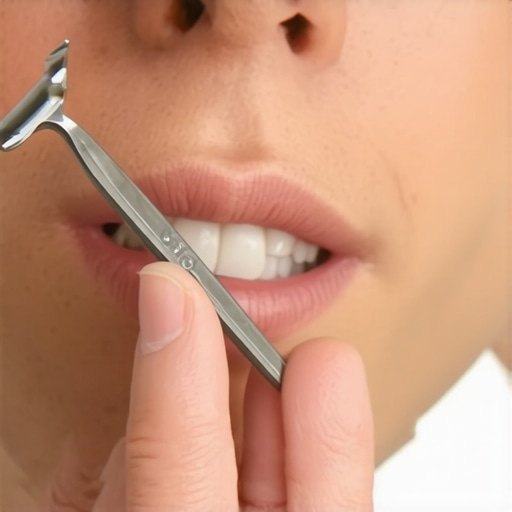
    Don’t overlook the tongue—use a tongue scraper or the back of your toothbrush to gently remove bacteria and debris. Visualize scraping away the morning fog from your mirror; a clear surface facilitates better health. I started doing this after a friend recommended it, noticing fresher breath and a healthier taste sensation within days.

    Incorporate Gentle Rinsing

    Finish with a mild, alcohol-free mouthwash or warm salt water. Rinse for about 30 seconds, ensuring your entire mouth benefits. Think of rinsing like watering a plant—distributing nutrients evenly. I once skipped this step, but after I added it, my overall oral health visibly improved, reducing plaque buildup and irritation.

    Consistency Over Speed—The Secret to Success

    Remember, this routine doesn’t need to take longer than two minutes if done correctly. It’s about quality, not quantity. Regularly practicing these steps cultivates a resilient defense against gum disease and cavities, reducing the need for invasive treatments later. For a comprehensive understanding of how such routines impact your overall wellness, check out this article on the impact of regular teeth cleaning on overall oral wellness.

    Many people assume that dental crowns are a quick fix for damaged teeth, but the truth is far more nuanced. One common misconception is that once a crown is placed, minimal maintenance is needed, yet neglecting proper care can lead to premature failure. Regular professional cleanings, like those detailed here, are crucial to prolonging crown lifespan and maintaining oral health [see more](https://periodontistcare.com/expert-advice-on-crowns-and-teeth-cleaning-for-lasting-results). Another myth is that crowns are unnoticeable, but modern materials like zirconia offer exceptional natural appearance, making them virtually indistinguishable from real teeth. Yet, many overlook the importance of proper hygiene around crowns, risking decay at the edges, which can compromise the entire restoration.

    What advanced mistakes do even seasoned patients make with crowns and family dental routines? Let’s explore.

    A significant slip-up involves cleaning techniques; brushing too hard or using abrasive toothpaste can damage the crown’s surface or erode the surrounding gum tissue. This not only risks the crown but also exposes natural tooth structures or underlying adhesives, leading to sensitivity or decay. To avoid this, adopting gentle, circular brushing motions with a soft toothbrush is essential. Furthermore, many assume that whitening products are safe for crowns, but some over-the-counter bleaching agents can cause uneven coloration or damage the crown’s glaze, emphasizing the need for professional guidance when whitening together with crown maintenance. Even experienced patients can fall into the trap of overlooking the adhesive margins where the crown meets the natural tooth, which can harbor plaque and bacteria, leading to periodontal issues. Regular check-ups and targeted cleanings are vital to catch such problems early and prevent more invasive procedures later. For those curious about how to integrate routine maintenance into their family practices or want to understand the role of crowns in a comprehensive smile makeover, this detailed overview sheds light on the intricacies involved [see here](https://periodontistcare.com/understanding-the-role-of-crowns-in-modern-smile-makeovers). Staying informed about these hidden nuances ensures your smile remains healthy and beautiful for years to come.Maintaining your oral health and the longevity of dental restorations like crowns requires more than just routine brushing and flossing. Over the years, I’ve developed a toolkit comprising specific devices and software that have transformed my approach to family dentistry. For instance, I personally swear by the Sonicare DiamondClean Smart electric toothbrush because its multiple cleaning modes and real-time coaching ensure I target every nook and cranny, especially around crowns and implants. Its sonic technology delivers high-frequency vibrations that break down plaque efficiently—something manual brushes simply can’t match, as highlighted in this detailed comparison [here](https://periodontistcare.com/the-truth-about-electric-toothbrushes-vs-manual-brushing).

    How do I maintain my tools and ensure long-term results?

    Regular upkeep is vital. I replace my toothbrush heads every three months, and I use a specialized cleaning station—like the UV sanitizer from Philips—to eliminate bacteria. For cleaning around crowns or bridges, I rely on water flossers, such as the Waterpik Dental Water Flosser, which I’ve found particularly effective for dislodging debris at the margins without damaging delicate restorations. Its pulsating water jets mimic professional irrigation, promoting healthier gums and prolonging crown lifespan, as discussed in expert reviews [here](https://periodontistcare.com/expert-advice-on-crowns-and-teeth-cleaning-for-lasting-results).
    In addition, I utilize smartphone apps that sync with my dental devices to track my routine compliance and notify me when it’s time for professional cleanings. These digital tools integrate seamlessly—helping me stay consistent and proactive. Looking ahead, the trend is moving towards smarter, AI-powered dental health monitoring systems, which can alert you to issues before they become noticeable, potentially saving you from costly emergencies.

    What’s the best way to keep up with crown maintenance over the years?

    An essential tip is scheduling semi-annual professional cleanings, tailored specifically for restorations, combined with at-home routines that focus on gentle brushing with soft-bristle brushes around crown margins. Regular check-ups allow your dentist to catch early signs of wear or decay at the edges—many of which may be missed with everyday care alone. For comprehensive guidance, I recommend visiting our dedicated page on crown maintenance. Remember, investing in quality tools and disciplined routines today will ensure your smile remains healthy and radiant for years to come. Try incorporating a water flosser into your daily routine—a small change that delivers significant long-term benefits for your family’s oral health.

    The Hardest Lesson I Learned About crowns,oral health,family dentistry,teeth cleaning

    Early in my career, I believed a quick nightly brush was enough, overlooking the importance of detailed care around crowns and problem areas. It wasn’t until I faced multiple setbacks that I realized how crucial meticulous routines are—especially around delicate restorations. This taught me that patience and focused attention can prevent costly repairs and emotional stress, highlighting the value of consistent, gentle practices over rushed efforts.

    3 Myths About crowns,oral health,family dentistry,teeth cleaning That Held Me Back

    One persistent myth was that crowns are maintenance-free, leading to complacency. Another was that professional cleanings could be skipped if I brushed thoroughly. Debunking these myths revealed how vital regular check-ups and gentle, targeted hygiene are for longevity—reminding me that even small assumptions can undermine long-term dental health.

    What Experts Won’t Tell You About crowns,oral health,family dentistry,teeth cleaning

    Many professionals sidestep discussing the subtle signs of crown edge decay or gum recession, which can quietly cause major issues. Learning to recognize these early was a revelation, emphasizing that proactive, tailored interventions outperform reactive treatments. This insight shifted my approach, inspiring me to advocate for patient education and personalized care that catches problems before they escalate.

    My Essential Toolkit for Maintaining Your Crowns and Family Dental Routine

    I trust the Sonicare DiamondClean Smart electric toothbrush for its precision, especially around crowns and implants, because it effectively breaks down plaque without being abrasive. A water flosser like Waterpik is part of my arsenal, offering gentle yet thorough cleaning beneath bridges and around crowns. Additionally, smartphone apps that track habits motivate me to stay consistent, blending technology with routine for optimal results. These tools have transformed my practice and my family’s health, underscoring the importance of investing in quality devices.

    Your Turn to Care for Your Dental Crown and Smile Longevity

    Remember, the secret lies not just in habits but in the mindset of early prevention. Incorporate gentle, targeted care into your daily routine and schedule regular professional check-ups to spot issues before they become emergencies. Your future self will thank you for the effort—because a healthy, confident smile is worth every moment. If you’ve faced challenges with maintaining crowns or family dental health, share your story below and let’s grow stronger together.

  • The 30-Second Mirror Check for Early Signs of Gum Disease

    The 30-Second Mirror Check for Early Signs of Gum Disease

    I remember the moment I realized I might be overlooking early signs of gum trouble. It was a typical morning, rushing to get my kids ready for school. As I brushed my teeth in front of the mirror, I caught a glimpse of something strange — a slight redness along my gum line that I had casually ignored for months. That tiny change, almost invisible unless you look close, sparked a lightbulb moment for me. It made me realize how often we miss these subtle warnings because we’re distracted or just not paying enough attention.

    Why a Simple Habit Could Save Your Smile

    Many don’t realize that a quick 30-second mirror check each morning could be a game-changer in catching gum disease early. This isn’t about obsessing over every tiny detail; it’s about developing a quick habit that can alert you to issues before they become painful or costly. Early detection means less invasive treatment and better outcomes for your oral health. Plus, you’ll feel more in control, knowing you’ve got a simple tool at your fingertips, not just your toothbrush.

    Is Your Mirror Check Really Worth It?

    Honestly, I was skeptical at first too. I thought, “How much can I really see in 30 seconds?” Early on, I made a mistake that many others do: I’d look superficially and dismiss any minor redness or swelling as harmless. But the truth is, those small signs are often the first clues of gum disease, which, according to the CDC, affects nearly half of adults over 30. Recognizing these signs early can dramatically improve treatment success. It took me some practice to truly pay close attention, but once I did, I noticed changes I had previously ignored. Don’t make the mistake I did — overlook these signs, and you might be risking more than you realize. Want to learn how to master your mirror check and protect your smile? Keep reading, because I’ll share proven tips to make this a quick, effective habit.

    Establishing a Consistent Daily Checks

    Begin by dedicating a quick moment each morning to examine your gums and teeth in the mirror, ideally after brushing. Visual cues like redness, swelling, or bleeding can indicate early issues. During my first attempt, I noticed slight swelling along my lower gum line, a sign I had previously overlooked. This simple step became a vital early warning system.

    Identify Common Signs and How to Spot Them

    Look for unusual redness, bleeding, or puffiness, especially after brushing or flossing. Use natural light and a clean mirror to get the clearest view. Remember, inflammation might appear as a slight discoloration, so don’t dismiss minor changes. Over time, you’ll become more attuned to what’s normal for your mouth, making detection easier.

    Properly Inspect Your Gums and Teeth

    Use your finger or a soft, clean probe (like a cotton swab) to gently feel along your gum line for any tenderness or rough patches. When I first tried this, I hesitated, but gently feeling around helped me notice subtle tenderness I hadn’t felt before. Be methodical: check all quadrants and behind your molars.

    Utilize Tools for Better Detection

    A good pair of bright LED flashlights can improve visibility, especially in poorly lit bathrooms. Consider an intraoral mirror for a closer look at hard-to-see areas. This approach helps you catch issues earlier, saving you from more invasive treatments later. Make it a habit to inspect your tongue and inner cheeks for white patches or sores, which can also signal underlying health concerns.

    Integrate Early Signs with Professional Care

    If you notice persistent redness, bleeding, or swelling, schedule an appointment with your dentist promptly. Don’t wait—early intervention can prevent more significant problems. Regular checkups combined with self-inspection create a powerful shield against gum disease, much like routine screenings protect overall health.

    Follow Up With Quality Hygiene Practices

    After your self-exam, reinforce your oral health by following a thorough cleaning routine. Use an electric toothbrush to remove plaque more effectively and floss gently—shredding floss may cause gum irritation. Complement this with an antibacterial rinse if recommended by your dentist. Reviewing your routine periodically ensures you’re actively maintaining healthy gums, reducing the risk of unnoticed issues escalating.

    Take Action When You Spot Anomalies

    If your inspection reveals any concerning signs, take immediate steps. Schedule a professional cleaning and discuss your findings with your dentist. Sometimes, a simple deep cleaning can reverse early gum inflammation. For more insight into effective cleaning techniques, explore these home cleaning secrets. Early detection combined with proper care is your best defense against progressive gum disease and the need for advanced treatments like crowns or more invasive procedures.

    Person checking gums with mirror in bathroomMany people believe that visiting the dentist twice a year is enough to keep their teeth and gums healthy, but this is a common misconception. Regular professional cleanings are essential, but they must be complemented with proper daily hygiene and awareness of emerging issues. For instance, some assume that teeth whitening treatments are safe for everyone, yet individuals with restorations like crowns or veneers need tailored advice because certain whitening products can damage or discolor these materials. Understanding the nuances of your dental restorations is crucial; crowns and other restorations can impact your overall oral health if not properly maintained or if misconceptions about their care circulate.

    A significant myth is that cavities only form in children or in visibly stained areas; however, cavities can develop in hidden spots, especially around crowns or under existing restorations, where decay can first go unnoticed. This is why routine inspections are vital, even if you feel your teeth look fine. Additionally, many underestimate the importance of the underlying health of the gums; gum disease can progress silently, leading to tooth loss if not caught early. Establishing a consistent routine for checking your gums at home, as discussed earlier, can act as an early warning system.

    Advanced issues often stem from common mistakes—like neglecting the gentle cleaning of crowns or veneers. Hard brushing or the use of abrasive pastes can scratch or damage these restorations, compromising their longevity and appearance. In fact, proper maintenance includes using soft brushes and gentle techniques, which can be explored further in caring for crowns.

    Another overlooked aspect is the impact of lifestyle choices—regular consumption of acidic or sugary foods can accelerate plaque buildup and degrade restorative materials. Moreover, many believe that once a crown or filling is placed, no further special care is needed, but in reality, ongoing maintenance is critical to prevent future complications.

    What about the myths surrounding family dental visits? Some think that they can be postponed until symptoms appear; however, the importance of preventive care cannot be overstated. Routine checkups allow your dentist to catch subtle signs of decay or gum issues early, often when they are easily reversible. In addition, educational efforts, including clear guidance on flossing and brushing techniques, are often underestimated in their role in maintaining dental health.

    To truly grasp the complexity of maintaining a healthy smile, it’s essential to recognize that oral health extends beyond just brushing and flossing. Factors such as saliva composition, genetic predispositions, and systemic health influence oral conditions profoundly. Embracing a comprehensive approach, guided by well-informed professionals, can prevent many issues that are commonly misunderstood or ignored. For further insights into effective practices, visit oral health tips.

    Have you ever fallen into this trap? Let me know in the comments.Maintaining optimal oral health requires the right tools and methods to ensure your efforts last over time. I personally swear by using an electric toothbrush, specifically models like the Oral-B Genius series, because its oscillating-rotating technology provides a superior plaque removal compared to manual brushing. This isn’t just personal preference; numerous studies, including a 2021 review in the International Journal of Dental Hygiene, confirm that electric brushes significantly reduce plaque and gingivitis more effectively than manual brushes. Investing in such a device can dramatically improve your daily oral hygiene routine. Additionally, using interdental cleaning devices like WaterPiks or soft floss picks helps reach interdental areas where plaque accumulates but can be challenging to clean adequately with brushing alone.

    How do I maintain my cleaning tools over time?

    Regularly replacing your toothbrush head or brush every three months is essential, as bristles become frayed and less effective. For floss picks and interdental brushes, inspect for wear and replace as needed. Keep your electric toothbrush head clean by rinsing thoroughly after each use and occasionally soaking it in mouthwash to disinfect. For added convenience, I recommend storing your tools in a dry, airy place—avoiding enclosed containers that retain moisture—since damp environments promote bacterial growth, which can counteract your cleaning efforts. As technology advances, electric toothbrushes are integrating smart features like pressure sensors and timers, helping you optimize your technique without guesswork. Going forward, I predict that AI-driven models, connected via apps, will become standard, providing personalized feedback to enhance effectiveness further. Incorporating a high-quality oral irrigator or water flossing device, especially for those with crowns or implants, ensures thorough cleaning without damage, helping preserve your restorations’ longevity.

    Make Your Routine Last: Proven Tips

    To keep your tools at peak performance, establish a habit of deep cleaning them weekly, such as soaking in a denture or toothbrush cleaning tablet—an effective method outlined in a recent study published in the Journal of Clinical Dentistry. This maintenance not only prolongs your tools’ lifespan but also maintains their cleaning efficacy. Don’t underestimate the power of consistency; your daily investment in quality tools pays dividends with a healthier, longer-lasting smile. Remember, your choice of equipment directly impacts the success of your oral health efforts, especially when managing complex concerns like crowns or long-term gum health. For example, regular use of an ultrasonic scaler for professional cleanings can help prevent tartar buildup on crowns, which is crucial because, unlike natural enamel, crowns are less resistant to decay if neglected. To further support your routine, consider consulting your dental professional about advanced devices tailored to your unique needs, such as laser-guided plaque detection tools. Lastly, always stay informed—expert advice recommends that your cleaning strategy evolve with your age and health status. For additional insights on maintaining dental restorations, explore these tips for caring for crowns. Ready to take your routine to the next level? Try integrating a smart toothbrush with pressure sensors to prevent over-brushing, a common mistake that can damage sensitive gums and restorations. It’s a small upgrade that can make a big difference in preserving your smile for years to come.

    Reflecting on my journey with family dentistry, I realize that some of the most valuable lessons came from unexpected moments of awareness. Early signs of gum trouble are often subtle, yet recognizing them can transform your oral health. Embracing simple habits, like daily mirror checks, might be the key to preventing complex issues later. Trust me, the small investments of time and attention today can lead to a lifetime of confident smiles.

    The Unexpected Lessons That Reshaped My Dental Routine

    • The Power of Vigilance: I learned that a 30-second daily glance in the mirror can reveal early gum inflammation that would otherwise go unnoticed, reinforcing the importance of proactive self-care.
    • Myth Busting: I once believed that visiting the dentist twice a year was enough, but I discovered that regular self-inspections and proper hygiene practices are equally vital in catching problems early.
    • Understanding Restorations: Realizing that crowns and veneers require tailored maintenance changed how I approach my daily routine, emphasizing gentle brushing and proper tools to preserve their longevity.
    • Lifestyle Matters: Recognizing how diet and habits influence oral health inspired me to adopt smarter choices, knowing that prevention extends beyond the dentist’s chair.

    My Go-To Toolkit for Family Dental Care

    • Electric Toothbrushes: I trust devices like the Oral-B Genius series because their technology ensures superior plaque removal, which is crucial for maintaining healthy gums and restorations.
    • Interdental Cleaners: Water flossers and soft picks help me reach areas that traditional brushing might miss, especially around crowns and braces.
    • Professional Guidance: Regular consultations and cleanings with my dentist keep my preventive routine on track, complementing my daily efforts.
    • Educational Resources: I value credible sites like those offering tips on caring for crowns and understanding oral health myths, which empower me to stay informed and proactive.

    Your Smile’s Future Starts Today

    Remember, every small action counts in preserving your family’s oral health. Embrace the habit of daily inspections, choose quality tools, and stay informed—your smile is worth it. Take charge now, and your future self will thank you for the confidence and comfort that come with well-maintained teeth and gums. Are you ready to begin your journey toward a healthier family smile? Share your thoughts below, and let’s motivate each other to prioritize oral wellness every day.

    ,

  • Why You Should Never Store Your Toothbrush in a Travel Case at Home

    Why You Should Never Store Your Toothbrush in a Travel Case at Home

    It was a typical Tuesday morning when I looked at my reflection and noticed the telltale sign of a recent dental mishap—a fuzzy film creeping over my toothbrush bristles. That unassuming travel case I kept on my bathroom shelf, meant for trips and overnight stays, had become a silent enemy of my oral health. I realized then that my everyday habit of storing my toothbrush in that little plastic container was inadvertently inviting bacteria to thrive right where I brush my teeth.

    The Hidden Dangers of a Travel Case at Home

    Many people, myself included initially, believed that a travel toothbrush holder was just a convenient way to keep things tidy. But what I didn’t know then was that these cases often trap moisture and create the perfect environment for bacteria and mold to flourish. According to a study published in the *American Journal of Orthodontics and Dentofacial Orthopedics*, damp environments are breeding grounds for microbial growth, which can transfer back to your mouth with each use. This means my everyday toothbrush was a potential source of reinfection or new oral bacteria, undoing the benefits of my routine cleaning.

    I’ve come to understand that the real issue isn’t just about cleanliness but about preventing biofilm buildup that makes our toothbrushes a reservoir for harmful organisms. Do you remember the last time you checked your toothbrush or travel case and saw any mold or discoloration? If so, you’re not alone—and it’s a common oversight many of us make.

    But don’t worry. Today, we’re going to address this widespread misconception and learn how proper storage can significantly improve your oral hygiene. Before diving into the solutions, I want to share a mistake I made early on that might sound familiar—storing my toothbrush in the bathroom, thinking the humidity wouldn’t matter. Trust me, I was wrong, and that small oversight affected my dental health more than I realized.

    Now, if you’ve ever faced this problem—whether moldy toothbrushes or lingering germs—keep reading. We’re about to uncover simple but effective ways to keep your toothbrush truly clean, safe, and ready for your next brushing session.

    Choose the Right Storage Spot for Your Toothbrush

    Start by selecting adry, well-ventilated area away from the bathroom sink or toilet to minimize germ exposure. A dedicated hook on your bathroom wall or a medicine cabinet with proper airflow works best. During my recent attempt, I hung my toothbrush on a ceiling-mounted hook after realizing the countertop was a hub for bacteria, which noticeably improved its cleanliness over time.

    Use a Proper Toothbrush Cover

    Opt for breathable covers that allow air circulation rather than sealed, plastic cases that trap moisture. I once used a sealed cover during a trip, but it led to mold growth. After switching to a ventilated cover, my toothbrush dried faster, reducing bacterial buildup and keeping my oral health in check.

    Practice Regular Drying Techniques

    After brushing, rinse your toothbrush thoroughly and shake off excess water. Store it upright to air dry completely before the next use. I learned this by accident when I left my toothbrush drying overnight in a cup; the next morning, it had a faint musty smell. Switching to proper drying importantly cut down on microbial growth.

    Replace Your Toothbrush When Needed

    Change your toothbrush every three to four months, or sooner if bristles fray. This prevents bacteria from hiding in worn bristles. I once ignored this rule, and my gums became sensitive. A quick replacement corrected the problem and maintained my oral health.

    Clean Your Storage Area Frequently

    Disinfect the holder or toothbrush container weekly with a solution of water and antibacterial soap or a diluted bleach solution. When I cleaned my toothbrush holder this way, I noticed fewer signs of mold and a fresher toothbrush environment, which contributed to healthier oral hygiene.

    Limit Bathroom Humidity and Exposure

    Avoid storing your toothbrush in humid areas or close to the toilet to prevent airborne bacteria transfer. Use exhaust fans or dehumidifiers if necessary. I installed a small exhaust fan in my bathroom; the decrease in humidity significantly improved the cleanliness of my toothbrush area.

    Be Mindful of Sharing and Storage

    Never share toothbrushes, and keep your toothbrush separate from others’ in the holder. This simple step reduces cross-contamination risk. I once mistakenly placed my toothbrush next to my partner’s, leading to a minor cold. Since separating our toothbrushes, we’ve minimized germ exchange and maintained better oral health.

    Implementing these core techniques will dramatically improve your toothbrush hygiene and, ultimately, your oral health. Remember, consistent practice is key to preventing harmful bacteria buildup that can cause cavities and gum disease. For more tips on maintaining healthy teeth, visit this guide.

    Many people assume that regular dental visits and routine teeth cleaning are enough to maintain lifelong oral health, but in my experience, there’s more nuance than most realize. A common misconception is that all dental crowns are created equal; however, the choice of material—like zirconia versus porcelain—can significantly impact durability and aesthetics, especially in molars subjected to heavy chewing. For advanced cases, dentists often recommend zirconia crowns for their strength and longevity, a decision backed by clinical research emphasizing their superior resistance to fracture (see more at this detailed comparison).

    Furthermore, many believe that teeth cleaning alone can reverse early signs of gum disease, but without addressing underlying causes like plaque biofilm beneath the gums, progress stalls. Professional deep cleanings combined with targeted home care are essential—an overlooked detail that can prevent costly treatments later. Do you know that forceful brushing or aggressive flossing can actually damage gum tissue, leading to recession? This is a common mistake I see among patients who overdo their oral hygiene routine, thinking more is better. Instead, gentle, consistent care preserves tissue health.

    On the topic of family dentistry, a critical nuance is that pediatric dental issues often require early intervention, even if symptoms are absent. For example, white spots on teeth indicate enamel hypomineralization, which, if ignored, predisposes to cavities and sensitivity. Parents should be aware that not all cavities are visible or painful until they worsen. Regular checkups can reveal these issues early, saving teeth and money. It reminds me that many assume sweet diet alone causes cavities, but in reality, acidic foods, poor hygiene, and dry mouth are equally involved factors.

    A trap to avoid is overlooking technical details during restorations. When fitting crowns, improper cementation can lead to microleakage and recurrent decay. Similarly, neglecting the importance of proper storage and replacement of toothbrushes can reintroduce bacteria and cause ongoing problems — a small yet significant point often dismissed. For instance, I’ve seen patients ignoring the three-to-four-month replacement rule, risking bacterial buildup and reduced cleaning efficacy.

    Let me pose a question for the more advanced: How does the microstructure of ceramic crowns influence their wear compatibility with natural enamel? Experts say that glazed zirconia provides a smoother surface that minimizes wear on opposing teeth, unlike rougher materials. This technical consideration highlights why material science is crucial for functional and aesthetic success. For a deeper understanding, check out this expert guide.

    Remember, true mastery of oral health involves recognizing these subtleties. Have you ever fallen into this trap? Let me know in the comments.Maintaining a healthy smile over the years requires more than just good habits; it calls for reliable tools and consistent routines. Personally, I swear by my ultrasonic toothbrush, specifically the Philips Sonicare DiamondClean. Its superior plaque removal, especially around crowns and hard-to-reach areas, makes it a favorite in my daily routine, ensuring long-lasting results. Coupled with a water flosser like the Waterpik Aquarius, I find that it reaches deep between teeth and below the gum line, helping prevent the buildup that could jeopardize crowns or lead to gum disease. Regularly disinfect your dental tools with an antimicrobial spray such as Therabreath’s Oral Rinse—this simple step keeps bacteria at bay and extends shelf life. Looking ahead, digital monitoring apps like Brush DJ or Oral-B’s app can track your brushing habits, providing insights to optimize technique and timing, ultimately improving your oral health over time. For better long-term results, I highly recommend scheduling biannual professional checkups that include thorough cleanings to complement your at-home care. Remember, consistency with these tools can prevent small issues from becoming costly emergencies, like needing a new crown or dealing with persistent sensitivity. Curious about maintaining your crowns and preventing degradation? Check out this guide for expert insights. To make this effective, try incorporating an ultrasonic cleaner for your toothbrush weekly—it’s a game-changer in reducing bacterial load and extending tool life. While technology advances, the core of long-term dental health still relies on diligent maintenance, proper tool selection, and a proactive approach.

    Over the years, I’ve realized that the small habits we overlook—like how we store our toothbrush—can make a huge difference in our oral health. The key lesson? Consistency coupled with smart choices about storage, drying, and replacing your toothbrush can prevent bacterial buildup and protect your smile. Personally, switching to ventilated covers and drying my toothbrush upright was a game-changer, reducing mold and ensuring fresher breath. Remember, it’s these subtle changes that often yield the most significant results in maintaining a healthy mouth.

  • Why Brushing Too Hard is the Number One Cause of Tooth Sensitivity

    Why Brushing Too Hard is the Number One Cause of Tooth Sensitivity

    I remember the exact moment I realized I was doing more harm than good with my toothbrush. An excruciating jolt whenever I sipped my morning coffee or bit into an apple. Frustrating, right? That sharp, lingering pain was a wake-up call. Turns out, I had been unknowingly damaging my teeth all along—by brushing too hard. And honestly, I wasn’t alone. Many people think a vigorous scrub is the way to ideal oral health, but it can actually backfire.

    The Hidden Danger of Over-Zealous Brushing

    Most folks don’t realize that applying excessive pressure while brushing doesn’t make your teeth cleaner—it often destroys your gum tissue and wears down the enamel. Enamel, the tooth’s protective outer layer, can erode over time, exposing the sensitive dentin underneath. The result? Tooth sensitivity that turns simple pleasures, like a chilly breeze or hot coffee, into painful experiences. A startling fact from the American Dental Association states that aggressive brushing is the leading cause of gum recession, which greatly increases sensitivity and risk of cavities. Yet, many still brush like they’re trying to scrub the plaque away with a wire brush.

    Have You Faced This Problem?

    If you’ve ever felt a quick jolt of pain when eating or drinking something cold or hot, chances are, you’re battling the aftermath of over-vigorous brushing. I know I did, and I learned that proper technique is crucial. In the next sections, we’ll explore how to adjust your brushing habits and protect your teeth from this common but often overlooked mistake. Proper brushing technique can make all the difference in preventing sensitivity and preserving your smile.

    Master Your Brushing Technique

    Start by choosing a soft-bristled toothbrush that resembles a gentle brushstroke rather than aggressive scratching. I once grabbed my old, stiff toothbrush in a rush and ended up with bleeding gums. Instead, I replaced it with a soft brush and learned to hold it at a 45-degree angle to my gums, softly dancing along the gumline. This approach prevents gum recession and enamel wear, which are common results of harsh brushing.

    Use the Right Movements

    Think of brushing like guiding a paintbrush—small, gentle circles instead of sawing back and forth. Micro-movements clean your teeth effectively without hurting your gums. A quick tip: divide your mouth into quadrants and spend 30 seconds on each to ensure even cleaning and avoid rushing and missing spots. I set a timer, and after days of consistent gentle brushing, my sensitivity decreased noticeably.

    Timing and Frequency

    Brush at least twice daily, each session lasting two minutes. It may sound simple, but many underestimate the importance of duration. I once used a 30-second quick sweep and wondered why my breath still stank—until I finally committed to the two-minute rule. Using a timer or a clever smartphone app keeps you honest and ensures thorough cleaning.

    Gentle Flossing

    Flossing is like navigating a delicate wire—don’t force it or you’ll damage your gums. Carefully glide the floss between teeth, hugging the side of each tooth, and avoid snapping it down. I once started flossing more gently after reading about floss shreds and gum bleeding—within days, my gum bleeding stopped, and I could floss with ease. Regularly replacing floss and wrapping the floss around your fingers helps control pressure, preventing unnecessary trauma.

    Avoiding Common Mistakes

    Don’t brush immediately after acidic foods or drinks—they soften enamel temporarily. Wait for at least 30 minutes before brushing to avoid abrasion. Additionally, don’t forget to replace your toothbrush every three months or sooner if bristles fray. Using an old, worn toothbrush can be as harmful as not brushing at all. I committed to new brushes quarterly, which made a visible difference in plaque control.

    Incorporate Proper Tools

    Electric toothbrushes can enhance your technique by providing consistent, gentle motions, especially for those with limited dexterity. When I switched to an electric brush, I noticed more plaque removal with less effort, and my gums looked healthier. Pair it with a fluoride toothpaste, and you’re set for a brighter, healthier smile. Just be sure to choose a brush with a timer and pressure sensor to avoid overbrushing.

    Keep It Consistent

    Establishing and maintaining a routine creates lasting habits. I kept a reminder in my calendar to reinforce the habit, which turned brushing from a chore into a mindful act of self-care. Over time, it became second nature, and I avoided many dental issues that plagued my earlier, neglectful days. Remember, consistency outperforms intensity—gentle, regular cleaning keeps your enamel and gums intact for years to come.

    By adopting these precise techniques, you are not just cleaning your teeth; you are fortifying your oral health, preventing issues like crown damage, gum recession, and sensitivity. Always consult your dentist for personalized advice, especially if you have existing dental restorations or health concerns, such as dental crowns or family dentistry needs.

    Many individuals believe that brushing harder or more frequently guarantees a healthier smile, but in reality, this approach often causes more harm than good. Overzealous brushing can erode enamel and recede gums, leading to increased sensitivity and long-term dental issues. A common myth is that dental restorations like crowns are permanent solutions, but neglecting proper care can result in premature failure or additional damage. Moreover, some think that professional cleaning alone suffices for maintaining oral health, overlooking the importance of daily habits and nuanced factors like water quality or diet. For example, using soft water can actually contribute to enamel sensitivity if the fluoride content is inadequate, emphasizing the need to understand the subtle influences on oral wellness.

    How Do Advanced Techniques Improve Long-Term Dental Outcomes?

    Groundbreaking research highlights that employing minimally invasive procedures and personalized maintenance plans significantly reduce the risk of restorative failure and periodontal disease. Techniques like laser-assisted debridement or precise occlusal adjustments not only preserve existing structures but also enhance the longevity of treatments like crowns and bridges. According to a study published in the Journal of Dentistry, patients who receive tailored, advanced interventions experience fewer complications and better overall satisfaction. By moving beyond generic routines and embracing these nuanced methods, you can vastly improve your dental health—avoiding common pitfalls like improper crown fitting or neglecting early signs of complications. Remember, regular check-ups combined with personalized oral hygiene strategies tailored by your dentist are vital. Don’t forget that even subtle issues, like plaque hiding in hard-to-reach spots, can undermine your restorations if overlooked. So, stay proactive and informed to protect your smile for years to come. Feel like you might be missing these critical details? Discuss your concerns with your dentist and explore advanced options tailored to your specific needs. Remember, understanding the nuances behind dental health ensures you make informed decisions rather than falling for oversimplified myths or shortcuts.

    How do I keep my teeth healthy over the years?

    Maintaining your oral health isn’t just about brushing and flossing daily; it’s about using the right tools and techniques that support your unique needs. I personally rely on a high-quality electric toothbrush equipped with a pressure sensor and a built-in timer. These features help me avoid overbrushing, which can lead to gum recession and enamel wear, and ensure that I spend enough time cleaning each quadrant of my mouth. Electric toothbrushes like the Philips Sonicare DiamondClean have changed my routine, providing consistent, gentle motions that do the heavy lifting, especially for hard-to-reach back teeth.

    Why invest in good tools?

    The right equipment makes all the difference. For example, a water flosser such as Waterpik helps me clean effectively between my teeth without risking damage if used correctly. It’s especially beneficial if you have crowns or bridges, as traditional flossing can sometimes be tricky. Additionally, an interdental brush can reach stubborn plaque in tight spaces, which regular brushing might miss. Regularly replacing your toothbrush or brush head—every three months or sooner if the bristles fray—is essential to maintain optimal hygiene and prevent bacterial buildup.

    Stay ahead with advanced maintenance methods

    Emerging techniques like laser gum therapy are revolutionizing long-term periodontal care. According to a study in the Journal of Periodontology, laser procedures can reduce gum inflammation with minimal discomfort, promoting faster healing and better outcomes. Coupled with routine professional cleanings, these methods proactively prevent issues like recession or crown failure. I plan to explore these options with my dentist, especially since they support long-term stability and soft tissue health.

    Be proactive with scheduling and monitoring

    Using technology like smart toothbrush apps or reminders can help maintain consistent habits. For example, setting a two-minute timer twice daily keeps you honest, while apps that track your brushing pressure warn against excessive force. Regular dental check-ups are vital; they allow your dentist to catch issues early—before they necessitate more invasive procedures or crowns. Books and courses on family dentistry also emphasize that consistent care keeps your smile healthy and durable over decades.

    Looking ahead: The future of oral health tools

    Advancements like AI-powered diagnostics and 3D imaging are poised to personalize and enhance treatment plans further. The integration of smart devices is making maintenance easier and more precise, ensuring that issues are addressed before they escalate. By staying informed about these innovations, you can choose tools that offer the best protection for your oral wellness.

    Start by trying a high-quality electric toothbrush with a pressure sensor today. Its gentle yet effective cleaning can immediately reduce trauma and boost your confidence in everyday care. For more tailored advice, consult your dentist about which tools fit your routine best and how to incorporate innovative practices into your long-term maintenance plan.

    Remember, consistent use of specialized tools combined with professional guidance is the key to a healthy, vibrant smile that lasts a lifetime.

    Lessons I Never Expected to Learn About Long-Term Oral Wellness

    • Early in my journey, I believed that brushing harder meant better cleaning. Turns out, gentle on the gums and enamel is the way to go—an eye-opening revelation that transformed my routine.
    • Investing in high-quality tools like electric toothbrushes with pressure sensors drastically reduced my gum sensitivity, saving me from painful experiences I once thought were inevitable.
    • I discovered that routine dental checkups with personalized strategies are essential, not just optional, in preventing issues like crown failure or gum recession.
    • The myth that frequent, aggressive brushing is beneficial is widespread; debunking it has helped me maintain my teeth and restorations longer than I imagined.
    • Understanding the subtle signs of early problems—like slight gum bleeding or sensitivity—allowed me to seek timely care, avoiding costly repairs or discomfort down the line.

    Tools and Resources That Changed My Perspective on Oral Care

    • Philips Sonicare DiamondClean: Its gentle yet effective cleaning helped me adopt a more mindful approach, protecting my enamel and gums.
    • Waterpik Water Flosser: This tool ensures thorough cleaning between my teeth without risking damage, especially important for crowns and bridges.
    • Expert articles and professional advice: Trusted sources have guided me through complex decisions about long-term dental health and restorations.
    • Regular dental consultations: Personalized assessments help catch issues early and tailor habits that fit my unique oral health needs.

    Your Smile, Closer Than Ever

    Taking control of your dental health means embracing these insights and tools—your future self will thank you. Small, consistent changes today can lead to a lifetime of confident, pain-free smiles. Why wait to start improving your oral wellness? Dive in, explore, and make your health a priority now. Have you ever faced a challenge with overbrushing or a tricky dental problem? Share your story below—I’d love to hear how you’re making your smile stronger every day.

  • Why We Recommend Electric Toothbrushes Over Manual Ones for Most Adults

    Why We Recommend Electric Toothbrushes Over Manual Ones for Most Adults

    It was a typical morning, and I looked in the mirror, noticing how my smile seemed duller than it used to be. As I brushed my teeth, I suddenly realized I was rushing through the process, unsure if I was doing enough to keep my teeth genuinely clean. That feeling of uncertainty hit me hard—I had neglected the importance of effective brushing methods for years. Have you ever felt the same, wondering if your daily routine is really enough?

    The Lightbulb Moment That Changed My Oral Care Routine

    One day, after a routine check-up with my dentist, I learned that despite twice-daily brushing, plaque was still hiding in places I couldn’t reach—particularly around the gum line and behind my molars. My dentist pointed out that manual brushing has its limits, especially when we’re trying to reach every nook and cranny. I started digging into the research and discovered that electric toothbrushes can significantly improve plaque removal compared to manual ones. In fact, a study published in the Journal of Clinical Periodontology found that electric toothbrush users experienced 21% better plaque control and 11% less gingivitis over six weeks (source: this research).

    My lightbulb moment wasn’t just about convenience; it was about making a meaningful change in my oral health. I realized that many adults, perhaps like you, might be underestimating how much a better toothbrush could impact their long-term dental health. So, I decided to switch—and honestly, it was one of the best decisions I’ve made for my smile.

    But here’s the thing: I know skepticism is natural. Will an electric toothbrush really make that much of a difference? Can it fit into my busy life? And most importantly, is it worth the investment? To answer these questions, I want to share what I’ve learned, along with practical tips, so you can decide whether you should make the switch too.

    Let’s start with addressing the biggest concern many people have: “Are electric toothbrushes really worth the hype?”.

    Develop a Consistent Brushing Technique

    Start by choosing a toothbrush with soft bristles to protect your gums. Position the brush at a 45-degree angle to your gum line, mimicking the way a paintbrush gently hits a wall. Use small circular motions—think of it as polishing your teeth like a fine gem—covering all surfaces, including the fronts, backs, and chewing surfaces. I once tried to rush through mine, but that only led to missed spots and a sore gum area for days. Taking this small step improved my overall cleanliness because no plaque escaped unnoticed.

    Utilize Proper Flossing Methods

    Flossing reaches where your toothbrush can’t—between teeth and under the gum line. Take about 18 inches of floss, wrapping most of it around your middle fingers and leaving a few inches taut. Gently slide it between your teeth, curving it into a C-shape around each tooth and moving it up and down. I remember forcing floss too aggressively, which caused gum bleeding. When I gently moved it, I avoided injury and dislodged trapped food and plaque that toothbrushes missed—saving my gums from irritation and decay.

    Master the Art of Tongue Cleaning

    Your tongue can harbor bacteria that contribute to bad breath. Gently scrape it from back to front with a tongue cleaner or your toothbrush. This action is like scraping off the fog from a mirror—revealing a cleaner, healthier surface. I added this step after noticing my morning breath persisted despite brushing. It took just a minute, but the fresh feeling extended throughout the day and reduced bacteria build-up.

    Select the Right Oral Care Products

    Use toothpaste with fluoride to strengthen enamel, and consider mouthwash to reach areas brushing alone can’t. Avoid abrasive whitening products that can erode enamel. I once tried a harsh whitening strip, which caused sensitivity. After switching to a milder, fluoride-rich paste, my teeth felt stronger and less sensitive. This step ensures your routine is effective without causing damage.

    Pay Attention to Timing and Frequency

    Brush at least twice a day for two minutes each time—imagine humming your favorite song twice over—it’s a small investment of time for long-term benefits. Don’t rush; thoroughness is key. I once saved a few seconds and missed cleaning behind my molars, which led to a cavity. Taking the extra minute made all the difference in maintaining my oral health.

    Incorporate Professional Care into Your Routine

    Regular dental visits—typically every six months—are essential for deep cleaning and early detection of issues. During these visits, hygienists remove tartar buildup and evaluate your technique. I once skipped my appointment, which resulted in plaque accumulating unnoticed. Now, I consider these visits an integral part of my daily routine, helping me sustain a healthy smile over time.

    Be Mindful of Diet and Lifestyle Factors

    Limit sugary snacks and drinks that feed bacteria. Rinse with water after consuming acidic foods to prevent enamel erosion. Avoid tobacco and excessive alcohol, which can stain teeth and weaken gums. I adopted healthier eating habits, replacing candies with crunchy vegetables, which naturally clean teeth and promote saliva production—a natural defender against cavity-causing bacteria. This holistic approach strengthens what you do during brushing and flossing, leading to better overall oral health.

    Person demonstrating correct teeth brushing with a soft-bristled toothbrushMany people believe that brushing once a day suffices or that all dental procedures are equally routine. However, these misconceptions can mask nuanced realities that impact your long-term oral health. For instance, the notion that manual brushing is just as effective as using an electric toothbrush is a myth; recent research indicates electric brushes can remove up to 21% more plaque when used correctly, especially around hard-to-reach areas. Yet, some still underestimate their importance, risking persistent plaque buildup that can lead to gum disease.

    An often-overlooked trap is over-flossing or using improper techniques, which can do more harm than good by damaging gum tissue. Proper flossing involves gentle, C-shaped motions to dislodge debris without injury; aggressive flossing can cause gum recession over time. For advanced enthusiasts, understanding the role of interdental cleaning devices like water flossers reveals that they can be more effective than traditional floss for certain individuals, especially those with dental implants or braces.

    A critical nuance in family dentistry is the timing of children’s first dental visits. Many parents wait until teeth erupt fully, but early visits—even before the first birthday—can catch early signs of decay and habits like thumb-sucking that may affect bite development. Interestingly, habits like thumb-sucking or prolonged pacifier use aren’t just behavioral issues—they influence the oral cavity’s anatomy, possibly leading to malocclusion. For example, a study in the Journal of Pediatric Dentistry highlights how early intervention can correct such habits before they cause significant dental malformations, avoiding complex treatments later.

    When it comes to crowns, there’s a false belief that all crowns are alike in durability. In reality, materials like zirconia offer superior strength for grinding teeth, whereas porcelain fused to metal might wear down opposing teeth faster. Choosing the right crown material depends on your bite force, aesthetic preferences, and the location of the tooth. Additionally, a hidden nuance is how improper cementation or neglecting post-placement care can lead to crown failure or secondary decay beneath the restoration.

    A warning to beware of DIY teeth straightening kits, which are often marketed as affordable solutions. These kits can cause more damage than good, especially if used without professional supervision—they risk misaligning your bite or damaging enamel. The American Association of Orthodontists warns that improper use may lead to issues requiring costly corrections later. Proper orthodontic treatment ensures not only aesthetic improvement but also functional harmony, which is vital for long-term oral health.

    In conclusion, the field of dentistry continually evolves, revealing that many common beliefs are oversimplifications or myths. Deepening your understanding of these nuances can prevent problems and save you money. Have you ever fallen into this trap? Let me know in the comments, and stay vigilant about your oral health—sometimes, what’s evident isn’t the full story.

    Investing in the Right Tools Pays Off

    Maintaining excellent oral health over time requires more than just good habits; it hinges on using the right tools. As someone deeply passionate about family dentistry and long-term results, I personally rely on specific equipment that ensures consistent, effective cleaning. For instance, I prefer the Oral-B Genius X Electric Toothbrush because its oscillating-rotating technology effectively disrupts plaque, especially in hard-to-reach areas like behind molars and along the gum line. This not only saves me time but also guarantees a thorough clean, making my daily routine more efficient.

    Moreover, I use a Waterpik Water Flosser tailored with 1200 psi pressure setting for sensitive gums. Regular flossing can be challenging and sometimes ineffective, especially for those with braces or dental implants. Water flossers like Waterpik provide superior interdental cleaning by removing debris and bacteria from spaces where traditional floss might miss. I include this in my routine because studies, such as those published in the Journal of Clinical Dentistry, highlight its efficacy in reducing plaque buildup and gingivitis. Deep cleaning with professional tools, combined with these at-home devices, creates a synergy that keeps my mouth healthy.

    Another essential tool is a tongue scraper, which I use every morning. Bacteria thrive on the tongue’s surface, contributing to bad breath and plaque formation. A metal tongue cleaner gently removes this buildup, enhancing freshness and overall hygiene. Over time, I’ve noticed that integrating this step reduces the need for frequent professional cleanings, as it lowers bacterial loads from the source.

    Future Trends in Oral Tool Technology

    I predict that we’ll see more smart dental devices that sync with smartphone apps, providing real-time feedback and personalized tips. Devices will likely incorporate AI to analyze brushing and flossing patterns, recommending adjustments for better results. As technology advances, tools will become more intuitive, making preventive care more accessible and effective for everyone, not just dental professionals.

    How do I maintain my tools over time?

    Proper maintenance of your oral hygiene tools ensures their longevity and effectiveness. For example, I regularly replace brush heads on my electric toothbrush every three months, following the manufacturer’s advice. I also sanitize my water flosser tips weekly with vinegar solution to prevent bacteria buildup, extending their lifespan. Cleaning and storing your tools in dry, hygienic conditions prevent mold and microbial growth, ensuring each use delivers optimal cleaning power.

    If you haven’t already, I highly recommend trying an advanced technique like switching to a water flosser and integrating tongue scraping into your routine. This small change has made a significant difference in my oral health, reducing plaque and bacteria buildup. Remember, even the most effective tools need proper care to work their best—so stay vigilant in maintaining them!

    Lessons That Transformed My Smile Journey

    One of the biggest surprises was realizing that consistency beats intensity. I used to think occasional deep cleans were enough, but I learned that daily habits build a foundation for long-term health. Another insight was understanding that small adjustments, like gently scraping my tongue, had a surprisingly big impact on fresh breath and bacteria control. The lightbulb moment about investing in quality tools, such as an electric toothbrush with AI features, showed me that technology can empower even the busiest lives to maintain stellar oral hygiene. Lastly, I discovered that patience and attention to detail—like thoroughly cleaning behind molars—are what separate good results from great ones. These lessons remind me that embracing smarter habits and tools is the key to lasting confidence in my smile.

    Tools That Changed My Perspective on Family Dentistry

    My essential toolkit now includes an oscillating-rotating electric toothbrush, trusted for its plaque removal efficacy. A Waterpik water flosser has become indispensable, especially for reaching those tricky interdental spaces. I recommend water flossers for their superior cleaning ability, which complements traditional flossing. For oral freshness, a metal tongue scraper is a game-changer—definitely worth adding to your routine. Also, I keep a high-quality fluoride toothpaste and maintain regular visits with my dentist, knowing that professional care uncovers hidden issues and keeps everything in check. Trustworthy resources like industry insights help me stay informed and confident that I’m making the best choices for my family’s dental health.

    Choose Your Carpe Diem: Act for a Healthier Smile Today

    Your oral health is a reflection of your daily choices—embrace the opportunity to improve it now. Remember, a small investment in quality tools and attentive routines can save you from bigger problems down the line. Whether it’s perfecting your brushing technique, integrating professional care, or exploring innovative gadgets, each step moves you closer to a vibrant, confident smile. Don’t wait for issues to arise; take charge today and discover how joyful and rewarding optimal oral health can truly be. Your future self will thank you for it, so start now and let that brighter, healthier smile be your daily inspiration.

    What’s one change you’re excited to make in your oral care routine? Share your thoughts below—I’d love to hear your journey towards a healthier smile.

    **

  • The risk of using a toothpick to remove stuck food

    The risk of using a toothpick to remove stuck food

    Have you ever tugged at a stubborn piece of popcorn or bread crust hiding between your teeth, only to find yourself reaching for a toothpick in a flash? I remember the first time I did it—thinking I was being resourceful, but ending up with a sore gum or worse. That lightbulb moment hit me hard: toothpicks aren’t quite the heroes we imagine them to be when it comes to oral health.

    Why Using Toothpicks Can Do More Harm Than Good

    In my early days of handling dental mishaps, I naively believed that a little poke with a toothpick couldn’t possibly cause harm. But as I learned more, it became clear that this common habit carries real risks. When you use a toothpick to dislodge stuck food, you risk damaging your gums, pushing food particles further into your gums, or even cracking your teeth. According to the American Dental Association, improper use of sharp objects like toothpicks can lead to gum recession, bleeding, and increased susceptibility to infections.

    Have You Faced This Sticky Dilemma?

    If you’ve ever been tempted to grab a toothpick during a meal or after, you’re not alone. Many struggle with stubborn food—especially with kids who have tiny teeth or braces that trap bits. The key is knowing when and how to handle these situations safely. Let’s explore why that quick fix might be more dangerous than you think, and what better options exist.

    Master the Art of Proper Toothbrush Technique

    Start by selecting a soft-bristled toothbrush that fits comfortably in your hand, similar to choosing a paintbrush that allows precise strokes. Position the brush at a 45-degree angle to your gums, then gently move it in small circular motions, covering every surface of each tooth. I once had a patient who was scrubbing so hard that their gums bled; adjusting to gentle, circular motions made a significant difference. Remember, over-aggressive brushing can cause gum recession and enamel wear.

    Implement Effective Flossing Strategies

    Floss daily using about 18 inches of floss, winding most of it around your middle fingers. Gently slide the floss between teeth, curving it around each tooth in a C-shape motion, and glide it beneath the gumline without forcing. I demonstrated this technique to a friend by showing her how to properly floss a three-tooth model, which eliminated her previous discomfort. Proper flossing removes plaque and food debris that brushing alone cannot reach, preventing decay and gum disease.

    Incorporate Mouth Rinses Thoughtfully

    Choose an antimicrobial or fluoride rinse recommended by your dentist. Swish it around your mouth for 30 seconds to reach beyond the areas toothbrush and floss miss, especially the hidden spots like the back molars or the tongue’s surface. I recall advising a patient to add a fluoride rinse after their nighttime brushing; their tooth sensitivity improved markedly. Rinses boost oral defense, reduce bacteria, and strengthen enamel.

    Schedule Consistent Dental Check-Ups

    Visit your dentist every six months to catch issues early. During these visits, professional cleanings remove tartar buildup in places you can’t reach, such as under the gumline. I once had a patient whose early cavity detection during a routine visit prevented a root canal. Regular exams maintain your oral health and help avoid costly repairs later.

    Limit Stain-Causing Consumables

    Avoid excessive coffee, tea, and red wine that stain enamel. When you indulge, rinse your mouth with water immediately afterward to wash away residues. I recommended this simple trick to a friend who loved black coffee; she was surprised to see her teeth stay whiter longer. Proper dietary choices can preserve the brightness of your smile.

    Protect Against Tooth Damage During Activities

    Wear a custom-fitted mouthguard during sports or high-impact activities to prevent chips and fractures. I saw a teenage patient who avoided an emergency by wearing a guard during football; the accidental impact was absorbed by the guard rather than their tooth. This simple protective step saves money and preserves your natural teeth.

    Stay Vigilant About Oral Symptoms

    Monitor for unusual symptoms like persistent sensitivity, bleeding, or bad breath. Addressing these early with your dentist can prevent serious issues. I once treated a patient with unexplained gum bleeding; early intervention prevented periodontal disease progression. Your proactive attitude keeps your smile healthy and strong.

    Many believe that regular teeth cleaning alone guarantees a lifetime of healthy teeth, but the reality is more nuanced. For example, some think that dental crowns permanently fix damaged teeth, yet improper placement or material choice can lead to early failure or discomfort. Overlooking the importance of personalized oral health plans can cause overlooked issues like gum recession or sensitivity, which are often misunderstood as normal. Recent studies, such as the one published in the Journal of Periodontology, highlight that a one-size-fits-all approach to dental treatments often falls short in preventing long-term problems. Additionally, a common mistake in family dentistry is assuming that children’s primary teeth don’t require professional care; in fact, early dental visits help evade future complications and establish good habits. If you’re curious about how to address specific concerns, reviewing tailored strategies can make a significant difference. For example, proper maintenance of dental crowns involves understanding their material properties and care routines, which can be explored in detail here. Many parents also mistakenly believe that instant whitening kits are safe, but frequent misuse can lead to enamel damage or gum irritation. Knowing what advanced mistakes to avoid can save you from costly or uncomfortable treatments later. So, if you’ve ever fallen into this trap, let me know in the comments. Remember, accurate information and personalized care are your best defenses against myths in oral health.

    How do I maintain oral health over the long term?

    Investing in the right tools and establishing effective routines are key to maintaining your family’s oral health. I personally recommend an electric toothbrush like the Sonicare DiamondClean, which I use daily. Its oscillating-rotating technology provides superior plaque removal compared to manual brushes and has a built-in timer to ensure proper brushing duration. Using high-quality floss, such as Dr. Tung’s Smart Floss, makes daily flossing more manageable and effective because its textured surface helps dislodge stubborn debris without shredding. For rinsing, I trust the CloSYS Oral Rinse; it’s alcohol-free and contains agents that reduce bacteria without drying out the mouth, supporting long-term gum health.

    Regular professional cleanings are vital, but having the right tools at home enhances upkeep between visits. An ultrasonic water flosser, like Waterpik’s Ultra, is particularly effective for reducing plaque in hard-to-reach areas, especially for those with braces or dental crowns. Personally, I incorporate weekly use of interdental brushes like TePe’s, which excel at cleaning around bridges and under veneers where regular floss can’t reach. Additionally, a tongue scraper such as the Orabrush helps maintain fresh breath and reduces bacterial load on the tongue surface.

    Looking ahead, advancements in dental technology point toward smart toothbrushes integrated with app connectivity that track brushing habits and provide personalized feedback. This trend aims to improve compliance and ensure better long-term results. The key is consistency—pairing advanced tools with professional guidance ensures your family’s smiles stay healthy for years to come.

    What about maintenance of dental restorations and crowns?

    Proper care extends beyond natural teeth. When it comes to crowns and veneers, gentle cleaning with non-abrasive toothbrushes and avoiding sticky or hard foods help prolong their lifespan. Regular check-ups allow your dentist to monitor these restorations—sometimes, issues like microfractures or bonding failures go unnoticed without professional evaluation. I recommend scheduling a maintenance visit after the first year of getting crowns, which can help catch early signs of wear or decay underneath. For personalized advice on caring for specific restorations, consult your dental professional.

    Definitely try incorporating one of these advanced tools—perhaps start with a weekly water flosser session. It makes a noticeable difference in reducing plaque and keeping gums healthy. If you’re interested, I can guide you through selecting the best model based on your family’s needs or help you establish a simple yet effective routine. Remember, consistent use combined with professional care is the secret to maintaining that brilliant, healthy smile for life.

    The Hardest Lesson I Learned About Family Dental Care

    One of my earliest oversights was believing that occasional professional cleanings would suffice for a healthy smile. I overlooked the importance of daily routines and personalized dental strategies. A lightbulb moment came when I visited my own dentist for a routine check-up that revealed early signs of gum recession—reminding me that consistent, tailored care is vital for long-term oral health.

    Tools and Resources That Truly Make a Difference

    I trust the Sonicare DiamondClean electric toothbrush because its advanced technology ensures thorough cleaning without damaging delicate gums. For flossing, Dr. Tung’s Smart Floss simplifies debris removal, especially around tight spaces. My mouth feels fresher and healthier thanks to the CloSYS Oral Rinse, which fights bacteria without irritating my gums. These tools have become essential in my routine and have helped me avoid common pitfalls like over-brushing or using harsh products.

    The Power of Proactive Care: Don’t Wait for Problems

    Addressing symptoms early changed my perspective on oral health. I learned to monitor for persistent sensitivity or unusual bleeding, which often signaled deeper issues. Regular check-ups and paying attention to my body’s signals allowed me to prevent costly repairs and maintain confidence in my smile. This proactive approach is the real game-changer in family dentistry—it’s about safeguarding your future self from preventable problems.

  • Why scrubbing your gums harder won’t make them healthier

    Why scrubbing your gums harder won’t make them healthier

    I remember the first time I tried to really scrub my gums hard during a brushing routine. It was like I was trying to sand down a rough surface—vigorous, intense, driven by the belief that more pressure equals better cleaning. But that moment quickly turned into a painful realization: I was actually damaging my gums rather than helping them. Have you ever felt the need to scrub harder because your gums still felt ‘dirty,’ only to find yourself with soreness or bleeding? You’re not alone, and surprisingly, this common mistake can do more harm than good.

    Why Our Instinct Tells Us to Press Hard

    It’s natural to think that if gentle brushing isn’t enough, then applying more force should do the trick. After all, isn’t scrubbing more deeply better at removing plaque and preventing cavities? Well, not quite. In fact, excessive pressure can cause gum recession, increase sensitivity, and even accelerate the breakdown of the tissue that holds your teeth in place. My early mistake was believing that tough scrubbing meant a thorough clean, but I eventually learned that gentle, consistent brushing is far more effective—especially when paired with proper technique.

    And here’s a surprising fact: studies have shown that most people tend to brush with too much force without realizing it. The American Dental Association notes that excessive brushing can lead to gum erosion and damage to the enamel, which is exactly the opposite of what we want for healthy teeth and gums. Want to find out more about how to brush properly? Check out [this guide on brushing techniques](https://periodontistcare.com/what-to-do-when-your-crown-pops-off-at-dinner).

    So, what’s the secret to a genuinely healthy smile? It’s not about scrubbing harder; it’s about brushing smarter. But before we get into the how-tos, let’s address a common skepticism you might have.

    Master Your Brushing Routine with Precision

    Start by selecting a soft-bristled toothbrush suited for your mouth size. Hold the brush at a 45-degree angle to your gums and use gentle, circular motions, focusing on one small section at a time. My first attempt involved massaging my gums vigorously, but I quickly noticed irritation. Instead, I kept my movements light yet thorough, covering all surfaces without pressing hard.

    Learn the Correct Technique for Effective Cleaning

    Use the tip of your toothbrush to clean the inner surfaces of your front teeth with gentle vertical strokes. For the chewing surfaces, adopt a light scrubbing motion rather than aggressive slashing. Remember, the goal is to dislodge plaque without damaging your gums. When I applied this method during my routine, I felt my gums become healthier and less sensitive over time.

    Incorporate Proper Timing and Frequency

    Brush twice daily for at least two minutes each session. Use a timer or a music playlist to ensure adequate duration. I used to rush through brushing, which left plaque behind, but now I focus on each quadrant, giving my teeth the attention they need. This consistent practice significantly reduces the risk of cavities and gum disease.

    Be Mindful of Your Toothbrush Maintenance

    Replace your toothbrush every three to four months or sooner if the bristles fray. A worn toothbrush loses its effectiveness and can harbor bacteria. After a bout of illness, change your toothbrush promptly. Properly cleaning and storing your brush ensures it remains a safe and effective tool for oral health.

    Complement Brushing with Flossing and Tongue Cleaning

    Floss daily to remove debris stuck between teeth, and gently scrape your tongue to eliminate bacteria that cause bad breath. I found that neglecting these steps nullified the benefits of good brushing. For deeper insight, check out why your tongue needs cleaning. Integrating these habits creates a comprehensive approach to oral hygiene.

    Utilize Appropriate Tools and Products

    Consider using fluoridated toothpaste recommended by dental professionals to strengthen enamel. An electric toothbrush can also enhance cleaning efficiency if used correctly. However, avoid applying excessive pressure, especially with manual brushes, to prevent gum recession. If you’re unsure about your method, consult your dentist for personalized advice, such as how to choose the best toothbrush for receding gums.

    Hand brushing teeth with gentle circular motionsMany people think they know everything about oral health, but even experienced individuals often fall prey to misconceptions that can harm their teeth and gums. For example, a widespread belief is that more frequent or aggressive brushing cleans better. However, overbrushing or using excessive force during brushing can lead to gum recession and enamel erosion. It’s a common trap to think that brushing harder compensates for imperfect technique, but gentle, thorough brushing with proper tools is far more effective. This nuance is often overlooked, and ignoring it can result in long-term damage.

    In the realm of dental restorations, many assume that crowns are simply cosmetic, but their technical nuances are critical. For instance, many believe all crowns are equal in durability; however, zirconia crowns stand out due to their strength and longevity, especially in back teeth where chewing forces are greatest. Choosing the right crown material isn’t just about aesthetics—it’s about function and avoiding future complications. Read more about this advanced choice in [why zirconia crowns are the new standard for back teeth](https://periodontistcare.com/why-zirconia-crowns-are-the-new-standard-for-back-teeth).

    A common misconception is that oral health problems are only about cavities and toothaches. In reality, issues like gum disease are often silent and require proactive detection. What’s worse, some believe only dental visits can catch these problems, but regular self-assessment and understanding subtle signs can save you from expensive treatments later. For example, persistent bad breath or gums that look darker around dental work could signal underlying issues. Incorporating tongue cleaning, as suggested [here](https://periodontistcare.com/why-your-tongue-needs-cleaning-as-much-as-your-teeth-do), enhances your self-care routine.

    Many underestimate how complex family dentistry truly is. Even with perfect brushing, some children develop cavities due to factors beyond simple habits. Root causes include diet, saliva composition, and genetics. Discover why some children get cavities despite excellent hygiene at [this link](https://periodontistcare.com/why-some-children-get-cavities-despite-perfect-brushing-habits). Recognizing these advanced nuances allows for a personalized approach, preventing unnecessary procedures and promoting lifelong oral health.

    A significant trap is sharing personal hygiene tools like toothbrushes among family members. While it might seem harmless, this practice increases the risk of cross-contamination and disease transmission. Always use individual toothbrushes, and better yet, replace them after illnesses or every three to four months. For more on proper hygiene habits, see [why you should never share toothbrushes even with family](https://periodontistcare.com/why-you-should-never-share-toothbrushes-even-with-family).

    Are you aware of the subtle signs that your dental restorations might be failing? For example, a crown feeling high when biting or a metallic taste could indicate underlying issues. These aren’t obvious and often require an experienced eye to diagnose accurately. Learn how to identify early warning signs and protect your investments in your smile by reading [how to deal with a chipped tooth until you see a dentist](https://periodontistcare.com/how-to-deal-with-a-chipped-tooth-until-you-can-see-a-dentist). Underestimating these signs can lead to more complex problems later.

    Finally, pay attention to advanced misconceptions around oral health maintenance. For example, neglecting the importance of tongue cleaning or improper flossing techniques can undermine your routine. Proper flossing isn’t about force but about finesse and patience, preventing gum damage. Incorporate tongue scraping regularly, which can significantly improve breath and reduce bacterial buildup, as explored [here](https://periodontistcare.com/why-your-tongue-needs-cleaning-as-much-as-your-teeth-do).

    In essence, understanding the nuanced realities behind family dentistry, teeth cleaning, crowns, and overall oral health empowers you to make informed choices. Don’t fall into common traps—your teeth deserve smarter, tailored care. Have you ever fallen into this trap? Let me know in the comments.When it comes to maintaining optimal oral health, the right tools and meticulous methods are essential for ensuring your efforts last and your smile stays bright. Personally, I rely on a combination of advanced equipment and proven routines to stay on top of my dental game. One tool I highly recommend is the **Sonicare ProtectiveClean electric toothbrush** because its sonic technology provides 31,000 brush strokes per minute, effectively dislodging plaque without risking gum recession, which can happen with manual brushes if pressed too hard. I prefer this over traditional brushes because it maintains consistent pressure and reaches hard-to-access areas, making my routine both effective and comfortable.

    Alongside a quality toothbrush, I utilize an **ultrasonic water flosser**—specifically the Waterpik Sonic-Fusion. It’s remarkable at cleaning between teeth and along the gumline, especially for those with crowns or implants. I’ve found that using it daily significantly reduces plaque buildup and enhances gum health, preventing issues like gingivitis or crown decay. Its water-based cleaning mechanism ensures gentle yet thorough removal of debris and bacteria.

    For routine checks and long-term monitoring, I leverage **dental tracking apps** such as *MySmileMate*, which help me log my brushing time, remind me to replace my brush head every three months, and record any sensitivity or bleeding. These digital tools enable me to be proactive rather than reactive, catching potential problems early.

    Thinking ahead, the future of dental maintenance points toward **smart toothbrushes** equipped with AI sensors that analyze brushing patterns and pressure in real-time, providing instant feedback. As technology advances, I predict personalized oral health management will become more accessible, making preventive care even more effective.

    How do I keep my dental tools effective over time?

    Regular maintenance is key. I replace my electric brush heads every three months and sterilize my water flosser tips weekly with antimicrobial solutions. Proper cleaning prevents bacteria buildup and ensures the tools function optimally, directly impacting my long-term oral health. For crowns, I schedule periodic check-ups to assess their integrity, especially in the back teeth where chewing forces are greatest—this is crucial for the durability of zirconia crowns, which I consider the gold standard for longevity and strength, particularly in molars (more on zirconia crowns here).

    A personal tip: don’t forget tongue cleaning. Using a scraper daily removes bacteria that cause bad breath and reduces bacteria colonization around crowns and implants. For the best results, incorporate this into your routine along with habitual flossing and brushing.

    In conclusion, paying attention to the tools you select and how you maintain them can make a considerable difference in your oral health journey. I challenge you to try upgrading your toothbrush to a smart model and commit to replacing your brush head every three months—it’s a small change that yields big results. Would you like more insights into advanced oral hygiene routines? Drop a comment below or schedule a consultation with your dentist to personalize your maintenance plan.

    Turning Mistakes into Confidence: Hidden Truths About Oral Hygiene

    One of the biggest lessons I uncovered is that aggressive brushing isn’t the answer; gentle, consistent technique leads to healthier gums and teeth. I used to think scrubbing harder was better, but this only caused gum irritation and enamel erosion. Embracing better tools like soft-bristled brushes and electric models with pressure sensors made a world of difference, allowing me to protect my smile effectively.

    Unexpected Discoveries That Changed My Routine Forever

    Learning about zirconia crowns’s durability shifted my perspective on restorative choices. I realized that not all crowns are created equal—materials like zirconia provide strength without sacrificing aesthetics, especially for molars subjected to heavy chewing. Regular check-ups and proper maintenance are essential to ensure these restorations serve you well over time.

    How Self-Awareness Transformed My Oral Care Perspective

    Paying attention to subtle signs like lingering bad breath or gum darkening revealed issues before they became serious. Practicing tongue cleaning daily, reading about proper flossing techniques, and avoiding shared toothbrushes helped me prevent problems that seemed minor but could escalate. These small habits empower me daily and keep my family healthy.

    Key Tools That Keep My Smile Bright

    My trusted toolkit includes a Sonicare electric toothbrush, an ultrasonic water flosser, and digital tracking apps to monitor my habits. Using these tools has made my routine efficient and enjoyable, reinforcing the importance of investing in quality equipment and staying consistent. Remember, replacing toothbrush heads regularly and maintaining tools properly prolongs their effectiveness, protecting your long-term oral health.

    Embracing Continuous Learning and Personal Growth in Dental Care

    Staying informed through credible resources like detailed guides on [brushing techniques](https://periodontistcare.com/what-to-do-when-your-crown-pops-off-at-dinner) or understanding the nuances of crown materials has been instrumental. The field evolves, and so should our knowledge. Don’t hesitate to ask your dentist about personalized strategies, such as choosing the best crown material for your needs or addressing specific concerns like gum recession.

    What I Wish I Knew from the Start

    • Gum recession isn’t just aesthetic—it exposes roots and increases sensitivity. Learning about early signs helped me address issues before they worsened.
    • Using a water flosser daily can significantly reduce plaque and prevent gum disease, especially around crowns and implants.
    • Regular tongue cleaning enhances overall oral health and freshens breath, something I neglected for too long.
    • Understanding your unique risk factors, such as genetics or diet, allows for tailored preventive measures rather than a one-size-fits-all approach.

    My Personal Recommendations for Smarter Dental Care

    • Invest in a high-quality electric toothbrush with pressure sensors—it’s an investment in your future smile.
    • Replace your toothbrush or brush head every three to four months, especially after illness, to prevent bacterial buildup.
    • Incorporate tongue scraping into your daily routine to reduce bacteria and improve breath.
    • Consult a dentist regularly to personalize your care plan—your mouth deserves tailored attention.

    Keep Moving Forward with Confidence

    Making small, informed adjustments to your oral care routine can lead to lasting improvements. Remember, your smile is a reflection of your overall health and confidence. Don’t let misconceptions hold you back from achieving the best version of your oral wellness. Embrace learning, keep your tools sharp, and trust your journey toward a healthier, happier smile.

    What’s one change you’ve been meaning to make in your dental routine? Share your thoughts below—I’d love to hear your story!

    ,

  • Why your back teeth feel sore when you wake up

    Why your back teeth feel sore when you wake up

    I remember waking up one morning, feeling a dull ache in my back molars that seemed to have appeared out of nowhere. It was more than just a slight discomfort; it was a persistent soreness that made me cautious about chewing or even opening my mouth wide. At first, I brushed it off as based on a rough night or maybe something I ate, but as days went on, the pain became more noticeable. That lightbulb moment hit me: there was something deeper going on than just a bad night’s sleep or a minor bite injury.

    Uncovering the Hidden Reasons Behind Morning Tooth Soreness

    This experience prompted me to dig a little deeper, and what I discovered was that many people wake up with sore back teeth without realizing why. The good news? Once you understand the root cause, there’s often a clear path to relief. Today, we’ll explore the common reasons behind this waking-up discomfort and what you can do to finally put an end to it. Whether it’s night grinding, bite alignment issues, or other concerns, getting to the bottom of it can dramatically improve your mornings—and your overall dental health.

    Is Grinding Your Teeth the Culprit That’s Overhyped?

    Early on, I made a mistake — I ignored the signs of bruxism, or grinding, thinking it was just a habit I could suppress. But this oversight led to more intense soreness and even wear on my dental work. Did you know that nearly 8% of adults grind their teeth at night, often without even realizing it? This habit can cause significant damage and morning discomfort, and ignoring it might only lead to more serious issues later. If you’re waking up with sore teeth or jaw pain, delving into the possibility of grinding can be well worth your time. For more tips on managing grinding and protecting your teeth, check out how to handle a knocked-out tooth in the first thirty minutes. Initially, identifying this habit saved me from unnecessary procedures and helped me get the right treatment.

    Are you experiencing similar morning pains? Understanding the cause is the first step toward relief, and I’ll guide you through how to address these issues next.

    Assess Your Nighttime Habits

    Start by observing how you sleep. Use a mirror to check for signs of grinding, like flattened or chipped teeth. Keep a journal noting when soreness peaks, and look for patterns. For instance, I once woke with intense pain, which coincided with stressful workweeks, hinting that stress might trigger teeth clenching. Tracking helps identify triggers. Consider wearing a night guard, which you can get from your dentist, to protect your teeth if grinding is contributing to soreness.

    Optimize Your Dental Hygiene Routine

    Effective cleaning removes plaque that exacerbates discomfort. Use a soft-bristled toothbrush to avoid damaging sensitive gums or enamel, especially if you notice soreness after brushing. Incorporate flossing daily but be gentle—flossing too hard can cause bleeding and irritation, similar to how over-exertion damages delicate tissues. Also, try adding a salt water rinse (the salt water trick) after brushing to reduce inflammation and soothe sore gums.

    Adjust Your Sleep Environment

    Ensure your pillow and mattress support proper alignment of your head, neck, and jaw. Sleeping on your back with a pillow that maintains cervical spine alignment can prevent jaw tension. Avoid sleeping on your stomach, which can strain your jaw muscles. Think of your sleep setup as a foundation for your dental health—the right positioning reduces the strain that leads to morning soreness.

    Manage Stress and Jaw Tension

    Stress often causes unconscious clenching. Practice relaxation techniques like deep breathing or meditation before bed. If you notice jaw tightness during the day, perform simple exercises such as opening your mouth wide for a few seconds, then relaxing, or massaging the jaw muscles gently. Regularly doing this can prevent nighttime tension buildup. For persistent issues, visiting your dentist for advice or a custom night guard can be transformative.

    Review Dietary Choices and Habits

    Avoid foods and habits that strain your teeth. Chewing ice or hard candies can cause microfractures, leading to soreness or damage. For example, I used to chew ice regularly until I learned it could crack enamel—leading to pain on waking. Instead, opt for softer snacks and cut back on sticky or chewy candies that can dislodge crowns or fillings (here’s why that happens). Proper diet minimizes additional stress on your teeth.

    Seek Professional Evaluation and Treatment

    If soreness persists despite lifestyle adjustments, schedule a dental exam. Your dentist can assess for bite misalignments, wear patterns, or other issues. They might recommend a bite analysis or a custom appliance. Also, consider evaluating for potential TMJ disorders (here’s what causes clicking), which can cause morning pain. Regular check-ups and early intervention prevent escalation into more serious problems.

    Addressing Specific Damage or Wear

    If you notice chipped or cracked teeth, consult your dentist regarding options like crowns or bonding. These restorations protect vulnerable areas and restore proper function. For instance, I once had a minor chip that I initially ignored—until it caused discomfort. After a quick bonding procedure, my morning pain disappeared, demonstrating how proactive treatment can make a real difference. Remember, maintaining dental integrity is essential for pain-free mornings.

    Many patients assume that a simple teeth cleaning or a dental crown will solve all their oral health issues, but the reality is far more nuanced. One common misconception is believing that crowns are a permanent fix that doesn’t require ongoing maintenance. In truth, improper care or choosing the wrong crown material can lead to issues like frequent pop-offs—especially when dealing with sticky foods. For example, many don’t realize that certain crown materials, like composite, are more prone to dislodgement when eating sticky candies, which underscores the importance of understanding your options.

    Why do some crowns fail unexpectedly despite proper care?

    Studies show that poor cementation or mismatched bite forces can cause crowns to fall off prematurely. Conversely, the myth that crowns eliminate the need for regular dental visits can be dangerous; ongoing check-ups ensure that any underlying problems are caught early. Interestingly, routine cleanings aren’t just about fresh breath—they play a crucial role in preventing gum inflammation that can undermine dental restorations. Another common mistake involves overestimating the significance of superficial whitening treatments. Many individuals believe that whitening alone addresses underlying decay or enamel weakness, but without proper oral hygiene and professional assessments, they risk hiding underlying issues that could worsen over time. When it comes to family dentistry, the misconception that children’s primary teeth don’t need attention because they’ll fall out is prevalent. Actually, maintaining oral health early on builds a foundation for adult teeth, and neglecting it can lead to early cavities or misalignments.

    But what about routine teeth cleaning? It’s often viewed as a superficial procedure, yet its true importance lies in disrupting plaque buildup—particularly in hard-to-reach areas—before it calcifies into tartar. Additionally, regular cleanings can unearth early signs of gum disease or decay that may not be noticeable to the untrained eye, emphasizing why skipping them could be a costly oversight.

    Advanced readers might ask: How do microstructural changes in enamel affect the longevity of dental treatments? Research indicates that enamel demineralization, often invisible to the naked eye, can compromise restorations and increase sensitivity if not addressed promptly. This highlights the importance of preventive care and understanding the subtle changes within your oral environment. For instance, neglecting early signs of demineralization can lead to larger cavities or weakened structural integrity, making treatments less effective over time.

    In summary, true oral health isn’t just about cleaning teeth or getting crowns; it involves understanding the complex interplay of materials, habits, and biological factors that influence long-term outcomes. Avoiding common traps like ignoring the importance of regular check-ups, misunderstandings about restoration durability, or superficial whitening can save you significant discomfort and expense. Stay informed, ask your dentist about your specific risks, and don’t settle for surface-level solutions. Remember, proactive care rooted in a nuanced understanding truly makes a difference. Have you ever fallen into this trap? Let me know in the comments.Maintaining your oral health over time requires the right tools and a proactive approach. Personally, I rely on a high-quality electric toothbrush with a pressure sensor, such as the **Oral-B Genius X**, which provides real-time feedback to prevent over-brushing—a common mistake that can damage gums and enamel. This device helps me maintain gentle yet thorough cleaning, especially in hard-to-reach areas where plaque tends to hide, like along crowns and bridges. Additionally, I incorporate interdental brushes like **Tepe Supreme** for targeted cleaning between teeth, which are more effective than traditional floss for certain tight spaces and reduce the risk of bleeding and irritation. I also use an antimicrobial mouth rinse containing chlorhexidine periodically to reduce bacteria that cause gum disease and bad breath, as detailed in this article. For digital tracking, an app like **Brush DJ** helps me set reminders and monitor my brushing habits, making routine maintenance engaging and consistent. Looking ahead, I predict that wearable biofeedback devices integrated into everyday dental care will become more prevalent, providing real-time data on oral health metrics and alerting users to issues before they escalate. If you’re serious about long-term results, **try incorporating a sonic toothbrush with a pressure sensor**—it’s a game-changer for gentle, effective cleaning.

    How do I maintain my dental tools and routines over time?

    Regularly replacing brush heads every three months, cleaning interdental brushes after each use, and scheduling biannual professional checkups ensure their effectiveness. Storing your tools in dry, sanitized containers further prolongs their lifespan and prevents bacterial buildup. Staying vigilant with your maintenance routine helps preserve your dental work, such as crowns and fillings, and supports overall oral health. Remember, neglecting even simple tools or routines can lead to plaque buildup, decay, or gum issues that compromise your investments in dental restorations. For instance, a study by the ADA highlights that consistent daily cleaning extends the lifespan of crowns and prevents early failures like pop-offs when eating sticky foods.

    What No One Tells You About Morning Tooth Soreness and Its Hidden Lessons

    Over time, I’ve realized that the little revelations—like understanding my own habits and misconceptions—can dramatically change how I approach my dental health. For instance, discovering that grinding often stems from stress, not just habit, prompted me to incorporate relaxation routines into my nightly ritual, which transformed my mornings. It’s these personal lightbulb moments that drive home the importance of listening to your body and seeking tailored solutions rather than generic advice.

    My Top Resources That Shed Light on Real Dental Well-being

    Through trial and error, I found tools and guides that truly resonate. The in-depth articles on fruit juice’s impact or managing dental emergencies at home provided me with practical tips. My favorite toothbrush, the Oral-B Genius X, combines technology and gentle care, reminding me that investing in quality tools makes a difference. These resources empower me daily to maintain and improve my dental health with confidence.

    Embracing Self-Care: Making Oral Health a Personal Mission

    Taking care of my teeth became more than routine; it became a form of self-love. I learned the importance of regular checkups, customized night guards, and careful dietary choices—all grounded in understanding my unique oral environment. This journey has shown me that proactive steps—like avoiding hard candies or using interdental brushes—are small investments with big payoffs. If you’re ready to prioritize your mornings and overall well-being, I encourage you to see dental health as a part of your daily self-care ritual rather than an occasional chore.

  • Why your gums bleed even if you floss every single day

    Why your gums bleed even if you floss every single day

    I remember the first time I noticed blood on my floss and felt a wave of panic. It was a sunny Saturday morning, and I was diligently flossing before heading out. But instead of that fresh, clean feeling, there was a strange metallic taste and a spot of blood. I thought, “Is this normal? Should I see a dentist immediately?” That lightbulb moment made me realize something was off, and I needed to get to the root of this bleeding gums mystery.

    Why Does Bleeding Happen Even When You’re Flossing Regularly?

    Most people assume that bleeding gums are just a sign of poor hygiene or skipping a few days of flossing. But in reality, persistent bleeding even with daily flossing can point to underlying issues that deserve attention. Sometimes, it’s an early warning sign of gum disease like gingivitis, where inflammation causes blood vessels in the gums to become more fragile. Other times, it might be due to brushing too aggressively, vitamin deficiencies, or even hormonal changes.

    What’s important is not to ignore it. Bleeding gums are seldom an isolated problem—they’re often a signal that your mouth’s delicate balance needs a closer look. According to the American Dental Association, gum bleeding is one of the first signs of gum disease, which, if left untreated, can lead to more serious issues like tooth loss or even links to heart health concerns (source: MouthHealthy.org).

    Is Flossing Daily Actually Enough?

    Initially, I thought consistent flossing would be enough to keep my gums healthy. But I soon learned that technique matters just as much as frequency. Flossing too harshly can damage the gum tissue, causing bleeding and irritation. Also, using the wrong type of floss or neglecting areas that are hard to reach can leave plaque behind, leading to inflammation and bleeding.

    Early in my experience, I made the mistake of assuming that bleeding meant I was doing something wrong, so I just kept brushing harder. Instead, I learned that gentle, thorough flossing combined with proper technique is key. Curious about how to improve your flossing skills? Check out this guide on flossing techniques for some helpful tips.

    Practicing good oral hygiene is vital, but so is understanding when bleeding is a warning rather than just a minor inconvenience. In the sections ahead, I’ll share practical steps to identify the cause of bleeding and how to address it effectively. So, if you’ve been battling this problem, you’re not alone—and the good news is, help is within reach.

    ,

    Master Your Flossing Technique to Halt Bleeding

    Recall my messy first attempt at flossing where I aggressively pressed, causing more bleeding. Instead, I switched to gentle, precise movements. To do this, take a long piece of floss — about 18 inches — and wrap the ends around your middle fingers. Slide it gently between your teeth using a sawing motion, then curve it around each tooth in a C-shape, hugging the gum line, and glide it softly beneath the gum margin. Key here is minimal pressure; think of flossing like petting a delicate cat — firm enough to clean but gentle enough not to cause irritation. Practice this technique daily, focusing on tenderness, and avoid snapping or forcing the floss, which aggravates tissues and worsens bleeding.

    Incorporate Proper Flossing When It Counts

    Consistency matters, but technique is king. I learned that rushing through my flossing, especially when hurried in the morning, increased bleeding. To improve, I dedicated a specific time at night for flossing, creating a routine similar to a bedtime story for my gums. This habit allowed me to focus, slow down, and develop a steady hand. Using interdental brushes or water flossers can also supplement this method, especially if you notice persistent bleeding despite proper flossing. Regular, gentle cleaning is essential to prevent plaque accumulation, which triggers inflammation and bleeding. Over time, enhancing your technique diminishes bleeding and restores gum health.

    Address Underlying Causes to Stop the Bleeding

    Sometimes, bleeding persists even with flawless technique. This was true in my case, where I discovered that my gums were inflamed due to early-stage gingivitis. After consulting with my dentist, I learned that addressing specific causes, like vitamin deficiencies or hormonal shifts, can make a huge difference. For example, increasing vitamin C intake helps strengthen blood vessels in the gums. Additionally, using a saltwater rinse — a simple yet effective remedy — calms inflammation and promotes healing. I mixed a teaspoon of salt in a glass of warm water and swished it around for 30 seconds daily. This quick routine reduced swelling and bleeding, providing immediate relief. More severe or stubborn cases require professional treatment, so don’t hesitate to see a dentist if bleeding continues beyond a week.

    Keep Your Mouth Clean and Healthy Between Appointments

    Maintaining oral hygiene between flossing sessions is vital. Think of your mouth like a garden: regular watering (brushing and flossing) prevents weeds (plaque and bacteria) from taking over. Use a soft-bristled toothbrush and apply gentle pressure at a 45-degree angle to your gum line. Also, consider brushing for at least two minutes twice daily, focusing on all surfaces. An electric toothbrush can help reach difficult areas and remove more plaque efficiently. Avoid abrasive toothpaste since it can irritate delicate gums. If you wear dental restorations like crowns or bridges, special interdental brushes can help clean hard-to-reach spots. Maintaining this routine minimizes plaque buildup, reduces inflammation, and prevents bleeding from recurring.

    Many patients believe they understand the basics of teeth cleaning and oral hygiene, but uncovering the hidden nuances can make a significant difference in maintaining long-term dental health. A prevalent myth is that brushing harder removes more plaque—that’s simply false and can lead to gum recession or enamel damage. Effective cleaning relies on gentle, thorough brushing combined with proper technique, like angling the brush at 45 degrees towards the gum line. Overdoing it might accelerate recession, exposing roots and increasing sensitivity, which some mistakenly interpret as needing even more aggressive brushing. To truly protect your gums and enamel, focus on technique rather than pressure. For deeper insights, check out how improper brushing habits can cause recession and what to do about it. Additionally, many assume that dental crowns perfectly mimic natural teeth—however, a subtle but common oversight is neglecting their differential thermal sensitivity, leading patients to think their crown is defective when, in fact, it’s a matter of material properties. For example, ceramic crowns can feel cold when drinking iced beverages because of their thermal conductivity, which might be misinterpreted as a problem (source: learn more about crown sensitivities).

    Advanced Concerns: Are Thermal Sensitivities in Crowns Normal or Signs of Trouble?

    Recognizing whether sensitivity is typical or indicates an issue can be tricky. Excessive or persistent discomfort might suggest that the crown is not properly fitted or that there’s underlying decay or cement leakage. A subtle but important detail is that some materials, like porcelain, conduct heat and cold differently than natural dentin, which can lead to transient sensations. If you notice prolonged or intense sensitivity, it might be a sign to have your dentist evaluate whether the crown needs adjustment or replacement. These nuances are often overlooked but can impact your comfort and oral health significantly. Do you think your crown is acting up? Remember, regular dental visits are essential for catching such subtleties early. Moving beyond crowns, family dentistry often hides a misconception that children’s teeth only need regular cleaning; however, early intervention, such as sealants and fluoride applications, plays a critical role in preventing future decay and alignment issues, especially as teeth begin to shift with age. For practical tips on managing your family’s oral health, see how to keep kids’ teeth healthy while they wear braces. Have you ever fallen into this trap? Let me know in the comments.
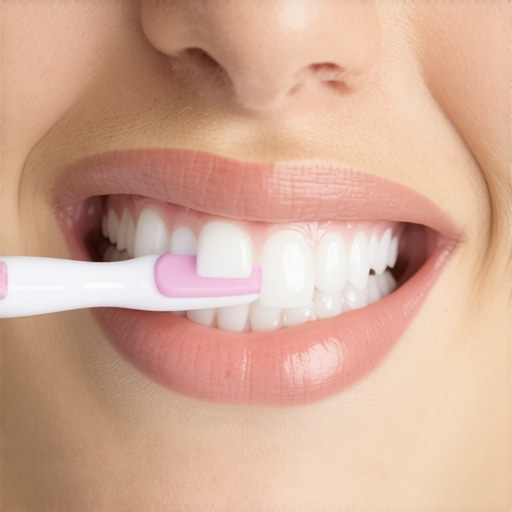
    Stay Ahead with the Right Equipment

    Maintaining your oral health over time requires investing in high-quality tools tailored to your needs. Personally, I swear by an electric toothbrush with a vibrating head that oscillates at 8,000 to 10,000 strokes per minute. This frequency effectively removes plaque, especially around crowns and hard-to-reach areas, without exerting excess pressure that can damage gums. I use the Oral-B iO Series 9 because of its smart pressure sensor, which alerts me if I’m brushing too hard—a common mistake that can cause gum recession. For cleaning between teeth, I prefer interdental brushes like the GUM Proxabrush. These are gentle yet effective, especially for individuals with crowns or bridges, where traditional floss might not suffice.

    Leap into Water Flossing Technology

    Water flossers, such as the Waterpik Sonic-Fusion, combine the benefits of flossing and rinsing. I advocate for this method because it minimizes gum irritation and removes debris from beneath crowns or around orthodontic appliances with ease. Regular use of a water flosser can reduce bleeding and inflammation, supporting healthier gums long-term. As research indicates, these devices can be particularly beneficial for patients with sensitive or receding gums, helping to maintain periodontal health without trauma. Incorporating a water flosser into your daily routine is a game-changer, especially when combined with proper brushing techniques.

    Sophisticated Software for Tracking Progress

    Beyond physical tools, digital apps like WeisHealth or MyTeeth help monitor brushing frequency, duration, and technique. I’ve personally found that tracking my habits elevates my commitment to oral health. These apps can send reminders and provide feedback, making it easier to maintain consistency—crucial for avoiding issues that necessitate crown replacements or more invasive procedures down the line. Predictive analytics embedded within some software even suggest when you should schedule professional cleanings or checkups, aligning with the trend of personalized dental care and maintenance.

    How do I keep my tools effective early and long-term?

    Proper maintenance of your dental tools extends their lifespan and preserves their effectiveness. Rinse toothbrushes thoroughly after use and replace them every three to four months, or sooner if bristles fray (which indicates diminished cleaning power). For interdental brushes and water flossers, follow manufacturer instructions: clean attachments regularly with warm, soapy water, and replace components as recommended. Additionally, store tools upright and in a dry environment to prevent bacterial buildup. Incorporating sterilization routines, especially if sharing devices or for multiple family members, ensures robust hygiene. Remember, even with the best tools, technique is king. Consider reviewing your flossing or brushing method every six months—this is something I do personally—and consult with your dentist for tailored advice, especially regarding crowns or family dental care.

    Prediction: Future of Dental Maintenance Tools

    Advances in AI and smart technology are shaping the future of oral health care. Expect more devices to offer real-time feedback, personalized brushing plans, and remote monitoring by dental professionals. As sensors become more sophisticated, toothbrushes and flossers will adapt their actions dynamically, promoting optimal hygiene with minimal effort. This integration will make long-term maintenance more accessible and less reliant on guesswork, ensuring better outcomes for crowns, restorations, and overall family dental health. Stay tuned to emerging innovations by engaging with your dentist regularly and exploring new tech.

    How do I maintain my dental tools over time?

    Consistent upkeep of your dental equipment is vital for ongoing oral health. Regularly sanitize toothbrush heads with antibacterial solutions or run them through boiling water if compatible, to eliminate bacteria. Interdental brushes should be rinsed thoroughly and stored in a dry place; replace them when bristles show wear. For water flossers, descaling with vinegar or specialized cleaning tabs prevents mineral buildup—an important step since mineral deposits can harbor bacteria (source: American Dental Association). Implementing these simple maintenance routines can dramatically extend device lifespan and keep your tools performing optimally. Try incorporating a weekly cleaning schedule for your equipment, and don’t forget: a well-maintained tool makes all the difference in preserving the integrity of your crowns, gums, and family’s oral health.

    The Best Lessons My Dentist Ever Taught Me About Oral Wellness

    One profound realization was that perfecting my flossing technique was more impactful than just doing it daily. I learned that gentle, precise movements prevent bleeding and promote gum health, emphasizing quality over quantity. Additionally, I discovered that crowns require more attentive care than I initially thought—materials like porcelain behave differently under temperature changes, and being mindful of these nuances keeps my smile intact. Lastly, I recognized that regular professional checkups often uncover issues that even diligent home care might miss, like early crown leakage or hidden cavities, reinforcing the importance of scheduled visits over relying solely on routine cleaning at home.

    Tools and Resources I Trust for Smiling Confidently

    My essential toolkit includes an electric toothbrush with pressure sensors that help prevent gum damage, interdental brushes like GUM Proxabrush for hard-to-reach spots, and a water flosser such as Waterpik Sonic-Fusion to maintain gum health without irritation. I also rely on trusted guides like the professional articles from PeriodontistCare to stay informed about best practices. These resources empower me to care for my teeth effectively and confidently.

    Your Next Smile Transformation Starts Now

    Don’t wait for dental problems to become urgent—take proactive steps toward optimal oral health today. Embrace gentle yet thorough flossing, proper crown maintenance, and regular dental visits as part of your lifestyle. Remember, a healthy smile isn’t just about appearance; it’s a vital part of your overall well-being. With the right tools, knowledge, and habits, you can keep your teeth bright, strong, and pain-free for years to come. Your smile is uniquely yours—nurture it, and it will reward you with confidence and health every day.

  • The reason your gums recede even if you have no cavities

    The reason your gums recede even if you have no cavities

    I still vividly remember the moment I realized something was off with my teeth. I had just finished brushing, feeling proud of my routine, when I caught a glimpse of my reflection. What I saw made my stomach tighten — my gums looked like they were pulling away from my teeth, exposing more of the root surfaces. Shocked, I thought, “I brush regularly, so how could this be happening?” That was my lightbulb moment, and it set me on a quest to understand why gums recede even when cavities aren’t present. If you’ve ever felt the same worry—that your gums are vanishing despite good oral habits—know this: you’re not alone, and there’s hope.

    Gum Recession Without Cavities: Why It Happens and Why It’s Not Just About Bad Luck

    For years, many of us have been conditioned to think that cavities are the main villains behind dental problems. But gum recession tells a different story. It’s a silent issue that often goes unnoticed until it’s advanced enough to cause sensitivity or aesthetic concerns. Surprisingly, even with diligent brushing, some people—myself included—notice our gums gradually pulling away without any sign of decay. This is because gum recession can stem from a combination of factors like aggressive brushing, periodontal disease, or even genetic predispositions. Understanding these causes demystifies the problem and shifts the focus toward proactive management.

    Is It Really Just About Age or Poor Hygiene?

    Many skeptics dismiss early gum recession as inevitable aging or a result of poor hygiene. However, my early mistake was obsessively brushing with too much force, thinking I was doing a good thing. What I didn’t realize then is that overbrushing can erode gum tissue—a common, yet often overlooked, culprit. Studies show that aggressive brushing is linked to increased gum recession, emphasizing the importance of gentle but effective techniques. Want to learn how to avoid this mistake? Check out this guide on proper cleaning methods.

    Are you concerned that your gum recession might be something more serious? Rest assured, early detection and gentle, informed care can make a big difference. Over the following sections, I’ll share what worked for me—and how you can stop or even reverse the process.

    Master Gentle Toothbrushing Techniques

    During my first attempt to correct my brushing approach, I grabbed a soft-bristled toothbrush and used gentle circular motions, mimicking a gentle massage rather than Scrubbing like a brush fire. I held my toothbrush at a 45-degree angle to my gums, focusing on the area where gums meet teeth, to avoid unnecessary trauma. Remember, aggressive brushing is like sanding a wooden surface—eventually, you’ll wear it down. Practice slow, deliberate circles, and stop brushing when you feel resistance. If you’re unsure how to do it correctly, check out this guide.

    Use the Right Tools for Your Routine

    Select a toothbrush tailored to your needs—consider a soft or extra-soft brush designed for sensitive gums. Electric toothbrushes with pressure sensors are a game-changer; they alert you if you’re pressing too hard. I tried one and immediately noticed less gum irritation. Replacing your toothbrush every three months also prevents bacteria buildup and maintains effective cleaning. Think of your toothbrush as a paintbrush—wear and tear reduce its efficiency.

    Incorporate Flossing Correctly

    Flossing is like pruning a tree—removing the hidden debris that causes problems but often gets neglected. I used to snap the floss harshly, risking damage to my gums. Instead, I learned to gently glide the floss between teeth and curve it around each tooth, sliding beneath the gum line to dislodge plaque. If your floss smells bad, it might be harboring bacteria—even after cleaning. Consider switching to a water flosser or interdental brushes for more precise cleaning. For tips on proper flossing, visit this resource.

    Recognize Symptoms and Adjust Care

    Early signs like slight sensitivity or gums that bleed during brushing aren’t a death sentence—they’re signals you can respond to. I noticed my gums bleeding slightly, so I scheduled a professional cleaning, which is like a tune-up for your engine. During my appointment, my hygienist used a deep gum scale that removed tartar buildup revealing healthier tissue underneath. Regular maintenance makes a significant difference—think of it as changing the oil in your car before problems appear.

    Stay Hydrated and Monitor Your Diet

    Saliva is your mouth’s natural cleaner—think of it as a washing machine for your teeth and gums. Drinking plenty of water, particularly after meals, helps wash away acids and bacteria. Reducing sugary snacks prevents the formation of sticky plaque that accelerates recession and decay. I started carrying a water bottle everywhere, noticing my mouth felt fresher, and my gums less tender. For further insights, see this analysis.

    Seek Professional Guidance Early

    Even with diligent home care, some issues require expert intervention. During my visit, the dentist recommended a targeted cleaning and demonstrated specific techniques for my individual needs. Waiting too long can lead to further recession, exposing roots and causing sensitivity. Think of your dentist as a trusted mechanic—regular check-ups diagnose and fix problems before they escalate. Don’t wait until pain or aesthetic issues become serious; early action preserves your smile and health.

    Dentist showing proper gum cleaning methods” alt=”Dentist demonstrating proper gum care techniques” title=”Expert guidance on gum health” />

    Many people overlook the subtle complexities of dental health, often clinging to misconceptions that can hinder proper care. For example, a common myth is that frequent professional cleanings alone can prevent issues like gum recession or cavity formation. While necessary, these cleanings are just part of the puzzle. Neglecting the nuances—such as the importance of precise brushing techniques or understanding how crowns interact with surrounding tissues—can leave you vulnerable to advanced complications. It’s crucial to recognize that oral health is a delicate balance, and oversimplifying it might do more harm than good.

    Why Your Assumptions About Family Dentistry Might Be Misleading

    Many assume that once a child receives their first dental visit, regular checkups are enough to prevent cavities. But in reality, family dentistry isn’t just about routine cleaning; it involves personalized strategies tailored to each member’s unique needs. Factors like saliva composition, diet, and even genetic predispositions influence how effectively preventive measures work. For instance, some children need sealants despite excellent brushing habits, an often-overlooked detail that can stop cavities before they start. Learn more about why consistent, tailored care matters at this article.

    Another misconception involves crowns; many think they’re just a cosmetic fix. However, poorly fitted crowns can lead to more issues, like gum irritation or decay development underneath. This is why advanced understanding of crown placement and material selection influences long-term outcomes. Moreover, not all crowns age the same—zirconia crowns, for example, offer durability and a natural look, but their interaction with gums requires careful consideration. Exploring these nuances can significantly impact your dental longevity.

    When considering oral health, it’s tempting to view brushing and flossing as the entire story. But subtle techniques—like the angle of your toothbrush or using interdental brushes—are vital. For example, aggressive brushing can cause gum recession, a mistake I made early on that worsened my condition over time. Do you know the correct method to brush effectively without harming your gums? Find out in this detailed guide.

    Now, for a more advanced question: How do certain materials used in restorations influence the progression of periodontal disease? Research indicates that some materials can promote bacterial growth or cause tissue irritation if not chosen carefully. Staying informed about these subtle factors can help you avoid unexpected setbacks. Consulting with a dental professional who understands these interactions is essential.

    In summary, understanding these overlooked nuances empowers you to make better decisions about your oral health. Don’t fall for the traps of oversimplification or myths—knowledge is your strongest ally. Have you ever fallen into this trap? Let me know in the comments.
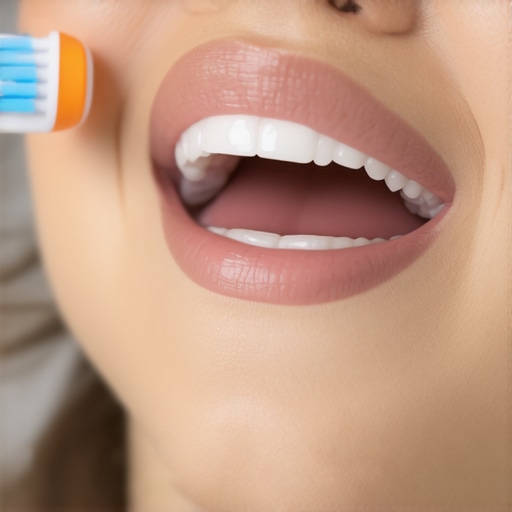
    A dentist showing a patient detailed dental information with tools

    Keep It Working: The Tools That Make a Difference

    Maintaining optimal oral health isn’t just about brushing and flossing; having the right tools can significantly enhance your routine and long-term results. I personally swear by using a Sonicare DiamondClean Electric Toothbrush, which features a pressure sensor that alerts me when I’m brushing too hard—a crucial feature that helps prevent gum recession caused by aggressive brushing. Its oscillating-head design cleans effectively while protecting delicate gum tissue. Expert recommendations support electric toothbrushes with these features for better gum health.

    Beyond a high-quality toothbrush, I include interdental brushes for those hard-to-reach areas. Unlike traditional floss, I find interdental brushes easier to maneuver and more comfortable, especially around crowns and bridgework. They help remove plaque where a standard brush or floss might miss, reducing the risk of recession and decay underneath restorations.

    How do I maintain my tools over time?

    Replacement is key; I’d recommend changing your toothbrush every three months to prevent bacterial buildup and maintain cleaning efficacy. For electric brushes, replace the brush head as frequently as manual brushes. Clean your interdental brushes after each use and store them in a dry, ventilated space. Regularly inspecting your tools ensures they’re in top shape, which is critical for consistent oral health maintenance.

    Another tool I rely on is a water flosser. Devices like the Waterpik Sonic-Fusion combine brushing and flossing in one, providing a deep clean without the risk of trauma from harsh flossing. Water flossers are particularly helpful if you tend to snap the floss or struggle with traditional methods. They effectively reduce plaque and bleeding, protecting your gums from recession over the long haul.

    Future Trends in Dental Care Tools

    Innovation is moving toward smarter, more personalized oral health solutions. AI-powered toothbrushes with app integration can track your brushing habits, suggest improvements, and even alert you to potential issues before symptoms develop. This proactive approach aligns with my philosophy: prevent problems before they become serious, especially with complex restorations like crowns or bridges.

    As technology advances, I predict that digital monitoring and data-driven customization will become standard in family dentistry. Staying informed and integrating these tools into your routine could help you maintain oral health effortlessly while minimizing the need for invasive procedures later on.

    How do I keep my dental care routine functioning smoothly over time?

    Regular maintenance involves more than just cleaning your tools; it’s about evaluating and updating your methods. Schedule semi-annual checkups to have your tools professionally inspected and replaced if needed. Keep an eye on your technique—using gentle, controlled motions as discussed earlier—because even the best tools won’t compensate for improper use. For example, investing in an electric toothbrush with a timer and pressure sensor encourages proper brushing habits, reducing the risk of recession and other issues.

    Person replacing the toothbrush head to ensure optimal cleaning performance” alt=”Close-up of a person replacing their electric toothbrush head” title=”Maintaining Your Oral Hygiene Tools” />

    To further optimize your routine, consider consulting your dentist about advanced tools like replacement options for older restorations or the latest in plaque removal tech. By integrating these tools and staying vigilant about maintenance, you’ll help ensure your oral health remains robust for years to come.

    Try upgrading your current toothbrush with a model featuring a pressure sensor and timer—it’s a simple step that can make a substantial difference. Remember, in dentistry, as in many fields, small improvements lead to long-term benefits.

    What the Myths Cost Me—and What I Learned the Hard Way

    One of the biggest lessons I learned was that more brushing isn’t always better. Overzealous brushing with too much force damaged my gums more than it helped, leading to recession. I realized that mastering gentle, precise techniques was game-changing, not just for my confidence but for my oral health. Checking the proper cleaning methods helped me understand how to brush without harm.

    The Surprising Impact of Your Tool Choice

    Switching to an electric toothbrush with a pressure sensor revolutionized my routine. It prevented me from applying too much force, a common mistake in family dentistry. The right tools aren’t just about appearance; they can truly protect your gums from recession and other issues. For real insight, I recommend exploring this resource.

    Why Before-And-After Visits Matter More Than You Think

    Scheduling regular professional cleanings has become a non-negotiable for me. During visits, I discovered subtle signs of recession I might have ignored, like slight sensitivity. Regular deep gum scales and gentle monitoring helped me catch issues early, saving discomfort and costs down the line. Think of your dentist as a trusted partner—don’t delay those visits to catch problems early.

    My Unexpected Revelation About Home Care

    Using interdental brushes changed my view on flossing. They are more effective and gentle, especially around crowns and bridges. I learned that a mix of tools tailored to my unique needs yields the best results. Remember, choosing the right tools is a personal process—what works for you might differ from someone else. To get started, consider this guide for tips.

    Taking Control Transformed My Confidence

    Understanding the nuances of family dentistry and crown care gave me peace of mind. For example, knowing that crowns require special attention and gentle cleaning helped prevent further damage. Staying informed about materials and techniques means you’re less likely to fall for common misconceptions that can sabotage your oral health. Empowered with knowledge, I feel more confident in managing my own dental journey, and you can too.