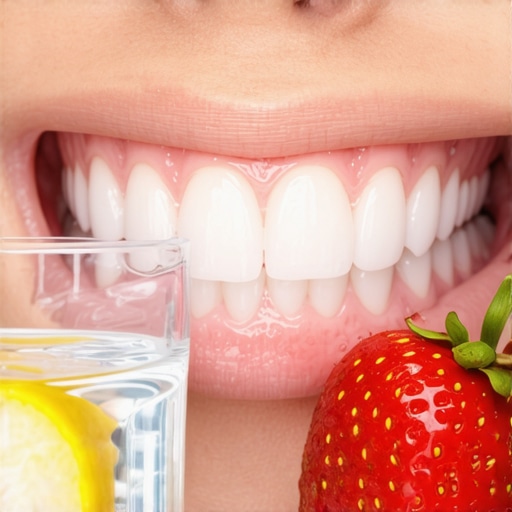
I’ll never forget the night I realized my love for citrus and soda was silently damaging my teeth. Waking up with a raw, gritty feeling in my mouth, I thought it was just dehydration or perhaps exhaustion from a late night. But after a visit to my dentist, I learned the harsh truth: acid reflux was eroding my enamel, and I had been completely unaware of it. That lightbulb moment made me rethink my habits and sparked a journey to shield my smile.
Why Protecting Your Enamel Matters When You Have Acid Reflux
Enamel is your teeth’s first line of defense against decay and sensitivity. When acid from reflux enters your mouth, it can wash away this protective layer, leaving your teeth vulnerable. Over time, this erosion can lead to increased sensitivity, discoloration, and even cavities, which nobody wants. I discovered that ignoring this problem could result in costly dental procedures down the line, but the good news is—there are effective ways to safeguard your enamel.
Are You Overestimating Your Confidence in Oral Hygiene?
Admittedly, my early mistake was believing that regular brushing was enough. I was diligent, but I missed the crucial step of protecting my enamel from acid attack. I didn’t realize that timing and specific care can make a huge difference. For example, brushing immediately after reflux episodes can actually exacerbate damage. It wasn’t until I read expert advice on maintaining dental health during acid reflux that I understood the importance of nuanced routines. Want to learn how you can do the same? Check out expert tips here.
Now, I want to help you avoid the pitfalls I fell into. In the following sections, I’ll share practical, proven strategies to protect your enamel, tailored specifically for those dealing with acid reflux. Are you ready to take control of your dental health and keep that smile shining? Let’s dive in!
Timing is Everything When Brushing
After an acid reflux episode, wait at least 30 minutes before brushing your teeth. The acid temporarily softens enamel, and brushing too soon can cause further erosion. I once made the mistake of brushing immediately after a reflux attack, which left my teeth feeling even more sensitive. Instead, rinse with water or a fluoride mouthwash to neutralize the acids temporarily.
Use the Right Toothpaste and Tools
Switch to a fluoride-rich, desensitizing toothpaste that helps strengthen enamel. Replace your manual toothbrush with an electric one—soft-bristled brushes are more effective and gentle, especially for sensitive gums or teeth. Remember, applying gentle pressure is key; brute force can damage already compromised enamel.
Incorporate Enamel-Boosting Rinses
Consider using an over-the-counter fluoride rinse daily to reinforce your enamel. I started doing this after discovering that fluoride helps remineralize areas of early erosion. Just swish for a minute after brushing to give your teeth an extra layer of protection against acid wear.
Adjust Your Diet and Habits
Reduce intake of citrus, soda, and sugary foods that increase acid production. Instead, snack on high-calcium foods like cheese, yogurt, and almonds to provide your mouth with minerals that support enamel health. I found that cutting back on acidic drinks drastically improved my oral comfort and overall smile brightness.
Maintain Regular Dental Visits
Scheduling professional cleanings and checkups at least twice a year is crucial. Dentists can assess enamel erosion early and recommend treatments like protective coatings or crowns if needed. I visited my dentist after noticing increased sensitivity, and they suggested a custom fluoride varnish to help rebuild my enamel exposed by acid reflux. For more on how crowns can restore damaged teeth, visit this detailed guide.
Strengthen Gums and Supportive Structures
Healthy gums are essential for overall oral health. Use gentle flossing and consider mouth rinses that promote gum health, which in turn shields teeth from further damage. During my routine, I started flossing more carefully around crowns and implants, following tips from this resource. Proper care prevents bacteria buildup that could jeopardize restorations.
Address Reflux Causes Proactively
Work with your healthcare provider to manage acid reflux. Lifestyle changes, medications, or even minor dietary adjustments can significantly reduce acid exposure, safeguarding your teeth. I learned that controlling reflux not only improved my digestive health but also minimized ongoing enamel erosion—lessening the need for extensive dental repairs.
Integrating these step-by-step strategies seriously improved my dental resilience. Consistency is key; small daily habits compound into significant long-term benefits. Protecting your enamel means acting smartly around your specific triggers and knowing when to seek professional advice from family dentistry experts—whose holistic approach ensures your smile stays healthy for life.
Even experts often get caught up in misconceptions about teeth cleaning, crowns, and overall oral health. A common myth is that brushing harder removes more plaque—yet, in reality, aggressive brushing can erode enamel and inflame gums, increasing sensitivity and decay risk. This misconception leads many to damage rather than improve their oral health, highlighting the importance of gentle, thorough techniques as emphasized by leading dental professionals.
Why do some patients believe that more frequent visits equate to better oral health, and is this always true?
Overdoing dental cleanings or professional visits without addressing underlying habits can cause more harm than good, such as hypersensitivity or recession. It’s essential to understand that quality matters more than frequency; professional cleanings should complement an effective at-home routine, not replace it. Specifically, neglecting to maintain proper daily hygiene practices, like inconsistent flossing or improper brushing, can undermine even the most professional interventions. Additionally, many people underestimate the significance of supporting structures such as gums in maintaining overall oral health. Healthy gums create a stable foundation for teeth and crowns, so neglecting periodontal health can lead to crowns loosening or failure, despite good brushing habits. An often-overlooked nuance is that crowns require specific maintenance routines. Many assume that they are maintenance-free, but improper cleaning or neglecting checkups can cause decay at the margins or fixation issues, leading to costly replacements. For example, applying abrasive toothpastes or using certain whitening agents can degrade crown porcelains prematurely. According to a study published in the Journal of Prosthodontics, improper oral hygiene around crowns significantly increases failure rates, especially if the patient isn’t aware of proper care protocols [1]. The takeaway is that crowns and restorations are not just static solutions; they require ongoing, tailored care. Recognizing the subtle differences between cleaning natural teeth and prosthetic restorations is crucial. Regular professional evaluations, coupled with diligent home hygiene—using appropriate tools like soft-bristled, non-abrasive toothbrushes and flossing with gentle techniques—can greatly extend the lifespan of crowns and prevent unnecessary complications. Furthermore, many overlook the importance of routine evaluations for early signs of periodontal problems that threaten crown stability. By understanding these nuances, patients can avoid common pitfalls and make more informed decisions about their dental routines. Implementing these insights means actively engaging with your dental team and asking targeted questions. For instance, inquire about specific products or techniques suited for crowns or implants, and always communicate any unusual sensations. Remember, a proactive approach rooted in understanding nuances can prevent costly restorations and preserve your natural smile far longer. Have you ever fallen into this trap of believing more is better or ignored subtle signs of trouble? Share your experiences in the comments, and let’s keep the conversation going.
Invest in a Quality Electric Toothbrush for Precision and Care
One of my top tools for ongoing oral health is the {electric toothbrush}. I personally favor models equipped with pressure sensors and oscillating-rotating heads, like the Philips Sonicare. These features help prevent over-brushing, which can damage sensitive enamel and gum tissue, especially if you’re managing conditions like acid reflux. The gentle yet effective cleaning action ensures plaque is removed without harming delicate areas, extending the life of crowns and reducing sensitivity.
Use Professional-Grade Whitening and Enamel Reinforcement Products
To keep teeth bright and strengthen enamel, I incorporate {enamel-strengthening gels} with fluoride and xylitol. I apply a thin layer before bed, which offers continuous remineralization overnight. Consistent use of these products fosters a durable, resistant enamel surface, better equipped to withstand acid attacks and staining. For targeted results, I recommend consulting your dentist about custom fluoride varnishes or sealants, as they can be tailored to your unique needs.
Leverage Digital Monitoring for Better Habit Formation
Adopting tools like {smart toothbrush apps} has transformed my maintenance routine. These apps not only track brushing time and coverage but also provide feedback on pressure and technique, ensuring you’re not inadvertently damaging your enamel or gums. Regularly reviewing your data encourages mindful brushing and flossing, making your routine both more effective and long-lasting. In the future, I expect AI-powered diagnostics to further customize oral health plans — personalized insights could become as routine as digital fitness trackers.
How do I maintain my dental tools and restorations over time?
Keeping your tools and restorations in top shape requires attention and proper care. For crowns, I follow specific {cleaning protocols}: gentle brushing with non-abrasive paste, avoiding harsh whitening agents, and routine checkups with my dentist. Regularly replacing toothbrush heads, disinfecting your electric toothbrush, and scheduling biannual professional cleanings help prevent plaque buildup around crowns and implants. Additionally, I avoid using toothpicks or abrasive tools that can damage restorations or gums, instead choosing soft dental floss or interdental brushes for cleaning tight spaces. For crowns specifically, I recommend reading this article on proper crown maintenance. Proper maintenance not only prolongs the lifespan of your dental work but also prevents issues like decay or loosening, saving you money and discomfort in the long run.
What does the future hold for dental maintenance tools and techniques?
Advancements in dental technology suggest we will see smarter, more integrated cleaning systems—think AI-driven devices that analyze your brushing patterns and provide real-time advice. Innovations like nano-therapy for enamel repair and bioactive restorations could revolutionize long-term oral health management. I foresee a future where personalized, minimally invasive treatments become standard for patients with crowns and other restorations, tailoring care to each individual’s lifestyle and biological response.
To start implementing these cutting-edge practices today, try integrating a high-tech electric toothbrush coupled with a monitoring app. Remember, consistent, informed care is the most effective way to preserve your smile for the years ahead. For comprehensive advice, always consult your family dentistry team, who can provide tailored recommendations to fit your unique dental health journey.
Lessons That Changed How I Approach My Smile
- Realizing that my routine brushing was only half the battle taught me the importance of timing and gentle techniques, especially when managing acid erosion. I used to brush immediately after reflux episodes—big mistake that I now avoid with rinses and waiting periods.
- Understanding that crowns and restorations aren’t maintenance-free was a game-changer. Regular, tailored care ensures longevity and prevents costly repairs, reminding me that proactive attention beats reactive fixes every time.
- Listening to genuine expert advice rather than trusting common misconceptions helped me avoid damaging habits, such as brushing too hard or over-relying on professional cleanings without proper home care.
- Embracing technology like smart toothbrushes provided real-time feedback, making routine maintenance both fun and effective. This integration made me more conscious of my habits and their impact on enamel preservation.
- Finally, recognizing that health goes beyond teeth—like managing reflux—opens the door to comprehensive dental wellness. Taking charge of underlying causes minimizes damage and empowers me to keep my smile bright and healthy for years to come.
Tools That Elevated My Dental Routine
- Philips Sonicare Electric Toothbrush: Its gentle pressure sensors and oscillating heads prevent damage while ensuring thorough cleaning, crucial for sensitive enamel and crowns. I personally find it invaluable for daily use.
- Enamel-Strengthening Fluoride Gels: Applying these nightly provides continuous remineralization, a vital step in resisting acid attacks. My dentist recommended them, and they’ve made a visible difference.
- Smart Toothbrush Monitoring Apps: Tracking my brushing habits with these apps has increased awareness and consistency, turning routine care into a mindful, proactive habit.
- Professional-Grade Fluoride Varnishes: Regular dentist visits for tailored applications strengthen my enamel and help prevent erosion, especially important with acid reflux concerns.
Keep Your Smile Bright and Resilient
Taking the reins of your dental health by integrating smart routines, trusted tools, and addressing root causes like reflux can transform your oral health journey. Remember, small consistent actions build a foundation that protects your smile against acid wear and everyday challenges. Don’t wait for problems to emerge—start today and enjoy the confidence that comes with a healthy, resilient smile. What’s one change you plan to make in your dental routine this week? Share below, and let’s inspire each other to smile brighter every day!