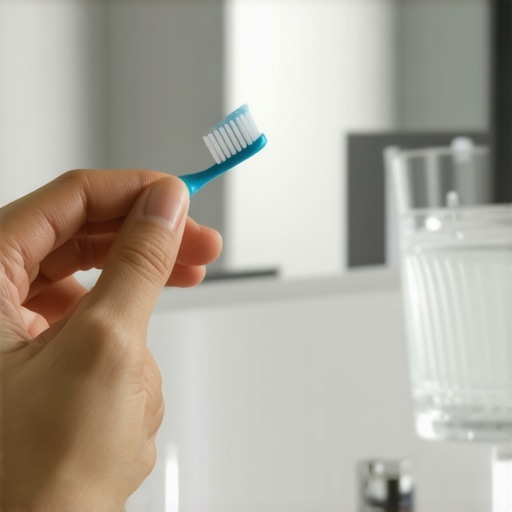
It happened to me just last winter. I was already exhausted from a relentless flu, and in my rush to get back to my routine, I grabbed my trusty toothbrush without a second thought. A few days later, I noticed my gums were irritated, and my mouth didn’t feel as fresh as it used to. That lightbulb moment hit me—why didn’t I think about this earlier? The toothbrush I used during my illness was a breeding ground for bacteria, and reusing it was practically inviting trouble.
Why Switching Your Toothbrush After an Illness Is Essential
When you’re sick, your mouth becomes a hotspot for bacteria and viruses. Your toothbrush, which you rely on daily to keep your smile bright, isn’t immune to these germs. Continuing to use it without changing it can allow those pathogens to linger, potentially prolonging your illness or causing secondary infections. It’s more than just a hygiene tip—it’s a crucial step to safeguard your health and ensure a speedy recovery.
Is This Really Worth the Hype
Initially, I dismissed the idea as overkill. After all, a toothbrush is just a toothbrush, right? But I made the mistake early on of ignoring this advice, and I paid the price with recurring mouth irritation. Studies confirm that replacing your toothbrush after illness reduces the risk of reinfection and supports oral health. Maintaining good habits, like timely toothbrush changes, isn’t just about having a nice smile—it’s about protecting your overall wellness. Want to learn how to do this effectively? Stay tuned for practical tips that I’ve personally tested and recommend.
Start with a Proper Discard Method
After recovering from illness, the first crucial step is to dispose of your used toothbrush safely. Avoid tossing it casually into the trash; instead, wrap the head in tissue or place it in a sealed bag to prevent bacteria from spreading. This prevents reinfection and keeps your home hygienic. I remember one time I left my used toothbrush on the sink, only to find my pet curious about it—creating a mess and risking contamination. Proper disposal is key to maintaining a clean environment.
Choose the Right Replacement Tool
Select a toothbrush that suits your needs. For sensitive gums, opt for a soft-bristled brush. Consider electric models if you need more effective plaque removal—these can be more thorough and easier to control. Remember, a good toothbrush is an investment in your oral health. When I replaced mine, I chose an electric one with a timer, which improved my brushing habits significantly and helped me reach areas I previously missed.
Implement a Routine for New Toothbrush Care
Proper care extends your toothbrush’s effectiveness. Rinse it thoroughly after each use, store it upright to air dry, and avoid covering the head tightly—moist environments promote bacteria growth. Additionally, replace your toothbrush every three to four months or sooner if the bristles fray. This routine ensures your oral hygiene tool remains effective. I learned this the hard way when I ignored replacing mine for six months, leading to diminished cleaning and gum irritation.
Timing Is Everything for Replacement
Set a reminder or follow a schedule—mark your calendar for every three months. After an illness, it’s also vital to replace your toothbrush immediately to eliminate any lingering germs. I use my phone’s alarm to remind me; this small step prevents me from falling back into improper habits. Remember, consistency beats perfection in maintaining oral health, especially after being unwell.
Integrate New Habits for Better Hygiene
Alongside replacing your toothbrush, incorporate additional hygiene practices. Use mouthwash post-brushing to kill residual bacteria. Consider switching to fluoride toothpaste for added protection. These steps complement your new toothbrush, creating a comprehensive defense against germs. When I revamped my routine, adding mouthwash and using a tongue scraper made a noticeable difference in my overall freshness and health.
Keep Your Toothbrush in Pristine Condition
Store your toothbrush in a clean, dry place away from toilet plumes and bathroom germs. An open cup on your bathroom counter with good airflow works well. If you share a living space, keep your toothbrush in a separate holder or container. Regularly disinfect your toothbrush by soaking it in an antimicrobial solution or rinsing with hot water. I once neglected this tip, and my toothbrush started developing mold—quickly rectified once I adopted better storage hygiene. Proper maintenance ensures longevity and effectiveness of your dental tools.
Many people believe that brushing more vigorously or flossing once a week is enough to maintain optimal oral health, but these myths can do more harm than good. For instance, aggressive brushing can lead to gum recession and enamel erosion, undermining your long-term dental wellness. It’s a misconception that more frequent dental visits replace daily care; regular at-home practices combined with professional check-ups are essential for a comprehensive approach.
Why Do Some Popular Dental Myths Persist Despite Evidence to the Contrary?
These myths often stem from anecdotal advice or outdated information, and ignoring the nuance can lead to mistakes that compromise your dental health. For example, many assume that crowns are only for cosmetic fixes; however, they often serve vital functions in restoring teeth affected by decay or fractures. Misunderstanding their purpose can lead to neglecting necessary treatments. Discover how crowns can truly boost your confidence and functionality, and learn about the importance of proper crown maintenance from trusted experts. Yet, a common trap is dismissing the importance of post-treatment care, which can drastically affect longevity. Avoiding timely replacements or neglecting routine checks can result in costly repairs down the line. Advanced mistakes also involve underestimating the impact of saliva on oral health; saliva’s role extends beyond just moistening the mouth, acting as a natural buffer against acids and bacteria. A study by the University of Michigan highlights saliva’s protective effects, underscoring the need for adequate hydration and salivary flow for optimal health.
Be aware that improper techniques during teeth cleaning—like using hard brushes or abrasive pastes—can damage enamel or irritate gums, leading to sensitivity. Proper education about your routine is vital, and professional guidance can prevent these pitfalls. If you’re unsure whether you’re practicing the best routine for your family, check out advanced teeth cleaning tips. Remember, your oral health is interconnected with overall wellness, influencing cardiovascular health and even cognitive function. Don’t fall prey to simplified advice that overlooks these nuances. Regular checkups enable your dentist to spot subtle issues before they escalate, reinforcing the importance of scheduled visits. For personalized advice on your family’s dental needs or to discuss specific concerns, reach out via our contact page. Remember, understanding these deeper aspects helps you make choices that truly protect your smile for years to come.Maintaining optimal oral health and ensuring the longevity of dental restorations like crowns requires the right tools and consistent routines. From high-quality toothbrushes to advanced cleaning devices, selecting the proper equipment can make a significant difference. Personally, I rely on electric toothbrushes with oscillating-rotating motion because they effectively remove plaque while being gentle on the gums. For instance, the Philips Sonicare series has consistently provided thorough cleaning and a built-in timer to ensure you brush long enough. Regular use of interdental brushes, such as TePe’s Healthy Gums, helps clean between teeth where traditional brushes might miss, especially around crowns and implants. When I started incorporating ultrasonic water flossers, like Waterpik’s models, I noticed an immediate reduction in gum inflammation and bleeding, which demonstrates their cleaning power beyond traditional flossing. These devices produce pulsating streams that disrupt plaque and bacteria in hard-to-reach spots, crucial for maintaining crowns’ integrity.
To keep my crowns looking and functioning their best, I follow guidelines detailed in this comprehensive resource. Regularly replacing toothbrush heads before bristle fray or wear and disinfectant rinses ensure tools remain hygienic and effective. Additionally, I use a gentle grain-free, fluoride toothpaste formulated for sensitive teeth, which protects natural enamel while caring for restorations. Investing in an ultrasonic impression scanner for home use is a future trend—this technology allows you to monitor your oral health through detailed imaging, enabling early detection of issues before they escalate.
Looking ahead, innovations like AI-driven toothbrushes equipped with real-time feedback could customize cleaning routines based on individual needs, as suggested by recent research in dental technology.* Maintaining these tools over time is simple but essential: clean brushes thoroughly after each use, store them in a dry, open space, and schedule regular replacements. Incorporating smart technology not only enhances cleaning efficiency but also motivates consistent habits—an essential component of long-term oral health.
So, how do I maintain my tools and crowns over the years? The key lies in routine disinfection, timely replacements, and integrating advanced devices that adapt to your evolving needs. For comprehensive guidance on caring for crowns and ensuring durability, visit these expert tips. Don’t forget to try applying an ultrasonic water flosser daily—it’s a game-changer for keeping your smile healthy and crowns shining bright.
Three Hard-Learned Truths About Protecting Your Smile
- Never underestimate the power of proper toothbrush storage—an overlooked detail can lead to mold or bacteria buildup that jeopardizes your crowns and overall oral health. I learned this the hard way when I ignored my toothbrush’s cleanliness, resulting in discomfort and the need for replacements.
- Consistency in replacing and disinfecting dental tools isn’t just about hygiene—it’s about preserving the integrity of your crowns and preventing costly repairs down the line. I realized that a few easy habits saved me time, money, and pain in the long run.
- Advancements in dental technology, like ultrasonic cleaners and smart brushing devices, are game changers for family oral health. Embracing these tools transformed my routine from routine to remarkable, giving me peace of mind and healthier smiles for my loved ones.
My Favorite Resources for Smarter Smile Care
- How crowns can boost your confidence and improve daily function: This guide helped me understand the importance of choosing quality restorations and maintaining them properly.
- Caring for crowns: Essential tips for lasting shine and durability: Practical advice that I personally follow, ensuring my crowns stay pristine.
- Effective home practices for family dental health: These tips have empowered my family to maintain healthy habits daily.
Your Smile’s Next Chapter Starts Today
Taking small, deliberate steps toward better family dentistry and crown care can lead to lifelong benefits. Remember, your oral health is a foundation for your overall wellness—don’t wait for problems to arise before acting. Embrace the latest tools, stay consistent, and seek professional guidance when needed. Your future self will thank you for the effort today.
What new habit will you try first to improve your family’s oral health? Share your plan below—I’d love to hear about your journey!