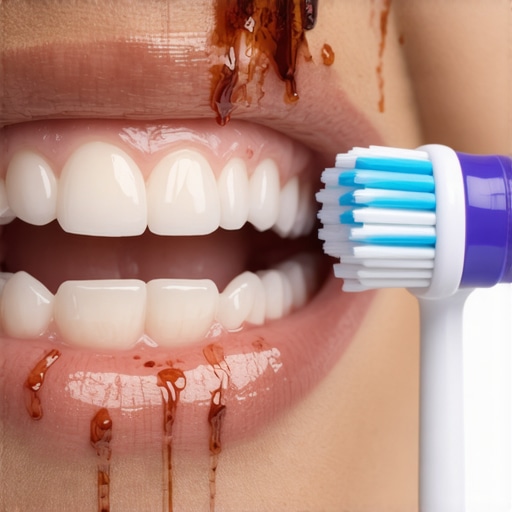
I remember the exact moment I realized switching to an electric toothbrush wasn’t as simple as I’d hoped. One morning, after a few days of using a new, high-powered brush, I looked in the mirror and saw streaks of blood shimmering along my gums. It was startling. I had always thought I was doing right by my oral health, but suddenly, I was puzzling over why my gums didn’t seem to appreciate this new cleaning power.
Why Do My Gums Bleed When I Switch to an Electric Toothbrush?
Many people encounter this problem, and surprisingly, it’s more common than you might think. The bright side? Understanding why this happens can help you turn those bleeding episodes into healthy, confident smiles.
First, it’s essential to realize that switching from manual to electric brushing can sometimes shock your gums. Electric toothbrushes deliver more consistent and sometimes more vigorous vibrations or rotations, which can irritate sensitive tissue or wake up neglected areas of your mouth. If you’re not used to a high-powered brush, your gums might react with bleeding or soreness.
Additionally, if your technique isn’t adjusted for an electric brush, you might be applying too much pressure—think of it as brushing too hard without realizing it. Overly aggressive brushing is a common culprit cited by many dental professionals. Believe it or not, being too vigorous can damage your gum tissue, leading to bleeding and inflammation. It’s like mowing your lawn too roughly; the grass gets ripped up.
Another key contributor is the presence of existing gum inflammation or early periodontal issues. For those with gum disease, sudden changes in brushing intensity may exacerbate bleeding temporarily. If your gums bleed freely, it could be a sign you need to pay a visit to your dentist for a check-up.
Early in my journey, I made a crucial mistake—assuming that more power equaled better cleaning. I neglected to buffer my pressure and didn’t give my gums time to adapt. That mistake made me realize the importance of gentle, attentive brushing, even with a high-tech brush.
So, if you’ve recently switched to an electric toothbrush and are noticing bleeding, don’t despair. The solution isn’t necessarily to abandon your new tool but to learn how to use it correctly, ensuring your gums are treated with care. We’ll explore practical steps to help you transition smoothly, restoring your oral health in the process. Before we dive into those tips, let’s address a common skeptic’s concern — is electric brushing really worth the effort despite these initial setbacks?
Start Gently and Progressively
When transitioning to an electric toothbrush, initiate your routine by using the brush on its lowest setting and avoid pressing down hard. I remember applying too much pressure during my first few days; my gums reddened and bled. To avoid this, gently hover the brush over your gums and allow the vibrations to do the cleaning instead of abrasive scrubbing.
Adjust Your Technique for Effectiveness
Use a slow, circular motion, mimicking how you’d gently massage your gums. Moving the brush slowly helps you control the pressure and ensures you don’t irritate sensitive tissue. In my experience, speeding through brushing led me to accidentally apply more force, worsening bleeding episodes. Focus on thorough, gentle coverage of all areas—particularly along the gumline.
Optimize Brush Head Placement
Position the brush head at a 45-degree angle toward your gums. This angle maximizes plaque removal while safeguarding your gum tissue. I initially used the brush horizontally, which caused unnecessary trauma. After refining my technique and keeping the brush light, I noticed a significant reduction in bleeding within a few days.
Limit Duration and Frequency
Brush for two minutes, twice a day. Many neglect to time their brushing, leading to rushed movements and excessive pressure. I used a timer to ensure I didn’t brush longer than necessary—helping me avoid overbrushing. Overdoing it can cause gum recession and bleeding, especially if technique isn’t adjusted.
Incorporate Proper Flossing and Rinsing
Complement your electric brushing with gentle flossing and an antimicrobial rinse. Removing plaque from between teeth prevents gum inflammation that may bleed when brushing occurs. I started flossing with light strokes in the areas where my gums were sore, which improved my overall gum health over time.
Monitor and Adjust Based on Feedback
Pay attention to how your gums respond over the first week. If bleeding persists, reduce brushing pressure further or switch to a softer brush head. I kept a journal of my gum condition daily, and adjusting my approach minimized bleeding episodes. Regular gentle care is more effective than aggressive brushing that damages tissues.
Consult Your Dentist for Personalized Advice
If bleeding continues despite proper technique, consult a dental professional. They can assess whether underlying issues like periodontal disease are contributing. I visited my dentist after two weeks of careful, gentle brushing; they confirmed my gums were healing and provided tailored advice, including potential treatments and maintenance routines.
For more tips on maintaining oral health, particularly during transitions, check this guide on transitioning children to fluoride toothpaste.
While many believe they understand the basics of oral health, true expertise reveals nuances that often go unnoticed. One common myth is that all dental crowns are equally durable; in reality, the material choice significantly impacts longevity, especially for grinding or clenching individuals. For instance, zirconia crowns offer superior resistance compared to porcelain-fused-to-metal options.
A frequent oversight involves teeth cleaning routines. Many assume that brushing harder yields cleaner teeth, but this often causes more harm than good. Aggressive brushing can erode enamel and recede gums, creating a vicious cycle of sensitivity and decay. Dental professionals emphasize gentle yet thorough techniques, and in complex cases, professional cleanings are essential to reach areas that electric toothbrushes might miss.
Are Electric Toothbrushes Always Better Than Manual?
Contrary to popular belief, electric brushes aren’t a one-size-fits-all solution. While they can be highly effective for plaque removal, improper use—like applying too much pressure—can lead to gum recession over time. A study published in the Journal of Periodontology indicates that technique and user experience are crucial determinants of effectiveness, not just the device itself. For advanced insights, check out why professional cleanings reach where electric brushes can’t.
Many assume that dental procedures like crowns or fillings last forever, but this isn’t accurate. Crowns, for example, can crack or develop leaks beneath the surface if not maintained properly. Regular checkups help catch such issues early, preventing more invasive treatments later. Moreover, the true cause behind recurrent decay isn’t just poor hygiene; factors like diet, saliva composition, and even sinus pressure can influence oral health. For a deeper dive, explore the link between sinus issues and dental discomfort.
Another misconception is that oral health impacts only teeth; however, emerging research links gum disease with systemic conditions like heart disease and diabetes. The American Heart Association underscores the importance of maintaining periodontal health to reduce overall health risks.
Lastly, many overlook the importance of personalized care. Each patient’s anatomy and lifestyle demand tailored strategies. For instance, those who grind their teeth benefit from durable crown options and custom night guards, preventing damage and ensuring comfort.
In real-world practice, grasping these nuances transforms a basic understanding into true expertise. Do you fall into common pitfalls or misconceptions about family dental care? Share your experiences or questions below—let’s clear the dental myths that might be holding you back! Remember, staying informed is the first step toward optimal oral health.Maintaining excellent oral health requires more than just good brushing technique; it demands the right tools and a strategic approach. Personally, I rely heavily on a high-quality electric toothbrush like the Phillips Sonicare DiamondClean. Its sonic vibrations provide thorough cleaning, especially along the gumline, reducing plaque buildup and promoting healthier gums over time. Pairing this with a water flosser such as the Waterpik Ultra has transformed my daily routine. The water flosser effectively cleans between teeth and below the gumline—a crucial step often overlooked and essential for long-term periodontal health. Regularly replacing your toothbrush head every three months, as recommended by the American Dental Association, ensures maximum efficiency and prevents bacterial buildup. For those with sensitive gums or at risk of recession, switching to a softer brush head can prevent irritation and damage. In the future, I predict smarter, app-connected dental devices will become mainstream, offering real-time feedback and personalized tips to improve brushing habits. When it comes to maintaining your oral health, consistency is key. How do I keep my crowns and restorations in pristine condition over the years? One effective method involves using interdental brushes designed specifically for crowned teeth and bridges, which gently clean around and beneath restorations, preventing decay and prolonging their lifespan. Regular professional cleanings are also vital—they reach areas that routine tools might miss, and my go-to is booking deep cleanings every six months. Want to make this process even easier? Consider scheduling your cleanings and checkups online with your dentist; this proactive step helps catch potential issues early. Remember, investing in quality tools and consistent routines now will yield long-term benefits, minimizing costly repairs or replacements down the line. To support this, I strongly recommend trying out a water flosser; studies have shown they significantly reduce gingivitis and plaque—the first steps toward sustainable oral health. Ready to upgrade your dental toolkit? Incorporate an interdental brush tailored for crowns or install an app-connected toothbrush to receive personalized feedback. These small changes can make a big difference over time, ensuring your smile stays healthy and confident for years to come.
What I Wish I Knew About Gentle Oral Care Early On
One of the most eye-opening lessons I learned is that aggressive brushing, especially with high-powered electric toothbrushes, can do more harm than good. It took a few episodes of bleeding gums before I realized that kindness and patience in my routine yielded better results over time, emphasizing the importance of adjusting technique rather than relying solely on power.
How Personalizing My Dental Routine Transformed My Smile
Switching to softer brush heads, practicing proper angles, and timing my brushing sessions—these small tweaks made a measurable difference. I discovered that tailored care and listening to my body’s responses created a more sustainable, pain-free oral health journey, reinforcing that one-size-fits-all isn’t the key.
The Power of Consistency Over Quick Fixes
Initially, I believed focusing on brightening treatments alone would solve everything. However, I learned that consistent daily habits—gentle brushing, flossing, regular dental visits—are the true foundation of lifelong oral health. This insight shifted my focus from short-term fixes to building habits that respect my mouth’s unique needs.
Why Professional Guidance Is an Investment, Not an Expense
Seeking advice from a dentist early on prevented many issues from escalating. Their personalized recommendations, especially when it comes to crowns or gum health, offered clarity and confidence in my care decisions. Prioritizing expert input has been vital in maintaining my smile’s health and longevity.
Gathering Tools That Empower My Dental Confidence
From interdental brushes to water flossers, choosing the right tools has made my routine more effective and enjoyable. I’ve found that investing in quality and ergonomics pays off in better oral hygiene and lower anxiety during cleanings, illustrating that smart choices in tools can genuinely boost confidence and outcomes.
Resources That Elevated My Knowledge of Oral Wellness
Reading trusted guides like how to transition your child to fluoride toothpaste and exploring advanced articles on crown durability fostered deeper understanding. Continual learning from credible sources became my secret weapon for making informed decisions about my dental health.
Embrace Your Unique Dental Journey Today
Your oral health isn’t just about teeth—it’s a reflection of your overall wellness and self-care commitment. By adopting gentle techniques, seeking expert advice, and choosing reliable tools, you can turn dental routines into empowering experiences. Remember, every smile tells a story—make yours a healthy, confident one.
What is one change you’re willing to try in your dental routine today? Share your thoughts below—I’d love to hear how you’re making your smile healthier!
}***}#END#**{