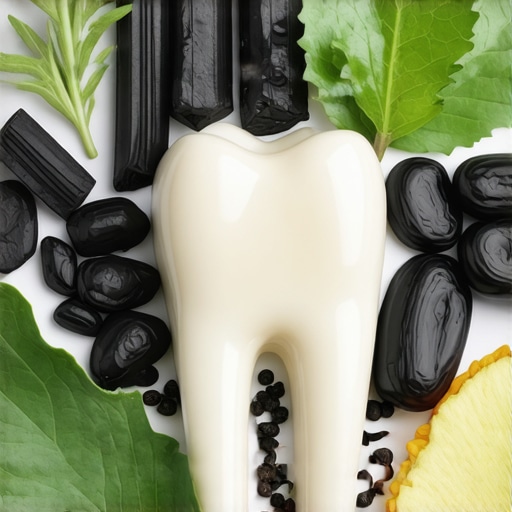
I’ll never forget the moment I stood in the toothpaste aisle, staring blankly at dozens of options claiming to be the “natural” choice for healthy teeth. I had always believed that switching to a natural toothpaste was the safest route—no harsh chemicals, no artificial additives—just pure, plant-based goodness. But then came a disappointing realization when I noticed my cavity risk ticking up despite my diligent brushing. That lightbulb moment made me question everything I thought I knew about cavity prevention and the so-called “natural” solutions.
Your Oral Health Journey Starts Here
Today, I want to share what I’ve learned firsthand—the truth behind natural toothpastes and their actual effectiveness in cavity prevention. If you’ve been like me, trusting those labels without understanding what’s inside, this post will help you identify what truly works and what’s just marketing hype. We’re going to demystify the ingredients, shed light on common misconceptions, and explore practical steps you can take to protect your smile effectively.
Is Natural Really Better for Your Teeth?
My biggest mistake early on was assuming that “natural” meant safer and more effective. I dove headfirst into brands boasting organic ingredients and zero artificial chemicals, thinking I was doing the best for my family’s smiles. But it turns out that some of these natural toothpastes lack the key ingredients—like fluoride—that science repeatedly shows are essential for cavity prevention [source: American Dental Association]. Relying solely on natural options without fluoride can leave your teeth vulnerable, no matter how pure or wholesome the label appears.
Master Your Daily Oral Hygiene Routine
Start by brushing twice daily with a soft-bristled toothbrush to prevent gum recession and enamel wear. Focus on gentle, circular motions—like polishing a delicate piece of china—avoiding aggressive scrubbing that can damage your gums and cause sensitivity.
Use the Right Toothpaste
Choose a fluoride-rich toothpaste proven to protect against cavities. Incorporate dental floss or interdental cleaners daily to remove plaque buildup between teeth, preventing decay that can threaten crowns and natural teeth alike.
Optimize Your Brushing Technique and Timing
Brush for two minutes, paying special attention to hard-to-reach areas. Avoid rinsing immediately after brushing to allow fluoride to penetrate enamel—think of it as letting a sponge absorb more water. Consider the best times for brushing—like before bed and after meals—to maximize protection.
Prioritize Regular Professional Cleanings
Schedule dental check-ups every six months. During these visits, professional cleanings remove tartar and biofilm that brushing misses, reducing the risk of periodontal disease and extending the life of dental restorations like crowns. Remember, a thorough cleaning is the foundation of a healthy smile—more info at regular teeth cleanings.
Care for and Preserve Your Crowns
Perform routine checks for any loosening or chips. Use gentle flossing around crowns to avoid dislodgement and avoid sticky or hard foods that can compromise their integrity. For comprehensive crown care, visit caring for crowns. When cleaning, employ proper methods rather than harsh scrubbing, which can weaken adhesives.
Address Issues Immediately
If you notice discomfort, sensitivity, or a crown feels loose, contact your dentist promptly—delaying care can lead to decay underneath the crown or additional damage. Learn more about crown maintenance tips.
Implement Dietary Strategies for Dental Health
Limit sugary snacks and drinks that feed cavity-causing bacteria. Incorporate crunchy vegetables like carrots and celery—they act as natural toothbrushes—helping clean teeth and stimulate saliva production, which neutralizes acids.
Avoid Harmful Habits
Stop using your teeth as tools to open packaging or bite on non-food items. This can chip or crack crowns and natural teeth. Additionally, avoid acidic beverages like sodas and citrus drinks, which erode enamel and weaken restorations—check out enamel protection tips.
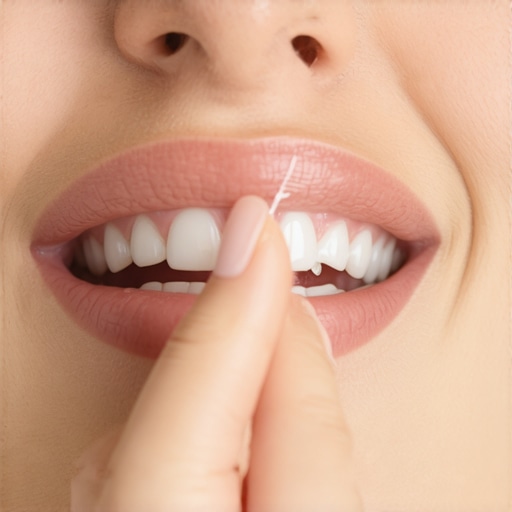 Many patients believe that getting a dental crown is a straightforward fix, but in my experience, there’s a complex web of nuances most people overlook. One common myth is that crowns are permanent and require no further care; in reality, their longevity heavily depends on proper maintenance and understanding their limitations. For instance, neglecting the importance of regular check-ups can lead to unnoticed issues, like decay developing underneath the crown, which can compromise the entire restoration [source: https://periodontistcare.com/expert-advice-on-crowns-and-teeth-cleaning-for-lasting-results].
Another subtlety is the significance of selecting the right material—porcelain, ceramic, or metal—each with its unique advantages and failure modes. A mistake I often see is patients assuming all crowns behave the same, but ceramic crowns, for example, can be more prone to chipping if exposed to excessive force during grinding or biting hard foods. Proper patient education about these differences can prevent costly repairs and preserve oral health.
One advanced mistake is underestimating the impact of occlusion—the way your teeth come together—on crown health. Improper alignment can cause uneven stresses, leading to cracks or loosening. This is why a comprehensive occlusal assessment should be part of any crown placement plan. Ignoring this can accelerate wear and even lead to further decay or jaw discomfort, issues that are often mistaken for routine problems but are quite preventable with expert intervention [see https://periodontistcare.com/understanding-the-role-of-crowns-in-modern-smile-makeovers].
A common trap in family dentistry involves over-relying on routine cleaning to maintain restorations. While regular professional cleanings are crucial, neglecting targeted care around crowns and bridges can result in plaque accumulation, periodontal disease, and deterioration of surrounding tissues. Incorporating specific cleaning techniques—like using interdental brushes or water flossers—can make a significant difference, especially in complex cases requiring longevity.
For those considering crowns, it’s vital to understand that their success depends on a symphony of factors: material choice, occlusion, patient habits, and ongoing maintenance. Skipping these insights can lead to premature crown failure, which could have been easily avoided. Proper advice and proactive care are your best allies—don’t settle for quick fixes. Schedule a consultation to discuss your unique needs and ensure your smile lasts a lifetime. Reach out [here](https://periodontistcare.com/contact-us) to get started.
Have you ever fallen into this trap? Let me know in the comments.
Love Your Dental Tools
Investing in the right equipment has transformed how I keep my crowns and natural teeth in top shape. I personally swear by the Waterpik Water Flosser because of its superior plaque removal around crowns and braces, especially in hard-to-reach areas. Its customizable pressure settings allow me to gently yet effectively clean without risking damage—a common concern when using aggressive tools. For daily brushing, I prefer electric toothbrushes with pressure sensors, like the Oral-B Genius X, which alert me if I brush too hard, helping prevent gum recession and enamel wear.
When it comes to long-term results, the ability to track progress is vital. Software like Philips Sonicare app provides detailed feedback on brushing habits, ensuring I cover all zones evenly. Combining this data with my dentist’s advice helps me fine-tune my routine over time.
The secret is consistency and quality. Using subpar tools can lead to buildup and unnoticed issues that compromise crowns and health. Regularly replacing toothbrush heads (every 3 months) and maintaining the water flosser ensures peak performance. It’s small investments that yield big benefits, extending the lifespan of restorations and natural teeth.
Looking ahead, I predict that AI-enabled dental tools will become more mainstream, offering real-time feedback and personalized recommendations. Digital health monitors integrated into toothbrushes could revolutionize family dentistry by making at-home care smarter and more effective.
How do I maintain my crowns and oral health over time?
Beyond choosing the right tools, consistent professional care is irreplaceable. Scheduling biannual visits for cleanings and checkups from your trusted dentist—like those at our clinic—ensures early detection of issues such as decay beneath crowns or gum disease that can threaten your restorations. Incorporating specific cleaning techniques, like using interdental brushes around crowns or water flossers, helps preserve the integrity of your restorations for years to come. Remember, a well-maintained crown can last 10-15 years or more, but it requires diligent, proactive care. For detailed strategies, see these crown care tips. Start with one advanced tool or technique today, and see the difference it makes in your dental longevity.
3 Lessons I Wish I Learned Sooner About Crowns and Oral Wellness
- Never assume that a crown is a set-it-and-forget-it fix—regular check-ups and attentive care are essential to prevent underlying issues that can jeopardize your investment in your smile.
- Choosing the right material and understanding its limitations can make a significant difference in how long your crown lasts and how natural it looks, emphasizing the importance of personalized treatment plans.
- Paying close attention to your bite and occlusion is crucial; small misalignments can cause big problems over time, demonstrating that dental health is a holistic, interconnected system.
My Favorite Tools and Resources for Family Dentistry and Crown Longevity
- Waterpik Water Flosser: It’s my go-to for cleaning around crowns; its ability to dislodge plaque without damage makes it indispensable, especially in hard-to-reach areas.
- Oral-B Genius X Electric Toothbrush: Its pressure sensors help me avoid overbrushing, protecting my gums and restorations from unnecessary wear.
- Expert Advice from PeriodontistCare: Their comprehensive guides on crown maintenance and family dentistry have been invaluable for proactive, informed oral health management.
- Dental Consultation Scheduling: Regular visits through trusted clinics ensure early detection of potential issues, saving time, money, and preserving my smile’s integrity.
Your Smile’s Future Is Bright—Here’s How to Keep It That Way
Taking charge of your oral health, especially when you have crowns or restorations, is about more than basic brushing—it’s a lifelong commitment to learning, adapting, and proactive care. Your efforts today will pay off with a confident, healthy smile tomorrow. Remember, expert guidance is just a click away; don’t hesitate to reach out for personalized advice or schedule your next appointment today. Your future self will thank you for it.