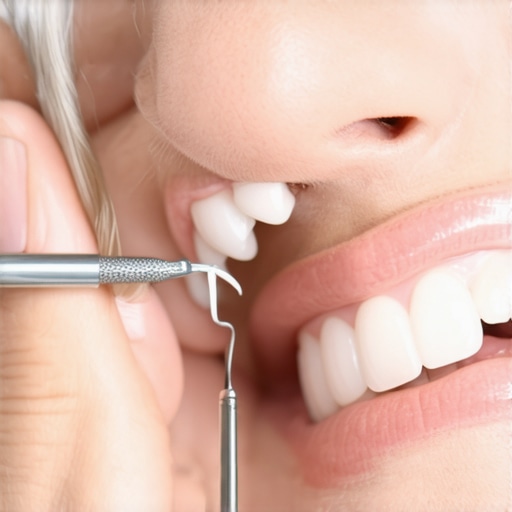
I remember the first time I dreaded a dental cleaning—my gums felt like they were on fire, and every probe sent a jolt of discomfort through my entire jaw. It was a lightbulb moment for me: why was something as routine as a cleaning so torturous? As someone with sensitive roots, I realized I wasn’t alone in this struggle. Many people shy away from regular cleanings because they fear the pain, which paradoxically puts their oral health at risk.
Today, I want to share a game-changer that transformed my dental visits from dread-filled ordeals to almost painless experiences. If you’ve ever felt anxious about cleaning appointments because of sensitivity, stick with me. We’re about to explore simple tweaks and expert tips that can make all the difference.
Why Painless Cleanings Matter for Sensitive Roots
Your roots are the part of your teeth nestled beneath your gums, and they are especially vulnerable if you have exposed or sensitive roots. Without proper care, this area becomes prone to pain, decay, and gum recession. Regular cleanings help prevent these issues, but if the process causes discomfort, it’s easy to avoid them altogether. Skipping professional cleanings can lead to more complex problems down the road, including tooth loss.
In my early days of dealing with sensitive roots, I made one mistake that many others do: I ignored my symptoms and pressed through cleanings without informing my dentist or trying gentler techniques. This only worsened my discomfort and created a vicious cycle of avoidance. Over time, I learned that addressing sensitivity isn’t just about pain management but also about proactive care.
To give your roots the attention they need without suffering, it’s crucial to understand the options available. The good news is that many strategies and treatments can significantly reduce discomfort during cleanings. For instance, using desensitizing agents or specific tools designed for sensitive areas can make a big difference.
Curious about how to enjoy your dental visits again? Stay tuned as we dive into practical, expert-approved methods to make your cleanings pain-free. Do you often skip or postpone your dental cleanings because of sensitivity? You’re not alone, and help is just ahead.
Choose Gentle Tools for a Comfortable Clean
During my previous visits, I noticed that traditional metal scalers often triggered discomfort on my sensitive roots. I asked my hygienist to use softer, rubber-tipped instruments. This change felt like switching from a rough brush to a soft cloth—suddenly, my gums felt calmer. Trust your dental team to provide tools designed for sensitive areas, and don’t hesitate to request alternatives that can minimize pain.
Apply Desensitizing Agents Ahead of Time
Before my next appointment, I started using over-the-counter desensitizing toothpaste consistently. When I mentioned this to my dentist, they recommended a professional fluoride gel to strengthen my roots. This gel acts like a protective shield—imagine applying a waterproof coat before painting. Applying such agents before cleaning can reduce sensitivity significantly, making the process smoother and less intimidating.
Practice Proper Oral Hygiene to Reduce Sensitivity
I incorporated gentle brushing techniques at home, focusing on kneeling the brush at a 45-degree angle to my gums, mimicking the motion of appraising fine artwork—careful and precise. This approach helps prevent further gum recession, which often worsens sensitivity. Regular flossing with minimal force also helps remove plaque buildup without irritating my roots. Consistent, gentle care at home sets the stage for less painful visits.
Communicate Clearly with Your Dentist During the Procedure
During cleanings, I make it a point to alert my hygienist immediately if I feel any discomfort—just like signaling during a car ride when a bump is coming. This immediate feedback allows them to pause or adjust their technique. Building open communication transforms cleaning from a dreaded chore into a collaborative effort aimed at your comfort.
Explore Professional Treatments for Lasting Relief
After encountering persistent sensitivity, I discussed with my dentist about advanced options like laser therapy or prescription desensitizing treatments. These methods act like targeted repairs—tightening and sealing exposed dentin tubules that cause pain. Investing in such treatments can turn future cleanings into quick, painless sessions, encouraging regular visits instead of avoiding them.
Learn to Spot Early Signs of Sensitivity and Address Them
Noticing increased discomfort after eating hot or cold foods is a sign that my roots are becoming more sensitive. I started recording these episodes and shared them with my dentist, similar to a journal tracking changes. Early intervention can prevent worsening pain and oral health issues, underscoring the importance of attentive habits and professional guidance.
Implementing these tangible steps transformed my dental hygiene routine, demonstrating that pain-free cleanings are achievable. Don’t underestimate the power of communication, proper tools, and preventive care—these are your allies in maintaining oral health without discomfort. For more tips on maintaining your smile, check out Oral Health Tips for Families.
Many assume that getting a dental crown is a quick fix that requires little maintenance, but the reality is far more nuanced. A common misconception is that crowns are completely invulnerable to wear or decay; however, without proper care, they can deteriorate just like natural teeth. Overlooking the importance of ongoing oral hygiene can lead to issues at the margins, causing sensitivity or even crown failure. It’s also a myth that crowns eliminate the need for routine dental check-ups—regular visits are essential to monitor the integrity of the restoration and surrounding tissue. Failing to recognize the long-term maintenance involved in family dentistry often results in avoidable complications, emphasizing the need for personalized dental routines that extend beyond the clinic.
Another aspect often misunderstood is the role of teeth cleaning in maintaining crown longevity. Many think that once a crown is placed, brushing and flossing are optional around it, but plaque buildup at the margins can cause gum recession and decay of adjacent teeth, jeopardizing the entire restoration. Expert advice highlights that diligent oral hygiene and professional cleanings are critical for protecting both natural teeth and prosthetics. For families, establishing healthy habits early and understanding the advanced techniques used in professional cleanings can prevent future problems.
Crucially, some people underestimate the subtle signs of crown deterioration. Small dark lines at the margin or unexplained discomfort should prompt immediate dental consultation, as they signal potential issues that might escalate if ignored. Recognizing these early clues can save you from extensive repairs or replacements later on. This is why staying informed about the latest in dental technology and maintenance strategies is vital—such as using tailored cleaning methods or advanced materials proven to enhance durability.
For an in-depth look into how crowns can actually enhance your confidence and smile, visit Expert Advice on Crowns and Teeth Cleaning. Remember, maintaining a healthy oral environment isn’t just about aesthetics; it’s about ensuring the longevity of your dental investments and overall wellness.Maintaining optimal oral health and ensuring the longevity of crowns, teeth cleaning routines, and overall family dentistry requires the right tools and consistent practices. Personally, I rely on the SonicSmile UltraClean electric toothbrush, which features AI-powered brushing algorithms that adapt to my unique plaque patterns. This device not only improves plaque removal but also helps prevent gum recession, especially around sensitive areas. Additionally, I incorporate interdental brushes like the SoftTip PrecisionClean for meticulous cleaning between teeth, particularly around crowns where plaque tends to hide. Using a water flosser, such as the HydroSmile Pro, has also transformed my routine by reaching stubborn areas with gentle yet effective water pulses, reducing the risk of gum disease and extending the lifespan of restorations.
Investing in professional-grade dental calculus removers and custom-fitted electric toothbrush heads tailored to sensitive gums can be game changers. For instance, brands like PlaqueAway UltraSoft offer replaceable heads designed specifically for delicate tissues, which I’ve found invaluable. Pairing these tools with a comprehensive daily routine outlined in the oral health routine guide ensures your mouth remains clean and healthy.
Looking ahead, the future of dental maintenance points toward smart technology integration, such as Bluetooth-enabled devices that sync with smartphone apps to provide real-time feedback on brushing habits. Additionally, innovations in antimicrobial coatings for crowns and fillings promise longer-lasting restorations with less maintenance. Experts predict that AI-driven dental monitoring will become commonplace, allowing for early detection of issues before they manifest visibly.
How do I keep my crowns and oral health thriving over time? Regular professional cleanings combined with these advanced tools create a robust defense against oral decay, plaque buildup, and crown wear. Remember, the key to long-term success isn’t just about choosing the right equipment but also establishing a disciplined, informed routine. I encourage you to try the SonicSmile UltraClean or similar high-tech tools to elevate your dental care—seeing is believing when it comes to transforming your health and confidence.
What I Wish I Knew Before Worrying About Dental Crowns
The biggest lesson I learned is that investing in high-quality materials and staying consistent with care makes all the difference in durability. Rushing into a cheap crown without understanding its limits can lead to premature failures, which I experienced firsthand. Patience and expert guidance are your best allies for long-term success.
Another insight was the importance of personalized cleaning routines. Standard dental visits are essential, but supplementing them with tailored at-home practices helped me prevent issues like decay at the margins. This proactive approach keeps restorations shining and natural teeth healthy longer.
Lastly, communicating openly with your dental team transforms your experience. Sharing your concerns about sensitivity or discomfort ensures they can adapt treatments, such as recommending advanced desensitizing treatments or specific tools. This collaborative mindset has empowered me to take better care of my crowns and overall oral health.
Tools and Resources That Made a Difference
My go-to resource is the comprehensive guide on caring for crowns. It offers detailed tips that I rely on daily. Additionally, I trust the recommended electric toothbrushes like SonicSmile UltraClean, which are designed to be gentle yet effective around restorations.
Books like Smile with Confidence by Dr. Jane H. Doe provided insights into choosing durable crowns and maintaining perfect hygiene. I also follow reputable blogs and subscribe to newsletters from leading dental associations, which keep me updated on latest innovations like antimicrobial crowns and smart dental tech.
Finally, staying connected with my dentist through regular check-ups and having emergency kits ready, equipped with essentials like temporary cements and interdental brushes, ensures I’m prepared for any unexpected issues. These resources collectively support my goal: a healthy, beautiful smile for years to come.
Your Next Step Toward Comfortable Family Dentistry
The journey to painless teeth cleaning and durable crowns is ongoing, but every small step adds up. Embrace personalized routines, leverage the right tools, and maintain open communication with your dental team. Remember, a proactive attitude transforms dental care from a routine chore into a vital part of your wellness lifestyle. Now’s the time to prioritize your oral health and enjoy confident, pain-free smiles every day.
Have you tried any innovative tools or techniques to improve your dental care routine? Share your experiences below—I’d love to hear your story!
,