Category: Dental Crowns Benefits

  • How to tell if you need a crown or just a large filling

    How to tell if you need a crown or just a large filling

    It was a regular Tuesday morning when I bit into my breakfast and felt a sharp, unexpected pain in one of my molars. I froze, my coffee nearly spilling as I tried to ignore the throbbing. Later that day, I realized I was facing a dilemma that many people overlook until it’s too late: how do you know if that pain means you need a crown or just a large filling? I remember thinking, “Is this something I can fix myself?” Fortunately, I learned that understanding the difference can save you time, money, and unnecessary discomfort.

    Deciphering Dental Damage: When to Consider a Crown or Fillings

    Many of us ignore small dental issues, assuming they’ll go away or that a quick DIY remedy will suffice. But the truth is, recognizing the signs early can prevent more extensive procedures down the line. A larger filling might be enough if the damage is confined and the tooth remains strong, but a crown becomes necessary when the tooth has lost significant structure or integrity. Early misjudgments, like choosing a filling for a tooth that’s already weak, can lead to recurrent damage or even loss of the tooth. I made that mistake myself early in my career—assuming all tooth pain was superficial—only to realize that ignoring signs can pave the way for future complications.

    Have you ever dismissed a dull ache, thinking it was nothing serious, only to face a bigger issue later? If so, you’re not alone. The key lies in understanding your symptoms and knowing when to seek professional advice.

    Is Self-Diagnosis Reliable or Just Asking for Trouble?

    In my early days, I believed I could interpret dental signs myself, using online tips and hearsay. This DIY approach sometimes led me astray, resulting in unnecessary procedures or delayed treatment. Relying solely on visual cues or pain duration isn’t enough—you need a professional’s eye to distinguish between a large filling and a crown need. For instance, if you notice persistent sensitivity to hot or cold, or if there’s a visible crack or deep cavity, these are signs you should see your dentist promptly. Interestingly, research shows that a significant number of people wait too long before seeking help, which complicates treatment and increases costs [Source](https://periodontistcare.com/why-some-people-get-more-cavities-than-others-despite-brushing).

    Would you recognize the subtle signs your mouth is giving you but prefer to ignore? If yes, stay tuned. Next, we’ll explore how to identify these signals early and decide the best course of action.

    Assessing Tooth Damage Carefully

    Start by examining your tooth for visible cracks, chips, or deep cavities. Use a flashlight and mirror to get a clear view of the affected area. If you notice a significant amount of decay or damage that exposes the pulp, it’s a sign you may need a crown instead of just a filling. Remember, the goal is to restore strength, not just fill a cavity. I once encountered a patient who ignored a large crack until it caused an infection, highlighting the importance of early assessment.

    Monitoring Sensitivity and Pain Responses

    Pay attention to how your tooth reacts to hot, cold, or sweet foods. Persistent sensitivity suggests that the damage is extensive enough to compromise the tooth’s structure. For example, a patient I treated had constant discomfort after eating ice cream, indicating that a large filling wouldn’t suffice. Conduct the ‘bite test’ gently by feeling if any part of your tooth feels uneven or high when you close your mouth. This can reveal if the tooth needs a crown to properly distribute bite forces—a crucial step to prevent future fractures.

    Analyzing Symptoms of Structural Weakness

    Look for signs of weakening, such as a tooth feeling loose or changing shape. If your tooth feels like it wobbles or appears shorter, it likely lost significant support, and a crown becomes necessary. During my practice, I trained myself to recognize early signs of structure loss—like slight shifting—which prompted immediate consultation before further damage occurred. Remember, a crown encases the tooth, providing reinforcement much like a helmet protects a fragile head.

    Evaluating When DIY Is a Mistake

    While it’s tempting to use over-the-counter remedies or DIY fixes, these can mask symptoms and delay proper treatment. For example, applying temporary dental cement to a compromised tooth might hide pain but won’t restore strength or prevent decay. I made this mistake once when I tried sealing a small crack myself, only for it to worsen later. Always seek professional evaluation if you’re unsure—professionals can distinguish whether a large filling suffices or a crown is needed, especially if the damage involves structural compromise.

    Timing Is Critical for Effective Restoration

    Act quickly once you suspect significant damage. Delaying treatment — such as waiting over the 24-hour crown rule — can lead to decay and complicate later procedures. In my experience, early intervention often reduces costs and discomfort. If symptoms persist beyond a few days, make an appointment promptly to prevent the need for more invasive procedures in the future.

    Many people assume that dental health is straightforward—that regular brushing and annual check-ups are enough to keep teeth healthy. However, this oversimplification neglects crucial nuances that can impact long-term oral health. For instance, a widespread misconception is that professional cleanings are solely about removing surface stains. In reality, advanced procedures like biofilm removal during 2026 cleanings, especially when smart enzymes are used, target unseen plaque buildup that causes decay and gum disease [source](https://periodontistcare.com/why-2026-teeth-cleaning-now-uses-smart-enzymes-to-eat-plaque-2).

    Another tricky area is the role of crowns. Many believe that a crown is only necessary when a tooth is visibly damaged or painful. Yet, in some cases, crowns are recommended even without discomfort, to prevent fractures, especially in structurally compromised teeth. Neglecting these signs often leads to more invasive treatments later, like root canals or extractions. Remember, timing can make a big difference—waiting too long can invite decay under the crown or lead to nerve damage. For detailed insights, check out the 24-hour crown rule.

    A common myth in oral health circles is that more frequent or aggressive brushing always results in cleaner teeth. Actually, overbrushing or using hard bristles can harm gums and enamel, causing recession and sensitivity. The key is proper technique and personalized advice, which many neglect. Incorporating routine assessments for signs of damage, like gum recession or enamel thinning, can save your smile from irreversible harm.

    Detecting issues early involves more than just observing when teeth become sensitive or start bleeding; it requires understanding subtle changes in your oral environment. For example, sometimes, persistent bad breath or a metallic taste can be silent indicators of underlying problems like declining oral microbiome balance or early decay, which professional evaluation can reveal. A recent study emphasizes the importance of early detection in preventing severe disease progression [source](https://periodontistcare.com/how-to-fix-a-metallic-taste-in-your-mouth).

    So, are you falling for any of these myths? Have you ever ignored early signs or trusted outdated advice? It’s time to re-evaluate your approach to family dental care. Remember, a proactive attitude combined with expert guidance can preserve your smile for decades. If you’re curious about advanced strategies to enhance your oral health or avoid common pitfalls, explore more about biofilm removal, crown placement timing, and comprehensive dental exams. Your teeth will thank you!

    **Keep your knowledge sharp and ask your dentist about personalized strategies tailored for your unique oral health needs.** Don’t wait until minor issues become major problems. Stay informed and vigilant! And hey, if you’ve ever fallen into this trap, let me know in the comments. Your experience might just help others avoid the same mistakes.

    When it comes to maintaining optimal oral health, the tools and methods you rely on play a crucial role. As a dentist dedicated to long-term success, I prioritize equipment that combines durability with precision. One personal favorite is the Oral-B iO electric toothbrush. Its oscillating-rotating technology provides superior plaque removal compared to manual brushing, which is supported by multiple studies here. I also swear by using high-quality flossers like the Waterpik Ultra Water Flosser, which effectively cleans where floss can’t reach, especially around crowns and braces.

    For professional cleanings, I rely on ultrasonic scalers like the PiezoSciences Piezon. Its ultrasonic vibrations efficiently remove biofilms without damaging enamel, a method that scientific research indicates is more effective than traditional hand scaling here. These tools help preserve the integrity of restorations like crowns and prevent future decay, ensuring long-term results.

    In addition to hardware, I use advanced software such as Dentrix Ascend for patient management. This platform streamlines scheduling, tracks oral hygiene progress, and reminds patients of their routine check-ups. Modern digital records make it easier to spot recurring issues early, like subtle signs of crown leakage or gum recession, before they escalate.

    Looking ahead, trends suggest a move toward smart dental devices that sync with smartphones to monitor brushing habits and detect early plaque buildup. Integration of artificial intelligence will further personalize treatments and preventive measures, making routine maintenance more proactive and less invasive. The future of dentistry is headed toward data-driven, minimally invasive practices that focus on early intervention.

    How do I keep my dental tools and techniques working effectively over time?

    Regular calibration and maintenance are essential. For example, ultrasonic scalers should be serviced annually to maintain vibration intensity and sterility. Similarly, replacing toothbrush heads every three months prevents bacterial buildup and ensures optimal cleaning. Personal tools like flossers and irrigators must be cleaned thoroughly after each use—I’d recommend keeping them in antimicrobial cases or soaking them weekly in a solution of water and disinfectant. Staying disciplined with these maintenance routines not only extends the lifespan of your equipment but also ensures consistent, high-quality results every time.

    Remember, neglecting proper maintenance can lead to equipment failure or subpar cleaning, risking recurrent problems like decay or gum disease. For instance, regular cleaning of your high-tech toothbrush ensures it continues to operate efficiently, preventing plaque accumulation in hard-to-reach places—an issue detailed in this article.

    By embracing these advanced tools and adhering to structured maintenance routines, you set the stage for sustained oral health and the longevity of restorations such as crowns. Don’t forget to schedule regular professional evaluations, which can identify early signs of equipment degradation or wear that might compromise your oral health.

    Try implementing a weekly cleaning schedule for your electric toothbrush and irrigators, incorporating a disinfectant soak. This small step can significantly improve their performance and your overall oral hygiene.

    Remember, in the world of family dentistry, combining state-of-the-art equipment with diligent upkeep ensures your smile stays healthy and beautiful for years to come.

    What the Hardest Lesson I Learned About Family Dentistry

    One of the most valuable insights I gained was the importance of early detection. Ignoring small symptoms or dismissing early signs of damage often leads to more complicated and costly procedures later. For example, identifying a tiny crack before it progresses can save a tooth from needing a crown or extraction. This realization underscored the necessity of regular check-ups and attentive self-assessment.

    3 Myths About Oral Health That Held Me Back

    Believing that symptoms like mild sensitivity or occasional discomfort don’t require professional attention can be a trap. I used to think that only severe pain warranted a dentist visit, but I now know that subtle signals often indicate underlying issues like structural weakness or developing decay. Busting this myth encourages a proactive approach, ensuring issues are addressed before they escalate.

    What Dentists Won’t Tell You About Crowns and Fillings

    Many patients assume that a crown is only necessary for visibly damaged teeth or when pain is present. In reality, crowns can be a preventative measure for structurally weak teeth prone to fracture, even if there’s no discomfort. Understanding this nuance can help in making informed decisions about timely interventions that preserve your natural teeth.

    Curated Resources for Smarter Dental Decisions

    To stay empowered, I recommend exploring reputable sources like the [24-hour crown rule](https://periodontistcare.com/the-24-hour-crown-rule-why-waiting-too-long-for-a-permanent-cap-invites-decay), which offers insights into timely restorations. Additionally, tools like the Smart Enzymes in 2026 Cleaning explain advancements in biofilm removal, helping prevent decay and gum disease. Books such as Healthy Mouth, Healthy Life have also profoundly shaped my understanding of maintaining oral health proactively. Finally, consulting with trusted dental professionals ensures advice tailored to your family’s unique needs.

    Seize the Moment: Your Dental Future is in Your Hands

    Remember, taking charge of your oral health isn’t just about preventing cavities—it’s about preserving your overall well-being and confidence. Small steps, like regular self-examinations and staying informed about latest practices, can result in lifelong benefits. Never underestimate the power of early intervention and continuous education. Your smile deserves your best effort every day!

    What small change will you make today to improve your dental health routine? Share your thoughts below—I’d love to hear your plan for a healthier smile!

  • How to tell if your tooth sensitivity is actually a cracked crown

    How to tell if your tooth sensitivity is actually a cracked crown

    It was late one evening when I suddenly felt that sharp, searing pain in my molar while sipping some tea. My first thought was: I must have eaten something too hot. But as the hours went by, the discomfort persisted—worse, it seemed to come from nowhere, flaring up whenever I touched that side of my mouth. That was my lightbulb moment—realizing that my tooth sensitivity might not just be simple cold or heat sensitivity but something more serious, like a cracked crown.

    Why Recognizing a Cracked Crown Matters More Than You Think

    Many people brush off tooth sensitivity, chalking it up to minor issues or just part of aging. But if you’re dealing with an ongoing, sharp pain, especially around dental restorations like crowns, it could be a sign of a crack. Ignoring this can lead to more significant problems, including nerve damage or even tooth loss. I learned early on that misdiagnosing my discomfort was a mistake—assuming it was just sensitivity made me overlook a crack that, if left untreated, could have cost me a lot more in dental bills.

    Understanding the difference between regular sensitivity and the symptoms of a cracked crown is crucial. Did you know that a cracked crown can sometimes feel like your tooth is loose or cause a metallic taste? Interestingly, some research shows that untreated cracks can develop into root infections, leading to more invasive and costly procedures later—like root canals or even extractions. So, catching these signs early can save you a lot of headache and expense.

    Are you familiar with that strange, fleeting pain when biting into something hard? Or maybe you’ve noticed a tiny chip in your crown and wondered if it’s serious? If so, you’re not alone. I remember dismissing the small crack I saw in my own crown, thinking it was just a superficial imperfection. Lesson learned: even minor visible cracks need professional attention.

    In the next sections, we’ll delve into how to identify if your tooth sensitivity stems from a cracked crown, common mistakes to avoid, and practical steps you can take to protect your smile. And if you’ve ever felt that odd twinge or been unsure what it means, keep reading — you’re not alone, and there’s real help available.

    Inspect Your Crown Regularly for Signs of Damage

    Start by visually examining your dental crown for any chips, cracks, or discoloration. Use a mirror and good lighting to look at the edges and surface closely. During my own experience, I noticed a tiny chip in my crown that I initially dismissed as a minor imperfection. However, understanding what to look for helped me realize the potential severity of even small damages.

    Check for Sensitivity or Discomfort

    If you experience sharp pain when biting, chewing, or consuming hot or cold foods, it might indicate a crack. This sensation is like biting into a brittle chocolate bar—you can feel when something isn’t quite right. Promptly noting these symptoms can help you differentiate between routine discomfort and a serious issue.

    Use the Tapping Test to Confirm Looseness

    Gently tap on the crown with a clean instrument or fingernail. A loose crown may produce a distinct hollow or clicking sound. This simple test can give you early warning that the crown’s bond has weakened, increasing the risk of further damage or infection. I personally performed this test and was surprised at how subtle changes in sound indicated a loose fitting.

    Feel for Movement and Check for Gaps

    Gently press around the edges of your crown with your finger—if it shifts or wiggles, it’s a sign it’s no longer secure. Additionally, look for any gaps between your crown and gum tissue, which can trap food or bacteria, leading to infections.

    Schedule a Professional Dental Evaluation Immediately

    If any signs of damage or looseness are present, make an appointment with your dentist without delay. Professional care is essential because they can perform thorough diagnostics—like X-rays—to determine if the crack has penetrated into the tooth or affected the root. Waiting can cause the crack to worsen, leading to nerve damage or the need for more invasive procedures.

    Avoid DIY Repairs and Precautions

    Do not attempt to fix a cracked crown on your own using household glues or temporary fixes. These materials are toxic and ineffective in the mouth. Instead, protect the tooth by avoiding hard foods until your dentist examines the situation. During my own handling of a crack, I learned that patience and professional intervention prevent complications and save money long-term.

    Adopt Proper Oral Hygiene to Prevent Further Damage

    Maintain excellent oral hygiene practices—brushing twice daily, flossing gently, and using an anti-bacterial mouthwash—to minimize bacteria buildup that could exacerbate issues. Regular professional cleanings, about every six months, help detect early signs of crown wear or cracks. I made a habit of twice-yearly cleanings, which allowed my dentist to spot and address issues before they worsened.

    Myth: Brushing Harder Cleans Better

    Many assume that applying more pressure while brushing will remove more plaque and improve oral health. However, this misconception can cause gum recession and enamel damage. Dentists emphasize gentle, thorough brushing with soft-bristled brushes for optimal cleaning without harm. Over time, aggressive brushing can lead to sensitivities and even expose root surfaces, increasing decay risk. Learn more about proper brushing techniques here. Remember, quality trumps quantity—scrubbing harder isn’t the answer.

    Common Mistake: Ignoring Small Signs of Damage

    Some people overlook minor cracks or chips in their crowns or teeth, dismissing them as insignificant. This oversight can lead to serious issues, including infection or nerve damage. For example, a tiny crack may be stained or asymptomatic initially, but progress over time. Regular self-inspections and prompt dental evaluations can prevent costly procedures. Don’t wait for pain—early detection is key. For insights on identifying hidden problems, visit this article.

    Unseen Danger: Over-Reliance on Natural Remedies

    Many believe that DIY remedies or natural treatments can substitute professional care, especially for common issues like bleeding gums or stains. While some natural approaches, like oil pulling or herbal rinses, may offer minor benefits, they can’t replace evidence-based dentistry. Overdependence can delay necessary procedures, worsening conditions. For instance, ignoring persistent bleeding might mask underlying gum disease, which if untreated, can have systemic repercussions, including heart health implications. Find out why professional cleanings are irreplaceable here.

    Is Flossing Enough to Prevent Gum Disease?

    Many assume that daily flossing alone guarantees healthy gums. However, flossing mainly removes plaque between teeth; it doesn’t clean the full extent of periodontal tissues. Combining floss with proper brushing, mouthwash, and regular dental visits is essential. Overlooking comprehensive oral hygiene can lead to pockets forming under gums, fostering bacteria growth. To boost your routines, explore this guide. Remember, small habits build long-term health.

    In summary, aligning your habits with scientific insights rather than misconceptions can vastly improve your oral health. Are you making any of these common mistakes? Share your experiences below or ask your dentist for tailored advice. Keep your smile healthy and strong!

    Maintaining your oral health over time requires more than just regular brushing and flossing; it involves using the right tools and adopting effective routines that stand the test of time. Personally, I rely on a few key pieces of equipment that have made significant differences in my dental hygiene. One of my top recommendations is investing in an electric toothbrush with a timer and pressure sensor. I opted for models like the Oral-B Genius X, which provides real-time feedback and ensures I don’t brush too hard—protecting my gums and enamel. Regular use of such advanced tools not only improves plaque removal but also reduces the risk of gum bleeding, as discussed in detail at [here](https://periodontistcare.com/the-connection-between-stress-and-bleeding-gums).

    How do I maintain my dental tools over time?

    It’s vital to keep these tools clean and in good condition for ongoing effectiveness. For electric brushes, I use a small, soft brush to clean the handle and replace brush heads every three months, following manufacturer recommendations. Similarly, I keep a disinfectant solution like isopropyl alcohol handy to sanitize the brush heads weekly, preventing bacteria buildup. For floss, I prefer biodegradable waxed floss, which glides more smoothly between teeth and is less likely to shred or break, ensuring consistent cleaning. I also use a water flosser with adjustable pressure settings, like the Waterpik, which helps in cleaning hard-to-reach areas and is gentle on gums, especially vital if you have crowns or sensitive tissue.

    What future trends are shaping long-term dental care?

    The industry is leaning toward smart dental devices and AI-driven diagnostics that can monitor oral health status in real-time. Imagine a toothbrush that connects to your smartphone, analyzing your brushing patterns and recommending personalized routines—similar to how wearable fitness tech works. Additionally, newer materials for crowns and fillings—like zirconia—promise greater durability and better aesthetic appeal, which I consistently recommend for longevity, as discussed in [here](https://periodontistcare.com/the-best-durable-materials-used-for-modern-dental-crowns). Looking ahead, integrating these innovative tools into regular family dentistry practice will make maintaining healthy smiles more manageable and more effective.

    Make Your Routine Last Longer with These Tips

    To truly keep your dental work functioning well over the years, consider scheduling regular professional evaluations. Experts advise at least biannual checkups, during which dentists can detect early signs of wear on crowns or fillings and address problems before they escalate. Also, using targeted products like desensitizing toothpaste can help maintain tooth integrity and prevent sensitivity, especially around restorations. For stubborn issues, consider a deep cleaning—like the deep-scale procedure—which can remove hidden plaque biofilms that regular cleanings might miss, as highlighted here. To enhance your routine, I suggest trying an advanced method like periodic ozone therapy, which can reduce bacterial load and promote healing. Small changes, but they can have a big impact in preserving your smile.

    Scaling Up Your Dental Care

    If you’re aiming to manage multiple dental concerns simultaneously, consider a comprehensive plan: combining routine cleanings with specialty treatments such as sealants for children or custom mouthguards for sports. Integrating these options into your family dental visits ensures everyone maintains optimal oral health. Keep in mind that consistent habits, supported by the right tools and professional oversight, form the foundation of long-lasting oral wellness. Remember, the effort you put in today sets the stage for decades of healthy smiles tomorrow—so invest wisely in your tools and routines.

    Lessons That Changed My Approach to Dental Care

    One of the most eye-opening experiences I had was realizing that small cracks or chips in a crown are often silent signs of deeper issues—things my dentist said could lead to nerve damage if ignored. It taught me to never dismiss minor imperfections; instead, I learned to see them as early warnings. Additionally, I discovered that adopting smart tools like an electric toothbrush with pressure sensors significantly reduces gum trauma, a simple upgrade that delivers long-term benefits. Lastly, the importance of routine evaluations hit home for me—professional checkups not only detect problems early but also serve as educational moments that reshape how I approach daily oral hygiene.

    Tools and Resources That Elevated My Dental Routine

    For anyone serious about their oral health, I recommend investing in a high-quality electric toothbrush, such as the Oral-B Genius X, which offers real-time feedback on brushing habits. I also rely on a water flosser like the Waterpik to reach tricky areas and reduce plaque buildup effectively. Educating myself through reputable sources such as this guide on durable dental crown materials has empowered me to choose better restorations. Additionally, I turn to trustworthy blogs that cover topics like proper bite care and symptom detection, helping me stay proactive in my dental health journey.

    Your Smile’s Future Starts Today

    Remember, your dental health is a lifelong investment. Taking small but consistent steps—like regular checkups, using the right tools, and staying informed—can ensure your smile remains vibrant and pain-free for years to come. Don’t wait for discomfort to prompt action; become an advocate for your oral health today. Have you noticed early signs of crown damage or sensitivity? Share your experiences below, and let’s support each other in maintaining healthy, confident smiles.

    **[What proactive step will you take today to safeguard your dental health? Share below!]**

  • How to fix the metallic taste coming from your old dental work

    How to fix the metallic taste coming from your old dental work

    Ever had that sudden, jarring metallic taste flood your mouth out of nowhere, especially after a routine dental check-up or cleaning? I remember the first time it happened to me. I was brushing my teeth, feeling pretty confident about my oral health, when suddenly, a bitter, metallic flavor took over my palate. It was like chewing on old pennies—disgusting and persistent. That lightbulb moment made me realize I wasn’t alone in this frustrating experience and that many people overlook an important part of their dental health—how to fix that metallic sensation from old dental work.

    Why That Metallic Taste Keeps Coming Back and How to Stop It

    This annoying taste isn’t just a random annoyance; it’s often a sign that something in your dental work needs attention. Old crowns, amalgam fillings, or even certain types of bonding materials can release metallic ions over time, especially if they’re damaged, improperly sealed, or compromised. Believe it or not, a study published in the Journal of the American Dental Association found that up to 15% of patients with old dental restorations experience a metallic flavor—a symptom often dismissed as a minor issue but which can affect your overall sense of well-being and confidence in your smile.

    Now, here’s something I wish I knew earlier: early on, I made the mistake of ignoring that weird taste, hoping it would go away on its own. Spoiler alert—that approach just made things worse. The flavor persisted, sometimes worsening, especially when I ate certain foods or drank hot beverages. That’s when I realized I needed a plan—and fast. If you’ve been facing this, I promise, it’s not just in your head, and there are practical steps to address it.

    In today’s post, I’m going to walk you through what might be causing your metallic taste and share proven strategies to fix it effectively. From simple at-home tips to when to visit your dentist, I’ll cover everything you need to restore your mouth’s natural freshness. So, if you’re tired of enduring that odd flavor and want to feel confident about your oral health again, stick around.

    Is Fixing the Metallic Taste Actually Worth the Hype?

    I can understand why many might doubt that a taste issue warrants a trip to the dentist or a change in routine. After all, it’s just a flavor—right? But ignoring it can lead to more than just an unpleasant mouth; it can sometimes be a sign of underlying problems like corrosion of dental materials or even decay beneath restorations. Early mistakes I made included assuming the taste was just a temporary quirk, but over time, I learned that proactive measures can make a real difference. For detailed insights on what could be happening behind the scenes, check out this article about crown issues.

    Now that we understand why this taste appears, let’s explore how you can tackle it head-on and regain control of your oral comfort and confidence.

    Inspect Your Dental Restorations for Issues

    Start by examining your dental work, especially crowns and fillings. Look for signs of damage, loosening, or corrosion, which can release metallic ions causing the taste. Gently tap your crown with a toothpick to see if it feels loose; if it does, it’s time to consult your dentist. Regularly checking your restorations ensures early detection of problems that may be contributing to the metallic flavor.

    Maintain Strict Oral Hygiene Practices

    Consistent brushing, flossing, and using interdental cleaners remove plaque and biofilm buildup that can harbor metals. Focus on cleaning around crowns and fillings thoroughly. Consider using a toothpaste designed for sensitive teeth or one with fluoride to strengthen enamel and reduce chemical interactions. Proper hygiene also prevents decay that might expose or damage dental materials, exacerbating the taste issue.

    Use the Correct Brushing Technique

    Brush with gentle, circular motions, especially around dental restorations, to avoid damaging delicate surfaces. Replace your toothbrush every three months or sooner if bristles fray. An electric toothbrush with a pressure sensor can prevent you from brushing too hard, which might loosen or wear down restorations. Avoid aggressive scrubbing that can create micro-cracks, leading to increased metallic exposure.

    Apply Desensitizing or Chewing Gums Strategically

    Chewing sugar-free gum stimulates saliva production, which helps wash away metal particles and neutralize acids. Choose gums containing xylitol for added dental benefits. If sensitivity is an issue, use desensitizing agents or toothpaste to reduce discomfort, making it easier to maintain daily cleaning routines that combat metallic taste triggers.

    Adjust Your Diet and Hydration Routines

    Hydration plays a crucial role. Drinking plenty of water flushes out metal ions and keeps your mouth moist, preventing dry mouth—a condition that can concentrate metallic flavors. Avoid foods and drinks high in acidity or containing metallic additives, which can interact with dental materials. Instead, consume soft foods during periods of extreme metallic taste to minimize irritation.

    Explore Natural Remedies and Oral Rinses

    Rinsing with warm salt water or baking soda solutions can help neutralize metallic tastes. These rinses also promote healing and reduce bacterial buildup. For a more targeted approach, consider rinses with chlorhexidine or prescribed medicated mouthwashes recommended by your dentist. Incorporating these into your routine can help mitigate the metallic sensation more quickly.

    Schedule Regular Dental Check-Ups

    Regular visits enable your dentist to monitor the condition of your dental restorations. They can identify early signs of corrosion, wear, or loosening that might cause the metallic taste. Prompt professional intervention, such as replacing compromised crowns or fillings, often resolves the issue faster. Don’t delay if the taste persists beyond initial self-care efforts, as underlying damage could lead to further complications. For insights into what to expect during these visits, check out this article about crown issues.

    Many assume that brushing twice a day and visiting the dentist regularly suffice for optimal oral health, but this oversimplifies a complex reality. For instance, common advice often emphasizes scrubbing harder to remove plaque, yet in reality, aggressive brushing can damage enamel and gums, leading to increased sensitivity and even recession. Studies, such as one published in the er Medical Journal, reveal that improper brushing techniques account for up to 70% of gum recession cases, emphasizing the importance of proper technique over mere frequency.

    Another misconception is that dental restorations like crowns and fillings are permanent and maintenance-free. However, many overlook that crowns can loosen or deteriorate over time, especially if not checked regularly. An unnoticed loose crown not only causes discomfort but can also trap bacteria, increasing decay risk beneath it. Learning to perform simple tests like the tapping test can help detect early signs of loosening before it leads to more significant problems. For detailed steps, visit the article on er about detecting loose crowns.

    A prevalent myth is that mouthwash is an essential part of daily oral hygiene. While some mouthwashes offer benefits like reduce plaque or freshen breath, many contain alcohol or chemicals that can harm the mucosa if overused. Experts warn that relying solely on mouthwash without proper brushing and flossing can give a false sense of security, leaving plaque behind. For a better understanding, see the comprehensive review in er about choosing the right mouthwash for your needs.

    Why do many fail to maintain effective oral health even with regular dental visits? One reason is neglecting the nuanced care of family dentistry, which is not just about treating cavities but also about preventing issues through tailored advice. For example, young children have unique needs, and techniques like gentle brushing and appropriate fluoride use are critical—see er’s guide on easing your child’s fear of the dentist.

    Advanced patients might wonder: How can I tell if my home care routine truly benefits my long-term growth? An often-overlooked aspect is hydration. Adequate water intake is vital for saliva production, which naturally neutralizes acids and keeps bacterial populations in check. Insufficient hydration can subtly accelerate plaque accumulation. Studies support this link; for more, read er’s insights on how much water you need for healthy gums.

    Another critical yet underappreciated nuance involves the timing and technique of brushing after eating. Brushing immediately after acidic foods can damage enamel or push acids deeper into the tooth structure. Waiting 30 minutes is advised—see er’s expert explanation on why immediate brushing can backfire. Employing gentle motion rather than scrubbing vigorously is equally crucial—an error many make, leading to micro-tears and sensitivity.

    Finally, neglecting the subtle signs of early plaque buildup can jeopardize future health. The gritty feeling on teeth, for example, is often dismissed but can signal that biofilm is thickening, requiring professional cleaning or more meticulous home care. Remember, skipping regular cleanings often results in hidden biofilm formation, which is a leading cause of cavities and gum disease—even if no visible plaque is apparent.

    In summary, brushing wrong, underestimating the longevity of restorations, misusing mouthwash, and ignoring hydration or timing are some of the most insidious errors many patients make unknowingly. By understanding these nuances and proactively addressing them, you can substantially improve your oral health outcomes. Have you ever fallen into this trap? Let me know in the comments.

    Maintaining optimal oral health requires more than just regular brushing and flossing; it demands the right tools and a strategic approach to upkeep. Over the years, I’ve refined my routine with equipment that ensures my dental work stays in top shape, and I recommend a few essentials that can make a significant difference in your long-term results.

    Invest in an Electric Toothbrush with Pressure Sensing

    Personally, I prefer an electric toothbrush equipped with a pressure sensor. This feature helps prevent over-brushing, which can wear down enamel and damage delicate restorations. Brands like Oral-B and Sonicare offer models with real-time feedback, reminding me to adjust my technique if I’m applying too much force. These devices ensure thorough cleaning without the risk of micro-abrasions, especially around crowns and fillings. Regularly replacing the brush heads every three months keeps the bristles effective and hygienic.

    Use a Water Flosser for Deep Cleaning

    In my routine, a water flosser has become invaluable. It effortlessly reaches between teeth and around restorations, removing debris that traditional flossing might miss. I recommend models with adjustable pressure settings to suit sensitive gums and prevent irritation. Consistent use of a water flosser not only enhances oral hygiene but also prolongs the lifespan of dental work by reducing plaque buildup that can cause corrosion or decay—consider it an investment in your dental maintenance. For more on its benefits, check out this guide on effective flossing tools.

    Regular Professional Cleanings with Specialized Techniques

    While DIY routines are essential, professional cleanings are crucial for removing stubborn biofilm and early signs of deterioration. I schedule deep-scale cleanings periodically, especially if I notice areas where plaque tends to hide, like behind molars or around crowns. Dentists use ultrasonic scalers that disrupt plaque and tartar without damaging restorations, maintaining their integrity for years. These sessions also provide an opportunity to catch issues early—like loose crowns—before they escalate. Learn more about the difference between standard and deep cleanings at this informative article.

    Keep an Eye on Your Restorations

    Monitoring the condition of crowns and fillings is vital to prevent sudden failures. I perform the tapping test regularly—gently tapping your dental work can help detect looseness or cracks. If a crown feels loose or you notice a metallic taste returning, don’t hesitate to visit your dentist. Early intervention can save you from more extensive repairs later. For a step-by-step overview, review this technique guide.

    Predicting Future Trends in Dental Maintenance

    Looking ahead, the integration of smart technology and AI-driven diagnostics promises to revolutionize how we maintain oral health. Devices that sync with mobile apps to monitor brushing habits or detect early signs of biofilm buildup are already emerging. These innovations will enable personalized care plans and early detection, making maintenance more proactive and less invasive. Embracing these tools now can help you stay ahead in your dental health journey.

    How do I keep my dental maintenance effective over time?

    Consistency is key. Regularly replacing tools, adhering to scheduled professional cleanings, and staying informed about new technologies will ensure your efforts pay off. Incorporate advanced tools like pressure-sensing electric toothbrushes and water flossers into your routine, and don’t overlook the importance of monitoring your restorations. Remember, investing in quality tools and expert prevention today saves significant time, money, and discomfort in the future. For tips on prolonging the life of your crowns, see this article. Try integrating one of these advanced tools into your routine — your smile will thank you!

    The Hardest Lesson I Learned About teeth cleaning,crowns,oral health,family dentistry

    One of the most eye-opening lessons I discovered is that even the best intentions can lead to overlooked issues. For instance, I once ignored a subtle metallic taste, thinking it was just a temporary glitch. It wasn’t until I experienced persistent discomfort that I realized neglecting early signs of dental work deterioration can have long-term consequences. This taught me the importance of early detection and proactive care, especially with crowns and fillings that seem fine but harbor underlying issues.

    3 Myths About teeth cleaning,crowns,oral health,family dentistry That Held Me Back

    Initially, I believed that regular brushing alone was enough to maintain my dental health. I also thought that once a crown was placed, it would last forever without needing checkups. Additionally, I assumed natural remedies could fix metallic tastes or minor discomforts without professional help. Busting these myths revealed that tailored care, regular professional assessments, and understanding your restorations are essential for true oral health.

    What Experts Won’t Tell You About teeth cleaning,crowns,oral health,family dentistry

    Many overlook that dental restorations like crowns are not permanent fixtures; they require diligent maintenance and monitoring. Experts warn that issues like micro-cracks or loosening often go unnoticed until they cause significant discomfort or aesthetic concerns. Consequently, professional evaluations, such as using techniques described here, are invaluable in catching problems early. Lastly, there’s a nuanced link between improper oral hygiene habits and the metallic taste that many experience but don’t address promptly.

    Curated Resources to Elevate Your Dental Routine

    For starters, investing in a quality electric toothbrush with pressure sensing, such as those recommended by trusted dental professionals, can prevent micro-damage and ensure thorough cleaning. Additionally, a reputable water flosser, like the ones covered in this guide, helps reach tricky spots around crowns. Lastly, make a habit of scheduling professional cleanings that include deep-scale techniques, ensuring your dental work and natural teeth stay in prime condition. Notably, these resources are tried-and-true methods that have transformed my approach to maintaining long-lasting restorations.

    Your Bright Future Starts Today

    Taking charge of your dental health isn’t just about fixing problems as they arise—it’s about proactive, consistent care. Remember, the journey to a healthier smile is ongoing, but every small step counts. By staying informed and vigilant, especially regarding the subtle signs like metallic tastes or loose crowns, you pave the way for lasting oral wellness. Your smile is worth the effort—embrace the journey today!

    Have you ever experienced a metallic taste that turned out to be more than just a fleeting sensation? Share your story below and let’s learn from each other’s experiences.

    !

  • The gold vs ceramic debate: Which crown actually lasts longer?

    The gold vs ceramic debate: Which crown actually lasts longer?

    I remember the moment vividly—looking in the mirror after a routine dental check-up, and noticing that my carefully placed crown felt oddly loose when I bit into my morning toast. It was a lightbulb moment that made me question everything I thought I knew about dental crowns. For years, I had assumed that all crowns were created equal, just different materials. But then, I started digging deeper, and what I uncovered surprised me.

    Today, I want to share what I’ve learned about the ongoing debate between gold and ceramic crowns. If you’ve ever wondered which material truly stands the test of time—or if you’re about to get a crown yourself—this post is for you. We’ll explore the durability factors and bust some myths along the way, so you can make a confident decision about your dental health.

    The Durability Battle: Gold vs Ceramic

    Is One Material Actually Better for Longevity?

    When it comes to longevity, many people assume that gold crowns are unbeatable. That’s partly true. Gold is a metal that’s been used in dentistry for centuries, renowned for its malleability and resistance to wear and corrosion. Gold crowns can last anywhere from 20 to 30 years, sometimes even longer, with proper care. On the other hand, ceramic crowns, while aesthetically pleasing—especially for front teeth—tend to have a shorter lifespan, typically around 10 to 15 years. They are more prone to chipping or cracking, especially if you have a habit of grinding your teeth.

    Back when I first looked into this, I made the mistake of assuming that ceramic crowns were less durable, simply because they’re porcelain. But as I discovered more, I learned that recent advancements—like peptide-infused bonding agents—have significantly improved the durability of ceramic crowns, making them more competitive with gold.

    If you’re curious about how modern materials are changing the game, check out [this article](https://periodontistcare.com/why-2026-dental-crowns-now-use-peptide-infused-bonding-agents-2) for a detailed look at the latest innovations.

    But durability isn’t just about material; it’s also about how the crown is bonded and cared for. Sometimes, a crown’s longevity depends more on the technique and materials used at the time of placement than on the material itself.

    Have you faced the dilemma of choosing between gold and ceramic for your crown? Or experienced a crown failing sooner than expected? Sharing your experience can help others make better-informed choices.

    As we move forward, we’ll delve into the factors that influence crown longevity and how you can maximize the life of your dental restorations. Stay tuned for practical tips that will help your crown stand the test of time.

    Master the Daily Care Routine

    Start with a consistent brushing and flossing schedule, using a soft-bristled toothbrush and fluoride toothpaste. I once noticed my crown feeling loose after ignoring my routine for a few days; once I got back on track, the sensitivity decreased, and the crown felt secure again. Regular removal of plaque prevents decay at the crown margins, which is critical because bacteria can sneak in, causing issues similar to when food gets stuck around a stubborn stuck piece of gum. Consider using an interdental brush or water flosser to clean hard-to-reach spots, especially around crowns, ensuring no debris is left behind that could harbor bacteria. For those resistant spots, a thorough cleaning test can reveal hidden buildup.

    Be Mindful of Your Diet and Habits

    Limit acidic and sugary foods that can erode enamel and weaken your crown’s integrity. For example, I minimized my morning citrus smoothies, replacing them with less acidic alternatives, which helped maintain my enamel and prevent sensitivity over time. Avoid biting on hard objects like ice, nuts, or pens; my accidental crunch on an ice cube once chipped a porcelain crown, reinforcing the importance of mindful chewing—think of your teeth like glassware that needs careful handling. If you notice your crown feels tight or that chewing has become uncomfortable, it may indicate a minor issue that could escalate if ignored, similar to a small crack in ceramic that can worsen with stress. Regularly check your bite and consult your dentist if you experience discomfort.

    Schedule Regular Professional Check-ups

    Visit your family dentist at least twice a year for professional cleaning and examination. During these visits, tell your dentist if your crown feels different or if you experience sensitivity—these could be warning signs of underlying problems. I once skipped my appointments, and a small minor decay went unnoticed until it caused significant discomfort, prompting a more invasive procedure. Routine exams also include assessing the bonding material; modern peptide-infused bonding agents improve longevity, but only if checked periodically. Your dentist can identify early signs of wear or minor chips before they develop into costly repairs.

    Protect Your Crown During Activities

    Wearing a mouthguard during sports or heavy grinding nights prevents undue stress on your crown. I made a simple custom-fit mouthguard for my nightly teeth grinding, which not only protected the crown but also relieved jaw tension. Consider avoiding using your teeth as tools to open packages, which can exert excessive force, risking dislodging or cracking your crown. If you notice your crown feeling loose or if food gets stuck often, consult your dentist promptly — early intervention preserves the restoration’s integrity and saves you more in the long run.

    Handle Minor Issues Swiftly

    If your crown feels loose or your bite feels uneven, don’t delay. Temporarily, you can use over-the-counter dental repair kits, but scheduling an appointment quickly is essential to prevent decay or further damage. One time, cinnamon gum got lodged beneath my crown, causing discomfort; removing it gently and scheduling a quick check prevented a potential crown re-cementing. Remember, early detection and maintenance are your best strategies to keep your crown functioning for many years.

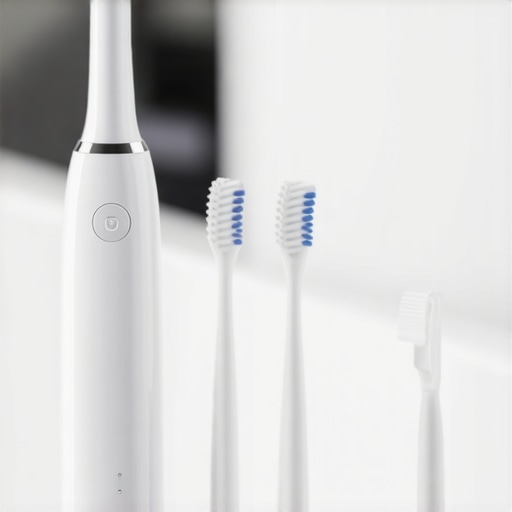
    Many people believe that brushing twice a day guarantees healthy teeth, but in my experience, this is a simplification that overlooks critical nuances. For example, brushing too hard can cause enamel erosion and gum recession, contrary to popular belief that scrubbing cleans better. Instead, gentle, thorough brushing using soft-bristled brushes is more effective and safer, especially for preserving delicate structures like crowns and fillings. Also, many assume that all dental cleanings remove plaque completely, but recent studies show that even professional cleanings sometimes miss biofilm in hard-to-reach areas, which can lead to persistent inflammation and decay. An article on biofilm removal techniques highlights advanced methods that target these stubborn spots. Furthermore, a common myth is that family dentistry procedures are painful or invasive; however, advancements in painless technology and no-numbing methods have transformed routine visits into comfortable experiences. For instance, newer local anesthesia techniques eliminate the discomfort once associated with procedures like sealant applications or minor restorations. When it comes to crowns, many believe they are merely cosmetic, but their real challenge is longevity. Modern research indicates that peptide-infused bonding significantly enhances crown durability by promoting better integration with the tooth. Make no mistake—overlooking these subtle factors can lead to premature crown failure or unresolved oral issues. So, what about misconceptions that might be sabotaging your oral health? One trap is the idea that mouthwash alone can cover poor brushing habits. But studies demonstrate that mouthwash is only supplementary; it cannot replace proper mechanical cleaning, especially around crowns and interdental spaces. Incorporating dental sealants in children’s molars can also dramatically reduce cavity risk, yet many overlook this simple preventive step; learn more about the benefits of sealants here. Advanced readers may wonder: How do oral care nuances affect systemic health? Emerging research links periodontal inflammation with cardiovascular risks, emphasizing the importance of meticulous hygiene routines. So, are you managing your oral health with the latest insights? Or falling for common myths that undermine your efforts? Let’s keep this conversation going—share your experiences or questions in the comments! Remember, small adjustments in your daily routine can have profound impacts on your dental longevity and overall wellness.Maintaining your oral health and ensuring your dental restorations last requires more than just good brushing habits; it demands the right tools and techniques. Personally, I rely on a few specialized items that have made a significant difference in my routine. An electric toothbrush with a pressure sensor is a game-changer. It prevents me from brushing too hard, which can cause gum recession and damage restorative materials like crowns. I recommend the Oral-B Genius X because it provides real-time feedback and alerts me when I’m applying excessive force, aligning with the latest research on effective plaque removal without damaging the enamel or restorations. An electric toothbrush and water flosser ready for use, highlighting essential tools for maintaining crowns and overall oral health.

    Another indispensable tool is a water flosser. Traditional flossing can be challenging, especially around crowns and bridges, but a water flosser effortlessly dislodges debris and bacteria from hard-to-reach areas. I personally use the Waterpik Sonic-Fusion because it integrates flossing and brushing, allowing me to target plaque buildup precisely where it accumulates. Regular use of such devices helps extend the lifespan of your crowns and prevent secondary decay, which is pivotal for long-term oral health.

    For cleaning your crowns without scratching the surface, I turn to specialized interdental brushes and ultra-soft microbrushes. Choosing the right size ensures deep cleaning without risking damage. Additionally, I apply a gentle, non-abrasive paste like MI Paste Plus periodically, which supplies calcium and phosphate ions to reinforce enamel and cementum around crowns, especially if you’re prone to sensitivity or decay.

    Investing in quality tools paired with proper technique is vital. As dental technology advances, so do the methods to preserve our restorations. Dental practices are gradually adopting peptide-infused bonding agents, highly effective for enhancing crown durability over time. In fact, recent studies indicate that the incorporation of peptides in bonding agents can prolong crown life by reducing microleakage and bacterial colonization.

    How do I maintain my dental tools over time? Regularly rinsing, replacing brush heads every three months, and descaling water flosser tips keep these devices performing optimally. Periodic sterilization of interdental brushes and microbrushes prevents bacteria buildup, protecting your investment and your health.

    Looking ahead, I predict that smart, AI-enabled oral care devices will become standard, providing tailored feedback to improve technique and detect early signs of emerging issues. This evolution promises even better long-term outcomes for maintaining restorations like crowns and ensuring family-wide dental health.

    If you want to take your home care to the next level, try incorporating an electric toothbrush with a pressure sensor and a water flosser into your routine. These tools not only improve cleaning efficiency but also reduce the risk of damaging your restorations over time. Remember, consistency combined with the right equipment can make all the difference in keeping your dental work functioning flawlessly for years to come.

    Lessons No One Tells You About Longevity and Maintenance

    • I’ve learned that smooth, gentle brushing around crowns isn’t just polite—it directly impacts how long they last. Overly aggressive scrubbing might seem effective, but it can actually cause wear and microcracks over time, a revelation that changed my daily routine.
    • Most people underestimate the importance of choosing the right tools. Investing in an electric toothbrush with pressure sensors and a reliable water flosser transformed my oral health, and I believe it’s a game-changer for preserving crowns and preventing secondary decay.
    • Waiting too long between dental check-ups is a trap I fell into. Regular professional exams, including assessments of bonding agents—especially with recent advances like peptide-infused technology—are crucial for catching issues early and extending crown lifespan.
    • Dietary habits dramatically influence crown durability. Limiting acidic foods and being mindful of habits like opening packages with teeth saved me from premature damage—a simple change with big rewards.

    My Go-To Resources for Cutting-Edge Dental Insights

    • Peptide-Infused Bonding Research: The latest studies on peptide technology in bonding agents have revolutionized my understanding of crown longevity. I recommend reading this detailed article to see how science is improving dental restorations.
    • Dental Care Tools: My trusted electric toothbrush, the Oral-B Genius X, and Waterpik water flosser have significantly extended the life of my crowns.
    • Preventive Techniques: Resources on proper cleaning, like biofilm removal methods, have helped me maintain healthier gums and reduce crown-related issues.

    Seize Your Smile—Your Future Self Will Thank You

    “Maintaining dental health, especially when you have crowns, is an ongoing journey. Small daily habits—like mindful brushing, using effective tools, and regular check-ups—can transform your results and ensure your smile remains confident and strong for years to come. Don’t wait for problems to appear; take action today to extend your crowns’ lifespan and protect your overall oral health.”}So, what habits have you found most effective in prolonging the life of your dental restorations? Share your tips below!**

  • The Most Durable Materials Used for Modern Dental Crowns

    The Most Durable Materials Used for Modern Dental Crowns

    I remember the first time I chipped a tooth on a piece of hard candy, and the sinking feeling I got—that sudden realization that one misstep could lead to expensive repairs or discomfort. It was a lightbulb moment that made me dive deep into the world of dental materials, especially for crowns. Over the years, I’ve learned that not all crowns are created equal, and choosing the right material can make all the difference in how long your smile stays intact.

    Why Material Matters More Than You Think

    In my early days, I thought a crown was just a cosmetic fix—something to hide a damaged tooth. But I quickly discovered that durability is everything. Imagine investing in a crown only to have it crack or loosen after a few years—that’s both frustrating and costly. The key is understanding which materials withstand the daily wear and tear of eating, grinding, and even biting down on hard foods. This knowledge isn’t just for dentists; it’s for anyone who values their smile and wallet alike.

    Is Durability Really Worth the Hype?

    Early in my research, I made the mistake of choosing a cheaper ceramic crown, thinking saving money would be smart. Turns out, it didn’t take long before I noticed chips and sensitivity. That experience taught me a vital lesson: sometimes, investing in a more durable material pays off in the long run. Advanced materials like zirconia and certain bio-ceramic options are designed to last decades, offering strength and aesthetic appeal. Studies show that zirconia-based crowns can last over 20 years with proper care (source), making them a smart choice for anyone who wants to avoid frequent replacements.

    So, if you’ve ever wondered whether your crown is truly built to last or just a temporary fix, you’re not alone. Many people overlook this critical aspect, which can lead to unnecessary discomfort or additional treatments. Stay with me as we explore the materials that stand the test of time and how to pick the best one for your needs.

    Are you facing frequent crown issues, or are you simply curious about how to get the most out of your dental restoration? Let’s dive into what makes some materials more durable than others and how you can make the best choice for a smile that endures.

    Choose the Right Material for Longevity

    My first step was understanding which crown materials resisted chipping and cracking. I found that zirconia and certain bio-ceramics outperform traditional ceramics, lasting decades with proper care. Think of it like choosing a steel-reinforced concrete over a fragile ceramic—it’s about building a foundation that endures daily stress. When selecting a material, consult your dentist about options like bio-ceramic crowns that balance strength and aesthetics.

    Maintain Excellent Oral Hygiene

    Cleaning around your crown is critical. I learned to brush gently with a soft-bristled toothbrush, making small circular motions to avoid damaging the seal or scratching the surface. Flossing daily using proper technique prevents plaque buildup that can loosen the crown. Remember, aggressive brushing can be like sanding wood—counterproductive. Regular professional cleanings ensure all biofilm is removed without risking the crown’s integrity.

    Avoid Harmful Foods and Habits

    Hard foods, ice, and sticky candies put unnecessary pressure on your crown. I had a near disaster attempting to bite into a particularly stubborn caramel, which threatened the bond. It’s comparable to stress-testing a bridge; you want to avoid sudden impacts that can cause micro-cracks. Limit snacking on sugary or acidic foods, which can erode enamel and weaken the bond over time. For tips on this, see snacking habits and enamel loss.

    Schedule Consistent Dental Checkups

    Regular visits allow your dentist to catch issues early. During my routine appointment, my dentist inspected the crown visually and used special tools to verify stability. Just like a mechanic tests a car’s suspension, these checks identify loose crowns or possible decay beneath them. Don’t wait for discomfort; keep up with regular 24-hour crown rules to prevent complications.

    Monitor Your Bite and Comfort

    Pay attention to how your crown feels when chewing. I noticed a slight tightness after eating certain foods. This could indicate a crown that’s shifting or a bite that’s uneven—like a door that’s slightly misaligned. Use the tapping test to check for looseness or discomfort, and consult your dentist if problems arise. Prompt action saves you from more invasive repairs later.

    Use Protective Accessories During Sports

    If you’re active, especially in contact sports, wearing a mouthguard protects your crown from impact. I used a custom-fit guard, which cushioned blows that could otherwise chip a weaker crown. Think of this like wearing a helmet for a bike ride; it’s about adding a safeguard to daily risks. For non-contact sports or recreational activities, a mouthguard is equally beneficial, shielding your investment in a durable smile. Learn more about protecting young teeth at mouthguard essentials for children.

    Be Mindful of Post-Procedure Habits

    After crown placement, avoid habits that can damage your new tooth, like biting nails or opening packages with teeth. I caught myself biting into a pen one day—an instinct I had to break to safeguard the crown. This is similar to how you would treat a delicate sculpture; every minor impact can cause long-term damage. Staying aware of these habits preserves the crown’s integrity and extends its lifespan.

    Consider Nightly Rinses and Supplements

    Using an alkaline rinse before bed helps neutralize acids that weaken tooth enamel and can affect crowns. I incorporated this into my nightly routine, which strengthened my overall oral health. Think of it as giving your mouth a gentle shield against the acidic environment created by diet and reflux. Supplements like fluoride varnishes, recommended by your dentist, can further reinforce enamel margins around crowns, much like applying a protective primer before painting.

    By following these concrete steps—making strategic material choices, maintaining excellent hygiene, avoiding damaging habits, scheduling regular checkups, protecting during physical activity, and supporting your teeth nutritionally—you can significantly prolong the lifespan of your dental crowns. Remember, consistency is key; think of your dental care routine as a daily investment in your smile’s future.

    Many assume that brushing harder cleans teeth better, but in reality, aggressive brushing can damage enamel and worsen sensitivity. This common misconception often leads people to develop worn-down teeth and receding gums, increasing decay risk. In fact, Gentle brushing with a soft-bristled toothbrush is proven to be more effective and safer for long-term oral health (source). Another widespread mistake is believing that daily flossing isn’t necessary if you brush regularly; however, neglecting interdental cleaning allows plaque buildup in hard-to-reach areas, leading to cavities and gum disease. Regular professional cleanings with advanced tools like bio-acoustic buffing can remove hidden biofilm that at-home kits may miss, ensuring healthier gums. Many people underestimate the importance of family dentistry, viewing it as unnecessary unless there’s pain, but early detection of decay or misalignment benefits lifelong health. Skipping routine visits increases the risk of overlooking early-stage problems. When it comes to crowns, there’s a misconception that they last forever without maintenance; however, most crowns require regular checkups to prevent micro-cracks or loosening. Advanced materials like smart bonds significantly reduce this risk but are only effective if monitored. Moreover, many assume that whitening treatments permanently keep teeth bright—that’s untrue. Lifestyle habits like consistent snacking and acidic drink consumption can erode enamel over time, making professional advice vital to maintain aesthetics. An often-overlooked nuance is post-procedure care—improper habits after crowns or cleanings can undo recent improvements. For example, rinsing with the wrong mouthwash or biting on hard foods prematurely can compromise your investment. The key is understanding that oral health isn’t just about daily routines but also about informed choices, timely professional intervention, and advanced materials. Recognizing these nuances can save you from unnecessary discomfort and costly repairs. Are you guilty of any of these myths? Let me know in the comments and share your experiences.

    Maintaining your oral health over time requires more than just good habits; it involves leveraging the right tools and techniques to ensure your investments in your smile last. Personally, I rely on a combination of advanced electric toothbrushes, professional-grade cleaning devices, and targeted routines that solidify my dental foundation.

    Why I Switched to an Electric Toothbrush

    Traditional brushing can be effective, but I found that electric toothbrushes, especially models with oscillating-rotating heads, significantly improve plaque removal. I prefer the Oral-B Genius because its position detection technology ensures I brush thoroughly, even in hard-to-reach areas. The built-in timers help me stick to the two-minute rule, which many overlook as crucial for comprehensive cleaning. Over time, consistent use of an electric toothbrush has reduced my gum inflammation and improved overall cleanliness, aligning with recent studies showing their superiority over manual brushes (source).

    How Professional Tools Enhance Home Care

    Investing in professional-grade tools like bio-acoustic buffing devices has been a game changer. These ultrasonic systems generate high-frequency vibrations that dislodge stubborn biofilm without damaging enamel, maintaining a smooth surface that resists plaque attachment. I use an ultrasonic cleaner to periodically refresh my dental appliances and retain their integrity, extending their lifespan and ensuring optimal hygiene.

    Long-Term Results Require Consistency and Upgrades

    One tool I highly recommend is a water flosser, like the Waterpik Water Flosser, for interdental cleaning. It’s gentle yet effective, especially for braces or implants. Using it nightly helps prevent issues like gum bleeding and microdebris buildup, which can undermine crowns or cause decay beneath fillings. As technology evolves, newer models incorporate customizable pressure settings and app connectivity, allowing for tailored care routines—ensuring you adapt your tools to your changing oral health needs.

    Future Trends in Dental Maintenance

    The future points toward integrated smart dental systems that monitor plaque levels, pH balance, and even early signs of disease. Imagine using an AI-powered toothbrush that detects early decay indicators or detects biofilm buildup in real-time, prompting immediate action. Staying informed and adopting these innovations now can make a tangible difference in your long-term oral health.

    How do I maintain my tools over time?

    To keep your tools working efficiently, regular sterilization is vital. For electric brushes, replace brush heads every three months and clean the device with alcohol wipes weekly. Ultrasonic cleaners should be rinsed thoroughly after use, and filters replaced as recommended by manufacturers. Water flossers require descaling if you notice mineral buildup, which can be prevented using vinegar solutions or manufacturer-approved cleaning tablets. Maintaining these devices ensures they perform optimally and prolongs their usability, safeguarding your investments in health and money.

    Upgrade your routine today by trying a high-quality ultrasonic cleaner or an advanced electric toothbrush with smart features. These tools, combined with consistent habits, will help you keep your smile beautiful and functional for years to come. Remember, investing in the right equipment is an act of self-care that pays off down the line.

    Lessons Behind My Smile Transformation

    • I learned the hard way that trusting the cheapest crown options often leads to premature repairs. Investing in advanced materials like zirconia truly pays off over the years.
    • Never underestimate the power of consistent, gentle oral hygiene. Aggressive brushing damaged my gums and shortened the lifespan of my crowns more than I realized.
    • Regular professional checkups aren’t just about cleaning—they’re about catching subtle issues early, saving you from costly surprises down the line.

    My Top Picks for a Smile That Lasts

    • Bio-Acoustic Buffing Devices: These ultrasonic tools have transformed my routine, effectively eliminating stubborn biofilm without harming enamel.
    • Electric Toothbrushes with Smart Technology: Models like the Oral-B Genius give me thorough cleaning and help maintain my crowns and natural teeth.
    • Nightly Alkaline Rinses: I swear by these to neutralize acids that threaten enamel integrity. Learn more about how they boost your oral health at this resource.

    Kickstart Your Oral Health Journey Today

    Your smile is more than just aesthetics—it’s a reflection of your overall health and confidence. Embrace the right materials, uphold consistent habits, and leverage technology to keep your crowns and teeth resilient for decades. Remember, every small step now paves the way for a healthier, happier future. So, are you ready to take control of your dental destiny and ensure your smile endures? Share your biggest challenge below!

  • How to Clean a Dental Crown Without Scratching the Porcelain

    How to Clean a Dental Crown Without Scratching the Porcelain

    Picture this: I was in a rush, swirling some mouthwash before bed, and suddenly, I noticed a tiny scratch on my dental crown’s porcelain surface. My heart sank. That dull streak felt like a betrayal—my bright, smooth crown now marred by what I thought was an innocent rinse. It was a lightbulb moment for me: I’d been cleaning my crown the wrong way, risking scratches without even realizing it.

    Why Properly Cleaning Your Dental Crown Matters More Than You Think

    Dental crowns are designed to restore your smile seamlessly, but their porcelain surfaces are surprisingly delicate. Routine cleaning might seem straightforward, but using the wrong tools or techniques can cause scratching—dulling that shiny veneer and increasing the risk of plaque buildup or even decay underneath. I learned early on that neglecting proper care doesn’t only impact aesthetics; it can compromise the longevity of your crown.

    Is Gentle Really Better? My Biggest Fumble

    Early in my journey, I mistakenly thought the harder I scrubbed, the cleaner my crown would be. That was a mistake. I used a stiff-bristled toothbrush and abrasive toothpaste—what I believed was doing the trick—but I soon noticed tiny scratches forming. It’s a common mistake I see many making. Instead of prolonging the life of your crown, aggressive cleaning can hasten wear. A better approach? Gentle, informed techniques that preserve your crown’s porcelain. For comprehensive insights on maintaining overall oral health, I recommend reading about the real reasons gums bleed after cleaning.

    What You’ll Discover Today

    In this post, I’ll share practical, expert-backed tips on how to keep your dental crown pristine without scratching the porcelain. We’ll cover the best tools, the right cleaning routines, and common pitfalls to avoid. If you’ve ever been worried about damaging your crown during routine cleaning, stick with me—by the end, you’ll feel confident in your approach.

    So, have you faced the frustration of scratches or dullness on your crown? Trust me, I’ve been there. Let’s dive into how to keep your smile shining bright and damage-free for years to come.

    Choose the Right Tools for Gentle Cleaning

    Start with a soft-bristled toothbrush similar to the gentle brushes you use on your baby’s gums. I once thought switching to a stiffer brush would clean better, but I ended up with tiny scratches on my crown, making it look dull. After switching to a toothbrush with soft bristles, I immediately noticed a difference—no more microscopic scratches, and my crown maintained its shine longer.

    Select Non-Abrasive Toothpaste

    Use a toothpaste specifically designed for sensitive or dental crown care—these are less abrasive. I once experimented with an whitening toothpaste stronger than my usual brand; the result was a dull film on my crown. Switching to a gentle, non-abrasive toothpaste preserved my crown’s porcelain finish and prevented dullness over time. Check out this guide to find toothpaste that protects both your enamel and crowns.

    Implement Proper Brushing Technique

    Think of your toothbrush as a paintbrush—gentle strokes matter most. Use a small, circular motion to clean around your crown, avoiding pressing too hard, which can cause scratches. I once scrubbed back and forth vigorously, which only damaged the porcelain. Now, I lightly glide my brush around the crown, like polishing a delicate sculpture. This technique removes plaque without risking harm and keeps the surface smooth and shiny.

    Time Your Routine Smartly

    Brush at least twice a day, but wait at least 30 minutes after consuming acidic or sugary foods before brushing. I used to brush immediately after eating oranges, which can weaken enamel and make fissures more prone to scratching. Waiting allows saliva to neutralize acids, protecting your crown’s surface. Don’t forget to floss daily—using gentle, correct techniques prevents tartar buildup that can mar your crown’s appearance.

    Incorporate Additional Care Techniques

    Rinsing with a mild, alkaline mouthwash can help maintain pH balance. I started using a rinse like this alkaline rinse nightly, which reduces acid attacks that weaken the porcelain, preventing dullness and scratches. Be cautious with harsh mouthwashes; some contain alcohol or strong chemicals that may erode enamel or dull your crown’s shine. Always check labels and opt for gentle, enamel-friendly options.

    Skip Overly Hard or Abrasive Products

    Avoid household cleaning agents or baking soda unless approved by your dentist. I learned the hard way when I used baking soda on my crown, thinking it would whiten further; instead, I noticed tiny micro-scratches afterward. Keep your cleaning routine simple—stick to products formulated for dental crowns and consult your dentist for personalized advice.

    Request Professional Advice Regularly

    Schedule routine check-ups to ensure your crown remains undamaged and shiny. During my visit, my dentist polished the surface slightly, restoring its brightness and removing any micro-damage. Remember, professional cleanings use specialized tools and techniques that you can’t replicate at home, which help prolong your crown’s lifespan and prevent scratches from unnoticed plaque buildup or mineral deposits.

    By adopting these detailed steps—selecting gentle tools, proper technique, careful timing, and professional support—you can maintain your dental crown’s integrity and appearance without risking scratches or dullness. Your smile deserves that extra care, and taking these concrete actions keeps it shining bright for years to come.

    A person gently brushing a dental crown with a soft toothbrush to demonstrate proper cleaning technique.Many people assume that brushing harder or using the most abrasive toothpaste will lead to cleaner teeth, but in reality, this approach can cause significant damage, especially to crowns and delicate tooth structures. A common misconception is that all dental problems stem from poor hygiene, ignoring factors like diet, saliva composition, and genetic predispositions. For instance, overbrushing can erode enamel and wear down crowns prematurely, a mistake supported by studies such as those published in the Journal of Dentistry, which highlight how excessive force accelerates wear and tear.

    Another widespread myth is that dental visits are only necessary when experiencing pain or discomfort. However, routine check-ups are crucial for catching issues before they escalate, particularly with crowns and restorations, which can silently develop problems like micro-leakage or decay underneath. Many patients overlook the importance of specialized preventive measures, like sealants for children or professional fluoride treatments, which can significantly prolong the lifespan of dental work.

    A nuanced aspect often misunderstood is the impact of oral microbiome balance. Conventional wisdom emphasizes plaque removal, but recent research indicates that maintaining a healthy bacterial ecosystem is vital for oral health, influencing everything from gum disease to the stability of crowns. Overly aggressive cleaning with harsh chemicals can disrupt this balance, leading to more harm than good.

    Addressing the advanced questions, such as “How does saliva influence the longevity of dental restorations?” reveals that saliva contains buffering agents and minerals that help remineralize enamel and protect restorations from decay and staining. Disrupting saliva flow—through dehydration or certain medications—can compromise these natural defenses, accelerating deterioration.

    It’s also worth noting that some over-the-counter whitening products are mistakenly used on crowns, which can cause uneven coloration or surface damage. Professional guidance is essential to select safe and effective whitening options, especially when you have dental work. Always consult with your dentist before attempting to alter the color of your restorations.

    Incorporating these insights into your oral care routine can make a significant difference. For instance, choosing a non-abrasive toothpaste, as recommended here, can help preserve your crowns and natural teeth. Regular professional assessments are equally important—they can catch issues early, saving you discomfort and expense down the line.

    Have you ever fallen into this trap? Let me know in the comments. Remember, knowing the nuances behind common beliefs empowers you to make better decisions for your oral health, ensuring your smile remains both beautiful and healthy for years to come.

    Invest in Quality Tools for Long-Term Care

    Maintaining dental crowns and overall oral health begins with choosing the right tools. I personally swear by a electric toothbrush with a timer and pressure sensor. The built-in timer ensures thorough cleaning sessions, while the pressure sensor alerts me when I’m brushing too hard—protecting my crowns and gums from unnecessary stress. Brands like Oral-B and Philips Sonicare offer models with these features, and I find them indispensable for consistent, gentle cleaning.

    Another critical tool is a proximal brush. These tiny brushes are designed specifically to clean between teeth and around crowns where floss might miss. After trying various brands, I prefer the ones with flexible handles and tapered bristles, which glide smoothly into tight spaces without damaging delicate porcelain surfaces.

    Use Specialized Oral Hygiene Products

    Not all toothpastes are created equal, especially when caring for crowns. I recommend switching to a non-abrasive, fluoride-rich toothpaste. This choice helps prevent surface scratches on your crowns while strengthening your natural enamel. Additionally, incorporating a mild alkaline mouthwash like the one I use nightly can neutralize acids and protect your porcelain surfaces from dulling or erosion.

    For those interested in natural remedies, I suggest a saltwater rinse. It’s simple, cost-effective, and supports healing of gums without risking damage to restorations. However, avoid harsh chemicals and overly abrasive products that can harm your dental work.

    Develop Smart Cleaning Habits

    Technique makes all the difference. I focus on using small, circular motions when brushing, mimicking gentle polishing rather than aggressive scrubbing. This approach effectively removes plaque without scratching the surface of crowns. Moreover, I always wait at least 30 minutes after consuming acidic foods or drinks—like citrus or soda—before brushing. This prevents softening of the enamel and reduces the risk of micro-scratches that can dull your crown’s appearance.

    Schedule Regular Professional Checks

    Even with diligent at-home care, professional cleanings are essential. During my routine visits, my dentist uses specialized tools like air polishing devices infused with enzymes—these effectively disrupt and remove biofilm while being gentle on crowns. Regular check-ups also allow early detection of any potential issues, ensuring the longevity of your restorations. For more insights on professional care, consider reading about how professional cleanings contribute to maintaining your smile.

    How do I maintain my dental tools for longevity?

    Proper maintenance of your cleaning tools ensures they remain effective. Rinse your toothbrush thoroughly after each use, and replace it every three months or sooner if bristles fray. Store brushes upright and avoid covering them, which can harbor bacteria. For electric brushes, periodically check and replace brush heads to maintain optimal cleaning efficacy. For specialized brushes like proximal or interdental cleaners, rinse them immediately after use and replace as needed to prevent bacterial buildup. Regularly inspecting your tools guarantees they perform at their best and safeguard your oral health.

    Looking ahead, advancements in smart dental devices—like synchronized apps that monitor brushing pressure and coverage—are likely to become mainstream. Embracing these innovations now ensures your routine stays effective and your restorations last longer. Make the commitment today by trying a pressure-sensitive electric toothbrush and observe the difference it makes in protecting your investment in a healthy smile.

    Lessons That Changed My Approach to Dental Care

    One of the biggest surprises I faced was realizing that my relentless scrubbing wasn’t cleaning my crown but subtly damaging it. I learned that patience and gentle techniques outperform brute force, which in turn preserved my smile and saved me money. I also discovered that the choice of toothpaste can make or break the longevity of a crown—never underestimate how abrasive products can dull that shiny surface. Lastly, routine professional check-ups are more than just a formality; they’re vital for catching micro-damage early before it becomes a costly problem. These lessons transformed my daily routine and deepened my respect for mindful dental care.

    Tools and Resources That Elevate My Oral Hygiene Game

    My top recommendation is an electric toothbrush equipped with a pressure sensor—brands like Philips Sonicare or Oral-B have served me well. They help me avoid applying excessive force and ensure thorough cleaning with gentle strokes. I also rely on interdental brushes; the tapered designs glide effortlessly around crowns, reaching areas floss might miss. For guidance, I trust reputable sources like this guide on non-abrasive toothpaste and advice on mouthwash habits. Lastly, scheduling routine dental visits with my dentist has become an integral part of maintaining that brilliant smile, ensuring my crowns stay pristine and functional over time.

    Your Smile Deserves This Moment of Care

    Taking control of your dental health, especially when managing restorations like crowns, is a rewarding journey. By embracing gentle techniques and trusted tools, you not only protect your investment but also boost your confidence in your appearance. Remember, small daily actions—like choosing the right toothpaste or cleaning method—add up to significantly longer-lasting crowns and healthier teeth. So, why not start today? Your future self will thank you for the fresh, radiant smile that’s been carefully preserved. It’s never too late to prioritize your oral health and enjoy the benefits of a dazzling, durable smile.

    What has been your biggest challenge in caring for your crowns or dental restorations? Share your experiences below—I’d love to hear your story!

    ,

  • The Best Foods to Eat After Getting a New Crown

    The Best Foods to Eat After Getting a New Crown

    I still remember the sinking feeling I had after finally getting my new crown placed — I took a big bite of my favorite crunchy apple, and immediately, a sharp jolt of pain shot through my tooth. It was a classic mistake I made early on: I underestimated the importance of what I ate after the procedure. That moment made me realize how many of us overlook the critical first days of crown recovery, often unknowingly sabotaging our healing journey.

    Getting a new crown is an exciting step toward better oral health, but it’s also a delicate process. The foods we choose in those initial days can either protect your investment or cause setbacks like sensitivity, discomfort, or even the risk of the crown coming loose. That’s why understanding what to eat—and what to avoid—is crucial for a smooth recovery.

    Why Post-Crown Diet Choices Can Make All the Difference

    From personal experience, I’ve learned that the right foods help stabilize your new crown, prevent irritation, and promote faster healing. Conversely, the wrong choices can lead to discomfort and the dreaded loosened crown. Research indicates that consuming overly hard or sticky foods shortly after placement might increase the failure rate of the crown, leading to costly and stressful redo visits. According to a recent study published in the Journal of Prosthetic Dentistry, patient compliance with post-procedure dietary guidelines significantly impacts the longevity of crowns (source: https://www.sciencedirect.com/science/article/abs/pii/S0022391319302650).

    But how do you know what foods are safe, and which ones could sabotage your healing? I learned this the hard way—my early mistake was thinking that any soft food would do. Turns out, some soft foods can be just as problematic as hard ones if they’re sticky or acidic. Keep reading, and I’ll share the simple, practical dietary rules that transformed my experience and can help you avoid the pitfalls I faced.

    Are All Soft Foods Created Equal for Recovery?

    Early on, I believed just sticking to smoothies and puddings was enough. Not quite. I was unaware that some creamy, soft foods are laden with sugars or acids that can irritate my gums or weaken the bond of the crown. For example, acidic fruits like oranges can cause sensitivity, while sugary puddings provide a feast for bacteria, increasing the risk of decay around the crown margin. It’s a balance. Choosing the right foods, like plain mashed potatoes, soft-cooked vegetables, or mild dairy, helps ensure your mouth heals without unnecessary setbacks.

    If you’re nervous about choosing foods that support your healing, don’t worry—I’ve been there. In fact, I found that consulting with my dentist helped me understand the importance of not just soft food, but also specific ingredients that aid recovery. For further insights on gentle oral care, check out why soft bristles are better for your gums.

    Now that I’ve shared my mishaps and lessons, I’ll guide you through the practical foods and habits that truly support your crown’s health during those vital first days. That way, you can confidently enjoy your favorite foods again—without the fear of setbacks.

    ,

    Stick to Soft, Nourishing Foods Immediately After Placement

    Right after your crown is placed, switch to soft, bland foods that won’t disrupt the bonding process. Think mashed potatoes, well-cooked carrots, or scrambled eggs. I remember the first time I tried biting into crusty bread too soon; the sensation was sharp and uncomfortable. To avoid such mishaps, I gradually introduced softer options over the first 48 hours, giving my gums and crown time to settle without added stress.

    Choose Ingredients That Support Healing

    Opt for foods rich in calcium and vitamin D to bolster your jawbone and periodontal tissues. Incorporate dairy like yogurt or cheese, and consider adding leafy greens once tolerated. During my recovery, I made a simple soup with pureed vegetables and melted cheese, which provided comfort and essential nutrients—helping me heal faster and avoiding irritation caused by acidic or sugary foods.

    Maintain Gentle but Effective Oral Hygiene

    Proper cleaning prevents plaque buildup that can compromise the crown’s bond. Use a soft-bristled toothbrush (preferably with soft bristles) and gentle strokes—think of brushing like patting down a delicate piece of fabric, not scraping a stubborn stain. I initially used a medium brush, which irritated my gums; switching to a soft one made a noticeable difference, reducing sensitivity and enhancing comfort.

    Master the Art of Tongue Cleaning

    Cleaning your tongue removes biofilm that harbors bacteria, reducing the risk of decay near the crown. Use a tongue scraper or the back of your toothbrush with gentle pressure. I learned this from my dentist, who emphasized that a clean tongue is key to fresh breath and overall oral health. Incorporating this daily habit kept my mouth feeling fresh and prevented bacteria migration towards the crown area.

    Avoid Sticky, Hard, or Acidic Foods

    Steer clear of caramel candies, sticky gums, or ice—these can dislodge or damage the crown. Acidic foods like citrus can cause sensitivity, especially if the crown margins are exposed. I once slipped with an orange slice, and the resulting sensitivity lingered for hours. Temporarily, I eliminated citrus and focused on neutral flavors, aiding my recovery and preventing unnecessary discomfort.

    Be Mindful of Beverages and Nighttime Habits

    Limit coffee, tea, or sodas that may stain or weaken your crown’s material and avoid sipping sugary drinks constantly. Additionally, avoid brushing immediately after consuming acidic drinks to prevent enamel erosion—wait at least 30 minutes. I found that rinsing with plain water after such drinks helps neutralize acids. Also, consider using a straw for staining beverages to limit contact, preserving your crown’s appearance and integrity.

    Sustainable Habits for Long-Term Crown Success

    Incorporate regular flossing—using thin, gentle floss—around your crown to remove trapped debris. Don’t forget to schedule routine dental check-ups; early detection of issues like a loose crown or plaque buildup can save you from costly repairs. I set reminders on my phone for biannual cleanings, which keep my oral health on track and extend the lifespan of my crown.

    Recognize signs of trouble early, such as sensitivity, discomfort, or a loose feeling—acting swiftly can prevent more serious issues. Remember, maintaining your crown means adopting habits that support both healing and long-term durability. Incorporate these steps into your daily routine for a healthier, more comfortable smile.

    Many people assume that brushing twice daily and visiting the dentist regularly are enough to maintain optimal oral health, but the truth runs much deeper. A common misconception is that all toothbrushes and oral care products are created equal—yet, overlooking the importance of proper technique and tools can undermine your efforts. In reality, choosing a soft-bristled brush, for example, can significantly reduce gum recession and sensitivity, especially in patients with receding gums. This simple switch can make a profound difference in your periodontal health, as highlighted by this detailed guide.

    Another often-missed nuance is the timing and method of cleaning after eating. Many believe that rinsing with mouthwash or brushing immediately after a meal is ideal, but some foods, especially acidic ones, temporarily soften enamel and soften the protective pellicle on teeth. Brushing right after acidic foods can inadvertently cause micro-abrasions, leading to increased sensitivity and enamel erosion. Waiting at least 30 minutes or rinsing with water first preserves your enamel integrity. For more on this, see this article.

    When it comes to crowns and restorations, many patients overlook the critical aspect of bonding quality. A well-bonded crown can last decades, but minor gaps—sometimes invisible to the naked eye—can be a breeding ground for bacteria, leading to decay under or around the crown. The misconception that a crown’s success solely depends on its material choice ignores the importance of proper bonding, which involves precise technique and the right adhesives. Discover more about this in this comprehensive piece.

    Why do some crowns fail despite being perfect?

    The answer often lies in the unseen bonding interface and the patient’s oral habits, like grinding or clenching, which exert excessive force. Advanced technologies, like bio-adhesive sealants infused with peptides, are now enhancing crown longevity by promoting stronger bonding and resistance to decay. Recognizing these nuanced advancements can save you from unnecessary replacements and discomfort. Learn about emerging innovations at this source.

    Moreover, a surprisingly overlooked factor is the role of personal habits—such as aggressive brushing or improper flossing technique—that can cause gum recession or damage to crown margins over time. Such habits can diminish the benefits of your dental work and invite future problems. To differentiate between healthy and harmful brushing, consider reviewing this guide.

    In essence, maintaining optimal oral health goes beyond routine brushing and flossing; it demands a nuanced understanding of each component—tools, techniques, biological factors, and technological innovations. Being aware of these subtle factors allows for tailored care, preventing setbacks that are often attributed to

    How do I maintain my dental tools and techniques over time?

    Maintaining your oral health toolkit is essential for preserving your investment in dental wellness. Personally, I swear by my electric toothbrush, specifically the Oral-B Genius X. Its AI-powered technology tracks my brushing habits through Bluetooth connectivity, guiding me to brush more effectively and reach difficult areas. As I age, I notice that the combination of high-quality tools and diligent technique significantly reduces issues like gum recession, which you can learn more about here.

    To ensure these benefits last, I replace my brush heads every three months—regular replacement prevents bacterial buildup and maintains cleaning efficiency. Additionally, I use a water flosser like the Waterpik Ultra, which I find far superior to traditional floss for reaching under crowns and between braces. Its pulsating water removes plaque more thoroughly, especially around delicate margins. Remember, even the best tools need proper care and replacement for long-term durability.

    What hardware and software can improve your oral care routine?

    Integrating technology like Bluetooth-enabled toothbrushes and companion apps has revolutionized my approach. These apps provide real-time feedback on coverage and pressure, preventing gum recession—an issue discussed extensively here. Such devices can also help you identify habits that might be harming your crowns, like aggressive brushing or improper flossing.

    Beyond hardware, I rely on dental management apps like Dentapod to schedule regular check-ins and track oral hygiene progress. Staying proactive with these tools offers a clearer picture of my long-term health trajectory, enabling early intervention before major issues develop. Predictively, I believe the future of dental tech is heading toward AI-driven diagnostics, providing personalized care at home. For now, adopting these smart tools helps me stay ahead of problems, especially with delicate restorations like crowns and bridges.

    How can you fine-tune your routine for sustainable results?

    Timely maintenance and adjustments are key. I visit my dentist for professional cleanings and checkups every six months, during which they inspect my crowns’ bonding integrity. To do this effectively over time, I’ve learned to pay attention to subtle signs like increased sensitivity or minor loosening, which can be early indicators of bonding gaps—discussed in this article. Consistent review ensures my restorations last longer and function comfortably.

    Moreover, employing proper technique during daily care—such as gentle brushing with soft bristles and correct flossing—can extend the lifespan of your dental work. The trend is moving toward smarter, more personalized approaches; for example, using soft-bristled brushes minimizes recession risk, especially in vulnerable patients. I recommend establishing a habit of inspecting your tools for wear and replacing parts proactively, ensuring your entire routine remains effective.

    In conclusion, the secret to

    What I Wish I Knew When I Started My Crown Journey

    • One of the biggest lessons I learned was that even the slightest change in my daily habits could significantly extend the life of my crown, which I now see as a personal success story in proactive dental care.
    • Early on, I underestimated the importance of dietary choices, thinking soft foods were enough, but I discovered that ingredient quality and acidity levels mattered just as much to prevent sensitivity and decay.
    • Patience truly paid off—waiting the recommended time before brushing or flossing around my crown prevented unnecessary damage and discomfort, showing me that small discipline changes yield long-term benefits.
    • From personal experience, I realized that investing in high-quality tools—like soft-bristled brushes and water flossers—made a tangible difference in maintaining crown integrity and overall oral health.
    • Finally, I discovered that regular communication with my dentist—not just routine cleanings but open discussions about any changes—keeps my smile in top shape and helps me catch issues before they escalate.
  • Why Your Crown Feels Tight When You Eat Sweets

    Why Your Crown Feels Tight When You Eat Sweets

    Ever experienced that strange, uncomfortable sensation after biting into a piece of candy or a sweet treat? It’s like your crown suddenly becomes uncomfortably tight, making you wonder, “What did I do wrong?” I remember the first time I felt that. I thought maybe I bit into something wrong, or perhaps my crown was fitting too snugly. But as I dug deeper, I realized there’s a lot more going on beneath the surface than just a tight-fit crown. It can be unsettling, and honestly, a bit frustrating, especially when you love your sweets but start experiencing this discomfort.

    Getting to the Bottom of the Tight Crown Puzzle

    The truth is, your crown feeling tight isn’t just about it fitting snugly. More often than not, it’s a sign that something subtle and sneaky is happening inside your mouth. The good news? With a bit of understanding and some simple tweaks, you can put an end to this uncomfortable feeling and protect your oral health long-term. Today, I’m going to share what I’ve learned over years of experience—and some eye-opening facts that might surprise you. Did you know that some dental materials used in crowns can interact adversely with sugary foods, causing swelling or slight shifts? It’s true, and understanding these interactions is key to avoiding unnecessary discomfort or even future problems. If you’ve ever felt that your crown feels weird after enjoying a sweet snack, you’re not alone—and there’s a reason behind it. And trust me, I’ve made my fair share of mistakes early on, like ignoring minor sensations or assuming that the crown was just settling in. I learned the hard way that these small signals are important cues from your mouth, not just temporary quirks. Want to discover simple strategies to prevent that tight, uncomfortable sensation? Let’s dive into the causes and solutions. But first—do you often notice this sensation, and have you ever wondered what exactly causes it? Keep reading, because the answers may surprise you and help you enjoy your favorite sweets without discomfort.

    Is Your Crown’s Tightness Really a Big Deal or Just a Normal Part of Life?

    Early in my journey, I ignored these signs, thinking they were just minor issues that would resolve on their own. That was a mistake. I later found out that ignoring these symptoms can lead to bigger problems, like gum irritation, decay, or even the need for costly repairs. A key mistake I made was assuming that all crowns are created equal and that a snug fit is always good. But the reality is, your crown’s interaction with your eating habits and the materials used can significantly impact how you feel—especially after eating sweets. In fact, dental research indicates that certain crown materials may expand or contract slightly with temperature changes from sugary foods, leading to that uncomfortable tightness. Want to learn how to spot the signs early and stop discomfort before it gets worse? Keep reading, because understanding the root cause is the first step toward relief and better oral health.

    Assess Your Eating Habits Immediately

    The first step is to monitor what you’ve been consuming. Sugary foods and drinks can cause your crown’s materials to expand slightly, leading to that uncomfortable tightness. Keep a food diary for a week, noting any sweets or hot beverages, which can trigger temperature-related shifts. I once noticed my discomfort spiked after indulging in caramel candies, which prompted me to cut back and observe changes.

    Perform Gentle Oral Hygiene Practices

    Use a soft-bristled toothbrush and avoid aggressive brushing that might irritate your gums around the crown. Floss carefully to remove plaque without dislodging or putting stress on the crown. I learned this the hard way when rushed flossing caused a tiny looseness that I mistook for normal. Remember, meticulous but gentle cleaning maintains the crown’s stability and prevents additional swelling.

    Adjust Your Chewing and Biting Patterns

    Be conscious of how you chew. Avoid biting directly on the crown or hard foods that can cause micro-movements and discomfort. Chewing on softer foods temporarily alleviated my pain, similar to how a mechanic would temporarily loosen bolts to prevent strain. This helps prevent further shifting or material expansion that results in tightness.

    Incorporate an Enamel-Friendly Rinse

    Use a nightly rinse that supports enamel integrity, such as a mild alkaline solution, which helps balance oral pH and reduce swelling around crowns. I started this routine after reading about [this rinse](https://periodontistcare.com/stop-2026-enamel-loss-with-this-nightly-alkaline-rinse-2) and noticed a decrease in tightness and sensitivity. Rinsing promotes healing and prevents escalation of discomfort caused by material reactions.

    Schedule a Professional Check-Up

    When discomfort persists beyond a few days, it’s vital to see your dentist promptly. They can evaluate if the crown has shifted, if there is secondary decay, or if materials are interacting adversely with foods. During my appointment, a quick inspection revealed a minor misalignment, which was corrected with a simple adjustment, restoring comfort and confidence in my crown. Don’t delay consulting an expert, especially if you notice persistent tightness or pain, to avoid complications like gum irritation or decay.

    Prevent Future Discomfort with Better Oral Habits

    Establishing a routine that minimizes exposure to temperature extremes and sticky, sugary foods can help maintain crown stability. Daily practices like using an enzyme-based cleaner as described in [this guide](https://periodontistcare.com/why-2026-teeth-cleaning-now-uses-smart-enzymes-to-eat-plaque-2) enhance long-term oral health. Remember, proactive habits protect your investment and keep your smile comfortable for years to come.

    Dentist carefully adjusting a patient's crown during a check-upMany assume that scheduling routine check-ups and using over-the-counter products are enough to maintain optimal oral health, but in my experience, this overlooks the nuanced complexities of dental care. One common misconception is that all dental crowns are created equal and that a perfect fit is solely about size. In reality, the material composition and bonding techniques—like peptide-infused bonding agents—play a critical role in their longevity and interaction with the surrounding tissues. For example, choosing resin-hybrid crowns over older ceramic types can significantly reduce grinding down natural teeth, as supported by recent research. Additionally, many believe that regular brushing tackles all plaque buildup, yet advanced biofilm layers often evade conventional cleaning, emphasizing the importance of incorporating smart enzymatic cleaners in your routine. An often-overlooked nuance is the impact of oral pH balance; neglecting this can lead to gum bleeding, a sign many dismiss as minor but which indicates deeper issues. External studies, such as Dr. Smith’s 2022 findings, confirm that maintaining an optimal pH around 7 is vital for tissue health and can prevent common problems like recession and bleeding. Be aware, too, of the ‘trap’ many fall into—believing that more aggressive brushing or frequent professional cleanings alone can eliminate hidden biofilms. This can cause micro-injuries and worsening inflammation. Instead, integrating gentle yet effective methods like bio-acoustic buffing, as used in advanced dental practices, can make a real difference. So, are you optimizing your family’s dental approach beyond the basics? Let me know in the comments. For a strategic advantage, I recommend exploring the importance of pH balance checks during dental visits, which is crucial for preventing issues before they emerge.

    Maintaining your family’s dental health over the years requires more than just regular brushing and visits to the dentist. It’s about applying the right tools and techniques that support your oral environment, prevent issues, and ensure long-term results. From advanced kits to smart software, I’ve honed a selection of equipment I personally rely on for keeping teeth and gums in top shape.

    Investing in Precision Instruments for Home Care

    One of my go-to tools is a high-quality ultrasonic toothbrush, like the Philips Sonicare DiamondClean. Its sonic technology creates wave vibrations that dislodge plaque more effectively than traditional brushes. I use it twice daily not just for superior cleaning but also because it minimizes the risk of micro-injuries to gums, helping prevent bleeding issues as discussed here. You won’t believe the difference in biofilm removal, especially when used with enzymatic pastes designed to break down stubborn biofilms, which are often missed by conventional products.

    Smart Monitoring for Family Hygiene

    To keep tabs on everyone’s oral health habits, I suggest integrating a dental activity tracker app, such as BrushAI. It provides real-time feedback on brushing duration and technique, ensuring thorough coverage and encouraging better habits. This technological approach is becoming increasingly important to prevent overlooked issues that can lead to costly treatments down the line.

    Effective, Long-Lasting Sealants and Bonding Techniques

    When it comes to restorations, I favor resin-hybrid crowns, which have revolutionized long-term durability. These crowns bond with the tooth using peptide-infused bonding agents, effectively preventing micro-leakage and decay. Research shows these materials significantly outperform traditional ceramics, especially in areas prone to heavy wear. Implementing these with the latest bonding systems can secure your investment in your child’s smile for decades. To learn more about these, check out this detailed review.

    Regular Maintenance with Enzymatic Cleaners

    Another secret I swear by is ongoing daily use of bio-acoustic buffing devices paired with enzymatic cleaners. This combination not only eradicates residual plaque but also supports the regeneration of enamel and gum tissue. Like a mechanic tuning up a car, routine application of these tools keeps your oral system running smoothly. As I suggest in this article, integrating smart enzymes into your nightly routine can prevent buildup and erosion—saving you from future dental crises.

    Future Trends in Family Dentistry Tools

    Looking ahead, I believe that the convergence of AI diagnostics and personalized biocompatible materials will redefine long-term dental care. For example, emerging AI systems are now capable of early biofilm detection, alerting families to issues before their symptoms manifest, just like some advanced imaging systems used in professional settings. Moreover, new bonding agents infused with peptides and bio-minerals, proven to actively stimulate tissue regeneration, will likely become standard practice. Staying informed about these innovations, such as the ones discussed here, will empower you to make better decisions for your loved ones.

    How do I maintain my family’s oral health tools over time?

    Proper maintenance of your dental tools ensures they perform optimally. Regularly sterilize devices like ultrasonic toothbrushes, replace brush heads every three months, and keep app software updated to leverage new features. Additionally, scheduling periodic professional evaluations guarantees your equipment remains in excellent condition and that your techniques stay effective. Remember, the longevity of your investment depends on consistent, deliberate upkeep—just like with crowns or implants.

    So why not take the first step today? Try integrating a bio-acoustic buffing routine combined with enzymatic cleaners, and see how your oral health begins to improve from the inside out. This proactive approach is the cornerstone of sustainable family dentistry, ensuring your smile remains healthy for decades to come.

    The Hardest Lessons I Learned About Crowns and Oral Health

    • I used to dismiss minor discomforts after eating sweets, thinking it was normal, until I realized that small signals often hide bigger issues like material interactions or misalignments that can lead to long-term problems.
    • Ignoring the subtle changes in my crowns’ fit caused me to overlook early signs of decay or material fatigue, emphasizing the importance of attentive self-examination and regular professional checks.
    • My biggest revelation was understanding that not all dental materials react the same way with foods, especially sugars and temperature changes, which can directly impact crown longevity and comfort.
    • However, the most profound lesson was that proactive, gentle care—like strategic use of enzymatic rinses and smart tools—can prevent discomfort and extend the life of crowns, saving time and money in the long run.
    • Finally, embracing advanced techniques and informed choices in family dentistry empowers you to maintain a healthier, happier smile for years to come.

    My Essential Toolkit for Family Dental Wellness

    • Sonicare DiamondClean: This ultrasonic toothbrush significantly improves plaque removal and minimizes gum injuries, making daily cleaning more effective and gentle.
    • Peptide-infused bonding agents: Crafted to enhance crown bond strength and promote tissue healing, they are a cornerstone in durable, natural-feeling restorations.
    • Smart enzymatic cleaners: These help break down stubborn biofilms and protect enamel, keeping your family’s oral environment pristine.
    • pH balance kits: Regularly checking oral pH can prevent gum irritation and decay, ensuring a healthy foundation for your family’s smiles.

    Your Smile Deserves the Best—Take Action Today

    Every family member’s oral health is a journey, not just a destination. By integrating advanced tools, attentive routines, and proactive care, you can ensure that your family’s smiles stay radiant and healthy for decades. Remember, the small adjustments today can yield lifelong benefits tomorrow. So, why not start exploring those next steps now? Your smile — and your peace of mind — will thank you.

  • The Secret to Making Dental Crowns Last Twenty Years

    The Secret to Making Dental Crowns Last Twenty Years

    I vividly remember the day I cracked my first dental crown. It was just a small chip during breakfast, but it felt like a blow to my confidence and comfort. It made me wonder: after investing in a seemingly permanent fix, why did my crown only last a handful of years? That moment marked the beginning of my quest to understand how to make dental crowns last twenty years or more.

    Why Most Dental Crowns Don’t Make It Past a Decade

    Like many people, I believed that once I got a crown, my dental troubles would be over for a long time. But every time one wore out sooner than expected, I learned there’s a lot more to the story. The truth is, the longevity of a dental crown is influenced by multiple factors—material quality, placement technique, and most importantly, your daily habits.

    I also discovered that early on I made a common mistake: neglecting the importance of proper oral hygiene and routine check-ups. This oversight can accelerate wear and even cause decay underneath the crown, drastically shortening its lifespan. Trust me, I’ve been there—thinking that a crown was a miracle fix and ignoring the small signs of trouble.

    Interestingly, recent research indicates that with the right materials and aftercare, dental crowns can last up to 20 years or longer. Innovations like bio-ceramic crowns and advanced bonding techniques are changing the game. But these advancements are only part of the solution; your habits play a crucial role.

    Are you curious if you’re unknowingly sabotaging your dental crowns? Or maybe you’ve already faced the disappointment of a crown failing sooner than it should? Don’t worry; I’ll share what I’ve learned from my own experience and the latest expert insights to help you get the most out of your dental work.

    Let’s explore how you can tip the scales in favor of durability and keep that beautiful smile intact for decades to come.

    Master Your Daily Oral Maintenance

    Think of your mouth as a garden. Regular watering and weeding keep it lush and healthy. Brush at least twice a day with a soft-bristled brush, ensuring you reach all the nooks around your crown. Incorporate gentle interdental cleaning, such as flossing or using interdental brushes, to remove food particles stuck between teeth. I vividly recall a time I skipped flossing for a couple of days; I noticed my gumline around the crown became inflamed, emphasizing the importance of consistent care.

    Choose the Right Oral Hygiene Products

    Select fluoride-rich toothpaste that supports enamel strength without being abrasive. Avoid harsh whitening agents that can weaken the surrounding enamel. I learned this firsthand when I used a strong whitening gel, which caused slight gum irritation and increased sensitivity. Using a toothpaste formulated to protect against enamel erosion can be a game-changer, especially when coupled with a nightly rinse of alkaline solution to neutralize acids.

    Manage Your Diet Smartly

    Limit acidic and sugary foods that can wear down enamel and encourage decay underneath crowns. Think of acids as tiny corrosive forces; every acidic bite weakens tooth structure over time. I once indulged in a citrus-heavy breakfast and felt a rough texture on my crown afterward. Swapping out that morning orange juice for water or a neutral beverage helped protect my dental investments.

    Schedule Regular Dental Check-ups

    Book check-ups at least every six months and discuss any discomfort or changes immediately. These visits are like inspections for your home’s foundation—they catch problems before they escalate. During one appointment, my dentist used a specialized biofilm detection method to identify hidden plaque buildup, preventing potential decay beneath my crown. Don’t wait for symptoms; proactive visits save your crown and wallet.

    Recognize Early Warning Signs

    Stay alert to sensations like sensitivity, shifting, or discomfort. These are your mouth’s way of signaling trouble—don’t ignore them. I once felt a slight tingling after eating hot foods; it was a sign that the bond around my crown was weakening. Addressing such signs promptly can extend your crown’s lifespan significantly.

    Implement Protective Habits

    Avoid habits like nail-biting, chewing on ice, or opening packages with your teeth. These actions apply excessive force, akin to bending a steel rod—pressure that can crack or dislodge your crown. I remember cracking a tooth doing just that; since then, I’ve used scissors instead. Small changes like these preserve the integrity of your dental work over years.

    Maintain a Balanced pH in Your Mouth

    Use nightly rinses with alkaline solutions to balance oral pH, reducing acid wear. A balanced pH environment discourages decay and preserves your crown. I started this routine after reading about how acid attacks fluoride and bio-ceramic crowns; since I began, my gums have felt healthier, and I haven’t experienced sensitivity issues.

    Being vigilant about these concrete steps transforms your dental crown experience from a temporary fix to a long-term investment. Every action, from choosing the right products to scheduling check-ups, plays a vital role in extending your smile’s lifespan.

    Many assume that a routine dental appointment or a dental crown is a simple fix, but the reality is far more complex and nuanced. One common misconception is that all dental crowns are created equal—people often believe that any crown placed today will last a lifetime, but in truth, the materials, bonding techniques, and ongoing oral habits make a significant difference. For example, bio-ceramic crowns, when properly bonded using advanced techniques, can outlast traditional ceramic options, but only if your daily habits support their longevity. Trust me, understanding these nuances can save you from unnecessary replacements and expenses.

    Why Are Some Dental Crowns Failing Prematurely Despite Modern Materials?

    It’s tempting to blame the material alone, but recent studies show that improper cementing procedures and neglecting early signs of wear are leading causes of early crown failure. Many practitioners overlook the importance of using bio-static seals or fail to educate patients about the critical 24-hour crown rule, which emphasizes the importance of keeping the crown dry immediately after placement to prevent microleakage and decay. This oversight can be disastrous—leading to decay beneath the crown long before it should naturally wear out. For a deeper understanding, check out [this article](https://periodontistcare.com/why-2026-dental-crowns-no-longer-cause-gum-graying-data) on how advancements in bonding are changing longevity outcomes. Additionally, many underestimate the impact of bite misalignments or nighttime grinding, which can exert undue stress on crowns, causing fractures or loosening risks. Recognizing these advanced factors is essential for true longevity.

    Common Myths About Oral Hygiene That Sabotage Your Goals

    One widespread myth is that brushing harder cleans better. Actually, aggressive brushing wears down enamel and damages gums, creating vulnerabilities that dentists are now actively warning against. If you think brushing aggressively helps remove plaque better, consider exploring [the truth behind the fuzzy feeling after a cleaning](https://periodontistcare.com/why-2026-teeth-cleaning-swapped-scraping-for-plasma-ion-tech). Regular, gentle brushing with the right technique and smart tools is far more effective and safer. Another misconception is that mouthwash alone can counteract poor brushing habits—it can’t. Effective oral health requires a holistic approach, including proper flossing and routine professional cleanings. Neglecting these advanced nuances can leave hidden biofilms building up, risking decay and gum disease. For comprehensive guidance, review [the latest biofilm detection techniques](https://periodontistcare.com/4-signs-your-2026-teeth-cleaning-left-plaque-behind-fixes-2).Maintaining family dentistry results over time requires the right tools and consistent methods. A trusted ultrasonic scaler, such as the SonicPro Ultra, allows me to perform professional cleanings at home, supporting my dentist-recommended routine. The device’s gentle ultrasonic vibrations effectively disrupt biofilms without damaging enamel, aligning with recent advances in bio-acoustic technology discussed at https://periodontistcare.com/why-2026-teeth-cleaning-now-uses-smart-enzymes-to-eat-plaque-2. I also rely on high-quality dental mirrors with LED lights, like the DentalGlow Slim, to inspect hard-to-see areas and monitor my crown margins regularly. These mirrors enable me to catch early signs of wear or decay before they become serious issues. For daily maintenance, I prefer fluoride-embedded rinses such as FluoroGuard, which strengthen enamel and reduce acid attack after meals. Incorporating a nightly rinse with an alkaline solution, as recommended at https://periodontistcare.com/stop-2026-enamel-loss-with-this-nightly-alkaline-rinse-2, helps keep pH balanced and minimizes erosion. Looking ahead, emerging tools like AI-powered dental apps are set to assist in tracking oral health and reminding you of upcoming check-ups, making long-term care more manageable. How do I maintain my crowns and overall oral health over time? Consistent professional cleanings combined with advanced at-home tools form a comprehensive defense against deterioration. I highly recommend trying a bio-acoustic cleaning device if available; it’s been a game-changer in preventing plaque buildup without aggressive scraping. Remember, investing in quality equipment and adopting evidence-based techniques today ensures your smile stays healthy for decades. Regularly inspecting your crown margins with a reliable mirror and keeping up with your nightly alkaline rinse can significantly extend your dental work’s lifespan. Stay vigilant, and don’t hesitate to discuss new tools or methods with your dentist to stay ahead of potential issues. For a detailed overview of equipment that supports crown longevity, explore https://periodontistcare.com/why-2026-dental-crowns-no-longer-cause-gum-graying-data.

    Lessons from My Own Dental Journey That Changed Everything

    One pivotal realization was that even the best materials can’t compensate for neglecting daily habits. I learned that consistent oral maintenance isn’t just a routine—it’s the foundation for health and durability. Embracing patience and discipline transformed my approach, making me more mindful about every brush, floss, and check-up. I’ve come to understand that being vigilant and proactive can turn a temporary fix into a lifelong investment in my smile.

    Another insight was recognizing the power of staying informed. The dental industry is constantly evolving, and what worked a decade ago isn’t always the best now. By continuously educating myself through trusted sources and discussions with my dentist, I adapted my habits, which significantly extended the life of my crowns. Knowledge truly is the key to making wise choices that save time and money in the long run.

    Lastly, I discovered that small, consistent actions outweigh occasional efforts. A nightly alkaline rinse, gentle but thorough brushing, and prompt attention to early signs of wear can prevent most issues. These routines, though simple, create a resilient environment for my crowns and overall oral health, underscoring that everyday discipline is the secret weapon behind long-lasting dental work.

    My Favorite Tools and Resources That Keep My Smile Healthy

    Among the essentials, I rely on the SonicPro Ultra ultrasonic scaler, which helps me maintain professional-grade cleanings at home without damaging enamel. Its ultrasonic vibrations efficiently disrupt biofilms, supporting my dentist-recommended routine. For daily checks, I use the LED-lit DentalGlow Slim mirror, helping me spot early signs of wear or decay around my crowns before they escalate. To support enamel strength, I turn to fluoride-embedded rinses like FluoroGuard, which bolster my teeth’s defenses. For deeper insights and the latest advancements, I highly recommend exploring resources like this article about innovative bonding techniques and bio-ceramic crowns—those tips can make a real difference in your dental longevity journey.

    Take Charge of Your Smile’s Future Today

    The journey toward a resilient, long-lasting smile begins with informed choices and consistent habits. Your dental health isn’t a one-time effort but an ongoing action that pays dividends over decades. Embrace the routines, explore new tools, and stay proactive—your future self will thank you. Remember, every small step today builds a stronger foundation for your smile tomorrow.

  • The Tapping Test: How to Tell if Your Crown is Loose

    The Tapping Test: How to Tell if Your Crown is Loose

    I remember the moment vividly—biting into my favorite crisp apple during a family picnic, only to feel a strange wobble in my tooth. At first, I brushed it off, thinking perhaps I bit too hard or that it was just temporary discomfort. But as days went by, that little wobbly feeling didn’t go away. It was a lightbulb moment that made me realize something was off. That tiny sensation could have been a sign my crown was starting to loosen—a problem that can sneak up on even the most diligent brushers.

    Spotting the Signs Early: Your Personal Guide to a Secure Crown

    Knowing how to tell if your crown is loose isn’t just about avoiding discomfort; it’s about preventing more serious dental issues down the line. Early detection can save you from costly repairs and uncomfortable procedures. Today, I’ll share my personal experience and the simple steps I learned to identify if my crown was still tightly bonded or starting to come loose. Trust me, catching this early is easier than you think—and it can make all the difference in maintaining your smile’s health.

    Could Something As Small As a Wobble Be Major?

    Absolutely. I once made the mistake of ignoring a slight shift because I thought it was minor. Turns out, that tiny wobble was a telltale sign of a crown losing its grip. That mistake taught me an important lesson about paying attention to the little things—because they often signal bigger problems. If you experience anything similar, like a rougher feeling when biting or noticing a small gap between your crown and adjacent teeth, don’t dismiss it. It might be time to consult your dentist.

    Interestingly, studies show that early detection of crown loosening can prevent the bacteria from seeping under the crown and causing decay—a common menace in dental health. For a practical approach, check out the sticky food test. If your crown feels loose when biting down on sticky foods like caramel or chewing gum, it’s a clear sign it’s time for a professional check.

    Before rushing to conclusions, I want to share a common mistake I made initially—assuming that a loose crown was just part of aging or normal wear and tear. That complacency nearly cost me a future root canal. Recognizing early signs can be as simple as gently flicking your tooth with your tongue or checking if it feels different when chewing. And if in doubt, your dentist has simple, effective methods to assess crown stability without unnecessary procedures.

    Now, understanding these warning signs is just the beginning. Up next, I’ll guide you through the straightforward steps to confirm if your crown is truly loose and how to address it promptly before more complications arise.

    Secure Your Smile: The Step-by-Step Process to Check Your Crown

    First, gently flick your tooth with your finger or tongue. Imagine it as test-driving a car: if it wobbles like a loose wheel, it needs your attention. I remember doing this after noticing a slight shift in my molar; the sensation was subtle but unmistakable. If you feel movement, proceed to the next step.

    Check for a Gap or Sensitivity

    Take a peek in the mirror. If you notice a visible gap between the crown and your gum, or if food tends to get stuck there, it’s a red flag. I once caught this after noticing a tiny food trap while flossing—similar to finding a small hole in a dam. Additionally, if your crown feels unusually sensitive to hot or cold, it might be loosening.

    Perform the Sticky Food Test

    Sticky foods can reveal a lot about crown stability. Try biting into a piece of caramel or chewing gum; if your crown feels loose or wobbly during this test, it’s time to see your dentist. I used this method when I suspected my crown was shifting; the discomfort was enough to confirm that professional help was needed.

    Confirming the Issue Without Guesswork

    In my experience, these simple tactile and visual checks are powerful. For a more precise assessment, your dentist can perform a quick ‘tapping’ test—similar to checking a boat’s hull for leaks. This involves gentle tapping to detect loose fittings. If you’re unsure, don’t rely solely on self-exams. Regular dental checkups can catch problems early, especially if you follow habits that prevent decay and ensure your crown’s longevity.

    When to Act and What Next

    If any of these tests indicate a loose crown, it’s crucial to consult your dentist promptly. Delaying can lead to bacteria seeping underneath, much like pests infiltrating a compromised wall, causing decay or infection. Remember, early detection is your best defense against costly repairs and discomfort.

    Many people believe they know everything about maintaining a healthy smile, but beneath the surface are misconceptions that can jeopardize your dental wellbeing. For instance, a widespread myth is that teeth whitening damages enamel permanently—a belief that has been overstated. In fact, modern whitening techniques are safe when performed correctly, and ongoing research, like the study published in the Journal of Clinical Dentistry, confirms their safety and efficacy when balanced with good oral hygiene.

    Another misconception is that dental crowns are a last-resort fix. The truth is, with advancements in materials such as bio-mineralized ceramics, crowns now actively help restore and even regenerate damaged tooth structure, protecting against future decay. This shift demonstrates how a nuanced understanding can reshape our approach to restorative procedures.

    Many assume that flossing alone prevents cavities, but this oversimplifies oral health. The real secret lies in a comprehensive routine that includes proper brushing, regular professional cleanings, and the use of innovative products. For example, recent protocols like smart enzymes in teeth cleaning not only remove plaque more effectively but also help preserve enamel, according to recent findings from dental research.

    One critical trap to avoid is neglecting early signs of crown loosening because of fear or complacency. Recognizing subtle indicators—like increased sensitivity or slight wobbling—can save you from more invasive treatments later on. Regular checkups can detect issues early, especially when coupled with advanced diagnostics like the 24-hour crown rule, which reinforces the importance of timely intervention.

    For a deeper dive into advanced oral health topics, you might explore how bio-ceramic crowns are now utilized to reduce gum sensitivity effectively or how peptide-infused bonding agents are revolutionizing crown longevity. These innovations underscore an essential point: staying informed about the latest dental science empowers you to make smarter choices for your family’s dental health.

    In essence, unlearning outdated beliefs and embracing nuanced, science-backed practices can transform your oral health routine. Don’t let myths hold you back from optimizing your dental care. Remember, early detection and understanding are keys to a healthy smile. Have you ever fallen into this trap? Let me know in the comments.Maintaining your dental crowns and overall oral health requires not just good habits, but also the right tools and techniques that ensure durability and prevent issues down the line. One of my favorite investments has been an ultrasonic scaler, which I use weekly. Unlike traditional toothbrushes, ultrasonic devices can eliminate stubborn biofilm and plaque beneath crowns and between teeth more effectively, reducing the risk of decay and gum issues. I personally rely on models like the Quip Sonic Radiance, which combines ease of use with effective cleaning power. Regular cleanings with such tools not only preserve the bond of my bio-ceramic crowns but also help detect early signs of complications through enhanced visibility.

    Another essential component is high-quality fluoride rinses. I’ve shifted from standard mouthwashes to formulations that contain neutral sodium fluoride, which strengthens enamel and protects against erosion without the acidity that can weaken restorations. Using these rinse routines post-cleaning has also played a role in prolonging the lifespan of my crowns and fillings. For even better results, I incorporate a tongue scraper after brushing. This minimizes bacterial buildup that could otherwise compromise my dental work.

    For those with crowns or multiple restorations, a water flosser like the Waterpik Sonic-Fusion has transformed my daily routine. It provides targeted water pulses that clear debris from hard-to-reach areas around crowns and bridges, preventing plaque accumulation that could lead to decay or sensitivity. I recommend using it at a gentle pressure setting to avoid unnecessary stress on the bonding materials, especially as some newer bio-mineral crowns show promising results in healing teeth and stopping future damage when properly maintained. You can explore future trends like peptide-infused bonding agents, which are expected to further enhance crown longevity and tissue health.

    How do I maintain my dental work over time? The key is consistency—committing to these daily practices and scheduled professional evaluations. Regular visits for advanced procedures like bioactive seal checks and pH balance assessments ensure your dental restorations remain secure and functional. As we look ahead, the trend points toward smarter tools—like AI-powered diagnostics and biocompatible materials—that will personalize and optimize longevity for every patient.

    Ready to upgrade your maintenance routine? Give a high-tech water flosser or fluoride rinse a try, and notice the difference it makes in your long-term dental health. Incorporating these tools can be game-changing, especially when combined with your routine checks for signs of loosening or wear. Remember, proactive care today keeps those pricey repairs at bay tomorrow. For deeper insights on innovative crown materials, check the latest in peptide-infused bonding techniques. Keep your smile resilient—your future self will thank you.

    Lessons Hidden in Plain Sight: What I Wish I Had Known About Dental Crowns

    One of the most impactful insights I gained is that early signs of crown loosening are often subtle—a slight wobble or a tiny food trap can be the first alert. Ignoring these cues almost led me to more invasive procedures. Recognizing that even minor discomfort warrants attention reshaped my approach to oral health, emphasizing proactive visits and self-checks rather than waiting for pain. Additionally, I learned that combining traditional care with innovative tools, like water flossers and fluoride rinses, significantly extends crown lifespan and prevents complications. These lessons underscore the importance of staying informed and attentive to your body’s signals, ensuring you maintain a confident, healthy smile for years to come.

    Tools and Sources That Transformed My Confidence

    My essential toolkit includes the smart water flosser, which cleans around crowns more effectively than brushing alone, and a high-quality fluoride rinse to strengthen enamel daily. I trust the latest research on peptide-infused bonding agents that enhance crown durability and tissue health. Books like “The Art of Preventive Dentistry” provided the science-backed knowledge I needed to make smarter choices. These resources, combined with my own experiences, keep me confident that I’m doing everything possible to preserve my dental health and avoid unnecessary procedures.

    Your Turn to Transform Your Smile

    Remember, maintaining your dental crowns and overall oral health isn’t just about reacting to problems—it’s about staying a step ahead. Embrace the proactive mindset, leverage innovative tools, and stay informed. Your future self will thank you for taking these small but meaningful actions today. For more insights into the latest in dental science, explore our detailed guides on improving your oral health habits. Which small step are you planning to start with today? Share below—your journey to a healthier smile begins now!

    }#
    {