Category: Dental Crowns Benefits

  • The Best Foods to Eat Immediately After Getting a New Crown

    The Best Foods to Eat Immediately After Getting a New Crown

    I vividly remember the moment I got my new dental crown—celebrating with a delicious, crunchy apple only to feel a tiny chip and immediate panic. That sinking feeling of wondering if I’d ruined my investment in my smile was eye-opening. It made me realize how crucial our first meals after getting a crown are—small missteps can impact the longevity and look of our otherwise perfect restoration.

    Ever found yourself puzzled about what to eat right after your dental appointment? You’re not alone. Many folks dive into hot soups or sticky foods too soon, not realizing how a simple oversight can jeopardize their Dental crown’s durability. That’s precisely what I want to explore today: the best foods—based on personal experience and expert advice—that help protect your new crown during those vulnerable first days.

    Why Choosing the Right Foods Matters Immediately After Getting a Crown

    Think of your crown as a delicate new addition—like a freshly planted seed that needs careful nurturing. The enamel around the crown needs time to settle, bond, and withstand the pressure of chewing. Consuming the wrong foods can cause pain, loosen the crown, or even lead to costly re-treatment.

    For most, the excitement of a new smile is mixed with a touch of anxiety—would I accidentally wreck it? Early on, many overlook the importance of gentle, soft foods in favor of convenience or cravings, only to regret it later. Trust me, I’ve made that mistake myself early in my dental journey. I figured I could rush back to my usual diet, but that only set me back and extended my recovery.

    According to recent research, avoiding hard, sticky, or chewy foods during the initial healing phase can significantly increase the lifespan of your crown and preserve your newly restored smile. For comprehensive guidance on maintaining your crowns with an effective routine, check out this helpful article.

    But what exactly should you choose? And how do you navigate your cravings without risking damage? Those are the questions I’ll help answer as we move forward. Whether you’re preparing for a crown placement or just had one recently, mastering your diet can make all the difference in dental health. Ready to learn the secrets of the best foods to protect your smile? Let’s dive in!

    Have you already faced the dilemma of what to eat after a crown?

    Choose Soft, Gentle Foods for Smooth Healing

    Start with soft foods that require minimal chewing, like mashed potatoes or yogurt. These are like soft blankets for your teeth—cushioning the new crown from undue pressure. I remember once trying to bite into a banana too soon; it caused a slight discomfort but reminding myself to chew carefully saved me from pain and potential loosening of the crown. Incorporate gentle options such as scrambled eggs, cottage cheese, or smoothies—just make sure to avoid anything too hot or cold, which can trigger sensitivity.

    Avoid Sticky and Chewy Items

    Sticky candies, chewy gums, or caramel are the enemy at this stage—they can tug on your crown, risking dislodgement. I lost a chewing gum piece once and felt the crown shift slightly. To prevent this, opt for non-sticky snacks like well-cooked vegetables or soft fruits. Think of your crown as a delicate ornament—handle with care, and avoid materials that cling or pull.

    Handle Cravings with Smart Substitutions

    Craving your usual crunchy snack? Reach for steamed carrots or cucumber slices—crisp, satisfying, and gentle on your dental work. I replaced my usual nuts with softened, sliced almonds that I soaked overnight, which allowed me to enjoy a crunchy texture without stress on my crown. Using these substitutions maintains your oral routine without risking damage, and keeps you satisfied during the healing phase.

    Practice Proper Chewing Habits

    Chew on the opposite side of your mouth to reduce pressure on the treated area. When I had my crown, I consciously always switched sides—the relief was immediate, and I avoided unnecessary stress on the new restoration. Chewing carefully not only protects the crown but also prevents discomfort and promotes better bonding. Remember, treat your mouth like a fragile garden—gentle watering helps everything flourish.

    Follow Precise Oral Care Routines

    Ensure you adopt gentle but effective cleaning practices. Use a soft-bristled toothbrush and avoid scrubbing directly on the crown. Consistent flossing is vital, but do it gently—think of flossing as threading a delicate string rather than tugging a rope. For more detailed cleaning strategies, check out these guidelines.

    Stay Mindful of Temperature and Texture

    Extreme temperatures or textured foods can irritate sensitive areas around your crown. Initially, I avoided hot beverages and spicy foods—delaying that fiery curry was a wise choice. When I finally reintroduced these, I did so gradually to monitor my comfort. This cautious approach helps your bonding process solidify and minimizes discomfort.

    Maintain Routine Follow-ups and Care

    Regular checkups ensure your crown remains stable and healthy. Skipping visits can lead to unnoticed issues. I scheduled my follow-up appointment as advised, and my dentist confirmed everything was fine—saving me from potential complications. Remember, proactive care is key to long-lasting dental health.

    Incorporate These Practices Daily

    Integrate these steps into your routine so they become second nature. Small, consistent actions—like choosing the right foods and proper chewing—are the building blocks of a healthy, resilient smile. For additional insights into maintaining your crowns effectively, explore these expert tips.

    Many people operate under misconceptions about family dentistry and dental care that can inadvertently compromise oral health. Let’s dissect some of these nuanced pitfalls often overlooked, even by seasoned patients. Far from simple routines, effective dental care demands a sophisticated understanding that challenges popular myths and highlights common mistakes. For instance, a widespread belief is that regular brushing alone guarantees cavity prevention, but studies show that neglecting interdental cleaning significantly raises the risk of plaque buildup and gum disease, underscoring the importance of flossing as emphasized in these effective home practices. Furthermore, many think that dental crowns are foolproof solutions; in reality, improper design or placement can lead to recurrent decay or crown failure. An extra layer of nuance involves understanding material choices—zirconia crowns, for example, not only look more natural but also offer better durability in grinding-heavy patients, a detail covered in this article.

    The trap many fall into is underestimating the importance of continuous maintenance, assuming that a crown or cleaning session is a one-and-done fix, while neglecting routine check-ups accelerates deterioration. An advanced misconception involves the belief that whitening treatments are universally safe; recent research warns that overusing whitening kits or applying them improperly can damage enamel and cause sensitivity, as detailed in this resource.

    What Happens When Family Dentistry Overlooks Age-Related Dental Changes?

    Understanding and preempting age-related changes is crucial for maintaining comprehensive oral health. For example, many practitioners underestimate the impact of gum recession on the longevity of dental restorations or fail to adapt their advice for patients prone to xerostomia. Recognizing these subtleties is essential for personalized care—something that seasoned dentists master and newcomers should strive to emulate. Neglecting these factors may result in premature crown failure or increased decay rates, which could be avoided through an individualized approach, as discussed in this detailed overview.

    By peeling back the layers of standard practices and popular assumptions, it’s evident that true dental expertise involves a continuous, nuanced understanding of dentistry’s complexities. Are you aware of these pitfalls? Have you ever fallen into this trap? Let me know in the comments. For more insights into strengthening your routine and avoiding costly mistakes, explore this comprehensive guide.

    Investing in Quality Tools for Long-Term Oral Health

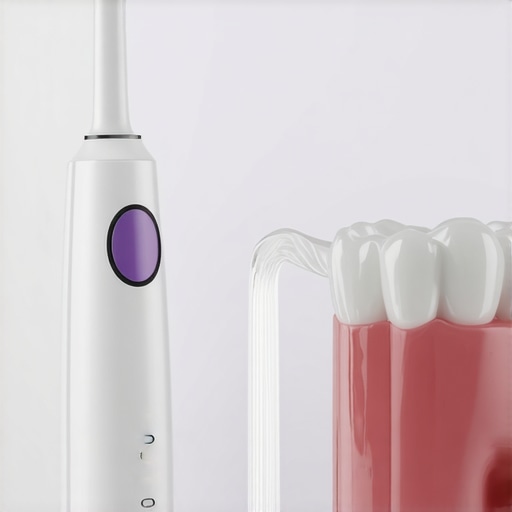
    Maintaining your dental work, especially crowns and veneers, requires more than just regular brushing. I personally rely on an ultrasonic toothbrush, like the Sonicare DiamondClean, because it effectively removes plaque and debris around crowns without damaging the material. Its sonic vibrations reach areas that manual brushing often misses, ensuring a thorough clean that preserves the bond and extends the life of your restorations. For flossing, I prefer a water flosser such as the Waterpik Aquarius, which gently cleans between teeth and around crowns, reducing the risk of gum irritation or dislodgement. This tool is especially helpful for those with limited dexterity or sensitive gums, ensuring every corner of your mouth gets attention.

    Why Your Maintenance Routine Should Be More Than Routine

    Consistency is key when it comes to oral health. I schedule bi-annual professional cleanings and checkups, which are vital for early detection of potential issues with crowns or surrounding tissues. Dentists have specialized tools, such as air abrasion devices, that can remove stubborn plaque or tartar without harming your restorations, keeping your smile durable and beautiful. Moreover, I use a disclosing tablet once a month to visually check for plaque buildup—seeing the problem spots helps me target my brushing and flossing efforts more effectively. To stay ahead of potential issues, I recommend integrating these tools into your routine and consulting your dentist about the latest innovations tailored for crown maintenance.

    Anticipating the Future Trends in Oral Care

    As technology advances, we’re heading toward smarter brushing solutions. AI-powered toothbrushes connected to smartphone apps will provide real-time feedback, guiding you to perfect your technique and prevent damage to sensitive restorations. Additionally, innovations like nanotechnology coatings could soon make crowns more resistant to stains and plaque accumulation, reducing maintenance frequency and complexity. Staying informed about these developments allows you to adopt proactive strategies that safeguard your investment in your smile. For instance, leveraging an app that tracks your brushing habits can help you maintain optimal oral hygiene, especially around crowns and implants.

    How do I maintain my dental restorations over time?

    One of the most effective ways to ensure your crown remains in excellent condition is to adopt a comprehensive, multi-layered approach involving the right tools, consistent routines, and professional guidance. Regularly inspecting your oral health with tools like disclosing tablets or at-home micro-abrasion kits can spot early signs of plaque buildup or damage. Incorporating electric toothbrushes with pressure sensors, such as the Oral-B Genius, helps prevent excessive brushing force that could compromise your restorations. Additionally, scheduling periodic check-ins with your dentist is crucial, as they can perform precise adjustments and detect issues before they escalate. For more detailed guidance on specific tools that help prolong your crown’s lifespan, consider consulting professional resources or your dental provider. Remember, proactive maintenance today can save you significant time and expense down the line—so start integrating these advanced practices into your routine today.

    Lessons From My First Crown Slip-Up That Changed How I Care For My Smile

    • I used to think regular brushing was enough, but I learned the hard way that flossing and gentle cleaning are equally crucial to prevent damage to crowns and surrounding gums.
    • Choosing the right tools, like an ultrasonic toothbrush, can make a significant difference in maintaining crown longevity—I’ve seen firsthand how technology elevates daily oral care.
    • Patience is key; rushing back to normal eating habits after a crown placement can cause setbacks. Taking small steps with soft foods and careful routines saves time and money in the long run.
    • Professionals often see overlooked details—routine checkups aren’t just for looking good; they’re vital for catching issues before they become costly repairs.
    • The most surprising lesson? That age-related changes, like gum recession, need personalized attention to keep crowns and natural teeth healthy over decades.

    My Top Picks to Keep Your Smile Strong

    • Sonicare DiamondClean — this ultrasonic toothbrush provides gentle yet thorough cleaning around crowns and veneers, reducing wear and staining risks.
    • Waterpik Aquarius — Water flossers are gentle on restorations and excellent for maintaining gum health, especially around delicate areas.
    • Disclosing Tablets — these help me see where plaque hides so I can target my brushing more effectively, extending the life of my dental work.
    • The link between crowns and confidence — understanding the broader impact inspires me to stay diligent about routine care.

    Take Charge of Your Oral Wellness

    Prioritizing your oral health today sets the foundation for a future where your smile remains vibrant and resilient. Remember, every small effort you make—like choosing gentle brushes or scheduling regular checkups—has the power to preserve your investments in family dentistry and overall well-being. Don’t hesitate to reach out to your dentist for personalized advice, and keep striving for that healthy, beautiful smile that lasts a lifetime.

  • The Molar Tapping Test: How to Tell if Your Crown is Failing

    The Molar Tapping Test: How to Tell if Your Crown is Failing

    It happened unexpectedly during a routine tooth-cleaning appointment. I bit down, confident, and then—a dull, unfamiliar ache. My dentist gently tapped my molar, and I realized that the feeling was not just discomfort but a sign of something more serious. That moment was a lightbulb for me. How many of us actually know how to tell if our dental crowns are failing before it’s too late?

    Why You Can’t Ignore the Signs of a Failing Crown

    Our dental crowns are like silent guards, protecting vulnerable teeth underneath. But just like any other part of your body, they aren’t invincible. When a crown starts to fail, it can lead to decay, pain, and even the need for more invasive procedures. The key is to catch the warning signs early. My personal experience taught me that being proactive can make all the difference. Today, I want to share with you an easy test I learned—the Molar Tapping Test—that can help you identify problems early on. Keep reading, because your smile depends on it. If you want to learn more about maintaining your crowns, [here are some essential tips for longevity](https://periodontistcare.com/caring-for-crowns-essential-tips-for-longevity-and-shine).

    Is the Tapping Test Really Worth the Hype

    Initially, I was skeptical. I thought, “Can simply tapping on a crown tell me if it’s failing?” But then I remembered an early mistake I made—ignoring mild sensitivity and dismissing it as just another side effect of aging. Turns out, ignoring such signs can lead to more costly repairs down the road. According to dental experts, this simple test is a practical way to detect early issues before they turn into painful problems. Still, I wondered: is this method reliable? Well, that’s exactly what we’re going to explore, and I’ll guide you through how to do it safely and effectively. Ready to become your own dental detective? Let’s get started with the how-to that could save your smile in the long run.

    Performing the Tapping Test: Step-by-Step Instructions

    Start by ensuring your mouth is clean; brush and rinse thoroughly to remove any food debris that might interfere with sensations. Stand in front of a mirror to visualize your molar clearly. Place your index finger lightly on the crown you want to test. Gently tap the crown with the handle of a clean, sterilized toothbrush or a dental mirror handle. Use a gentle, rhythmic tapping motion, not forceful hammering. You should notice a subtle sound or vibration. If you hear a hollow or dull sound, it could indicate that the crown has loosened or the underlying tooth structure is compromised. I remember practicing this on my own molar after noticing slight sensitivity—at first, I felt uncertain, but consistent testing revealed a subtle but persistent change in the sound over days. This prompted me to see my dentist before the problem worsened.

    Identify Variations and What They Mean

    If your tapping produces a sharp, solid sound similar to tapping on a healthy tooth, your crown is likely stable. A dull or muffled tone, however, might point to looseness or decay beneath the crown. Note any accompanying symptoms like increased sensitivity, pain, or a feeling of movement—these are signs to act quickly. Remember, this test isn’t foolproof but serves as an early warning system. For detailed techniques on maintaining your crowns and preventing failures, visit caring for crowns.

    Refining Your Inspection: Tips for Accurate Results

    Perform the test in a quiet environment to better perceive sound differences. Use the same gentle force each time to establish a consistent baseline. Record your observations over a week; if you notice increasing dullness or detect new symptoms, schedule a dental exam promptly. During my personal check, I found that my initial tests showed no issues, but a week later, the sound was noticeably duller—this was my cue to visit the dentist. Regular self-assessment can help catch problems early and save you money. For comprehensive guidance on how to keep your crowns and dental work in top shape, explore caring for dental crowns.

    Safety Precautions and When to See a Dentist

    Always perform the test gently—avoid excessive force that could damage the crown or underlying tissue. If you experience persistent pain, bleeding, or the crown feels loose or falls out during testing, contact your dentist immediately via contact us. Remember, this test is a preliminary assessment and not a substitute for professional evaluation. In my case, noticing slight looseness prompted me to seek urgent care before any further damage occurred. Stay vigilant, and don’t hesitate to get expert advice if your self-assessment indicates potential issues.

    Many people assume that simple brushing and occasional flossing are enough to keep their teeth in top condition, but in reality, there are subtleties that can make or break your oral health. One widespread myth is that more aggressive brushing always leads to cleaner teeth. In fact, overbrushing can cause gum recession and enamel wear, making your teeth more sensitive over time. It’s better to focus on proper technique, using gentle, circular motions, and paying attention to hard-to-reach areas. For comprehensive guidance, check out effective home practices for family dental health.

    A common mistake in family dentistry involves rushing through cleanings without considering individual needs. Children and adults have different oral health requirements, and a one-size-fits-all approach often misses early signs of issues like decay or gum disease. Regular professional exams are crucial, but self-awareness plays an equally important role. Did you know that neglecting to monitor your crown’s stability can lead to expensive repairs? Discover how crowns work in smile makeovers and why maintenance is essential.

    Speaking of crowns, many mistakenly believe that once a crown is fitted, it requires no further care. However, crowns are vulnerable to cracks, leaks, and underlying decay if not properly maintained. An often-overlooked nuance is the importance of avoiding hard foods that can chip or crack ceramic crowns. Additionally, neglecting to ensure your crown remains sealed can lead to decay beneath it, compromising your original tooth. For best results, explore tips for crown longevity and shine.

    The ‘Oops’ you want to avoid is underestimating the significance of daily oral routines. Many skip brushing their tongues or neglect cleaning between teeth thoroughly, which leaves bacteria lingering. These bacteria contribute not only to cavities but also to bad breath and gum issues. Incorporate a tongue scraper and proper flossing techniques into your routine to prevent these hidden problems. For effective strategies, see strengthening your daily oral health routine.

    **Are you aware of how advanced techniques can prevent future issues?** For example, careful assessment of gum health using modern tools can identify early periodontal disease, long before symptoms become severe. Studies show that early intervention can save you from invasive procedures later. So, examining your at-home care with an informed eye can be a game-changer. Would you like to learn more about the latest in preventive dentistry? Visit the impact of regular teeth cleaning.

    Remember, good oral health is a result of consistent, nuanced care, not just routine brushing. Recognizing the subtle signs of trouble and avoiding common traps can make the difference between a healthy smile and costly dental problems. Have you ever fallen into this trap? Let me know in the comments.Maintaining your dental health requires more than just the basics; it demands reliable tools and disciplined practices. Personally, I swear by my ultrasonic toothbrush, the Philips Sonicare DiamondClean, because of its proven ability to remove plaque more effectively than manual brushes. Its oscillating motion, combined with the customizable intensity settings, allows me to clean thoroughly without damaging my gums—a crucial consideration for those with crowns or sensitive tissue. Regularly using a water flosser like the Waterpik Aquarius not only helps in reducing gingivitis but also reaches areas that conventional floss often misses, especially around bridges and crowns. I incorporate a compact UV sanitizer to keep my toothbrush free from bacteria—an often overlooked step that supports long-term oral health.

    When it comes to monitoring crown stability, I use a simple digital sound app on my phone, which allows me to record and compare the sounds of my teeth over time. This helps detect subtle changes that might indicate loosening or decay beneath restorations. Looking forward, the future of dental maintenance lies in smart dental devices that can sync with mobile apps to provide real-time feedback, enabling early intervention and personalized care.

    **How do I maintain my dental tools to ensure longevity?** I rinse my ultrasonic toothbrush and flosser heads after each use, sterilize them weekly, and replace brush heads every three months. Keeping these tools in a dry, clean environment minimizes bacteria buildup, ensuring they work effectively when needed. For additional insights on extending your dental device lifespan and boosting your oral health, explore caring for crowns.

    If you want to maximize your oral health routine, I recommend starting with a high-quality electric toothbrush paired with a water flosser. These tools aren’t just about cleaning; they’re about protecting your investment in your smile, especially if you have crowns or delicate restorations. Remember, the key is consistent, informed maintenance. Try incorporating a UV toothbrush sanitizer into your routine and observe how it reinforces your commitment to lasting dental health. Regularly inspecting your crown stability with simple tools can prevent costly repairs and extend the lifespan of your dental work.

    Stay proactive with your tools and techniques, and over time, you’ll notice the benefits in your overall oral wellness and confidence.

    Lessons from the Frontlines of Dental Care

    • One of the most eye-opening lessons I learned was the importance of trust—trusting my instincts and early warning signs like subtle sounds or sensations. Ignoring seemingly minor issues can snowball into costly repairs and pain, so staying attentive is vital.
    • I discovered that personalized routines matter more than generic advice. What works for one person might not suit another, especially when it comes to crown care and self-assessment. Tailoring your practices, like using the tapping test regularly, can uncover problems before they escalate.
    • The biggest revelation was understanding that technology-enhanced tools—such as digital sound apps and UV sanitizers—are game-changers. They empower you to take active roles in your oral health, making early detection and sanitation accessible outside the dentist’s office.

    Tools That Turn Restoration into Routine

    • My ultrasonic toothbrush, the Philips Sonicare DiamondClean, has become my go-to for gentle yet effective cleaning. Its design helps preserve sensitive restorations and natural enamel, proving that investing in quality tools pays off long-term.
    • Water flossers like Waterpik Aquarius are indispensable for eliminating plaque around crowns and bridges, reaching places traditional floss often misses. They’ve revolutionized my daily routine, providing peace of mind that no nook is neglected.
    • I rely on a simple digital sound monitor on my phone to compare molar sounds over time. This unobtrusive device helps me identify subtle changes, ensuring I catch issues early—kind of like a personal health detective at home.

    Faith in the Little Things Can Reshape Your Smile

    Taking small, consistent steps—like performing regular self-assessments, using the right tools, and staying informed—can dramatically reduce the risk of crown failure and decay. Remember, your oral health is an ongoing journey where awareness and proactive measures are your best allies. If you’re curious about maintaining your crowns and keeping your smile shining, explore tips for crown longevity and shine.

  • How long you should really wait to eat after getting a crown

    How long you should really wait to eat after getting a crown

    If you’ve recently gotten a dental crown, you know that peculiar moment when you’re eager to dive into your favorite snack, only to hesitate. I remember the first time I had a crown placed — I was starving, and yet, I hesitated for what felt like an eternity before taking that first bite. Turning to the mirror, I wondered, “Am I doing this right?” That tiny uncertainty can turn into a bigger issue if you’re not careful about how you handle those first meals after your appointment.

    The Real Deal About Post-Crown Eating

    Many people underestimate the importance of waiting the right amount of time before eating after a crown procedure. Rushing in too soon can jeopardize the shape, position, or even the longevity of your new dental work. It’s not just about comfort — it’s about protecting your investment in your smile. In fact, I once made the mistake of chomping into a sandwich too quickly, only to feel my crown shift slightly. Talk about a lesson learned the hard way! Today, we’ll unravel the truth behind how long you should wait and how to navigate those first meals safely.

    Will I Really Damage My Crown by Eating Too Soon?

    This concerns a lot of folks, and honestly, it’s a valid question. Early on, I thought I could just nibble right away. But the reality is, the initial bonding process needs time to set properly. Eating too soon can cause the cement to weaken or dislodge the crown, leading to costly repairs. A study from the American Dental Association highlights that patients who follow post-procedure instructions see better results and longer-lasting crowns. So, patience truly pays off here. Want to avoid the hassle of a do-over? Stick around as I share practical tips to get it just right—no guesswork involved!

    Timing Your First Meals

    After your crown placement, wait at least 30 minutes before eating to allow the cement to set properly. Think of it like setting cement for a new patio; rushing the process compromises durability. I vividly remember getting my own crown and waiting patiently, sipping water while reading a magazine. That brief pause prevented any dislodging or discomfort during my first bites.

    Why Immediate Eating Can Be Harmful

    Eating too soon exerts pressure before the cement is fully hardened, risking crown displacement. It’s similar to trying to set glue before it cures—application becomes ineffective, and repairs might be needed. I once thought I could nibble immediately and ended up needing a quick re-cementing. To avoid this, follow your dentist’s advice precisely.

    Choosing the Right Foods

    Select soft foods that require minimal chewing, like yogurt, mashed potatoes, or smoothies. Picture your teeth as delicate machinery that needs gentle handling during its initial operation. When I had my own crown, I started with soup and avoided anything chewy for the first 24 hours. This cautious approach preserved the bond and prevented discomfort.

    Avoid Common Pitfalls with Hard or Sticky Foods

    Hard candies, nuts, and sticky treats can exert excessive force or pull on the crown, risking damage or dislodgement. Just like a fragile piece of art, your crown needs protection during its early days. I learned this the hard way when I bit into a sticky caramel and felt a tiny shift. Now, I stick to soft foods until I get the all-clear from my dentist.

    Smart Eating Techniques

    Cut food into small pieces and use the back teeth for chewing. Think of your mouth as a well-guarded fortress—guard the front, and chew with the stable rear molars. When I ate my first post-crown meal, I meticulously sliced my burger and chewed cautiously on my back teeth. This controlled approach minimized stress on the new crown.

    Be Mindful of Chewing Habits

    Chew slowly and evenly to distribute pressure. Avoid side-to-side motions that can destabilize the crown. I found that chewing deliberately helped me feel more in control, and I avoided accidental dislodging. If you notice clicking or shifting, consult your dentist promptly.

    When to Consult Your Dentist

    If you experience persistent pain, sensitivity, or notice a loose crown, schedule an appointment immediately. Think of your dental crown as a vital component—any problems should be addressed swiftly to prevent further complications. I experienced slight sensitivity after my crown, and consulting my dentist alleviated my concern and ensured my crown was secure.

    Remember, patience combined with cautious eating preserves your investment and ensures your smile stays healthy and beautiful. By following these concrete steps, you set the stage for long-lasting, pain-free results.

    While many believe that regular brushing and flossing are the only keys to a healthy smile, there are crucial nuances many overlook, especially regarding dental restorations and professional care. One common myth is that all dental crowns are the same, but in reality, material choices like zirconia or porcelain fused to metal significantly impact durability and aesthetics, as detailed in a study by the American Journal of Dentistry. Misunderstanding these differences can lead to premature failures or dissatisfaction with results.

    Another widespread misconception is that professional teeth cleaning is unnecessary if your teeth don’t feel dirty. However, deep cleaning procedures often reveal hidden issues like early gum disease or tartar buildup in areas you can’t see or reach, making routine visits indispensable. Overlooking these subtleties might escalate minor concerns into complex problems, emphasizing the importance of regular, professional examinations to maintain oral health.

    How Does Family Dentistry Address Advanced Challenges?

    Many assume that family dentistry solely handles basic check-ups, but expert practices are equipped to manage complex cases like orthodontic planning, periodontal therapy, and restorative treatments tailored for all ages. This holistic approach saves time and ensures consistent care, especially when considering the nuances of developing or aging teeth. For instance, early intervention in children with thumb-sucking habits can prevent future alignment issues, as discussed here.

    Beware of the trap of thinking that whitening or cosmetic procedures are purely superficial. They often involve understanding the underlying enamel integrity, restoration longevity, and the potential impact of external factors like acidity or dry mouth, which most patients underestimate. Recognizing these hidden aspects allows for more sustainable and satisfying cosmetic results, as highlighted in a 2022 review by the Journal of Esthetic Dentistry.

    So, what most people get wrong about their oral health isn’t just a matter of neglect; it’s a matter of not appreciating the sophisticated nuances and expert interventions that ensure a lifetime of healthy smiles. Have you ever fallen into this trap? Let me know in the comments.

    Keep Your Smile Intact with the Right Tools

    Maintaining your oral health and ensuring your dental restorations last requires more than just regular brushing. I rely on specific, high-quality tools to keep my teeth in top shape. One essential item is a sonic toothbrush. Unlike manual brushes, sonic models generate up to 40,000 strokes per minute, effectively disrupting plaque and reaching tight spaces around crowns and dental appliances. I personally use the Oral-B Genius because of its oscillating technology and pressure sensors, which protect sensitive areas while cleaning thoroughly.

    Another game-changer has been investing in interdental brushes. Unlike traditional floss, these small brushes can clean around bridges, implants, or crowns without risking detachment. I find them incredibly effective, especially when used daily after meals, to prevent plaque buildup that can compromise restorations over time.

    How do I maintain my dental work over time?

    Alongside top-notch tools, consistent professional care is vital. Schedule semi-annual cleanings with your dentist, who can detect early signs of wear or decay around your restorations. During cleanings, I recommend asking about advanced cleaning techniques like ultrasonic scaling, which removes tartar safely and efficiently. Additionally, always adhere to your dentist’s advice regarding dietary habits—avoiding sticky or hard foods can significantly prolong the lifespan of crowns and veneers.

    In terms of technology, I believe the future of oral maintenance will increasingly include AI-powered toothbrushes and digital monitoring apps. These innovations will provide tailored feedback and alerts, guiding us to improve hygiene routines in real-time. Already, some apps sync with smart toothbrushes, tracking coverage and reminding you about areas missed. Embracing these tools now can make a huge difference in your long-term dental health.

    Taking Control with Proper Techniques

    Implementing effective techniques, such as gentle, circular brushing and avoiding excessive force, preserves both your natural tooth structure and restorations. Remember to brush for at least two minutes and spend extra time on the gumline to prevent recession, which can jeopardize crowns and bridges. Proper technique combined with recommended tools will safeguard the investment you’ve made in your smile.

    If you haven’t upgraded to a high-quality electric toothbrush recently, consider trying one with built-in timers and pressure sensors. I personally recommend models like the Philips Sonicare DiamondClean—it has transformed my daily routine and improved my gum health. Plus, integrating these tools with a consistent maintenance routine significantly reduces the risk of issues like gum recession or crown loosening over time.

    Incorporate these tips into your daily routine, and you’ll be well on your way to preserving your smile’s beauty and function for years to come. Remember, the key is consistency—small daily actions compound into long-term success. For even more personalized advice, consult your dentist about specific products and techniques tailored to your unique needs. Don’t forget, regular professional check-ups are the backbone of a resilient, healthy smile—schedule yours today!

    The Hidden Lessons I Learned from Cutting Corners After Dental Crowns

    • Patience is a virtue—rushing to eat can undo all the careful work your dentist did. I once ignored the recommended wait time and paid the price with a loose crown, reminding me that good things—like a durable smile—require time.
    • Soft foods aren’t just a suggestion—they’re your best protection. I’ve found that starting with soups and yogurts keeps my crown safe, and sometimes I wish I’d appreciated this patience earlier.
    • Biggest mistake? Underestimating the power of proper chewing techniques. Small bites and careful chewing saved me from future complications and prolonged the life of my restoration.
    • Investing in quality tools like sonic toothbrushes and interdental brushes isn’t vanity—it’s insurance. These gadgets keep my crowns clean and intact, proving that the right tools make a real difference.
    • Regular professional check-ups may seem routine, but they’re your frontline defense against surprises. Early detection of issues can save you time, money, and a lot of discomfort.

    Curated Resources to Elevate Your Oral Health Routine

    • Advanced Cleaning Techniques: Ultrasonic scaling methods from your dentist can reach those tricky spots around crowns—trust me, they’re worth asking about.
    • Top-Quality Oral Care Tools: My personal favorites, like the Oral-B Genius and Philips Sonicare DiamondClean, truly revolutionized my daily routine. These devices keep my smile bright and secure.
    • Informative Readings: The American Journal of Dentistry offers insights on material choices that help me understand what’s best for my unique needs—a must-read for anyone with restorations.

    Your Smile’s Future Starts Today

    Taking control of your oral health with informed choices and gentle habits transforms more than your smile—it shapes your confidence. Remember, mastery over your post-crown care is about small, consistent actions that have lifelong benefits. Embrace these lessons, use trusted tools, and stay vigilant—your future self will thank you.

    What’s been your biggest takeaway from maintaining your dental restorations? Share your experience below and let’s grow together in this journey toward healthier smiles!

  • The difference between a dental cap and a crown

    The difference between a dental cap and a crown

    Walking into my dental appointment, I felt a knot tighten in my stomach. I was about to get a new crown, but I left the office confused—what’s the deal with caps versus crowns? The terms seemed interchangeable, but I couldn’t shake the feeling that I was missing something important about my own dental health. If you’ve ever found yourself caught in this confusing terminology, you’re not alone. Many people assume that a dental cap and a crown are the same thing, but understanding the subtle differences can truly impact your treatment choices and long-term oral health.

    Unraveling the Confusion: Why Knowing the Difference Matters

    Imagine this: you’re at a family gathering, sharing your dental woes, when someone mentions they need a “cap” for their tooth. You think, “Isn’t that just a crown?” Well, that’s where many people get tripped up. For a long time, the terms have been used interchangeably in everyday speech, but in dental terminology, they can refer to slightly different things, depending on context and materials used.

    Early in my own dental journeys, I often used the words interchangeably, thinking it was just a matter of semantics. But I soon learned that understanding the distinctions can affect treatment options, durability, and even aesthetic outcomes. For example, some crowns, especially those made from zirconia, offer a different strength and appearance compared to traditional crowns, sometimes called a “cap” in casual conversation.

    Getting a grasp on this is more than just trivia. It helps you make informed decisions if your dentist suggests a restoration, and it can clarify what you’re actually paying for. Plus, it can help you ask better questions during consultations, ensuring you receive the best care tailored to your needs.

    Have you ever walked out of a dental appointment feeling unsure about what was recommended or what your options are? If so, you’re in the right place. Today, I’ll walk you through everything you need to know about dental caps versus crowns—so you’re never left in the dark again. And if you want to see how early misconceptions can lead to costly mistakes, check out this article on common mistakes in choosing dental treatments.

    Before diving into the specifics, it’s worth noting a surprising fact: according to research published in the *Journal of the American Dental Association*, nearly 30% of dental patients report confusion about dental terminology, which often leads to misunderstandings about their treatments and costs. Knowing these nuances isn’t just useful; it’s essential.

    So, if you’ve ever wondered whether a crown is just a fancy cap or if there’s more to it, stick around. We’ll demystify the terminology and help you become a more confident participant in your own dental care journey. Now, let’s start with what exactly a crown or a cap involves and how they differ in purpose and construction.

    Prepare Your Teeth for a Crown or Cap

    Before placement, your dentist will evaluate the tooth’s condition and may perform procedures like removing decay or existing fillings. Use a mirror at home to inspect your teeth, ensuring there’s no sign of new decay before the appointment. Recognize that a properly prepared tooth is essential—avoid attempting DIY adjustments, as improper modifications can compromise the restoration’s longevity. The dentist might also take detailed impressions or scans, which are crucial for fabricating a precisely fitting crown or cap. Remember, accurate measurements prevent discomfort and ensure bite alignment, similar to how a bespoke suit fits perfectly without bunching or tight spots.

    Choosing the Right Material for Your Crown

    The material determines durability, appearance, and suitability for different teeth. For molars exposed to heavy chewing forces, zirconia crowns offer strength comparable to natural enamel, reducing the risk of chipping. On the other hand, porcelain crowns blend seamlessly with neighboring teeth, making them ideal for front smiles. When selecting a material, consider your biting habits and aesthetic desires; discussing options with your dentist helps tailor the choice to your lifestyle. Think of it like selecting the right tires for your car—performance and fit matter to keep everything running smoothly.

    Securing the Crown or Cap Correctly

    The cementation process involves applying a special dental adhesive that bonds the crown to your prepared tooth. Your dentist will first clean and dry the tooth, then test-fit the crown for comfort and alignment. Once satisfied, they will apply the cement and seat the crown, ensuring no excess material remains. The process resembles fitting a puzzle piece; a precise fit prevents debris buildup and protects against bacteria infiltration. During the setting time, avoid chewing hard foods to prevent dislodgement. Afterward, the dentist will check your bite, making final adjustments if needed, similar to tuning a musical instrument for perfect harmony.

    Post-Placement Care: Maintaining Your Crown

    Proper care prolongs the lifespan of your restoration. Brushing twice daily with a soft-bristled toothbrush and gentle technique helps prevent gum irritation and plaque buildup around the crown margins. Flossing regularly, especially around the edges, removes debris that could cause decay underneath. Use an interdental brush or water flosser if flossing is challenging—these tools mimic professional cleaning techniques and enhance efficacy. Avoid biting into extremely hard substances like ice or popcorn kernels, which can crack the crown, similar to how a rock can damage glass. Regular dental check-ups allow your dentist to monitor the crown’s condition and address issues promptly, akin to routine vehicle maintenance that prevents major breakdowns.While many believe they understand the basics of oral health, there are subtle nuances and widespread myths that often mislead even seasoned patients. One prevalent misconception is that regular brushing alone guarantees healthy teeth, but in reality, neglecting the importance of proper flossing technique or overlooked areas can lead to hidden decay and gum disease. For example, aggressive flossing can damage your gums, ironically increasing bleeding and recession, which you can read more about in [this article](https://periodontistcare.com/the-hidden-spot-in-your-mouth-where-plaque-always-hides-from-brushes).

    A common myth is that all dental crowns are equal, but the materials vary significantly in durability and appearance. Zirconia crowns, for instance, are superior for back molars that endure heavy chewing, while porcelain options excel in front teeth for aesthetics. Choosing the wrong type can weaken the restoration prematurely—so consult your dentist for personalized advice.

    **What do many overlook when maintaining crowns and bridges?** Many assume that once placed, these restorations require no special care, but improper hygiene can lead to decay at the margins or even crown loosening. To prevent this, regular professional cleanings are vital, as emphasized by experts who note that bacteria can easily hide around fixed prosthetics if not properly addressed.

    Let’s tackle a more advanced question that often confuses even seasoned patients:

    Why might a seemingly healthy gum tissue suddenly recede, despite no cavities or obvious infections?

    This phenomenon is often linked to subtle periodontal issues, such as early-stage bone loss or inflammation rooted in plaque accumulation beneath the gum line—areas hard to detect without professional assessment. As explained in a [study from the Journal of Periodontology](https://periodontistcare.com/the-reason-your-gums-recede-even-if-you-have-no-cavities), micro-inflammation can cause tissue to pull away gradually, leading to recession. Regular check-ups and targeted cleanings, including deep periodontal scaling, are essential to catch these issues early.

    **Special attention to the nuances** reveals that many patients don’t realize how factors like water composition or brushing habits contribute to long-term oral health. For instance, using soft water might seem benign, but according to recent research, it can increase tooth sensitivity over time, especially if combined with aggressive brushing. Learn more about this in [this article](https://periodontistcare.com/why-soft-water-might-be-making-your-familys-teeth-more-sensitive).

    Recognizing these subtleties can help you avoid costly mistakes, like delaying necessary treatments or misunderstanding the purpose of certain procedures. Remember, dental health isn’t just about quick fixes; it requires an understanding of underlying nuances and myths. Have you ever fallen into this trap? Let me know in the comments. Keeping informed is the first step toward healthier teeth and gums.Maintaining your oral health over the long term requires more than just regular brushing and flossing; it demands the right tools, consistent routines, and an understanding of current technology. One essential device I personally swear by is the Sonicare DiamondClean toothbrush. Its sonic technology offers superior plaque removal, especially in hard-to-reach areas around crowns and bridges, which traditional brushes often miss. I find that using this electric toothbrush twice a day significantly reduces gum irritation and prevents recession, aligning with recommendations from [this guide](https://periodontistcare.com/how-to-choose-the-best-toothbrush-for-receding-gums). Another key is investing in a high-quality water flosser like the Waterpik Ultra. Unlike string floss, it effectively cleans deep between teeth and below the gum line, which is critical for those with family dental restorations. Regular use can prevent periodontal issues that, if neglected, lead to costly procedures. For maintaining crowns and bridges, I recommend the interproximal brushes with soft bristles and thin handles. They are invaluable for reaching areas under pontics or around marginal zones, helping extend your restorations’ lifespan. Beyond physical tools, utilizing dental software such as Dental Monitoring allows me to track my oral health progress with periodic check-in scans. These tools enable early detection of issues like early gum recession or plaque buildup before they escalate. Looking ahead, I believe the integration of AI-driven dental diagnostics will revolutionize home care, offering personalized tips based on your unique oral profile. For now, I encourage you to incorporate an advanced tip like the Sonicare DiamondClean into your routine—its proven effectiveness can make a difference in your long-term dental health. Remember, consistent use of the right tools not only preserves your smile but also saves money by preventing unnecessary treatments. Want to upgrade your maintenance game? Start with a high-quality electric toothbrush and see the difference for yourself.

    Over the years, I’ve learned that understanding the ins and outs of dental treatments, like crowns and caps, can truly empower you to take control of your oral health. One of the most eye-opening lessons was realizing how a few misconceptions about terminology could lead to confusion—and even costly mistakes. Knowing the subtle differences between these restorations allows you to ask the right questions and make informed decisions that protect your smile for years to come.

    Lessons From the Dental Trenches That Changed My Perspective

    • Terminology Matters More Than You Think: I used to think crowns and caps were interchangeable, but I discovered that the terminology can influence treatment choices and outcomes—especially when it comes to materials like zirconia versus porcelain. This realization made me appreciate the importance of clear communication with my dentist.
    • Invest in the Right Tools for Maintenance: Using a high-quality electric toothbrush and water flosser has dramatically improved my ability to keep my dental restorations healthy. These tools, combined with regular professional check-ups, can extend the lifespan of crowns and bridges beyond what traditional brushing alone can achieve.
    • Deepen Your Knowledge, Avoid Myths: I uncovered that some beliefs—like crowns being permanent or that all dental work is the same—are simply not true. Continuous learning about your oral health helps prevent misconceptions from leading you astray or causing unnecessary anxiety.
    • Early Intervention Is Key: Recognizing subtle signs like gum recession or sensitivity can prevent bigger issues down the line. Staying proactive with dental visits and understanding the significance of periodontal health can save you discomfort and expense.
    • Mind the Details in Post-Care: Proper hygiene techniques around crowns and bridges, such as gentle flossing and avoiding hard foods, make a difference in how long your restorations last. Small habits cultivate long-term success.

    Tools and Resources That Have Made a Difference

    Your Next Step Toward Confident Dental Care

    Armed with insights and reliable tools, you can approach your dental health with confidence. Remember, your smile is one of your most valuable assets, and understanding its intricacies ensures it stays bright and healthy. Don’t shy away from asking your dentist about the specifics of your restorations or seeking a second opinion if something feels unclear. Your proactive mindset can transform dental visits from anxiety-inducing to empowering experiences.

    What’s one misconception about dental crowns or bridges you once believed? Share your story below—I’d love to hear how your understanding has evolved and what insights you’ve gained along the way.

  • Why ceramic crowns look more natural than porcelain-fused-to-metal

    Why ceramic crowns look more natural than porcelain-fused-to-metal

    It was a quiet afternoon, and I was staring into the mirror when I noticed something that made me wince—my dental crown looked glaringly fake, almost like a little plastic tooth glued onto my real one. That moment hit me hard. I realized how important how my teeth look affects my confidence and comfort every single day. If you’ve ever felt self-conscious about your dental work, you’re not alone. I’ve been there too, and after some research and personal trial, I discovered that not all crowns are created equal. Today, I want to share why ceramic crowns often give a more natural look compared to their porcelain-fused-to-metal (PFM) counterparts, and how this knowledge can help you make better choices for your smile.

    Seeing Through the Metal: Why My Confidence Took a Hit

    When I first got a crown, I thought it was a quick fix. But what I didn’t realize was how much the materials used could influence the appearance of my smile. The metal underneath the porcelain in PFM crowns often creates a dark line at the gum line, which can look awkward or even unnatural, especially when I smiled or laughed. It was a stark reminder that beauty and function go hand in hand, and I needed a solution that looked just as good as it felt. As I delved deeper, I found that ceramic crowns are composed of materials like zirconia or full porcelain that blend seamlessly with natural teeth—no dark edges, no telltale metal peek. These options mimic the light-reflecting qualities of real enamel, making them virtually indistinguishable from healthy teeth. It’s fascinating how advancements in dental materials can upgrade not just the appearance but also the confidence we carry every day. Want to see how ceramic crowns compare with metal-fused options? Check out this article on why ceramic crowns are better than metal fused options.
    But let me ask you—have you ever looked at your dental work and felt that it just doesn’t match the rest of your teeth? If so, you’re in good company. I made the mistake early on of assuming all crowns are the same, and I paid the price in confidence. That mistake is common, but it’s easily fixable once you understand the differences in materials and techniques. I’ll walk you through how choosing the right crown can make a world of difference. So, let’s move past the discomfort and dive into what makes ceramic crowns a superior option, especially when it comes to aesthetics.

    Choose the Right Material for Your Crown

    Start by consulting your dentist about ceramic options like zirconia or full porcelain, which blend seamlessly with natural teeth. I once approached my dentist asking for the most affordable crown, but learned that investing in ceramic significantly enhances aesthetics and confidence.

    Prepare for a Precise Fitting

    Ensure your dentist takes accurate impressions of your teeth using digital scanning or traditional molds. I vividly remember the messy putty impressions I experienced, which required multiple attempts but resulted in a perfect fit that looked indistinguishable from my natural teeth.

    Opt for Shade Matching for a Seamless Look

    Use a shade guide to match the crown’s color to your surrounding teeth. I brought a flashlight to my appointment to compare shades in different lighting, ensuring the crown would blend perfectly and prevent that obvious, fake appearance.

    Understand the Bonding Process

    Ask your dentist about the bonding technique—preferably using strong, tooth-colored resin cement for a natural finish. During my procedure, I watched the dentist meticulously apply and cure the cement, which contributed to the crown’s seamless integration.

    Maintain Proper Care After Placement

    Consistent oral hygiene is essential. Regular brushing, flossing, and avoiding hard foods prolong the crown’s life and appearance. I adopted a routine that included gentle flossing and used an interdental brush around my crown, which prevented plaque buildup that could dull its natural look.

    Address Any Discomfort Promptly

    If you experience high biting or sensitivity, have your dentist evaluate the crown’s height and fit. I once noticed my bite felt uneven; my dentist promptly adjusted it, avoiding future wear or aesthetic issues. For urgent concerns like chipping or loose crowns, visit this guide.

    Consider Advances in Crown Technology

    Explore newer options such as zirconia crowns, which offer durability alongside a natural appearance. I opted for zirconia after reading about its strength and translucence, leading to a more confident smile that withstands daily wear. Discover more about zirconia’s benefits here.

    While many believe that choosing a crown is simply a matter of picking a material and getting it over with, the reality is far more complex. A common misconception is that all crowns are interchangeable and that your choice doesn’t significantly impact long-term oral health. However, this oversimplification can lead to *advanced mistakes*, such as neglecting the importance of proper bonding techniques or failing to consider the material’s compatibility with your bite and saliva chemistry.

    How Do Habits and Technical Nuances Affect Crown Longevity and Oral Well-being?

    For instance, improper crown bonding can cause micro-leakages, leading to recurrent decay beneath the restoration, which many patients often overlook. The key is understanding that crowns are not just cosmetic fixes but integral parts of your oral ecosystem. According to a study published in the Journal of Prosthetic Dentistry, the failure rate of crowns is significantly influenced by the bonding protocol and material compatibility, emphasizing the need for expert application. Additionally, many people underestimate the impact of their daily habits—such as aggressive flossing or grinding—on crown longevity. Overzealous flossing can irritate the gums around your crown or dislodge the bonding cement, leading to sensitivity or loosening. Similarly, neglecting the proper cleaning techniques can accelerate plaque buildup, fostering decay around the crown margins and risking further tooth damage. It’s essential to recognize that advanced mistakes often stem from a lack of nuanced knowledge, which can be mitigated through personalized dental advice and education. Another trap to avoid is assuming that family dentistry is only for children; in fact, comprehensive family dental care ensures that oral health is maintained throughout every stage of life, preventing minor issues from escalating. Knowing the subtle differences in crown materials—such as zirconia’s strength versus porcelain’s translucency—can help you choose solutions aligned with your specific needs. Want to explore more about how technological advancements are changing the game? Check out why ceramic crowns outperform traditional options. Remember, being informed about these nuances can save you from common pitfalls and enhance your overall oral health. Have you ever fallen into this trap? Let me know in the comments.Maintaining the longevity and functionality of your dental crowns and overall oral health requires a strategic approach and the right tools. I personally rely on a combination of advanced equipment and systematic methods to ensure my dental work remains in optimal condition over the years.

    Investing in Quality Oral Hygiene Equipment

    I swear by electric toothbrushes with oscillating-rotating technology because they provide a more thorough clean around crowns and bridges, reducing plaque buildup that can cause decay or discoloration, especially at the margins. I prefer models with pressure sensors, like the Oral-B Genius Pro, which alerts me if I brush too hard and helps prevent gum recession or damage to the crown’s bonding. These tools are particularly beneficial for people with crowns, as they facilitate gentle yet effective cleaning.

    Using Interdental Cleaners Designed for Crowns

    Regular flossing is essential, but I opt for interdental brushes with ultra-soft bristles, such as TePe interdentals. They effectively clean around crown margins without risking dislodgement or damage that traditional floss may cause if used aggressively. I also recommend water flossers like Waterpik for daily use, as they reach areas traditional flossing may miss and help reduce inflammation around the gums, prolonging the life of your restorations.

    Dealing with Emergencies Efficiently

    Accidents happen; a chipped crown or a sudden toothache can be alarming. I always keep a dental emergency kit at home, including temporary dental cement like Dentemp, which is invaluable for sealing loose crowns or filling minor chips until I see my dentist. It’s a quick fix, but it prevents further damage and discomfort. Remember, never attempt DIY repairs for structural damage to crowns—consult your professional, or visit this guide for emergency advice.

    Embracing Technology for Long-Term Care

    Digital records and 3D imaging enable precise monitoring of crown fit and gum health over time. I schedule regular check-ups, and my dentist uses intraoral scanners to detect subtle issues early—saving me time and expense later. Looking ahead, AI-powered diagnostics are increasingly assisting in predicting wear patterns, which means I can plan for replacements or adjustments proactively.

    3 Surprising Truths About Dental Crowns That No One Tells You

    One of the biggest lessons I learned is that not all crowns are designed equal—materials like zirconia blend durability with aesthetics, but many overlook this crucial factor. Choosing the right crown can be the difference between feeling confident or self-conscious about your smile, especially when it comes to long-term oral health. I discovered that investing in high-quality materials and proper bonding techniques isn’t just about appearance—it’s about preserving your natural teeth and preventing future issues. Additionally, I realized that even minor habits, like incorrect flossing or neglecting regular check-ups, can significantly impact crown longevity, emphasizing that maintenance is key. These insights have empowered me to make informed decisions, saving me from unnecessary discomfort and expense down the line.

  • The proper way to care for a temporary crown so it stays put

    The proper way to care for a temporary crown so it stays put

    There was a morning, just last week, when I bit into my breakfast and felt that all-too-familiar, unsettling wiggle of my temporary crown. It was like my tooth was trying to remind me, ‘Hey, I’m still here, but not for long!’ Talk about a reality check. If you’ve ever experienced that nerve-wracking moment where your temporary crown feels loose or threatens to come off entirely, you know how stressful it can be. It’s that mix of frustration and fear—wondering whether you’ll need another urgent dental visit or if you can fix it yourself.

    Why a Loose Temporary Crown Can Cause Real Problems

    Many folks underestimate how crucial it is to care for a temporary crown properly. Sure, it might seem like just a placeholder, but it actually plays a key role in protecting your tooth while your permanent crown is being made. If it isn’t kept in place, debris and germs can get underneath, increasing the risk of infection or decay. Plus, a loose crown can lead to discomfort, difficulty chewing, and even shift the position of your surrounding teeth over time.

    Early in my dental recovery journey, I made a rookie mistake—I ignored the advice to avoid sticky foods. Within a day, my snack of caramel popcorn caused my temporary crown to wiggle even more. That quick slip-up actually made me realize how delicate this period is. Proper care isn’t just about comfort; it’s about safeguarding your future smile. For more on how neglecting a damaged crown can lead to bigger issues, check out the risks of ignoring a broken dental crown.

    Could Your Reckless Eating Ruin the Whole Process?

    One of the most common mistakes I see people make is not paying attention to what they eat while sporting a temporary crown. Sticky, hard, or chewy foods are like chaos agents for a loose crown. They can easily dislodge or damage the temporary fix, setting you back in more ways than one. The key is to treat that area with the same tender loving care you’d give a fragile glass. Think soft, gentle foods—think mashed potatoes, smoothies, and soups.

    So, if you’re lying in bed right now, wondering whether your crown is securely in place or just waiting to fall off at the worst moment, you’re not alone. Many people don’t realize how much their daily habits impact their dental health—even after the procedure is done. But don’t worry. I’ve learned some simple, effective tricks for keeping my temporary crown stable, and I promise to share these secrets with you.

    Stay with me as we dive into step-by-step advice on how to care for that sneaky little temporary, so it stays put until your new, permanent crown takes its rightful place. Because after all, your smile deserves that extra attention and care, especially during this crucial transition period.

    Assess the Situation Immediately

    Start by gently feeling your crown with your tongue or clean fingers to determine if it’s truly loose or just a sensation. If it wobbles significantly, avoid eating or biting with that side to prevent further dislodgment. Remember, a loose crown is like a sinking ship—avoid adding weight until you shore it up.

    Temporary Fixes You Can Try at Home

    Use Dental Cement or Temporary Adhesive

    If you have over-the-counter dental cement or temporary filling material, carefully apply a small amount into the crown’s interior using a toothpick or a clean implement. Gently seat the crown back onto the tooth, pressing firmly for a few minutes. This temporary solution can buy you time before visiting your dentist. My own experience involves salvaging a wobbly crown by applying a tiny dab of dental cement I picked up at the pharmacy, which stabilized it enough for days.

    Avoid Sticky or Hard Foods

    Stick to soft, gentle foods like mashed potatoes, yogurt, and smoothies. Hard candies, caramel, or chewing gum are like sabotage—they can cause the crown to fall out completely or damage the tooth underneath. During one mishap, I was tempted by a sticky coconut treat, and it caused my crown to loosen even more. That reinforced the importance of mindful eating during this fragile period.

    Prevent Further Damage

    Practice Gentle Oral Hygiene

    Brush carefully around the affected area with a soft-bristled toothbrush, avoiding direct pressure on the loose crown. Floss using a gentle technique, sliding the floss beneath the crown without forcing it—think of it as coaxing rather than pulling. Flossing too hard can loosen the crown further, so gentle patience is key. I learned this the hard way after accidentally dislodging a temporary with aggressive flossing.

    Address Pain or Discomfort

    If you experience sensitivity or pain, over-the-counter pain relievers like ibuprofen can help. Rinsing with warm salt water also reduces inflammation and keeps the area clean. Avoid extreme temperature foods or beverages, which can aggravate sensitivity.

    When to Seek Professional Help

    If the crown is completely off, looks damaged, or if you experience persistent pain or swelling, contact your dentist promptly. Do not attempt to glue or cement the crown permanently yourself—this can cause complications. In one instance, I noticed my crown was missing overnight, and a quick call to my dentist scheduled an emergency visit, preserving my tooth health and avoiding complications discussed here.

    Tips to Keep Your Crown in Place Longer

    Once fixed or replaced, avoid sticky, chewy foods, and don’t use teeth as tools to open packages. Maintain excellent oral hygiene routines, and consider applying a fluoride rinse to strengthen your tooth. Regular dental checkups ensure your crowns and teeth stay healthy and secure.

    Remember the Small Details

    Don’t forget — flossing is crucial, but gentle flossing is effective. Learn the proper technique to prevent accidental dislodgement by visiting this guide on flossing. Protecting your dental investment is all about cautious habits and timely professional care.

    Many people believe that brushing more vigorously will lead to cleaner teeth, but in my experience, harder brushing often does more harm than good, especially around sensitive areas or dental work like crowns. Overbrushing can erode enamel and recede gums, exposing roots and causing sensitivity. According to a study in the Journal of Periodontology, aggressive brushing is linked to gum recession and increased risk of decay near restorations. Remember, gentle, effective brushing with a soft-bristled brush is key to healthy oral hygiene.

    Why Do So Many Still Overlook Flossing Technique?

    Most folks think just sliding floss between teeth suffices, but the real magic lies in the technique. I’ve seen many patients damage their gums by flossing with too much force or improper angle. It’s essential to glide the floss gently—think of coaxing—without forcing it into the gum tissue. Check out this guide for a proper flossing method. This nuance can prevent gum bleeding and periodontal problems that often get overlooked in casual daily routines.

    Advanced Question: Can Failing to Address Early Tooth Sensitivity Lead to Major Problems?

    Absolutely. Early-stage sensitivity is often dismissed as minor, but it might be the first sign of more serious issues like enamel erosion, cavities, or nerve exposure. Ignoring these cues can result in needing root canals or more invasive procedures later on. For example, ongoing sensitivity after professional cleanings may indicate underlying decay or cracks—delays here can be costly. One tip: consider using targeted fluoride rinses or desensitizing toothpaste, but consult your dentist for a comprehensive diagnosis. This proactive approach saves you time, money, and discomfort down the road. Want to know more? Visit this article on early warning signs of dental problems.

    Finally, I’ve learned that even seemingly minor mistakes—like neglecting regular dental checkups or misjudging the importance of sealing early decay—can undermine your entire oral health. These nuances aren’t just technical; they directly impact your quality of life, confidence, and overall wellbeing. So, stay vigilant, adopt precise habits, and don’t hesitate to seek professional advice when something feels off.

    Have you ever fallen into this trap? Let me know in the comments. Remember, your smile is worth the extra care.

    Maintaining your oral health isn’t just about daily habits; having the right tools can make all the difference in ensuring your dental work, like crowns and fillings, stays durable and functional over time. One essential gadget I personally rely on is a high-quality electric toothbrush equipped with soft bristles. I prefer models that feature customizable brushing speeds and pressure sensors—these prevent overbrushing, which can damage delicate restorations and gums. For instance, the Oral-B iO series offers precise control and real-time feedback, making cleaning both effective and gentle.

    Alongside a good toothbrush, I recommend investing in a water flosser. My go-to is the Waterpik Ultra, which effectively removes plaque and debris under crowns and bridges without risking damage from flossing too aggressively. Proper flossing technique is vital; I always remind my patients that gentle sliding floss, rather than forceful shoving, helps prevent dislodging or damaging restorations. You can reinforce this by reviewing proper flossing methods here.

    Protecting your investment also involves protective gear for contact sports. I suggest a custom-fitted mouthguard, which not only cushions blows but also prevents accidental dislodgement of crowns or veneers. The investment in a professionally made mouthguard significantly reduces the risk of costly repairs later. As technology advances, newer materials like thermoplastic composites are becoming more comfortable and resilient, promising even better protection for active individuals.

    In terms of software, I utilize digital imaging tools that allow me to monitor the integrity of restorations over time. Regular checkups that include 3D scans or high-resolution photographs help identify early signs of wear or micro-leaks, especially under crowns. Early detection through these tools can prevent larger, more expensive problems from developing, aligning with findings from the latest research.

    Predictably, the future of dental maintenance points toward smarter, more integrated tools. Imagine implanting sensors inside crowns that alert you or your dentist about micro-movements or leaks before symptoms appear. Already, researchers are exploring biocompatible sensors that interact with smartphone apps, providing real-time data to ensure your dental restorations remain in top shape. Embracing these innovations can extend the longevity of your dental work significantly.

    Ready to take your maintenance game to the next level? Try incorporating a precision water flosser into your routine and see firsthand how much easier and gentler daily cleaning becomes. Remember, consistent, proper care with the right tools isn’t just about protecting your current smile but also investing in your long-term oral health. For a comprehensive check, consider consulting your dentist about advanced imaging techniques and personalized maintenance plans that can keep your dental investments lasting for years to come.

    What I Wish I Knew About Crowns Before It Was Too Late

    • Never underestimate the importance of gentle eating habits; I learned that even small sticky bites can loosen a crown irreparably.
    • Consistent, soft oral hygiene isn’t just about cleanliness—it preserves the delicate bond of your temporary crown during that vulnerable phase.
    • Overconfidence in DIY fixes can backfire; seeking professional help early saved me from complex, costly repairs down the line.
    • Paying attention to subtle sensations—like slight wiggles or increased sensitivity—can be your early warning system for potential problems.
    • Understanding that the real key to crown longevity lies in everyday habits, not just the dental procedures, changed my entire approach to dental care.

    Tools That Boost My Dental Confidence

    • A soft-bristled electric toothbrush with pressure sensors, such as the Oral-B iO series, helps me clean effectively without risking crown stability.
    • A quality water flosser like the Waterpik Ultra makes flossing around crowns gentle yet thorough, preventing gum damage and dislodgement.
    • Custom-fitted mouthguards protect crowns during contact sports, a vital step often overlooked by many.
    • Using regular check-in protocols with my dentist—like digital scans—gives peace of mind, catching issues before they escalate.

    Keep Your Smile Strong, No Matter What

    Your dental health journey is uniquely yours—embrace the knowledge, tools, and habits that keep your smile radiant. The future of dental wellness is evolving, with innovations that can alert you to micro-shifts in your restorations, giving you a new level of control over your oral health. Don’t wait for signs of trouble; take proactive steps today and prioritize your smile’s longevity. Remember, a little extra care now ensures your confidence and comfort tomorrow. Have you ever worried about your crown slipping or felt unsure about home fixes? Share your experience below, and let’s support each other’s dental journeys.

  • Why dental crowns are the best fix for large fractures

    Why dental crowns are the best fix for large fractures

    It was a morning like any other when I bit down on that seemingly innocuous crumb and felt a sharp, shocking pain shoot through my tooth. My stomach sank. Suddenly, my smile was a source of worry instead of confidence. I realized that a small fracture, if left untreated, could turn into something much bigger — with painful, costly consequences. Having been in family dentistry for years, I’ve seen how a tiny crack can escalate if not addressed properly. That’s when I discovered the incredible value of dental crowns for large fractures. Today, I want to share why they’re often the smartest choice, not just in theory but in real-life practice. If you’ve ever experienced a break or crack in your tooth and wondered about the best fix, stick around. I’ll guide you through the reasons why crowns are often the hero in these situations.

    The Power of Crowns for Large Fractures

    A large fracture isn’t just a cosmetic concern; it can compromise the integrity of your tooth, increase sensitivity, and even lead to infection if left untreated. In such cases, many assume that a filling or root canal alone will suffice. However, these options might not provide the durability needed to withstand daily chewing forces. That’s where dental crowns shine. They act as a sturdy cap, encasing the damaged tooth completely to restore its strength and function. Over the years, I’ve seen patients avoid more invasive procedures because crowns offer a minimally invasive yet highly effective solution. Sometimes, a crown can save a tooth that might otherwise be extracted, preserving your natural smile. Want to learn how to spot early signs that your crown might need attention? Check out this helpful guide on [the signs your old crown has a leak](https://periodontistcare.com/the-signs-your-old-crown-has-a-leak-underneath-the-surface).

    Is the Hype About Crowns Just Marketing Hype?

    I first hesitated when my mentor suggested a crown for a stubbornly cracked molar. I worried about the costs, the time, and the discomfort. Honestly, I made the mistake of dismissing crowns as a last resort, thinking they were only for cosmetic purposes. But experience taught me otherwise. Crowns provide unmatched durability, especially for teeth bearing significant fractures or after root canals. Modern materials, like zirconia, are stronger and more natural-looking than ever before. Before I made up my mind, I learned that ignoring large fractures can lead to bigger complications, including the need for extraction. So, I ask you — have you faced a similar dilemma? Are you avoiding the dental work you know you need because of fears about procedures or costs? It’s worth consulting your family dentist about your specific situation. Crowns might be the best fix you’ve never considered.

    In the sections ahead, I’ll unpack the reasons why crowns stand out as the go-to solution for large fractures, share tips to avoid common pitfalls, and help you decide when to act before it’s too late.

    Assess and Prepare Your Tooth

    Start by gently examining your tooth for fractures or damage. Use a mirror and a flashlight to identify any cracks, chips, or sharp edges. If you notice significant damage, schedule an appointment with your family dentist promptly. During the initial visit, your dentist will take X-rays to evaluate the extent of the fracture and determine if a crown is suitable.

    Remove Decay and Clean the Area

    Before fitting a crown, the dentist will remove any decayed tissue or old restorative material from the damaged tooth. Think of this step as tidying up your workspace before building – it ensures the crown adheres properly. Proper cleaning prevents future decay underneath the crown, which can cause sensitivity or requite re-treatment. Regular professional cleanings, like the one described here, maintain overall oral health and prevent complications.

    Reduce and Shape the Tooth

    The next step involves reducing the size of the tooth to create space for the crown. The dentist will carefully file down the tooth’s surface, similar to trimming a rough stone into a smooth gem. This shaping is crucial; if the tooth is too high, it can cause discomfort or bite issues. I recall a patient who came in with a rising sensitivity because her crown was too bulky—adjustments improved her comfort immediately. Accurate shaping ensures the crown fits perfectly and feels natural when you bite down.

    Decide on the Crown Material

    Selection of the right crown material is key. Zirconia crowns, for example, are exceptionally durable—making them ideal for molars that withstand heavy chewing. Choosing the right material depends on your needs, budget, and aesthetics. Your dentist will recommend options tailored to your situation, considering factors like potential sensitivities here.

    Capture Precise Impressions

    Once the tooth is prepared, impressions or digital scans are made to create an exact replica of your tooth and surrounding bite. This process is akin to capturing a mold for a custom-fitting piece of jewelry—precision ensures comfort and function. I vividly remember the first time I watched a digital scan replace the messy impression trays; the fit was more precise, leading to fewer adjustments.

    Design and Fabricate the Crown

    The impressions are sent to a dental lab, where skilled technicians craft your crown using high-quality materials. The turnaround usually takes a few days, during which you’ll have a temporary crown. It’s important to avoid sticky or hard foods during this period, as they can dislodge or damage the provisional restoration. Think of the temporary crown as a placeholder—like a temporary sign until the permanent one is installed.

    Seat and Cement the Crown

    At the final appointment, the dentist will remove the temporary crown, clean the prepared tooth thoroughly, and fit the permanent crown. Adjustments may be made for optimal bite and comfort. Once satisfied, the crown is cemented into place using a strong dental adhesive. Proper cementing is critical — a poorly fitted crown can cause sensitivities or leakages here.

    Follow Up for Longevity

    After placement, good oral hygiene is essential. Regular brushing, flossing, and routine check-ups prevent complications. Keep an eye out for any signs of issues, like discomfort or looseness. If you notice your crown feeling high or causing discomfort, consult your dentist promptly for adjustments, much like fine-tuning a piece of custom-fit gear.

    Many people believe they understand basic oral hygiene, but in reality, several misconceptions and overlooked nuances can undermine even diligent efforts. One widespread myth is that all dental treatments are purely cosmetic or unnecessary until problems arise. In my practice, I’ve seen that proactive care, like regular cleanings and early intervention with crowns when needed, can save you from invasive procedures later. Fail to address early signs, and you might only discover problems when significant damage has occurred, making treatment more costly and uncomfortable.

    Another common mistake is underestimating the importance of how materials used in crowns and fillings affect long-term health. For example, choosing subpar materials or neglecting the quality of the crown can lead to issues like leaks or sensitivity, which could have been prevented with better insight. Regularly, patients dismiss subtle signs like increased sensitivity or a metallic taste, not realizing these could indicate underlying problems such as crown leakage. _Learn more about detecting leaks_ at this resource.

    Critics often think that professional cleanings are only about appearance, but the truth is that they prevent the buildup of bacteria that can cause gum disease and decay—issues far more damaging than surface stains. Overlooking the importance of these cleanings or trying to DIY with abrasive pastes like charcoal might do more harm than good, risking enamel erosion. The _truth about charcoal toothpaste_ is worth knowing to avoid unintended damage.

    For those with family members, especially children, there’s a myth that primary teeth aren’t worth much because they’ll fall out anyway. In reality, early dental health influences the development of permanent teeth and overall oral health. Neglecting young children’s teeth because of this misconception can lead to cavity development and future orthodontic issues. Check out tips on preventing toddler decay.

    Most critically, advanced readers might wonder about the technical intricacies behind these myths—like how crown materials impact durability and health. For instance, zirconia crowns are now considered superior for their strength and biocompatibility, especially for grinding or clenching patients. Ignoring material choices can lead to early crown failure or discomfort, emphasizing the importance of informed decisions.

    Avoiding these pitfalls requires awareness of hidden details and common mistakes. Are you aware of how subtle signs like a white spot on your tooth could be precursors to cavities? Learn to tell the difference. Don’t let myths or overlooked nuances compromise your health. _Have you ever fallen into this trap? Let me know in the comments._Maintaining the longevity of your dental crowns and overall oral health requires a strategic approach empowered by the right tools and routines. As a family dentist with years of experience, I recommend investing in a high-quality electric toothbrush, specifically one with pressure sensors like the Oral-B Genius series. These toothbrushes help prevent gum recession caused by excessive brushing force, a common pitfall among patients not aware of their brushing habits. Additionally, I advise using interdental brushes, such as the Soother Interdental Brush, to meticulously clean around crowns and bridges, reaching areas that floss often misses. Regular use of fluoride mouth rinses can fortify your enamel, especially when dealing with sensitive teeth or after crown placement, reducing the risk of secondary decay. To monitor the condition of your crowns, periodic at-home checkups with an intraoral camera, like the Quip Visual Guide, can reveal early signs of leaks or damage—before they become painful issues, as discussed in detail here. Looking ahead, the trend is moving toward integrating smartphone-compatible dental tools that provide real-time feedback, ensuring better self-care and professional oversight.

    How do I maintain my crowns and oral health over time?

    Consistently using these tools, adhering to regular professional cleanings, and avoiding habits like biting hard objects or using toothpicks improperly will extend the lifespan of your dental work. For example, an ultrasonic scaler, recommended by the American Dental Association, offers superior plaque removal and is especially effective for maintaining gum and crown health. I challenge you to try this tip: incorporate interdental brushes into your daily routine; they are often overlooked but immensely helpful in preventing decay around crowns. In future developments, expect smart toothbrushes with AI technology that can adjust brushing behavior based on your unique needs, making oral maintenance more personalized and effective.

    What My Toughest Crown Taught Me About Patient Trust

    Early in my career, a patient came in with a fractured crown that I thought was salvageable, but the experience revealed how crucial patient communication is. Explaining the limitations, expected outcomes, and maintenance needs fosters trust and ensures better ongoing care.

    How Overlooking Small Details Can Lead to Big Dental Problems

    From impression-taking to material selection, I learned that even the tiniest oversight can compromise a crown’s longevity and health benefits. Paying attention to every step ensures durable results and happier patients.

    The Surprising Power of Patient Education in Crowning Success

    Taking time to educate patients about crown care—like avoiding sticky candies or using interdental brushes—can dramatically extend their lifespan. Knowledge truly empowers patients to protect their investments in their smile.

    My Go-To Tools That Make Crown Procedures Smoother

    Investing in high-resolution scanners and quality materials, like zirconia, has transformed my practice. These tools not only improve fit and aesthetics but also reduce chair time and increase patient satisfaction.

    Where to Go from Here

    If you’re contemplating a dental crown, remember that choosing experienced professionals and staying proactive with maintenance is key. Regular check-ups and understanding your crown’s needs can keep your smile shining for years. For personalized advice, consider scheduling a consultation—[your family dentist](#) can guide you through every step.

    Your Next Step Starts Today

    Your smile deserves expert attention and thoughtful care. Don’t wait for small issues to become costly problems. Take control of your dental health now—your future self will thank you!
    Have you ever been surprised by how small details impacted your dental treatments? Let me know your experiences below.

    ,

  • The benefit of choosing zirconia crowns over traditional porcelain

    The benefit of choosing zirconia crowns over traditional porcelain

    It was a typical Tuesday morning when I looked in the mirror and realized my smile had seen better days. A broken molar, my own fault after too many chewy candies, made me feel self-conscious every time I smiled or chewed. I’d had crowns before, but this time, I started wondering if I was settling for the right kind. That moment was my lightbulb moment, leading me to explore the real benefits of choosing zirconia crowns over traditional porcelain options.

    What Makes Zirconia Crowns a Game-Changer for Your Smile

    Traditional porcelain crowns have been the standard for years. They look nice and work well—most of the time. But for me, and many others I’ve spoken with, they also come with issues like chipping, staining over time, and sometimes feeling less natural. Zirconia crowns, on the other hand, are known for their durability, biocompatibility, and a beautiful, natural appearance that closely mimics real teeth. I was surprised to learn that zirconia can withstand the biting forces of even the toughest foods—something I never experienced with porcelain.

    A key benefit I found compelling is zirconia’s resistance to cracking and chipping. Since I tend to grind my teeth at night, I needed a crown that could handle a little extra stress. The dentist told me zirconia crowns are nearly indestructible compared to porcelain. Additionally, because zirconia is accepted as a biocompatible material, it’s less likely to cause allergic reactions or sensitivities. This meant fewer worries about unwanted side effects or discomfort.

    If you’re like me, you might wonder about the process of choosing the best material. Well, doing some research and discussing options with your dentist can really help. For example, understanding why professional crowns are better than cheap, over-the-counter fixes can make a big difference. Also, considering how a crown fits with the rest of your oral health—like your gum health and teeth alignment—is crucial.

    Before I made my decision, I also checked out how zirconia compares to other options. Turns out, zirconia’s strength doesn’t sacrifice aesthetics, either. It can be layered to match the color of your natural teeth, giving a seamless look. That’s a huge plus when you don’t want your crown to stand out.

    So, if you’ve ever faced a similar dilemma—considering the durability, appearance, and compatibility of your dental restorations—you’re not alone. I’m here to tell you that exploring zirconia crowns might just be your best move for a long-lasting, natural-looking smile. And don’t forget, regular check-ups and good oral hygiene are still key to maintaining your dental work and overall health.

    Ready to learn how to choose the right crown for your needs? Let’s dive into the practical steps to make an informed decision that benefits your smile and confidence.

    Assess Your Dental Needs Clearly

    Start by evaluating the condition of your teeth with your dentist. If you grind your teeth or need a durable solution, zirconia crowns are often the best choice due to their strength. Schedule a comprehensive exam to determine if a zirconia crown fits your specific situation. During my consult, I brought up my nighttime teeth grinding, which helped my dentist recommend zirconia over porcelain crowns for long-lasting durability.

    Research and Discuss Material Options

    Learn about different crown materials like porcelain, zirconia, and metal-fused options. Think of it as choosing the right tires for your car—each has advantages depending on your driving needs. While researching, I read articles about zirconia’s resistance to chipping, similar to how a well-built bike frame withstands rough terrains. Bringing this knowledge to my appointment empowered me to ask targeted questions about durability and aesthetics.

    Plan Your Procedure Step by Step

    Consult with Your Dentist About Preparation

    Before the procedure, your dentist will prepare your tooth by removing a thin layer of enamel, akin to resizing a key so it fits perfectly into a lock. Ensure they explain every step, so you’re prepared. I requested details about anesthesia and post-op care, which minimized my anxiety and ensured clarity during the process.

    Consider Temporary Restorations

    While your permanent crown is being fabricated, your dentist might fit a temporary one. Think of this as wearing a protective cover while customizing a new suit—important for protecting your tooth and maintaining appearance. I kept my temporary crown clean and avoided sticky foods to prevent dislodgment, following my dentist’s instructions carefully.

    Ensure Precise Fit and Function

    When receiving your zirconia crown, the dentist will check the fit meticulously. It’s similar to fine-tuning a musical instrument—every detail matters. I experienced a high spot that caused discomfort, and my dentist adjusted it promptly. This step ensures your bite feels natural and prevents future issues. For persistent problems, understanding that a crown feeling high is common can save you worry; simply request an adjustment.

    Implement Daily Care for Longevity

    Proper maintenance extends your crown’s lifespan. Brush twice daily with a soft-bristled brush, similar to gently polishing a delicate sculpture. Floss carefully—avoid using toothpicks or sharp objects that could damage the crown—think of it as cleaning behind a fragile picture frame. Regular dental checkups are essential; professional cleanings target areas that your electric toothbrush might miss, helping prevent tartar buildup that can compromise your crown’s integrity. I also read that consistent flossing and avoiding sticky or hard foods—like caramel candies—are critical, much like how regular oil changes keep a car running smoothly.

    Be Vigilant for Any Changes

    Monitor your crown for signs of problems, such as discomfort, a loose fit, or a change in color. If you notice an issue, don’t wait—address it promptly, similar to noticing a leak in a boat before it worsens. Remember, addressing minor concerns early saves time and money later. As part of my routine, I perform self-checks and schedule bi-annual visits, ensuring my zirconia crowns remain in top condition.

    Many people believe they understand oral health, but in reality, common misconceptions often lead to costly mistakes. For instance, the widespread idea that brushing harder results in cleaner teeth is false; instead, applying excessive force can harm your gums and enamel, potentially accelerating issues like gum recession or enamel erosion. According to a study in the Journal of Periodontology, aggressive brushing can cause irreversible damage and increase sensitivity. To improve your routine, focus on gentle yet thorough brushing and consider using a soft-bristled toothbrush for optimal protection.

    Another misconception is that professional teeth whitening is only effective if done in-office. While in-office treatments can deliver immediate results, at-home whitening strips or kits often fall short because they lack the professional supervision needed to ensure safety and efficacy. If overused or improperly applied, whitening products can cause enamel damage or uneven coloration. For more insights, check out how professional whitening can outperform DIY methods, especially when strips fail to meet expectations.

    Many believe that dental crowns are permanent and unchangeable. In reality, crowns can chip, crack, or become loose over time—particularly if patients neglect proper care. A common oversight is failing to recognize why some crowns feel high when you bite down, which can lead to bite misalignment and discomfort. Regular checkups help identify these issues early, preserving both function and aesthetics.

    Teeth cleaning is often viewed as a simple chore, but without proper technique, it can do more harm than good. For example, using toothpicks as a primary cleaning tool can damage gums and cause bleeding, especially if used aggressively. Instead, consider professional cleanings, which reach areas you might miss with your electric toothbrush. Regular deep cleanings are essential to remove tartar buildup that even the best home care can’t handle, greatly reducing risks of cavities and periodontal disease.

    The ‘oops’ factor in oral health often involves neglecting early signs of dental problems. A tiny white spot might be dismissed as harmless, but it could indicate early cavity development. Being vigilant allows you to address issues before they escalate, saving time, money, and discomfort. Routine self-examinations combined with periodic professional evaluations can catch these subtleties early.

    So, why do so many fall for these pitfalls? Often, it’s due to outdated advice or misinformation spreading through social media. Remember, not all tips are backed by science—something especially true for at-home remedies like DIY teeth whitening or over-the-counter solutions that lack personalized guidance. The key is to consult your dentist regularly and stay informed about the latest evidence-backed practices.

    Curious about how specific habits may be secretly damaging your teeth? For example, habitual snacking on sugary or acidic foods can erode enamel silently. Incorporate habits like rinsing with water after such snacks and maintaining a 30-second brushing window to prevent tartar buildup and decay—small changes that make a big difference. For more techniques, explore how the 30-second habit can prevent tartar formation.

    Remember, effective oral health isn’t just about brushing twice daily; it involves understanding the nuances, avoiding common traps, and continuously updating your habits based on current dental science. Have you ever fallen into this trap? Let me know in the comments!Maintaining your oral health over the years requires a combination of the right tools and consistent routines. Personally, I swear by a few specific items that have significantly improved my dental care routine and helped preserve the longevity of my crowns and overall smile. An electric toothbrush with sonic technology, for example, provides a thorough clean that manual brushing simply can’t match—I’ve noticed fewer plaque buildup and less gum irritation since switching. I prefer models with timers, like the Philips Sonicare FlexCare, to ensure I brush for the recommended two minutes without thinking about it; proper brushing duration is crucial for effective plaque removal. Additionally, integrated app tracking features motivate me to stay consistent and improve my technique, which directly impacts long-term results.

    For between-teeth cleaning, I recommend using water flossers such as Waterpik. They’re gentle on gums yet powerful enough to dislodge food particles and plaque without the damage that aggressive flossing can sometimes cause. I use mine daily, particularly after meals with sticky foods, to prevent tartar buildup, which is vital for maintaining my crowns and natural teeth alike. To complement these, a high-quality interdental brush can reach tight spaces that regular floss might miss, especially around crowns and bridges.

    In the realm of professional tools, regular dental checkups and cleanings play an irreplaceable role. I schedule bi-annual visits with my dentist who uses advanced equipment like ultrasonic scalers and air polishing devices. These tools remove stubborn tartar and stains more effectively than home care alone, preserving the integrity of restorations and preventing future issues. Getting professional cleanings on a steady schedule is like giving your mouth a tune-up—preventing small problems from escalating.

    Looking ahead, the trend in dental technology points toward smart tools integrated with AI diagnostics, which can monitor your oral health and flag issues early—much like how continuous glucose monitors revolutionized diabetes management. As these innovations become more accessible, investing in smart toothbrushes with real-time feedback will become even more beneficial.

    So, how do I maintain dental tools over time to ensure they stay effective? Regularly replacing brush heads—every three months for electric toothbrushes—and cleaning water flosser nozzles according to manufacturer instructions prevent bacteria buildup and preserve their efficacy. Remember, using tools that are in peak condition maximizes their benefits and contributes to the long-term health of your crowns and natural teeth.

    If you’re interested in elevating your at-home care, try upgrading to a sonic toothbrush with app integration and a water flosser tailored for your dental needs. These investments pay off by reducing plaque, preventing cavities, and extending the life of your restorations. For more insights on maintaining your smile, check out how professional cleanings reach what home-care tools might miss. Regular and proper care is your best strategy for a healthy, confident smile for years to come.

    Over the years, I’ve learned that choosing the right dental restoration isn’t just about aesthetics—it’s about investing in your confidence and long-term oral health. Zirconia crowns have profoundly changed my approach, teaching me that durability, biocompatibility, and natural appearance can go hand in hand if you pick wisely. My journey showed me that personal experience, combined with informed decisions, can make all the difference in restoring and maintaining a healthy, radiant smile.

    Lessons That Changed My Perspective on Dental Choices

    • Not all crowns are created equal: I used to think porcelain was the only option, but discovering zirconia’s strength revealed how a seemingly small material difference can extend the lifespan of your smile.
    • Durability over vanity isn’t compromise: I believed a crown had to look perfect at any cost, yet I found that zirconia balances beauty and strength seamlessly, especially for back molars exposed to heavy chewing.
    • Knowledge empowers your dental decisions: Doing my own research and discussing openly with my dentist helped me avoid shortcuts and select long-lasting solutions tailored to my habits, like teeth grinding.
    • Heart and health are connected: I realized that biocompatible materials like zirconia reduce sensitivities, fostering better overall health—something I now prioritize in all my healthcare choices.
    • Preventing issues is better than fixing: Regular checkups and proper care protect your crowns, and understanding early signs helps prevent costly repairs or replacements down the line.

    Tools and Resources That Guided My Path

    Your Smile Deserves More Than Average Care

    Choosing zirconia crowns was a game-changer for my confidence and comfort, and I believe it can be for you too. By staying proactive in your oral health, making informed choices, and embracing technology and expert advice, you can enjoy a smile that’s not only beautiful but built to last. Every dental decision is a step toward a brighter, healthier future—so why not start with the best options today?

    What has been your biggest challenge in maintaining your crowns or overall dental health? Share your experiences below—I’d love to hear your story and help you make informed choices for your smile’s future.

  • The nighttime habit that is silently cracking your dental crowns

    The nighttime habit that is silently cracking your dental crowns

    It was 3 a.m., and I woke up with a jolt—my jaw was aching, and I could hear a faint clicking sound every time I moved. It took me a moment to realize what was happening: my nighttime habit of grinding my teeth had been silently taking a toll. I had no idea then that this seemingly innocent routine was actually cracking my dental crowns, risking expensive repairs and further oral health issues. If you’ve ever woken up with similar discomfort or noticed your crowns looking chipped or loose, you know exactly how unsettling it can be.

    ## Why Nighttime Teeth Grinding Might Be Sabotaging Your Smile
    Many people underestimate how destructive grinding and clenching can be, especially during sleep. This condition, known as bruxism, exerts excessive force on your teeth and dental work, including crowns and fillings. Over time, this constant pressure can cause crowns to weaken, crack, or even dislodge—a problem that no amount of regular brushing can prevent.

    What surprised me early on was realizing that I was actually contributing to my own dental deterioration. I used to dismiss my grinding as a stress-related quirk, never thinking it could cause serious damage. But according to the American Dental Association, untreated bruxism can lead to fractured teeth, worn-down enamel, and even nerve damage requiring root canals or crowns to be replaced (source: [ADA](https://www.ada.org)).

    If you’re wondering whether you might be grinding your teeth at night, some common signs include waking up with jaw pain, headaches, or noticing flattened or fractured crowns. The good news is, once you’re aware of the problem, you can take effective steps to protect your dental investment.

    Are you experiencing any of these symptoms? If so, don’t worry—there’s a practical way to address this issue before it worsens. Next, we’ll explore the steps I took, and you can too, to safeguard your crowns and oral health.

    Secure Your Sleeping Routine

    Create a Custom Mouthguard

    During my own journey, I visited my dentist to get a personalized night guard. It acts like a bumper car bumper, cushioning your teeth and absorbing the force of grinding. To make one, your dentist will take an impression of your teeth and craft a guard tailored to fit perfectly. Wearing this prevents the excessive pressure from reaching your crowns and other dental work, significantly reducing the risk of cracks or dislodging. I recall trying to adjust to mine—initially uncomfortable, but within a week, I noticed less jaw pain and fewer cracks on my crowns.

    Establish a Stress-Reduction Routine

    Stress is a common trigger for bruxism. Incorporate relaxation techniques into your evening—deep breathing, meditation, or gentle stretching—to calm your nervous system. I adopted a 10-minute bedtime meditation and found that my jaw clenched less overnight. Regular practice can modulate your body’s stress response, meaning less grinding and safer crowns. For more tips, check out [how to manage dental anxiety](https://periodontistcare.com/how-to-manage-dental-anxiety-before-your-next-family-appointment) to create a calming pre-sleep ritual.

    Adjust Your Sleep Environment

    Consistent, quality sleep reduces stress and muscle tension. Make your bedroom a tranquil sanctuary—dim lighting, cool temperature, and eliminate noise. Using a white noise machine helped me drift into deeper sleep, further decreasing the urge to grind. Just like tuning an instrument to produce harmonious sound, optimizing your sleep setup ensures your muscles relax, decreasing involuntary grinding movements that threaten your crowns. For more insights, learn about [sleep hygiene practices](https://periodontistcare.com/why-your-teeth-feel-sticky-even-after-you-have-brushed-them).

    Incorporate Daily Dental Care Tactics

    Maintain Proper Brushing and Flossing

    Good oral hygiene reduces the likelihood of crown damage. Use a soft-bristled toothbrush and gentle technique—think of it like polishing a delicate artifact, not sanding rough wood. Floss carefully to remove debris without stressing your dental restorations. Regular cleaning prevents plaque buildup, which could compromise your crowns’ integrity over time. For detailed guidance, see [how to clean around crowns effectively](https://periodontistcare.com/the-best-way-to-clean-around-a-permanent-dental-bridge-or-crown).

    Limit Hard or Sticky Foods

    Hard candies, ice, or sticky caramel can chip crowns or dislodge them altogether. I definitely noticed a sudden loosening after chewing on ice carelessly. Instead, choose softer snacks and avoid mouth-wrecking foods—your crowns will thank you. Think of your dental work as a delicate sculpture; treat it with care, and it will last longer. To understand more about material durability, explore [which crowns last the longest](https://periodontistcare.com/the-most-durable-crown-materials-for-people-who-grind-their-teeth).

    Regular Dental Check-Ups Can Catch Early Damage

    Schedule Consistent Visits

    Visiting your dentist every six months allows early detection of cracks or crown wear. During my routine check, my dentist spotted a tiny crack before it worsened, saving me from a costly replacement. Think of it like routine maintenance on a car—preventive care extends the life of your investment. Discuss your grinding habits with your dentist; they may recommend additional measures or restorative options. For additional insight, see [how to tell if your crown is damaged](https://periodontistcare.com/how-to-tell-if-your-old-crown-has-a-leak-underneath-the-surface).

    Address Any Symptoms Promptly

    If you notice increased sensitivity, discomfort, or a loose crown, schedule an appointment immediately. Early intervention can often repair minor damage, preventing more extensive procedures. Remember, crowns are like car tires—they can wear out or get punctured over time; ignoring issues leads to bigger problems. Connecting with your dentist early saves money and preserves your smile’s integrity.

    When it comes to maintaining oral health, many assume that a quick brushing and professional cleaning are enough to keep their teeth in perfect shape. However, even some seasoned dental patients are unaware of subtle nuances that can make a big difference in their results. One common misconception is that all dental cleanings are created equal—yet, in reality, the technique and timing significantly impact your oral health. For instance, skipping routine deep cleanings can allow plaque and tartar buildup to hide in hard-to-reach areas, accelerating gum disease progression. You might think that crowns are impervious to decay, but neglecting proper care or misunderstanding their nuances can lead to early failure or aesthetic issues. Understanding the distinctions between various crown materials, for example zirconia versus porcelain, can guide better choices tailored to your lifestyle and longevity needs. Moreover, many don’t realize that family dentistry isn’t just about routine checkups; it involves tailored education to prevent costly mistakes or bad habits from childhood. For example, overusing mouthwash containing alcohol can actually harm your mouth’s natural flora, reducing resistance to infections, as supported by research from the Journal of Oral Microbiology.

    Additionally, some believe that oral health is purely cosmetic, but untreated issues like minor cracks or early enamel erosion can silently evolve into serious problems, sometimes requiring complex restorations. The ‘oops’ trap here is ignoring small symptoms—such as slight sensitivities or uneven wear—which can signal deeper issues like microfractures or underlying decay. Missing these can lead to unexpected crown fractures or the need for root canals.

    Have you ever fallen into this trap? Let me know in the comments.

    Delving into these nuances reveals that effective oral care involves much more than routine brushing. For example, applying proper techniques when brushing around crowns and bridges prevents food debris buildup, reducing inflammation and staining. Moreover, understanding the importance of regular checkups allows early detection of issues like crown leaks or failing restorations, which, if caught early, can save time and money. Don’t forget that lifestyle factors like diet and habits—such as nail-biting or grinding—can subtly undermine even the best dental work. Using a custom night guard, for instance, can be a game-changer, but many overlook this simple step.

    In essence, mastering these intricacies transforms your approach from reactive to proactive, ensuring that your smile remains healthy, functional, and beautiful for years to come. If you want more tips or insights into advanced dental maintenance, check out articles like [how to prepare your kids for stress-free dental visits](https://periodontistcare.com/how-to-prep-your-kids-for-a-stress-free-first-dental-cleaning) or learn about the latest crown materials at [why zirconia crowns are the new standard for back teeth](https://periodontistcare.com/why-zirconia-crowns-are-the-new-standard-for-back-teeth). Remember, understanding these nuances isn’t just for experts—it’s for everyone dedicated to long-term oral health.

    Investing in Dental Tools for Longevity

    Maintaining your dental health over the years requires more than just visiting the dentist; it hinges on the right tools and techniques. I personally rely on a high-quality electric toothbrush like the Oral-B Genius series because it offers superior plaque removal and has built-in timers to ensure proper brushing duration. Unlike manual brushes, these devices can adapt to your brushing style, ensuring thorough cleaning without damaging sensitive crowns or gums. Scientific studies, such as those published in the Journal of Clinical Dentistry, confirm that electric toothbrushes significantly outperform manual brushing in plaque control and gingivitis reduction.

    What about flossing? Consider a water flosser like Waterpik’s Ultrasonic model. This tool flushes debris deep between teeth and around crowns where traditional floss might miss, particularly beneficial for those with limited dexterity. Its pulsating stream also stimulates gum tissues, improving overall oral health. Personally, I find regular water flossing reduces inflammation around my crowns and keeps my gums healthy, extending the life of my restorations.

    Advanced Dental Monitoring Tools for Precision Care

    Emerging technologies are making long-term maintenance easier and more effective. In-office, I’ve seen how digital intraoral scanners, like the iTero Element, allow dentists to create precise 3D models of my teeth, detecting microscopic cracks or early signs of wear before they turn into costly repairs. These scans help tailor preventive strategies, such as targeted cleanings or adjustments, which I follow meticulously at home with recommended tools.

    At home, intraoral cameras—small, handheld devices—permit me to monitor my oral health between appointments. They help identify subtle issues like food trapping or early crown wear. As technology advances, AI-powered apps are anticipated to guide us in real-time, alerting us to issues that need professional attention sooner rather than later.

    Looking ahead, trends point toward smart dental devices that sync with health apps, providing ongoing feedback. Staying ahead with these tools means I can catch problems early, saving money and preserving my smile.

    How do I maintain these tools over time?

    Proper maintenance is key to ensuring their effectiveness. For electric toothbrushes, I replace the brush heads every three months to prevent bacteria buildup and guarantee optimal cleaning performance. Water flossers require regular descaling and cleaning to prevent mold or mineral deposits, which can compromise their operation. I also keep my intraoral scanner and camera tips sanitized and store electronic devices in dry, cool places to prolong their lifespan.

    By integrating these tailored tools into my routine—and maintaining them diligently—I ensure consistent, long-term oral health. Regularly updating my technology and replacing worn components makes a noticeable difference. For example, replacing a worn brush head improved my brushing efficiency immediately.

    Predicting where dental technology is headed, it’s clear that innovations such as AI diagnostics and personalized dental care apps will become standard. Embracing these advancements today positions you to enjoy sustained oral health tomorrow.

    Try adopting a water flosser into your daily routine — it’s a game changer for maintaining crown longevity and overall oral hygiene. Remember, the right tools, combined with diligent care, are your best allies in a healthy, enduring smile.

    3 Lessons That Changed My Approach to Oral Health Forever

    First, I realized that overlooking small signs like early cracks or sensitivity could lead to major crowns failure later—never ignore the subtle hints your mouth gives you. Second, investing in personalized tools like a custom night guard and a high-quality water flosser not only saves money but preserves your natural and restorative teeth longer. Lastly, early and regular dental check-ups serve as an insurance policy—a tiny crack caught today can prevent a costly crown replacement tomorrow. These lessons underscored that proactive, informed care is the best investment in your smile.

    Tools and Resources That Made a Difference for My Dental Journey

    My go-to toolkit includes an electric toothbrush like Oral-B Genius, which ensures thorough cleaning without damaging crowns—I’ve seen a real difference in their longevity. A water flosser, such as Waterpik’s Ultrasonic model, has transformed my daily routine, reaching areas traditional floss misses and reducing inflammation. For ongoing monitoring, I rely on an intraoral camera to catch minor issues early—these high-tech tools keep my dental health on track. Additionally, I follow trusted sources like [how to tell if your crown is damaged](https://periodontistcare.com/how-to-tell-if-your-old-crown-has-a-leak-underneath-the-surface) to stay informed about maintaining my restorations efficiently.

    Step Into the Future with Confidence and Care

    Your commitment to understanding and nurturing your oral health today paves the way for a healthier, brighter smile tomorrow. Embrace new tools, listen to your body’s signals, and schedule regular check-ups—these actions become your best allies in long-term dental wellness. Remember, a small daily effort can prevent large-scale issues and keep your crowns, natural teeth, and family smiles shining brightly for years to come. Take charge now, and let your journey toward optimal oral health inspire those around you to do the same.

  • Why ceramic crowns are better than metal-fused options for back molars

    Why ceramic crowns are better than metal-fused options for back molars

    I remember the day I cracked a back molar during what seemed like an innocent snack. The sharp pain was a wake-up call—I’d neglected the subtle signs of wear and tear for too long. That moment made me realize how crucial the right dental solution really is, especially when it comes to restoring those hard-to-see, yet essential, teeth at the back of our mouths. If you’ve ever experienced the discomfort of a chipped or sensitive molar, you know how it can interfere with eating, speaking, and even your confidence.

    Choosing the Best Restoration for Your Molars Matters More Than You Think

    Back molars endure a tremendous amount of pressure. When it comes to repairing them, many people shy away from discussing their options—often due to misconceptions or simply not knowing what’s best. I used to believe that any crown would do the trick—until I learned that not all crowns are created equal in durability, appearance, and overall health impact. This realization sparked a little journey into understanding why ceramic crowns—particularly zirconia—are proving to be superior choices over traditional metal-fused crowns.

    Is the Hype Around Ceramic Crowns Just Marketing?

    Early in my research, I made the mistake of dismissing the importance of material choice, thinking that a shiny crown was all I should focus on. But as I delved deeper, I discovered how much the material’s composition affects everything from natural look to long-term health. Did you know that metal-fused crowns can sometimes cause wear on neighboring teeth and even lead to gum darkening over time? That was a real eye-opener for me. If you’re skeptical, you’re not alone. And that’s why I want to help you navigate through these common concerns.

    Understanding the differences between crown materials can seem daunting, but the impact on your oral health and confidence is well worth the effort. Have you ever faced a situation where your dental work felt more like an inconvenience than a solution? You’re not alone, and the good news is that a well-chosen crown can make all the difference. To get started, let’s explore why ceramic crowns are gaining such popularity and how they could be the right choice for you.

    Prepare for Your Dental Restoration

    Start by scheduling a comprehensive dental exam to assess the damage and discuss material options. Bring any questions about crown durability or appearance. When I went through my own crown replacement, I made a checklist of concerns to address with my dentist, ensuring I understood each step.

    Ensure Effective Cleanup Before Crown Placement

    Prior to the procedure, maintain excellent oral hygiene with gentle brushing and flossing. Your dentist will clean the tooth thoroughly to remove plaque and decay. During my appointment, I watched the hygienist carefully scrub around my tooth, which helped the new crown fit snugly and last longer.

    Address Tooth Sensitivity

    If you experience high sensitivity, consider using desensitizing toothpaste. This step can make the procedure more comfortable. I applied a sensitivity gel a week before my appointment, reducing discomfort during the cleaning process.

    Get Accurate Tooth Impressions

    The dentist will take precise impressions of your molar using dental putty or digital scanning. Imagine capturing a mold that’s as specific as a fingerprint—this ensures your crown fits perfectly. During my own treatment, I watched as the technician carefully scanned my mouth, which felt like a high-tech selfie for my teeth.

    Choose the Right Crown Material

    Discuss options like zirconia with your dentist. Zirconia crowns are renowned for strength and a natural look. My dentist explained that zirconia is the new standard, especially for back teeth that endure heavy chewing—see the article on why zirconia crowns are the new standard.

    Schedule the Crown Fabrication Process

    Once impressions are taken, the lab crafts your crown, which typically takes one to two weeks. During this time, your dentist may provide a temporary crown. When I received mine, I was advised to avoid sticky or hard foods and to maintain impeccable hygiene to prevent loosening or damage.

    Wear and Care for Your New Crown

    After placement, avoid grinding or chewing on hard objects. Regular brushing and flossing are essential. I learned that proper maintenance extends crown lifespan—checking out how to maintain your white smile offers valuable tips.

    Monitor and Follow Up

    Attend follow-up appointments to ensure the crown fits well and reminds you to report any discomfort or unusual sensations. During my last visit, my dentist adjusted the bite to eliminate high spots, making chewing comfortable again.

    Many people believe that brushing harder means a cleaner mouth, but in reality, aggressive brushing can erode enamel and cause gum recession—compromising your oral health over time. A widespread misconception is that professional cleanings are only necessary when staining becomes obvious; however, regular visits help prevent tartar buildup and detect issues early, saving you from more extensive treatments down the line. Contrary to popular belief, whitening strips often don’t achieve the same results as professional whitening, especially for stubborn stains—see how professional whitening can make a difference.

    A nuanced point many overlook is the importance of precise crown placement. An improperly fitted crown not only feels bulky but can also cause bite issues and wear down adjacent teeth—learn more about how to fix crown fit. Too often, patients rush into crowns without understanding the influence of material choice on durability and aesthetics. For example, zirconia crowns are now regarded as the gold standard for back teeth due to their strength and natural appearance.

    A critical but overlooked aspect of oral health is the silent impact of overlooked habits. For instance, frequent use of over-the-counter whitening kits can lead to enamel erosion, especially if used improperly—review the dangers at DIY whitening risks. Another myth is that once sensitive teeth are numbed or desensitized temporarily, they are fully healthy; in reality, persistent sensitivity often signals underlying issues such as enamel loss or cavities that require professional intervention.

    In my experience, many underestimate the significance of maintaining good oral habits beyond brushing and flossing. Factors like diet, hydration, and even stress influence oral health in subtle but meaningful ways. For example, dry mouth significantly increases the risk of cavities and gum disease—see the connection at dry mouth and gum health. So, ask yourself: are you truly addressing the nuances of your oral health or just going through the motions?

    **How can understanding these hidden nuances improve your dental care?** Being aware of advanced myths and mistakes enables you to make informed decisions and avoid common pitfalls that can undermine your oral health. For instance, knowing that aggressive brushing can be harmful prompts more effective and gentle techniques, possibly with the aid of an electric toothbrush guided by your dentist. Additionally, understanding the importance of structural fit and material choice in crowns empowers you to seek treatments that last longer and look more natural.

    Have you ever fallen into this trap? Let me know in the comments. The key takeaway is that dental health is complex and nuanced—what seems small or insignificant can have a big impact in the long run. Staying educated and questioning common beliefs helps you take charge of your oral wellbeing, ensuring a healthier, brighter smile for years to come.

    Keep Your Dental Equipment in Top Shape

    Investing in high-quality dental tools makes a significant difference in your oral care routine. Personally, I rely on an electric toothbrush with a timer feature—specifically the Oral-B Genius Pro 8000—because it ensures I brush for a full two minutes, covering all surfaces thoroughly. Regularly replacing the brush head every three months is essential; I set a reminder on my phone to avoid the common mistake of using worn-out bristles that lose their effectiveness.

    In addition, using interdental brushes like the TePe Superior Visual Tip, which I prefer for its comfortable grip and effective plaque removal, helps maintain optimal cleaning between teeth. To keep these tools functioning properly, rinsing them thoroughly after each use and storing them upright in a ventilated container prevents bacterial buildup. This simple practice prolongs their lifespan and ensures each use is hygienic.

    How do I maintain my oral health over time?

    Beyond tools, I incorporate professional-grade whitening pens, such as the AuraGlow Personal Whitening Pen, to touch up stains at home—these are especially useful if professional whitening fails to sustain my bright smile. The trend points toward personalized, at-home maintenance routines combined with regular dental visits, which I believe will become even more tailored with advances in biomaterials and smart technology. For instance, digital mouth scanners now trace plaque buildup with unprecedented accuracy, helping me target problem areas more effectively.

    In my experience, staying consistent with maintenance routines, like flossing with the Waterpik Water Flosser Ultra, helps prevent long-term issues such as gum recession or tartar buildup. Regularly scheduled check-ups are vital; I schedule them six months apart and ensure to inform my dentist of any discomfort, no matter how minor—early detection is key, and the earlier you address an issue, the better your long-term oral health outcomes.

    If you’re serious about preserving your dental tools and health, try the tip of replacing your brush head on schedule and using interdental brushes for hard-to-reach spots. I personally notice a visible difference in my oral hygiene when I adhere strictly to these practices. Remember, your tools are only as good as how well you maintain them, so invest a few minutes each week in their care. This proactive approach will pay off with healthier gums, fewer cavities, and a brighter smile over the years.

    ,

    Four Surprising Truths That Changed How I Care for My Teeth

    Over years of navigating dental treatments, I realized that there are hidden facets of oral health many professionals overlook. For example, the importance of choosing the right crown material isn’t just about aesthetics—it impacts long-term durability and how your teeth and gums respond. I once believed that any crown would suffice, but discovering that zirconia crowns offer unmatched strength for back molars was a game-changer. Moreover, I learned that proper maintenance of my tools, like replacing my electric toothbrush head regularly, supercharged my routine.

    Another lightbulb moment was understanding that not all sensitivities are routine—persistent cold sensitivity can signal underlying issues, prompting me to seek professional advice sooner rather than later. This personal journey has taught me the value of being proactive, informed, and meticulous beyond just brushing and flossing. By embracing these lessons, I’ve significantly improved my oral health, confidence, and overall well-being.

    My Handy Arsenal for a Healthier Smile

    To truly take charge of my dental health, I rely on an electric toothbrush like the Oral-B Genius Pro 8000, which ensures thorough cleaning. I also incorporate interdental brushes, such as the TePe Superior Visual Tip, for hard-to-reach spaces—an underrated step that prevents plaque buildup. Additionally, professional whitening pens like AuraGlow help me maintain a bright smile between dental visits. I trust these tools because they’re backed by research and have proven effective in my daily routine. Regular check-ups are essential too—my dentist and I work together to monitor my crown fit and address any issues early, helping my restorations last longer.

    Your Turn to Shine: Embrace the Power of Knowledge

    Remember, your smile is a reflection of your overall health, and understanding the nuances of dental care can illuminate your path to smarter choices. From selecting the right crown material to maintaining oral hygiene tools, small adjustments can have profound impacts. So I challenge you to evaluate your habits today—are they setting you up for a lifetime of confident smiles? Share your experiences below, and let’s keep the conversation going about secrets that can transform your dental health journey.