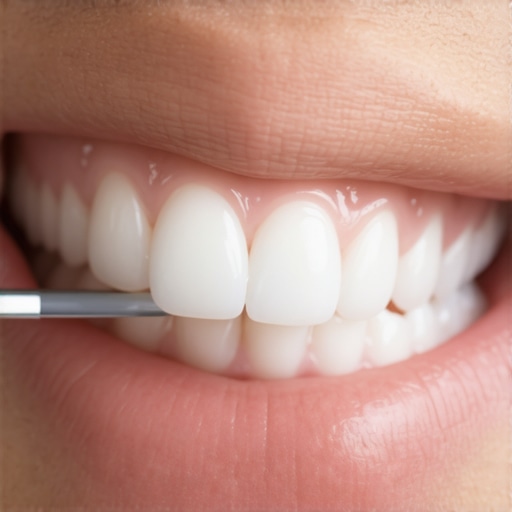
I remember sitting in my dentist’s waiting room, staring at a poster of a perfect smile, and feeling a bit smug because my insurance was picking up the entire bill for my second cleaning of the year. I used to think I was “beating the system” or receiving a generous gift. But then, I made the classic mistake of getting too busy. I skipped my spring appointment because my teeth felt fine—smooth, white, and not a hint of pain. Eight months later, I wasn’t just getting a cleaning; I was discussing the role of crowns to save a molar I had neglected. That was my lightbulb moment. Insurance companies aren’t being nice; they are being smart. They foot the bill for those visits because they know that a little bit of prevention is significantly cheaper than a major restoration. Today, I want to pull back the curtain on why that six-month interval is the magic number and how you can stop being a victim of your own busy schedule. Have you ever skipped a cleaning just because your teeth didn’t ‘feel’ dirty? Let me know, because I have been there too.
Your Insurance Policy Is Actually a Prediction Tool
Insurance companies are masters of risk management, not charity. They have crunched the numbers and realized it is far more cost-effective to pay a hygienist to scrape off tartar today than it is to pay for an emergency extraction next year. When I missed my appointment, I learned the hard way that what actually happens if you skip your dental cleaning is a slow, silent buildup of bacteria that no toothbrush can reach. I used to think I was saving time, but I was actually just accumulating a dental debt that eventually came due with interest. We often treat our oral health routine like a chore, but for insurers, it is an investment strategy. They know that the impact of regular teeth cleaning keeps systemic inflammation down and their payouts low.
Is that second visit really necessary for everyone?
It is easy to be skeptical and think these rules are just a way to control our lives. However, the data supports this rigid bi-annual schedule. According to the American Dental Association, every dollar spent on preventive care can save between $8 and $50 in restorative and emergency treatments down the road. They aren’t looking out for your comfort; they are looking out for their bottom line, which, luckily for us, aligns with keeping our natural teeth in our heads. Early in my journey, I mistakenly focused only on effective home practices while ignoring the professional side of the equation. That was a mistake that cost me a perfectly good molar. By sticking to a family dentistry focus, you are not just following a policy; you are playing the long game for your wallet and your wellness.
Stop the DIY experiments and focus on the prep
I once tried to “cheat” the system by using a massive amount of baking soda to scrub away coffee stains the night before my checkup. I thought I’d save the hygienist some work and avoid a lecture about my caffeine habits. Instead, I showed up with raw, angry gums that bled the moment they touched them. I learned quickly that the truth about using baking soda to scrub away coffee stains is that it is far too abrasive for regular use and usually causes more irritation than improvement. Instead of aggressive scrubbing, your focus should be on consistency. Start using a soft-bristled brush and pay attention to the proper way to use interdental brushes for best results. These little tools reach the tight gaps where a standard brush fails, removing the plaque that eventually hardens into tartar. If you notice a little pink in the sink when you start a new routine, don’t stop—it is often the truth about why your gums bleed only when you floss that suggests you need more frequent stimulation and biofilm removal, not less.
Treat your crowns like the structural investments they are
If you already have dental work, your six-month visit isn’t just about cleaning; it is a structural inspection. Think of a crown as a custom-fitted helmet for a weakened tooth. It protects the core, but the seal where the porcelain meets your gum line is where the real vulnerability lies. You need to be proactive about maintaining your dental crowns dos and donts for best results. During your daily routine, feel for any catches or sharp edges that might indicate a margin is failing. Learning how to tell if your dental crown needs a simple adjustment can prevent the porcelain from cracking under the pressure of a misaligned bite. If you notice a space opening up, you must address how to fix the gap between your gum and your crown immediately to prevent bacteria from tunneling underneath the restoration and causing a secondary cavity that could cost you the whole tooth.
The trick to keeping that post-dentist feeling for weeks
We all love that smooth, glass-like sensation after a professional visit. That feeling comes from how a professional scale and polish brightens your smile by removing the sticky pellicle layer and surface stains. To keep it that way, you have to change your post-brushing habits. One of the biggest mistakes people make is rinsing with water right after brushing. You are essentially washing away the concentrated fluoride that helps remineralize your enamel after the abrasive action of cleaning. There is a specific reason why you should stop rinsing with water immediately after brushing: the fluoride needs time to sit on the tooth surface to be effective. By incorporating the secrets to making your professional cleaning last longer, like waiting 30 minutes before eating or drinking, you create a chemical shield that resists the acid produced by your next meal. This simple timing shift turns a basic cleaning into a long-term defense strategy for your entire smile.
One of the most persistent myths I see in family dentistry is the idea that ‘elbow grease’ equals a cleaner mouth. Most people assume that if they brush with enough force, they can manually scrub away years of coffee or wine stains. In reality, this is the quickest way to ruin your smile. There is a counterintuitive truth about why hard brushing actually makes your teeth look darker: as you wear down the translucent white enamel, you expose the yellowish dentin layer underneath. This isnt just a cosmetic issue; it often explains why your gums recede even if you brush twice a day. A study published in the Journal of Dentistry found that excessive brushing force significantly increases the surface roughness of dentin, making it more prone to staining than the enamel itself. Have you ever fallen into this trap of scrubbing too hard? Let me know in the comments.
The scary reality of DIY whitening and enamel health
The second major trap I see readers fall into is the pursuit of a Hollywood smile through unverified methods. I have seen patients come in with permanent nerve damage because they fell for the scary truth about buying DIY whitening kits online. These kits often contain concentrations of peroxide that are unregulated, leading to chemical burns on the gums and stripped enamel. If you are looking for a brighter smile, you need to learn how to whiten teeth safely if you have sensitive gums rather than taking a gamble with your health. By following oral health tips every family should follow in 2025, you can ensure that your whitening efforts don’t lead to a lifelong tooth sensitivity crisis.
Don’t ignore the warning signs under your dental work
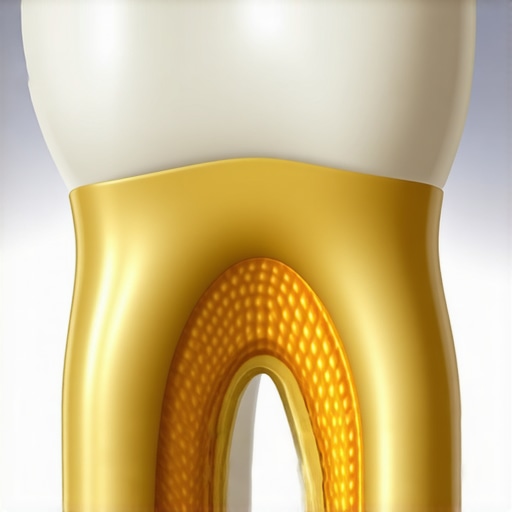
Even if you have moved past the cleaning stage and into restoration, the nuances of maintenance don’t stop. A common misconception is that because a crown is made of porcelain or zirconia, it cannot ‘decay.’ While the crown itself is immune to cavities, the natural tooth structure holding it up is not. I often get asked why your new crown smells and how to fix it, and the answer is usually ‘micro-leakage.’ If the seal isn’t perfect, bacteria can hide in the margin, leading to how to stop your crown from smelling like old food by improving your interdental cleaning. Seeking expert advice on crowns and teeth cleaning for lasting results is the only way to catch these structural failures before they require a full extraction.
Why do my teeth feel sensitive after my morning run in the cold?
This is a question that frequently puzzles athletes and outdoor enthusiasts. It isn’t always a cavity; often, it is a combination of enamel thinning and sinus pressure. If you’ve noticed why your teeth feel sensitive after your morning run in the cold, it is likely because the rapid temperature change causes the microscopic tubules in your teeth to expand and contract, triggering the nerve. Additionally, the cold air can irritate your sinuses, which sit directly above your upper molars, mimicking the pain of a toothache. Understanding these nuances helps you distinguish between a temporary environmental reaction and a genuine dental emergency.
The gear I trust to keep my smile intact
After years of trial and error, I have realized that the most expensive electric toothbrush is worthless if you are not using the right supplemental tools. I transitioned to a high-frequency sonic brush not because of the marketing, but because the vibration helps disrupt the biofilm without requiring the ‘scrubbing’ motion that leads to recession. If you are curious about leveling up your kit, I always point people toward effective home practices that prioritize gentle, consistent removal over aggressive cleaning. My secret weapon, however, isn’t the brush—it is the interdental brush. A 2019 study published in the Cochrane Database of Systematic Reviews by Worthington et al. found that interdental brushes are significantly more effective at reducing gingivitis than traditional flossing alone because they mechanically debride the concave surfaces of the teeth that string simply skips over. Learning the proper way to use interdental brushes for best results was the single biggest factor in stopping my gum inflammation for good.
How do I maintain my dental work over several decades?
The longevity of your smile depends on how you treat your dental work as a living part of your anatomy. When I got my first restoration, I didn’t realize that the role of crowns is as much about structural integrity as it is about aesthetics. Maintenance involves a ‘check and balance’ system: every night, I use a non-abrasive gel to clean around the margins of my dental work. This is a core part of a modern oral health routine. You must be diligent about maintaining your dental crowns dos and donts, such as avoiding ice-chewing or using your teeth as tools to open packages, which are the leading causes of porcelain fractures. If you have multiple restorations, seeking expert advice on crowns and teeth cleaning ensures that your hygiene routine is tailored to the specific materials used in your mouth, whether they are zirconia, gold, or porcelain-fused-to-metal.
The smart tech coming to your bathroom mirror
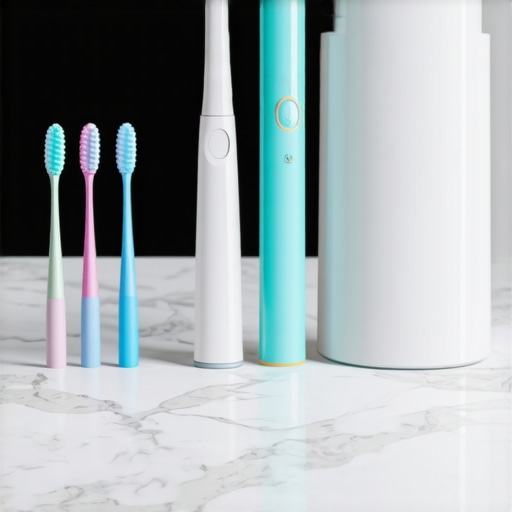
I predict that in the next five years, the ‘six-month wait’ will become obsolete, replaced by real-time bio-monitoring. We are already seeing the emergence of smart toothbrushes that sync with apps to map missed spots, but the next step is intraoral cameras that allow you to send high-resolution photos to your provider for a ‘virtual check-in.’ This shift toward a family dentistry focus that is proactive rather than reactive will save patients thousands in the long run. By staying updated on oral health tips every family should follow in 2025, you can be an early adopter of these diagnostic tools, catching a small demineralization spot before it requires a drill. My challenge to you: Put down the string floss for one week and try an interdental brush in your widest gaps—you will be shocked at what your ‘clean’ teeth were still hiding after a standard brushing session.
The Hard Truths My Dentist Finally Convinced Me to Accept
Reflecting on my own journey, I realized that I was treating my mouth like a car I only serviced when the engine light came on. Here is what I wish I had embraced a decade ago: First, bleeding is not a ‘normal’ side effect of flossing; it is often the truth about why your gums bleed only when you floss that signals you need more consistency, not less. Second, the cost of high-quality tools is a fraction of what you will pay for a single filling or emergency visit. Finally, a family dentistry focus is about building a clinical history with a team that knows your specific dental needs before problems arise.
My Daily Lineup for a Stress-Free Dental Checkup
I have narrowed down my routine to a few non-negotiables that have kept my last three checkups perfectly clean. I swear by the proper way to use interdental brushes for best results because they reach the concave spaces string floss simply skips over. I also stopped rinsing with water immediately after I brush to allow for maximum mineral absorption, which is a key part of an effective oral health routine. If you have any existing restorations, I highly suggest reviewing caring for crowns essential tips for longevity and shine to keep those investments secure for decades.
Take Charge of Your Smile Today
Your teeth are one of the few parts of your body that cannot regenerate once structural damage is done. Every small choice you make today, from the pressure you apply while brushing to showing up for that preventive cleaning, dictates your oral health for years to come. Don’t wait for a toothache to be the reason you call the office. Have you ever been surprised by a dental issue that didn’t hurt at all? Let me know your story in the comments below.