
There I was, three miles into my favorite loop around the park, feeling like a total champion. Then, I took one deep, sharp breath of that thirty-degree air through my mouth, and it felt like a bolt of lightning struck my front teeth. My pace didn’t just slow down; I stopped dead in my tracks, clutching my jaw. If you’ve ever felt that electric zing while trying to hit your cardio goals, you know it is enough to make you want to stay on the couch until June. I used to think I just had bad luck or maybe a hidden cavity, but after a few frustrating winters, I realized the cold was just exposing some underlying issues I had been ignoring.
Your Enamel Is Not a Fan of the Frost
It took me way too long to realize that my teeth were reacting to the physical expansion and contraction caused by the temperature drop. When you inhale freezing air, your tooth structure actually shifts slightly, and if your protective layer is thin, those nerves are going to let you know about it. I remember making the huge mistake of scrubbing my teeth even harder with whitening paste, thinking I was cleaning away the problem, but I was actually participating in dental habits that are actually ruining your enamel. According to the American Dental Association, dentin hypersensitivity affects millions, and cold air is one of the most common triggers for those with exposed roots or worn enamel. Today, I want to show you exactly how to insulate your smile so you can keep your mileage up without the misery.
Can you really outrun tooth sensitivity?
Many runners assume they just have to ‘tough it out’ or wait for spring, but that skepticism is exactly what kept me in pain for three seasons. You might even find that your teeth throb after you finish a workout regardless of the weather, which often points toward blood flow or sinus pressure rather than just the cold. Sometimes the issue is even more specific; for instance, I’ve had friends ask why a new crown feels cold when breathing in, proving that even restorative work needs a little extra care in the winter. We are going to break down the barrier between your nerves and the elements, starting with the simple fixes you can do before you even lace up your shoes. Have you ever had to cut a personal best attempt short because the dental pain was just too much to bear? It’s a total mood killer, but it doesn’t have to be your reality. Making sure you are keeping up with regular teeth cleaning is a great first step, but there are specific tricks for the trail that we need to discuss.
Switch to nose-breathing to pre-heat your intake
The most immediate change you can make is also the hardest: stop breathing through your mouth. Think of your nose as a high-efficiency radiator. As air passes through your nasal passages, it is warmed and humidified before it ever hits your throat or the back of your teeth. When you gulp air through your mouth, you are essentially throwing a bucket of ice water onto a hot engine—your teeth, warmed by your internal body temperature, suddenly contract, causing that sharp ‘zing.’ I remember one Tuesday morning in January when the temp hit 15 degrees. I wrapped a heavy wool scarf around my face to block the wind. Three miles in, my breath had turned the scarf into a soggy, frozen weight that felt like an ice pack against my cheeks. It actually made the pain worse because the cold moisture sat right against my jaw. That is when I learned the ‘buff’ technique—using a thin, moisture-wicking material that traps a pocket of warm air in front of your face without soaking through. 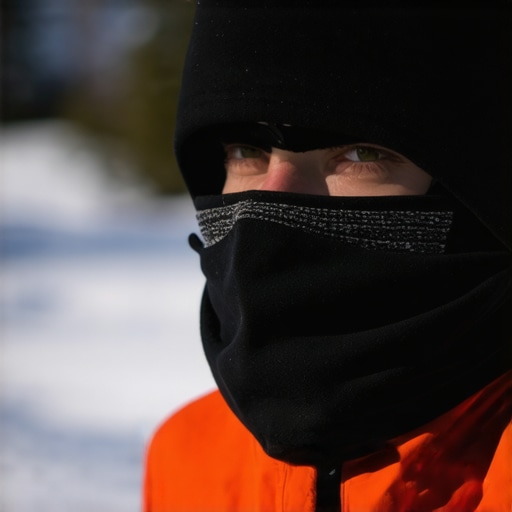
The right way to layer for your mouth
If you cannot sustain a full run breathing only through your nose, use a technical neck gaiter. Pull it up over your nose and mouth. The fabric traps the heat from your exhalation, so your next inhalation is ten to twenty degrees warmer than the ambient air. This small buffer prevents the thermal shock that leads many to wonder why your tooth hurts when you run the sinus connection or environmental exposure.
Fortify your barrier with the right daily products
If your enamel is like the siding on a house, your dentin is the framework, and inside that framework are thousands of microscopic pipes called tubules leading straight to the nerve. When enamel thins, these pipes are exposed. You need to ‘plug’ them. Transitioning to a potassium nitrate-based toothpaste at least two weeks before the first frost is essential. This compound acts like a temporary sealant for those open pipes. Incorporating teeth cleaning secrets and effective home practices into your morning can create a desensitizing shield that stays active during your workout. Unlike standard paste, you should avoid rinsing with water immediately after brushing to let the active ingredients settle into the tubules. This is a core part of a solid oral health routine for strengthening your smile every day.
What to do when your dental work reacts to the frost
Restorations like crowns and fillings are made of porcelain or composite, which expand and contract at different rates than your natural tooth structure. This can create microscopic gaps or ‘tugging’ at the nerve when the temperature drops. If you have older dental work, you must be diligent about maintaining your dental crowns. Before a run, try sipping lukewarm water. This hydrates your mouth and ensures your dental work isn’t starting from a place of dehydration, which can make materials more brittle and sensitive to thermal shifts. If you feel a specific throb around a restoration, it might not be the cold itself but a sign that the seal is aging and needs a professional look.Let’s dig deeper into the common mistakes that actually accelerate this winter misery. One of the biggest contrarian truths I’ve discovered is that cleaner isn’t always better. Most athletes assume that a deep clean feel before a run prevents bacteria-related pain, but why hard brushing actually makes your teeth look darker is a cautionary tale about enamel loss. When you aggressively scrub, you are thinning the very shield that keeps the cold out. I once spent a whole December thinking I had a new cavity, only to realize I had brushed my enamel so thin that the cold was bypassing my defenses entirely. A study published in the Journal of Oral Rehabilitation confirms that thermal fatigue—the constant expansion and contraction of teeth—is significantly worsened when the protective enamel layer is compromised by abrasive home care. 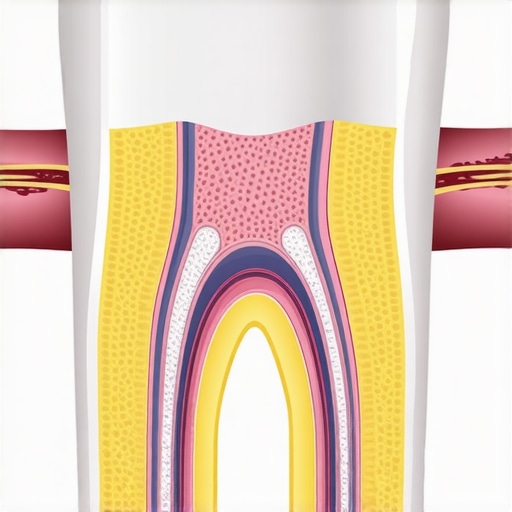
Stop trying to scrub the sensitivity away
If you are using whitening strips or high-abrasive charcoal pastes during the winter months, you are essentially lacing up your shoes with holes in your socks. These products often open up the dentin tubules. This is a massive oops factor I see runners make: trying to get a brighter smile right when their teeth are most vulnerable to the elements. Instead, focus on an oral health routine for strengthening your smile every day that prioritizes remineralization over abrasion. Have you ever fallen into this trap of over-cleaning and ended up with more pain? Let me know in the comments.
Why your feet hitting the pavement makes your teeth throb
Sometimes the toothache you feel while running isn’t a dental issue at all. Because the roots of your upper teeth sit so close to your maxillary sinuses, the rhythmic pounding of your stride can cause them to ache if your sinuses are even slightly inflamed from the cold air. This is why your tooth hurts when you run the sinus connection—a nuance that even seasoned marathoners often miss. If the pain feels like a dull throb that syncs with your footsteps rather than a sharp zing from the air, you might be dealing with runner’s sinus rather than an enamel problem.
How to tell if your tooth sensitivity is actually a secret cavity?
Distinguishing between winter teeth and a legitimate infection is vital for your long-term health. If the pain lingers for more than a minute after you’ve stepped back inside and warmed up, it’s likely not just the temperature. You need to know how to tell if your tooth sensitivity is actually a secret cavity by checking for localized pressure or pain that persists regardless of the air temperature. Don’t ignore the signs; the impact of regular teeth cleaning is that it catches these issues before a simple cold-air sensitivity turns into a root canal. If you’re unsure, prioritizing a family dentistry focus for building a lifetime of healthy smiles means getting a professional evaluation before your training cycle peaks. Another mistake to avoid? Using an alcohol-based mouthwash right before heading out. It strips your mouth of the protective saliva that acts as a thermal insulator. If you have wondered why your gums sting when you use alcohol-based mouthwash, it is often because the alcohol is drying out the tissue, leaving your nerves even more exposed to the biting wind. Stick to water or a pH-neutral rinse during the winter months to keep that moisture barrier intact.
Upgrade to a sonic brush with a pressure sensor
After years of scrubbing my enamel into oblivion, I made the switch to a high-end sonic toothbrush. The game-changer wasn’t the speed of the bristles; it was the red light that flashed whenever I pushed too hard. If you are serious about long-term oral wellness, you need a tool that protects you from yourself. A study published in the Cochrane Library found that powered toothbrushes, particularly those with oscillating-rotating technology, reduce plaque and gingivitis more effectively than manual brushing in both the short and long term. This is especially vital when you’re already dealing with temperature-induced sensitivity and need the most comfortable way to get a professional deep cleaning at home. I personally use the pressure-sensor feature as a soft-touch reminder every morning, ensuring I am not contributing to why hard brushing actually makes your teeth look darker.
How do I maintain my oral health during peak training seasons?
Consistency is your best friend when your body is under the stress of a marathon cycle. I have integrated a water flosser into my nightly routine because it reaches the crevices that traditional floss misses, especially around the back molars. If you have tight spacing, you should also look into the proper way to use interdental brushes for best results. For those of us with restorative work, caring for crowns involves more than just brushing; it is about ensuring the gum line remains healthy so that the seal stays intact against the elements. 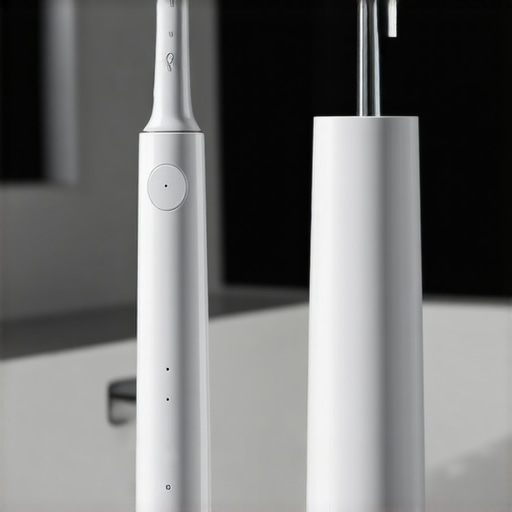
Invest in a high-quality night guard if you are a high-stress athlete
Many runners do not realize they are clenching their jaws during those final uphill sprints or even while they sleep during recovery weeks. This mechanical stress can cause micro-fractures in your enamel, making the winter air feel even more like a needle. I started using a custom-fitted night guard, and the difference in my morning jaw tension was night and day. It is a core component of a solid oral health routine for strengthening your smile every day.
Look out for bio-active glass in your toothpaste
The future of dentistry is moving toward intelligent materials. I am currently keeping an eye on the rise of bio-active glass and hydroxyapatite toothpastes. Unlike traditional fluoride which creates a protective layer, these materials actually aim to mimic the natural mineral of your teeth to repair the enamel surface. This will be the gold standard for oral health tips every family should follow in 2025 and beyond. It is about moving from reactive patch-up dentistry to proactive regeneration of the tooth structure. Before your next run, I challenge you to check your toothbrush bristles—if they are splayed out like an old broom, you are brushing too hard. Switch to a soft-bristle head today and feel the difference in how your teeth react to the next cold snap.
The hard-won wisdom from my coldest January training cycles
The biggest epiphany I ever had about winter running wasn’t about the right shoes or layering—it was realizing that my mouth was a gateway for thermal stress. I used to think my tooth pain was a sign of a failing body, but it was actually a lack of preparation. One major lesson I learned is that hydration doesn’t just impact your muscles; it affects your saliva production, which is your teeth’s first line of defense against temperature changes. If you are training hard, you are likely under more stress than you realize, and the connection between stress and your worn-down teeth is real. I found that my teeth were more sensitive when I was grinding them during high-intensity intervals, creating micro-fractures that the cold air loved to exploit. Another lightbulb moment was discovering that my post-run hot coffee was actually making the sensitivity worse by causing rapid expansion right after the cold contraction. Now, I wait at least twenty minutes for my mouth temperature to stabilize before reaching for a hot mug.
The toolkit that keeps my smile intact through the slush
I don’t leave the house without a few specific items once the temperature drops below forty degrees. First is a high-quality, lightweight neck gaiter—not for my neck, but to create that warm air pocket for my breath. Second, I’ve shifted my focus to expert advice on crowns and teeth cleaning for lasting results, ensuring that any restorative work I have is checked for seal integrity before the winter season begins. I also swear by a remineralizing toothpaste used specifically as a leave-on treatment before bed. For those who find themselves biting down hard when the wind hits, learning how to stop clenching your teeth when you are stressed is a game-changer for both your jaw and your enamel health. Lastly, if you have children who run track or play winter sports, a family dentistry focus for building a lifetime of healthy smiles will help you catch these sensitivity issues early before they become a lifelong struggle with cold air.
Reclaim your morning run with confidence
Winter shouldn’t be a season of dental dread. By making a few small adjustments—switching to nose-breathing, using the right protective gear, and following a consistent oral health routine for strengthening your smile every day—you can focus on your pace instead of your pain. Your teeth are remarkably resilient if you just give them the barrier they need to withstand the elements. It’s time to stop letting the thermometer dictate your training schedule and start protecting your enamel like the vital equipment it is. Have you ever had a run ruined by a sudden zing of tooth pain, and what was the one trick that finally helped you push through? Let me know in the comments below.