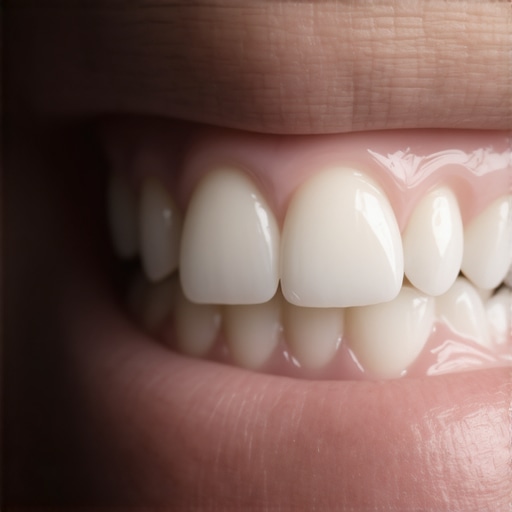
I’ll never forget the morning I looked in the mirror and realized my front teeth looked… different. They weren’t just stained from my morning coffee; they were flat. Shorter. I had this dull, throbbing ache behind my ears, and my jaw felt like I’d spent the entire night chewing on gravel. It turns out, I basically had. My high-pressure job wasn’t just keeping me up at night; it was turning my mouth into a construction site where the only thing being demolished was my own enamel. For a long time, I just ignored it, thinking it was a phase. I didn’t realize that my body was literally wearing itself down from the inside out. Today, I want to show you exactly how stress manifests in your mouth and, more importantly, how we can stop the cycle before you end up needing a total mouth reconstruction. Have you ever woken up feeling like you went ten rounds in a boxing ring without a mouthguard?
Your Teeth Aren’t Built for a 24/7 Grind
One of the biggest mistakes I made early on was assuming that if I wasn’t feeling pain during the day, my teeth were fine. I was wrong. I spent years neglecting the fact that I was clenching my jaw every time I hit a deadline or sat in traffic. This habit is more than just a quirk; it is one of the most destructive dental habits that are actually ruining your enamel without you even noticing. It wasn’t until my dentist pointed out the micro-cracks in my molars that I realized the damage was real. The connection is backed by science, too. According to the American Psychological Association, stress is a primary driver for bruxism (teeth grinding), often occurring while we sleep. If you wake up with a sore jaw and a headache, your body is waving a red flag that you shouldn’t ignore.
Is a Mouthguard Actually Worth the Hype?
Most people cringe at the idea of wearing a plastic tray to bed, thinking it will be uncomfortable or unnecessary. I was the same way. I thought I could just ‘relax’ my way out of the problem. But here is the reality: your jaw muscles are incredibly strong, and when you are stressed, they don’t just take the night off. Learning how to stop clenching your teeth when you are stressed involves both physical protection and lifestyle changes. If you let it go too long, you might find yourself looking into how crowns can transform your dental confidence because your natural teeth have simply been worn away to nubs. It is a slow-motion disaster that is much easier to prevent than it is to fix once the enamel is gone.
Break the Habit Before It Breaks Your Teeth
To stop the damage, you have to catch yourself in the act. I used to think I only ground my teeth at night, but then I started paying attention during my morning commute. Every time someone cut me off, my jaw locked tight. The fix is a simple mantra: ‘lips together, teeth apart.’ Your teeth should only touch when you’re chewing. For everything else, they need a gap. Think of your jaw like a high-performance engine; if you redline it all day, it’s going to blow. Building this awareness into your oral health routine is the cheapest and most effective way to save your enamel from unnecessary friction.
Treat Your Night Guard Like a Luxury Item
Then there’s the night guard. If you’re like me, you’ve probably forgotten yours once or twice. I remember a business trip to Chicago where I left mine on the bathroom counter at home. After three nights of high-stress meetings and no guard, I woke up with a molar that felt so loose I thought I could wiggle it out with my tongue. It wasn’t actually loose, but the ligaments were so inflamed from the sheer pressure that they were screaming for help. It took days for that throb to subside. If you use a guard, you have to maintain it. Learning how to clean a night guard without damaging the plastic is vital because a bacteria-laden guard can lead to gum infections that make jaw pain even more unbearable.
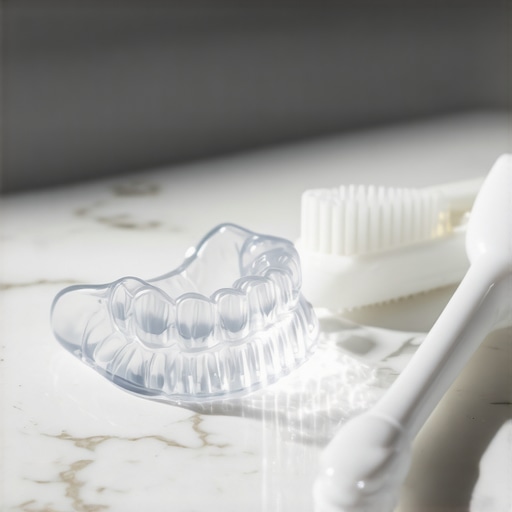
Armor Up When Your Enamel Fails
Sometimes, the damage is already done and a lifestyle change won’t fix a structural failure. When a tooth is so worn or cracked that a standard filling won’t hold the line, a crown becomes your armor. It’s common to wonder why your dentist recommends a crown after a root canal, but the logic is straightforward: a tooth without a living pulp is brittle. Without the crown, it’s like a hollowed-out tree in a windstorm—it’s eventually going to snap under the pressure of your bite. Once that armor is in place, you have to be tactical about what you eat. I once lost a temporary crown to a piece of saltwater taffy at a pier, and the sharp zing of cold air hitting that exposed prep site is a mistake I only made once. You have to know how to keep your dental crown from popping off while chewing by avoiding those ‘tooth-puller’ candies.
Get the Deep Clean Your Brush Can’t Manage
Finally, don’t underestimate the ‘hard reset’ of a professional visit. If your gums are inflamed from the constant mechanical stress of clenching, your manual toothbrush simply won’t cut through the debris hiding in the deepened pockets. Finding the most comfortable way to get a professional deep cleaning can reverse the inflammatory response before it turns into permanent bone loss. This isn’t just about your own mouth, either. If you have kids, they are watching how you handle your stress. Prioritizing family dentistry means setting a standard for everyone in your house so they don’t grow up with the same jaw-clenching habits and enamel wear that we had to learn the hard way.
Most people assume that once a crown is in place, that tooth is officially ‘off the hook’ for life. It is a dangerous myth. In fact, a crown is only as strong as the seal where it meets your gum line. I used to think I needed to scrub that area with extra force to keep it clean, but I was actually doing the opposite. I learned the hard way that why hard brushing actually makes your teeth look darker by thinning the surrounding natural enamel and irritating the gums. It is a counterintuitive truth: the harder you work at cleaning a restoration, the more likely you are to cause recession. If you want expert advice on crowns and teeth cleaning for lasting results, you have to adopt a ‘soft-touch’ philosophy.
Can a Simple Cleaning Really Prevent a Major Tooth Fracture?
The short answer is yes, but the nuance lies in the ‘biofilm.’ We often focus on the big pieces of food, but it is the microscopic bacteria at the margin that causes the real trouble. Research published in the Journal of Oral Rehabilitation suggests that the long-term success of dental restorations is more dependent on the health of the surrounding tissue than the strength of the ceramic itself. This is why the impact of regular teeth cleaning on overall oral wellness cannot be overstated. It is not just a cosmetic polish; it is a structural inspection of the foundation holding your dental work in place. 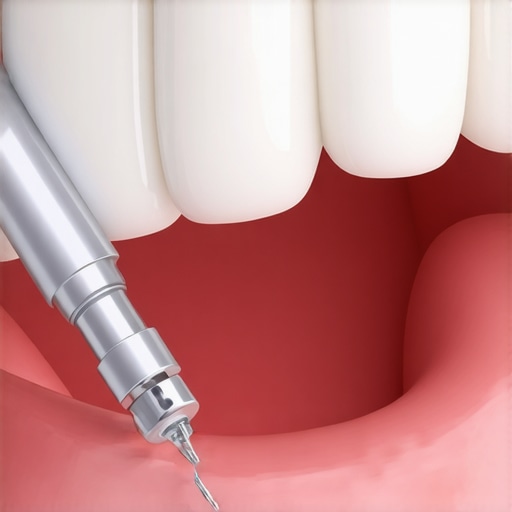
Don’t Fall for the Mismatched Smile Trap
One huge ‘oops’ factor I see all the time is the DIY whitening obsession. People think they can brighten their whole smile with over-the-counter kits, but you need to know how to keep your porcelain crown from staining over time without using harsh chemicals that only affect natural enamel. If you try to bleach a mouth full of restorations, your natural teeth will whiten, but your crowns will stay the same shade, leaving you with a patchy, uneven appearance. When it comes to family dentistry, the biggest mistake is waiting for a problem to arise before acting. We tend to treat the dentist like a mechanic—only visiting when the engine starts smoking. But in the world of caring for crowns, meticulous prevention is the only real cure. Have you ever fallen into this trap of waiting until it hurts to book an appointment? Let me know in the comments.
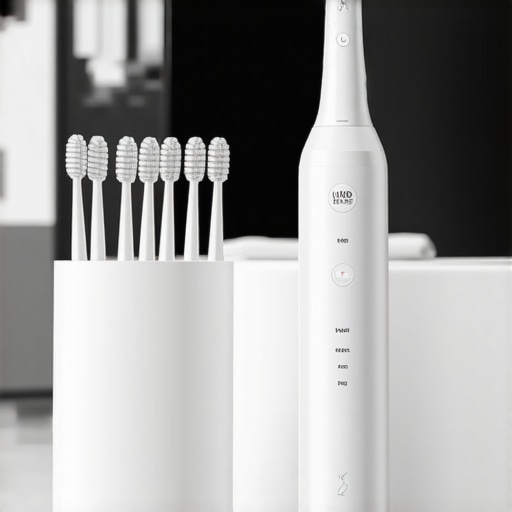
Waiting for pain is like waiting for your car’s engine to seize before checking the oil. By the time it hurts, the damage is often irreversible. Over the years, I’ve transitioned from a reactive patient to a proactive advocate for my own mouth, and that started with upgrading my toolkit. I realized that a $5 manual toothbrush wasn’t enough to protect the thousands of dollars I had invested in my dental work. Now, I rely on a sonic toothbrush with a pressure sensor. It sounds fancy, but it’s the only way I can guarantee I’m not contributing to the reason your gums recede even if you brush twice a day. If that sensor flashes red, I know I’m being too aggressive with my enamel.
Ditch the Manual Brush for Something Better
I also stopped relying solely on traditional floss. For anyone with crowns or tight spacing, floss can sometimes feel like it’s just moving debris around. I switched to interdental brushes—those tiny little Christmas-tree-looking things. They are absolute game-changers for the margins of a crown. When you learn the proper way to use interdental brushes for best results, you’ll be shocked (and probably a little grossed out) at what your regular brush leaves behind. This simple switch is the best defense against the bacteria that leads people to wonder how to stop your crown from smelling like old food. It’s about mechanical disruption of the biofilm in places where a flat string just can’t reach.
How do I maintain my dental work over the long haul?
Maintenance isn’t just about the tools; it’s about the technique and the timing. You have to treat your dental work with a specific set of rules. I follow a strict list of maintaining your dental crowns: dos and don’ts for best results, which includes never using my teeth as tools—no opening packages, no biting nails, and definitely no chewing ice. According to a meta-analysis published in Clinical Oral Investigations (2021), the mechanical failure of restorations is most often linked to parafunctional habits like grinding rather than the material of the crown itself. This is why I never skip a night without my guard; it is the insurance policy for my smile.
Your Bathroom Will Look Like a Lab by 2030
Looking ahead, I suspect we are moving toward a world of personalized oral microbiomics. I predict that within a few years, your toothbrush won’t just track how long you brush, but it will actually analyze your saliva in real-time to alert you to shifts in acidity or bacterial balance before a cavity even forms. We are already seeing the beginning of this with oral health tips every family should follow in 2025, where the focus has shifted from simple cleaning to managing the entire ecosystem of the mouth. If you want to get ahead of the curve, I challenge you to try this: swap your traditional floss for a pack of interdental brushes for just one week. The difference in how your gums feel will be the only proof you need to realize that the old-school ways might not be the best ways anymore.
Small Shifts That Saved My Molars
One thing I realized way too late is that your dental health isn’t just about how well you brush; it is a reflection of your lifestyle. If you are constantly on edge, your teeth will show it. I learned that restorations are an investment, not a shield. Just because you have a crown doesn’t mean you can stop worrying. In fact, caring for crowns requires more precision than natural enamel because of the margins where bacteria love to hide. I also discovered that the ‘Wait and See’ method is incredibly expensive. Every time I ignored a dull ache, I ended up paying more in the long run. Understanding the role of crowns in modern smile makeovers helped me realize they are structural lifesavers, but they work best when supported by healthy habits. Finally, precision matters more than pressure. Hard scrubbing is a lie we tell ourselves to feel productive, but teeth cleaning secrets usually involve gentle, circular motions rather than sawing back and forth.
Upgrade Your Bathroom Sink Strategy
If you want to move from reactive to proactive, you need the right gear. I don’t trust my smile to just any random drug-store bargain anymore. I focus on tools that address the specific vulnerabilities of my mouth. For instance, I make sure to pay extra attention to the rear of my mouth because why your back molars always get the most cavities is usually down to accessibility and surface area. My daily kit includes a pressure-sensitive electric brush, high-quality interdental picks, and a custom-fitted night guard that I wear religiously. I also recommend keeping a digital log of any sensitivity so you can spot patterns before your next checkup.
#IMAGE_PLACEHOLDER_E#
Take the First Step Toward a Pain-Free Morning
It is easy to feel overwhelmed by dental jargon or the fear of a big bill, but your oral health is the gateway to your overall wellness. By breaking the cycle of stress-induced grinding and committing to a solid oral health routine, you are protecting more than just your teeth—you are protecting your quality of life. Don’t wait for the pain to become your alarm clock. Invest in your smile today so you can enjoy it for decades to come. Have you ever noticed your jaw feeling tight after a long day at the office? Let me know in the comments how you handle the stress!