
I remember sitting at my kitchen table, nursing a lukewarm coffee, and realizing I couldn’t fully open my mouth to take a bite of sourdough toast. My jaw felt like it had been welded shut overnight. For months, I’d been waking up with these dull, thudding headaches, and I just chalked it up to bad pillows or too much screen time. It wasn’t until I visited my dentist for a routine check-up that I learned the truth: I was treating my teeth like a professional-grade nutcracker every single night. I had literally worn down my enamel to the point where your front teeth start getting shorter as you age way faster than they should. It’s a terrifying realization when you find out your own stress is physically dismantling your smile while you sleep.
If you’re here, you probably know that “sandpaper” sound your teeth make in the middle of the night, or that tight, clicking sensation in your jaw during a high-stakes meeting. Today, I want to share the exact routine and the few key tools that helped me break the cycle of bruxism. We’re going to get your jaw to relax, protect your expensive dental work, and finally help you wake up without feeling like you’ve been in a twelve-round boxing match. Trust me, I’ve made every mistake in the book—including trying to “willpower” my way out of it—and I’m here to save you the literal and metaphorical headache.
Does a piece of plastic really solve a stress problem?
I’ll be honest: I used to think night guards were a total scam designed to pad a dentist’s bill. I even went so far as to buy a cheap,
That “boil-and-bite” guard I bought from the pharmacy was a disaster. It felt like trying to sleep with a massive, rubbery hockey puck wedged between my cheeks. Instead of stopping the grinding, it just gave my jaw something thicker to chew on, and I woke up with my teeth feeling strangely mobile. If you have ever felt that sensation, you know how alarming it is—though sometimes the reason your teeth feel loose can be as simple as a sinus infection, in my case, it was pure mechanical trauma. The first real step in this process is acknowledging that DIY solutions often do more harm than good by changing your bite alignment overnight.
Stop Using Generic Over-the-Counter Plastic Trays
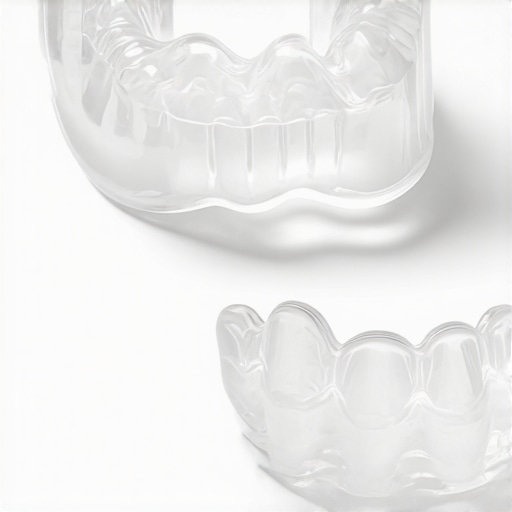
The problem with generic guards is that they aren’t calibrated to your specific bite. When I finally switched to a professional version, I learned how a simple night guard can save you thousands in future dental work by distributing the force of your jaw muscles evenly. A custom guard is thin, hard, and fits like a second skin, which prevents the “chewing reflex” that soft guards often trigger. If you are already seeing wear, you might need to look into understanding the role of crowns in modern smile makeovers to restore what’s been lost. I had one molar that was so flattened it practically disappeared, and a crown was the only way to keep the tooth functional.
The Micro-Story of My First Real Night Guard
I remember the first night I wore a custom-made guard from my dentist. I expected to feel gaggy and claustrophobic. Instead, for the first time in years, I didn’t wake up reaching for Ibuprofen. I didn’t realize that the signs your dull morning headache is actually a dental emergency are often just the result of your masseter muscles working overtime while you dream. That morning, my jaw felt… quiet. It was the first time I realized that my “tension headaches” weren’t about work stress alone; they were a physical byproduct of my teeth quite literally fighting each other.
Master the Lips Together Teeth Apart Rule
One of the most effective techniques my physical therapist taught me was a simple daytime mantra: “Lips together, teeth apart.” Your teeth should only ever touch when you are chewing or swallowing. Throughout the day, check in with yourself. Is your tongue resting on the floor of your mouth? It should be gently suctioned to the roof, just behind your front teeth. This position naturally forces the jaw to drop and relax. If you find this difficult because of existing dental work, focusing on maintaining your dental crowns dos and donts for best results can help you stay mindful of how much pressure you are applying to those expensive restorations.
Reset Your Jaw Tension Before Bed
Before you hit the pillow, you need to de-escalate the muscles. I use a warm compress on my hinge joints for five minutes while I read. This heat increases blood flow and signals the nervous system to let go. Following this up with a gentle massage of the masseter—the thick muscle at the back of your jaw—can prevent the nocturnal clenching from starting the moment you drift off. Consistency here is key to a oral health routine strengthening your smile every day. By combining physical relaxation with a high-quality barrier, you aren’t just treating the symptoms; you are protecting the structural integrity of your face.
The Six-Month Rule is a Dangerous Myth
We’ve been conditioned since kindergarten to believe that visiting the dentist every six months is the ultimate insurance policy for our teeth. But here’s the contrarian truth: for many of us, that schedule is a recipe for slow-motion disaster. If you’re a heavy grinder or someone prone to inflammation, waiting 180 days between professional visits allows biofilm to calcify into tartar that you simply cannot brush away at home. I’ve seen people religiously follow the twice-a-year rule only to find out they are losing bone density. Learning how often you actually need a professional scaling to prevent bone loss is a personalized decision, not a calendar default. For some, a three-month interval is the difference between keeping their natural teeth and needing a full set of implants by age 50.
Can your gum health predict a heart attack?
Let’s dig deeper into the systemic side of things. Most people think a cleaning is just about a brighter smile, but it’s actually about managing a site-specific inflammatory load. There is a profound connection between your heart health and your last dental cleaning. According to a landmark study published in the Journal of Periodontology, individuals with chronic gum disease are at a significantly higher risk for cardiovascular events because the bacteria in your mouth can enter the bloodstream and trigger arterial plaque formation. When we talk about the impact of regular teeth cleaning on overall oral wellness, we aren’t just talking about cavities; we’re talking about life expectancy.
Stop Sandblasting Your Enamel with Charcoal
The biggest “oops” factor I see today is the DIY whitening craze, specifically charcoal toothpaste. It’s marketed as a natural miracle, but in reality, it’s often too abrasive for daily use. You might think you’re scrubbing away stains, but you’re often just scrubbing away your enamel. This is a trap because once that enamel is gone, your teeth actually look yellower because the dentin underneath is exposed. I’ve learned the hard way that the truth about charcoal toothpaste and why it might be ruining your enamel is a lesson best learned before the sensitivity kicks in.
Why Front and Back Crowns Aren’t Created Equal
If you’ve reached the point where you need a restoration, don’t fall into the trap of thinking a crown is just a crown. The material science matters immensely based on the tooth’s location. This is why we use different materials for front crowns versus back molars; you need aesthetics for the smile line but pure, unadulterated strength for the crushing forces of your back teeth. Furthermore, many people are shocked to learn that these aren’t permanent fixtures. Understanding the truth about how long a porcelain crown actually lasts before replacement helps you plan for the future rather than being surprised by a failure ten years down the road. Have you ever fallen into the trap of skipping a cleaning because ‘nothing felt wrong’? Let me know in the comments below.
I used to think that as long as I owned a toothbrush and a box of floss, I was doing enough. But once you invest in restorations, the game changes. You aren’t just cleaning teeth anymore; you’re maintaining an architectural project. To keep my smile intact, I had to stop treating my oral care like a chore and start treating it like high-level equipment maintenance. This is where caring for crowns essential tips for longevity and shine become your daily manual rather than just a suggestion.
Upgrade Your Bathroom Counter with Precision Tools
If you are still using a manual brush, you are essentially trying to mow a golf course with a pair of scissors. I switched to a sonic-powered brush with a pressure sensor. Why? Because most of us—myself included—brush far too hard, which leads to gum recession. A study published in the Cochrane Database of Systematic Reviews found that power toothbrushes, especially those with oscillating-rotating technology, reduce plaque and gingivitis more effectively than manual brushing in both the short and long term. While why manual toothbrushes are still effective if you use the right technique is a valid point for some, most of us lack the Olympic-level discipline required for that perfect technique twice a day.
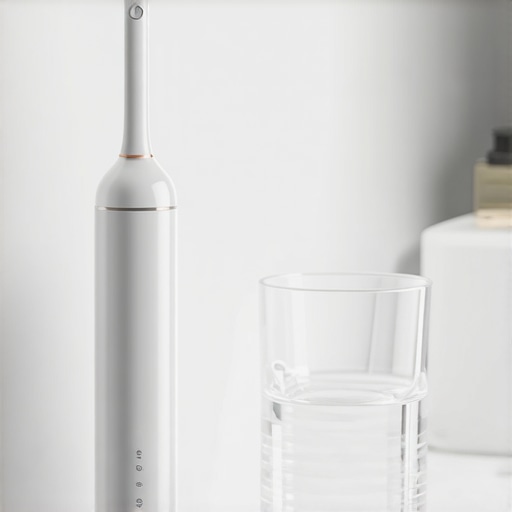
The real MVP of my routine, however, is the water flosser. If you have crowns or bridges, traditional floss can sometimes snag or fail to reach the microscopic gaps where the restoration meets the gum line. I use mine on a medium-high setting every single night before bed. It’s non-negotiable. This is one of those teeth cleaning secrets effective home practices for family dental health that actually makes a visible difference in your next professional check-up. When my hygienist asks what I’ve been doing differently because my gums stopped bleeding, I know the hardware is working.
How can I keep my dental work looking brand new for years?
Consistency is the boring but honest answer. Beyond the tools, you have to look at your diet as a maintenance factor. I’ve had to accept that the reason your coffee habit is ruining your crowns sealant isn’t just about stains—it’s about the acidity weakening the bond over time. To counter this, I’ve adopted the ‘water rinse’ rule: every time I finish a coffee or a glass of wine, I swish with plain water. This simple habit keeps the pH level in my mouth balanced and protects the finish of my expensive porcelain work. For those of us managing a household, incorporating oral health tips every family should follow in 2025 ensures that everyone, from the toddlers to the grandparents, is on the same page regarding preventive care.
The Future of Your Smile is Digital
We are moving toward a world of ‘Proactive Dentistry.’ In the next few years, I predict we will see AI-powered toothbrushes that don’t just tell you where you missed a spot, but actually analyze the chemical composition of your saliva to alert you to early-stage inflammation. We are already seeing a shift toward family dentistry focus building a lifetime of healthy smiles through 3D digital scanning rather than those goopy, uncomfortable impressions. This precision means expert advice on crowns and teeth cleaning for lasting results will be more personalized than ever. Don’t wait for a toothache to act; pick up a water flosser this week and commit to using it for 21 days straight. Your future self—and your bank account—will thank you.
The Brutal Truth About Saving Your Smile
Looking back, the biggest “lightbulb moment” wasn’t finding the right tool; it was realizing that oral health is a lagging indicator of how well I’m managing my stress and systemic health. First, understand that your mouth is a complex ecosystem; when you skip a teeth cleaning, you aren’t just leaving plaque behind, you’re inviting chronic inflammation into your bloodstream. Second, I learned that why your dentist wants you to stop using hard bristles is because your gums are far more fragile than your ego. Finally, remember that family dentistry focus building a lifetime of healthy smiles means setting the tone for the next generation—they watch how you care for your teeth more than they listen to your advice.
My Non-Negotiable Kit for Total Mouth Wellness
If you want to stop the cycle of damage, you need a proactive toolkit. My top recommendation is a custom-fit night guard; it is the only way to prevent the force of bruxism from destroying your crowns. Next, I swear by a high-end water flosser. It’s a game-changer for caring for crowns essential tips for longevity and shine because it flushes out debris that traditional string simply misses. Lastly, never underestimate the power of an oscillating electric brush. It removes the guesswork and protects your enamel from aggressive manual scrubbing, ensuring your oral health routine strengthening your smile every day is actually working.
Take the First Step Toward a Lifetime of Healthy Smiles
Your journey doesn’t have to be perfect; it just has to be consistent. Whether you are recovering from a first deep cleaning session for gum disease or just trying to protect a new set of restorations, every small habit counts. Start by committing to a 21-day challenge with a water flosser or finally booking that overdue teeth cleaning appointment. You deserve a smile that feels as good as it looks. Have you ever noticed your jaw clenching during a stressful workday, or do you strictly grind at night? Let me know in the comments below!