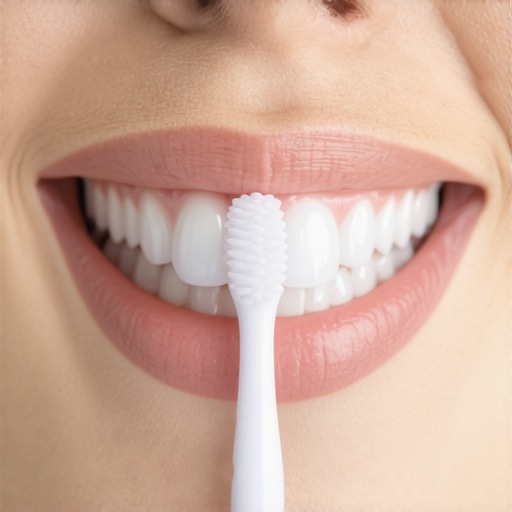
I’ll never forget the cold sweat I felt three years ago when my hygienist, Sarah, leaned over and asked, “Are you actually brushing your back molars, or just waving the wand at them?” I was mortified. At the time, I had just dropped a small fortune on the latest sonic-powered, Bluetooth-connected electric toothbrush. I figured I was the king of oral hygiene. But the truth was written in my red, inflamed gums. I was relying on a motor to do the work that my hand and brain should have been coordinating together. It was a classic case of having all the gear but no idea. That moment changed how I look at my morning routine forever. I realized that a fancy gadget is often just a crutch for poor technique, especially when it comes to the right way to use a manual toothbrush for better plaque removal. Since then, I’ve gone back to basics more often than not, and my checkups have never been better. My mistake was thinking more vibration equals better cleaning; I ended up with gum recession before I finally listened to the pros.
Stop Blaming Your Tools for Plaque Buildup
We’ve been conditioned to think that if it doesn’t have a battery, it’s obsolete. But let’s be real: people have had healthy teeth for centuries without a charging dock. The problem isn’t the manual brush; it’s the way we “scrub” like we’re cleaning a grout line in the shower. I used to do exactly that, pressing down hard and moving in giant, horizontal swipes. All I did was wear down my enamel and irritate my gum line. If you are maintaining your dental crowns, that kind of aggression can actually cause structural issues over time. Today, I’m going to show you how to master the manual brush so you can stop feeling guilty about not owning a robot for your mouth. We’re going to fix your angle, lighten your pressure, and finally get those hidden spots that the fancy vibrating ones often skip over. Have you ever felt like your teeth were still “fuzzy” even after a long brushing session?
Are Manual Brushes Really Just for Emergencies?
I get this question all the time from neighbors who see my “old school” brush in the travel kit. There’s a massive misconception that manual brushing is a “lesser” form of care. However, a study published in the Journal of Clinical Periodontology found that while electric brushes can be more effective for some, the difference often disappears when users are trained in proper manual techniques. It’s about the “operator,” not the engine. I learned the hard way that why soft-bristled brushes are the only ones that should touch your gums is far more important than how many oscillations per minute your brush claims to have. My early mistake was choosing “medium” bristles thinking they’d scrub better—it was like using sandpaper on silk. [image]
The Secret Is in the 45-Degree Angle
When I finally sat down and looked at teeth cleaning secrets from the pros, the 45-degree angle was the “aha!” moment. Most of us brush flat against the tooth. But the plaque isn’t just on the flat surface; it’s tucked under the gum line. By tilting that manual brush toward the gums, you’re actually cleaning where it matters. It takes more focus, sure, but the results are visceral. You can feel the smoothness with your tongue immediately. Before we dive into the specific circular motions that will save your smile, I want you to look at your current brush—are the bristles flared out like a dandelion? If so, you’re already pushing too hard.
Trade the Scrubbing for the Wiggle
The biggest hurdle I faced when ditching my electric brush was the urge to “work” too hard. We often think more movement equals more clean, but it’s actually the opposite. Think of your gum line like a delicate seal on a window; if you scrub it with a stiff brush, you break the seal. Instead, you want to wiggle the bristles into that gap. When I first tried this, I felt like I wasn’t doing enough because I was so used to the roar of a motor. However, after two weeks, my gums stopped bleeding entirely. Making an oral health routine strengthening your smile every day is about finesse, not force.
Find the 45-Degree Sweet Spot
Hold your brush at an angle where the bristles are pointing toward your gums. You aren’t just cleaning the white part of the tooth; you are aiming for the “pocket” where the tooth meets the flesh. This is where the impact of regular teeth cleaning on overall oral wellness really starts. Use tiny, vibratory circles—about the size of a single tooth. If you’re moving the brush across three teeth at once, you’re likely missing the crevices where bacteria hide.
Treat Your Crowns Like Fine China
If you have restorative work, you have to be even more surgical. When I got my first porcelain cap, I was terrified of knocking it loose. While modern restorations are incredibly strong, caring for crowns essential tips for longevity and shine involve avoiding that horizontal “sawing” motion that can irritate the margin. Use the same gentle circle around the base of the crown to keep the surrounding gum healthy and prevent recession that could expose the edge of the restoration. 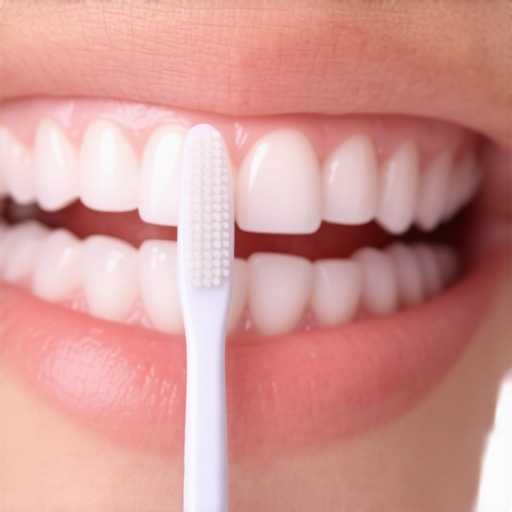
Follow a Map So You Don’t Get Lost
I used to start at the front, get distracted by a text or the TV, and realize I’d spent two minutes on my incisors and zero on my back molars. Now, I follow a strict quadrant system. Start on the upper right, outside surfaces first, then inside, then the chewing surfaces. Move to the upper left and repeat. This is especially helpful when teaching kids, as family dentistry focus building a lifetime of healthy smiles often relies on building these repeatable habits early. I remember one Tuesday morning I was in such a rush I only did the bottom row; by lunchtime, my top teeth felt “fuzzy” and I could literally feel the plaque accumulation. It was a gross reminder that consistency beats intensity every time.
Use a Light Touch to Save Your Enamel
Imagine you are brushing a ripe peach without wanting to break the skin. That is the level of pressure you need. If you find your bristles are bending and splaying out, you’re pressing too hard. This is a common issue when people transition from the “heavy” feel of an electric unit. Even why we use different tools for childrens dental cleanings comes down to the fact that different mouths need different levels of delicate touch. Your manual brush should glide, not grind. If you have older restorations, knowing the truth about how long a porcelain crown actually lasts before replacement often comes down to how much wear and tear you put on it with aggressive daily brushing.
But even if you have the perfect technique, there is a hidden clock that most people ignore, and it is arguably more dangerous than using the wrong brush.
Don’t Brush Right After That Morning Orange Juice
We have all been told that brushing after every meal is the gold standard. However, if you have just finished a salad with vinaigrette or a glass of sparkling water, grabbing your brush immediately is a huge mistake. Acid softens the enamel. When you brush right away, you are literally scrubbing your tooth structure down the drain. This is why you should never brush your teeth immediately after eating citrus fruits or other acidic treats. I once met a marathon runner who brushed after every energy gel during his training; by the time he saw a dentist, his enamel was so thin it was translucent. The American Dental Association (ADA) recommends waiting at least 60 minutes to let your saliva remineralize the surface and harden the enamel back up. Have you ever fallen into this trap of over-cleaning? Let me know in the comments.
Why does my gum line keep receding even though I’m being gentle?
This is the question that keeps many of my readers up at night. If you have switched to a soft brush and fixed your angle, yet you still see those roots creeping out, you might be a victim of nocturnal interference. Teeth grinding, or bruxism, often mimics the look of brushing too hard. When you clench, the teeth flex slightly at the gum line, causing micro-fractures in the enamel that look like recession. This is where expert advice on crowns and teeth cleaning for lasting results becomes vital—it is not always about how you clean; it is about the mechanical stress you put on the system while you sleep. 
Spot the Warning Signs Before Your Crown Fails
Another nuance often missed in family dentistry focus building a lifetime of healthy smiles is the leak factor. We often treat crowns like they are invincible shields. But even the best-fitting restoration has a margin where the porcelain meets the tooth. Over time, the cement can wash out. If you do not know how to tell if your dental crown has a small leak, you might be harboring a colony of bacteria right under that expensive cap. Most people think pain is the first sign of trouble, but by the time a crowned tooth hurts, you are often looking at a root canal. Consistency in your checkups is the only way to catch these microscopic failures before they become emergencies.
Stop Chasing the Squeaky Clean Feeling
When it comes to oral health tips every family should follow in 2025, the focus has shifted from scrubbing away stains to balancing the oral microbiome. We used to think of the mouth as a sterile environment we needed to bleach into submission. Now we know it is a complex ecosystem. If you are too aggressive with your cleaning, you kill the beneficial bacteria that actually protect you from decay. The oops factor here is relying on harsh chemicals or abrasive pastes to get that squeaky feeling, which actually leaves your teeth more vulnerable. Knowing the most common reason dental crowns fall out—which is often decay at the base—can save you thousands in the long run if you prioritize gentle, frequent care over aggressive, occasional scrubbing.
Why I Swapped My String Floss for Micro-Brushes
For years, I fought with traditional string floss like I was trying to win a tug-of-war. I’d snap it between my molars, slice my gums, and end up with a bloody sink. It wasn’t until I discovered interdental brushes—specifically the GUM Proxabrush line—that I realized how much plaque I was leaving behind. I use these because they can physically scrub the concave sides of your teeth where floss simply pulls straight across. This is a game-changer for anyone maintaining your dental crowns, as these tiny brushes can reach into the ’embrasures’—the triangular spaces between teeth—far more effectively than a piece of waxed string. If you have a bridge, these are not optional; you need to master the best way to clean plaque from under a dental bridge to ensure the supporting teeth don’t fail from hidden decay.
How do I keep my dental work looking brand new for decades?
The secret isn’t just in the cleaning; it’s in the materials and the way you manage force. I used to think all crowns were the same until I learned about Zirconia. According to technical bulletins from Glidewell Laboratories, the industry leader in dental ceramics, monolithic Zirconia restorations like the BruxZir line boast a flexural strength exceeding 1,000 MPa. This is why many professionals now recommend zirconia for patients who grind their teeth. If you are looking for expert advice on crowns and teeth cleaning for lasting results, you have to consider the ‘wear and tear’ of your bite. I personally wear a custom night guard every single night. It’s not glamorous, but it’s the only way to prevent my natural teeth from grinding my expensive crowns into dust while I dream. It is part of a necessary oral health routine strengthening your smile every day.
Another tool I swear by is an alcohol-free mouthwash containing xylitol. I switched because alcohol-based rinses were drying out my mouth, which actually leads to more bacteria and worse breath. Understanding the benefit of using an alcohol-free mouthwash for dry mouth changed how my mouth felt by mid-afternoon. When your mouth stays hydrated, your saliva can do its natural job of neutralizing acids and protecting your enamel from those teeth cleaning secrets the pros keep under wraps.
The Future of Your Smile is Smarter Than You Think
Looking ahead, I predict that oral health tips every family should follow in 2025 will center around ‘smart’ diagnostics. We are already seeing toothbrushes that use AI to map your mouth in real-time, but the real jump will be in bioactive materials. We are moving toward crowns and fillings that actually release minerals back into the tooth structure when they detect acid. This shift will make family dentistry focus building a lifetime of healthy smiles much easier because the materials themselves will help fight the decay we occasionally miss with our manual tools. My challenge for you tonight: swap your standard floss for an interdental brush on just your back molars and see how much more ‘junk’ it pulls out. You might be surprised at what you’ve been missing.
The Hardest Lessons I Learned About Mastering My Manual Brush
I spent years thinking that more pressure meant a cleaner mouth, but I was actually just speeding up the need for expert advice on crowns and teeth cleaning for lasting results. My biggest lightbulb moment was realizing that plaque isn’t cemented on; it’s soft and sticky, meaning a gentle wiggle is far more effective than a violent scrub. I also learned that maintaining your dental crowns isn’t just about the crown itself, but the health of the tissue supporting it. If I could go back, I’d tell my younger self to stop ‘sawing’ back and forth and start treating every tooth like a delicate work of art. Finally, never underestimate the power of saliva; it’s your body’s natural defense, and giving it time to work after meals is a total game-changer for your oral health routine strengthening your smile every day.
The Toolkit That Keeps My Smile Resilient
I’ve tested dozens of gadgets, but my daily routine has distilled down to a few high-value items I trust implicitly. First, an ultra-soft manual toothbrush is non-negotiable—I prefer ones with a high bristle count to ensure maximum surface contact without irritation. Second, I rely on interdental brushes to clean the gaps where my crowns meet natural teeth; they provide much better feedback than string floss. I also suggest checking out oral health tips every family should follow in 2025 to see why bioactive pastes are becoming the new gold standard. Lastly, if you are a night-grinder like me, please ask about a custom occlusal guard. It’s why I recommend zirconia for patients who grind their teeth, as the material is tough, but the guard protects the rest of your bite.
Your Journey to a Stronger Smile Starts Tonight
Taking control of your dental health doesn’t require a degree or a thousand-dollar gadget. It requires a shift in mindset from cleaning to caring. When you slow down and focus on the 45-degree angle and the gentle circles we discussed, you aren’t just preventing cavities; you are investing in your long-term confidence. Every night is a new opportunity to refine your technique and teach your children that family dentistry focus building a lifetime of healthy smiles starts at the bathroom sink. Your oral health is a reflection of your daily habits, and with these manual techniques, you’re now equipped to make it shine. Have you ever tried an interdental brush instead of floss, and did it change how clean your teeth felt? Let me know your thoughts in the comments below!