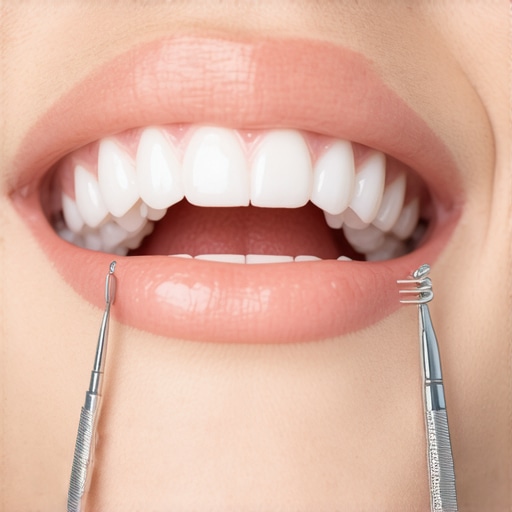
I used to think that bleeding gums were just a sign that I was ‘really getting in there’ with my floss. Boy, was I wrong. I sat in that dentist chair three years ago, heart hammering against my ribs, as my hygienist started calling out numbers like ‘five’ and ‘six.’ I had no idea those numbers meant my gums were literally pulling away from my teeth. I felt embarrassed, scared, and honestly, a bit skeptical. If your dentist just told you that a ‘prophy’ won’t cut it and you need a full-blown scaling and root planing, you’re likely feeling that same knot in your stomach. I promise you, it’s not as bad as the horror stories on the internet make it out to be. Today, I’m pulling back the curtain on the whole process so you can walk into that office feeling like the smartest person in the room.
What Actually Happens When They Go Under the Gums
The biggest mistake I made was thinking a deep cleaning was just a longer version of a regular polish. It isn’t. While a standard cleaning focuses on the stuff above the gumline, a deep cleaning is about the ‘basement’ of your teeth. The hygienist uses specialized tools—sometimes that high-pitched water tool—to get rid of the tartar that’s been camping out on your roots for months or years. I remember being surprised that they did my mouth in sections; they usually numb one side at a time because they really need to be thorough. You might notice your teeth feel slightly loose during the process, which is totally normal but definitely a weird sensation the first time you feel it. Have you ever felt that sudden panic when your dentist suggests a procedure you weren’t expecting?
Is this just an expensive dental upsell?
I’ll be honest: I asked myself this. But the reality is that ignoring these deep pockets leads to bone loss, and once that bone is gone, it doesn’t come back. According to the American Academy of Periodontology, nearly half of American adults over 30 have some form of periodontal disease, making it way more common than we realize. This isn’t just about a pretty smile; it’s about making sure your teeth actually stay in your head for the long haul. I learned the hard way that skipping this step leads to much more expensive problems, like needing dental bridges or implants later on. It’s better to deal with the minor discomfort now than the major restoration later. Speaking of which, don’t be shocked if your teeth feel sore for a few days afterward; it’s actually a good sign that the healing process is finally kicking in.
Getting the Barnacles Off the Hull
Think of scaling as the heavy-duty phase of the operation. If you’ve ever seen a boat pulled out of the ocean, you’ve seen the hard, calcified barnacles stuck to the bottom. Tartar—or calculus—is exactly like those barnacles. Once it hardens, your toothbrush is essentially trying to scrub off concrete with a feather. During the scaling phase, the hygienist uses hand tools or an ultrasonic scaler to vibrate that debris loose. This is usually when you’ll notice why your mouth feels weirdly smooth after a professional scaling; they are removing layers of buildup that have been there for years.
Smoothing the Roots to Stop New Bacteria
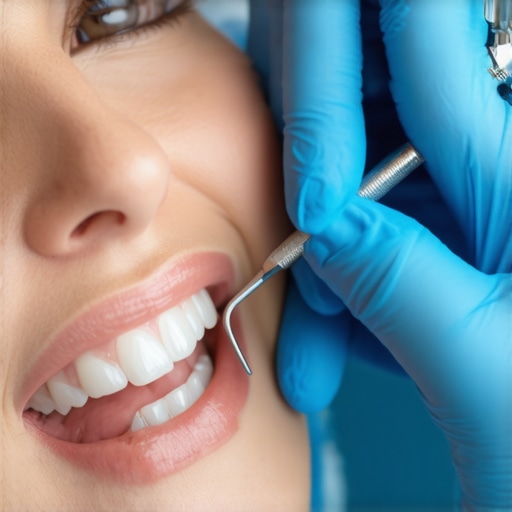
The “planing” part is where the real magic happens. Once the tartar is gone, the root surface of your tooth is often rough and pitted. Bacteria love rough surfaces—it’s like a five-star hotel for them to multiply. The hygienist carefully smooths out those rough spots, essentially “sanding” the root so the gum tissue has a clean, slick surface to grab onto. This reattachment is the holy grail of periodontal therapy. I remember my hygienist explaining it like trying to tape a piece of paper to a sandy wall versus a glass window; the glass is going to hold much better.
Why Your Face Might Feel Stiff Afterward
I learned a hard lesson during my second quadrant appointment. I was so nervous about the “scraping” sounds that I clenched my jaw for forty-five minutes straight. By the time I left, I could barely open my mouth to take a sip of water. I realized later that why your jaw feels sore after a long dental appointment is often just as much about muscle tension as it is about the actual cleaning. Pro-tip: focus on your breathing and keep your shoulders down; it makes a massive difference in your recovery time.
What to Do When the Numbing Wears Off
The first few hours after the procedure are critical. You’ll likely feel a bit tender, and you might experience why your teeth feel temporarily sensitive right after a professional cleaning, especially to cold drinks. This is because the “blanket” of tartar that was covering your roots is gone, exposing the tooth to the elements for the first time in a while. To manage the initial “zing,” I found that the salt water trick that calms gum inflammation in minutes is an absolute lifesaver. It’s cheap, effective, and keeps the area clean without harsh chemicals.
Baby Your Gums for a Week
For at least seven days, you need to treat your gums like a healing wound—because they are. This isn’t the time for your firmest toothbrush. I switched to a different brush immediately after my deep cleaning because I learned why soft-bristled brushes are the only ones that should touch your gums during this delicate healing window. Avoid popcorn, seeds, or anything sharp like chips that could poke into those newly cleaned pockets and cause a setback. The goal is to let the gums settle down and tighten around the teeth without any physical irritation.
The biggest trap I see people fall into is thinking that once the ‘deep’ part of the cleaning is over, the battle is won. I’ve seen so many friends treat a scaling and root planing like a one-time surgical fix, but the reality is much more nuanced. In my experience, and as many dental professionals will tell you, a deep cleaning isn’t a cure; it’s a reset button. If you walk out of that office and go right back to your old habits, those pockets will fill with bacteria again before your next birthday. I learned that the hard way when my ‘five’ millimeter pockets started creeping back up because I got lazy after the initial soreness faded.
The Dangerous Myth of the One-And-Done Cure
Most people believe that once the tartar is scraped away, the disease is ‘gone.’ This is fundamentally incorrect. Periodontal disease is a chronic condition, much like diabetes. You don’t ‘cure’ it; you manage it. The goal of that intense session was to provide a clean slate for your oral health routine strengthening your smile every day. I used to think I could just cruise for six months until my next visit, but that’s where the ‘Oops’ factor comes in. If you aren’t changing the environment in your mouth, the bacteria—which are experts at hide-and-seek—will move back into those ‘basement’ areas immediately. This is why following expert advice on crowns and teeth cleaning for lasting results is about more than just brushing; it’s about tactical maintenance.
Why is the Three-Month Maintenance Rule Non-Negotiable?
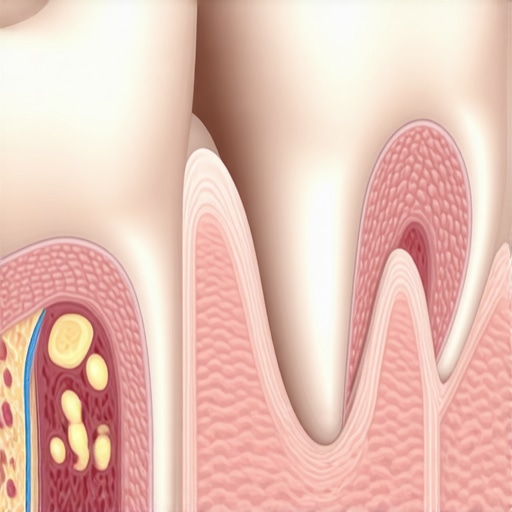
Here is the advanced nuance that usually shocks people: the standard six-month cleaning schedule is often a recipe for failure for someone who has had a deep cleaning. Why? Because of the bacterial life cycle. A landmark study published in the Journal of Periodontology found that the specific pathogenic bacteria responsible for bone loss can repopulate a treated gum pocket in as little as 9 to 11 weeks. If you wait 24 weeks (six months) to see a professional, those bacteria have had three full months to feast on your jawbone undisturbed. This is why the impact of regular teeth cleaning on overall oral wellness is so dependent on the frequency of your visits. Have you ever fallen into this trap? Let me know in the comments.
Stop Using Your Water Flosser Like a Power Washer
Another major mistake I see ‘over-achievers’ make is trying to compensate for years of neglect by turning their water flosser up to the highest setting. I thought I was being thorough, but I was actually causing trauma to the very tissue that was trying to reattach to my teeth. Understanding the common mistake you are making with your water flosser can save you from unnecessary recession. You want to flush the area, not blast it. When you combine the right pressure with teeth cleaning secrets effective home practices for family dental health, you create an oxygen-rich environment that the bad bacteria hate. It’s about being consistent and gentle, rather than aggressive and sporadic. Remember, the goal of this entire journey is to keep your natural teeth for a lifetime, and that requires a shift in how you view every single minute you spend at the sink.
I realized recently that my dentist’s office was essentially a data center for my mouth, but I wasn’t accessing the reports. Once the initial shock of the scaling and root planing wore off, I became obsessed with the data. I started asking my hygienist for my ‘probing depths’ at every visit. If you want to take your oral health routine strengthening your smile every day to a professional level, you need to see those numbers. I keep a small note on my phone with my measurements. Seeing a ‘5’ turn into a ‘3’ over six months is the kind of motivation no toothpaste commercial can provide. It turns a chore into a measurable win for your health.
Demand to See Your Dental Scorecard
Most of us just sit there and take the poking, but those numbers are the only way to know if your home care is actually working. When I started tracking my scores, I realized that my back molars were always the trouble spots. This led me to change my entire approach to family dentistry focus building a lifetime of healthy smiles by involving my kids in the process too. We talk about ‘the numbers’ like they’re sports stats. It sounds nerdy, but it’s the difference between guessing and knowing. If you’ve had restorative work done, this data is even more vital because it tells you exactly where your expert advice on crowns and teeth cleaning for lasting results needs to be applied with more precision.
The Exact Hardware That Kept My Gums From Receding Further
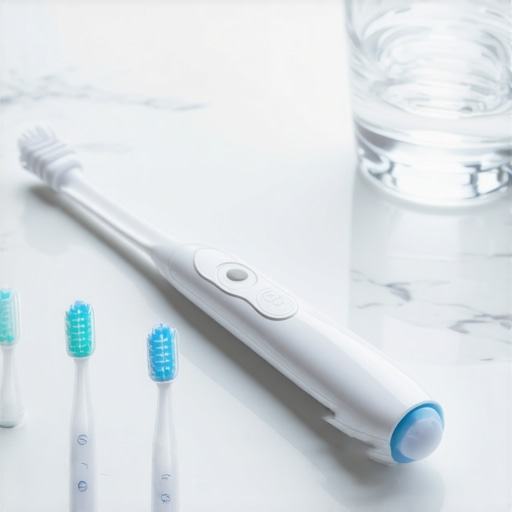
I switched to an electric toothbrush with a pressure sensor—specifically the Oral-B iO series—because I was a chronic ‘scrubber.’ I used to think more pressure meant cleaner teeth, but I was just destroying my gum tissue. I also realized why soft-bristled brushes are the only ones that should touch your gums after my hygienist showed me the micro-abrasions I was causing with a medium brush. Now, I use interdental brushes—those tiny little ‘Christmas tree’ brushes—instead of just string floss. A study published in the Journal of Clinical Periodontology actually found that interdental brushes are significantly more effective at removing plaque than floss in patients with history of periodontitis. I use them every night while watching TV; it’s a game-changer for those hard-to-reach gaps where a standard brush just can’t penetrate.
How do I maintain my dental crowns over time?
If you have crowns, you have a specific vulnerability where the porcelain meets your natural tooth. This ‘margin’ is where bacteria love to hide. I learned that caring for crowns essential tips for longevity and shine involves more than just surface brushing. I use a high-fluoride toothpaste at night specifically to protect that margin from secondary decay. You also have to be careful with your tools; knowing the common mistake you are making with your water flosser is crucial here. If you aim it directly into the gum pocket of a crown at high pressure, you can actually detach the gum tissue. I keep mine on a low setting and angle it at 45 degrees to the tooth, ensuring I’m flushing debris without causing trauma. This level of detail is what keeps a crown lasting twenty years instead of five.
What the Future of Home Dental Care Looks Like
I’m predicting that within the next five years, we’ll all be using at-home saliva diagnostic kits. Companies are already developing strips that can detect specific periodontal pathogens in your spit before they even cause a visible infection. We’re moving away from ‘reactive’ dentistry and toward a ‘predictive’ model. Instead of waiting for a pocket to form, you’ll know your bacterial load is high and adjust your routine. For now, the best ‘high-tech’ move you can make is a simple one: at your next cleaning, ask your hygienist to show you exactly where your ‘bleeding on probing’ sites are. Mark them in your mind. Focus your energy there for the next 90 days. I challenge you to ask for your ‘probing depths’ chart at your next visit—it’s the single best way to take ownership of your results.
I used to think that bleeding gums were just a sign that I was ‘really getting in there’ with my floss. Boy, was I wrong. I sat in that dentist chair three years ago, heart hammering against my ribs, as my hygienist started calling out numbers like ‘five’ and ‘six.’ I had no idea those numbers meant my gums were literally pulling away from my teeth. I felt embarrassed, scared, and honestly, a bit skeptical. If your dentist just told you that a ‘prophy’ won’t cut it and you need a full-blown scaling and root planing, you’re likely feeling that same knot in your stomach. I promise you, it’s not as bad as the horror stories on the internet make it out to be. Today, I’m pulling back the curtain on the whole process so you can walk into that office feeling like the smartest person in the room.
What Actually Happens When They Go Under the Gums
The biggest mistake I made was thinking a deep cleaning was just a longer version of a regular polish. It isn’t. While a standard cleaning focuses on the stuff above the gumline, a deep cleaning is about the ‘basement’ of your teeth. The hygienist uses specialized tools—sometimes that high-pitched water tool—to get rid of the tartar that’s been camping out on your roots for months or years. I remember being surprised that they did my mouth in sections; they usually numb one side at a time because they really need to be thorough. You might notice your teeth feel slightly loose during the process, which is totally normal but definitely a weird sensation the first time you feel it. Have you ever felt that sudden panic when your dentist suggests a procedure you weren’t expecting?
Is this just an expensive dental upsell?
I’ll be honest: I asked myself this. But the reality is that ignoring these deep pockets leads to bone loss, and once that bone is gone, it doesn’t come back. According to the American Academy of Periodontology, nearly half of American adults over 30 have some form of periodontal disease, making it way more common than we realize. This isn’t just about a pretty smile; it’s about making sure your teeth actually stay in your head for the long haul. I learned the hard way that skipping this step leads to much more expensive problems, like needing dental bridges or implants later on. It’s better to deal with the minor discomfort now than the major restoration later. Speaking of which, don’t be shocked if your teeth feel sore for a few days afterward; it’s actually a good sign that the healing process is finally kicking in.
Getting the Barnacles Off the Hull
Think of scaling as the heavy-duty phase of the operation. If you’ve ever seen a boat pulled out of the ocean, you’ve seen the hard, calcified barnacles stuck to the bottom. Tartar—or calculus—is exactly like those barnacles. Once it hardens, your toothbrush is essentially trying to scrub off concrete with a feather. During the scaling phase, the hygienist uses hand tools or an ultrasonic scaler to vibrate that debris loose. This is usually when you’ll notice why your mouth feels weirdly smooth after a professional scaling; they are removing layers of buildup that have been there for years.
Smoothing the Roots to Stop New Bacteria
The “planing” part is where the real magic happens. Once the tartar is gone, the root surface of your tooth is often rough and pitted. Bacteria love rough surfaces—it’s like a five-star hotel for them to multiply. The hygienist carefully smooths out those rough spots, essentially “sanding” the root so the gum tissue has a clean, slick surface to grab onto. This reattachment is the holy grail of periodontal therapy. I remember my hygienist explaining it like trying to tape a piece of paper to a sandy wall versus a glass window; the glass is going to hold much better.
Why Your Face Might Feel Stiff Afterward
I learned a hard lesson during my second quadrant appointment. I was so nervous about the “scraping” sounds that I clenched my jaw for forty-five minutes straight. By the time I left, I could barely open my mouth to take a sip of water. I realized later that why your jaw feels sore after a long dental appointment is often just as much about muscle tension as it is about the actual cleaning. Pro-tip: focus on your breathing and keep your shoulders down; it makes a massive difference in your recovery time.
What to Do When the Numbing Wears Off
The first few hours after the procedure are critical. You’ll likely feel a bit tender, and you might experience why your teeth feel temporarily sensitive right after a professional cleaning, especially to cold drinks. This is because the “blanket” of tartar that was covering your roots is gone, exposing the tooth to the elements for the first time in a while. To manage the initial “zing,” I found that the salt water trick that calms gum inflammation in minutes is an absolute lifesaver. It’s cheap, effective, and keeps the area clean without harsh chemicals.
Baby Your Gums for a Week
For at least seven days, you need to treat your gums like a healing wound—because they are. This isn’t the time for your firmest toothbrush. I switched to a different brush immediately after my deep cleaning because I learned why soft-bristled brushes are the only ones that should touch your gums during this delicate healing window. Avoid popcorn, seeds, or anything sharp like chips that could poke into those newly cleaned pockets and cause a setback. The goal is to let the gums settle down and tighten around the teeth without any physical irritation.
The biggest trap I see people fall into is thinking that once the ‘deep’ part of the cleaning is over, the battle is won. I’ve seen so many friends treat a scaling and root planing like a one-time surgical fix, but the reality is much more nuanced. In my experience, and as many dental professionals will tell you, a deep cleaning isn’t a cure; it’s a reset button. If you walk out of that office and go right back to your old habits, those pockets will fill with bacteria again before your next birthday. I learned that the hard way when my ‘five’ millimeter pockets started creeping back up because I got lazy after the initial soreness faded.
The Dangerous Myth of the One-And-Done Cure
Most people believe that once the tartar is scraped away, the disease is ‘gone.’ This is fundamentally incorrect. Periodontal disease is a chronic condition, much like diabetes. You don’t ‘cure’ it; you manage it. The goal of that intense session was to provide a clean slate for your oral health routine strengthening your smile every day. I used to think I could just cruise for six months until my next visit, but that’s where the ‘Oops’ factor comes in. If you aren’t changing the environment in your mouth, the bacteria—which are experts at hide-and-seek—will move back into those ‘basement’ areas immediately. This is why following expert advice on crowns and teeth cleaning for lasting results is about more than just brushing; it’s about tactical maintenance.
Why is the Three-Month Maintenance Rule Non-Negotiable?
Here is the advanced nuance that usually shocks people: the standard six-month cleaning schedule is often a recipe for failure for someone who has had a deep cleaning. Why? Because of the bacterial life cycle. A landmark study published in the Journal of Periodontology found that the specific pathogenic bacteria responsible for bone loss can repopulate a treated gum pocket in as little as 9 to 11 weeks. If you wait 24 weeks (six months) to see a professional, those bacteria have had three full months to feast on your jawbone undisturbed. This is why the impact of regular teeth cleaning on overall oral wellness is so dependent on the frequency of your visits. Have you ever fallen into this trap? Let me know in the comments.
Stop Using Your Water Flosser Like a Power Washer
Another major mistake I see ‘over-achievers’ make is trying to compensate for years of neglect by turning their water flosser up to the highest setting. I thought I was being thorough, but I was actually causing trauma to the very tissue that was trying to reattach to my teeth. Understanding the common mistake you are making with your water flosser can save you from unnecessary recession. You want to flush the area, not blast it. When you combine the right pressure with teeth cleaning secrets effective home practices for family dental health, you create an oxygen-rich environment that the bad bacteria hate. It’s about being consistent and gentle, rather than aggressive and sporadic. Remember, the goal of this entire journey is to keep your natural teeth for a lifetime, and that requires a shift in how you view every single minute you spend at the sink.
I realized recently that my dentist’s office was essentially a data center for my mouth, but I wasn’t accessing the reports. Once the initial shock of the scaling and root planing wore off, I became obsessed with the data. I started asking my hygienist for my ‘probing depths’ at every visit. If you want to take your oral health routine strengthening your smile every day to a professional level, you need to see those numbers. I keep a small note on my phone with my measurements. Seeing a ‘5’ turn into a ‘3’ over six months is the kind of motivation no toothpaste commercial can provide. It turns a chore into a measurable win for your health.
Demand to See Your Dental Scorecard
Most of us just sit there and take the poking, but those numbers are the only way to know if your home care is actually working. When I started tracking my scores, I realized that my back molars were always the trouble spots. This led me to change my entire approach to family dentistry focus building a lifetime of healthy smiles by involving my kids in the process too. We talk about ‘the numbers’ like they’re sports stats. It sounds nerdy, but it’s the difference between guessing and knowing. If you’ve had restorative work done, this data is even more vital because it tells you exactly where your expert advice on crowns and teeth cleaning for lasting results needs to be applied with more precision.
The Exact Hardware That Kept My Gums From Receding Further
I switched to an electric toothbrush with a pressure sensor—specifically the Oral-B iO series—because I was a chronic ‘scrubber.’ I used to think more pressure meant cleaner teeth, but I was just destroying my gum tissue. I also realized why soft-bristled brushes are the only ones that should touch your gums after my hygienist showed me the micro-abrasions I was causing with a medium brush. Now, I use interdental brushes—those tiny little ‘Christmas tree’ brushes—instead of just string floss. A study published in the Journal of Clinical Periodontology actually found that interdental brushes are significantly more effective at removing plaque than floss in patients with history of periodontitis. I use them every night while watching TV; it’s a game-changer for those hard-to-reach gaps where a standard brush just can’t penetrate.
How do I maintain my dental crowns over time?
If you have crowns, you have a specific vulnerability where the porcelain meets your natural tooth. This ‘margin’ is where bacteria love to hide. I learned that caring for crowns essential tips for longevity and shine involves more than just surface brushing. I use a high-fluoride toothpaste at night specifically to protect that margin from secondary decay. You also have to be careful with your tools; knowing the common mistake you are making with your water flosser is crucial here. If you aim it directly into the gum pocket of a crown at high pressure, you can actually detach the gum tissue. I keep mine on a low setting and angle it at 45 degrees to the tooth, ensuring I’m flushing debris without causing trauma. This level of detail is what keeps a crown lasting twenty years instead of five.
What the Future of Home Dental Care Looks Like
I’m predicting that within the next five years, we’ll all be using at-home saliva diagnostic kits. Companies are already developing strips that can detect specific periodontal pathogens in your spit before they even cause a visible infection. We’re moving away from ‘reactive’ dentistry and toward a ‘predictive’ model. Instead of waiting for a pocket to form, you’ll know your bacterial load is high and adjust your routine. For now, the best ‘high-tech’ move you can make is a simple one: at your next cleaning, ask your hygienist to show you exactly where your ‘bleeding on probing’ sites are. Mark them in your mind. Focus your energy there for the next 90 days. I challenge you to ask for your ‘probing depths’ chart at your next visit—it’s the single best way to take ownership of your results.
Three Hard Truths My Hygienist Taught Me About Gum Health
Reflecting on my journey from “bleeding gums” to “stable health,” I’ve had a few lightbulb moments that changed everything. First, I stopped thinking of plaque as just food debris; it’s an active bacterial colony that dissolves your jawbone if left alone. Second, those “zingers” I felt during the first week post-cleaning weren’t signs of damage, but my nerves finally waking up once the toxic layer of tartar was gone. Third, the most expensive dental procedure is the one you skip—maintenance is always cheaper than restoration. Lastly, I learned that my oral health routine strengthening your smile every day isn’t about being perfect; it’s about being consistent enough that the bacteria never get a chance to build their “concrete barnacles” again.
My Daily Arsenal for Keeping the Deep Cleaning Results
If you want to maintain those “smooth as glass” teeth, you need the right gear. First, I swear by interdental brushes for those tight gaps where caring for crowns essential tips for longevity and shine really matters. Second, I recommend looking into maintaining your dental crowns dos and donts for best results like using a high-quality electric brush with a pressure sensor. Third, I keep a dedicated note in my phone to track my periodontal probing depths—this data is the only way to know if your effort is paying off. I also trust the impact of regular teeth cleaning on overall oral wellness more than any marketing hype.
Take Charge of the Smile You Have Right Now
Walking into that dental office for a deep cleaning can feel like admitting defeat, but it’s actually the bravest thing you can do for your future self. It’s a reset, not a permanent label. By shifting your focus toward a healthy oral health routine, you’re setting an example for everyone in your household that oral wellness is part of overall longevity. Don’t let the fear of “the scrape” stop you from saving your smile. You’ve got the knowledge now—it’s time to use it. Have you ever felt nervous about your probing numbers, or are you ready to ask for your “dental scorecard” at your next visit? Let me know in the comments below!