I’ll never forget the morning I woke up, poured a glass of ice-cold water, and felt a sharp, electric zing shoot straight through my front teeth. For weeks, I had been brushing with that trendy, jet-black charcoal paste I saw all over social media. I wanted that blindingly white, celebrity-level glow, but instead, I was literally scrubbing the life out of my teeth. My quest for a brighter smile was actually causing permanent damage, and I’m here to make sure you don’t make the same mistake I did.
Why those black stains are actually a red flag
We’ve all been there—scrolling through feeds and seeing people with pitch-black mouths promising a whiter smile in five days. It looks cool, it’s “natural,” and it feels like a DIY hack that actually works. But here is the kicker: charcoal is an abrasive. While it might lift some surface stains, it’s often too rough for your enamel. I learned the hard way that once your enamel is gone, it’s gone for good. If you’ve noticed increased sensitivity or your teeth actually looking more yellow (that’s the dentin showing through!), you might be experiencing long-term enamel wear. According to the American Dental Association, there is no evidence that charcoal toothpaste is safe or effective for your teeth, and it can actually increase the risk of decay by wearing down the protective layer. Today, we’re going to peel back the marketing labels. I’m going to show you why this trend is a gamble you don’t need to take and how you can get a truly healthy, bright smile without the grit. Whether you are caring for crowns or just trying to keep your natural teeth healthy, the goal is longevity, not a quick fix.
Is charcoal actually worth the hype?
The short answer? Probably not. I made the mistake of thinking “natural” always meant “safe.” I swapped my regular fluoride paste for a charcoal tub I bought online, ignoring the teeth cleaning secrets my hygienist had been telling me for years. It felt gritty, and I assumed that grit was working. In reality, I was sandpapering my smile. Have you ever tried one of these “miracle” pastes only to find your teeth feeling more sensitive than ever? I’d love to hear if you’ve had a similar “oops” moment in your oral health journey. Instead of reaching for the charcoal, focus on strengthening your smile every day with tools that protect rather than destroy. We need to talk about what actually works for family dentistry and long-term wellness.
Ditch the grit and master the soft touch
Moving away from abrasive charcoal starts with a complete mindset shift. For years, I believed that if I wasn’t scrubbing my teeth like I was scouring a cast-iron skillet, I wasn’t really getting them clean. I remember one Tuesday morning, determined to erase a week’s worth of coffee stains, I brushed so hard my gums actually turned white and receded for a few hours. That was my wake-up call. Your enamel is more like a fine porcelain vase than a kitchen floor; once you scratch it, those scratches actually trap more stains over time. To get that celebrity glow without the damage, you have to prioritize gentle, consistent removal of biofilm rather than aggressive sanding. This is the foundation of a modern oral health routine that lasts.
Pick a brush that respects your enamel
The first actionable step is choosing the right tools. If you are still using a medium or hard-bristled brush, you are essentially using a wire brush on a delicate surface. I switched to a high-quality electric model, but if you prefer the old-school way, you must master the right way to use a manual toothbrush. Think of it like a soft microfiber cloth on a luxury car. You want to angle the bristles toward the gum line and use tiny, circular motions. I found that when I stopped ‘sawing’ back and forth, my sensitivity decreased almost instantly. If you have children, it is even more vital to start them early with the right equipment; I’ve seen many parents struggle with the truth about manual vs electric toothbrushes for kids, but the goal is always the same: plaque removal without trauma. Remember, why soft-bristled brushes are the only ones that should touch your gums is all about preventing that long-term recession that makes teeth look ‘long’ and aged.
Why your hygienist is the secret weapon for brightness
We often look for a solution in a tube, but the truth about whitening toothpastes and whether they actually work is that they mostly handle surface debris. If you want a deep, internal brightness, you need a professional. My own ‘miracle’ moment didn’t come from a black paste; it came from a professional prophy. I sat in that chair and realized what a professional prophy cleaning removes that your toothbrush cant touch—namely, the calcified tartar that acts as a magnet for stains. It’s like getting a professional car detail instead of just running through the rain.  If your enamel is already thin from the charcoal trend, don’t panic. You can still brighten up safely by exploring the safest way to whiten teeth if you have thin enamel under professional supervision.
Protecting the work you have already invested in
If you have already suffered from significant wear or decay, you might be looking at more permanent solutions. For me, years of grinding and aggressive brushing meant I eventually needed help from a professional to restore my bite. This is where how crowns can transform your dental confidence becomes a reality. A crown acts like a protective helmet for a damaged tooth, sealing it away from further abrasive damage while providing a perfectly white, natural-looking surface. If you are going this route, make sure you are caring for crowns with the same gentle philosophy we’ve discussed. You wouldn’t take a charcoal scrub to a brand-new ceramic crown, right? For those with a full house, maintaining family dentistry standards means teaching these ‘safety-first’ whitening habits to everyone at the table.
The squeaky clean feeling is usually a trap
I used to think that the more my teeth “squeaked,” the cleaner they were. But here is the nuance: if your teeth feel that way immediately after a meal, you might have just stripped away a microscopic layer of your own protection. One of the biggest mistakes I see in family dentistry—and one I made for years—is rushing to the sink after a bowl of fruit or a morning latte. You must understand why you should never brush your teeth immediately after eating citrus fruits or acidic snacks. Acids temporarily soften the enamel, and brushing during that window is like using a scrub brush on wet paint. A study published in the British Dental Journal confirms that mechanical wear is significantly higher if you do not wait at least 30 to 60 minutes for your saliva to naturally neutralize those acids and remineralize the surface. 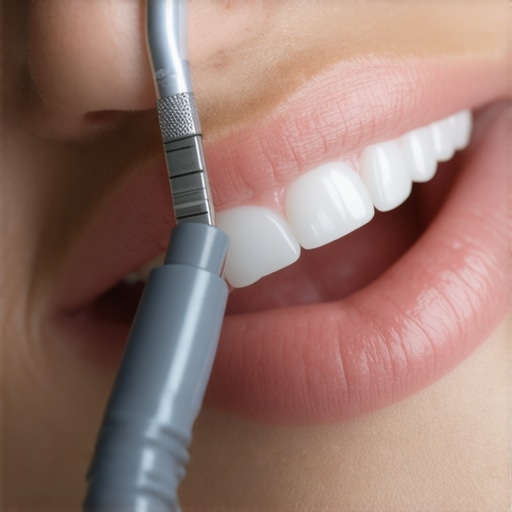
Why your gums still bleed despite daily flossing
It is incredibly frustrating when you do the work but do not see the results. You are flossing every night, yet there is still pink in the sink. This is where the hidden reason your gums still bleed even if you floss every day comes into play. It is often not about the frequency of flossing, but the depth and angle of the technique. If you are just “popping” the string in and out, you are missing the subgingival pocket where anaerobic bacteria thrive. Even worse, the common mistake you are making with your water flosser—usually using a high-pressure setting at a 90-degree angle—can actually push debris further under the gumline instead of flushing it out. Have you ever fallen into this trap where you feel like you are doing everything right but still get a lecture at your checkup? Let me know in the comments.
The hidden risks of aging restorations
Most people believe that once a crown is placed, that tooth is “invincible.” This is perhaps the most dangerous myth in restorative dentistry. While the crown itself cannot decay, the natural tooth structure underneath it is still vulnerable at the margins. If you aren’t careful, you may need to learn how to tell if your dental crown has a small leak before the damage becomes irreversible. A microscopic gap at the gumline can trap bacteria that no toothbrush can reach, leading to a cavity that remains hidden until the crown literally falls off. This is why expert advice on crowns and teeth cleaning for lasting results emphasizes the use of non-abrasive high-fluoride cleansers and specific interdental brushes to protect those vulnerable seams.
Why does my dental crown feel like it has a click when you bite?
If you have invested in a smile makeover, a new sensation can be terrifying. A “clicking” or “ticking” sound when you chew isn’t always a sign of a loose tooth; it could be a sign of micro-movement due to a high spot in your occlusion. Understanding why your dental crown feels like it has a click when you bite is essential because even a fraction of a millimeter of misalignment can cause the cement to fatigue over time. This micro-flexing eventually breaks the seal, leading to sensitivity or total failure of the restoration. Instead of waiting for it to break, seek a bite adjustment to ensure your oral health routine is supported by a balanced, functional bite. Remember, a crown is a precision tool, not just a cosmetic cover-up.Stop guessing and start measuring your pressure. My biggest personal breakthrough came when I finally invested in a high-end electric brush with a haptic pressure sensor. I used to think I was being “gentle,” but the bright red warning light on my brush told a completely different story for the first three days of use. It forced me to lighten my touch, which saved my receding gum line from further trauma. According to a landmark study in the Journal of Clinical Periodontology, individuals using electric toothbrushes saw 21% less plaque and 11% less gingivitis compared to those using manual brushes over an eleven-year period. This is a massive win when you’re trying to implement oral health tips every family should follow in 2025. I also integrated a water flosser into my nightly routine, but I had to fix the common mistake you are making with your water flosser by stopping the habit of aiming it directly into the gum pockets at full power. It’s about flushing the debris from the surface, not pressure-washing your delicate soft tissue.
How do I maintain my dental restorations over time?
The key to longevity isn’t a secret—it’s about managing the microscopic environment around the tooth. I started using interproximal brushes—those tiny, specialized tools designed to fit into the gaps where traditional floss often misses or shreds. These are essential for sweeping the margins of your dental work where bacteria love to hide. Following the maintaining your dental crowns dos and donts for best results list, I also committed to a custom-fit night guard. If you have any history of clenching when stressed, even the most expensive crown can eventually fracture under the sheer force of a midnight grind. 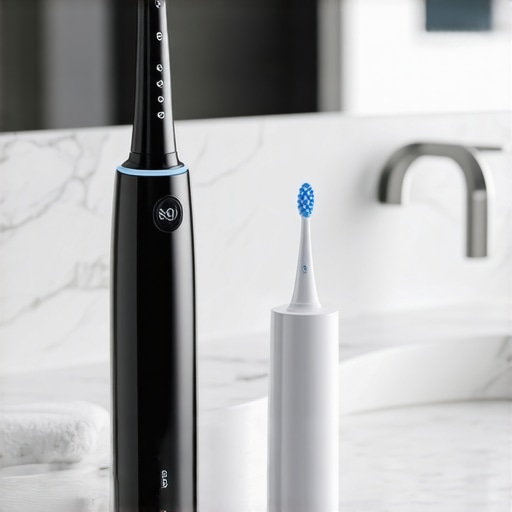
The shift toward bio-integrated dental tech
I predict that in the next decade, we will move away from static ceramic materials toward truly bio-integrated solutions. We are already seeing the benefits of choosing zirconia crowns for back molars because of their incredible durability and biocompatibility, but the real future lies in “smart” restorations. Imagine a crown that can detect changes in acidity or bacterial load and alert your phone before a cavity even forms. For now, the best path is adhering to expert advice on crowns and teeth cleaning for lasting results. Scaling these habits for the whole family means making it a shared routine; in our house, we use a color-coded system for our brush heads which is a key part of our family dentistry focus building a lifetime of healthy smiles. If you want to see an immediate difference in your gum health, I challenge you to do one thing tonight: ditch the “scrub” and let the electric motor do 100% of the work.
The three expensive mistakes I’ll never repeat
I spent years thinking that more pressure meant more cleanliness, but I was just speeding up my trip to the dental chair. Here is what I finally realized after repairing the damage:
- Sensitivity is your body’s alarm system: That electric zing from cold water wasn’t a quirk; it was my nerves telling me the enamel was too thin. If you ignore it, you’re on the fast track to needing restorative work.
- Natural doesn’t mean Nurturing: Charcoal and baking soda might come from the earth, but so does sandpaper. True oral health routine strengthening requires pH balance, not abrasion.
- The long game always wins: A professional cleaning is more effective than ten days of aggressive scrubbing. I had to learn that the impact of regular teeth cleaning on overall oral wellness goes far beyond just a bright smile.
The daily essentials that actually saved my smile
If you want to move away from the charcoal hype and toward real results, these are the tools I personally rely on every morning and night to protect my investment:
- A pressure-sensing electric brush: It’s the only way to ensure you aren’t over-brushing. This is one of those teeth cleaning secrets that sounds simple but changes everything for your gum health.
- Interproximal brushes: These are game-changers for anyone with restorations. I use them religiously to follow the maintaining your dental crowns dos and donts for best results.
- Fluoride-rich, non-abrasive paste: I stopped looking for whitening on the label and started looking for enamel repair. Protecting what you have is much cheaper than replacing it.
#IMAGE_PLACEHOLDER_E#
Your path to a lifetime of healthy confidence
Taking care of your teeth isn’t about achieving a filtered, social-media-perfect glow; it’s about functionality, comfort, and longevity. Whether you are currently trying to reverse enamel wear or you are managing a full set of restorations, remember that your habits today dictate your smile a decade from now. Understanding the truth about how long a porcelain crown actually lasts before replacement has taught me that the better I treat my dental work now, the less I have to worry later. Don’t be afraid to take that first step toward a gentler, more effective oral health routine. You deserve a smile that feels as good as it looks.
Have you ever tried a viral dental trend like charcoal or lemon juice only to regret it later? I’d love to hear your experiences in the comments below!