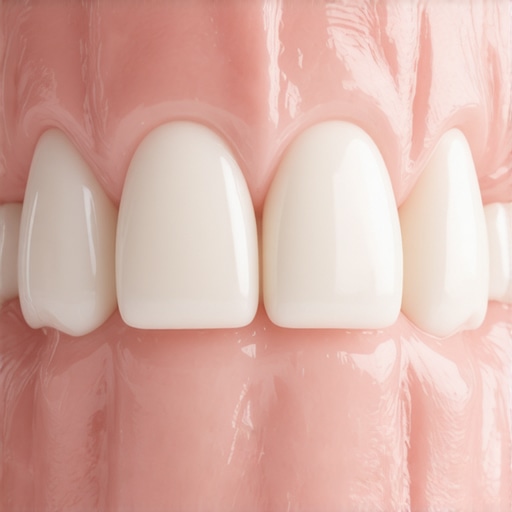
I’ll never forget the morning I caught my reflection in the harsh LED light of my bathroom mirror and realized something was off. My front teeth, once the proud, rectangular focal points of my smile, looked stubby. They were shorter. Shaved down. For a second, I thought I was just tired, but looking at a picture from my sister’s wedding five years ago confirmed the scary truth: my smile was literally disappearing. I’d spent years thinking I had a solid oral health routine, but I completely missed the silent thief of enamel attrition. Today, I want to share exactly why this is happening to you and, more importantly, how we can stop the clock before you’re left with nothing but nubs.
Stop Blaming Your Birthday for Your Worn Down Teeth
I made a massive mistake early on by assuming this was just a natural, unavoidable part of the aging process. I told myself that knees creak, hair thins, and teeth get shorter. That’s a dangerous lie. While microscopic wear is expected over decades, visible shortening is usually the result of mechanical or chemical warfare happening inside your mouth while you sleep or eat. For me, the culprit was a nasty mix of high-stress deadlines and a serious addiction to sparkling water. I was grinding my teeth into dust at night and softening the enamel with acid during the day. I really wish I’d realized sooner that a simple night guard can save you thousands in restorative costs later. Instead, I waited until the edges of my incisors were jagged and almost transparent. Have you noticed your own teeth looking flatter or maybe a bit more yellow at the edges lately?
Is it actually possible to get that length back?
You might be sitting there thinking that once the enamel is ground away, it’s gone forever. You aren’t wrong about the enamel not growing back, but you are wrong if you think you’re stuck with a ‘short’ smile. Modern dentistry has some incredible workarounds. Sometimes the solution is as simple as learning how to fix a small chip with bonding, while other times, we have to look at why ceramic crowns are the best choice for front teeth that have lost significant height. According to the American Dental Association, pathological tooth wear is often accelerated by bruxism, which affects nearly 15% of adults and often goes undiagnosed until the damage is visible. This isn’t just about vanity; it’s about protecting the structural integrity of your bite. If we don’t address the ‘why’ behind the wear, even the best dental work won’t last. Let’s dive into the specific habits that are eating your smile and how to flip the switch.
Stop the Mechanical Grinding in its Tracks
To fix a disappearing smile, we first have to address the friction. Think of your teeth like the brake pads on a car; they are designed for occasional use, not constant pressure. If you are a nighttime clencher, you are essentially driving with the emergency brake on every single night. I remember my first attempt at a DIY night guard from the pharmacy. It was bulky, ill-fitting, and I woke up with a jaw that felt like it had been in a vice. It actually made me grind harder because my brain wanted to ‘bite’ the obstruction. Switching to a custom-fitted guard was like trading a pair of wooden clogs for silk slippers. It’s the single most effective way to how to stop grinding your teeth while you sleep and prevent those front teeth from getting any shorter. This is about physical protection—creating a sacrificial layer of plastic so your enamel doesn’t have to take the hit.
Ditch the Abrasive Habits
It’s not just grinding that thins your enamel; sometimes we are literally scrubbing it away. I used to think that a ‘deep clean’ meant using the stiffest brush I could find and charcoal toothpaste. I was wrong. The the truth about charcoal toothpaste and why it might be ruining your enamel is that it’s often too abrasive for daily use, acting like sandpaper on your already thinning teeth. You should also listen when your dentist wants you to stop using hard bristles and switch to a soft-bristled electric brush to protect what’s left.
The Hidden Acid Bath in Your Daily Routine
Chemical erosion is the second half of the battle. When I was at my worst, I was sipping lemon water all day thinking I was being ‘healthy,’ but I was actually softening my teeth. Enamel becomes porous when exposed to acid, and if you brush immediately after that salad or sparkling water, you are brushing away your tooth structure while it’s in its most vulnerable state. This is why you should never brush your teeth immediately after eating citrus or acidic drinks. Instead, rinse with plain water and wait at least thirty minutes for your saliva to re-mineralize the surface. It sounds like a small change, but it’s the difference between preserving your enamel and watching it dissolve.
When Bonding Just Isnt Enough
Once the wear has moved past the enamel and into the yellowish dentin layer, simple patches won’t cut it. For years, I tried to ignore the jagged edges, but the sensitivity eventually became unbearable. If the damage is extensive, how a dental crown can restore your bite alignment becomes the main focus. Unlike a small filling, a crown acts as a new helmet for the tooth, providing the vertical height you’ve lost. For the front of the mouth, why ceramic crowns are the best choice for your front teeth comes down to how they mimic light. They don’t just look better; they function as a structural reboot. Once these are in place, caring for crowns with non-abrasive cleaners ensures that your new smile lasts for decades rather than months.
Why a Standard Cleaning Won’t Save You if You’re Already Losing Bone
Most people assume that as long as they show up for a checkup twice a year, they are doing everything right. But here is the contrarian truth: for many adults, a standard ‘prophy’ cleaning is like bringing a garden hose to a forest fire. If you have significant enamel attrition or early-stage recession, you need to understand the difference between a standard cleaning and a gum therapy session. I used to think my hygienist was just being thorough, but what a professional prophy cleaning removes that your toothbrush can’t touch is the calcified biofilm that acts as a wedge, slowly pushing your gums away from your teeth. According to a study published in the Journal of Periodontology, nearly 47% of adults over 30 have some form of periodontal disease, many of whom are diligent brushers. This is the ‘hidden nuance’ of strengthening your smile every day; it’s not just about the brush, it’s about the professional intervention that keeps the foundation of your teeth stable.
The Dangerous Trap of the ‘Forever Crown’
I’ve seen so many people—myself included at one point—treat a dental crown like a permanent suit of armor. We think once the ceramic is on, the tooth is ‘saved’ forever. That is a dangerous mistake. The ‘Oops’ factor here is ignoring the margin. The tiny line where the crown meets your natural gum is the most vulnerable point in your entire mouth. If you aren’t maintaining your dental crowns with the right techniques, bacteria can seep underneath, causing a cavity that you won’t even feel until the whole structure fails. I once ignored a slight ‘clicking’ sensation when I chewed, thinking it was just the crown settling. It turns out, that was a major red flag. If you ever wonder why your dental crown feels like it has a click when you bite, it’s often a sign that the cement has failed, and you’re one sticky piece of candy away from an emergency. 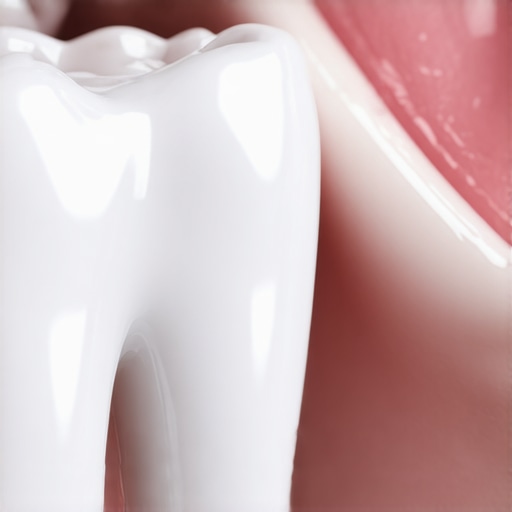
How do you know if your dental crown has a microscopic leak?
It’s a question that keeps a lot of dental patients up at night, especially after spending money on a high-end restoration. You won’t see it in the mirror. Instead, look for a sudden, sharp sensitivity to cold or a lingering ‘sour’ taste near that specific tooth. Learning how to tell if your dental crown has a small leak can save you from a root canal later. Furthermore, for those of us with older restorations, be aware that why your old silver fillings might be causing micro-cracks is due to the way metal expands and contracts differently than your tooth structure. Transitioning to modern materials isn’t just about aesthetics; it’s about structural survival. For your back teeth, the benefits of choosing zirconia crowns for back molars are unmatched because they handle the heavy lifting of chewing without the risk of fracturing the natural tooth underneath. Have you ever fallen into the trap of thinking a dental fix was ‘permanent’ and stopped being as diligent with your care? Let me know in the comments.
The High-Tech Gear That Saved My Restored Smile
Transitioning from a ‘repair’ phase to a ‘maintenance’ phase was the hardest part of my journey. Once I had my new crowns, I realized that my old habits had to die permanently. I swapped my manual brush for an ultrasonic model because I needed the precision to reach those vulnerable margins. I personally use a model with a built-in pressure sensor—not because it’s fancy, but because it forces me to stop scrubbing. If you’ve been told your dentist wants you to stop using hard bristles, an electric brush with a ‘sensitive’ mode is non-negotiable. I also added a water flosser to my nightly ritual. It’s the only way I’ve found to effectively manage cleaning plaque from under a dental bridge or around the base of a crown without shredding traditional floss or hurting my gums. These tools don’t just clean; they provide a repeatable system that removes human error from the equation.
How do I keep these crowns looking brand new for decades?
The secret isn’t just in the brushing; it’s in the specialized tools for ‘tight spots.’ I started using interdental brushes—those tiny little Christmas-tree-looking things—to get between my back molars where my water flosser sometimes misses. This is vital for maintaining your dental crowns because the back teeth take the most pressure and trap the most debris. Dr. Pascal Magne, a pioneer in biomimetic dentistry, emphasizes that the goal of modern restoration is to mimic the physical properties and the function of natural teeth. To do that, your home care has to be as precise as the dental work itself. I also swear by a high-quality, alcohol-free mouthwash. If you struggle with a dry mouth, the benefit of using an alcohol-free mouthwash is that it won’t strip away the saliva you need to neutralize acids, which is a common cause of early crown failure. 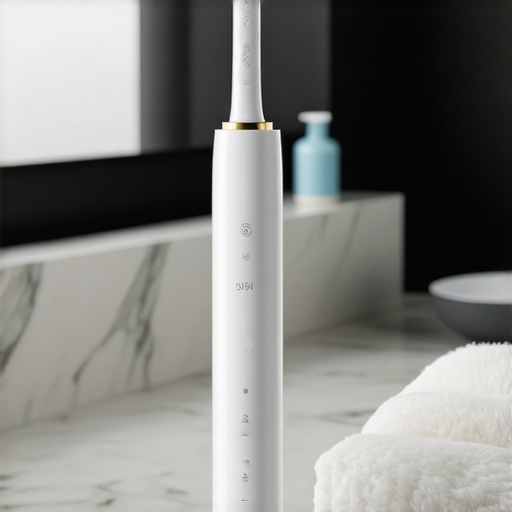
The Future of At-Home Enamel Protection
I’m calling it now: the next five years will change how we view family dentistry. We are moving away from reactive ‘drill and fill’ methods toward predictive care. I expect to see smart toothbrushes that can actually analyze the pH level of your saliva in real-time, alerting you via your phone when your enamel is at risk of acid erosion. This kind of tech will make oral health tips for 2025 focus more on data and less on guesswork. We’re already seeing the rise of hydroxyapatite toothpastes that aim to ‘refill’ microscopic enamel gaps before they become cavities. For my family, we’ve already started the shift toward effective home practices that prioritize mineral density over just ‘whiteness.’
Don’t Ignore the Foundation While Polishing the Windows
It’s easy to obsess over the crowns and the front teeth, but the impact of regular teeth cleaning on your foundation cannot be overstated. If the bone and gums aren’t healthy, even a $2,000 crown is built on sand. This is why expert advice on crowns always includes a strict professional cleaning schedule. I’ve seen what happens when people skip these—they end up wondering why their crown feels loose only to find out they’ve lost bone height. My advanced tip for you this week: Try using an interdental brush dipped in a tiny bit of non-abrasive gel once a day. It’s a game-changer for gum health that most people ignore.
The Most Expensive Mistake I Made Before Saving My Smile
I used to think that saving money meant skipping the dentist until something actually hurt. That was a massive error in judgment. The biggest lightbulb moment for me was realizing that understanding the role of crowns in modern smile makeovers isn’t just for the wealthy—it’s for anyone who wants to be able to chew properly at age 70. I also learned that minor sensitivity is actually a scream for help; by the time I felt a physical click in my bite, the structural damage was already deep. Finally, I discovered that seeing how crowns can transform your dental confidence is about more than just a vanity project; it is about the mental relief of no longer hiding your mouth when you laugh or speak in a meeting.
My Daily Arsenal for Enamel Protection
If you want to keep your natural teeth for life, you need a system that works even when you are exhausted. First, I swear by a custom-molded night guard; it is the only effective way to how to stop grinding your teeth while you sleep without waking up with a sore jaw. Second, I have moved toward oral health tips for 2025 that prioritize remineralization over aggressive scrubbing. Third, I highly recommend finding a provider with a strong family dentistry focus because they tend to treat your mouth as a lifelong project rather than a series of one-off, expensive repairs. These tools together create a safety net for your enamel.
Take Back Your Smile Before It Disappears
You do not have to settle for stubby teeth or a bite that feels misaligned. Whether you just need a simple behavioral adjustment or you are seeking expert advice on crowns and cleaning to fix past damage, the best time to intervene is today. Your oral health is the primary gateway to your overall physical well-being, and every small change you implement now adds years of function to your enamel. Don’t wait until the reflection in the mirror catches you off guard—take charge of your smile’s future right now. Have you noticed your teeth getting shorter or looking more transparent at the edges lately? Let me know your experience in the comments below.