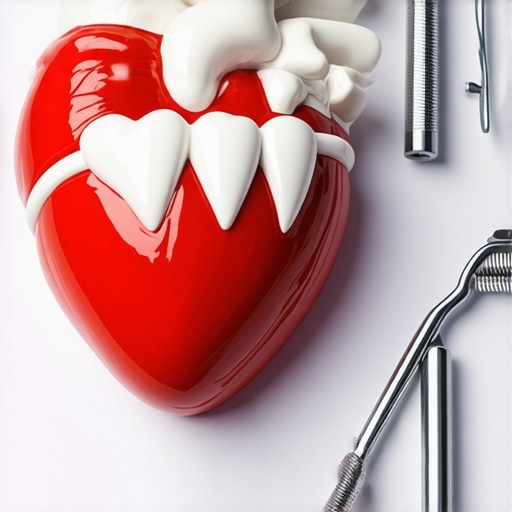
I remember sitting in a cold, sterile exam room two years ago, clutching my chest and wondering why my heart felt like it was doing a frantic tap-dance. I was fit, I ate my greens, and I ran five miles a week. But there I was, facing a cardiologist who looked me dead in the eye and asked, “When was the last time you had your teeth professionally cleaned?” I stared back, confused. I thought she’d misspoken. What did my gums have to do with my ticker? For years, I’d treated my dental appointments like optional suggestions—something to squeeze in if I had a free Tuesday. I ignored the slight bleeding when I brushed and the way my gums felt tender after a steak dinner. That morning, I learned the hard way that the bacteria throwing a party in my mouth didn’t stay there; they were hitching a ride through my bloodstream straight to my heart valves.
The Moment I Realized My Gums Were Affecting My Heart
It was a visceral wake-up call. We often think of our bodies as a series of separate compartments, but my doctor explained that chronic inflammation in the mouth is like a slow-burning fire that spreads everywhere. I had been so focused on my cholesterol that I completely ignored the impact of regular teeth cleaning on overall oral wellness. I made a massive mistake by assuming that if nothing hurt, nothing was wrong. By the time I finally sat in the dentist’s chair, I learned that what a professional prophy cleaning removes that your toothbrush cant touch is exactly the kind of hardened plaque that triggers systemic inflammation. Today, I want to bridge that gap for you. We are going to look at why that scrap of floss and that ultrasonic scaler are actually some of the best tools for cardiovascular longevity. Have you ever noticed your gums bleeding and just shrugged it off as ‘normal’?
Can a simple cleaning really save your life?
It sounds like an exaggeration, doesn’t it? A bit of marketing fluff from the dental industry. But the science is startlingly blunt. According to the American Heart Association, people with periodontal disease have a much higher risk of suffering from a major cardiovascular event. When your gums are infected, they become a gateway. Bacteria like Porphyromonas gingivalis can enter the blood, causing the liver to produce C-reactive protein—a major marker for inflammation and heart disease risk. I used to think I was saving time by skipping my bi-annual visits, but I was actually putting my long-term health on the line. Even if you follow the oral health tips every family should follow in 2025, you cannot replace the deep, sub-gingival work that happens in a clinic. We aren’t just talking about a brighter smile here; we are talking about keeping your heart’s infrastructure clear of debris. Let’s dive into exactly how this biological connection works and what you need to do to fix it before your next checkup.
Stop Treating Your Mouth Like an Island
The first thing I had to change was my mindset. I stopped seeing my mouth as a separate entity from my body and started viewing it as the gateway to my circulatory system. Think of your gums as a seal around your teeth; when that seal is broken by inflammation, it is like having an open wound that never heals, allowing pathogens to slip into your bloodstream. To combat this, you need a daily oral health routine strengthening your smile every day. It is not just about moving a brush around; it is about disruption. Bacteria build complex colonies called biofilms. If you do not physically break those colonies apart every 12 to 24 hours, they start calcifying into tartar, which you cannot remove at home no matter how hard you scrub.
Master the Technique Before You Buy the Gadgets
I used to think that a fancy electric toothbrush would do all the work for me. I was wrong. I spent two hundred dollars on a top-tier brush but still ended up with bleeding gums because I was missing the angles. You need to tilt your brush at a 45-degree angle toward the gum line. This is where the ‘magic’ happens—or where the disaster starts. Also, timing is everything. For instance, I learned that why you should never brush your teeth immediately after eating citrus fruits is because the acid softens your enamel, and brushing then actually scrubs your protection away. Wait at least 30 minutes. I started setting a timer on my phone, and that small shift saved my enamel from thinning further.
Why Your Ultrasonic Scaler is a Heart-Saver
Even with perfect brushing, there are nooks and crannies that are biologically impossible to reach. This is where the professional ‘heavy lifting’ comes in. During my first visit after the cardiologist’s warning, my hygienist used a tool that sounded like a tiny jet engine. I discovered why ultrasonic cleaning is faster and more comfortable than hand scaling—it uses high-frequency vibrations to blast away tartar without the aggressive scraping I remembered from my childhood. This tool doesn’t just clean the surface; it flushes out the pockets where the heart-threatening bacteria hide. 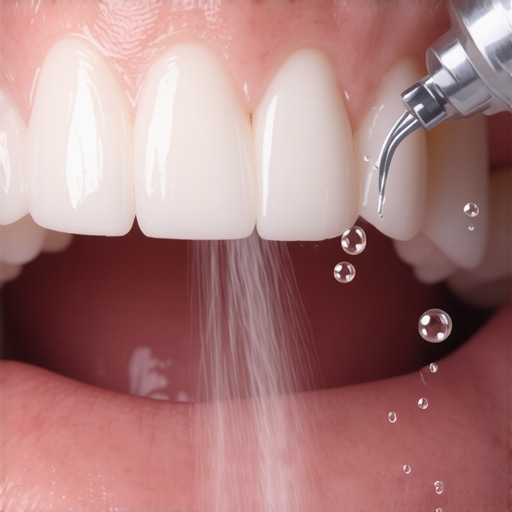
Don’t Let Your Crowns Become Bacteria Traps
If you have previous dental work, your maintenance needs to be even more surgical. I have two crowns in the back, and I used to treat them like they were ‘fake’ and therefore indestructible. My dentist gave me expert advice on crowns and teeth cleaning for lasting results, explaining that the margin where the crown meets the natural tooth is a prime real estate for plaque. I started using a dedicated interdental brush for those areas. If you neglect this, you risk ‘leakage’ under the restoration. Following specific caring for crowns essential tips for longevity and shine ensures that the inflammation stay away from your gum tissue and, by extension, your heart.
Watch Out for These Quiet Warning Signs
I’ll never forget the first time I used a water flosser after my ‘re-education’ session. The water turned pink instantly. I was horrified, but my hygienist explained that the hidden reason your gums still bleed even if you floss every day is often deep-seated bacteria that have already caused the tissue to become hyper-vascularized. It took three weeks of consistent, gentle cleaning before the bleeding stopped. If your gums are red, puffy, or bleed when you touch them, your body is in a state of high alert. That pink in the sink isn’t just a dental issue; it’s an inflammatory flare-up that your heart is currently feeling. Don’t ignore the ‘itch’ or the tenderness—these are the early sirens of systemic distress.
Everyone says a dental crown is a ‘permanent fix’ for a broken tooth, but in my experience, treating a crown as a ‘set-it-and-forget-it’ solution is a dangerous game. Many people believe that because the ceramic or porcelain shell is artificial, the tooth underneath is shielded from the world like it is inside a bunker. This is the biggest myth in restorative dentistry. In reality, the margin—the microscopic line where the crown meets your natural tooth—is a high-stakes battleground for your cardiovascular health. If you aren’t meticulous, that margin becomes a biological ‘super-highway’ for the very bacteria we discussed earlier. Have you ever fallen into this trap of thinking your dental work didn’t need the same care as your natural teeth? Let me know in the comments because I certainly did, and it nearly cost me.
Stop Assuming Your Dental Work is Indestructible
The ‘oops’ factor here is subtle but devastating: people often stop flossing around their crowns because they think there is no enamel left to rot. However, the root of the tooth and the surrounding bone are still very much alive and vulnerable. If bacteria congregate at the crown margin, they can cause ‘leakage,’ where the cement holding the crown in place begins to degrade. This is why maintaining your dental crowns dos and donts for best results is about more than just avoiding sticky candy; it is about preventing sub-gingival inflammation. I once ignored a slight ‘click’ when I bit down, not realizing that why your dental crown feels like it has a click when you bite is often the first sign that the seal has been compromised, allowing pathogens a direct route to your bloodstream.
Can Bacteria Actually Tunnel Under a Sealed Restoration?
This is the question that keeps cardiologists and dentists collaborating. According to a study published in the Journal of Dentistry, marginal gaps as small as 50 micrometers—thinner than a human hair—are large enough to harbor colonies of Porphyromonas gingivalis. Even if you think your smile is perfect, you need to know how to tell if your dental crown has a small leak before it turns into a systemic issue. These micro-leaks are invisible to the naked eye but act as reservoirs for infection that your toothbrush simply cannot reach. This is why I advocate for advanced tools; for example, the best way to clean plaque from under a dental bridge or a series of crowns involves using specialized floss threaders or high-pressure water pulsers to disrupt those hidden biofilms.
The High Cost of Using the Wrong Maintenance Tools
Another common mistake I see is the ‘scrubbing’ method. In an effort to keep their crowns shiny, many people switch to abrasive ‘whitening’ pastes. I found out the hard way that the truth about charcoal toothpaste and long-term-enamel-wear applies to your dental work too; these abrasives can scratch the glaze on your ceramic, making it easier for plaque to stick. Instead, you should follow a dedicated oral health routine strengthening your smile every day using non-abrasive gels. If you’ve ever wondered the most common reason dental crowns fall out and how to fix it, it usually isn’t the crown itself failing—it’s the foundation beneath it being eroded by chronic, ignored inflammation. We have to stop looking at dental maintenance as a cosmetic chore and start seeing it as a vital part of our family dentistry focus building a lifetime of healthy smiles and long-term heart health.
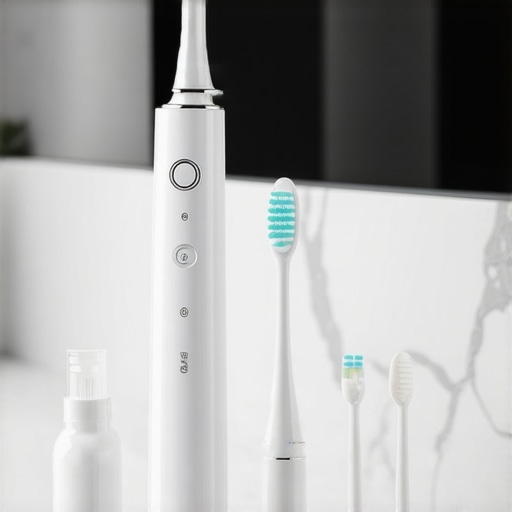
When I finally committed to this journey, I didn’t just buy a new toothbrush; I built a home-care laboratory. If you want to keep your gums from triggering another inflammatory heart response, you have to be tactical about your equipment. My first recommendation isn’t a brush—it’s a high-quality water flosser. But don’t just blast your gums at random. I use a ‘Plaque Seeker’ tip specifically around my dental work. It has three thin tufts of bristles that reach the margin of the crown where traditional floss often glides right over. This is the key to expert advice on crowns and teeth cleaning for lasting results because it physically disrupts the biofilm that causes sensitivity and decay. I also switched to a pressure-sensitive electric toothbrush. I used to be a ‘scrubber,’ thinking more force meant more clean. According to the Cochrane Database of Systematic Reviews, people who use an oscillating-rotating power brush see a significant reduction in gingivitis over those using manual versions. For me, the red light that flashes when I press too hard was a game-changer. It protected my enamel and ensured that caring for crowns essential tips for longevity and shine were actually being followed, rather than me just wearing down the material with brute force.
How do I maintain my dental health and heart safety over time?
The secret isn’t a one-time deep cleaning; it’s the rhythm of your maintenance. I view my dental health as a family dentistry focus building a lifetime of healthy smiles, not a series of emergencies. Every six months, I make sure my hygienist uses the ultrasonic scaler. I’ve come to appreciate what that high-pitched water tool is actually doing to your plaque—it’s essentially a power-wash for my cardiovascular system. At home, I use teeth cleaning secrets effective home practices for family dental health like tongue scraping to reduce the overall bacterial load in my mouth before I even start brushing. I believe we are entering an era of ‘Precision Dentistry.’ In the next five years, I predict we will see smart toothbrushes that don’t just track where you brush, but actually analyze your saliva in real-time for biomarkers of inflammation or early-stage decay. We’ll move away from ‘one size fits all’ and into personalized chemical profiles for our toothpaste. For now, your best bet is consistency. Try this today: pick up an interdental brush specifically for your crowns and use it once before bed. You’ll be shocked by what your regular floss missed. It’s a small step that keeps the ‘fire’ in your gums from spreading to your heart. We aren’t just saving teeth; we are extending our lives.
The Hard Truth About My Dental Denial
Reflecting on my journey, I realized that my biggest mistake wasn’t just being lazy; it was being uninformed. I used to think a crown was like a suit of armor, but I learned that understanding the role of crowns in modern smile makeovers also means recognizing their vulnerabilities. I never knew that the gum line is where the heart-mouth connection actually lives. If your gums are inflamed, that ‘armor’ is sitting on a crumbling foundation. Another lightbulb moment? Realizing that why some crowns look like real teeth while others have a dark line is often related to gum recession caused by the very inflammation I was ignoring. It is not just a cosmetic flaw; it is a health warning. Finally, I stopped waiting for pain to act. By the time it hurts, the damage to your systemic health is often already underway.
My Daily Essentials for Cardiovascular and Oral Longevity
If you are serious about protecting your ticker, you need more than just a standard toothbrush. My routine now centers on three non-negotiables. First, a water flosser is vital for anyone with dental work; it flushes out the bacterial reservoirs that manual flossing misses. Second, I keep a ‘rescue kit’ handy because I have learned how to fix a sensitive tooth flare-up before your next appointment without panicking or reaching for abrasive treatments. Third, I prioritize pH-balanced mouthwashes that support a healthy microbiome rather than nuking all bacteria indiscriminately. I also recommend checking out resources on family dentistry focus building a lifetime of healthy smiles to ensure the next generation does not make the same mistakes I did. #IMAGE_PLACEHOLDER_E#
Your Roadmap to a Stronger Heart and a Cleaner Smile
The bridge between your mouth and your heart is shorter than you think. You do not have to overhaul your entire life today; you just have to change how you look at that two-minute window every morning and night. This is not just about avoiding a drill—it is about giving your heart the clear, inflammation-free environment it needs to beat strong for decades. When you commit to a rigorous oral health routine strengthening your smile every day, you are performing a small act of cardiovascular maintenance. Take that first step tonight. Your heart—and your dentist—will thank you for it. Have you noticed a difference in how your body feels after getting back into a consistent dental routine? Let me know in the comments below!