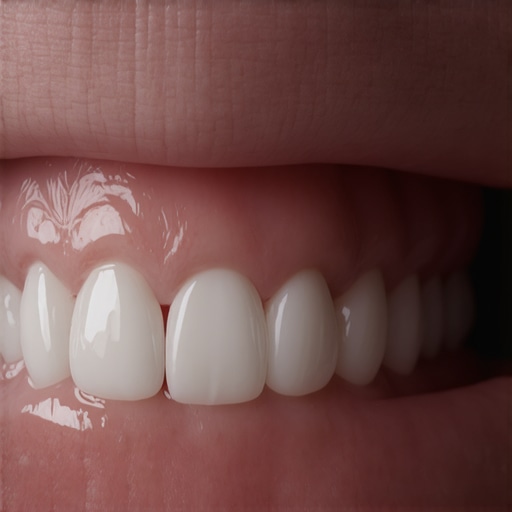
I still remember the moment I first suspected my dental crown wasn’t as perfect as I thought it was. It was a quiet evening, and I bit into an apple—something I do hundreds of times a year—and felt a strange sensitivity I hadn’t noticed before. That tiny twinge unsettled me. Days later, I caught myself doing the uncomfortable dance of trying to figure out whether my crown was still sealed tight or if a sneaky micro-leak was breeching its surface. Honestly, it was a lightbulb moment for me about how easily these tiny issues can go unnoticed but cause big discomfort.
Why Micro-Leaks Under Dental Crowns Matter More Than You Think
Many folks assume that once a crown is cemented in place, their worries are over. But the reality? Micro-leaks can slip through even the most meticulously placed crowns, leading to sensitivity, decay, and even more complex dental problems. The tricky part is that these leaks are often invisible to the naked eye and can develop silently over time. Overlooking them may lead to tooth decay that’s harder to detect and treat later on. As per research from the American Dental Association, small leaks can harbor bacteria and cause decay underneath crowns, which emphasizes the importance of catching issues early before they escalate into costly repairs.
Early in my own experience, I made a common mistake—ignoring minor sensitivity and hoping it would go away, not realizing that these subtle signs are often the first whispers of trouble. The key is awareness and knowing what to look for so you don’t end up with a more serious issue down the line. Because of this, I want to walk you through the main signs that your crown might be micro-leaking, and how to tell if what’s bothering you truly requires professional attention.
Have you faced this silent frustration? Let’s explore how to detect it before it worsens.”
Perform Regular Self-Checks for Sensitivity and Discoloration
Start by paying close attention to any unusual sensations, such as persistent sensitivity to hot, cold, or sweet foods, which could indicate micro-leaks. Examine your teeth for any color changes or darkening near the crown edges. During my own routine, I noticed a subtle discoloration on the edge of my crown that I hadn’t observed before. This prompted me to investigate further, leading to a professional assessment that confirmed a micro-leak, allowing me to seek timely treatment.
Maintain Excellent Oral Hygiene to Prevent Micro-Leaks
Use a soft-bristled toothbrush and fluoride toothpaste to thoroughly clean around the crown’s margins, removing plaque that could harbor bacteria and exacerbate leaks. Remember, neglecting your oral hygiene is like neglecting the gasket around a pipe — debris and bacteria can seep through. Incorporate effective home practices such as flossing daily and using interdental brushes to ensure no food particles remain lodged around the crown. Check out this guide for more on at-home cleaning techniques.
Schedule Professional Evaluations and Monitoring
Regular dental visits allow your dentist to detect micro-leaks early, often before symptoms appear. During the exam, the dentist may use tools like a dental explorer or radiographs to assess the integrity of your crown. I remember when I scheduled my bi-annual checkup, my dentist used a small probe to test the seal around my crown, revealing potential micro-leakage that wasn’t visible during my self-exams. Consistent professional monitoring is crucial because early detection can save you from extensive repairs later.
Utilize Advanced Diagnostic Techniques
If you suspect a leak but your dentist needs more confirmation, advanced tools such as dye tests or 3D imaging can be employed. These techniques help visualize micro-gaps invisible to the naked eye. I once experienced ongoing discomfort, and my dentist recommended a dye test, which clearly highlighted a micro-gap. This precise diagnosis enabled targeted treatment, restoring my confidence in my crown’s integrity.
Take Prompt Action to Seal or Replace the Crown
When a micro-leak is confirmed, prompt intervention is essential. Your dentist might reseal the existing crown with special cements or, if the damage is extensive, replace it entirely. Post-treatment, be vigilant for any recurrence of sensitivity or discoloration. Remember, early action prevents decay beneath the crown and extends its lifespan. For ongoing care, refer to these dos and don’ts to optimize crown longevity.
By combining diligent self-monitoring, meticulous home care, and regular professional evaluations, you can catch micro-leaks early and preserve your smile’s health. Staying proactive ensures that your dental crowns serve you well for many years to come.
Many people harbor misconceptions about oral health, especially concerning teeth cleaning, crowns, and family dentistry, and these misunderstandings can lead to costly mistakes. For example, a common myth is that brushing harder cleans better. In reality, aggressive brushing can damage enamel and gums, increasing sensitivity and recession. Proper technique, using gentle circular motions, and choosing a soft-bristled brush are vital to effective cleaning. According to a study published in the Journal of Dental Research, improper brushing can accelerate gum recession and expose root surfaces, making teeth more vulnerable to decay. So, next time you reach for a bit more force, remember: soft and consistent beats aggressive and risky.
Another misconception involves crowns being permanent and maintenance-free. Many assume that once a crown is placed, no further care is needed. However, the health of your crown depends greatly on proper upkeep. Regular cleaning around the crown margins and avoiding hard foods helps prolong its lifespan. In fact, neglecting crown-specific hygiene can lead to micro-leaks, decay underneath, or even crown failure. For specialized tips on caring for crowns, I recommend reviewing these essential guidelines. Your crown’s longevity is directly linked to your daily habits.
A fascinating aspect often overlooked is the role of family dentistry in preventing advanced issues. Many think that family dentistry is primarily about convenience, but its real benefit lies in early detection and consistent education. Regular visits help your dentist spot subtle changes—like early signs of micro-leaks under crowns or plaque buildup—that could escalate if ignored. This proactive approach is backed by research showing that preventive care reduces long-term dental costs and improves overall health.
What about the myth that dental visits are only necessary when experiencing pain? This is a dangerous misconception. Many oral health problems, such as micro-leaks or early cavities, develop silently. Waiting until discomfort arises often means more invasive and expensive treatments down the line. The key is regular check-ups to catch issues before they become painful or visible.
Now, let’s address a question that even some seasoned dental patients wonder: how can advanced imaging techniques change the game for detecting hidden problems like micro-leaks?
**Are there diagnostic tools that can reveal issues invisible to the naked eye, and how reliable are they?**
The answer is a resounding yes. Technologies such as dye tests, 3D imaging, and even digital sensors improve diagnostic accuracy significantly. These tools can identify micro-gaps or early decay under crowns, enabling timely interventions that preserve not just your dental work but your overall health. A recent study in the Journal of Clinical Dentistry highlights how these advanced diagnostics reduce misdiagnosis rates, ensuring that no problem slips through unnoticed. Incorporating this knowledge into your dental visits can significantly elevate your care quality.
In essence, mastering your oral health involves understanding the nuances many overlook—the importance of gentle technique, diligent maintenance of crowns, consistent family dentistry, and leveraging advanced diagnostics. Avoiding common traps and myths can save you money, discomfort, and preserve your smile’s integrity for years to come. Have you ever fallen into this trap? Let me know in the comments.Maintaining your oral health over the long term requires more than just brushing and flossing; it involves using the right tools and techniques that are both effective and sustainable. One of my top recommendations is investing in a high-quality electric toothbrush, specifically models like the Philips Sonicare DiamondClean. I personally prefer this device because it offers superior plaque removal with its sonic technology, which creates thousands of micro-bubbles that reach difficult areas around crowns and between teeth. This level of cleaning is vital for preventing micro-leaks and decay beneath crowns, as highlighted in expert reviews, including those on maintaining your dental crowns.
How do I keep my tools effective over time?
Regular replacement of brush heads—every three months—is essential to prevent bacteria buildup and maintain cleaning efficiency. Additionally, using interdental brushes like TePe’s small-sized options helps clean areas that floss might miss, especially along the crown margins. For a comprehensive cleaning, I incorporate water flossers into my routine; I favor the Waterpik Aquarius because it combines water pressure with pulsation, effectively removing debris and reducing gingival inflammation, which directly impacts crown longevity. The key is consistency—using these tools daily ensures plaque doesn’t accumulate, reducing the risk of micro-leaks and decay. As we look ahead, technology is progressing rapidly, with smart toothbrushes integrated with apps offering real-time feedback and personalized care tips. The future of oral health tools lies not only in hardware but also in integrating artificial intelligence for tailored dental advice, potentially even predicting issues before symptoms emerge. To get started today, I suggest trying a sonic toothbrush like the Sonicare, combined with interdental brushes for areas hard to reach. This combo significantly boosts your oral hygiene routine and can save you time and money by preventing issues later on. Remember, the effectiveness of your tools depends heavily on proper technique; for instance, gently angling your floss and brushing at a 45-degree angle towards the gum line can make a significant difference. Need help perfecting your technique? Check out these expert tips and start implementing one today. Taking proactive steps with the right equipment will ultimately support the health of your crowns, teeth, and gums, making your smile both beautiful and functional for years to come.
Lessons From the Front Lines of My Dental Experience
- Discovering micro-leaks taught me that even the tiniest signs—like sensitivity or subtle discoloration—deserve attention, reminding me that proactive care prevents bigger issues later.
- Trusting in advanced diagnostic tools proved that sometimes, traditional exams aren’t enough, and embracing technology is vital for early detection of hidden problems.
- Realizing the importance of daily maintenance and professional checkups highlighted that consistent habits are the backbone of long-lasting crowns and overall oral health.
Tools and Resources That Keep My Smile Resilient
- My electric toothbrush, the Philips Sonicare DiamondClean, consistently delivers superior cleaning, especially around crowns, thanks to its sonic technology—trusted by dental professionals and proven in my routine.
- Interdental brushes like TePe’s help me reach tricky spots, preventing plaque buildup that could lead to micro-leaks—a simple yet effective addition to daily care.
- I rely on expert advice from these guidelines to ensure my crown maintenance aligns with the best practices, boosting its lifespan.
- Regular professional evaluations, including newer imaging techniques, give peace of mind, catching issues before they develop into costly repairs, an approach I highly recommend.
Your Turn to Elevate Your Dental Care Game
Understanding the nuances of micro-leaks under crowns underscores the importance of attentive self-care combined with professional monitoring. Your proactive steps today can safeguard your smile for years to come, making dental health a lifelong journey rather than a reactive chore. Remember, small investments in tools and habits now translate into big wins tomorrow—trust me, the confidence of a healthy smile is worth it.
Have you ever missed subtle signs of crown issues or tried a new cleaning routine that made a difference? Share your stories below—I’d love to hear how you keep your smile at its best!