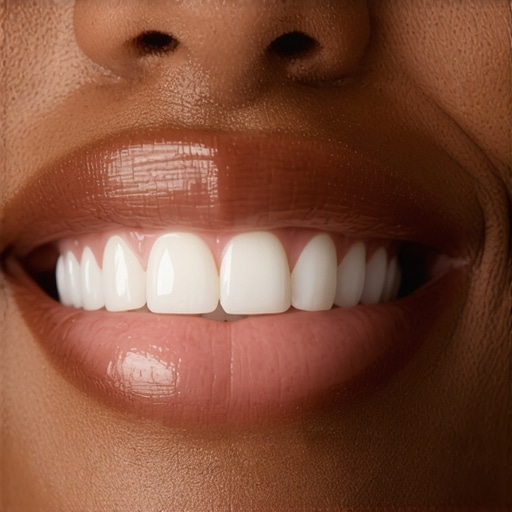
I still vividly remember the morning I sat in the dentist’s chair, staring at my reflection in the tiny mirror. My heart sank as I realized how off my new crown looked—it was a shade darker than my natural teeth, making my smile appear uneven and awkward. That moment was a lightbulb, reminding me how critically important color matching is when it comes to dental restorations. If you’ve ever faced the disappointment of a mismatched crown, you’re not alone. Many people underestimate how essential choosing the right shade truly is—not just for aesthetics but for your confidence and overall smile health.
Why Matching Your Crown Shade Is More Than Just About Looks
Choosing the perfect shade for your dental crown can feel overwhelming. It’s tempting to pick a color that looks good immediately, but without proper guidance, you might end up with something that doesn’t blend naturally. A mismatched crown not only distracts from your smile but can also make you more self-conscious, affecting your social interactions and daily confidence. Moreover, selecting the incorrect shade can lead to additional dental visits and expenses to correct the issue.
Research shows that visible imperfections, including poorly matched dental work, can influence your self-esteem and willingness to smile freely. The right shade ensures your crown seamlessly integrates with your natural teeth, giving you a look that’s both radiant and authentic.
Have you ever experienced a situation where your dental work drew unwanted attention or made you hesitant to share a genuine smile? If yes, understanding how to choose the perfect shade could change that. But I remember making a common mistake early on: I relied solely on the dentist’s shade guide without considering natural lighting or my surrounding teeth color. That oversight made me realize how important it is to educate yourself about the nuances of tooth shading.
Is Shade Matching Really That Crucial As Everyone Says?
Many skeptics wonder if fussing over shade selection is worth it. Honestly, I used to think it was minor—the kind of perfectionism that dentists might promote. But after a few mismatched crowns, I learned that’s far from the truth. Proper shade matching impacts the longevity of the crown as well. When the color doesn’t match the surrounding teeth, it might be more prone to staining or cracking because of uneven wear.
Getting it right means more than just choosing a color; it involves understanding factors like translucency, saturation, and how your teeth reflect light. Early in my experience, I didn’t realize that natural light conditions could significantly alter how a shade appears. That’s why consulting with a professional who can evaluate your teeth under different lighting and using advanced tools can make all the difference. For comprehensive guidance, I recommend exploring expert advice on crowns and teeth cleaning for lasting results, which emphasizes the importance of collaboration with your dental team.
As we move forward, I’ll share practical tips on how to identify the perfect shade for your crown, ensuring your smile remains beautiful and natural-looking for years to come.
Assess natural lighting conditions accurately
Start by evaluating your teeth in natural daylight, ideally near a window without direct sunlight, to get the most reliable shade reading. I recall a time when I set up a makeshift lightbox using a white sheet and an overcast sky, which minimized color distortions and helped me choose a better match. Effective assessment under consistent lighting ensures the shade looks natural in your daily environment, preventing surprises when you’ll see your smile in different settings.
Use a shade guide with precision
Request your dentist to use the latest shade guide, such as the Vita Classical or Vitapan 3D-Master, which contain a comprehensive set of tones. Hold the guide close to your teeth, and compare each shade carefully, avoiding the urge to pick the darkest or lightest without considering surrounding teeth.
When I personally did this, I made sure to look at several teeth—mainly the non-visible molars and canines—to find a shade that naturally blends. Always do this in a neutral, matte surface to eliminate gloss and reflections that can skew your perception.
Consider translucency and light reflection
Think of your teeth as glass: the color isn’t just about the hue but also how they reflect and transmit light. Translucency plays a significant role. Ask your dentist to evaluate how your teeth reflect light, especially in different lighting angles. During my appointment, I noticed that certain shades looked perfect under one light source but unnatural in another, highlighting the importance of viewing from multiple angles.
Apply custom shade-matching techniques
If possible, opt for digital shade-matching devices like spectrophotometers. These tools analyze your tooth color objectively, reducing human error. During my consult, using such a device drastically improved the accuracy of the shade choice, leading to a seamless crown.
While professional tools are ideal, if you’re doing it at home, take multiple photos of your teeth in different lighting conditions and compare those images side by side. This method mirrors the approach of a seasoned dental technician and helps you make a more informed decision.
Coordinate with your dental professional
Share your observations and preferences openly. Experienced dentists, like those at expert advice on crowns and teeth cleaning, can adjust shade selection accordingly. I once brought in a photo of my current teeth, pointing out the shades I thought matched best; this proactive communication facilitated a better fit and avoided redo appointments.
Remember, selecting the right shade isn’t a quick glance; it requires deliberate evaluation, proper lighting, and collaboration with your dentist. Incorporating these steps minimizes the risk of mismatched crowns and preserves your confidence in your smile’s natural appearance.
Despite widespread awareness about oral health, many people fall prey to misconceptions that can compromise their dental well-being. One prevalent myth is the belief that brushing relentlessly will eradicate all plaque and prevent cavities, but in reality, aggressive brushing can damage gums and erode enamel, especially if done with a hard-bristled brush. Effective oral hygiene requires proper technique and the right tools, not just frequency. Regular visits for professional cleanings are often underestimated; many think they are optional, yet studies highlight their crucial role in early cavity detection and periodontal disease prevention. Learn more about the impact of professional cleanings on your overall oral wellness at this resource.
One advanced mistake I’ve encountered is neglecting the importance of translucency and light reflection in shade matching for crowns. Many assume color alone determines a seamless restoration, but translucency influences how natural teeth reflect light, affecting how crowns blend naturally. Failing to consider this can lead to crowns that look artificial or mismatched, diminishing smile confidence. For those investing in crowns, understanding the nuances of shade selection is crucial—see expert advice on crowns for deeper insights.
Have you ever fallen into this trap? Let me know in the comments.
Why do many believe more frequent cleanings always mean healthier teeth?
This misconception overlooks that excessive cleanings can sometimes harm the gums if performed improperly or too aggressively. The key is maintaining a balanced routine tailored to your specific needs, which a professional can help determine. Over-cleaning can cause gum recession or sensitivity, undermining your oral health goals. Remember, quality over quantity is vital; regular, appropriately performed professional cleanings support your long-term dental health, as detailed at this page.
Another nuance often missed involves the longevity of dental crowns. Many assume once a crown is placed, it requires minimal maintenance beyond brushing and flossing. However, neglecting proper care, especially around the edges, can lead to decay underneath or loosening over time. Proper post-placement care, including avoiding biting down on hard objects and regular check-ups, is essential for cementing your investment’s value. Discover more at this article.
Grasping these subtleties helps you make informed decisions that protect your smile’s health and appearance. Don’t settle for superficial knowledge—delve into expert guidance to truly optimize your dental routine and restorations. Have you found yourself misled by common myths? Share your experiences below and let’s clear up misconceptions together.In my journey to maintaining a healthy smile, I’ve discovered that having the right tools and methods can significantly extend the lifespan of restorations like crowns and ensure consistent oral health. A key equipment I personally rely on is the **Vita Easyshade** spectrophotometer. This digital device provides highly accurate shade readings, allowing me to match crowns seamlessly and avoid common mismatches. I use it during appointments and occasionally at home to verify color consistency, especially when lighting conditions change throughout the day. Adopting such precise tools has empowered me to communicate more effectively with my dentist, ensuring that my restorations look natural over the long term.
Another invaluable resource is **ultrasonic scalers** combined with high-quality dental floss, which facilitate thorough yet gentle cleaning around crowns and bridges. I prefer models like the **Cavitron Professional** because its sonic vibrations effectively remove plaque and calculus without damaging delicate restorations or gums. Regular use of these tools, along with a meticulous brushing routine, helps prevent decay underneath crowns, preserving my investment and oral health.
Looking ahead, I believe advancements in AI and digital dentistry will further revolutionize personalized care. Imagine future tools that analyze your bite, wear patterns, and saliva composition to customize preventive strategies uniquely suited to you—reducing the need for reactive treatments and extending the longevity of dental work.
*How do I maintain my dental tools and techniques over time?* Regular calibration of digital equipment like shade-matching devices is essential. I schedule annual check-ups with my dental provider to ensure all my tools are functioning accurately. Additionally, I clean and disinfect my ultrasonic scaler after each use, following manufacturer instructions, to prevent bacterial buildup, which could compromise both my health and tool performance.
Incorporating these precise tools into your routine isn’t just about immediate results; it’s about building a sustainable long-term plan for your oral health. For further insights on maintaining your crowns and ensuring effective long-term results, I recommend reading this comprehensive guide. Remember, the combination of professional-grade equipment and diligent at-home practices makes a real difference—so why not try out a digital shade-matching device or upgrade your cleaning tools today? Your future self will thank you for it.
Hidden Lessons From My Crown Journey
One of the toughest but most valuable lessons I learned was that natural lighting is a game-changer when matching shades. Trusting technology over your eyes alone can lead to mismatches that undermine confidence. I also realized that translucency matters just as much as hue; a crown that reflects light how natural teeth do creates a seamless look. Moreover, open communication with your dentist about your preferences and observations makes all the difference—never hesitate to voice your concerns or ask for a second opinion. Finally, I discovered that investing in tools like digital spectrophotometers not only simplifies the process but ensures a more precise, durable match, leading to longer-lasting beauty and confidence in your smile.
Tools and Resources That Transformed My Approach
My essential toolkit began with the latest shade guides, which are far superior to generic color charts and help me compare hues accurately. I also rely on the spectrophotometers that objectively measure the exact color and translucency of my teeth, removing guesswork. For ongoing education, books like family dentistry guides have deepened my understanding of best practices. Lastly, I follow trusted oral health tips that combine at-home routines with professional advice to extend the life of my crowns and overall oral wellness.
Embrace Your Smile’s Future Today
Your journey toward a naturally beautiful smile is uniquely yours, and every small step counts. Don’t let uncertainty hold you back from achieving the confidence you deserve. Take charge by educating yourself, investing in the right tools, and working closely with your dental team. Remember, a well-matched crown isn’t just about looks—it’s about feeling authentic, comfortable, and proud of your smile every day. The future of dental care is precise, personalized, and empowering—so start today, and let your smile tell your story with confidence.