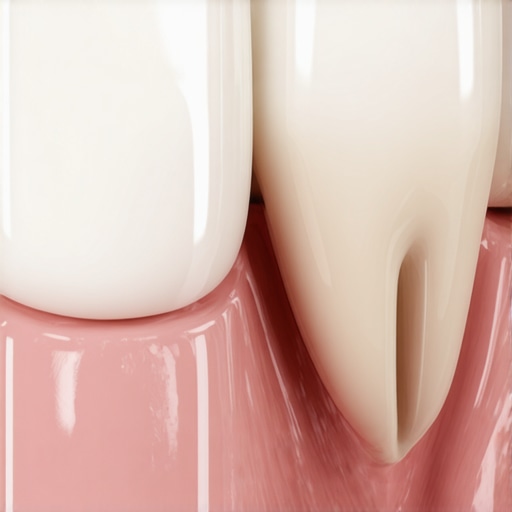
I remember the day I noticed a tiny chip on my dental crown during a routine brushing. Suddenly, I was thrown into a whirl of uncertainty—was this porcelain or zirconia? Could I tell the difference? At that moment, I realized how confusing it can be to identify the material of your own crown, especially when it’s so crucial for oral health and longevity. If you’ve ever felt that prick of doubt while gazing into the mirror, you’re not alone. Over the years, I’ve learned that understanding what your crown is made of isn’t just curiosity—it can affect everything from maintenance routines to when to seek professional help.
Why Knowing Your Dental Crown Material Matters
Knowing whether your crown is porcelain or zirconia can influence your daily routine and long-term dental strategy. For instance, zirconia crowns are typically stronger and more durable, making them suitable for molars and areas of high biting pressure. Porcelain, on the other hand, offers a natural translucency that mimics real teeth but might be more prone to chipping. Without this knowledge, you might inadvertently use abrasive cleaning products or eat foods that put unnecessary stress on your crown.
Is Material Identification Really That Important?
Absolutely. I once assumed all crowns are similar—big mistake. Early on, I used a whitening toothpaste that contained harsh abrasives, thinking it would keep my smile bright. Turns out, that was a mistake that could wear down porcelain over time. This simple oversight underscores why understanding your crown’s material helps you make smarter choices, preserving your investment in your smile. Want more insights on maintaining your crowns? Check out this guide for essential tips to keep your crowns shining and lasting longer.
But how do you really figure out what your crown is made of? Well, that’s exactly what we’ll explore next—the easy ways to distinguish porcelain from zirconia right at home and when to consult your dentist for definitive answers. Ready to decode your crown? Let’s get started!
,
Inspecting the Crown with a Simple Touch
Start by gently feeling your crown with your tongue. Porcelain crowns tend to feel smoother and more glass-like, whereas zirconia crowns have a slightly more solid, less slick texture. I remember once noticing a subtle roughness on my crown after a professional cleaning—this clue led me to the realization it was zirconia, known for its durability. This tactile approach offers an immediate hint but isn’t foolproof, so proceed to visual checks next.
Visual Cues You Can Spot at Home
Hold a mirror and examine your crown under good lighting. Porcelain crowns often mimic natural teeth in translucency—notice how they seem a bit more see-through at the edges. Zirconia crowns are usually opaque and have a more uniform appearance. I once compared my smile in natural light and saw that my front porcelain crown reflected light similarly to my natural teeth, confirming its material. These visual differences can be subtle but are valuable clues in your identification process.
Testing with Common Household Items
Use a cotton swab and a bit of gentle rubbing—abrasive cleaning can reveal material differences. Porcelain is more prone to scratching from rougher surfaces, while zirconia resists scratches better. I tried this at home—gently rubbing a soft cloth on my crown—and observed no scratches, indicating zirconia. Remember, avoid using any harsh tools or chemicals that might damage your crown or cause discomfort. For definitive identification, scheduling an appointment with your dentist is advised.
When to Seek Professional Expertise
If the at-home tests leave you uncertain, consult your dentist. They can perform a simple non-invasive test, such as a microscopy examination or even use a special light to differentiate materials. During my last check-up, my dentist used a device to identify my crown’s composition accurately—saving me from guesswork. This step ensures you get accurate information without risking damage or misinterpretation.
Understanding the Limitations of At-Home Identification
While the tactile and visual clues can be helpful, they aren’t foolproof. Variations in manufacturing and natural wear can blur distinctions. I once thought my crown was porcelain based on appearance, only for my dentist to confirm it was zirconia with specialized equipment. Knowing this, always treat at-home assessments as preliminary and prioritize professional confirmation for any decisions regarding your oral care or products you use.
Maintaining Your Crown Based on Material Type
Once identified, adjust your routine accordingly. Zirconia crowns benefit from non-abrasive cleaning, while porcelain crowns require gentle brushing and avoiding harsh whitening agents. Regular maintenance prolongs their life and keeps your smile shining. Curious about optimal care? Explore these tips to maximize your crown’s lifespan and appearance.
Many people believe that once they get a dental crown, their oral care routine can relax—that brushing and flossing are no longer as critical. However, this misconception can lead to unexpected complications, such as accelerated wear or secondary decay around the crown. In my experience, understanding the subtle differences in crown materials, like porcelain versus zirconia, is vital for tailored care; for example, zirconia’s strength means it withstands abrasive cleaning better, but porcelain’s translucency requires gentler brushing to preserve aesthetics. A notorious trap is believing all dental professionals approach crown maintenance the same; in reality, expertise varies, and specialized knowledge can make a significant difference in longevity. This is why consulting with a seasoned family dentist ensures comprehensive care—check out this resource on building a lifetime of healthy oral habits.
How do advanced materials influence your long-term oral health?
Advanced dental materials like zirconia are designed for durability but also require specific maintenance routines. Neglecting these nuances can result in unforeseen issues, such as microfractures or material degradation, which aren’t visible to the naked eye but can compromise the crown’s integrity over time. A study published in the Journal of Prosthetic Dentistry highlights that crowns made from newer composite materials have improved resistance to chipping, but only if maintained correctly with non-abrasive cleaners—more details are available here. Remember, the devil is in the details. One common mistake many make is using whitening toothpaste aggressively, which can erode the porcelain and lead to mismatch or sensitivity. To further safeguard your investment, integrating professional cleanings and proper at-home care is crucial—see tips for longevity that I always recommend.
Moreover, there’s a prevalent myth that oral health is solely about fighting cavities. In reality, issues like gum disease can undermine crowns and natural teeth alike, emphasizing why comprehensive family dentistry must include periodontal care—more at this page. Skipping regular check-ups might seem convenient, but it can cost more in the long run, especially if subtle issues go unnoticed until they become serious. Be aware that even with the best materials and meticulous care, crowns are not invincible; understanding their limitations helps prevent premature failures. For instance, avoiding overly abrasive products and being mindful about dietary habits—like cutting down on hard or sticky foods—can extend your crown’s lifespan significantly. Want to optimize your oral routine? Explore this guide on family-friendly habits.
Finally, a common mistake is neglecting to communicate changes or discomfort to your dentist. Since many material failures or issues develop subtly, being vigilant about warning signs and seeking timely professional advice ensures your smile remains resilient and attractive. Remember, maintaining your oral health is a continuous journey—not a one-time event. If you’re eager to preserve your crowns and natural teeth alike, consider integrating expert recommendations into your routine—details are outlined in this article. Have you ever fallen into this trap? Let me know in the comments.
Maintaining your dental crowns effectively over time requires the right tools and a clear routine. As someone invested in long-term oral health, I rely on specific equipment that ensures my crowns stay in top condition. A high-quality electric toothbrush, like the Oral-B Genius X, is my go-to because it combines superior plaque removal with sensitive mode options tailored for crowns. Its oscillating and pulsating action breaks down plaque without exerting excessive force, which is crucial for preserving the integrity of your restorations.
How do I maintain my dental crowns over time?
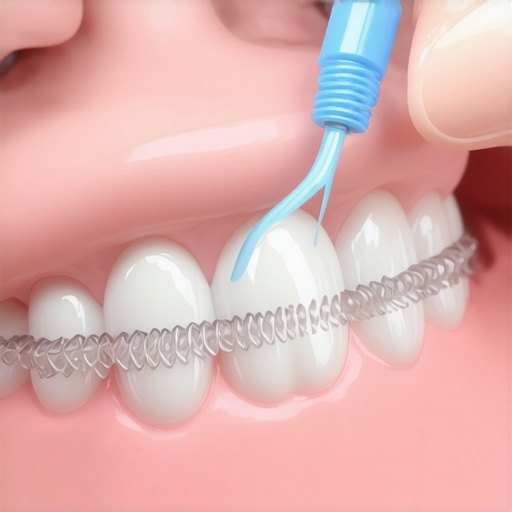
In addition to a good toothbrush, I use interdental brushes such as the TePe Interdental Brush to clean around the margins of my crowns where regular floss might miss plaque buildup. These small brushes are excellent for reaching tight spaces and preventing secondary decay. I also incorporate a water flosser like the Phillips Sonicare Airfloss. It not only removes debris but also stimulates gum health, ultimately protecting the foundation supporting your crowns.
Using quality mouth rinses is another critical element. I prefer alcohol-free, fluoride-based rinses like the Crest Pro-Health to keep my oral environment balanced. This combination of tools has helped me prevent issues like staining, secondary decay, and gum disease that can jeopardize crowns’ longevity.
Looking ahead: What’s the future of crown maintenance?
Emerging advancements in dental technology suggest that smart toothbrushes integrated with app-based monitoring and AI-driven feedback will become the norm. These tools will alert you to areas you miss and suggest personalized routines, making home care more precise. Additionally, innovations in material science, such as bioactive crowns that promote remineralization, could revolutionize how we approach long-term protection. Staying ahead means embracing technology that recognizes individual needs—something I anticipate will be standard in the next decade.
With these tools, my routine is both efficient and effective, giving me confidence that my crowns will serve me well for years to come. If you want to deepen your knowledge, I recommend exploring these tried-and-true tips for ongoing crown care. And for your next step, try incorporating an interdental brush into your routine—it’s a small change that can make a big difference in your oral health journey.
What I Wish I Knew Before Assuming All Crowns Are Same
One of the biggest lessons I learned is that each crown tells a story about your oral health, and assuming they all behave the same can be a costly mistake. I once believed that any crown could withstand the same care, but discovering the nuances between porcelain and zirconia taught me otherwise. Now, I know that understanding your specific crown material can prevent unnecessary damage and extend its lifespan.
My Trusted Tools for Crown Care—And Why They Work
Over time, I developed a personal toolkit of oral health essentials—like the professional tips and quality devices—that help me maintain my crowns effectively. These include an electric toothbrush with gentle modes, interdental brushes, and hydrating rinses. I trust these because they combine scientific research with real-world results, giving me peace of mind in my daily routine.
Your Next Step Begins with Confidence
Knowledge about crowns, teeth cleaning, and family dentistry empowers you to take control of your oral health journey. Embrace the small but significant changes—like consistent cleaning routines and regular dental check-ups—that make a lasting difference. Remember, the path to a healthy, radiant smile is ongoing, and every step you take now fuels your confidence for tomorrow.
What’s one thing about dental crowns or oral care you’ve always wondered? Share your questions or experiences below—I’d love to hear your story!