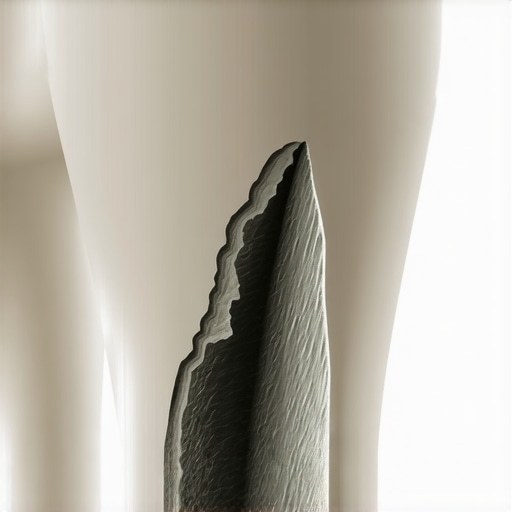
I remember the exact moment it happened. I was sitting on my couch, halfway through a bowl of popcorn, when I heard a faint ‘click’ after biting down. It did not hurt. It was just a tiny, jagged edge on my lower molar—a speck of enamel gone. I did what most of us do: I ignored it. I figured, if it does not hurt, it is not an emergency, right? Well, that little ‘nothing’ turned into a vertical fracture that nearly cost me the whole tooth. I learned the hard way that knowing how to fix the sharp edge of a chipped front tooth isn’t just about aesthetics; it is about structural survival. In this post, I am going to show you exactly how these tiny imperfections turn into dental nightmares and how you can stop the cycle before you are looking at an extraction.
That Tiny Snag is a Ticking Time Bomb
Most people assume teeth are like solid rocks. In reality, they are more like architectural arches—once the integrity is compromised, the whole thing wants to buckle under pressure. My big mistake was thinking the chip was the end of the story. It was not. It was the entry point for bacteria and the start of a structural weakness. When you have a chip, you lose the protective seal of your enamel. Every time you chew, you are essentially driving a wedge into that tiny gap. Eventually, you might notice the reason your tooth hurts only when you bite down hard, which is usually the sign that the chip has graduated into a serious internal crack. I spent months chewing on the other side of my mouth, convinced I was ‘managing’ the problem, only to find out I was making the eventual repair twice as complicated.
Is ignoring a tiny chip actually a huge gamble?
Absolutely. According to the American Association of Endodontists, early diagnosis is the only way to save a cracked tooth from an inevitable extraction. Once a crack travels deep enough to reach the gum line, the game changes completely. I waited until I needed emergency steps for a broken tooth on the weekend because I was too stubborn to address the ‘small’ issue during a regular checkup. Have you ever felt a tiny sharp spot with your tongue and just hoped it would smooth itself out over time? If you are nodding your head, you are currently walking a very thin line between a simple bonding appointment and needing to learn how to keep your dental crown from popping off later. Let’s dive into what is actually happening beneath the surface when that enamel first flakes away.
Stop the Damage Before You Leave the House
When you first notice that jagged sensation, your tongue becomes a heat-seeking missile, constantly poking the sharp edge. Stop doing that immediately. You are essentially testing the structural integrity of a fractured wall. The first concrete step is to stabilize the area. If the edge is sharp enough to cut your cheek, you can use a small piece of dental wax or even sugarless gum as a temporary buffer. This isn’t a fix; it is a tactical retreat to prevent soft tissue damage while you plan your next move. Think of it like putting a tarp over a broken window during a storm. You aren’t fixing the glass, but you are keeping the rain from ruining the carpet. You should also consider how to fix a jagged tooth without hurting your gums by sticking to soft foods and avoiding anything that requires heavy grinding.
Clean the Slate with Professional Scaling
You might think a cleaning is just about making your teeth look white for photos, but in the context of a chip, it is about clearing the battlefield. Bacteria love crevices. A tiny chip is a five-star hotel for the microbes that cause decay. I once tried to ‘self-clean’ a deep groove with a toothpick, which is a massive mistake. Instead, you need to understand the impact of regular teeth cleaning on overall oral wellness. A professional scale and polish removes the calcified plaque that your toothbrush can’t touch, ensuring that when your dentist goes to seal that chip, they aren’t sealing bacteria inside the tooth. It is the one thing you must do before your next dental cleaning or restorative appointment to ensure the longevity of the repair.
Put a Helmet on That Weak Tooth
If the chip is significant, a simple filling won’t cut it. The filling is like a patch; a crown is a replacement roof. I learned this the hard way when a composite bond popped off while I was eating a slice of toast. A crown provides 360-degree protection, hugging the tooth together so the force of your bite is distributed evenly. When you are understanding the role of crowns in modern smile makeovers, you realize they are the ultimate insurance policy against a full vertical fracture. 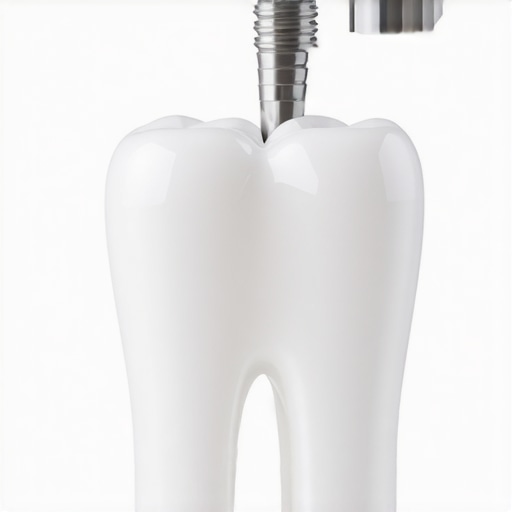 Once that crown is in place, you have to treat it like a luxury vehicle. This means mastering your oral health routine strengthening your smile every day to prevent decay at the margin where the porcelain meets your natural gum line.
My Expensive Mistake with Preventative Care
A few years back, I thought I could skip the professional advice and just ‘be careful.’ I spent weeks chewing exclusively on my left side, which led to jaw pain and a headache that wouldn’t quit. By the time I walked into the clinic, I didn’t just need a chip fixed; I needed a deep cleaning and a custom crown. It was a classic example of how family dentistry focus building a lifetime of healthy smiles works—it is much cheaper to maintain the house than it is to rebuild the foundation. If you are already dealing with restorations, you must stay on top of caring for crowns essential tips for longevity and shine. Neglecting this part of the process is how you end up back in the chair three years later. To avoid issues like unwanted odors, you should also learn how to stop your crown from smelling like old food through proper interdental cleaning and regular checkups.
Most people walk out of the dentist’s office with a new crown feeling like they’ve just been given a bionic tooth. There is this dangerous, collective belief that once a tooth is ‘capped,’ it is essentially immortal. In my experience, that is the exact moment the real work begins. If you think your crown protects you from future cavities, you are falling for the most common trap in restorative dentistry. While the porcelain itself won’t decay, the tiny sliver of natural tooth at the gum line—the margin—is more vulnerable than ever.
Your New Crown Isn’t a Get-Out-of-Jail-Free Card
The logic seems sound: porcelain doesn’t rot, so why worry? However, the transition point between your crown and your natural root is a microscopic shelf that loves to collect biofilm. According to research published in the Journal of Prosthetic Dentistry, marginal leakage is one of the leading causes of secondary caries and crown failure. If your home care slips, bacteria will tunnel under that expensive restoration. This is why expert advice on crowns and teeth cleaning for lasting results emphasizes the margin over the chewing surface. I’ve seen patients lose entire teeth because they thought they could stop flossing a ‘fake’ tooth, only to discover a massive cavity hiding underneath the porcelain hood.
Is it normal to feel a tiny shelf where the porcelain meets the gum?
Many patients worry when they can feel a slight ridge with their tongue. While a perfectly flush fit is the goal, some ‘overhang’ or recession can occur over time. If you notice a change, you need to learn how to fix the gap between your gum and your crown before food debris turns into a localized infection. It’s also why why zirconia crowns are often better for back molars; their precision milling allows for a tighter seal that resists this kind of gapping better than older metal-fused options. 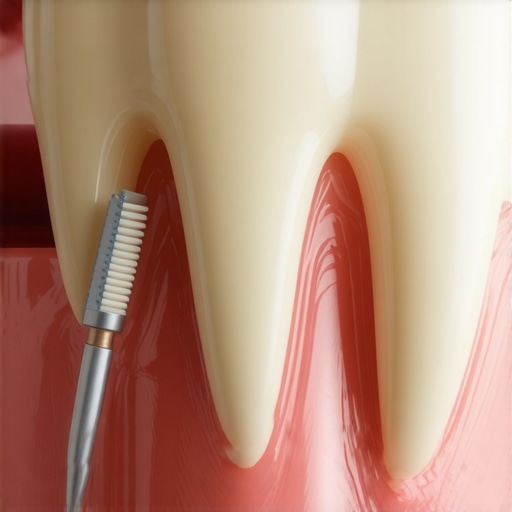
Stop Scrub-Brushing Your Dental Work Into an Early Grave
The ‘Oops’ factor often comes from being too aggressive. I once met a guy who was so paranoid about his new crown that he brushed it four times a day with a stiff-bristled brush. He didn’t save the tooth; he actually wore down his gums until the sensitive root was exposed. When why your new crown feels cold when you breathe in becomes a daily reality, it’s usually because you’ve scrubbed away the protective gum tissue. You have to balance hygiene with gentleness. Switching to the proper way to use interdental brushes for best results is far more effective than trying to power-wash your teeth with a standard toothbrush.
The nuance most people miss is that crowns are a team effort. The dentist provides the hardware, but you are the maintenance crew. If you aren’t following the maintaining your dental crowns dos and donts for best results, you’re basically driving a luxury car and never changing the oil. Have you ever fallen into the trap of thinking a crown was a permanent ‘fix’ that required less attention? Let me know in the comments, or if you’re worried about a specific tooth, feel free to contact us for a professional evaluation.
How do I maintain my dental work over time?
Consistency is the boring answer, but the real secret is mechanical precision. To truly master maintaining your dental crowns dos and donts for best results, you have to look at your mouth as a series of tight seals that need to be kept airtight. I recommend investing in a water flosser with a specialized ‘orthodontic’ or ‘plaque seeker’ tip. This isn’t just for braces; the tapered bristles allow you to sweep directly into the gingival sulcus around your crown. According to the Cochrane Database of Systematic Reviews, water flossing can be significantly more effective than traditional string flossing for reducing gingival inflammation when used correctly. If you’ve ever wondered why your new crown smells and how to fix it, the culprit is almost always trapped bacteria that a standard brush can’t reach. 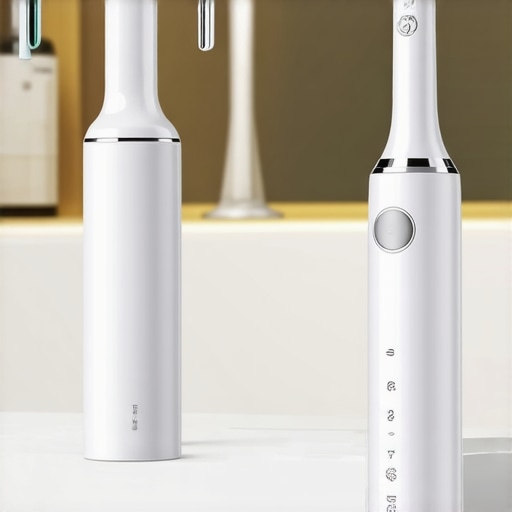
High-Tech Tools for High-Stakes Dental Work
I also suggest moving toward teeth cleaning secrets effective home practices for family dental health that involve high-tech feedback. I personally use a sonic toothbrush that syncs with an app to show me exactly which zones I’m missing. It sounds like overkill until you see a ‘heat map’ of your mouth and realize you’ve been ignoring the lingual (tongue-side) of your crowned molar for three years. This technology isn’t just for tech-geeks; it’s a fundamental part of a family dentistry focus building a lifetime of healthy smiles. When kids see their progress on a screen, they stop treating brushing like a chore and start treating it like a game. Looking ahead, I suspect we will soon see ‘smart’ crowns embedded with sensors that can detect acidity levels in your saliva, alerting your phone to a potential cavity before it even forms. Until then, you must rely on oral health tips every family should follow in 2025, which include ditching abrasive ‘whitening’ toothpastes for low-RDA (Relative Dentin Abrasivity) options that won’t dull the shine of your porcelain.
Why Professional Scaling is Your Crown’s Best Friend
No matter how good your home tools are, you cannot replicate the power of a professional. Understanding the impact of regular teeth cleaning on overall oral wellness is the difference between a crown that lasts ten years and one that lasts thirty. A hygienist uses ultrasonic scalers to vibrate tartar loose from places that even a water flosser can’t penetrate. This is especially critical for those with permanent retainers or bridges, where expert advice on crowns and teeth cleaning for lasting results often involves professional-grade irrigation. My top advanced tip? Try using your water flosser with a capful of non-alcohol mouthwash diluted in the reservoir once a week for a deep-clean feel that prevents the hidden reason your gums still throb after flossing. This flushes the pockets with an antimicrobial agent without the stinging burn. If you haven’t had a pro-clean in over six months, you should contact us to clear out the debris before it compromises your dental work.
The Hard Truths Learned at the End of a Dental Drill
One of the biggest eye-openers for me was realizing that a crown is a shield, not a force field. I used to think of my restorative work as a ‘set it and forget it’ solution. In reality, that tiny seam where the porcelain meets your gum is the front line of a battle. If I could go back, I would tell myself that the small investment of time in maintaining your dental crowns dos and donts for best results would have saved me hundreds in follow-up visits. Another lightbulb moment? Realizing that the impact of regular teeth cleaning on overall oral wellness isn’t just about white teeth; it is about the literal foundation holding your smile together. If you wait for it to hurt, you have already waited too long.
How I Level Up My Daily Dental Defense
I have curated a few non-negotiables that keep my dental work in peak condition. First, I stopped using standard string floss and switched to the proper way to use interdental brushes for best results. They get into the gaps that floss just skips. Second, I look at oral health tips every family should follow in 2025 to ensure my kids are not making the same mistakes I did, especially when it comes to choosing low-abrasion pastes that protect enamel. #IMAGE_PLACEHOLDER_E# Finally, I never skip a professional appointment because expert advice on crowns and teeth cleaning for lasting results is worth its weight in gold when you are trying to keep a restoration for decades rather than years.
Start Protecting the Smile You Have Right Now
The journey to a healthy mouth does not require a total overhaul of your life; it just requires a shift in how you view your dental integrity. Whether you are dealing with a tiny chip or a mouth full of porcelain, treating your oral health as a proactive project rather than a reactive chore changes everything. Don’t be afraid to take that first step toward a more resilient smile. If you are not sure where your oral health stands, you can always contact us to get a professional look at what is happening beneath the surface. Have you ever had a ‘small’ dental issue turn into something much bigger than you expected? Let me know in the comments below!