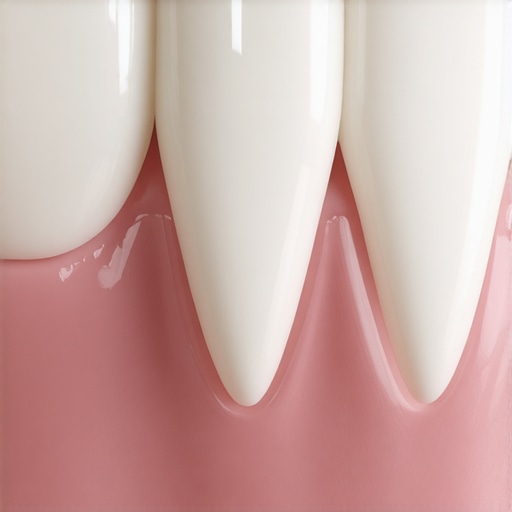
I was staring at a piece of crusty sourdough bread that had just defeated my bottom molar. One crunch, a sickening snap, and suddenly I was part of the ‘broken tooth club.’ In that moment, I realized my oral health routine hadn’t been as bulletproof as I thought. I spent the next hour spiraling on the internet, confused by terms like ‘abutments’ and ‘pontics.’ I genuinely thought a bridge was just a fancy name for a crown. I was wrong. My mistake cost me time and a lot of unnecessary stress because I didn’t understand that these two fixes serve completely different masters. If you’ve ever felt a sharp edge with your tongue and felt that instant pit in your stomach, you know exactly what I’m talking about. It’s scary. Today, I want to clear the fog for you. We are going to look at the mechanical reality of your mouth, why your back molars always get the most cavities, and how to decide which restoration will actually save your smile without draining your savings. [placeholder]
The Day I Realized a Crown Isn’t a Bridge
When I first sat in that dental chair, I told my dentist I wanted a bridge. Why? Because it sounded sturdier. I figured if I was paying that much, I wanted the ‘heavy duty’ option. I didn’t realize that a bridge is designed to fill a literal hole where a tooth used to be, while a crown is a protective ‘cap’ for a tooth that is still hanging on for dear life. If you have a tooth that is cracked but still there, grinding it down to fit a bridge is often overkill. I learned the hard way that how crowns can transform your dental confidence starts with keeping as much of your natural tooth as possible. A bridge actually requires the dentist to file down the healthy teeth on either side of the gap to act as anchors. I was horrified at the thought of ‘sacrificing’ two healthy teeth just to fix one problem area. It felt like burning down two houses to build a hallway. Did you know that according to the American College of Prosthodontists, about 178 million Americans are missing at least one tooth? It’s a massive problem, but the solution shouldn’t be ‘one size fits all.’ You need to know if you are reinforcing a foundation or building a span across a canyon.
Is this dental work actually going to look fake?
That was my biggest fear. I didn’t want to smile and have people see a gleaming silver monument to my poor flossing habits. I worried about that ‘gray line’ at the gumline that I’d seen on my uncle’s teeth for years. But modern materials have changed the game completely. For example, why zirconia crowns are often better for back molars is a conversation worth having because they mimic the translucency of real enamel while being tough enough to handle that sourdough I love so much. I used to think anything ‘man-made’ would stand out like a sore thumb, but once I saw the color-matching technology they use now, my skepticism started to melt. Have you ever felt like your dentist was speaking a different language when explaining these options to you? It’s okay to push back and ask for the ‘why’ behind their recommendation. We are going to dive into the specific durability of each option so you can go into your next appointment feeling like the expert.
What Happens When You’re Actually in the Chair
Imagine your tooth is a crumbling historic building. A crown is the protective scaffolding and new facade that keeps it standing, while a bridge is a complete reconstruction over a vacant lot. The first step in the process is always the ‘shave.’ Your dentist isn’t just grinding away for fun; they are creating a mechanical ‘ferrule,’ which is a solid ring of tooth structure that the crown grips onto. I call this the ‘bobblehead’ phase because your tooth looks tiny afterward. If you’re going for a bridge, they have to do this to two teeth on either side of the gap. It’s a precision game. One time, I was so nervous about my temporary crown popping off during a work dinner that I chewed exclusively on my left side for three days, looking like a chipmunk hoarding a single nut. But here’s the secret: how to keep your dental crown from popping off while chewing usually comes down to avoiding the ‘sticky three’—caramel, gummy bears, and hard bread crusts until the permanent one is cemented. This prep work is vital because it prevents the gap between your gum and your crown from becoming a permanent food trap. In family dentistry focus, the goal is always to preserve as much natural enamel as possible before resorting to these bigger structural changes.
The Precision of the Perfect Fit
Once the tooth is shaped, the dentist takes an impression. In the old days, this involved that goopy, grape-flavored putty that made everyone gag. Today, many modern offices use digital scanners that create a high-resolution 3D map of your mouth. This map ensures that your ‘bite’—how your top and bottom teeth meet—is mathematically perfect. I once had a temporary crown that was just a hair too tall. Every time I closed my mouth, it felt like I was biting down on a pebble. It gave me a massive headache within hours because my jaw couldn’t find a natural resting spot. If you ever feel this ‘high spot’ after your procedure, do not ‘wait for it to settle.’ Go back for an adjustment immediately. Precision is the single biggest factor in maintaining your dental crowns for the long haul. 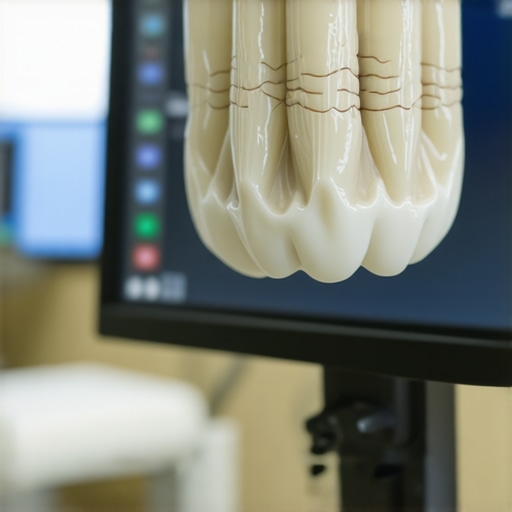
Stop Bacteria From Moving In
The real ‘meat’ of dental longevity is how you handle the margins—the tiny seam where the artificial crown meets your real gum line. This is the frontline of the war against decay. I found out the hard way that why your new crown smells and how to fix it is almost always linked to microscopic plaque buildup at this junction. You cannot just brush the top of a crown like a normal tooth; you have to clean ‘under’ the ledge where the porcelain ends. I started using the proper way to use interdental brushes for best results, sliding them into those tight spaces where traditional floss often just slides over the surface. It is a total game-changer for keeping your breath fresh and the underlying tooth structure rot-free. If you are managing a bridge, you will need a floss threader to get under the ‘pontic’ (the fake tooth filling the gap). It’s a bit like threading a needle under a fence, but it is the only way to ensure effective home practices for family dental health actually work for complex restorative work.
Why Your New Tooth Might Feel Weird
Right after the permanent restoration goes in, you might notice some strange sensations. I panicked the first time I drank ice water and felt a sharp zing. Usually, why your new crown feels cold when you breathe in is just the tooth’s internal nerve reacting to the trauma of the procedure or the new material conducting temperature differently than natural enamel. This sensitivity typically fades within a week. However, if the pain happens only when you bite down hard, that is a mechanical issue with the fit, not a temperature sensitivity. Think of a new crown like a new pair of leather boots—they might need a day or two to break in, but if there’s a nail sticking up, no amount of ‘walking it off’ will fix the problem.
I used to think that the harder I scrubbed my teeth, the cleaner they were. I was wrong. In fact, everyone says you need to be aggressive to get rid of plaque, but in my experience, that ‘industrial-strength’ approach is exactly what leads people back to the dentist for more restorative work. There is a massive difference between being thorough and being destructive.
Most People Brush Too Hard and It Is Actually Making Their Teeth Darker
Here is a contrarian view that most people don’t want to hear: you might be brushing your way to a yellow smile. When you use a hard-bristled brush or apply too much pressure, you aren’t just removing stains; you are thinning your enamel. Since enamel is white and the dentin underneath is naturally yellowish, you end up making your teeth look darker over time. This is one of those 5 dental habits that are actually ruining your enamel without you even realizing it. According to a study in the Journal of Clinical Periodontology, excessive brushing force is a primary cause of gingival recession and non-carious cervical lesions. This creates a nightmare scenario for those of us with restorations, as it exposes the sensitive area where the crown meets the gum. If you’ve noticed why your gums recede even if you brush twice a day, your over-enthusiastic cleaning technique is likely the culprit.
The Rinse-and-Spit Trap You Probably Fell For
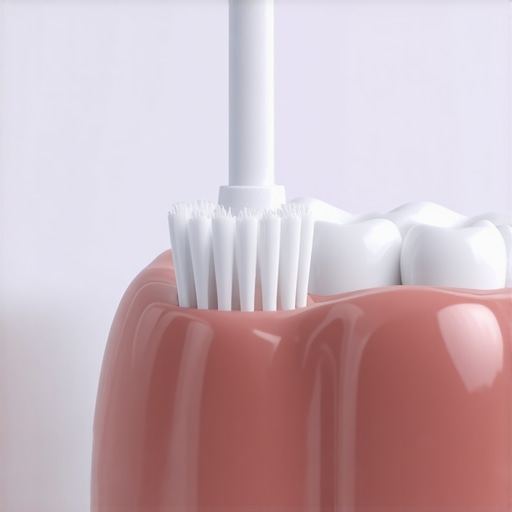
One of the biggest ‘oops’ factors in daily care happens right after you finish brushing. We’ve all been conditioned to rinse our mouths out with water immediately. Don’t do it. When you rinse, you are washing away the concentrated fluoride that is meant to sit on your teeth and remineralize the enamel. You are essentially paying for high-quality toothpaste and then pouring the benefits down the drain. This is why I always tell people why you should stop rinsing with water immediately after brushing. Just spit out the excess foam and let the residue do its work for at least 30 minutes. This is especially critical if you are trying to maintain caring for crowns: essential tips for longevity and shine, as the margins of your crown need that extra protection against recurrent decay.
Why Does My Tooth Only Hurt When I Bite Down Hard?
This is the question that keeps many of my readers up at night. If your tooth feels fine when you drink coffee or eat ice cream but gives you a sharp jolt when you chew, you aren’t dealing with standard sensitivity. This is often a ‘percussion’ issue. It could mean the crown is just a fraction of a millimeter too high, causing it to take the full force of your jaw’s closing power before any other teeth touch. Over time, this bruises the ligament holding the tooth in place. This specific sensation—the reason your tooth hurts only when you bite down hard—is a mechanical red flag that requires a professional adjustment. Ignoring it can lead to a fractured root, which is a one-way ticket to an extraction. Getting expert advice on crowns and teeth cleaning for lasting results means understanding that pain is a data point, not just an annoyance.
Don’t Treat Your Family’s Dental Health as a Finished Project
In the world of family dentistry focus, we often make the mistake of thinking baby teeth are ‘disposable.’ They aren’t. They act as placeholders for adult teeth and maintain the spacing of the jaw. If a child loses a baby tooth too early to decay, the adult teeth can drift into the gap, creating a crooked mess that requires years of braces. Understanding why your child’s baby teeth matter more than you think is the first step in setting them up for a lifetime of health. We need to stay ahead of the curve with oral health tips every family should follow in 2025, which includes moving beyond the ‘brush and floss’ mantra and looking at things like saliva pH and diet. Have you ever fallen into the trap of thinking your dental work was ‘set it and forget it’ only to have a surprise at your next checkup? Let me know in the comments—I’d love to hear your stories and help you troubleshoot. If you have questions about a specific restoration, feel free to contact us directly.
I used to think a dental crown was like a permanent suit of armor—once it was on, the tooth was invincible. That mindset is exactly why many people end up back in the chair three years later with a failed restoration. Keeping your dental work functional isn’t about working harder; it’s about using the right technical leverage. For me, that meant ditching the manual toothbrush for good. If you are serious about maintaining your dental crowns: dos and don’ts for best results, you need to understand that manual brushing is like trying to detail a car with a floor broom. You just can’t get the precision required at the gumline.
The Tech That Actually Saves Your Teeth
I’ve tested dozens of gadgets, and there is one non-negotiable tool in my kit: a high-quality water flosser. Why? Because the ‘margin’—that tiny seam where your crown meets your natural tooth—is a magnet for biofilm. Traditional string floss often skips right over this microscopic ledge. I personally use the Waterpik Aquarius because its pulsating action doesn’t just knock food loose; it disrupts the bacteria that cause recurrent decay under the crown. This is one of those teeth cleaning secrets that professional hygienists wish every patient knew. When you use a water flosser, you are essentially pressure-washing the foundation of your smile.
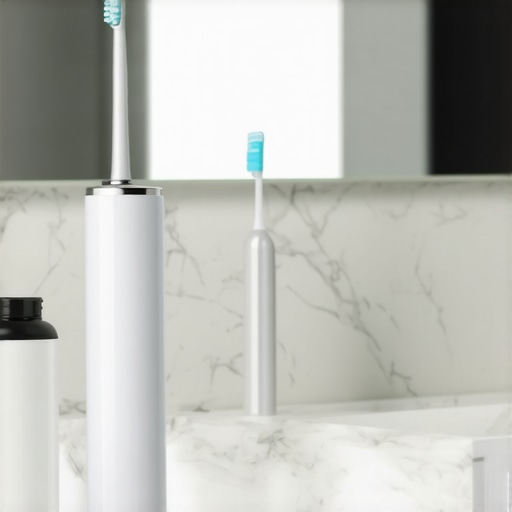
Beyond the water flosser, let’s talk about the data. A systematic review by the Cochrane Oral Health Group confirmed that powered toothbrushes, specifically those with an oscillating-rotating action, provide a significant reduction in plaque and gingivitis compared to manual brushing. In my house, we’ve moved the whole crew to these brushes to stay ahead of oral health tips every family should follow in 2025. It’s a small upfront cost for a massive long-term payoff in family dentistry focus and fewer emergency visits.
How do I keep my dental work looking new for the next decade?
The secret isn’t a special paste; it’s managing the pH of your mouth and the physical stress on your restorations. I started wearing a custom night guard after realizing I was clenching my teeth during stressful work weeks. That constant pressure can micro-fracture the porcelain on a crown, leading to a total failure. If you want to see how crowns can transform your dental confidence, you have to protect that porcelain from your own jaw muscles. Additionally, focusing on the impact of regular teeth cleaning on overall oral wellness means showing up for those six-month ‘scale and polish’ appointments. That’s when your dentist can spot a tiny leak in the cement before it becomes a full-blown infection.
Where the Future of Your Smile is Heading
I predict we are less than a decade away from ‘Smart Crowns’ becoming the gold standard in modern smile makeovers. We are already seeing research into bio-active cements that release fluoride and minerals to ‘heal’ the tooth structure around the crown. Imagine a restoration that doesn’t just sit there but actively fights off cavities. Until then, you are the primary technician for your mouth. If you’re feeling overwhelmed, don’t guess. Reach out and contact us for a personalized plan. My challenge for you tonight: Buy a water flosser and use it consistently for seven days. You will be shocked at what your ‘clean’ teeth were still hiding.
The Costly Truths I Discovered After Breaking a Molar
If I could go back and talk to my pre-broken-tooth self, I’d share a few things that aren’t in the standard brochures. First, a crown is never truly ‘finished’—it is a lifelong commitment to maintenance. I used to think the dentist did the work and I was off the hook, but the real secret to maintaining your dental crowns involves checking the seal yourself. If you can feel a ‘catch’ with your fingernail or tongue at the gumline, that’s an early warning sign. Second, I learned that sweet sensitivity is often a bigger red flag than cold sensitivity for restored teeth. If a piece of chocolate makes that crown throb, bacteria might be leaking underneath. Finally, the ‘biological width’—the space between your bone and the crown—is sacred. If your dentist crowds that space, your gums will stay chronically red, no matter how much you floss. Understanding oral health tips every family should follow in 2025 means realizing that prevention is about precision, not just effort.
What I Keep in My Medicine Cabinet Now
To keep my dental work in top shape, I’ve curated a specific toolkit that has saved me thousands in potential repairs. I swear by a high-powered water flosser; it’s the only way to flush out the ‘dead zone’ under a bridge or around a crown margin without shredding your gums. I also replaced my manual brush with an oscillating electric model because it removes significantly more biofilm with less physical pressure. I’ve found that the proper way to use interdental brushes for best results is to use them right before bed, ensuring no food sits in those tight spaces overnight. Lastly, I keep pH-neutralizing xylitol mints on hand for after meals when I can’t brush, which helps keep my saliva from becoming too acidic and weakening the cement holding my crowns in place.
It Is Never Too Late to Protect Your Enamel
Taking care of your dental restorations can feel like a part-time job at first, but it quickly becomes second nature. Whether you are currently deciding between a crown and a bridge or you’ve had your dental work for a decade, remember that you are the CEO of your own oral health. Your dentist is just the consultant. By staying proactive and noticing small changes early, such as knowing how to fix the gap between your gum and your crown before decay sets in, you can keep your smile functional and beautiful for a lifetime. If you’re feeling unsure about your next step, don’t hesitate to contact us to discuss your options. Have you ever had a crown pop off at the worst possible moment? Share your story below—I’d love to hear how you handled it!