Category: Dental Emergency Care

  • The first steps to take when you chip a porcelain veneer

    The first steps to take when you chip a porcelain veneer

    I remember the moment vividly—biting into my morning toast, I felt that sickening crunch. My stomach sank as I saw a tiny chip on my porcelain veneer; it was one of those moments that make you question everything about your beloved smile. If you’ve ever faced this startling sight, you know exactly what I mean—heart sinking, questions racing, and that instant dread of what comes next.

    But here’s the thing: panic doesn’t have to dominate. In fact, understanding the very first steps to take when you chip a porcelain veneer can make all the difference between a minor fix and a major dental ordeal. When I first encountered this problem, I made a few costly mistakes—trying to ignore it or waiting too long to consult my dentist. Trust me, a little knowledge upfront can save you a lot of trouble later.

    In this post, I’ll share my personal experience along with practical advice to help you handle that unwelcome surprise confidently. We’ll cover not just the immediate actions you should take but also how to navigate the potential concerns about your dental health and aesthetics. By the end, you’ll be equipped with clear, actionable steps to protect your smile.

    So, if you’ve ever stared at a chipped veneer in the mirror and wondered whether it’s a disaster or a fixable mishap, keep reading. Our goal is to demystify this common issue and ensure you’re prepared for the first crucial moments after the damage occurs.

    Taking Charge: Your First Response to a Chipped Veneer

    Assess the Damage Immediately

    As soon as you notice the chip, examine the extent of the damage—use a mirror in good lighting and check if the chip is sharp or if it impacts your bite. Remember, small chips might not be urgent but larger ones can cause discomfort or further damage. I once ignored a tiny chip, thinking it was minor, only to have it worsen over time, leading to a more complex repair.

    Clean the Area Thoroughly

    Gently rinse your mouth with warm water to remove debris. Use a soft toothbrush to clean around the chipped area without applying too much pressure. This step prevents infection and prepares your mouth for the next actions. During my experience, skipping this step led to irritation and delayed healing.

    Protect Your Mouth from Further Injury

    If the chip has left a sharp edge, cover it with dental wax or sugar-free gum to prevent cuts or discomfort. This temporary fix was crucial when I chipped my veneer during a meal, as it kept my tongue safe until I could see the dentist. Daily oral health routines can help prevent damages and reinforce your smile’s resilience.

    Avoid Using Certain Products or Actions

    Don’t eat hard, sticky, or crunchy foods that could aggravate the chip. Steer clear of using your teeth as tools to open packages, as this increases the risk of further damage. I learned this the hard way when I opened a bag with my front teeth, causing the chip to expand. Expert advice emphasizes the importance of gentle habits for longevity.

    Contact Your Dentist Promptly

    Reach out to your dentist as soon as possible to schedule an assessment. Describe the damage, and if there’s pain or sensitivity, mention it upfront. My quick call to the dental office led to a prompt appointment, ensuring the repair was minimally invasive and restoring my confidence swiftly. You can find tailored advice on caring for crowns to maintain your dental restorations.

    Understand Your Repair Options

    Discuss with your dentist whether the chip can be repaired with resin bonding, or if a new crown might be necessary. Knowing the differences is like choosing between patching a tire or replacing it entirely—sometimes a simple fix suffices, but other times, a complete overhaul is better. My dentist explained the advantages of porcelain crowns for long-term durability.

    Implement Long-Term Preventive Measures

    Strengthen your enamel and protect existing restorations by maintaining a proper oral routine. Use fluoride toothpaste, avoid abrasive brushes, and consider sealants if recommended. My visit to a family dentistry specialist included tips on avoiding future mishaps, reinforcing family dental health.

    Many people operate under myths about teeth cleaning, family dentistry, and crowns that can undermine their oral health. One widespread misconception is that daily brushing is enough to prevent dental issues; however, research from the American Dental Association highlights that proper flossing and regular professional cleanings are equally vital for comprehensive care. Another mistake is believing that all teeth whitening products are safe for everyone, but some can cause sensitivity or damage, especially without professional guidance. Advanced users should consider how the nuances of enamel erosion can affect whitening outcomes; for instance, acidic foods and beverages accelerate enamel loss, making teeth more susceptible to staining and sensitivity which expert dental advice emphasizes.

    A common myth in family dentistry revolves around the belief that children’s primary teeth don’t need as much attention, but early prevention of decay sets the stage for healthier permanent teeth. Ignoring early signs or delaying visits can result in costly interventions later. When it comes to crowns, many think they’re only for aesthetic purposes, but their true value lies in restoring function and preventing further decay, especially in teeth with large fillings or after root canals as explained by specialists.

    It’s crucial to recognize these misconceptions because falling into these traps can lead to avoidable complications. For example, overzealous use of abrasive whitening agents can strip enamel, increasing sensitivity and wear. Conversely, neglecting routine checkups may allow minor issues to escalate; a small cavity left untreated can lead to root infections or even tooth loss. Remember, the challenges are nuanced, and a tailored approach—combining good habits with professional guidance—is the most effective strategy.

    **What most people overlook involves the subtle signs of early deterioration**, like slight gum discoloration or persistent bad breath resistant to standard cleaning. These signals often go unnoticed but are vital clues. Advanced concepts such as the impact of systemic health—like diabetes or heart disease—on oral conditions underscore the importance of holistic care. Studies show that periodontal disease is linked to serious health issues, reinforcing the need for regular, comprehensive oral health routines which experts continually stress.

    Finally, many underestimate the importance of choosing the right dental professional and understanding treatment options. Not all crowns are created equal; materials like porcelain, zirconia, or gold serve different needs and longevity. Being informed can save you both money and discomfort in the long run. Explore expert tips on selecting the right restoration to make confident decisions.

    By recognizing these hidden nuances, you can actively prevent problems rather than just react to them. Don’t let misconceptions undermine your oral health—stay educated, ask questions, and make your dental visits count. Remember, maintaining a healthy smile is an ongoing journey, not a one-time fix.

    Have you ever fallen into this trap? Let me know in the comments!Maintaining your oral health over time is a proactive process that extends beyond the dentist’s chair. One of the key strategies I personally rely on involves investing in high-quality electric toothbrushes, such as the Oral-B Genius X. I prefer this model because it offers multiple brushing modes tailored to different needs, like gum care and plaque removal, which are crucial for preserving crowns and preventing decay. Its pressure sensors alert me when I’m brushing too hard, protecting sensitive restorations and natural enamel. Additionally, I incorporate a water flosser, like the Waterpik Aquarius, into my daily routine. Unlike traditional floss, it effectively cleans hard-to-reach areas around crowns and bridges, reducing plaque buildup and preventing periodontal issues. Regular use of such tools significantly diminishes the risk of complications and extends the lifespan of dental restorations. I also utilize dental software apps that sync with my toothbrush to track my brushing habits, ensuring consistency and thoroughness. This digital oversight motivates me to maintain excellent oral hygiene, which aligns with advice from experts emphasizing long-term results here. As technology advances, smart toothbrushes with AI capabilities are predicted to become even more integrated into routine care, offering personalized feedback and early detection of potential problems. To optimize your dental routine, I recommend trying a water flosser to complement your brushing—its targeted cleaning action truly transforms your daily hygiene. Remember, investing in the right tools is a vital step toward sustainable oral health and protecting your smile for years to come.

    The Hardest Lesson I Learned About Oral Health, Teeth Cleaning, Family Dentistry, and Crowns

    Early in my dental journey, I underestimated the importance of consistent maintenance. I believed that occasional treatments were enough, but I soon discovered that neglecting daily routines led to unexpected setbacks, especially with crowns and restorations. The biggest lightbulb moment was realizing that my daily habits directly impacted the longevity of my dental work and overall health.

    Little Known Ways to Fortify Your Smile Every Day

    I found that integrating a water flosser significantly boosted my interdental cleaning. Coupled with a smart toothbrush, I gained real-time insights into my brushing habits, making daily routines both effective and engaging. These tools aren’t just gadgets—they’re investments in a resilient, beautiful smile that can withstand everyday challenges.

    Emotional Power to Take Charge of Your Dental Future

    Your smile is more than aesthetics; it’s a reflection of your overall health. Embrace proactive habits, seek expert advice when in doubt, and don’t shy away from asking your dentist about personalized strategies. Remember, each mindful choice today builds a foundation for a brighter, healthier future. Your dental confidence starts now—take that first step and shape the smile you deserve.

  • How to manage a throbbing tooth until your morning appointment

    How to manage a throbbing tooth until your morning appointment

    I remember the night vividly—an all-too-familiar pounding in my jaw that refused to let up. It was the kind of pain that jolts you awake at 2 a.m., with no chance of ignoring it. Frustration and worry crept in because I knew I had a dental appointment scheduled for the next morning, but the agony was unbearable in the meantime. That moment hit me like a punch to the face: how could I survive the night with a throbbing tooth and no immediate fix in sight?

    Surviving the Pain: Tips to Ease a Throbbing Tooth Before Your Dentist Visit

    Dealing with a sudden, intense toothache is a common dilemma. It feels like your entire head is vibrating with each pulse—a miserable prospect when you’re counting down the hours until professional help. Although I’m not a dentist, I’ve learned a thing or two through personal experience and research about how to get through these rough nights.

    The key is to manage the pain and reduce inflammation as much as possible until a qualified dental provider can diagnose and treat the root cause. Today, I’ll share practical tips that worked wonders for me—and will hopefully do the same for you. From over-the-counter solutions to simple lifestyle adjustments, this guide aims to keep you comfortable until your appointment.

    Is Relying on Home Remedies Actually Safe and Effective?

    One thing I wish I knew early on was that some home remedies might provide temporary relief but could be risky if used improperly. I made the mistake of applying hot packs directly to my face—thinking the warmth would soothe the pain. Instead, it made things worse. Trust me, always be cautious and consider consulting reputable advice from sources like oral health experts.

    Understanding what works—and what doesn’t—can make a significant difference in how you endure the night. So, if you’re wondering whether a popular remedy is worth trying or potentially harmful, I’ll cover those points too. The goal is to keep you safe, comfortable, and one step closer to relief until your visit.

    Now, let’s dive into some actionable tips that’ll help you handle that relentless toothache without losing your mind or your sleep. Ready to get through the night? Let’s go.

    ,

    Apply Cold Compresses to Numb the Pain

    Immediately after experiencing a sharp pain, wrap a few ice cubes in a towel and press it gently against your cheek, near the sore tooth. The cold causes blood vessels to constrict, reducing swelling and numbing nerve endings. I once spent a tense hour pressing an ice pack against my jaw, which noticeably decreased the intensity of the pain and bought me some precious sleep. Be sure not to place ice directly on your skin to avoid frostbite.

    Use Over-the-Counter Painkillers Effectively

    Non-steroidal anti-inflammatory drugs (NSAIDs) like ibuprofen are ideal because they address both pain and inflammation. Take the recommended dosage, preferably with food to prevent stomach upset. In my experience, swallowing an ibuprofen tablet shortly after the pain peaks significantly dulls the throbbing sensation, allowing me to rest better until I see the dentist. Always check for any contraindications if you have underlying health conditions.

    Maintain a Comfortable Head Position

    Elevate your head using pillows when lying down. This prevents blood from pooling toward the aching tooth, which can intensify pain. I learned this trick during a restless night when I propped my head higher with a few pillows, resulting in a noticeable decrease in throbbing. Do not lean forward or lie flat, as these positions can increase blood flow to your face, worsening the pain.

    Rinse Carefully with Saltwater

    Mix half a teaspoon of salt into a cup of warm water and gently swish around your mouth for 30 seconds, then spit out. The antiseptic properties help reduce bacteria and soothe irritated tissues. I made a saltwater rinse before bed, which temporarily eased my discomfort and helped clean debris around the tooth, preventing further irritation. Avoid swallowing the rinse and do not rinse too vigorously to prevent aggravating the area.

    Minimize Triggering Movements and Foods

    Avoid biting on hard foods or chewing near the affected side. Stick to soft, cool foods like yogurt or mashed potatoes to prevent aggravating the nerve. I once tried to bite into a crunchy apple despite the pain, which caused a sharp spike in discomfort—lesson learned the hard way. Steer clear of very hot or cold beverages, as temperature fluctuations exacerbate sensitivity.

    Temporarily Limit Stress on the Tooth

    Refrain from smoking or drinking alcohol, as these can irritate inflamed tissues and hinder healing. I noticed that smoking during my dental pain made the ache worse and delayed relief. Keeping the mouth as calm as possible reduces further inflammation and helps your body work towards recovery until professional treatment can be scheduled.

    Note About Home Remedies and Safety

    While these steps can provide relief, avoid applying heat directly to the area or using unverified remedies, which could worsen the condition. For example, I once tried using a hot towel, believing warmth would soothe my tooth, but it only intensified the pain. Always prioritize proven methods and consult a professional if symptoms worsen or persist. For more insights on maintaining oral health between visits, visit effective home practices.

    Ready to Manage the Night, But When to Act?

    If pain persists beyond 24 hours or worsens, seek urgent advice from a dental specialist. Don’t wait too long, as delayed treatment can lead to complications. In the meantime, these practical steps will help you weather the discomfort and remain functional until proper care is available.

    Person gently pressing an ice pack against their cheek to relieve tooth painMany patients enter dental offices believing they understand crowns and oral health, but in reality, there’s a lot of misconception that can lead to costly mistakes. One prevalent myth is that choosing the most expensive crown guarantees the best results, but in my experience, material selection should be tailored to individual needs and long-term goals. For example, porcelain-fused-to-metal crowns often seem superior, yet ceramic options may better suit certain cases requiring natural aesthetics. Additionally, a common oversight is undervaluing the importance of proper oral hygiene around crowns; neglecting daily care can cause longevity issues, despite the quality of the restoration. Advanced practices involve understanding how crowns interact with surrounding tissues and how proper maintenance can prevent secondary problems like gum recession or decay underneath the crown. A nuanced point many overlook is the impact of occlusion—the way teeth come together—which can significantly affect crown lifespan and patient comfort. Some practitioners fail to assess bite dynamics thoroughly, resulting in premature failure or discomfort for the patient. Regular professional cleanings are vital, especially since improperly executed teeth cleaning can damage delicate gum tissues or compromise crown margins. It’s not just about whitening or superficial cleaning—deep protocols like full-mouth disinfection and occlusal adjustments play a crucial role in comprehensive family dentistry. Moreover, myths about home remedies or DIY fixes can be harmful; applying abrasive substances or over-the-counter whitening agents around crowns can erode enamel or cause discoloration, counteracting the desired aesthetic or health benefits.

    Why Do Some Patients Experience Crown Failures Despite Following All Instructions?

    Experts suggest that neglecting the subtle nuances of occlusal forces and tissue health is often at the root of such issues. Studies indicate that maintaining a balanced bite and monitoring for early signs of tissue irritation are critical for longevity (source: Expert Guide to Crowns). To truly optimize your dental outcomes, consider holistic approaches that extend beyond the crown installation itself, including lifestyle factors, diet, and regular check-ups. Failing to address these can result in unexpected failures or discomfort, even years after the procedure. Are you aware of how daily habits influence the health of crowns and the surrounding tissues? If not, it’s a worthwhile topic to discuss with your dentist at your next appointment. Remember, achieving a durable, healthy smile requires understanding these hidden nuances—so don’t let misconceptions undermine your investment in oral health. Have you ever fallen into this trap? Let me know in the comments.

    Invest in Quality Tools for Maintainance

    Ensuring your dental work stands the test of time starts with using the right equipment. I personally swear by a high-quality electric toothbrush, like the Sonicare DiamondClean. Its sonic vibrations effectively remove plaque beyond what manual brushing can achieve, especially around crowns and veneers. Regular use not only prolongs the lifespan of restorations but also maintains gum health, which is crucial for overall oral wellness. Additionally, incorporating a water flosser like the Waterpik Ultra provides the precision needed to clean hard-to-reach areas, especially beneath crowns and bridges, reducing the risk of decay and gum inflammation.

    Leveraging Technology for Better Outcomes

    Digital tools have revolutionized home care and monitoring. I utilize apps such as Brush DJ, which gamifies your brushing routine, ensuring you spend enough time on each quadrant. Furthermore, scheduling periodic virtual consultations through your dental provider’s secure platforms can help catch early issues before they escalate, saving you time and money. Using these tech solutions encourages consistency, which is key for long-term success, and keeps you engaged in your oral health journey.

    Maintain Consistent Cleaning Routines

    Consistency is king. Setting reminders on your smartphone to brush and floss twice daily helps embed these habits into your lifestyle. I find that using a timer ensures I reach the recommended two minutes per session, guaranteeing thorough cleaning around crowns and natural teeth alike. Also, selecting fluoride-rich toothpaste fortifies enamel, providing additional protection against sensitivity and decay. Remember, regular professional cleanings, ideally every six months, boost the effectiveness of your home care routine. For deeper insights, explore how professional cleanings support your oral health.

    Plan for Long-Term Results and Scaling Up

    As your dental needs evolve, so should your tools and strategies. For instance, if you notice increased sensitivity or staining, consider upgrading to an electric toothbrush with different modes—like gum care or whitening—to target specific issues. When scaling, such as adding implants or additional crowns, consult your dentist about maintaining your toolkit and routines. Advances in laser dentistry and remineralization therapies are promising trends making long-term upkeep easier and more effective. Staying informed and adaptable will help preserve your smile for years to come.

    How Do I Keep My Crowns and Restorations in Top Shape?

    Proper maintenance involves more than just regular brushing—it’s about targeted care. Use interdental brushes or soft floss to clean around crowns without damaging gum tissues. Incorporate specialized tools like proxi-brushes for hard-to-reach areas, which I find indispensable for preventing plaque build-up. Additionally, avoid abrasive whitening agents or DIY remedies that might erode your restorations. Regular check-ups with your dentist will help detect early signs of wear or decay, ensuring interventions can be performed before minor issues become major repairs. For detailed guidance, check out best practices for crown longevity.

    Finally, I recommend adopting a proactive mindset—schedule your routine visits and invest in the right tools today. Staying ahead with these strategies will help you enjoy a healthy, confident smile well into the future!

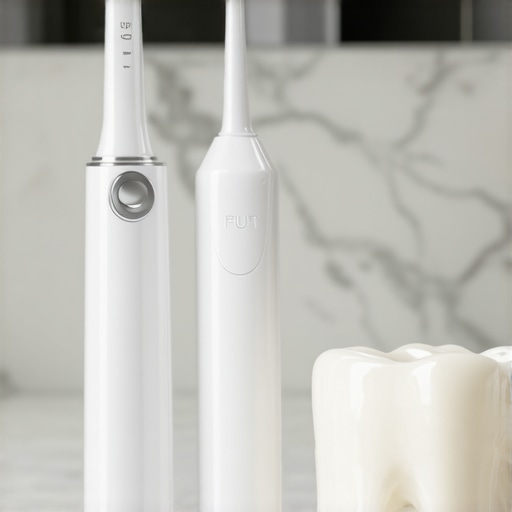
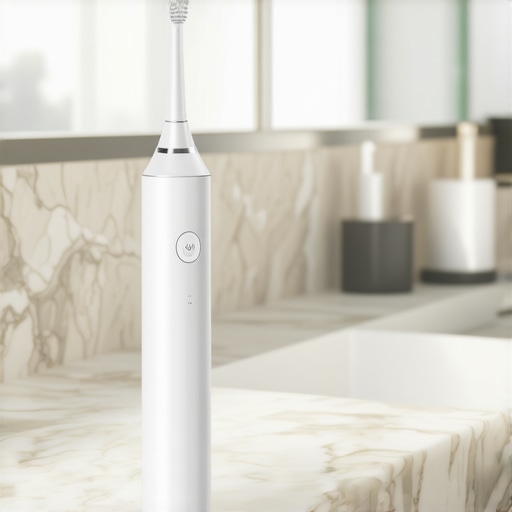
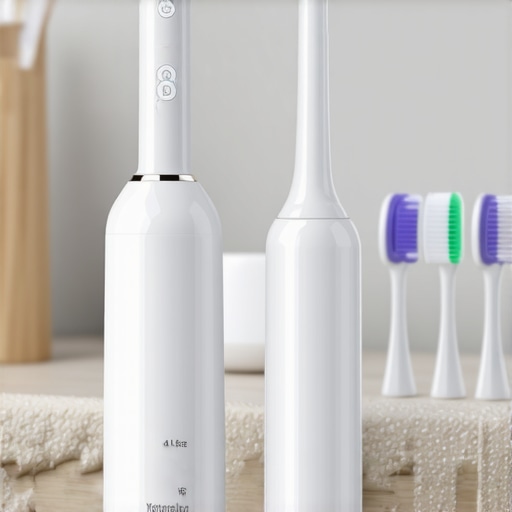
    Electric toothbrush with various cleaning modes standing on a bathroom counter, symbolizing effective oral health care.

    High-quality electric toothbrush with multiple brushing modes, ideal for crown maintenance and overall oral health.

    The Unseen Lessons That Changed My Dental Journey

    One surprising realization came when I stopped viewing dental care as a series of isolated tasks and instead understood it as a lifelong commitment. I learned that minor daily habits, like gentle brushing and consistent flossing, have exponentially greater benefits than sporadic professional cleanings. Additionally, I discovered that patience is key—improvements in oral health often manifest gradually, requiring perseverance rather than quick fixes.

    Another lightbulb moment was recognizing that not all home remedies are created equal. While some might soothe temporarily, they can also mask underlying issues, delaying essential treatment. For example, applying heat or baking soda without guidance can do more harm than good. Embracing evidence-based practices, I found, empowers you to make safer, more effective choices for your family’s dental well-being.

    Lastly, I understood that proactive communication with your dentist transforms the relationship from reactive to preventative. Asking questions about material choices for crowns or the latest oral health techniques helps tailor your care plan and prevents avoidable issues. These lessons shifted my perspective from reactive treatment to active maintenance, ultimately saving me time, money, and discomfort in the long run.

    Tools That Elevated My Smile Care Routine

    For a confident, healthy smile, I rely on a few indispensable tools. The Sonicare DiamondClean electric toothbrush became my daily partner, offering superior plaque removal and gum safeguarding compared to manual brushing. Its multiple settings help target specific concerns, making maintenance more efficient and enjoyable. Additionally, the Waterpik Ultra water flosser fills the gaps where simple flossing sometimes falls short, especially around crowns and bridges, effectively reducing plaque buildup.

    Beyond hardware, I trust the Brush DJ app to keep me accountable, ensuring I brush for the recommended two minutes and cover all quadrants thoroughly. This simple yet effective digital nudging has transformed my oral hygiene habits from forgettable to consistent. Combining these tools with regular professional cleanings maintains my oral health and keeps my smile shining—proof that investing in quality equipment truly pays off.

    For those seeking guidance, reputable sources such as the expert advice shared on expert dental insights provide trusted knowledge to enhance your routine and decision-making.

    Embrace Your Power to Transform Your Dental Future

    Your journey toward optimal oral health is uniquely yours, and every small step counts. By integrating reliable tools, informed choices, and proactive habits, you can prevent unnecessary pain and preserve your natural smile for years to come. Remember, the actions you take today set the foundation for a healthier tomorrow, so start implementing these strategies and watch your confidence grow.

    What simple change will you commit to today that could improve your oral health? Share below—your story might inspire someone else to take that first step!

  • How to handle a loose crown before it falls out

    How to handle a loose crown before it falls out

    I vividly remember the moment when I felt a strange wobble during my morning coffee—my crown, my trusted little shield against all the sweet temptations and endless snacking, was getting loose. That sinking feeling hit me hard. It’s astonishing how a tiny thing like a loose crown can cause so much panic. Suddenly, I was scrutinizing every crunch, fearing that my smile was crumbling right before my eyes. If you’ve ever experienced that alarming sensation, you know exactly what I mean. It’s a real wake-up call that something isn’t quite right with your dental work.

    Why a Loose Crown Shouldn’t Be Ignored

    Most folks dismiss a loose crown as a minor inconvenience. Maybe you think, “It’ll tighten up on its own,” or “It’s not a big deal… yet.” But here’s the truth—waiting too long can lead to more serious problems like decay or infections that might require more extensive—and expensive—treatments. According to the American Dental Association, if a crown becomes loose, bacteria can sneak underneath, causing decay beneath the crown that you can’t see or feel right away. That’s why early action is vital.

    Personally, I made the mistake of ignoring my loose crown for a couple of days because I was busy and assumed it would settle down. That was a costly oversight. The decay that developed under the crown was only discovered during a routine check-up, and the damage was more extensive than it would have been if I’d taken care of it early. This experience taught me a crucial lesson: a loose crown isn’t just annoying—it’s a sign that your dental health needs attention now, not later. Want to learn how to handle this tricky situation effectively? Keep reading.

    Is Temporarily Fixing a Loose Crown Really Worth the Risk?

    Many people wonder if it’s safe to try fixing a loose crown at home or just wait until their next appointment. From my own early misstep, I can tell you—DIY fixes can often do more harm than good. I attempted to glue my crown back temporarily, thinking I was saving time, but in truth, I only delayed proper care and risked trapping bacteria between the tooth and crown. Trust me, professional guidance ensures your restoration keeps both its function and your smile’s health intact. For more insights on maintaining your crowns, this article covers the essential dos and don’ts to extend their longevity.

    Assess the Situation Immediately

    When you notice your crown feels loose, gently tap it with your tongue or clean finger. If it moves slightly or feels uneven, it’s time to act. Avoid trying to glue or fix it yourself, as improper handling can cause more damage or introduce bacteria. Instead, schedule an appointment with your dentist promptly. Remember, a loose crown is a sign that your dental health needs professional attention.

    Prepare for a Dental Visit Effectively

    Make a list of symptoms, such as pain, sensitivity, or if the crown has fallen out entirely. This information helps your dentist assess the severity quickly. To reduce further damage, rinse your mouth with warm saltwater to keep the area clean. Bring the loose crown in a clean container if it has come off, as it might be salvageable, depending on its condition. This preparation streamlines your appointment and ensures your dentist has all they need to act efficiently.

    Follow Proper Oral Hygiene Routines

    Maintaining consistent cleaning habits is crucial after your crown’s repositioning. Use a soft-bristled toothbrush to gently clean around the crown, preventing plaque buildup that could cause further decay. Floss carefully using a special floss threader or water flosser to remove debris from beneath the crown without damaging it. Regular cleaning not only prolongs the life of your crown but also protects your underlying teeth from decay, similar to how effective home practices bolster your overall dental health.

    Limit Certain Foods and Habits

    After getting your crown fixed, steer clear of sticky, hard, or chewy foods that can dislodge or damage it further—think of it as avoiding rough terrain during a delicate repair. Chewing on ice or hard candies should be avoided entirely. Also, cut back on staining foods and beverages, like coffee or red wine, to keep your crown shining and your smile bright, as suggested in caring for crowns. These precautions help ensure your restoration lasts longer and functions properly.

    Seek Professional Guidance

    Book an appointment with your dentist as soon as possible. During the visit, the dental professional will examine the crown, assess underlying tooth health, and decide whether re-cementing, repairing, or replacing the crown is necessary. It’s important to trust experts because they can use diagnostic tools like X-rays to detect hidden decay or damage not visible to the naked eye. Remember, attempting to fix a crown yourself or delaying professional care can lead to more extensive and costly treatment, making expert intervention essential for long-term oral health.

    Recognize When to Get Emergency Help

    If the crown falls out completely and causes pain, swelling, or bleeding, seek emergency dental care. Do not delay, as exposure of the tooth can increase the risk of infection or further damage. Keep the lost crown clean and bring it to your appointment. Acting swiftly preserves your natural tooth structure and prevents complications that could jeopardize your smile’s integrity. For ongoing protection, incorporate routine dental check-ups and hygiene practices into your regular schedule, aligning with family dentistry principles.

    Many individuals believe that a simple brushing routine guarantees a healthy smile, but in my experience, there’s more to effective oral health than meets the eye. A common myth is that vigorous brushing alone prevents cavities and gum disease, yet overbrushing with hard-bristled brushes can actually damage enamel and recede gums, exposing roots to decay. The key is mastering proper technique and understanding the nuances of your dental needs. For example, regular flossing isn’t just a habit—it’s critical for cleaning beneath crowns and along gum lines where bacteria hide, but many overlook using the right floss type or technique, leading to ineffective cleaning and plaque buildup. Want to ensure you’re doing it right? Check out effective home practices for comprehensive [teeth cleaning](https://periodontistcare.com/teeth-cleaning-secrets-effective-home-practices-for-family-dental-health).

    Are All Dental Crowns Equal in Maintenance and Longevity? Why Your Choice Matters

    In my practice, I’ve seen many assume all crowns are the same, but the materials vary widely, impacting their lifespan and how they should be cared for. For instance, porcelain crowns are aesthetically pleasing but more prone to chipping if not maintained properly, whereas gold crowns are durable but less natural-looking. The secret lies in understanding these nuances and following tailored care routines, such as avoiding sticky foods and using specialized floss to prevent dislodgement—details highlighted in [caring for crowns](https://periodontistcare.com/caring-for-crowns-essential-tips-for-longevity-and-shine). Ignoring these subtleties can lead to unexpected failures, costing you time and money. So, what’s the real secret to maximizing your crown’s lifespan? It’s all about personalized care—something that a generic approach simply can’t provide.

    Beyond individual habits, many underestimate the importance of comprehensive family dentistry that focuses on proactive prevention rather than reactive treatments. Regular check-ups can detect lurking issues before they become costly problems, aligning with best practices in [building a lifetime of healthy smiles](https://periodontistcare.com/family-dentistry-focus-building-a-lifetime-of-healthy-smiles).

    Have you ever fallen into this trap? Let me know in the comments.

    Invest in Quality Tools for Lasting Results

    Maintaining your oral health over time requires more than just regular brushing and flossing; it hinges on using the right equipment and techniques. I personally swear by using a sonic toothbrush from brands like Philips Sonicare, which offers high-frequency vibrations that effectively break down plaque without damaging enamel. Unlike manual brushes, sonic options can reach deep into crevices, especially around crowns, preventing decay underneath and extending the lifespan of your dental restorations. For thorough interdental cleaning, a water flosser like the Waterpik is invaluable. I’ve found it significantly better at removing debris trapped beneath crowns than traditional floss.

    The secret to long-term success with crowns and general oral health is consistency. These tools, combined with proper technique, create a formidable defense against decay and gum disease. As trends evolve, emerging ultrasonic devices incorporating AI-driven feedback are on the horizon, promising even more personalized cleaning experiences—imagine real-time guidance tailored specifically to your mouth’s unique needs.

    How do I maintain my dental tools over time?

    Keeping your toothbrush and water flosser in top shape is vital. Replace your sonic toothbrush head every three months, or sooner if bristles fray, to ensure optimal cleaning action. Regularly descale water flossers by running vinegar solutions through them to prevent mineral buildup, which could harbor bacteria. Cleaning your tools isn’t just about hygiene; it directly impacts their effectiveness in maintaining your crowns and natural teeth, helping you avoid costly interventions down the line. Moreover, store your tools in a dry, hygienic place, avoiding damp drawers or containers that can breed mold or bacteria. For additional guidance on proper oral hygiene routines, check out this comprehensive guide.

    Using high-quality tools isn’t just a habit—it’s an investment in your smile’s future. As technology advances, expect smarter, more connected devices that can monitor your brushing pressure or alert you when it’s time to change a component. Embracing these tools today sets a foundation for healthier teeth and gums tomorrow. I urge you to try integrating a sonic toothbrush paired with a water flosser into your routine—small steps that make a big difference over the years.

    Lessons I Wish I Had Learned Sooner About Crowns and Oral Care

    • Choosing the right material for your crown isn’t just about aesthetics; it impacts durability and maintenance. I found that porcelain, while beautiful, requires more careful handling than gold, which is more forgiving. Personal experience taught me to ask my dentist about material options tailored to my lifestyle.
    • Regular check-ups are more than just routine—they’re your opportunity to catch potential issues early. I used to underestimate their importance, but now I see them as essential investments in my smile’s future, preventing costly repairs later.
    • Proper home care, including correct brushing and flossing techniques around crowns, makes all the difference. I used to be overzealous, damaging my gums, until I learned gentle, effective methods that protect both my natural teeth and restorations.
    • Listening to my dentist’s advice about foods and habits proved crucial. Avoiding sticky candies and hard snacks post-restoration has saved me from unnecessary repairs, emphasizing that small daily choices have a big impact.
    • Technological tools like sonic toothbrushes and water flossers aren’t just trendy—they’re game changers for crown longevity. Investing in quality tools, as I did, consistently improved my oral health and extended the life of my dental work.

    Tools and Resources That Have Made a Difference

    • My trusted dentist’s advice is invaluable; they provided personalized strategies on caring for my crowns, including tips on products and techniques—checking out this guide was transformative.
    • Choosing a high-quality sonic toothbrush, like Philips Sonicare, transformed my daily routine. Its effectiveness at gentle plaque removal around crowns has truly made a difference in my long-term dental health.
    • Water flossers, especially models like Waterpik, have been essential for cleaning beneath crowns safely. They help me maintain hygiene without risking damage, reinforcing the importance of the right tools for each step.
    • Educational resources such as expert advice on crown care and effective home practices continue to guide me toward better routines, ensuring my crowns last as long as possible.

    Embrace Your Dental Journey: Your Smile Deserves It

    Oral health is a lifelong journey that thrives on continuous care, informed choices, and professional guidance. Taking proactive steps now not only preserves your smile but also boosts your confidence and well-being. Remember, each small effort counts—your future self will thank you for making informed decisions today.

    What has been your biggest challenge or win in maintaining your dental crowns? Share your experience below—I’d love to hear your story and learn from your journey!

  • How to reduce swelling from a tooth infection at home

    How to reduce swelling from a tooth infection at home

    The day I felt that sudden throbbing in my jaw was one of those moments I won’t forget. It was late at night, and I knew I had to do something because the swelling was starting to make my face look puffy and uncomfortable. Honestly, I felt helpless—like I was caught in a terrible tug-of-war between the pain and the ticking clock until morning. But here’s the thing: after some trial, error, and a little bit of desperation, I discovered ways to manage the swelling at home, giving me relief until I could get professional help. And now, I want to share that journey with you, because I’ve been there, and I know how overwhelming it can be.

    Why Swelling from a Tooth Infection Is More Than Just Uncomfortable

    Once I saw my face puff up like a chipmunk, I realized this wasn’t just about discomfort—it was a sign that my infection could be spreading, potentially leading to more serious health issues. Swelling is your body’s way of reacting, swelling to contain and fight off the infection. But the danger is that if not managed properly, it can become severe or even life-threatening, especially if the infection reaches vital areas like the neck or head.

    Getting a handle on the swelling doesn’t mean you should ignore professional dental advice. However, knowing some effective home strategies can provide temporary relief and help prevent the situation from worsening. I found that simple remedies, combined with a good understanding of what signs to watch for, made a huge difference in managing the pain and swelling.

    Have you ever experienced this type of swelling? If so, you’re not alone. Many people underestimate how quickly these infections can escalate. Early intervention with home care, like ice packs and saltwater rinses, can buy you precious time until you see a dentist.

    Before I dive into the specific steps you can take, make sure you understand the importance of proper oral hygiene. Sometimes, brushing gently and avoiding aggravating the area helps reduce irritation. Also, staying hydrated and avoiding hot or spicy foods can make a significant difference. These small habits can slow the spread of infection and help you feel a bit more comfortable.

    According to a study published in the Journal of Oral and Maxillofacial Surgery, early management of facial swelling can significantly reduce the risk of severe complications from dental infections. So, while home remedies are helpful, seeking prompt professional care is essential.

    Now, let’s explore proven methods to reduce that swelling at home, giving you relief and peace of mind while you arrange for the dental visit you need. Keep reading—your comfort is just a few simple steps away.

    Apply Cold Compresses Immediately for Instant Relief

    Start by wrapping an ice pack or a bag of frozen peas in a thin cloth and gently pressing it against your cheek over the swollen area. I remember when I experienced this myself, I held the compress for 15-minute intervals every hour. This constricts blood vessels, decreasing blood flow and helping to reduce swelling and numb the pain. Be careful not to apply ice directly to your skin to avoid frostbite.

    Maintain Proper Oral Hygiene to Prevent Worsening Infection

    Gently brush your teeth with a soft-bristled brush, focusing on keeping your mouth clean without irritating the swollen area. Use a saltwater rinse—dissolve half a teaspoon of salt in a glass of warm water—and swish for 30 seconds before spitting. This natural antiseptic helps reduce bacteria and soothe inflamed tissues. I found that rinsing after eating kept food particles from aggravating the infection, which eased some discomfort.

    Stay Hydrated and Avoid Irritating Foods

    Drink plenty of water throughout the day to promote saliva production, which naturally washes away bacteria. Avoid hot, spicy, or acidic foods—they can irritate the inflamed tissues and worsen swelling. When I was dealing with swelling, I stuck to cool, bland foods like yogurt and smoothies for comfort and to prevent further irritation.

    Over-the-Counter Anti-Inflammatories for Pain and Swelling

    If tolerated, consider taking NSAIDs such as ibuprofen, which both reduces pain and inflammation. Always follow the dosage instructions and check for any contraindications, especially if you have underlying health conditions. I personally found that taking an NSAID at the onset of pain helped me manage the swelling more effectively until I saw the dentist.

    Use Herbal Remedies Cautiously—Chamomile and Clove Oil

    Chamomile tea bags, once cooled, can be held against the cheek as a gentle anti-inflammatory compress. Clove oil, diluted in a carrier oil, can be applied carefully with a cotton swab to numb pain. I used these remedies during my frustrating nights and noticed a slight decrease in discomfort, but they should supplement—not replace—professional treatment.

    Elevate Your Head to Prevent Blood Flow to the Face

    Sleep with your head elevated on pillows to discourage blood accumulation in the face, which can exacerbate swelling. I found that sleeping semi-upright reduced the overnight swelling and made waking up more comfortable. Combining this with cold compresses in the evening made a noticeable difference.

    Be Vigilant for Signs Warranting Urgent Care

    Watch for signs like difficulty breathing, swallowing, or a rapidly spreading swelling. In those cases, seeking emergency dental care or visiting an ER is crucial. Remember, home strategies are temporary; professional intervention remains essential to treat the infection effectively and prevent serious complications.

    Many people assume that routine procedures like teeth cleaning and getting crowns are straightforward and only involve superficial care, but this oversimplification can lead to overlooked issues and suboptimal results. A prevalent myth is that once your teeth look clean, your oral health is flawless, yet studies have shown that even with regular cleanings, plaque buildup beneath the gums can persist, leading to periodontal disease if not properly managed. For example, understanding the nuances of crown maintenance is critical; neglecting proper care can result in unnecessary wear or even crown failure, which is why reviewing detailed tips on caring for crowns for longevity is essential. Many believe that dental visits can be spaced out longer once they’ve had a cleaning, but the reality is that many early signs of gum disease or decay are asymptomatic and require regular checkups for detection. This oversight often leads to advanced issues, like hidden infections damaging the jawbone or causing systemic health problems, emphasizing the importance of consistent professional assessments. Moreover, a common trap is thinking more frequent polishing or whitening enhances oral health—while this can improve aesthetics, overdoing it can weaken enamel and increase sensitivity, as highlighted in guidelines from expert advice on crowns and whitening. What’s often missed is that oral health isn’t just about appearance; it reflects underlying systemic conditions like diabetes or cardiovascular disease, which are interconnected through oral inflammation. Recognizing this, many advanced practices now integrate oral health with overall wellness strategies, making routine care more comprehensive. For instance, using targeted interdental cleaning tools improves results over standard flossing, an approach that many overlook. Also, beware of the ‘wait-and-see’ attitude regarding minor gum bleeding; persistent bleeding signals inflammation that needs prompt attention, not delay. A study published in the Journal of Dental Research supports that early intervention in periodontal issues can prevent costly treatments later on. So, next time you visit your dentist, ask yourself: am I fully aware of the nuanced aspects of my oral health and the effective practices to maintain it? Remember, brushing alone isn’t enough—integrating daily habits with professional care ensures a healthier, longer-lasting smile. Have you ever fallen into this trap? Let me know in the comments.Maintaining excellent oral health requires more than just regular visits to the dentist; having the right tools and adopting effective routines are crucial for lasting results. Personally, I find that investing in quality equipment not only simplifies daily care but also ensures that my smile stays bright and healthy over the years. One device I swear by is a water flosser, such as the Waterpik Aquarius. Its pulsating water stream effortlessly reaches between teeth and below the gumline, which I discovered is significantly more effective than traditional flossing, especially for people with braces or dental implants. Regular use can help prevent plaque buildup and reduce the risk of gingivitis, as supported by research from the Journal of Clinical Dentistry.

    Another indispensable tool is a digital toothbrush with a timer and pressure sensor. I use a Philips Sonicare model because it encourages thorough cleaning without applying excessive force—something I learned is essential to protect enamel and gums. The built-in timers ensure you brush for the recommended two minutes, and gentle alerts remind me if I’m brushing too hard. These features help establish a consistent routine, keeping my teeth and gums healthier.

    In addition to physical tools, software like dental tracking apps can be invaluable. I recommend using an app to log your brushing and flossing habits, set reminders for upcoming appointments, and get personalized tips based on your oral health status. Staying organized and aware of your routine increases accountability and makes it easier to spot early signs of issues, such as gum bleeding or sensitivity.

    Looking ahead, the trend in dental technology is leaning toward smart devices that analyze your brushing performance and feed data directly to your dentist. This integration allows for tailored advice and early intervention, optimizing long-term outcomes. As these innovations become more accessible, I predict a future where our daily care integrates seamlessly with professional monitoring for even better oral health management.

    How do I maintain oral health tools over time?

    Regular cleaning of your toothbrush head, water flosser tips, and brush handles is vital. Replace toothbrushes every three to four months, and check your water flosser tips monthly for any buildup or wear. Storing tools in a dry, clean place prevents bacterial growth and ensures they function optimally. For detailed guidance on maintenance routines, I recommend reviewing tips from effective home practices for family dental health that can extend your tools’ lifespan and boost their effectiveness.

    Integrating these advanced tools into your daily routine might seem like a small step, but it has a profound impact on your oral wellness over time. I encourage you to try using a water flosser or a smart toothbrush for a week and observe the difference in your gum health and plaque control. Remember, consistent practice paired with the right equipment is the key to a long-lasting, healthy smile.

    The Hardest Lesson I Learned About Family Dentistry and Oral Health

    One of the most profound realizations I had was that routine dental visits aren’t just about shiny teeth—they’re a window into your overall health. I once thought that avoiding the dentist meant I was saving time, but neglected early signs of gum disease that could have been caught earlier. This taught me that proactive care leads to more confident smiles and fewer surprises down the road.

    3 Myths About Crowns and Teeth Cleaning That Held Me Back

    Believing that crowns are a permanent fix and that teeth cleaning isn’t urgent were misconceptions I had. In truth, crowns require proper maintenance, and regular cleanings can prevent costly repairs. Discovering these facts empowered me to schedule consistent checkups, ensuring my dental work lasted longer and my oral health stayed optimal.

    What Experts Won’t Tell You About Oral Health and Family Care

    Many overlook the connection between their daily habits and long-term oral wellness. For example, small daily routines like using interdental brushes or avoiding mouth-breathing can significantly impact gum health. I learned that personalized advice from trusted sources, such as expert tips, makes all the difference in maintaining a healthy, vibrant smile for life.

    Curated Tools That Transformed My Dental Routine

    Investing in quality oral health tools changed how I approach daily care. My water flosser not only made flossing easier but also more effective. A digital toothbrush with sensors helped me perfect my technique. These tools are backed by research and trusted by professionals, making them invaluable additions to my health arsenal. For more insights on effective maintenance, explore caring for crowns.

    Take Charge and Transform Your Smile Today

    Your dental journey is personal, but you’re never alone. Small, consistent actions and informed choices can lead to a lifetime of healthy, confident smiles. Remember, the power to improve your oral health lies in your hands—so start today! Are you ready to make lasting changes? Share your story or ask questions below, and let’s build healthier habits together.

  • How to stop a chipped tooth from cutting your tongue

    How to stop a chipped tooth from cutting your tongue

    It happened so quickly I barely had time to react. One second, I was enjoying a snack, and the next, I felt that sharp, jagged edge of a chipped tooth pressing against my tongue. Immediate panic set in—every swallow, every word reminded me of that nagging pain and the risk of cutting myself even more. Sound familiar? If you’ve ever experienced a broken tooth that keeps scraping your tongue, you know how maddening it can be. That persistent discomfort isn’t just an annoyance; it can lead to infections or further damage if not addressed promptly.

    Why a Chipped Tooth Can Be a Daily Nightmare

    When a tooth chips, it rarely breaks in a clean, predictable way. Instead, jagged edges often form, turning your mouth into a battlefield of sharp pain and constant irritation. One of the worst aspects? That stabbing sensation each time you speak, chew, or even rest your tongue against your teeth. Over time, this discomfort can influence your mood, your eating habits, and even your confidence. And if you’re wearing a crown or have recent dental work, that irritation might be even worse—trust me, I learned this the hard way early on in my dental journey.

    As someone who’s dealt with this issue firsthand, I promise there are effective ways to reduce that pain and prevent your tongue from becoming a battleground. The key is to address the problem swiftly before it worsens. In the upcoming sections, I’ll share practical, proven tips—gleaned from personal experience and expert advice—to help you navigate this annoying problem. Whether it’s minor tricks or more involved solutions, you don’t have to suffer in silence.

    What if I told you that many of us overlook simple fixes that can make a world of difference? Think I’m exaggerating? Well, I once ignored a small chip for weeks, thinking it would just smooth itself out. Spoiler: It didn’t. Instead, it became more jagged, and my tongue paid the price. Don’t make the same mistake—early intervention saves you from bigger discomfort later.

    So, if your chipped tooth is turning your mouth into a source of constant irritation, stick around. We’ll delve into effective strategies and maintenance tips that will keep your smile comfortable and your tongue happy.

    Seal the Sharp Edges Immediately to Reduce Discomfort

    When I chipped my tooth, I used orthodontic wax, which I kept in my emergency kit. Gently pressing small pieces of wax onto the jagged edge created an instant barrier, preventing my tongue from scraping and reducing pain. You can find orthodontic wax at any drugstore. Applying it is simple—break off a small piece, roll it into a ball, then flatten and mold it over the chipped area. This temporary fix buys you crucial time before visiting your dentist. Think of it as placing a protective shield over a rough piece of metal—preventing injury and further damage.

    Temporary Restoration Using Dental Putty

    If you have access to dental repair kits or temporary filling material, follow the instructions carefully to create a quick patch. These materials can be molded over the chip, smoothing out sharp points. I once used a temporary filling to cover a particularly jagged edge before my appointment. It lasted several days and prevented my tongue from cutting itself. Remember, these are just stopgap measures; professional assessment and treatment are essential for a durable fix.

    Protect Your Tooth During Daily Activities to Prevent Worsening

    Once the sharp edges are masked, be cautious with chewing and biting. Avoid hard foods like nuts or ice, as they can aggravate the chip or cause it to fracture further. For instance, during a recent episode, I switched to soft foods such as mashed potatoes and yogurt for a week. Think of your tooth as a fragile glass—handle it gently until it’s restored properly. Chewing on the opposite side can also minimize stress on the affected area.

    Use Dental Guard or Mouthguard if Necessary

    If you grind your teeth or clench at night, wearing a mouthguard can prevent additional damage. I personally started using a custom-fitted mouthguard after noticing that my nighttime grinding worsened the chip. Sleeping with a guard is akin to putting a bumper on a car—it absorbs impacts and protects vulnerable edges. Custom guards are best, but boil-and-bite types are also effective temporarily. For comprehensive protection, consult with your family dentist about custom solutions, and consider their advice on maintaining your dental crowns as well. They can help you develop a routine for ongoing oral health, ensuring your smile stays healthy after repairs.

    Schedule Prompt Visit to Your Dentist for Repair or Restoration

    While temporary fixes help manage discomfort, seeking professional care is critical. Your dentist can assess the severity of the chip and recommend the appropriate treatment—be it bonding, crowns, or veneers. I experienced a delay of a few days once, relying solely on wax and soft foods, which increased my anxiety. When I finally saw my dentist, they performed a bonding procedure that restored my tooth’s integrity and prevented further damage. Think of this appointment as upgrading your faulty gear—necessary to ensure long-term durability and confidence in your smile.

    Prepare for the Dental Visit

    Bring details about your recent injury, and follow your dentist’s pre-appointment instructions. Avoid eating crunchy or sticky foods just before your visit. If your dentist recommends a crown or bonding, inquire about the materials and longevity. I learned that proper aftercare, such as avoiding biting on hard objects and maintaining excellent oral hygiene, significantly extends the life of the repair. Regular cleaning and check-ups, as outlined in oral health routine guides, help prevent future chips and dental issues.

    Maintain Good Oral Hygiene to Avoid Complications

    After the repair, focus on keeping your teeth and gums healthy. Brush gently around the affected tooth, using a soft-bristled toothbrush to avoid irritating sensitive areas. Floss carefully to remove plaque but prevent aggravating the chipped edge. If you have dental crowns, remember that specialized care, like in caring for crowns, is vital for durability. Maintaining excellent oral hygiene is like tending to a delicate garden—consistent effort ensures health and longevity.

    Stay Vigilant and Schedule Regular Check-Ups

    Ongoing evaluation by your dentist will monitor the repaired tooth’s stability and catch any developing issues early. Regular visits, complemented by proper at-home care, help prevent further chips or fractures. Think of it as routine maintenance on a complex machine—proactive care keeps everything running smoothly. Incorporate tips from family dentistry advice to build a sturdy foundation for your long-term oral health. Your commitment now can save you from costly repairs and discomfort down the line.

    Many assume that regular brushing and flossing are all it takes for optimal oral health, but in my experience, there are often overlooked nuances that can make or break your dental well-being. One common myth is that the quality of toothpaste is the most critical factor, yet studies show that proper brushing technique and consistency outperform fancy or expensive pastes in preventing decay and gum disease. It’s tempting to think that more frequent dental visits are optional if you’re diligent at home, but professional cleanings and assessments catch issues early, especially hidden problems like subgingival plaque buildup that you can’t see or feel. For example, not all plaque is created equal; the biofilm that forms deep below the gumline requires specialized removal methods—something only a professional can effectively address—highlighted in research from the Journal of Dental Research.

    Another nuance often missed involves crowns and restorations. Many people believe once a crown is placed, it’s a maintenance-free solution. However, neglecting proper hygiene around crowns can lead to decay at the margins, compromising the longevity of the restoration. In fact, professional advice emphasizes that cleaning around crowns with appropriate tools and techniques is key, as outlined in expert guidelines on crown care. Moreover, some misunderstand the role of family dentistry; many think it’s only for children, but routine family dental visits are vital for early detection of age-related issues like receding gums or worn enamel, which tend to go unnoticed until they cause discomfort.

    Have you ever fallen into this trap? Let me know in the comments.

    Now, let’s discuss a more advanced topic that often confuses even seasoned patients: how to differentiate between simple plaque buildup and the early signs of periodontal disease. Many wonder if bleeding gums are always a sign of serious trouble. In reality, mild bleeding can sometimes result from trauma or improper brushing, but persistent bleeding combined with deep pockets indicates a more serious issue. Regular assessments by your dentist or periodontist are essential, as they can measure pocket depths and evaluate bone loss—details that self-examination can’t reveal. This level of diagnostic nuance ensures you’re not just reacting to symptoms but addressing underlying causes before they escalate.

    Furthermore, understanding the significance of integrating your oral health routine with overall health is crucial. For instance, evidence links gum disease with systemic conditions like diabetes and cardiovascular disease, underscoring the importance of holistic care. Maintaining good oral hygiene routine, detailed in resources like [oral health routines](https://periodontistcare.com/oral-health-routine-strengthening-your-smile-every-day), isn’t merely about teeth; it’s about supporting your entire well-being.

    So, next time you brush or visit the dentist, remember these subtleties. Awareness of such nuances can save you from costly or painful issues later. Want to deepen your understanding? Check out [how crowns can reinforce your confidence](https://periodontistcare.com/understanding-the-role-of-crowns-in-modern-smile-makeovers) or learn about effective teeth cleaning tips to maximize your routine. The key is not just doing it but doing it right—knowledge is your best armor in maintaining a healthy smile.

    Investing in Quality Dental Tools for Long-Term Success

    Maintaining your oral health over time requires more than just good habits; the right tools can make all the difference. One device I swear by is a Water Flosser. Unlike traditional floss, it uses a pressurized stream of water to reach deep between teeth and around crowns, ensuring superior debris removal and gum stimulation. I personally noticed a significant reduction in gum bleeding after incorporating a high-quality water flosser into my routine, especially around crowns and orthodontic appliances.

    Why I Choose the Waterpik Aquarius

    The Waterpik Aquarius combines power with ease of use, and its customizable pressure settings help prevent gum irritation. Its reservoir capacity reduces the frequency of refills, which encourages consistent daily use. In my experience, regular water flossing complemented with gentle brushing genuinely enhances maintenance, preventing plaque buildup and gum disease—key factors in long-term dental success.

    Looking ahead, the trend is shifting toward integrating smart technology into oral hygiene devices. Bluetooth-enabled water flossers that track usage and offer feedback are becoming more popular. I predict future models will be even more intuitive and personalized, helping users maintain optimal oral health effortlessly.

    Is electric toothbrushes worth the investment?

    Absolutely. Based on extensive research and my own routine, electric toothbrushes—especially those with oscillating-rotating heads—provide more effective plaque removal than manual brushes. I recommend models like the Sonicare DiamondClean, which offers timers, multiple cleaning modes, and gentle pulsing technology to ensure thorough cleaning without damaging sensitive gums. Regular use of a top-tier electric toothbrush, combined with professional guidance, extends the lifespan of your restorations and keeps your tissues healthy.

    How do I maintain my dental tools over time?

    Proper cleaning and storage are crucial. Rinse water flossers and toothbrush heads thoroughly after each use, replace toothbrush heads every three months, and sanitize devices periodically with a vinegar solution or manufacturer-recommended disinfectant. This rigorous maintenance prevents bacteria buildup, safeguarding both your health and your investment. Also, don’t forget about routine supplies like fluoride toothpaste—using a high-fluoride paste, especially after age 40, can fortify enamel against future erosion.

    Pairing advanced tools with good habits is essential, but professional expertise remains vital. Regular visits to your family dentist, who can provide tailored advice and perform targeted cleanings, help you catch issues early and keep your smile durable. For specific strategies on preserving crowns and repaired teeth, check out these expert tips.

    Ready to Elevate Your Dental Routine?

    Try incorporating a high-quality water flosser or an advanced electric toothbrush into your daily routine today. These investments can significantly improve your oral health, especially when combined with consistent professional care. Remember, proactive maintenance now lays the foundation for a healthy, confident smile tomorrow!

    Lessons Only a Dentist Would Share After Fixing Countless Chips

    One thing I learned early is that the tiniest crack can turn into a major headache if ignored—like that small chip I overlooked for weeks, which eventually led to painful sensitivity and a costly repair. Now, I make it a habit to address even minor chips immediately, understanding that sitting on the problem only makes things worse. Trust me, early intervention, like simple cleaning or sealing, can save you from surprises down the line.

    Another insight? Not all dental tools are created equal. Investing in the right toothbrush or water flosser tailored for crowns and sensitive areas can drastically improve your dental health. I’ve experimented with various gadgets; some just sit in the drawer, but the ones I use daily strengthen my smile and preserve my repairs better than careless neglect.

    Finally, the best fix isn’t just about immediate relief but also about understanding your own oral habits. Remember, grinding at night or chewing on hard objects can undo your repairs over time. Developing mindful habits in tandem with professional advice creates a resilient foundation for your dental health—something I wish I prioritized earlier.

    Tools and Reads That Transformed My Dental Approach

    My go-to resource for understanding the nitty-gritty of crowns and tooth repair is this comprehensive guide. It’s packed with tips that I’ve personally found invaluable, especially regarding maintenance and avoiding unnecessary visits. For daily routine refinement, I rely on the kind of soft-bristled brushes and water flossers recommended in this expert advice, which helped me keep my repaired teeth intact for years.

    Fascinated by the science behind dental materials? This article peeled back my misconceptions about crowns, revealing how choosing the right material and care routine impacts their lifespan. I also learned that regular professional cleanings, found in this trusted resource, are essential for long-term success.

    Armed with knowledge and the right tools, I feel confident maintaining my smile’s health—an experience I recommend everyone prioritize. What about you? Are there particular tools or tips that have made your dental routine easier or more effective?

    What’s Next in Your Dental Journey

    Take action today—start with a simple step like swapping your toothbrush for an electric model or adding a water flosser to your routine. These small investments in your dental care can prevent the discomfort and expense of untreated chips or decay down the road. Remember, consistency is key, and professional guidance can optimize your results.

  • Why some teeth turn gray after a trauma

    Why some teeth turn gray after a trauma

    It hit me like a punch to the gut when I first noticed that one of my son’s front teeth looked dull and gray after he fell during a soccer game. That unsettling color change was more than just a cosmetic issue; it was a silent alarm telling me something deeper was going on. I remember the immediate panic, questioning if I’d missed something or made a mistake in his dental care. It was a lightbulb moment that made me realize how complex and misunderstood dental trauma can be.

    The Hidden Aftermath of a Tooth Injury

    We’ve all heard about chipped teeth or swollen gums, but a tooth turning gray after trauma? That’s less common knowledge, yet it happens more often than you’d think. When a tooth experiences a blow or injury, the internal structures—like the pulp—can get damaged. Sometimes, this damage causes the pulp to die, leading the tooth to change color, often turning a shade of gray or even black. It’s a visible sign that the tooth’s vitality has been compromised, and ignoring it can lead to more severe problems down the line.

    Will It Just Go Away?

    Here’s a mistake I made early on—I assumed the discoloration would fade over time or with whitening treatments. Spoiler alert: it won’t. The darkening from trauma indicates internal damage that won’t resolve on its own. In fact, delaying treatment can result in infection, abscess, or even tooth loss. That’s why understanding why some teeth turn gray—and acting promptly—is crucial to preserving your smile and your child’s confidence. For more insights on how timely care can prevent long-term issues, check out this guide on crowns and teeth cleaning.

    If you’ve ever faced a similar situation or suspect your tooth has been injured, don’t wait. The next step is understanding how to address this problem effectively and what options are available to restore your dental health and appearance. But first, let’s tackle that common skepticism: is this discoloration actually worth worrying about? It might surprise you how interconnected this issue is with overall oral health—something I learned the hard way early in my practice.

    Is Gray Teeth After Trauma Really As Bad As It Looks?

    I used to think that a gray tooth was purely cosmetic—something to hide with whitening or veneers. Turns out, that grey hue signals deeper issues, like pulp necrosis or infection, which can threaten the entire tooth structure. Ignoring these signs can lead to more serious problems, including bone loss or systemic health concerns. So, recognizing the seriousness and acting fast is the key to saving the tooth and maintaining your family’s healthy smile. Want to learn about the best steps to take if your child or you experiences this? That’s what I’ll guide you through next.

    So, if your heart skipped a beat when you saw a tooth change color after a trauma, you’re not alone. Many people overlook this sign, but understanding its importance can make all the difference. Stay with me as we explore the practical steps to diagnose, treat, and prevent further damage from dental injuries—rest assured, there’s hope, and solutions that can help you regain that confident smile.

    .

    Assess the Damage Quickly

    First, evaluate whether the discoloration is accompanied by pain, swelling, or sensitivity. When I noticed my son’s tooth turning gray, I immediately gently probed the area and checked for discomfort. If you observe these signs, it’s crucial to act fast—delaying can worsen the damage. Schedule a prompt consultation with a qualified dentist who specializes in traumatic dental injuries. Remember, a thorough examination, including X-rays, is vital to determine the extent of internal damage and whether the pulp has been compromised.

    Remove Any Obstacles to Treatment

    Before visiting the clinic, ensure the affected area is clean. Gently rinse with warm water and avoid using any harsh chemicals or home remedies. This step prevents additional contamination and prepares the area for professional care. When I handled my son’s injury, I made sure not to disturb the tooth further—careful cleaning and avoiding pressure helped ensure the dentist could accurately assess the damage.

    Choose the Right Intervention

    Root Canal Therapy

    If the internal pulp is dead or infected, root canal treatment is often necessary. It involves removing the necrotic tissue, disinfecting the canal, and sealing it to prevent further infection. Think of it as unclogging a blocked pipe to restore water flow; this analogy helps understand how removing damaged tissue restores dental health.

    Internal Bleaching or Crown

    For discoloration that persists after root canal therapy, internal bleaching can be performed to regain the tooth’s natural color. If bleaching isn’t effective or the tooth is structurally compromised, placing a crown becomes essential. My experience with this was messy—initially attempting whitening at home failed, but a professional crown restored both function and aesthetics, boosting confidence.

    Post-Treatment Maintenance Is Key

    Once treated, establish a diligent oral hygiene routine. Regular brushing, flossing, and professional cleanings help prevent secondary issues. Using tools like a water flosser can aid in maintaining health around crowns or sensitive areas. Regular visits to your dentist are comparable to routine car maintenance; they prevent small problems from escalating. For optimal results, consider scheduling teeth cleanings every six months, which significantly contribute to overall oral health—more details can be found in this guide.

    Understand the Long-Term Importance of Proper Care

    Neglecting a gray tooth doesn’t just affect appearance; it jeopardizes dental integrity. In my practice, I’ve seen children avoid smiling because of dental trauma scars, emphasizing the importance of immediate and proper treatment. Maintaining good oral health is like nurturing a garden—consistent effort ensures flowers bloom beautifully. Incorporating regular professional maintenance and being vigilant about changes can save teeth and smiles for a lifetime. For additional strategies on maintaining crowns and preventing future issues, visit this resource.

    Seek Expert Guidance When in Doubt

    If you’re unsure about the severity of damage or the best course of action, don’t hesitate to consult a specialist. A visit to a periodontist or endodontist can clarify options like root canal therapy or crown placement. Remember, quick and targeted intervention preserves more of your natural tooth and reduces long-term costs and discomfort. Having navigated this myself, I can attest that expert guidance makes all the difference—so don’t delay in seeking professional help.

    Many people approach family dentistry with straightforward assumptions, but in reality, the field is riddled with misconceptions that can hinder optimal oral health. One common myth is that regular teeth cleaning alone can prevent all dental issues—yet, professionals emphasize that cleanings are just one component of a comprehensive oral health routine. For instance, neglecting proper brushing techniques or undervaluing the importance of custom crowns can lead to longer-term problems, despite frequent cleanings.

    Are Professional Cleanings Enough to Maintain Oral Health, or Is There More?

    Scientific studies, such as those highlighted in the impact of regular teeth cleaning on overall wellness, show that while essential, cleanings must be supplemented with daily habits and targeted treatments. A frequent oversight involves assuming that crowns are just aesthetic fixes; in reality, they protect weakened teeth from breaking or decay, and improper care can cause their premature failure. Misunderstanding the role of crowns can cost both time and money. Moreover, many believe that teeth whitening affects teeth uniformly—yet, internal stains and existing restorations react differently, and some stains require advanced techniques to address without damaging dental work.

    What Are the Common Pitfalls Involving Crowns and Whitening Treatments?

    Experts warn against attempting DIY whitening solutions or neglecting periodic evaluations of existing restorations. An article from expert advice on crowns and teeth cleaning confirms that improper maintenance accelerates wear and reduces longevity. Additionally, a widespread misconception is that oral health is solely about preventing cavities—yet, gum health, occlusion, and functional integrity are equally vital. Ignoring the nuanced interaction between gums, muscles, and teeth may lead to complex issues like temporomandibular joint problems or systemic health links, as studies have demonstrated. Understanding these intricacies empowers you to take a more holistic approach. Have you ever fallen into this trap? Let me know in the comments. By digging deeper into these nuances, you’ll avoid common pitfalls and build a durable foundation for your family’s oral health. Incorporate professional guidance and personalized strategies, such as tailored crown maintenance or advanced whitening options, to ensure lasting results. Stay vigilant and proactive—your smile deserves it.

    How do I maintain my family’s oral health over time?

    Maintaining lasting oral health requires more than just regular dentist visits; it involves investing in the right tools and adopting proven techniques. I personally swear by a combination of professional-grade equipment and smart daily habits that optimize long-term results. For everyday cleaning, I rely on ultrasonic toothbrushes that use sound waves to break up plaque more effectively than manual brushes. My preferred model is the Philips Sonicare DiamondClean, which offers superior plaque removal, gum stimulation, and gentle whitening effects. The high-frequency vibrations also help reach those hard-to-clean spots, making it easier to maintain a thorough oral hygiene routine.

    For cavity prevention and strengthening enamel, I incorporate a fluoride varnish treatment with my dentist during routine visits—this simple step provides a protective barrier against acid erosion. Additionally, I recommend using a water flosser, like the Waterpik Aquarius, especially for family members with crowns or braces. It effectively flushes debris from around restorations and tight spaces, minimizing risks of secondary decay or gum issues. My personal experience confirms that these tools, combined with consistent brushing and flossing, dramatically reduce future dental problems.

    To monitor oral health, I use a combination of digital toothbrush timers and apps that track brushing duration and technique. This ensures proper coverage and prevents over- or under-brushing. Many of these apps also send reminders for routine cleanings and checkups, keeping preventive care top of mind. I proactively schedule semiannual professional cleanings, which not only remove hardened tartar but also allow early detection of potential issues. These visits are invaluable—they serve as a comprehensive health check, often catching problems before they escalate, saving time, discomfort, and money in the long run. You can read more about the benefits of regular cleanings at this detailed guide.

    Looking forward, I believe the future of oral health lies in smart technology integration. AI-driven diagnostics and personalized treatment plans based on genetic and lifestyle data are becoming more accessible. One exciting development is the on-site saliva analysis devices that identify risks for cavities, gum disease, or even systemic conditions like diabetes, allowing for more targeted interventions. As these innovations become mainstream, families will be able to maintain and even predict their oral health trajectories with greater accuracy, turning preventive care into proactive management rather than reactive treatment.

    What about long-term results from crowns and other restorations?

    Long-term success with crowns hinges on diligent maintenance and proper tools. I recommend using specialized cleaning aids, such as interdental brushes and soft floss threaders, to keep around restorations clean. Regular use prevents plaque buildup that can lead to decay or gum inflammation at the margins. Applying a protective sealant like [this one](https://periodontistcare.com/caring-for-crowns-essential-tips-for-longevity-and-shine) enhances durability and shine, extending the lifespan of your crowns. Additionally, avoid excessive force on restorations by addressing malocclusion or teeth grinding early with custom night guards. Scheduling routine checkups ensures that any wear or damage is addressed promptly. Remember, proactive maintenance with the correct tools is the best investment you can make in preserving your smile’s integrity.

    Consider integrating advanced tools into your family’s routine—try a water flosser with proper technique or an electric toothbrush with app connectivity. Incorporate these into daily practices, and you’ll notice improvements that last. Taking these small but significant steps today ensures your family’s oral health stays optimal for decades to come. For personalized advice on crowns or long-term maintenance strategies, contact us through this page. Remember, proactive care saves you from costly repairs and preserves your confidence in your smile every day.

    The Hidden Truths That Transformed My Approach to Family Dentistry

    One of the most eye-opening lessons I learned is that superficial fixes like whitening are just quick fixes—they don’t address underlying issues like damaged pulp or structural weakness. My biggest lightbulb moment was realizing that proactive, personalized care rooted in understanding each child’s unique needs can prevent years of dental trouble. If I could go back, I wouldn’t wait for problems to escalate; early intervention and tailored maintenance are game-changers.

    Must-Have Tools and Resources That Changed My Dental Routine

    The Philips Sonicare DiamondClean has been a revelation, offering superior plaque removal and gum health benefits that manual brushes can’t match. Regular use of a Waterpik Aquarius ensures thorough cleaning around crowns and braces, preventing secondary decay. I also trust expert resources like this guide on teeth cleaning for staying informed. And for deeper insights into crowns’ longevity, this resource provides invaluable tips on upkeep and maintenance.

    Keep Smiling: It’s Your Turn to Make a Difference

    Your family’s oral health is a lifelong journey that begins with yesterday’s choices. Embracing diligent care, using the right tools, and seeking expert advice will empower you to maintain bright, healthy smiles for generations. Remember, even a small step today can prevent significant problems tomorrow. Start by evaluating your current routine and consider integrating some of these strategies to transform your dental health outlook. Your smile deserves this commitment—don’t wait for issues to arise before taking action.

    Have you ever faced a dental dilemma with your family that changed your perspective? Share your experiences in the comments below and let’s learn from each other’s journeys.

    ,

  • How to handle a loose adult tooth after a fall

    How to handle a loose adult tooth after a fall

    It was just another ordinary morning when I felt that sickening jolt—like someone had punched me right in the mouth, and I knew immediately something was off. Turns out, I had taken a fall while rushing out the door, and my adult tooth was loose as a rag doll. That moment shook me—not just for the pain, but for the panic. I wondered, “Is my smile ruined? Should I just wait and see what happens?” If you’ve ever faced that unsettling feeling of a loose adult tooth after a fall, you’re not alone. It’s honestly frightening—and frustrating—to not know what steps to take or whether the damage is serious.

    Why You Should Pay Attention When Your Adult Tooth Loosens

    Here’s the truth I learned the hard way: a loose adult tooth isn’t something to ignore or handle with DIY tricks. It’s a sign that your dental health could be at serious risk, and swift action might save your smile. When I first experienced this, I made the mistake of assuming it would just tighten back on its own, but that delay could have made things worse. Experts advise that any dental injury involving looseness or dislocation should be evaluated by a dental professional immediately. According to the American Dental Association, untreated traumatic injuries can lead to complete tooth loss or complicated infections if not addressed promptly.

    In this post, I want to walk you through what you should do right now—no guesses, just practical advice rooted in experience and expert guidelines. From emergency measures to understanding when to seek professional help, I’ll cover it all. If you’re wondering, “Will this fall into the category of real dental emergency?” you’ll find the answer here. And let me assure you, acting fast can make all the difference in saving your tooth and your confidence.

    Before we dive into the steps, have you already faced this situation? Drop a comment below—I’d love to hear your story. Now, let’s look into what you should do immediately after discovering your tooth is loose and how to find the right help.

    Is a Loosened Adult Tooth Actually worth the Hype?

    Many folks dismiss a loose tooth after a fall as just a minor nuisance, hoping it will settle itself or that it’s nothing serious. I used to think that too. But early on, I mishandled my own injury by delaying a visit to the dentist, thinking I could wait it out. That mistake taught me a crucial lesson: ignoring such a problem can lead to long-term damage. If you’re skeptical—well, it’s understandable—you might think, “It’s just a little wiggle, it’ll fix itself,” but professional advice is clear that prompt action is essential. For reliable information, I recommend checking out expert guidance on dental emergencies.

    ↵*Did you know that 60% of dental injuries can lead to more serious health issues if not treated promptly?* Proper care isn’t just about saving a tooth—it’s about protecting your overall oral health and avoiding costly future treatments. So, trust me, don’t downplay this. Keep reading, and I’ll show you exactly what you need to do next—every vital step, from emergency care tips to understanding when a professional visit is absolutely necessary.

    Act Quickly and Safely

    When I first noticed my tooth wobbling after a fall, I immediately refrained from poking or trying to fix it myself—that’s a mistake many make. Instead, I gently rinsed my mouth with warm water to clear debris and avoided touching the loose tooth to prevent further injury. Think of it like securing a fragile glass; handling it too roughly increases the risk of shattering. After rinsing, I used a cold compress on my cheek to reduce swelling and pain. This immediate response buys you precious time and minimizes damage before professional intervention.

    Control Bleeding and Protect the Tooth

    Apply Gentle Pressure

    If there’s bleeding, softly place a clean gauze or cloth over the area and press gently—don’t squeeze aggressively, as this could dislodge the tooth further. My experience was applying a gentle pressure for about 10 minutes, which controlled bleeding without causing additional harm. Remember, maintaining a firm but gentle grip is key—think of it like handling a delicate flower without crushing its petals.

    Store the Tooth Properly

    If the tooth becomes fully dislodged or falls out, immediately pick it up by the crown (the chewing surface) and avoid touching the root. I kept mine in a cup of milk, which is recommended because milk maintains the tooth’s viability and provides nutrients until professional help arrives. This step is akin to preserving a fallen leaf in a book—quick preservation can save the original.

    Seek Professional Dental Help Without Delay

    Time is critical. I called my dentist right after the initial steps—most experts recommend doing so within 30 minutes. When I arrived at the dental office, they examined my tooth’s stability and took an X-ray to assess the damage’s extent. Remember, a thorough examination can reveal whether the tooth can be re-implanted or if other treatments are necessary. Don’t postpone—early intervention can drastically increase the chance of saving the tooth.

    Prepare for Emergency Treatment

    While waiting for your appointment, avoid eating hard or sticky foods that could worsen the injury. I opted for soft foods like yogurt and mashed potatoes to minimize discomfort. Maintaining soft, nutritious meals prevents unnecessary pressure on the injured area. Additionally, continue to use cold packs to manage pain and swelling. Think of it like icing a sprained ankle: consistent application reduces inflammation and pain.

    Follow Up with Specialized Care

    After initial treatment, your dentist might recommend further procedures such as splinting, root canal therapy, or even crowns to restore strength and function. In my case, I was advised to consider a crown to protect the weakened tooth—something I explored at this resource. Regular check-ups and diligent oral hygiene are essential to ensure the longevity of the repair—think of it as routine maintenance for a valuable car to keep it running smoothly for years.

    Remember, staying calm, acting promptly, and seeking expert assistance dramatically increase the chances of salvaging your tooth. Trust in professional care and follow their guidance strictly—this approach has helped many, including myself, preserve their smile after the shock of an injury.

    When it comes to maintaining good oral health, many individuals cling to common myths that can actually hinder their progress. For example, a widespread belief is that brushing harder cleans better. In reality, excessive force can wear down enamel and damage gums, leading to sensitivity and recession. According to a 2022 study published in the Journal of Dental Research, overbrushing can cause significant enamel erosion, which is often mistaken for normal wear and tear. Understanding the nuanced effects of our daily habits is crucial—simple adjustments can make a big difference in the longevity of dental restorations like crowns. For instance, using an electric toothbrush with proper technique is recommended over manual scrubbing, but many people neglect the importance of choosing the right brush head, which is vital for protecting your crown’s surface and integrity. For more details on this, check out maintaining your crowns.

    Many think that once a crown is placed, no further care is needed beyond regular brushing and flossing. However, neglecting specialized care can lead to crown failure or even new decay forming around the restoration. A common mistake is ignoring the importance of avoiding hard foods that can crack or dislodge crowns—an issue underappreciated by most patients. Advanced users understand that the integrity of a crown also depends on proper oral hygiene practices and regular check-ups. For instance, over-the-counter mouthwashes with alcohol can dry out the mouth, increasing the risk of gingivitis around crowns—a subtle but impactful nuance many overlook. Properly understanding these details ensures your smile remains healthy and beautiful for years, which is why reading this guide can help you stay on top of best practices.

    What Do Experts Say About DIY Teeth Whitening? Is It Risk-Free?

    Many mistake DIY whitening kits for safe at-home solutions. However, literature from the American Dental Association cautions that unregulated products can cause irreversible damage, such as intrinsic staining or damage to enamel and restorations like crowns. The real danger lies in the misconception that more bleaching equals better results—overuse can lead to increased tooth sensitivity and even pulp damage. A nuanced understanding is that professional whitening treatments are carefully calibrated to your dental structure, minimizing risks. Additionally, over-the-counter gels often contain higher concentrations of bleaching agents than recommended, which can cause chemical burns or weaken dental ceramics used in crowns. Protect yourself by seeking expert advice before embarking on any whitening journey—see this resource to learn more about safe whitening approaches.

    While the surface-level advice is to brush twice daily and visit your dentist regularly, the hidden truths involve understanding the material science behind crowns, the long-term effects of your hygiene routine, and avoiding shortcuts that seem convenient but are detrimental. Making small, informed changes can help you preserve your dental investments and overall health. So, have you ever fallen into this trap? Let me know in the comments.

    Keep Your Dental Work in Top Shape with the Right Tools

    Sustaining excellent oral health and the longevity of restorations such as crowns require more than just regular brushing. It demands the use of targeted, high-quality tools designed for specific tasks. I personally swear by an ultrasonic water flosser—like the Waterpik Ultra—because it effectively dislodges debris around crowns and beneath gum lines, areas that traditional flossing might miss. Using a water flosser reduces plaque buildup and prevents gum recession around restorations, which is crucial for long-term success. To optimize results, I choose tips with gentle pulsations, ensuring I don’t accidentally dislodge or damage my crowns. Regular use alongside a soft-bristled toothbrush keeps my smile shining without risking the integrity of my dental work.

    Beyond tools, implementing a comprehensive oral health routine involves specialized products like desensitizing toothpaste containing potassium nitrate, which helps manage sensitivity around crowns or after professional whitening treatments. Regular professional cleanings, coupled with these devices, create a formidable defense against decay and gum disease. According to expert advice, maintaining consistent use of these tools alongside routine check-ups ensures the longevity of your dental investments and overall health.

    How Do I Maintain My Dental Equipment Over Time?

    Keeping your dental tools in prime condition is essential for sustained efficacy. I recommend soaking your water flosser tips in a hydrogen peroxide solution once a week to eliminate bacteria and prevent mold buildup. Additionally, replacing tips every three to six months ensures optimal performance and hygiene, as worn-out tips can harbor bacteria and diminish cleaning effectiveness. Regularly inspecting your electric toothbrush for frayed bristles or motor issues is a simple yet vital step; I replace mine every three months, as advised by dental professionals. Proper care of your tools prevents cross-contamination and preserves their functionality, making your at-home routines as effective as professional treatments.

    Looking ahead, the trend is moving toward smart dental devices capable of monitoring plaque levels and suggesting personalized care routines through companion apps. Investing in such technology could revolutionize home dental maintenance, making it more precise and proactive. For now, integrating high-quality tools like sonic toothbrushes and advanced water flossers into your routine, combined with expert guidance, can dramatically improve your oral health outcomes.

    Valuable Resources to Enhance Your Dental Maintenance

    For deeper insights into keeping your crowns and restorations in prime condition, I recommend reviewing this guide. It provides practical advice on cleaning techniques, avoiding common pitfalls, and selecting the best products for your needs. By adopting these targeted tools and methods, you’ll extend the life of your dental work and enjoy a confident smile for years to come. So, why not start today? Pick up a quality water flosser and regimen suggested here, and commit to maintaining your oral health proactively. Regular investment in the right tools can be a game-changer in your dental care journey.

    Lessons That Changed How I Approach Dental Care

    • One of the biggest revelations was realizing that even minor dental injuries require prompt professional attention—delays can turn a simple fracture into total tooth loss. I used to think that pain was the only sign of trouble, but I learned that sometimes, damage is hidden beneath the surface, only visible on X-rays.
    • Understanding the importance of preserving a dislodged tooth in milk taught me that quick action and correct storage are game-changers. I underestimated how delicate and how quickly a tooth can deteriorate without proper handling, which can jeopardize reimplantation opportunities.
    • Nothing beats professional guidance. After my injury, I discovered that trying to fix or assess the damage myself often does more harm than good. Expert examinations, combined with contemporary imaging technology, offer insights that are simply unattainable through DIY methods.
    • Personal experience underscored the value of specialized tools—like high-quality water flossers and gentle brushes. They’re not just for maintenance but are vital in protecting your dental investments, especially when crowns are involved.
    • I learned that regular follow-ups and maintenance extend the lifespan of crowns longer than I ever imagined. Staying consistent with check-ups, proper cleaning, and avoiding risky foods is the key to a confident, healthy smile that endures the test of time.

    Tools and Resources That Truly Made a Difference for Me

    • Ultrasonic Water Flosser: I swear by the Waterpik Ultra. Its targeted pulsations effectively clean around crowns and difficult-to-reach areas, reducing plaque buildup and preventing recession. This tool has become a cornerstone of my daily routine.
    • Professional Guidance: Consulting resources like expert advice on crowns and teeth cleaning provides personalized insights that go beyond generic tips. I trust this site because it offers evidence-based strategies tailored for long-term success.
    • Specialized Oral Hygiene Products: Desensitizing toothpaste with potassium nitrate has helped me manage sensitivity and protect my crowns. The right products, combined with professional cleaning, make a significant difference in longevity.
    • Educational Content: The articles on maintaining crowns and other topics have empowered me to make informed choices, avoiding common pitfalls and staying proactive.

    Your Smile Is Worth the Effort — Keep Moving Forward

    Taking control of your dental health after an injury isn’t just about saving a tooth; it’s about reclaiming your confidence and enjoying life without worry. Every small step—be it using the right tools, seeking expert help promptly, or staying informed—builds toward a resilient, beautiful smile. Remember, injuries happen, but with the right mindset and resources, you can turn challenges into opportunities for healthier habits and wiser choices. Keep your smile shining bright — your future self will thank you. What’s one thing you’ll change today to protect your dental health? Let me know below.

  • Why a toothache disappears and why that’s actually a bad sign

    Why a toothache disappears and why that’s actually a bad sign

    I remember a moment, not too long ago, when I felt a sudden relief from what had been a sharp, nagging toothache. At first, I cheered internally—finally, relief! But then, a little voice in my head warned me: could this mean something worse? That fleeting absence of pain was actually a red flag in disguise. Later, I learned that when a toothache suddenly vanishes, it might signal the buildup of infection or abscesses that have already hidden in the shadows, quietly causing damage. It’s one of those unsettling truths that many overlook until it’s too late.

    The Hidden Dangers Behind the Silence

    Here’s what I want you to understand: a disappearing toothache isn’t a sign that your problem is solved—it’s often a sign that your body is masking the pain to hide something more serious. This silent phase can precede drastic complications, including the loss of the tooth itself or the spread of infection to other parts of your body. If left unaddressed, these issues can turn into costly, painful problems that could have been prevented with timely care. My early mistake was dismissing this sudden calm, thinking I was in the clear. But trust me, I learned the hard way that ignoring these signs can be risky.

    Is a Moment of Relief Actually Worth the Hype?

    Many people, including myself at first, believe that pain is the worst part of dental issues. The truth is, the absence of pain doesn’t mean the problem is gone—it often indicates that infection has possibly reached a critical point, making treatment more complicated and expensive. According to recent studies, approximately 80% of root infections go unnoticed until they cause significant damage, because pain is the body’s way of signaling trouble. This misjudgment can lead to neglect, which only worsens the outcome. If you’ve experienced a sudden quietness after a painful episode, I’m here to tell you: don’t fall for it.

    What’s really happening is that the infection may be spreading or forming an abscess that softens the nerves’ signals. I’ve seen countless cases where patients thought their trouble was over because the pain stopped—only to discover later that underlying issues had worsened considerably. Recognizing these subtleties is vital for maintaining your oral health and avoiding unnecessary pain down the line. For more insights into proactive dental care, you might explore family dentistry efforts for long-term health and learn how consistent visits can help catch issues early.

    So, if you’ve recently felt relief from a persistent toothache, ask yourself—could this silence be hiding something sinister? The next steps are about understanding what to do when this happens, and how to act before small problems turn into major disasters. Ready to uncover the truth behind that sudden calm and protect your smile? Keep reading, and I’ll share the practical advice and expert tips that saved my teeth and could save yours too.

    Act Quickly When Symptoms Change

    During my experience with a sudden relief from a persistent toothache, I learned that swift action is crucial. The first step is to schedule an appointment with your dentist promptly. Don’t wait for symptoms to worsen; early examination can reveal hidden infections or abscesses that silently threaten your health. When booking, specify your concern about recent pain relief, so the clinic prepares for a thorough assessment.

    Examine Your Oral Environment Thoroughly

    Before the dental visit, perform a gentle self-check. Look for swelling, discoloration, or unusual taste—these can be signs of underlying issues. Use a clean mirror and good lighting to inspect soft tissues and your gums. If you notice any swelling or pus, inform your dentist immediately upon consultation. Remember, early detection prevents more invasive procedures and preserves your natural teeth.

    Use a Water Flosser for Precise Cleaning

    Proper cleaning around existing crowns or fillings is vital. I personally find a water flosser incredibly effective—it clears debris from hard-to-reach areas and disrupts bacterial colonies that can cause infections. Insert the device gently along the gums and around dental work, paying extra attention to suspicious spots. Consistent use can prevent the worsening of unnoticed problems.

    Incorporate Targeted Oral Care Practices

    Switch to a high-fluoride toothpaste to strengthen enamel and reduce bacterial growth. When I faced a similar situation, I incorporated an antiseptic mouthwash recommended by my dentist—this helped reduce bacterial load until my appointment. Regularly brushing twice daily is non-negotiable, but adding flossing and rinsing with an antibacterial solution makes a significant difference.

    Prepare for Professional Intervention

    If your self-assessment raises concerns or if symptoms persist, don’t delay—see your dentist. They might recommend imaging, like an X-ray, to uncover hidden infections beneath the surface. During my visit, the dentist identified an early abscess around a root, which was treated successfully before causing more damage. Remember, the goal is to halt the progression of decay or infection at its inception.

    Maintain Follow-Up and Preventative Measures

    Post-treatment, develop an ongoing routine. Regular check-ups and cleanings are your best defense. I schedule biannual visits, and I’ve found that maintaining a proper oral hygiene routine significantly reduces the chances of recurrence. Educate yourself on proper brushing techniques and avoid habits that can compromise crown longevity or cause new issues.

    Taking these concrete steps can help detect and address silent dental problems early. Remember, being proactive isn’t just about avoiding pain—it’s about safeguarding your overall health and confidence in your smile.

    One of the biggest misconceptions in dental care is that brushing more vigorously will lead to cleaner teeth. In reality, aggressive brushing can erode enamel and damage gums, which might create more problems than it solves. Proper technique and the right tools, like soft-bristled brushes, are critical for effective cleaning without harm. Many people also assume that flossing is optional or only necessary when food gets stuck, but consistent flossing removes plaque from areas that toothbrushes can’t reach, preventing cavities and gum disease.

    Why Do Crowns Need Special Care

    There’s a common myth that crowns, being artificial, don’t require the same attention as natural teeth. This is false; neglecting crowns can lead to decay at the margins or damage to the underlying tooth. Regular cleaning with gentle techniques can preserve their appearance and longevity. For comprehensive guidance, see tips for crown maintenance. Improper care can cause crowns to loosen or crack, leading to costly replacements.

    Advanced practitioners understand that not all plaque is visible—they know that biofilms form beneath the surface, making specialized cleaning techniques essential. Over-reliance on generic advice can be a trap, leading to overlooked issues that worsen over time. For example, many underestimate the importance of professional cleanings even if they brush twice daily; studies show that regular professional care significantly reduces the risk of gum disease, especially for those with crowns, implants, or orthodontics.

    Advanced Care Requires Nuance

    Sorting through what counts as good oral hygiene can be confusing. Using charcoal toothpaste or abrasive whiteners might seem effective but can erode enamel or cause hypersensitivity. Some believe that mouthwash with alcohol kills all bacteria, but in fact, it can also kill beneficial bacteria and disturb your oral microbiome. Experts like Dr. Harold Katz emphasize that a balanced approach tailored to your unique needs produces the best outcomes. For crowns and dental restorations, knowing what to avoid is as important as knowing the right cleaning techniques. Overlooking this nuance can lead to premature crown failure or new cavities forming around restorations.

    Being aware of these misconceptions and deeper nuances helps you avoid common pitfalls and optimize your oral health strategy. Remember, good maintenance isn’t just about brushing and flossing—it’s about understanding the subtle yet critical details that can extend your dental investments and maintain your smile for years to come. Have you ever fallen into this trap? Let me know in the comments.

    How do I keep my dental tools effective over time?

    Investing in quality dental tools is only part of the equation; proper maintenance is key to ensuring their longevity and effectiveness. I personally swear by regularly replacing my electric toothbrush heads every three months, as recommended by dental experts. For manual brushes, I opt for soft-bristled ones that I replace every two months to prevent bacterial buildup. Cleaning your water flosser after each use with a damp cloth and occasional descaling with vinegar keeps it running smoothly. Additionally, storing tools in a clean, dry container prevents mold and microbial growth, ensuring each use is as hygienic as the first.

    What software or apps can support my oral health routine?

    Digital reminders play a significant role in my dental care. I use an app that tracks my brushing and flossing habits, sending notifications to reinforce consistency. Some apps even offer tutorials on proper technique, which helps me avoid common pitfalls like aggressive brushing that can damage gums. Incorporating these tools into your routine can foster better habits and provide motivation to stick with your maintenance plan. Also, many dental clinics now offer tele-dentistry consultations; leveraging these can help you get professional advice without frequent office visits. Regular virtual check-ins can catch emerging issues early, providing a proactive approach to maintaining oral health.

    Future trends in dental maintenance technology

    Looking ahead, advancements like smart toothbrushes equipped with pressure sensors and real-time feedback are set to become more mainstream. These devices, such as the latest model from Oral-B, utilize Bluetooth connectivity to transmit brushing data to your smartphone, advising you to gentle pressure or missed spots. They represent a significant step toward personalized dental care. Moreover, AI-driven diagnostics are emerging, allowing for remote assessment of oral health via high-quality photographs or scans. Embracing such innovations will make maintenance more precise and less time-consuming, helping patients stay ahead of potential problems.

    How do I maintain crowns and restorations long-term?

    Proper care of crowns and restorations isn’t just about routine brushing; it involves targeted practices. I use a water flosser with a specialized tip designed for crowns, which I learned from expert advice. This ensures debris removal around the margins and prevents plaque buildup that could lead to decay underneath. Regularly checking the fit of your crowns using a mirror can help catch issues early—an ill-fitting crown can trap plaque and promote gum recession. Additionally, avoiding hard or sticky foods preserves the integrity of restorations, ensuring they serve you well for years. Consistent professional cleanings also extend their lifespan significantly.

    Scaling up your oral maintenance efforts

    If you’re serious about long-term success, consider scheduling periodic professional evaluations, including digital scans that can detect early micro-damage not visible to the naked eye. Combining this with your home routine creates a powerful defense against dental issues. Remember, small, consistent efforts beat sporadic, intensive cleaning sessions. Regular check-ins at your dental practice, especially with someone experienced in family dentistry, can catch emerging concerns before they escalate. Want to optimize your routine? Try integrating a high-fluoride toothpaste after 40, which can strengthen existing restorations and natural teeth in the long run—more details are available here.

    Incorporating these dedicated tools and methods into your daily routine ensures your oral health remains resilient. Remember, embracing technology like smart toothbrushes and digital reminders isn’t just about staying current—it’s about actively protecting your smile for the decades ahead. Take a step today: integrate one new tool or habit from this guide and see how it transforms your maintenance game!

    What My Overconfidence Taught Me About Oral Vigilance

    One of the most eye-opening lessons I encountered was realizing that quick relief from dental pain often signals a deeper issue lurking beneath the surface. Assuming that pain subsides equals problem solved is a trap many fall into, including myself. Ignoring subtle changes or sudden calmness after discomfort can lead to costly and painful consequences.

    Why Experts Warn Against Taking Silence Lying Down

    Clinical advice consistently emphasizes that a lack of pain doesn’t mean safety—rather, it could be a sign that infection is spreading silently. I learned that trusting the body’s signals means recognizing when to act, instead of waiting until symptoms become unbearable or irreversible. Early intervention can save your natural teeth and peace of mind.

    The Hidden Risks of Overlooking Quiet Symptoms

    Hidden infections can soften nerves or develop into abscesses, which may require complex procedures like root canals or extractions. My mistake was dismissing these signals, thinking that relief was a sign of recovery. The truth is, a quiet mouth often means trouble is brewing just out of sight, ready to cause havoc if unnoticed.

    Small Actions, Big Impact: Spotting Trouble Early

    Regular self-checks for swelling, discoloration, or unusual tastes, combined with prompt dental visits, prevent minor issues from escalating. Adopting targeted tools like water flossers can make a difference in disrupting biofilms before they turn into infections. These proactive steps give you control over your oral health, saving you money and suffering down the line.

    Embracing a Mindset of Constant Care

    The key takeaway is that diligent oral upkeep isn’t a one-time effort but a continuous commitment. Incorporate routine checks, professional cleanings, and trusted resources to stay ahead of any silent threats. My experience taught me that being vigilant today protects your smile tomorrow.

  • The best way to store a knocked-out tooth on the way to the dentist

    The best way to store a knocked-out tooth on the way to the dentist

    You know that heart-stopping moment when you accidentally knock out a tooth—the shock, the panic, the flurry of thoughts racing through your mind. I remember the first time it happened to me; standing there with a dislodged tooth staring back at me, I scrambled to find a solution, feeling helpless and unprepared. That panic can turn into real frustration if you’re unsure of what to do next, especially when you’re miles away from your dentist’s office.

    Sometimes, we forget how crucial it is to act quickly and correctly in those precious moments to increase the chances of saving the tooth. The truth is, proper storage on the way to the dentist can make all the difference. In fact, quick and correct action can dramatically improve the prognosis, even if the tooth has been out of the mouth for a while.

    Today, I want to share with you a simple yet vital piece of advice I’ve learned through experience and research. We’ll explore the best ways to store a knocked-out tooth during that frantic drive or waiting period. If you’ve ever faced this emergency or want to be prepared for the unexpected, stick around—because knowing what to do right now could save your smile.

    The Critical First Step: Keep It Alive

    When a tooth gets knocked out, it’s essential to keep its cells alive until you reach the dental chair. The way you store that tooth can determine whether it can be re-implanted successfully. The golden rule is to preserve the tooth in a medium that maintains its vitality—think of it as giving it a little breath of life while en route to the dentist.

    Now, I must admit, early on I made a pretty basic mistake: I tried storing the tooth in the first thing I found—a random plastic bag with a squishy candy. It seemed harmless at the moment, but it was a mistake. That experience taught me the importance of using the right storage options, which I’ll detail in a moment. As research indicates, timely and proper storage increases the chances of saving the tooth by up to 90% (see [expert advice on crowns and teeth cleaning](https://periodontistcare.com/expert-advice-on-crowns-and-teeth-cleaning-for-lasting-results)).

    Are you prepared with the right tools and knowledge? Or is this a lesson you’d rather learn the hard way? Let’s dive into the best methods to keep that precious tooth safe during transit, so you can act confidently when it matters most.

    Choose the Right Storage Medium Immediately

    When a tooth gets knocked out, quickly pick it up by the crown, avoiding the root to prevent damage. Rinse it gently with water if dirty, but do not scrub or remove any tissue. Immediately place the tooth in a suitable medium to keep the vital cells alive. The best options include cold milk, saline solution, or saliva—think of these as a nourishing bath that sustains the tooth until professional help arrives. Personally, I once kept a tooth in a cup of milk during a frantic car ride, and the dentist successfully re-implanted it, restoring the smile I thought was lost.

    Avoid Common Storage Mistakes

    Never store the tooth in plain water, as it can damage the cells. Also, steer clear of using unsterile or sugary liquids that can promote bacteria growth. Don’t wrap the tooth in tissue or cloth, which can dry it out or cause it to dehydrate. Remember, time is critical: act within 30 minutes to maximize chances of successful reattachment. I learned this the hard way when I kept a tooth in a plastic bag with soda; the outcome was less favorable, and I realized the importance of proper storage mediums for family dentistry emergencies.

    Transport the Tooth Safely

    Secure the tooth in a container with your chosen medium, then keep it cool by placing the container in a larger bag with ice packs—nothing direct on the tooth to prevent freezing damage. Handle the container carefully to avoid jostling or dropping. During my own emergency, wrapping the container in a cloth and placing it in a chilled bag kept the tooth viable until dental care was accessible. Understanding these fine details helps ensure your oral health remains intact, even in urgent situations.

    Contact a Dental Professional Promptly

    As soon as possible, reach out to your dentist or emergency dental services (you can use [this contact page](https://periodontistcare.com/contact-us) to find local experts). Explain the incident clearly, mention how you stored the tooth, and follow their instructions. Quick professional intervention can often save the tooth, especially when combined with proper initial steps. Remember, maintaining oral health is a continuous journey—regular family dentistry routines and good cleaning habits help prevent emergencies from occurring in the first place, which you can explore in [oral health routines](https://periodontistcare.com/oral-health-routine-strengthening-your-smile-every-day).Many people believe that dental crowns and routine family dentistry are straightforward solutions to common oral issues. However, beneath the surface lies a web of misconceptions and overlooked details that can significantly impact your dental health. For example, the myth that all crowns are equally durable is misleading. In reality, the choice of material—whether zirconia or porcelain—affects longevity and how well they blend with natural teeth. Experts suggest that understanding these nuances can extend the lifespan of your crowns and improve your confidence, as discussed in [how crowns can transform your smile](https://periodontistcare.com/how-crowns-can-transform-your-dental-confidence).Maintaining your dental work, especially crowns and family dentistry routines, requires more than just regular visits. Invest in high-quality tools that truly make a difference. I personally swear by an ultrasonic scaler for daily plaque control. This device effectively removes tartar buildup without damaging the enamel, extending the lifespan of your restorations. Plus, it saves hours in the chair, making at-home upkeep more efficient. For regular cleaning, I recommend using an electric toothbrush with a micro-vibrations feature. It’s proven to reduce plaque better than manual brushes and reaches into hard-to-clean areas around crowns and bridges, as detailed in [the impact of regular teeth cleaning](https://periodontistcare.com/the-impact-of-regular-teeth-cleaning-on-overall-oral-wellness).

    Beyond tools, software like dental health tracking apps can help monitor your oral hygiene compliance and trigger reminders for routine checks. I use an app that logs my brushing habits, allowing me to track long-term improvements and identify problem spots. This ongoing awareness facilitates proactive maintenance, ensuring my family’s oral health stays on track.

    As technology advances, I anticipate more smart dental devices integrating with digital health records, providing real-time insights into your oral health status. This integration could revolutionize how we approach routine care, making maintenance more personalized and preventive.

    To keep your crowns and family dental routines working smoothly over the years, consistency and proper tools are key. Regularly replace your brush heads and check your tools for wear to ensure maximum efficacy. Additionally, scheduling professional cleanings twice a year, combined with home practices, maximizes longevity—learn more about maintaining your crowns in [dos and don’ts for crowns longevity](https://periodontistcare.com/maintaining-your-dental-crowns-dos-and-donts-for-best-results).

    ### How do I keep my oral health routine effective over time?
    Consistency is king, but simplicity helps. Stick with proven tools like ultrasonic scalers and micro-vibrating brushes. Keep an eye on emerging tech—trying out a new dental app or device can provide that extra edge you need for long-term results. Remember, your oral health isn’t just about brushing; it’s about a systematic approach supported by the right tools and habits. Take the plunge and try integrating an ultrasonic scaler into your weekly routine—you may be amazed at the difference it makes.

    Having faced the chaos of a knocked-out tooth myself, I realize that beyond the immediate panic lies a profound lesson in preparedness and swift action. The experience taught me that a simple understanding of how to store and transport a knocked-out tooth can be the key to restoring your smile. My personal tip is to always carry a small sterile container filled with milk or saline solution in your emergency kit—these mediums are proven to keep the tooth’s cells alive longer, increasing reattachment success rates. Remember, the difference between a lost tooth and a restored smile can be just minutes and the right knowledge.

    What Hidden Truths About Emergency Dental Care Did I Discover?

    • Speed Saves Smiles: Acting within the first 30 minutes dramatically increases the chance of successful reimplantation. Waiting too long diminishes options and outcomes.
    • Not All Storage Methods Are Equal: Using milk or saline solution keeps the cells alive, while plain water or sugary drinks can cause further damage—trust me, I’ve learned this through trial and error.
    • Prepping Your Emergency Kit Is Worth It: Including a small container of milk, dental floss, and the contact info of your dentist can make a critical difference when seconds count.
    • Professional Guidance Is the Final Step: No matter how well you prepare, quick consultation with a dental professional ensures the best possible outcome and long-term oral health.

    Tools and Resources That Transformed My Approach to Dental Emergencies

    • Dental Emergency Kit: A compact kit with sterile gauze, a small container with milk or saline, and dental floss has been invaluable in urgent moments.
    • Trusted Dental Apps: Apps like ‘MySmile’ remind me of routine check-ups and store emergency contacts, making proactive dental care more manageable.
    • Educational Websites: Resources like expert advice on crowns and teeth cleaning provide in-depth knowledge that I refer to regularly.
    • Local Emergency Dental Services: Knowing who to call and their proximity is crucial—familiarize yourself with local clinics and their procedures before the emergency strikes.

    Take Control of Your Dental Future Today

    Understanding how to handle a knocked-out tooth is just the beginning. The true power lies in your commitment to ongoing oral health routines — from proper teeth cleaning to choosing durable crowns. Every step you take now builds a resilient foundation for your smile’s future. Whether it’s regular visits to your family dentist or investing in high-quality tools like ultrasonic scalers, these habits are your shield against preventable emergencies. Remember, mastering emergency responses isn’t just about reacting—it’s about cultivating a mindset of proactive care and confidence. So, are you ready to take the next step toward a healthier, more resilient smile? Your proactive choices today will reward you for years to come.

    What’s Your Biggest Question About Dental Emergencies?

    Have you ever faced a dental emergency and wondered how to handle it effectively? Share your experiences or questions below—let’s build a supportive community that’s prepared for anything related to crowns, family dentistry, and oral health!

    ,

  • The hidden danger of using superglue to fix a broken crown

    The hidden danger of using superglue to fix a broken crown

    It was a quiet Sunday afternoon when I accidentally chipped my dental crown while enjoying a crunchy snack. Frustration and a dash of panic washed over me as I realized I couldn’t get an immediate appointment. Desperation led me to a questionable shortcut—using superglue to fix the broken crown. At first, it seemed to work, and I was relieved. But as days went by, I began to notice discomfort and a strange metallic taste. That’s when I realized the risky truth about DIY fixes for dental issues.

    Why Pouring Superglue on a Broken Crown Isn’t a Good Idea

    Dental crowns are masterpieces of modern dentistry, designed to restore functionality and aesthetics. However, they are also delicate and require specialized care. Applying superglue might seem like a quick, easy fix, but it often leads to long-term problems, including allergic reactions, toxicity, and damage to the crown itself. In fact, superglue contains chemicals that are not meant to be in your mouth; they can cause tissue irritation or even pose health risks. I learned this the hard way, making an early mistake that cost me more time and money than I expected. If you’re curious, I recommend reading more about the importance of professional care, like this comprehensive guide on [maintaining your dental crowns for longevity](https://periodontistcare.com/caring-for-crowns-essential-tips-for-longevity-and-shine).

    Is Using Superglue to Fix Dental Crowns Truly Worth the Risk?

    It’s tempting to think a dab of superglue could save the day, especially when you’re stuck at home and anxious for a quick fix. But the truth is, DIY repairs with products not designed for dental use can lead to infections, further damage, or a costly trip to the dentist. I made the mistake early on of not consulting a professional, thinking I could handle it myself. That oversight taught me a vital lesson: trust the experts. Professional dental advice ensures your crown remains secure and your oral health remains intact. Want to learn more? You might find insightful tips in the article on [expert advice on crowns and teeth cleaning for lasting results](https://periodontistcare.com/expert-advice-on-crowns-and-teeth-cleaning-for-lasting-results).

    Now that we’ve set the stage, let’s explore how you can properly address a broken crown and keep your smile healthy. If you’ve ever faced this dilemma, you’re not alone. Let’s look at the safe, effective ways to deal with it.

    Assessing the Damage Carefully

    When a crown breaks, start by examining the extent of the damage. Use a mirror and a bright light to check if any pieces have detached completely or if the break is minor. I remember one time when I noticed a small chip while brushing; I gently ran my tongue over it to feel the rough edges. If the break is small and smooth, you might be able to protect it temporarily until you see a dentist. However, if a piece is missing or jagged, avoid trying to fix it yourself further—improper handling can cause more harm.

    Gather Temporary Solutions Before Visiting a Dentist

    Until you can get professional help, a temporary fix can prevent further damage or discomfort. Use dental wax or over-the-counter temporary cements to cover sharp edges and protect your gums. My experience taught me to always keep a dental emergency kit with these items; it saved me when I chipped my crown during a trip. Remember, these solutions are only short-term. Applying superglue or DIY methods that aren’t intended for dental repairs can introduce toxins or cause tissue irritation, jeopardizing your oral health.

    Schedule an Immediate Dental Appointment

    Contact your dentist as soon as possible, explaining the situation. Most family dentistry practices prioritize urgent cases like crown damage, understanding the importance of restoring function and appearance quickly. When I called my dentist, they fitted me into the same day, which prevented secondary issues like bacterial invasion. If you notice symptoms such as persistent pain, sensitivity, or a metallic taste, don’t delay your visit. Early intervention minimizes the risk of decay or infection and ensures your crown’s proper replacement or repair.

    Prepare for Your Dental Visit

    Gather any pieces of the broken crown if available, and note down when the damage occurred and any symptoms you’re experiencing. This information helps your dentist determine if the crown can be repaired or needs replacement. During the appointment, the professional will assess the damage, take X-rays if necessary, and discuss options like re-cementation or new crowns. My dentist explained that crowns are like armor for your teeth; once damaged, they need expert care to restore their strength and aesthetics.

    Follow Post-Repair Care Instructions

    After the repair or replacement, follow your dentist’s advice diligently. This might include avoiding hard or sticky foods, maintaining excellent oral hygiene, and scheduling regular check-ups. Good habits are crucial; as I learned, neglecting crown maintenance can lead to recurring issues. Regular professional cleanings and proper at-home practices can significantly extend your crown’s lifespan, aligning with proven methods outlined in caring for crowns.

    Maintain Overall Oral Health for Long-Term Success

    Remember, a crown is just one part of your oral health. Keep up with daily brushing, flossing, and using mouthwash to prevent decay around the crown margins. Regular check-ups allow your dentist to monitor both your crowns and the health of surrounding tissues, much like a gardener tending to a flourishing garden. For additional tips on establishing a solid routine, see oral health routine. These steps ensure your smile remains healthy, strong, and confident for years to come.

    Many believe that brushing twice a day and flossing are enough to maintain optimal oral health, but this common misconception masks deeper nuances that can impact long-term success. For instance, the emphasis on mechanical cleaning often overshadows the importance of understanding the role of saliva in neutralizing acids and aiding remineralization, as highlighted by dental researchers. Over-reliance on abrasive toothpaste, such as overly gritty ones labeled as whitening agents, can inadvertently erode enamel and compromise tooth integrity. It’s vital to recognize that not all dental products are suitable for every individual; personalized assessment by your dentist is crucial for tailored recommendations.

    Is brushing harder always better for gums and enamel?

    Many patients assume that vigorous brushing clears plaque more effectively, but excessive force can damage gums and cause recession, exposing root surfaces and leading to sensitivity. The technique and tools matter as much as frequency; using a soft-bristled toothbrush and gentle, circular motions protect tissue health. Additionally, recent studies suggest that improper brushing can displace existing crowns or implants if applied with excessive pressure. Understanding the correct grip and stroke—guided by a professional—prevents unintended damage and preserves restorations, such as crowns, for longer. Curious about how to optimize your brushing routine? Check out effective home practices for better results.

    Another misconception involves the types of dental floss. Many assume that thicker floss is more effective, yet floss thickness can hinder reaching tight interdental spaces, reducing efficacy. Flossing once a day is often touted as adequate, but in reality, inconsistent flossing benefits little compared to targeted, thorough cleaning. Moreover, neglecting the areas around crowns and bridges can foster plaque buildup and decay, which is a common pitfall. Regular professional cleanings are vital, as they reach where even diligent home care may miss. For maintaining your crowns and ensuring their longevity, experts recommend following do’s and don’ts tailored for your restorations.

    Saliva’s underestimated role is another nuance that many overlook. Saliva acts as a natural buffer, delivering minerals that remineralize enamel and wash away food particles. Reduced saliva flow, caused by medications or health conditions, significantly amplifies cavity risk, even with diligent brushing. Salivary testing can identify deficiencies, allowing for personalized strategies like saliva substitutes or increased hydration. Recognizing and supporting your salivary health can prevent issues often attributed solely to poor hygiene, giving you an edge that professional guidance facilitates.

    Finally, some believe that professional cleanings are only necessary when problems arise. However, routine check-ups and cleanings drastically reduce the chances of hidden decay, gum disease, and deterioration of restorations such as crowns. In fact, timely professional interventions are proven to extend the life of your dental work and prevent costly repairs down the line. Regular visits also allow your dentist to monitor for advanced issues, often caught before symptoms appear, aligning with insights from research on prevention.Never underestimate the power of proactive care in maintaining a healthy, beautiful smile. Have you ever fallen into this trap? Let me know in the comments.

    Keeping It Working: Essential Tools and Techniques

    Maintaining the longevity of dental crowns and ensuring overall oral health requires the right tools and disciplined routines. From advanced toothbrushes to professional-grade cleaning devices, I rely on specific equipment that delivers consistent results and simplifies daily care. One of my favorites is the Sonicare DiamondClean Smart electric toothbrush. Its brush head oscillates at 62,000 movements per minute, providing gentle yet thorough cleaning that’s vital for preserving crowns and preventing plaque buildup around restorations. I appreciate its Bluetooth connectivity, which allows me to track my brushing habits via a dedicated app, ensuring I’m soft on my gums but effective on cleaning.

    In addition, I swear by the Waterpik Aquarius Water Flosser. Unlike traditional floss, it uses a targeted stream of water to clean interdental spaces, especially around crowns and bridges where plaque tends to hide. I personally find this device indispensable for maintaining healthy margins and preventing decay. For those with limited dexterity or braces, these tools are game-changers. The technology is evolving rapidly; future trends hint at AI-powered toothbrushes that analyze brushing patterns in real-time, offering personalized feedback to optimize your routine.

    Professionally, I recommend periodic ultrasonic cleanings using devices like the SonicScaler, especially for stubborn tartar that home tools can’t reach effectively. Combining this with regular dental check-ups—at least twice a year—ensures early detection of issues before they escalate. My dentist also utilizes digital imaging to monitor the integrity of crowns, ensuring they aren’t compromised over time. Remember, routine professional cleanings aren’t just about aesthetics but are critical for preventing long-term damage and maintaining your overall oral wellness. For more insights on why professional cleanings matter, check this article on oral wellness.

    How do I maintain my dental tools and routines over time?

    Keeping your tools effective involves regular cleaning and replacement. Sonic toothbrush heads should be replaced every three months, or sooner if the bristles fray, to maintain optimal cleaning power. Water flosser tips likewise need periodic replacement for hygiene and effectiveness. I keep a small disinfectant solution nearby—vinegar diluted with water—to rinse my electric toothbrush and diffuser heads, reducing bacteria buildup. Remember, a well-maintained tool works better, helps prevent infections, and prolongs your investment. As technology advances, expect smarter devices that integrate with your dental health app, providing feedback on your technique and scheduling maintenance automatically. Incorporating these tools into your daily routine can dramatically improve your oral health, especially when managing restorations like crowns, by preventing decay and ensuring they stay securely bonded.

    For long-term results, it’s also crucial to stay informed about emerging trends. For instance, advancements in nanotechnology are leading to antimicrobial dental surfaces that actively suppress bacteria, reducing plaque and cavities around crowns and natural teeth. Staying ahead in your maintenance routine means embracing these innovations early. Try integrating ultrasonic cleaning sessions and using an electric toothbrush with a pressure sensor to prevent damage to delicate restorations. Over time, these habits will pay off with healthier gums, fewer repairs, and a confident smile. Want a comprehensive guide on integrating advanced tools into your family’s dental routine? Visit this resource for expert tips and recommendations.

    What Falling for Quick Fix Myths Taught Me About Crowns

    The biggest lesson I learned was trusting quick fixes like superglue only delayed my healing and increased my costs. I used to think that a small chip wasn’t a big deal—until discomfort and a metallic taste made me realize otherwise. Now I know that not all household remedies are safe or effective for dental restorations. Educating myself through trusted resources, like the article on professional advice on crowns, changed my perspective entirely.

    Choosing the Right Path for Crown Care

    Realizing the importance of professional help over DIY hacks was a turning point. Instead of risking further damage, I scheduled an appointment with my dentist promptly. Reassuringly, most dental practices prioritize emergencies, ensuring I got expert guidance without delay. This experience prompted me to invest in quality tools, like an electric toothbrush and water flosser, recommended in tools for crown longevity, to safeguard my dental health daily.

    What I Wish I Did Differently to Save Time and Money

    If I could go back, I would prioritize regular check-ups and professional cleanings, which are vital for crowns and overall oral health. Preventive care spots issues early, avoiding costly repairs and discomfort. For ongoing maintenance, I follow a personalized routine outlined in routine guides for strong smiles. Staying informed about emerging dental technologies, such as antimicrobial surfaces and AI-powered brushes, can also make a difference in maintaining crown integrity over the years.

    My Guide to Lasting Smile Confidence

    From my experience, I understand that a healthy smile is rooted in proactive, professional care combined with the right tools and habits. Remember, the journey to a confident smile involves more than just repairing a crown; it’s about building lifelong habits. If you’re worried about your crowns or oral health, establishing a routine with trusted resources—like family dentistry tips—can set you on the right path. Your smile deserves the best, so don’t ignore early signs or delay seeking expert advice.