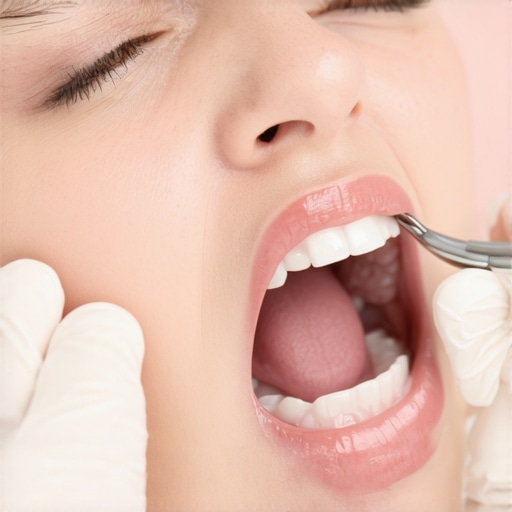
I remember a moment, not too long ago, when I felt a sudden relief from what had been a sharp, nagging toothache. At first, I cheered internally—finally, relief! But then, a little voice in my head warned me: could this mean something worse? That fleeting absence of pain was actually a red flag in disguise. Later, I learned that when a toothache suddenly vanishes, it might signal the buildup of infection or abscesses that have already hidden in the shadows, quietly causing damage. It’s one of those unsettling truths that many overlook until it’s too late.
The Hidden Dangers Behind the Silence
Here’s what I want you to understand: a disappearing toothache isn’t a sign that your problem is solved—it’s often a sign that your body is masking the pain to hide something more serious. This silent phase can precede drastic complications, including the loss of the tooth itself or the spread of infection to other parts of your body. If left unaddressed, these issues can turn into costly, painful problems that could have been prevented with timely care. My early mistake was dismissing this sudden calm, thinking I was in the clear. But trust me, I learned the hard way that ignoring these signs can be risky.
Is a Moment of Relief Actually Worth the Hype?
Many people, including myself at first, believe that pain is the worst part of dental issues. The truth is, the absence of pain doesn’t mean the problem is gone—it often indicates that infection has possibly reached a critical point, making treatment more complicated and expensive. According to recent studies, approximately 80% of root infections go unnoticed until they cause significant damage, because pain is the body’s way of signaling trouble. This misjudgment can lead to neglect, which only worsens the outcome. If you’ve experienced a sudden quietness after a painful episode, I’m here to tell you: don’t fall for it.
What’s really happening is that the infection may be spreading or forming an abscess that softens the nerves’ signals. I’ve seen countless cases where patients thought their trouble was over because the pain stopped—only to discover later that underlying issues had worsened considerably. Recognizing these subtleties is vital for maintaining your oral health and avoiding unnecessary pain down the line. For more insights into proactive dental care, you might explore family dentistry efforts for long-term health and learn how consistent visits can help catch issues early.
So, if you’ve recently felt relief from a persistent toothache, ask yourself—could this silence be hiding something sinister? The next steps are about understanding what to do when this happens, and how to act before small problems turn into major disasters. Ready to uncover the truth behind that sudden calm and protect your smile? Keep reading, and I’ll share the practical advice and expert tips that saved my teeth and could save yours too.
Act Quickly When Symptoms Change
During my experience with a sudden relief from a persistent toothache, I learned that swift action is crucial. The first step is to schedule an appointment with your dentist promptly. Don’t wait for symptoms to worsen; early examination can reveal hidden infections or abscesses that silently threaten your health. When booking, specify your concern about recent pain relief, so the clinic prepares for a thorough assessment.
Examine Your Oral Environment Thoroughly
Before the dental visit, perform a gentle self-check. Look for swelling, discoloration, or unusual taste—these can be signs of underlying issues. Use a clean mirror and good lighting to inspect soft tissues and your gums. If you notice any swelling or pus, inform your dentist immediately upon consultation. Remember, early detection prevents more invasive procedures and preserves your natural teeth.
Use a Water Flosser for Precise Cleaning
Proper cleaning around existing crowns or fillings is vital. I personally find a water flosser incredibly effective—it clears debris from hard-to-reach areas and disrupts bacterial colonies that can cause infections. Insert the device gently along the gums and around dental work, paying extra attention to suspicious spots. Consistent use can prevent the worsening of unnoticed problems.
Incorporate Targeted Oral Care Practices
Switch to a high-fluoride toothpaste to strengthen enamel and reduce bacterial growth. When I faced a similar situation, I incorporated an antiseptic mouthwash recommended by my dentist—this helped reduce bacterial load until my appointment. Regularly brushing twice daily is non-negotiable, but adding flossing and rinsing with an antibacterial solution makes a significant difference.
Prepare for Professional Intervention
If your self-assessment raises concerns or if symptoms persist, don’t delay—see your dentist. They might recommend imaging, like an X-ray, to uncover hidden infections beneath the surface. During my visit, the dentist identified an early abscess around a root, which was treated successfully before causing more damage. Remember, the goal is to halt the progression of decay or infection at its inception.
Maintain Follow-Up and Preventative Measures
Post-treatment, develop an ongoing routine. Regular check-ups and cleanings are your best defense. I schedule biannual visits, and I’ve found that maintaining a proper oral hygiene routine significantly reduces the chances of recurrence. Educate yourself on proper brushing techniques and avoid habits that can compromise crown longevity or cause new issues.
Taking these concrete steps can help detect and address silent dental problems early. Remember, being proactive isn’t just about avoiding pain—it’s about safeguarding your overall health and confidence in your smile.
One of the biggest misconceptions in dental care is that brushing more vigorously will lead to cleaner teeth. In reality, aggressive brushing can erode enamel and damage gums, which might create more problems than it solves. Proper technique and the right tools, like soft-bristled brushes, are critical for effective cleaning without harm. Many people also assume that flossing is optional or only necessary when food gets stuck, but consistent flossing removes plaque from areas that toothbrushes can’t reach, preventing cavities and gum disease.
Why Do Crowns Need Special Care
There’s a common myth that crowns, being artificial, don’t require the same attention as natural teeth. This is false; neglecting crowns can lead to decay at the margins or damage to the underlying tooth. Regular cleaning with gentle techniques can preserve their appearance and longevity. For comprehensive guidance, see tips for crown maintenance. Improper care can cause crowns to loosen or crack, leading to costly replacements.
Advanced practitioners understand that not all plaque is visible—they know that biofilms form beneath the surface, making specialized cleaning techniques essential. Over-reliance on generic advice can be a trap, leading to overlooked issues that worsen over time. For example, many underestimate the importance of professional cleanings even if they brush twice daily; studies show that regular professional care significantly reduces the risk of gum disease, especially for those with crowns, implants, or orthodontics.
Advanced Care Requires Nuance
Sorting through what counts as good oral hygiene can be confusing. Using charcoal toothpaste or abrasive whiteners might seem effective but can erode enamel or cause hypersensitivity. Some believe that mouthwash with alcohol kills all bacteria, but in fact, it can also kill beneficial bacteria and disturb your oral microbiome. Experts like Dr. Harold Katz emphasize that a balanced approach tailored to your unique needs produces the best outcomes. For crowns and dental restorations, knowing what to avoid is as important as knowing the right cleaning techniques. Overlooking this nuance can lead to premature crown failure or new cavities forming around restorations.
Being aware of these misconceptions and deeper nuances helps you avoid common pitfalls and optimize your oral health strategy. Remember, good maintenance isn’t just about brushing and flossing—it’s about understanding the subtle yet critical details that can extend your dental investments and maintain your smile for years to come. Have you ever fallen into this trap? Let me know in the comments.
How do I keep my dental tools effective over time?
Investing in quality dental tools is only part of the equation; proper maintenance is key to ensuring their longevity and effectiveness. I personally swear by regularly replacing my electric toothbrush heads every three months, as recommended by dental experts. For manual brushes, I opt for soft-bristled ones that I replace every two months to prevent bacterial buildup. Cleaning your water flosser after each use with a damp cloth and occasional descaling with vinegar keeps it running smoothly. Additionally, storing tools in a clean, dry container prevents mold and microbial growth, ensuring each use is as hygienic as the first.
What software or apps can support my oral health routine?
Digital reminders play a significant role in my dental care. I use an app that tracks my brushing and flossing habits, sending notifications to reinforce consistency. Some apps even offer tutorials on proper technique, which helps me avoid common pitfalls like aggressive brushing that can damage gums. Incorporating these tools into your routine can foster better habits and provide motivation to stick with your maintenance plan. Also, many dental clinics now offer tele-dentistry consultations; leveraging these can help you get professional advice without frequent office visits. Regular virtual check-ins can catch emerging issues early, providing a proactive approach to maintaining oral health.
Future trends in dental maintenance technology
Looking ahead, advancements like smart toothbrushes equipped with pressure sensors and real-time feedback are set to become more mainstream. These devices, such as the latest model from Oral-B, utilize Bluetooth connectivity to transmit brushing data to your smartphone, advising you to gentle pressure or missed spots. They represent a significant step toward personalized dental care. Moreover, AI-driven diagnostics are emerging, allowing for remote assessment of oral health via high-quality photographs or scans. Embracing such innovations will make maintenance more precise and less time-consuming, helping patients stay ahead of potential problems.
How do I maintain crowns and restorations long-term?
Proper care of crowns and restorations isn’t just about routine brushing; it involves targeted practices. I use a water flosser with a specialized tip designed for crowns, which I learned from expert advice. This ensures debris removal around the margins and prevents plaque buildup that could lead to decay underneath. Regularly checking the fit of your crowns using a mirror can help catch issues early—an ill-fitting crown can trap plaque and promote gum recession. Additionally, avoiding hard or sticky foods preserves the integrity of restorations, ensuring they serve you well for years. Consistent professional cleanings also extend their lifespan significantly.
Scaling up your oral maintenance efforts
If you’re serious about long-term success, consider scheduling periodic professional evaluations, including digital scans that can detect early micro-damage not visible to the naked eye. Combining this with your home routine creates a powerful defense against dental issues. Remember, small, consistent efforts beat sporadic, intensive cleaning sessions. Regular check-ins at your dental practice, especially with someone experienced in family dentistry, can catch emerging concerns before they escalate. Want to optimize your routine? Try integrating a high-fluoride toothpaste after 40, which can strengthen existing restorations and natural teeth in the long run—more details are available here.
Incorporating these dedicated tools and methods into your daily routine ensures your oral health remains resilient. Remember, embracing technology like smart toothbrushes and digital reminders isn’t just about staying current—it’s about actively protecting your smile for the decades ahead. Take a step today: integrate one new tool or habit from this guide and see how it transforms your maintenance game!
What My Overconfidence Taught Me About Oral Vigilance
One of the most eye-opening lessons I encountered was realizing that quick relief from dental pain often signals a deeper issue lurking beneath the surface. Assuming that pain subsides equals problem solved is a trap many fall into, including myself. Ignoring subtle changes or sudden calmness after discomfort can lead to costly and painful consequences.
Why Experts Warn Against Taking Silence Lying Down
Clinical advice consistently emphasizes that a lack of pain doesn’t mean safety—rather, it could be a sign that infection is spreading silently. I learned that trusting the body’s signals means recognizing when to act, instead of waiting until symptoms become unbearable or irreversible. Early intervention can save your natural teeth and peace of mind.
The Hidden Risks of Overlooking Quiet Symptoms
Hidden infections can soften nerves or develop into abscesses, which may require complex procedures like root canals or extractions. My mistake was dismissing these signals, thinking that relief was a sign of recovery. The truth is, a quiet mouth often means trouble is brewing just out of sight, ready to cause havoc if unnoticed.
Small Actions, Big Impact: Spotting Trouble Early
Regular self-checks for swelling, discoloration, or unusual tastes, combined with prompt dental visits, prevent minor issues from escalating. Adopting targeted tools like water flossers can make a difference in disrupting biofilms before they turn into infections. These proactive steps give you control over your oral health, saving you money and suffering down the line.
Embracing a Mindset of Constant Care
The key takeaway is that diligent oral upkeep isn’t a one-time effort but a continuous commitment. Incorporate routine checks, professional cleanings, and trusted resources to stay ahead of any silent threats. My experience taught me that being vigilant today protects your smile tomorrow.