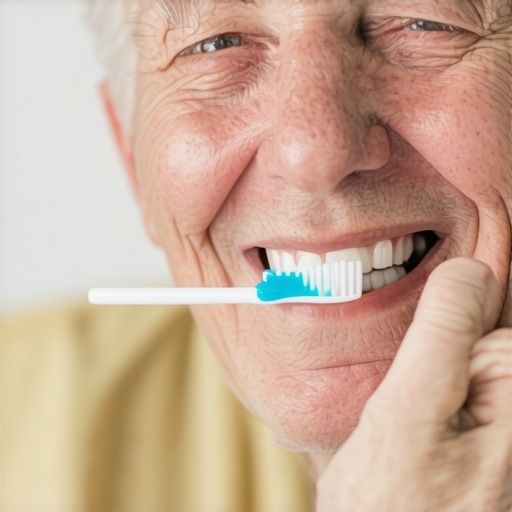
I remember the exact moment I realized I needed to rethink my oral health routine. It was a dull ache in my molar after a routine cleaning—nothing unusual, or so I thought. But as the days went on, that discomfort grew into a nagging worry. It wasn’t just a fleeting sensitivity; it felt like my teeth were losing their resilience, their shine. I had always believed that regular brushing was enough to keep my smile healthy, but suddenly, I questioned everything.
< h2 >Reevaluating Dental Care in Midlife< /h2 >
As I crossed into my forties, I noticed subtle changes—more frequent trips to the dentist, increased sensitivity, and a lingering feeling that my teeth weren’t as strong as they used to be. Despite my best efforts, I started experiencing small chips and increased vulnerability to cavities. That’s when I stumbled upon the idea that switching to a high-fluoride toothpaste could make a significant difference. Clearly, my old routine needed an upgrade.
< h3 >Is Fluoride Really a Game-Changer?< /h3 >
Initially, I was skeptical. Isn’t fluoride just a fancy marketing term? But after some research, I learned that fluoride is a proven caries fighter and helps rebuild weakened enamel. According to the CDC, fluoride use is a cornerstone of cavity prevention and can even **reverse early tooth decay** if used correctly. It was a lightbulb moment—why wasn’t I prioritizing this?
One mistake I made early on was overlooking the importance of choosing the right fluoride concentration. Not all toothpastes are created equal, especially for those of us over 40, where enamel erosion is more common. I had to learn that a toothpaste with a higher fluoride content could offer better protection without risking overuse.
If you’ve faced similar struggles—like increased sensitivity, early signs of decay, or just a gut feeling that your smile needs extra support—I invite you to explore the benefits of a high-fluoride paste. It might just be the missing piece in your daily routine to keep your teeth resilient, vibrant, and healthy for years to come.
For more tailored advice, consider visiting your family dentist to discuss your specific needs and ensure you’re making the best choice for your oral health. Remember, a little change today can lead to a lifetime of confident smiles.
Prepare Your Toolkit: Selecting the Right Products
Start by choosing a fluoride-rich toothpaste tailored for your needs. I recommend a higher fluoride concentration if you’re experiencing sensitivity or early decay. Use a soft-bristled toothbrush to prevent gum recession and avoid aggressive scrubbing, which can damage enamel. Replace your toothbrush every three months or sooner if bristles fray.
Perfect Your Brushing Technique
Position your toothbrush at a 45-degree angle to your gum line. Use gentle, circular motions to clean all surfaces—front, back, and chewing surfaces. For instance, I once applied twice the recommended pressure out of habit, which caused minor gum irritation. Adjusting to a gentle stroke preserved my gums and improved plaque removal.
Target the Areas That Matter
Don’t neglect the back molars—they’re prone to plaque buildup. Spend about two minutes brushing twice daily. Incorporate a tongue scraper into your routine to reduce bacteria and freshen breath. I added this step after noticing a significant reduction in morning bad breath, and it became an effortless habit.
Integrate Flossing Effectively
Use waxed floss to glide smoothly between teeth. Curve it into a C-shape around each tooth to remove plaque effectively. I struggled initially with flossing, often missing the tight spots. Eventually, I learned to take my time and gently work through each interdental space, which visibly improved my gum health.
Leverage Advanced Tools
Consider a water flosser for hard-to-reach areas or for those with braces. Use it at a low setting to prevent gum irritation. This device became a game-changer for my routine, especially around crowns and bridges, ensuring no debris was left behind.
Schedule Regular Professional Care
Visit your dentist at least twice a year for professional cleaning and examination. During visits, ask about high-fluoride varnish applications or sealants to bolster enamel. I once ignored this advice and delayed my appointment, only to face more extensive treatment later. Staying consistent prevents the progression of issues.
Focus on Daily Maintenance
Establish a routine that integrates brushing, flossing, and rinsing with an alcohol-free mouthwash. Keep items clean and replace your toothbrush or flosser attachments regularly. My daily routine is now seamless, thanks to setting reminders—making oral health a natural part of my day.
Implementing these concrete steps transformed my dental health. Every action, from selecting the right toothpaste to my regular visits, contributes to a resilient, vibrant smile. For detailed guidance, explore expert advice on crowns and teeth cleaning which complements your routine for long-lasting results. Remember, consistency is key, and small daily improvements lead to major oral health benefits over time.
Many people believe that once a dental crown is placed, their worries about tooth decay or damage are over. However, this misunderstanding can lead to serious issues down the line. The common myth that crowns are invincible is one I frequently encounter, yet in reality, crowns require meticulous care and understanding of their limitations. For instance, some assume that crowns don’t need special maintenance beyond regular brushing, but neglecting proper upkeep can cause their lifespan to diminish prematurely. In fact, foods that are overly hard or sticky can chip or lift the crown, exposing vulnerable tooth structures or even leading to replacement.
An advanced mistake many make involves ignoring the importance of **proper cementation and fit**. A crown that’s not perfectly seated can harbor plaque, leading to decay beneath it—a scenario many overlook. This is why visiting a skilled family dentist for the initial fitting is crucial, as it directly influences the crown’s durability and your overall oral health. For a deeper insight into how crowns can be optimized for longevity, consider reviewing these expert tips.
But what about oral hygiene routines around crowns? Many assume standard brushing suffices, yet plaque buildup around the edges can cause gingival recession or decay. Using a tongue scraper and interproximal brushes can significantly improve cleaning efficacy, especially in hard-to-reach areas adjacent to crowns. Moreover, ongoing professional cleanings play a role in detecting early signs of failure or deterioration—not just a routine but a vital practice.
Now, turning to a more nuanced topic:
Are There Hidden Risks in Routine Dental Cleanings for Crowns and Restorations?
Many believe that dental cleanings are universally safe, but there’s a nuanced aspect worth noting. If not performed carefully, certain polishing tools and techniques can weaken the cement bond or cause microabrasions that compromise the crown’s integrity. An experienced family dentist will tailor cleaning methods to preserve restoration longevity, especially important for those with multiple crowns or extensive restorations. To ensure you’re partnering with a practitioner who understands these subtleties, explore expert advice on optimal cleaning practices.
Combining professional vigilance with daily meticulous care helps prevent avoidable failures and extends the life of your crowns. Remember, every detail—from choosing the right dental products to scheduling regular checkups—contributes to maintaining a vibrant, healthy smile. Have you ever fallen into this trap of neglecting minor issues that grew into major repairs? Let me know in the comments.
How do I maintain my oral health tools over time?
Keeping your dental tools in excellent condition is vital for effective oral care. I personally swap out my toothbrush every three months—this prevents bristle fraying and bacterial buildup. For instance, I replaced my manual brush during a routine checkup and noticed a marked improvement in plaque removal. Using a high-quality electric toothbrush like the Oral-B Genius X has made a significant difference due to its oscillating movement and smart timer, ensuring thorough cleaning. Such devices help target hard-to-reach areas, especially around crowns and bridges, extending their lifespan and maintaining their effectiveness.
Essential tools for family dentistry that stand the test of time
I recommend investing in a digital tongue scraper. It’s a simple yet powerful device to reduce bacteria and freshen breath daily. Pair this with interproximal brushes designed specifically for bridges and implants—I prefer the TePe Interdental Brushes because of their durability and flexibility. They effectively clean around crowns without causing damage, which is crucial for maintaining good oral health over the years.
What tools are future-proofing my family’s smiles?
Smart flossers like the Quip Electric Floss not only motivate consistent flossing but also monitor usage, reminding you when to replace the floss or device. These technological integrations are shaping the future of routine dental maintenance, making daily care more efficient and engaging for all ages. Additionally, using a tongue scraper every morning can significantly reduce oral bacteria, supporting fresh breath and overall oral health.
Looking ahead: The role of software in oral health management
Emerging apps and digital monitoring tools can track your brushing and flossing habits, sending reminders and tips based on your specific needs. Companies are now developing applications that connect your electric toothbrush to a smartphone, providing real-time feedback. I foresee a future where personalized oral health dashboards become standard, empowering families to take control of their dental wellness daily.
Try incorporating a smart flossing device into your routine this month. It’s a small investment that offers long-term benefits for your family’s oral health. For more insights on maintaining your crowns and dental restorations, visit this expert guide.
Three Lessons I Never Expected About Crowns and Family Dentistry
- Patience Pays Off: I used to rush through my dental cleanings, believing I was saving time. But I learned that taking my time—gentle brushing, thorough flossing—significantly extended the life of my crowns and prevented costly repairs. Sometimes, slowing down is the smartest move.
- Every Detail Counts: Overlooking small issues like a loose crown or slight bleeding can lead to bigger problems. Regular checkups with a skilled dentist catch these early signs, saving your smile and wallet in the long run. Attention to detail isn’t just for perfectionists; it’s for everyone.
- Knowledge Empowers Your Decisions: Understanding how crowns fit, how enamel responds to fluoride, and the importance of tailored cleaning routines transformed my approach. Educating myself allowed me to collaborate better with my dentist and make proactive choices.
My Go-To Resources for Dental Confidence
- Expert advice on crowns and teeth cleaning: Trusted by professionals, this resource offers comprehensive guidance on maintaining restorations and preventing damage, helping me feel confident in my routine.
- Tips for extending crown lifespan: Practical strategies that I’ve personally found effective in keeping my crowns looking pristine, from cleaning techniques to dietary habits.
- Building a lifetime of healthy smiles: A holistic approach that emphasizes family-centered care, ensuring everyone’s oral health is a foundation for lifelong confidence.
Seize Your Smile Today
Your oral health journey is uniquely yours, and every small step builds toward a brighter, more resilient smile. Whether you’re considering new cleaning tools or booking that overdue dental checkup, remember that your proactive choices make all the difference. Don’t wait for issues to become emergencies—embrace the power of informed, consistent care. Your smile deserves it, so take action now and enjoy the confidence that comes with a healthy mouth.
What small change are you ready to make in your dental routine today? Share your plans below—I’d love to hear your story!