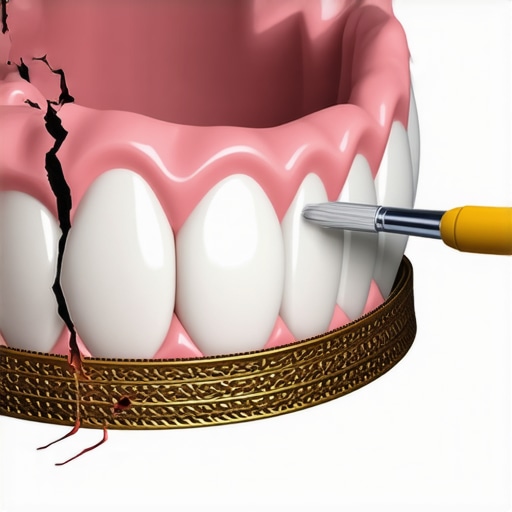
It was a quiet Sunday afternoon when I accidentally chipped my dental crown while enjoying a crunchy snack. Frustration and a dash of panic washed over me as I realized I couldn’t get an immediate appointment. Desperation led me to a questionable shortcut—using superglue to fix the broken crown. At first, it seemed to work, and I was relieved. But as days went by, I began to notice discomfort and a strange metallic taste. That’s when I realized the risky truth about DIY fixes for dental issues.
Why Pouring Superglue on a Broken Crown Isn’t a Good Idea
Dental crowns are masterpieces of modern dentistry, designed to restore functionality and aesthetics. However, they are also delicate and require specialized care. Applying superglue might seem like a quick, easy fix, but it often leads to long-term problems, including allergic reactions, toxicity, and damage to the crown itself. In fact, superglue contains chemicals that are not meant to be in your mouth; they can cause tissue irritation or even pose health risks. I learned this the hard way, making an early mistake that cost me more time and money than I expected. If you’re curious, I recommend reading more about the importance of professional care, like this comprehensive guide on [maintaining your dental crowns for longevity](https://periodontistcare.com/caring-for-crowns-essential-tips-for-longevity-and-shine).
Is Using Superglue to Fix Dental Crowns Truly Worth the Risk?
It’s tempting to think a dab of superglue could save the day, especially when you’re stuck at home and anxious for a quick fix. But the truth is, DIY repairs with products not designed for dental use can lead to infections, further damage, or a costly trip to the dentist. I made the mistake early on of not consulting a professional, thinking I could handle it myself. That oversight taught me a vital lesson: trust the experts. Professional dental advice ensures your crown remains secure and your oral health remains intact. Want to learn more? You might find insightful tips in the article on [expert advice on crowns and teeth cleaning for lasting results](https://periodontistcare.com/expert-advice-on-crowns-and-teeth-cleaning-for-lasting-results).
Now that we’ve set the stage, let’s explore how you can properly address a broken crown and keep your smile healthy. If you’ve ever faced this dilemma, you’re not alone. Let’s look at the safe, effective ways to deal with it.
Assessing the Damage Carefully
When a crown breaks, start by examining the extent of the damage. Use a mirror and a bright light to check if any pieces have detached completely or if the break is minor. I remember one time when I noticed a small chip while brushing; I gently ran my tongue over it to feel the rough edges. If the break is small and smooth, you might be able to protect it temporarily until you see a dentist. However, if a piece is missing or jagged, avoid trying to fix it yourself further—improper handling can cause more harm.
Gather Temporary Solutions Before Visiting a Dentist
Until you can get professional help, a temporary fix can prevent further damage or discomfort. Use dental wax or over-the-counter temporary cements to cover sharp edges and protect your gums. My experience taught me to always keep a dental emergency kit with these items; it saved me when I chipped my crown during a trip. Remember, these solutions are only short-term. Applying superglue or DIY methods that aren’t intended for dental repairs can introduce toxins or cause tissue irritation, jeopardizing your oral health.
Schedule an Immediate Dental Appointment
Contact your dentist as soon as possible, explaining the situation. Most family dentistry practices prioritize urgent cases like crown damage, understanding the importance of restoring function and appearance quickly. When I called my dentist, they fitted me into the same day, which prevented secondary issues like bacterial invasion. If you notice symptoms such as persistent pain, sensitivity, or a metallic taste, don’t delay your visit. Early intervention minimizes the risk of decay or infection and ensures your crown’s proper replacement or repair.
Prepare for Your Dental Visit
Gather any pieces of the broken crown if available, and note down when the damage occurred and any symptoms you’re experiencing. This information helps your dentist determine if the crown can be repaired or needs replacement. During the appointment, the professional will assess the damage, take X-rays if necessary, and discuss options like re-cementation or new crowns. My dentist explained that crowns are like armor for your teeth; once damaged, they need expert care to restore their strength and aesthetics.
Follow Post-Repair Care Instructions
After the repair or replacement, follow your dentist’s advice diligently. This might include avoiding hard or sticky foods, maintaining excellent oral hygiene, and scheduling regular check-ups. Good habits are crucial; as I learned, neglecting crown maintenance can lead to recurring issues. Regular professional cleanings and proper at-home practices can significantly extend your crown’s lifespan, aligning with proven methods outlined in caring for crowns.
Maintain Overall Oral Health for Long-Term Success
Remember, a crown is just one part of your oral health. Keep up with daily brushing, flossing, and using mouthwash to prevent decay around the crown margins. Regular check-ups allow your dentist to monitor both your crowns and the health of surrounding tissues, much like a gardener tending to a flourishing garden. For additional tips on establishing a solid routine, see oral health routine. These steps ensure your smile remains healthy, strong, and confident for years to come.
Many believe that brushing twice a day and flossing are enough to maintain optimal oral health, but this common misconception masks deeper nuances that can impact long-term success. For instance, the emphasis on mechanical cleaning often overshadows the importance of understanding the role of saliva in neutralizing acids and aiding remineralization, as highlighted by dental researchers. Over-reliance on abrasive toothpaste, such as overly gritty ones labeled as whitening agents, can inadvertently erode enamel and compromise tooth integrity. It’s vital to recognize that not all dental products are suitable for every individual; personalized assessment by your dentist is crucial for tailored recommendations.
Is brushing harder always better for gums and enamel?
Many patients assume that vigorous brushing clears plaque more effectively, but excessive force can damage gums and cause recession, exposing root surfaces and leading to sensitivity. The technique and tools matter as much as frequency; using a soft-bristled toothbrush and gentle, circular motions protect tissue health. Additionally, recent studies suggest that improper brushing can displace existing crowns or implants if applied with excessive pressure. Understanding the correct grip and stroke—guided by a professional—prevents unintended damage and preserves restorations, such as crowns, for longer. Curious about how to optimize your brushing routine? Check out effective home practices for better results.
Another misconception involves the types of dental floss. Many assume that thicker floss is more effective, yet floss thickness can hinder reaching tight interdental spaces, reducing efficacy. Flossing once a day is often touted as adequate, but in reality, inconsistent flossing benefits little compared to targeted, thorough cleaning. Moreover, neglecting the areas around crowns and bridges can foster plaque buildup and decay, which is a common pitfall. Regular professional cleanings are vital, as they reach where even diligent home care may miss. For maintaining your crowns and ensuring their longevity, experts recommend following do’s and don’ts tailored for your restorations.
Saliva’s underestimated role is another nuance that many overlook. Saliva acts as a natural buffer, delivering minerals that remineralize enamel and wash away food particles. Reduced saliva flow, caused by medications or health conditions, significantly amplifies cavity risk, even with diligent brushing. Salivary testing can identify deficiencies, allowing for personalized strategies like saliva substitutes or increased hydration. Recognizing and supporting your salivary health can prevent issues often attributed solely to poor hygiene, giving you an edge that professional guidance facilitates.
Finally, some believe that professional cleanings are only necessary when problems arise. However, routine check-ups and cleanings drastically reduce the chances of hidden decay, gum disease, and deterioration of restorations such as crowns. In fact, timely professional interventions are proven to extend the life of your dental work and prevent costly repairs down the line. Regular visits also allow your dentist to monitor for advanced issues, often caught before symptoms appear, aligning with insights from research on prevention.Never underestimate the power of proactive care in maintaining a healthy, beautiful smile. Have you ever fallen into this trap? Let me know in the comments.
Keeping It Working: Essential Tools and Techniques
Maintaining the longevity of dental crowns and ensuring overall oral health requires the right tools and disciplined routines. From advanced toothbrushes to professional-grade cleaning devices, I rely on specific equipment that delivers consistent results and simplifies daily care. One of my favorites is the Sonicare DiamondClean Smart electric toothbrush. Its brush head oscillates at 62,000 movements per minute, providing gentle yet thorough cleaning that’s vital for preserving crowns and preventing plaque buildup around restorations. I appreciate its Bluetooth connectivity, which allows me to track my brushing habits via a dedicated app, ensuring I’m soft on my gums but effective on cleaning.
In addition, I swear by the Waterpik Aquarius Water Flosser. Unlike traditional floss, it uses a targeted stream of water to clean interdental spaces, especially around crowns and bridges where plaque tends to hide. I personally find this device indispensable for maintaining healthy margins and preventing decay. For those with limited dexterity or braces, these tools are game-changers. The technology is evolving rapidly; future trends hint at AI-powered toothbrushes that analyze brushing patterns in real-time, offering personalized feedback to optimize your routine.
Professionally, I recommend periodic ultrasonic cleanings using devices like the SonicScaler, especially for stubborn tartar that home tools can’t reach effectively. Combining this with regular dental check-ups—at least twice a year—ensures early detection of issues before they escalate. My dentist also utilizes digital imaging to monitor the integrity of crowns, ensuring they aren’t compromised over time. Remember, routine professional cleanings aren’t just about aesthetics but are critical for preventing long-term damage and maintaining your overall oral wellness. For more insights on why professional cleanings matter, check this article on oral wellness.
How do I maintain my dental tools and routines over time?
Keeping your tools effective involves regular cleaning and replacement. Sonic toothbrush heads should be replaced every three months, or sooner if the bristles fray, to maintain optimal cleaning power. Water flosser tips likewise need periodic replacement for hygiene and effectiveness. I keep a small disinfectant solution nearby—vinegar diluted with water—to rinse my electric toothbrush and diffuser heads, reducing bacteria buildup. Remember, a well-maintained tool works better, helps prevent infections, and prolongs your investment. As technology advances, expect smarter devices that integrate with your dental health app, providing feedback on your technique and scheduling maintenance automatically. Incorporating these tools into your daily routine can dramatically improve your oral health, especially when managing restorations like crowns, by preventing decay and ensuring they stay securely bonded.
For long-term results, it’s also crucial to stay informed about emerging trends. For instance, advancements in nanotechnology are leading to antimicrobial dental surfaces that actively suppress bacteria, reducing plaque and cavities around crowns and natural teeth. Staying ahead in your maintenance routine means embracing these innovations early. Try integrating ultrasonic cleaning sessions and using an electric toothbrush with a pressure sensor to prevent damage to delicate restorations. Over time, these habits will pay off with healthier gums, fewer repairs, and a confident smile. Want a comprehensive guide on integrating advanced tools into your family’s dental routine? Visit this resource for expert tips and recommendations.
What Falling for Quick Fix Myths Taught Me About Crowns
The biggest lesson I learned was trusting quick fixes like superglue only delayed my healing and increased my costs. I used to think that a small chip wasn’t a big deal—until discomfort and a metallic taste made me realize otherwise. Now I know that not all household remedies are safe or effective for dental restorations. Educating myself through trusted resources, like the article on professional advice on crowns, changed my perspective entirely.
Choosing the Right Path for Crown Care
Realizing the importance of professional help over DIY hacks was a turning point. Instead of risking further damage, I scheduled an appointment with my dentist promptly. Reassuringly, most dental practices prioritize emergencies, ensuring I got expert guidance without delay. This experience prompted me to invest in quality tools, like an electric toothbrush and water flosser, recommended in tools for crown longevity, to safeguard my dental health daily.
What I Wish I Did Differently to Save Time and Money
If I could go back, I would prioritize regular check-ups and professional cleanings, which are vital for crowns and overall oral health. Preventive care spots issues early, avoiding costly repairs and discomfort. For ongoing maintenance, I follow a personalized routine outlined in routine guides for strong smiles. Staying informed about emerging dental technologies, such as antimicrobial surfaces and AI-powered brushes, can also make a difference in maintaining crown integrity over the years.
My Guide to Lasting Smile Confidence
From my experience, I understand that a healthy smile is rooted in proactive, professional care combined with the right tools and habits. Remember, the journey to a confident smile involves more than just repairing a crown; it’s about building lifelong habits. If you’re worried about your crowns or oral health, establishing a routine with trusted resources—like family dentistry tips—can set you on the right path. Your smile deserves the best, so don’t ignore early signs or delay seeking expert advice.