
I remember the night vividly—an all-too-familiar pounding in my jaw that refused to let up. It was the kind of pain that jolts you awake at 2 a.m., with no chance of ignoring it. Frustration and worry crept in because I knew I had a dental appointment scheduled for the next morning, but the agony was unbearable in the meantime. That moment hit me like a punch to the face: how could I survive the night with a throbbing tooth and no immediate fix in sight?
Surviving the Pain: Tips to Ease a Throbbing Tooth Before Your Dentist Visit
Dealing with a sudden, intense toothache is a common dilemma. It feels like your entire head is vibrating with each pulse—a miserable prospect when you’re counting down the hours until professional help. Although I’m not a dentist, I’ve learned a thing or two through personal experience and research about how to get through these rough nights.
The key is to manage the pain and reduce inflammation as much as possible until a qualified dental provider can diagnose and treat the root cause. Today, I’ll share practical tips that worked wonders for me—and will hopefully do the same for you. From over-the-counter solutions to simple lifestyle adjustments, this guide aims to keep you comfortable until your appointment.
Is Relying on Home Remedies Actually Safe and Effective?
One thing I wish I knew early on was that some home remedies might provide temporary relief but could be risky if used improperly. I made the mistake of applying hot packs directly to my face—thinking the warmth would soothe the pain. Instead, it made things worse. Trust me, always be cautious and consider consulting reputable advice from sources like oral health experts.
Understanding what works—and what doesn’t—can make a significant difference in how you endure the night. So, if you’re wondering whether a popular remedy is worth trying or potentially harmful, I’ll cover those points too. The goal is to keep you safe, comfortable, and one step closer to relief until your visit.
Now, let’s dive into some actionable tips that’ll help you handle that relentless toothache without losing your mind or your sleep. Ready to get through the night? Let’s go.
,
Apply Cold Compresses to Numb the Pain
Immediately after experiencing a sharp pain, wrap a few ice cubes in a towel and press it gently against your cheek, near the sore tooth. The cold causes blood vessels to constrict, reducing swelling and numbing nerve endings. I once spent a tense hour pressing an ice pack against my jaw, which noticeably decreased the intensity of the pain and bought me some precious sleep. Be sure not to place ice directly on your skin to avoid frostbite.
Use Over-the-Counter Painkillers Effectively
Non-steroidal anti-inflammatory drugs (NSAIDs) like ibuprofen are ideal because they address both pain and inflammation. Take the recommended dosage, preferably with food to prevent stomach upset. In my experience, swallowing an ibuprofen tablet shortly after the pain peaks significantly dulls the throbbing sensation, allowing me to rest better until I see the dentist. Always check for any contraindications if you have underlying health conditions.
Maintain a Comfortable Head Position
Elevate your head using pillows when lying down. This prevents blood from pooling toward the aching tooth, which can intensify pain. I learned this trick during a restless night when I propped my head higher with a few pillows, resulting in a noticeable decrease in throbbing. Do not lean forward or lie flat, as these positions can increase blood flow to your face, worsening the pain.
Rinse Carefully with Saltwater
Mix half a teaspoon of salt into a cup of warm water and gently swish around your mouth for 30 seconds, then spit out. The antiseptic properties help reduce bacteria and soothe irritated tissues. I made a saltwater rinse before bed, which temporarily eased my discomfort and helped clean debris around the tooth, preventing further irritation. Avoid swallowing the rinse and do not rinse too vigorously to prevent aggravating the area.
Minimize Triggering Movements and Foods
Avoid biting on hard foods or chewing near the affected side. Stick to soft, cool foods like yogurt or mashed potatoes to prevent aggravating the nerve. I once tried to bite into a crunchy apple despite the pain, which caused a sharp spike in discomfort—lesson learned the hard way. Steer clear of very hot or cold beverages, as temperature fluctuations exacerbate sensitivity.
Temporarily Limit Stress on the Tooth
Refrain from smoking or drinking alcohol, as these can irritate inflamed tissues and hinder healing. I noticed that smoking during my dental pain made the ache worse and delayed relief. Keeping the mouth as calm as possible reduces further inflammation and helps your body work towards recovery until professional treatment can be scheduled.
Note About Home Remedies and Safety
While these steps can provide relief, avoid applying heat directly to the area or using unverified remedies, which could worsen the condition. For example, I once tried using a hot towel, believing warmth would soothe my tooth, but it only intensified the pain. Always prioritize proven methods and consult a professional if symptoms worsen or persist. For more insights on maintaining oral health between visits, visit effective home practices.
Ready to Manage the Night, But When to Act?
If pain persists beyond 24 hours or worsens, seek urgent advice from a dental specialist. Don’t wait too long, as delayed treatment can lead to complications. In the meantime, these practical steps will help you weather the discomfort and remain functional until proper care is available.
 Many patients enter dental offices believing they understand crowns and oral health, but in reality, there’s a lot of misconception that can lead to costly mistakes. One prevalent myth is that choosing the most expensive crown guarantees the best results, but in my experience, material selection should be tailored to individual needs and long-term goals. For example, porcelain-fused-to-metal crowns often seem superior, yet ceramic options may better suit certain cases requiring natural aesthetics. Additionally, a common oversight is undervaluing the importance of proper oral hygiene around crowns; neglecting daily care can cause longevity issues, despite the quality of the restoration. Advanced practices involve understanding how crowns interact with surrounding tissues and how proper maintenance can prevent secondary problems like gum recession or decay underneath the crown. A nuanced point many overlook is the impact of occlusion—the way teeth come together—which can significantly affect crown lifespan and patient comfort. Some practitioners fail to assess bite dynamics thoroughly, resulting in premature failure or discomfort for the patient. Regular professional cleanings are vital, especially since improperly executed teeth cleaning can damage delicate gum tissues or compromise crown margins. It’s not just about whitening or superficial cleaning—deep protocols like full-mouth disinfection and occlusal adjustments play a crucial role in comprehensive family dentistry. Moreover, myths about home remedies or DIY fixes can be harmful; applying abrasive substances or over-the-counter whitening agents around crowns can erode enamel or cause discoloration, counteracting the desired aesthetic or health benefits.
Why Do Some Patients Experience Crown Failures Despite Following All Instructions?
Experts suggest that neglecting the subtle nuances of occlusal forces and tissue health is often at the root of such issues. Studies indicate that maintaining a balanced bite and monitoring for early signs of tissue irritation are critical for longevity (source: Expert Guide to Crowns). To truly optimize your dental outcomes, consider holistic approaches that extend beyond the crown installation itself, including lifestyle factors, diet, and regular check-ups. Failing to address these can result in unexpected failures or discomfort, even years after the procedure. Are you aware of how daily habits influence the health of crowns and the surrounding tissues? If not, it’s a worthwhile topic to discuss with your dentist at your next appointment. Remember, achieving a durable, healthy smile requires understanding these hidden nuances—so don’t let misconceptions undermine your investment in oral health. Have you ever fallen into this trap? Let me know in the comments.
Invest in Quality Tools for Maintainance
Ensuring your dental work stands the test of time starts with using the right equipment. I personally swear by a high-quality electric toothbrush, like the Sonicare DiamondClean. Its sonic vibrations effectively remove plaque beyond what manual brushing can achieve, especially around crowns and veneers. Regular use not only prolongs the lifespan of restorations but also maintains gum health, which is crucial for overall oral wellness. Additionally, incorporating a water flosser like the Waterpik Ultra provides the precision needed to clean hard-to-reach areas, especially beneath crowns and bridges, reducing the risk of decay and gum inflammation.
Leveraging Technology for Better Outcomes
Digital tools have revolutionized home care and monitoring. I utilize apps such as Brush DJ, which gamifies your brushing routine, ensuring you spend enough time on each quadrant. Furthermore, scheduling periodic virtual consultations through your dental provider’s secure platforms can help catch early issues before they escalate, saving you time and money. Using these tech solutions encourages consistency, which is key for long-term success, and keeps you engaged in your oral health journey.
Maintain Consistent Cleaning Routines
Consistency is king. Setting reminders on your smartphone to brush and floss twice daily helps embed these habits into your lifestyle. I find that using a timer ensures I reach the recommended two minutes per session, guaranteeing thorough cleaning around crowns and natural teeth alike. Also, selecting fluoride-rich toothpaste fortifies enamel, providing additional protection against sensitivity and decay. Remember, regular professional cleanings, ideally every six months, boost the effectiveness of your home care routine. For deeper insights, explore how professional cleanings support your oral health.
Plan for Long-Term Results and Scaling Up
As your dental needs evolve, so should your tools and strategies. For instance, if you notice increased sensitivity or staining, consider upgrading to an electric toothbrush with different modes—like gum care or whitening—to target specific issues. When scaling, such as adding implants or additional crowns, consult your dentist about maintaining your toolkit and routines. Advances in laser dentistry and remineralization therapies are promising trends making long-term upkeep easier and more effective. Staying informed and adaptable will help preserve your smile for years to come.
How Do I Keep My Crowns and Restorations in Top Shape?
Proper maintenance involves more than just regular brushing—it’s about targeted care. Use interdental brushes or soft floss to clean around crowns without damaging gum tissues. Incorporate specialized tools like proxi-brushes for hard-to-reach areas, which I find indispensable for preventing plaque build-up. Additionally, avoid abrasive whitening agents or DIY remedies that might erode your restorations. Regular check-ups with your dentist will help detect early signs of wear or decay, ensuring interventions can be performed before minor issues become major repairs. For detailed guidance, check out best practices for crown longevity.
Finally, I recommend adopting a proactive mindset—schedule your routine visits and invest in the right tools today. Staying ahead with these strategies will help you enjoy a healthy, confident smile well into the future!
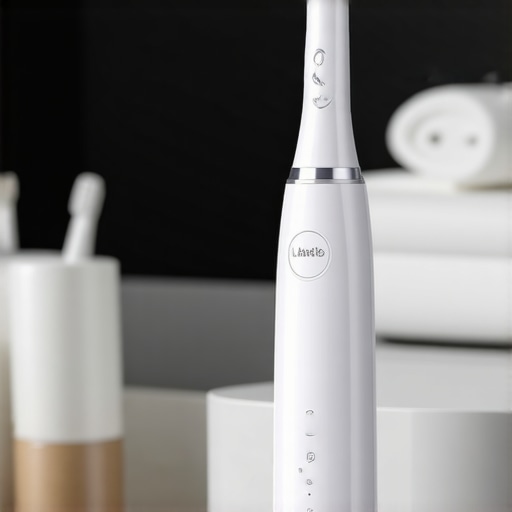
High-quality electric toothbrush with multiple brushing modes, ideal for crown maintenance and overall oral health.
The Unseen Lessons That Changed My Dental Journey
One surprising realization came when I stopped viewing dental care as a series of isolated tasks and instead understood it as a lifelong commitment. I learned that minor daily habits, like gentle brushing and consistent flossing, have exponentially greater benefits than sporadic professional cleanings. Additionally, I discovered that patience is key—improvements in oral health often manifest gradually, requiring perseverance rather than quick fixes.
Another lightbulb moment was recognizing that not all home remedies are created equal. While some might soothe temporarily, they can also mask underlying issues, delaying essential treatment. For example, applying heat or baking soda without guidance can do more harm than good. Embracing evidence-based practices, I found, empowers you to make safer, more effective choices for your family’s dental well-being.
Lastly, I understood that proactive communication with your dentist transforms the relationship from reactive to preventative. Asking questions about material choices for crowns or the latest oral health techniques helps tailor your care plan and prevents avoidable issues. These lessons shifted my perspective from reactive treatment to active maintenance, ultimately saving me time, money, and discomfort in the long run.
Tools That Elevated My Smile Care Routine
For a confident, healthy smile, I rely on a few indispensable tools. The Sonicare DiamondClean electric toothbrush became my daily partner, offering superior plaque removal and gum safeguarding compared to manual brushing. Its multiple settings help target specific concerns, making maintenance more efficient and enjoyable. Additionally, the Waterpik Ultra water flosser fills the gaps where simple flossing sometimes falls short, especially around crowns and bridges, effectively reducing plaque buildup.
Beyond hardware, I trust the Brush DJ app to keep me accountable, ensuring I brush for the recommended two minutes and cover all quadrants thoroughly. This simple yet effective digital nudging has transformed my oral hygiene habits from forgettable to consistent. Combining these tools with regular professional cleanings maintains my oral health and keeps my smile shining—proof that investing in quality equipment truly pays off.
For those seeking guidance, reputable sources such as the expert advice shared on expert dental insights provide trusted knowledge to enhance your routine and decision-making.
Embrace Your Power to Transform Your Dental Future
Your journey toward optimal oral health is uniquely yours, and every small step counts. By integrating reliable tools, informed choices, and proactive habits, you can prevent unnecessary pain and preserve your natural smile for years to come. Remember, the actions you take today set the foundation for a healthier tomorrow, so start implementing these strategies and watch your confidence grow.
What simple change will you commit to today that could improve your oral health? Share below—your story might inspire someone else to take that first step!