Category: Dental Emergency Care

  • How to fix a sharp edge on a chipped tooth at home safely

    How to fix a sharp edge on a chipped tooth at home safely

    One morning, I bit into my breakfast and felt a sudden, sharp pain that made me wince. It wasn’t just discomfort; it was a tiny, jagged edge cutting my tongue every time I moved it. That lightbulb moment—realizing my chipped tooth was becoming a hazard—made me wonder: Is there a safe, effective way to fix this at home, or am I risking more damage?

    Dealing with a Sharp Edge on a Chipped Tooth: What You Need to Know

    It’s a situation many of us have faced—whether from biting hard food, an accidental fall, or a minor sports mishap. The sharp edge not only irritates your tongue and gums but also increases the risk of further damage or infection. The good news is, with some basic tools and careful precautions, you can manage the situation at home until you see your dentist. But here’s the key: not all fixes are safe or effective, and a wrong move can lead to more serious issues. That’s why understanding what works—and what doesn’t—is crucial.

    Are At-Home Fixes Actually Worth the Hype?

    Early on, I tried using household glues and other quick-fix methods I read about online. Trust me, I learned the hard way—those solutions can do more harm than good. A professional approach, like understanding how crowns work and when to seek expert advice, is always best. To ensure your smile stays healthy and safe, consider consulting trusted resources like professional advice on crowns and teeth cleaning. Remember, my early mistake was thinking I could patch things up myself without considering proper materials or techniques.

    Safely Smoothing the Edge

    First, carefully examine the chipped area using a mirror. If the sharp fragment is small and accessible, gently file it down with a clean, emery board or nail file. I remember the time I used a nail file I kept in my toolkit—care must be taken to avoid removing too much enamel. In my case, a light touch smoothed the edge enough to prevent tongue irritation without damaging the tooth further.

    Protect the Area Temporarily

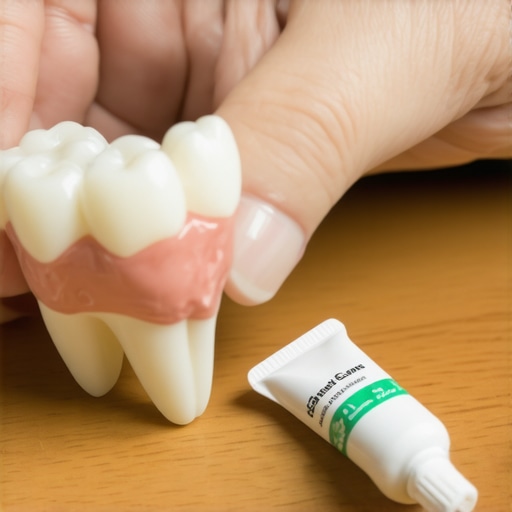
    If the edge still feels sharp after filing, you can cover it with a small amount of orthodontic wax or dental wax. These are available at drugstores and act as a temporary barrier. When I did this, I molded a tiny piece of wax over the jagged edge, which prevented my tongue from nicking itself. Avoid using household glues or any non-dental adhesives, as they can cause more harm.

    Managing Pain and Sensitivity

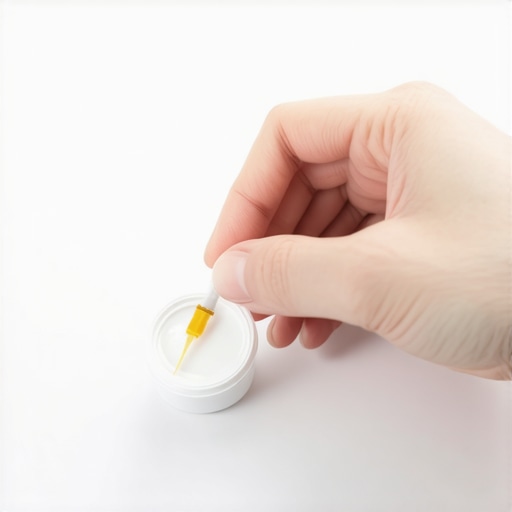
    Apply a desensitizing gel, such as those containing potassium nitrate, if discomfort persists. Over-the-counter pain relievers like ibuprofen can also help manage inflammation. During my own mishap, I placed a small dab of desensitizing gel on the affected area, which greatly reduced sensitivity. Remember, these are temporary solutions and not a substitute for professional care.

    Maintaining Oral Hygiene

    Continue gentle brushing around the chipped tooth, avoiding the area if it causes pain. Use a soft-bristled toothbrush to prevent further irritation. Floss carefully to remove debris without aggravating the injury. Proper hygiene prevents bacteria buildup, reducing the risk of infection. During one of my attempts, I rinsed with warm saltwater after meals, which helped keep the area clean and soothe minor discomforts.

    When to Seek Professional Help

    Despite these immediate steps, it’s crucial to visit your dentist promptly. They can assess whether the chip needs bonding, crown placement, or other restorative procedures. Think of it as calling in a trusted builder for repairs—DIY fixes are just temporary patches. My experience taught me that a professional consultation ensures the tooth’s long-term health and aesthetics.

    Scheduling a Dental Appointment

    Use trusted resources like contact your dentist as soon as possible. Early intervention can prevent complications like nerve exposure or infection. Remember, even if the tooth feels stable now, a professional evaluation is essential for proper treatment and peace of mind.

    Equally important is understanding how crowns can protect damaged teeth in the future. To explore how crowns work and their benefits, visit this comprehensive guide on crowns. Implementing the right preventive care, including regular home teeth cleaning and periodic professional cleanings, will help maintain your smile’s health and strength.

    Many individuals operate under misconceptions when it comes to oral health, especially regarding family dentistry, teeth cleaning, and crowns. One prevalent myth is that regular brushing and flossing alone are sufficient to maintain optimal dental health. In reality, **professional cleanings** play an irreplaceable role in removing stubborn tartar and plaque that daily routines can’t fully eradicate. Relying solely on at-home care can lead to overlooked issues such as early gum disease or hidden decay, which are best caught during professional examinations. To deepen your understanding, explore effective oral health tips for families.

    Another mistake many make involves misconceptions about dental crowns. Some believe that once a crown is placed, it’s foolproof and requires no further maintenance. However, neglecting proper care can lead to issues like crown loosening or secondary decay at the tooth margins. In my experience, caring properly for crowns significantly prolongs their lifespan and preserves overall oral health. A common trap is assuming crowns are invincible, but they, like natural teeth, need routine check-ups and careful hygiene.

    Why do some crowns fail even with good hygiene? A Deeper Look

    This question often puzzles even seasoned patients. Premature crown failure can stem from improper fitting, material choice, or underlying decay that isn’t visible to the naked eye. A meticulous evaluation by a dentist can uncover these subtleties, emphasizing that **not all failures are purely due to patient negligence**. According to research published in the Journal of Prosthetic Dentistry, best crown practices involve precise fitting, appropriate material selection, and patient-specific considerations for longevity.

    Moreover, a common oversight pertains to the assumption that frequent or aggressive brushing strengthens gingival health. In fact, overbrushing or using a hard-bristled brush can cause gum recession and sensitive teeth, inadvertently exposing more of the tooth root and risking further complications. Better techniques and tools, such as soft-bristled brushes and gentle flossing, are essential. You can learn more about maintaining healthy gums at daily oral health routines.

    In conclusion, understanding these nuances—not just myths—is vital for effective long-term oral health. Regular dental visits, personalized restorative care, and proper hygiene techniques form the backbone of a resilient smile. Trusting superficial advice or immediate fixes without professional guidance can do more harm than good. Have you ever fallen into this trap? Let me know in the comments. For more insights, consider exploring expert advice on crowns and teeth cleaning.

    Keep Your Dental Success Going Strong

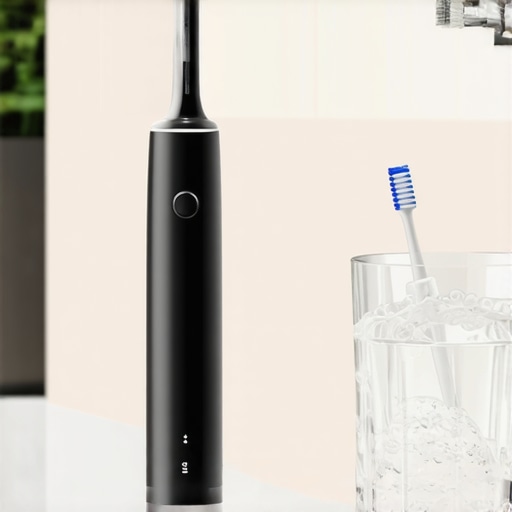
    Maintaining a healthy smile is a continuous process that requires the right tools and methods. Over the years, I’ve refined my toolkit to ensure I stay ahead of common issues like plaque buildup, crown longevity, and proper teeth cleaning. My top recommendation is investing in a high-quality electric toothbrush, such as the Philips Sonicare DiamondClean. Its sonic technology delivers thousands of brush strokes per minute, efficiently removing plaque and reducing surface stains without harming your gums. I’ve personally noticed my teeth feel cleaner, and my gum health has improved markedly after switching to it.

    Complementing the toothbrush, I swear by using interdental brushes like the TePe Extra Soft Dental Brushes. They effectively clean between teeth and around crowns where regular floss might miss residues, especially important for those with dental work or crowns. Regular flossing is essential, but choosing the right floss—like Mint Waxed Floss for easy glide—is critical to prevent gum irritation and ensure debris removal. For professional cleanings, scheduling recurring appointments every six months is vital. To streamline this, I utilize the contact form on my dentist’s website for quick booking. It’s a small step that pays off long-term in preventing issues like tartar buildup and recurrent decay.

    As technology advances, staying informed about new tools and methods is beneficial. Emerging sanitation devices, like home-use UV sterilizers for toothbrushes, promise to reduce bacterial load even further. I predict that integrating smart technology into daily oral hygiene routines will become the norm, making maintenance both easier and more effective.

    To ensure these tools truly serve you, I recommend regularly consulting authoritative resources, such as the detailed expert advice on crowns and teeth cleaning. Implementing even one of these advanced tips, like the sonic toothbrush, can significantly extend the lifespan of your dental restorations and preserve your smile’s appearance.

    How do I maintain my dental tools over time? I rinse my electric toothbrush head thoroughly after each use and replace it every three months, following manufacturer recommendations. I also store my interdental brushes in a dry, clean container to prevent bacterial growth. Staying consistent with these routines ensures the effectiveness of your tools and your ongoing oral health.

    The Unexpected Truths That Shaped My Dental Journey

    Over the years, I’ve learned that many oral health misconceptions can lead us astray. One lightbulb moment was realizing that even perfectly healthy-looking teeth can harbor hidden issues beneath the surface, emphasizing the importance of professional evaluations over assumptions. Additionally, I discovered that crowns require more than just basic care; they demand attention to detail, regular check-ups, and tailored hygiene routines to ensure longevity. Lastly, I understood that preventive measures—like routine cleanings and proper tools—are the backbone of a resilient smile, saving you both discomfort and money in the long run.

    My Essential Tools for a Healthy Smile

    Investing in quality dental tools has transformed my oral hygiene. The Philips Sonicare DiamondClean electric toothbrush I trust provides superior plaque removal while being gentle on gums. For interproximal cleaning, the TePe Extra Soft Dental Brushes are gentle yet effective in reaching tricky spots—especially around crowns. High-quality interdental floss, like Mint Waxed Floss, effortlessly slides between teeth without causing irritation. Additionally, professional cleanings every six months, scheduled through my dentist’s online contact portal, keep tartar and plaque at bay. These tools and routines have become my frontline defense against dental mishaps, and I believe they can do the same for you.

  • How to tell if a tooth crack is an emergency or a cosmetic issue

    How to tell if a tooth crack is an emergency or a cosmetic issue

    I’ll never forget the moment I felt that sharp zap in my molar after biting into an apple. My stomach sank. Was it just a hairline crack, or was my tooth about to give out completely? That experience was a real eye-opener, revealing just how confusing dental issues can be—especially when you’re not sure if it’s an emergency or a cosmetic concern. If you’ve ever found yourself staring into the mirror, squinting at a tiny line in your tooth, you’re not alone. Many people struggle to differentiate between a harmless crack and something that needs immediate attention.

    Why Recognizing Tooth Crack Severity Matters More Than You Think

    Understanding whether a tooth crack is an emergency can be the difference between a simple repair and a costly, painful procedure. Early recognition can save you discomfort, time, and money. But how do you tell the difference? It’s a question I wrestled with initially, and I learned a lot from my own mistakes. One of the biggest pitfalls I encountered early on was dismissing a crack because it didn’t hurt—big mistake. As I discovered later, some cracks can be surprisingly insidious, progressing quickly if ignored. Research shows that untreated cracks can lead to bacterial infections or even tooth loss, emphasizing the importance of knowing what signs to watch for. You can read more about the impact of regular dental checkups on oral health [here](https://periodontistcare.com/the-impact-of-regular-teeth-cleaning-on-overall-oral-wellness).

    Will This Really Save Me a Trip to the Dentist?

    Absolutely. Being able to identify a crack’s severity allows you to make informed decisions and avoid unnecessary trips or, conversely, prevent a minor issue from escalating into an emergency. I’ll walk you through the key signs that differentiate a cosmetic blemish from a serious problem. But first, I want to ask—have you ever ignored a tiny crack only to find it worsened overnight? If so, you’re not alone. Many underestimate the importance of minor dental issues until they become urgent. Knowing what to look for empowers you to act promptly and confidently.

    ,

    Inspect Your Mouth Methodically

    First, use a clean mirror and a good light source to examine your teeth carefully. Look for visible lines, chips, or gaps. Don’t rush—use a dental pick or floss gently to feel for rough areas or cracks. I recall once identifying a tiny, almost invisible crack on my molar by meticulously inspecting after a meal, which prevented further damage by prompt action.

    Identify Warning Signs and Symptoms

    Next, pay attention to specific sensations. Sharp pain when biting or chewing, sensitivity to hot or cold, or a lingering ache can point to a crack. Remember, cracks that don’t hurt immediately may still be problematic; I once ignored a hairline crack that worsened within days, causing a painful infection. Recognizing these symptoms early helps you decide whether to seek emergency care or schedule a dental appointment.

    Use Simple Tests to Determine Severity

    Gently feel the cracked area with your tongue—if it feels sharp or catches, it could be more serious. Try biting gently on a cotton swab or your finger; pain indicates a crack that might require urgent treatment. I tested a suspect tooth using this method, which confirmed the need for professional evaluation—saving me from worsening the crack with DIY fixes.

    Maintain Proper Oral Hygiene

    While assessing, continue with your regular oral care routine, but avoid putting pressure on the cracked tooth. Use a soft-bristled toothbrush and gentle flossing to prevent further injury. Regular cleanings are vital; they help prevent bacteria from accessing fissures and causing infections.

    Plan Your Next Steps Carefully

    If signs point to a minor crack, consider scheduling a dental checkup to verify. For severe symptoms—such as intense pain, swelling, or if the crack exposes the pulp—seek emergency dental care immediately. Until you see your dentist, avoid hard foods, sticky candies, and extreme temperatures. Knowing when a crack becomes a true dental emergency is critical; I learned this when a small crack turned into a tooth-threatening crisis after a weekend of neglect.

    Consult Your Dentist With Confidence

    Finally, when consulting your dentist, describe your findings in detail. They may perform an X-ray or use a dye to highlight cracks invisible to the naked eye. Modern treatments, from bonding to crowns, can restore the tooth’s strength and function. For example, I once had a crown after a crack, and regular maintenance routines prolonged its lifespan significantly.

    Many people assume that brushing more frequently or using the latest whitening toothpaste makes the biggest difference in oral health, but in my experience, these common beliefs overlook the underlying complexities. One widespread misconception is that all dental crowns are the same, leading folks to choose cheaper options that may not last. In reality, the quality of materials and the proper fit are crucial for longevity and function, as discussed in our detailed guide on [how crowns can transform your confidence](https://periodontistcare.com/how-crowns-can-transform-your-dental-confidence). Another myth is that professional cleanings are purely aesthetic; however, research underscores their vital role in preventing periodontal disease and detecting early signs of systemic illnesses, which can be life-saving. Many easily overlook the nuance that oral health is deeply interconnected with overall wellness, emphasizing the importance of a comprehensive routine—more than just brushing and flossing. Beware the trap of assuming that once your teeth look clean, your mouth is healthy; buildup of plaque and tartar beneath the gum line requires professional removal and regular monitoring. Additionally, a common mistake is neglecting the compatibility of dental restorations with your natural teeth, leading to uneven wear or sensitivity. Your choice of dental materials and methods should be tailored to your individual needs, as highlighted in our expert advice on crowns and cleaning routines. When it comes to family dentistry, many underestimate the importance of early intervention and education—instilling good habits young can prevent more severe issues later. Remember, maintaining oral health involves understanding these finer points—it’s not just about quick fixes but creating a sustainable, health-oriented approach. Make sure to consult with your dentist about personalized strategies that incorporate these nuances for optimal results. Do you find yourself falling for any of these misconceptions? Let me know in the comments or reach out through our [contact page](https://periodontistcare.com/contact-us) to clarify your doubts.

    Keep Your Smile in Top Shape with Expert-Approved Tools

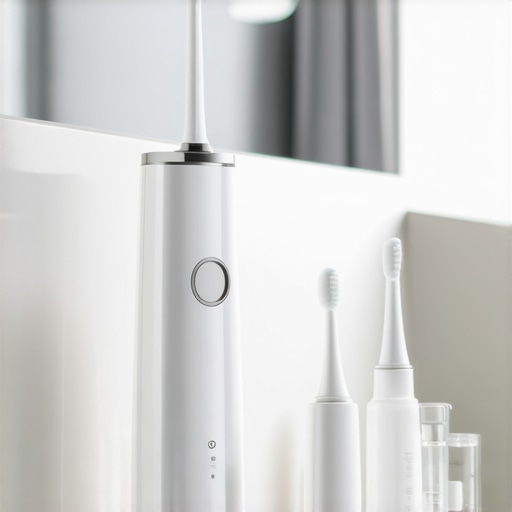
    When it comes to maintaining oral health, having the right tools is just as important as routine visits. Personally, I rely on a combination of high-quality electric toothbrushes and wisely chosen flossing devices to ensure my family’s teeth stay healthy and strong over the years. ElectraClean 6000, for instance, features oscillating brush heads that effectively remove plaque without damaging gums, making it ideal for daily use. Its smart timer reminds me to brush for the recommended two minutes, reinforcing good habits. Additionally, I prefer using a water flosser, like the HydroFloss Ultra, which helps dislodge debris from hard-to-reach areas and reduces bleeding and inflammation—especially vital for people with crowns or orthodontic appliances.

    Beyond physical tools, I recommend incorporating dental software, such as Dental Monitoring, which allows for remote assessments and progress tracking. I’ve personally used it to share images of potential issues with my dentist, preventing small problems from escalating. Going forward, the trend is moving toward smarter, connected devices that sync with your smartphone, providing real-time feedback and personalized recommendations, making long-term maintenance more manageable and tailored.

    How do I maintain oral health tools over time?

    Ensuring your tools remain effective requires proper cleaning and periodic replacement. Electric toothbrush heads should be replaced every three months or sooner if they show wear, as worn bristles lose cleaning efficiency. Regularly sanitizing water flossers with vinegar solutions keeps bacteria at bay and maintains their functionality. Moreover, storing devices in dry, clean environments prevents mold and bacteria buildup. Consistent maintenance of your tools ensures they continue to perform optimally, extending their lifespan and protecting your investment. Remember, complemented by good habits like routine brushing, flossing, and professional cleanings—including regular visits outlined here—these tools form a comprehensive approach to lasting oral health.

    Looking ahead, emerging technologies such as AI-powered toothbrushes and app-based monitoring systems are set to revolutionize personal dental care, making it more intuitive and precise. Embracing these advancements can help you stay ahead in your oral health routine and address issues before they become serious.

    To get the most from your tools, I recommend trying advanced techniques like using a smart tongue scraper integrated with application alerts—this can improve your overall oral hygiene and freshen your breath effectively. As you invest in quality equipment, remember that consistent care and timely replacements are key to long-term success. Want personalized advice on selecting the best tools for your family’s needs? Feel free to reach out via our contact page.

    Throughout my journey in maintaining a healthy smile, I’ve discovered that the real value lies in grasping nuances most people overlook. One lesson that truly stuck with me is that not all cracks or damages are created equal—some whisper warnings while others scream for urgent attention. Recognizing these subtle signs can save you from unnecessary anxiety or costly procedures. It’s about learning to read your own mouth like a seasoned pro, understanding that every small crack or sensitivity might be a message from your teeth, urging you to act before bigger problems emerge.

    The Hardest Lessons I Learned About oral health and the power of preventative care

    • Always take tiny cracks seriously; early intervention prevents larger damage down the road.
    • Relying solely on pain as an indicator can be deceptive—sometimes, cracks hide beneath the surface, waiting to cause trouble.
    • Invest in quality tools and regular professional checkups to catch issues before they escalate, transforming your dental care routine from reactive to proactive.
    • Understanding the interconnectedness of oral health with overall wellness is crucial. Regular cleanings and timely treatments are investments that pay off in long-term vitality.

    Tools and resources that changed my perspective on dental health

    • Electric toothbrushes like ElectraClean 6000—their oscillating heads made a noticeable difference in plaque removal, especially around crowns and fillings.
    • Water flossers such as HydroFloss Ultra—helped me reach tricky areas, reducing inflammation and preventing decay beneath restorations.
    • Dental tracking apps like Dental Monitoring—empowered me to send images and receive professional feedback, catching potential problems early.
    • Educational books and blogs—like those from trusted dental professionals—baved my journey with insights that go beyond basic know-how, rooting me in science-backed practices.

    Your turn to embrace the real potential of oral care

    Remember, your mouth is more than just a smile—it’s a gateway to overall health. Take the time to inspect your teeth carefully, recognize subtle warning signs, and invest in quality tools and professional guidance. Every step you take can have a lasting impact, transforming your dental health from a daunting task into a rewarding journey. Don’t wait for a crisis to strike—be proactive, stay informed, and prioritize your oral wellness every day. And if you’re questioning any aspect of your family’s dental routine, reach out to your trusted dentist—because informed choices lead to healthier, happier smiles.

  • How to handle a tooth that is sensitive to heat but not cold

    How to handle a tooth that is sensitive to heat but not cold

    I remember the first time I bit into a hot cup of coffee and immediately winced—my tooth was on fire, but the same cup of cold water didn’t bother me at all. It was a lightbulb moment that something wasn’t quite right. That sharp, burning sensation when exposed to heat can be both confusing and alarming. Like many, I initially brushed it off, thinking it was just a temporary quirk. But as time went on, the sensitivity worsened, and I knew I had to dig deeper. If you’ve experienced this, you’re not alone, and today, I want to share what I learned about this heat-sensitive dilemma and how you can address it effectively.

    Understanding Heat Sensitivity in Teeth

    Why Does Hot Cause Pain When Cold Doesn’t?

    Tooth sensitivity to heat but not cold can seem perplexing, but it actually stems from specific changes or damages in your dental health. When the nerve inside your tooth becomes exposed or irritated, it reacts more intensely to certain stimuli like heat. This might be due to worn-down enamel, exposed dentin, or even thin spots around dental crowns. Interestingly, the nerve fibers responsible for detecting heat are different from those sensing cold, which can explain why only heat triggers discomfort in some cases.

    Early on, I made a crucial mistake—ignoring mild sensitivity and thinking it would go away. Trust me, that’s a common trap. Neglecting small issues like this can lead to more severe problems, including nerve damage or infections. Regular oral health practices, such as effective cleaning and avoiding harsh whitening products, are vital. For insights into maintaining your oral health through proper teeth cleaning habits, check out these effective home practices. Recognizing early signs and understanding causes are the first steps in preventing larger issues down the line. Now, let’s move on to what you can do when your teeth start showing these signs of heat sensitivity—because there are practical, often straightforward solutions.

    Adopt a Gentle Oral Hygiene Routine

    Start by switching to a soft-bristled toothbrush to avoid further enamel wear and gum irritation. When I first noticed my heat sensitivity, I made a minor change—using a softer brush—and immediately felt less discomfort during my daily brushing. Incorporate toothpaste formulated for sensitive teeth, which contains compounds like potassium nitrate to help block nerve signals. Use lukewarm water instead of hot or cold for rinsing and brushing to minimize stimulus extremes. Regular, gentle brushing helps prevent additional wear around exposed dentin, which can worsen heat sensitivity and expose nerve endings.

    Implement Targeted Desensitizing Treatments

    Use desensitizing agents effectively

    Apply desensitizing gels or pastes directly onto affected areas after brushing. These products work by occluding the tiny tubules leading to nerve endings in dentin. I remember once applying a small amount of over-the-counter desensitizing gel before bed, which noticeably reduced my morning discomfort. For prolonged relief, consider products with potassium nitrate or stannous fluoride, which strengthen enamel. Consistent use builds a protective barrier, diminishing heat-triggered pain over time.

    Consider professional fluoride therapies

    Visit your dentist for fluoride varnish treatments that fortify enamel surface. During my visit, my dentist applied fluoride varnish, which set within minutes and provided a lasting shield against temperature sensitivity. This treatment can be especially beneficial for exposed dentin caused by enamel erosion, acting as a sealant against external stimuli.

    Avoid Harmful Dietary and Lifestyle Habits

    Limit consumption of acidic foods and drinks like citrus, soda, and wine, which erode enamel and expose dentin. I found reducing citrus intake made a rapid difference in my sensitivity levels. Chewing on ice or consuming extremely hot beverages can intensify discomfort—we tend to ignore their impact, but these habits accelerate enamel loss. Protect your teeth by choosing lukewarm beverages and avoiding abrasive foods. Additionally, abstain from teeth grinding, which wears down enamel and exposes nerves, especially during stressful nights.

    Seek Expert Evaluation for Curable or Persistent Issues

    If sensitivity persists despite these measures, consult your dentist—especially if the pain is sharp or ongoing. They can identify underlying problems such as cracks, worn fillings, or infections that contribute to heat sensitivity. During my consultation, an x-ray revealed slightly exposed dentin around a filling, which was easily addressed with a bonding procedure. For comprehensive care, explore how restorative options like crowns can provide durable protection for vulnerable teeth.

    Maintain Consistency and Preventive Care

    Regularly schedule check-ups to catch and treat issues early. Daily routines like effective brushing, flossing, and using mouthwash tailored for sensitive teeth help maintain your oral health. Incorporate practices such as soft flossing techniques and gentle rinsing with fluoride mouthwashes to reinforce your defenses. Remember, prevention is always better than cure—staying vigilant can save you from more invasive procedures later. For guidance on daily routines, visit these oral health tips and keep your smile bright and healthy.Many patients assume that a quick once-over during routine teeth cleanings or superficial knowledge about crowns and family dentistry suffices for optimal oral health. However, these misconceptions often lead to overlooked nuances that can compromise long-term oral wellness. For example, a common myth is that brushing vigorously cleans better, but in reality, overbrushing can damage enamel and gums, increasing sensitivity and recession. Proper technique, such as gentle, circular motions, is far more effective and protective.

    Another trap involves thinking that crowns are impervious to decay. This is a dangerous misconception; without diligent cleaning around the margins and regular check-ups, plaque buildup can lead to decay under or around the crown, necessitating costly repairs. For comprehensive insights, consider exploring these guidelines on maintaining crowns.

    Many overlook the importance of personalized dental assessments in family dentistry, believing that universal advice applies equally to everyone. But nuances such as genetic predispositions, lifestyle, and oral habits require tailored treatment plans—this is where expert evaluation becomes indispensable1. Ignoring these factors can result in ineffective cleaning routines or untreated issues.

    A hidden nuance is the significance of interprofessional collaboration. Dentists who coordinate with hygienists, orthodontists, and periodontists offer holistic care, yet many patients remain unaware of such integrated approaches. Emphasizing this interconnectedness can vastly improve outcomes, especially in complex cases involving periodontal diseases or orthodontic appliances.

    Do you know how effective your current oral hygiene routine truly is? Incorporate regular professional assessments and personalized advice to avoid these common pitfalls. Want to understand how small changes can elevate your dental health? Check out this comprehensive guide to everyday practices. Remember, genuine oral health isn’t just about cleaning; it’s about understanding and addressing the nuances behind your individual needs.

    Have you ever fallen into this trap? Let me know in the comments, and share your experiences or questions about family dental care and oral health nuances.

    Maintaining excellent oral health over time requires not only good habits but also the right tools and strategies. Personally, I rely on a combination of advanced dental devices and digital resources to ensure that long-term results are sustainable and effective.

    Investing in a Quality Electric Toothbrush

    I recommend a high-end electric toothbrush, such as the Sonicare DiamondClean. Its sonic technology provides over 31,000 brush strokes per minute, offering superior plaque removal compared to manual brushing. I use this device daily because it helps me reach difficult areas and reduces wear on my gums. The built-in timers also ensure I brush for the optimal two-minute duration, which is crucial for thorough cleaning according to dental experts.

    Mastering Proper Technique with Guided Apps

    To complement hardware, I utilize smartphone apps like Brushy or Colgate’s Smart Electric Toothbrush app. These programs offer real-time feedback on brushing technique, pressure, and coverage. Over time, they help me build a technique that minimizes enamel erosion—especially around crowns and restored areas. Embracing these digital tools has drastically improved my dental hygiene consistency and effectiveness.

    Using Interdental Cleaners Effectively

    Flossing alone isn’t enough; I find interdental brushes like TePe’s tiny silicone picks invaluable for cleaning between closely spaced teeth and around crowns. These tools make it easier to remove plaque without damaging sensitive tissue, extending the longevity of restorations. Incorporating interdental cleaning into my routine has prevented common issues like gum recession and decay under crowns as discussed in specialized guidelines.

    Scheduling Regular Professional Check-Ups and Cleanings

    Overall, no matter how diligent I am, periodic professional cleanings play a vital role. Regular visits, preferably every six months, ensure that your dentist can spot early signs of problems like plaque buildup or crown deterioration. These check-ups are also opportunities to receive tailored advice about maintenance as your oral health needs evolve.

    Anticipate Advanced Trends in Dental Tools

    The future of dental maintenance points toward AI-powered diagnostics and personalized home care devices. Companies are developing smart toothbrushes integrated with Bluetooth sensors that analyze brushing patterns and recommend improvements. As technology advances, I foresee a world where real-time data guides our daily routines for optimal, long-lasting oral health.

    How do I keep my dental machinery working over time?

    Ensure you follow manufacturer instructions for device maintenance, replace brush heads as recommended (usually every three months), and keep them clean. Regularly updating app software and calibrating devices can also enhance performance. For crowns and restorations, adopting a meticulous cleaning routine, as outlined here, extends their lifespan. By combining quality tools, technological integration, and routine professional care, you create a robust system that keeps your smile healthy for years to come. Don’t hesitate to try a high-quality electric toothbrush paired with an app for a next-level cleaning experience—your long-term oral health will thank you.

    Lessons I Never Saw Coming About Tooth Sensitivity

    • One of the most surprising revelations was realizing how small lifestyle tweaks, like switching to lukewarm water or using softer toothbrushes, can make a huge difference in comfort and long-term oral health.
    • I learned that patience and consistency with desensitizing treatments often outperform quick fixes, emphasizing the importance of persistent daily routines for lasting relief.
    • Understanding that underlying causes, such as exposed dentin or worn enamel, require professional assessment ensures we don’t mask symptoms but genuinely address root issues, leading to healthier, pain-free smiles.
    • What truly transformed my approach was recognizing the shared responsibility in maintaining dental health—combining at-home care with regular dental visits creates a synergy that prevents sensitivity from escalating.
  • How to handle a loose tooth in an adult without panic

    How to handle a loose tooth in an adult without panic

    It happened unexpectedly—one morning, I noticed wobbly teeth in my reflection. That sinking feeling of panic hit hard, especially when you’re an adult dealing with something that seemed so childlike. But let’s be honest, a loose adult tooth isn’t just a cosmetic issue; it can be downright frightening, sparking worries about gum disease, injury, or worse. I vividly remember staring at my mirror, thinking, “Am I losing my mind or my teeth?” That moment of panic fueled my quest to find a calm, effective way to handle a loose adult tooth without spiraling into anxiety.

    Why a Loose Adult Tooth Needs Your Attention, Not Your Panic

    Choosing how to respond when a tooth feels unstable can be confusing—should you see your dentist immediately or just wait it out? The truth is, a loose adult tooth is a sign that something’s amiss, often related to gum health, injury, or bite issues. Ignoring it can lead to further damage, infection, or even tooth loss. Recognizing the seriousness means understanding when to act and how to keep calm. The good news? Most cases are manageable with proper care and professional guidance.

    Is It Really Worth Worrying About a Loose Tooth?

    Early on, I made the mistake of brushing off my symptoms, assuming it was just a minor annoyance. That was a mistake. I learned that ignoring a loosened tooth can lead to larger problems, including infection and the need for more invasive treatments later. A relaxed yet proactive approach, backed by expert advice, is crucial. For comprehensive guidance, you might want to visit [this resource](https://periodontistcare.com/expert-advice-on-crowns-and-teeth-cleaning-for-lasting-results) to understand how professional care can help protect your smile.
    Have you ever faced a loose adult tooth yourself? Sharing experiences can make this journey less lonely. Now, with that understanding in mind, let’s explore the practical steps you can take now to handle this situation effectively.

    Secure the Area Immediately

    When you first notice a loose tooth, gently avoid wiggling or poking it, which can worsen the injury. Rinse your mouth with warm salt water to reduce bacteria and inflammation, mimicking the cleaning process used after family dental procedures here. Applying a cold compress to the cheek can reduce swelling and numb pain, giving you immediate relief while you prepare for further actions.

    Assess the Damage Carefully

    Identify the Root Cause

    Determine if the loose tooth is due to trauma, gum disease, or bite misalignment. Like assessing a crown that has come loose, inspecting the surrounding gums and neighboring teeth helps decide whether it’s a minor injury or a sign of something more serious. Avoid trying to fix it yourself to prevent further damage.

    Determine Urgency

    If bleeding persists or there’s significant pain, seek emergency dental care. For minor looseness without bleeding, you can follow initial home steps but must see your dentist promptly for effective treatment. Remember, quick action prevents complications and preserves your natural smile.

    Manage Pain and Protect the Tooth

    Use over-the-counter pain relievers as directed to manage discomfort. To prevent the tooth from moving further or causing injury, avoid hard, sticky foods—think of it as protecting a fragile crown during a family cleaning. Soft foods, warm salt water rinses, and gentle brushing keep the area clean without aggravating the condition.

    Plan to See Your Dentist

    Schedule an appointment within 24 hours to evaluate the injury. During the visit, your dentist may need to stabilize the tooth, perform periodontal treatments, or discuss options like crowns to rebuild structural stability here. Early intervention can save your tooth from extraction or further damage.

    Follow Up with Dedicated Oral Care

    After treatment, refine your daily oral hygiene routine. Proper flossing and brushing, especially around the affected area, prevent plaque buildup that can complicate healing. Consider using an electric toothbrush—comparable to professional cleaning tools—to ensure thorough removal of debris, similar to the benefits discussed here. Consistency and gentle care promote long-term recovery.

    Monitor and Prevent Future Issues

    Regular dental checkups are crucial to spot potential problems early. Investing in a professional cleaning here can remove tartar and calculus that threaten gum support. Additionally, avoid habits like teeth grinding and clenching, which exert stress on your teeth, similar to avoiding excessive force during sports—protecting your smile for the long haul.

    Many assume that routine visits and superficial cleaning suffice for maintaining optimal oral health. However, this misconception often leads to overlooked issues that can escalate into more serious problems. For instance, a common myth is that professional teeth cleaning alone can prevent cavities and gum disease indefinitely. In reality, expert guidance emphasizes that daily oral hygiene routines, like proper flossing techniques and targeted brushing, are equally critical for longevity here.

    Another frequently underestimated aspect is the role of dental crowns. Many believe crowns are purely cosmetic fixes; yet, their true benefit lies in restoring functionality and protecting vulnerable teeth from further damage here. Misusing or neglecting crown maintenance, such as avoiding proper cleaning around the margins, can drastically reduce their lifespan and compromise oral health.

    A notable advanced mistake involves neglecting occlusion and bite issues, which can subtly erode dental structures over time. Many overlook how malaligned bites contribute to uneven wear, TMJ pain, and even fractures. An expert-level approach integrates regular occlusal assessments into family dental visits to catch these nuances early. According to a recent study, addressing bite discrepancies promptly can extend the durability of restorations and reduce the risk of tooth loss here.

    What about the impact of patient habits? Brushing too hard or using stiff-bristled brushes can cause gum recession and enamel abrasion, the subtle ‘oops’ errors that many dismiss. Educating patients on proper technique and gentle pressure is vital—because small mistakes here can invite long-term problems, like increased sensitivity or bedridden periodontal issues. For instance, switching to an electric toothbrush and learning correct usage can make a significant difference here.

    Lastly, a common oversight is ignoring the significance of maintenance after restorative procedures. Many think crowns or fillings are ‘set and forget.’ However, regular checkups to monitor and maintain restorations ensure that they perform their protective role effectively. Skipping these appointments often results in unnoticed decay or crown failure, which could have been prevented with timely adjustments or replacement here.

    Have you ever fallen into this trap? Let me know in the comments. Let’s uncover these hidden nuances to keep our smiles healthy and resilient.

    Staying on top of your oral health requires more than just regular brushing and visits to the dentist. Investing in the right tools can make a significant difference in maintaining your smile’s health and longevity. One of my top recommendations is a high-quality electric toothbrush. Not only does it provide consistent, gentle cleaning, but it also features timers and pressure sensors that help prevent gum recession caused by over-brushing, a common mistake among many families. I personally swear by models with sonic technology, as they have proven effective in reducing plaque and whitening teeth over time. For deep cleaning and to reach difficult areas, I recommend using interdental brushes—small, tapered tools that help clean between teeth and around crowns, ensuring plaque doesn’t accumulate where your regular brush can’t reach. Incorporating a water flosser into your routine can also enhance gum health by safely removing debris and bacteria, especially for those with crowns or sensitive gums. Regularly replacing your toothbrush head every three months ensures optimal cleaning efficiency and prevents bacterial buildup. Moreover, consider using a tongue scraper daily to reduce bacteria responsible for bad breath and improve overall oral health. Looking ahead, advancements in AI-driven monitoring devices are promising; I predict that in the near future, smart toothbrushes paired with smartphone apps will provide personalized feedback and track your oral hygiene habits, helping you stay motivated and consistent. To maintain your dental tools’ effectiveness over time, proper cleaning and storage are vital. Rinse brushes thoroughly after each use, dry them upright, and keep them in a clean, dry place. For crowns and restorations, specialized cleaning tips and gentle tools are crucial—they help prolong their lifespan and keep your smile shining. For example, using a soft dental pick and avoiding abrasive cleaners can preserve the integrity of crowns, as detailed in expert guidelines here. Do you want to see real benefits? Try incorporating a water flosser into your nightly routine this week—it’s an easy upgrade that can dramatically improve gum health and prevent future issues. Just remember, consistent use combined with professional guidance ensures your smile remains healthy and strong for years to come.

    My Deepest Wisdom About Family Dentistry and Smile Preservation

    One of the most powerful lessons I’ve learned is that consistent, proactive care beats reactive treatments every time. Early identification of issues like a loose tooth can prevent complex procedures and preserve your confidence. I discovered that regular family checkups, paired with personalized home routines, are essential—sometimes even life-changing—investments in your long-term oral health.

    Another insight is how undervaluing small signs—like slight gum tenderness or early looseness—can lead to bigger problems. Listening to your body’s whispers and acting promptly saves not just teeth, but also stress and money. That lesson taught me to prioritize education, asking questions at each visit, and staying curious about my oral health journey.

    Perhaps most unexpectedly, I found that understanding the role of crowns and restorations isn’t just about aesthetics; it’s about function, protection, and mental peace. Knowing how to care for them correctly, and recognizing their signals, can dramatically extend their lifespan and keep your smile shining bright.

    The Tools That Made a Difference in My Family’s Dental Life

    My go-to resources are a mix of trusted professional brands and educational portals. For instance, I trust [expert advice on crowns and teeth cleaning](https://periodontistcare.com/expert-advice-on-crowns-and-teeth-cleaning-for-lasting-results) because it offers practical, accessible guidance tailored for families. My electric toothbrush, from a reputable manufacturer, has transformed our morning routine—delivering consistent cleanliness without damaging delicate gums. Additionally, [a water flosser](https://periodontistcare.com/the-impact-of-regular-teeth-cleaning-on-overall-oral-wellness) became an indispensable part of our nightly ritual, making flossing easier and more effective for busy family members.

    Beyond tools, I’ve found inspiration in books like Healthy Smiles, Happy Kids—fostering a mindset that oral health is a lifelong family value. Connecting with trusted dental professionals who focus on gentle, comprehensive care helps me stay motivated and informed, avoiding the pitfalls of superficial or outdated practices.

    Smile, Because There’s Always a New Way Forward

    Your journey towards a resilient, radiant smile isn’t just about fixing problems—it’s about embracing each step as an opportunity to learn and grow. The future of family dentistry is exciting, with innovations in diagnostic tools, personalized care, and education empowering us to protect our loved ones’ smiles like never before.

    Remember, every small effort counts. Whether it’s mastering proper brushing techniques or scheduling timely checkups, your proactive spirit makes all the difference. Keep moving forward—your healthiest, happiest smile awaits.

    What’s one change you’re excited to try in your family’s oral health routine? Share below—I’d love to hear your plans and experiences!

  • The most important thing to do when a crown feels loose

    The most important thing to do when a crown feels loose

    I remember the moment vividly. I was sipping my morning coffee when I suddenly felt something odd—my crown, that tiny but crucial part of my smile, wiggled just enough to make me panic a little. It was a lightbulb moment for me: dental crowns aren’t just there for looks; they’re essential for protecting my tooth, and when they feel loose, it’s a sign that something’s not quite right.

    Feeling a loose crown isn’t just inconvenient; it can be downright alarming. The first instinct might be to ignore it or try to fix it yourself, but trust me, that’s not the way to go. Today, I want to share everything I’ve learned about this common issue, so you don’t have to panic or make costly mistakes. We’ll explore how to handle a loose crown properly, ensure your dental health remains intact, and when to seek professional help. If you’ve experienced this unsettling feeling, stay with me—there’s good news ahead and simple steps you can take.

    Why a Loose Crown Needs Immediate Attention

    A loose crown might seem minor at first, almost like a hiccup in your usual oral routine. But don’t be fooled. According to the American Dental Association, a crown that feels loose can lead to increased sensitivity, decay underneath, or even losing the tooth altogether if neglected. The stability of your crown is crucial—it’s what shields your tooth from further damage and keeps bacteria out.

    Early on, I made the mistake of waiting it out, thinking it would tighten on its own or that I could re-glue it temporarily. Sadly, that only complicated things. A professional assessment ensures your crown fits snugly again and that no underlying issues are brewing. If you’re like most folks, you probably worry about the cost or the hassle. But with the right approach, treating a loose crown can be quick, painless, and affordable.

    Thinking about skipping the dentist? Remember, a small problem now can turn into bigger trouble later. Reassuringly, most problems with crowns can be addressed effectively if caught early. For more on maintaining your crowns and preventing issues, check out our tips on [caring for crowns](https://periodontistcare.com/caring-for-crowns-essential-tips-for-longevity-and-shine). Now, let’s dig into exactly what steps you should take at the first sign of trouble.

    Is Fixing a Loose Crown Worth the DIY Fix?

    Many people wonder if they can handle it themselves or wait it out longer, risking more damage. I’ll admit, in my early days, I tried to re-glue my crown with over-the-counter dental glue. Big mistake. Not only did it not hold, but I also risked trapping bacteria underneath, which can cause decay or infection. Remember, dental work is delicate, and a professional’s touch is always safer. If you want to avoid unnecessary discomfort and expense, it’s best to consult your dentist rather than trying to solve the problem yourself.

    A loose crown isn’t just an uncomfortable nuisance; it’s a sign that your dental health might need some extra attention now. Taking quick, informed action can save your smile and your wallet. If you’re unsure what to do next, scheduling an appointment is the smart move. Curious about how to extend the life of your crowns? You might find some useful tips in our article on [maintaining your dental crowns](https://periodontistcare.com/maintaining-your-dental-crowns-dos-and-donts-for-best-results).

    Next, we’ll explore the exact steps to follow if your crown feels loose—so keep reading, and your smile will thank you.

    Careful Inspection and Preparation

    Start by examining your crown to check if it’s truly loose or just feeling odd. Wash your hands thoroughly, then gently try to wiggle the crown with clean fingers or a sterile tool. If it moves easily, it’s definitely loose and requires action.

    Clean the Area to Prevent Infection

    Immediately rinse your mouth with warm water to remove any debris or bacteria around the crown. Use a soft-bristled toothbrush to gently clean the area, avoiding aggressive brushing that could dislodge the crown further.

    Temporary Fixes to Reduce Discomfort

    If the crown is severely loose but not fallen out, you can apply a small amount of over-the-counter dental cement or temporary dental repair kit from your pharmacy. Carefully place a dab inside the crown using a toothpick or spatula, then seat it back onto the tooth. Bite down gently to ensure it stays in place. Remember, this is only a temporary solution to protect your tooth until professional treatment.

    Note on DIY Repairs

    While DIY fixes might seem convenient, they carry risks such as trapping bacteria, causing further decay, or damaging your tooth. Personally, I once tried to re-glue my crown with generic dental glue, which ended up sealing bacteria underneath, leading to infection and a costly trip to the dentist. Always prioritize professional care for lasting results.

    Schedule Dental Appointment Promptly

    Contact your dentist promptly to get the crown checked and properly re-cemented if necessary. Waiting too long can lead to further decay or damage to the tooth beneath. You can book an appointment through our contact page.

    Maintain Oral Hygiene After the Fix

    Once your crown is secure, resume your regular oral health practices. Use fluoride toothpaste, floss carefully around the crown, and consider using an interdental brush if food particles tend to get trapped. Regular cleaning preserves the longevity of your crown and overall dental health; learn more at our teeth cleaning tips.

    Prevent Future Loosening

    Limit biting on hard foods like ice or nuts, and avoid using your teeth as tools. Regular dental checkups will catch issues early, ensuring your crowns stay secure. For comprehensive care tips, visit caring for crowns.

    Many people believe that getting a crown is a simple fix and that maintaining oral health mainly revolves around brushing and flossing. However, there’s a nuanced landscape of facts they often overlook. For instance, the myth that all dental crowns last a lifetime is widespread; in reality, without proper care, even the best crowns degrade faster than expected. Advanced mistakes include neglecting the importance of regular checkups, which can detect micro-fractures or decay before they escalate. Experts emphasize that crowns and teeth are part of a complex biomechanical system, where minor issues can compound if not proactively managed. According to a study published in the Journal of Prosthetic Dentistry, regular professional evaluations significantly extend the lifespan of crowns and prevent costly repairs. Moreover, many assume that aggressive cleaning tactics are always beneficial, but over-brushing or using abrasive toothpaste can erode enamel and damage crowns. It’s vital to understand the correct cleaning techniques tailored for crowns and natural teeth, which you can find in our detailed guide on caring for crowns. Family dentistry isn’t just about routine checkups; it involves mastering the internal nuances of each patient’s unique oral ecosystem. A common oversight is overlooking early signs of gum recession or bite misalignment, which can compromise your crown’s stability. Staying informed and vigilant about these factors makes a real difference. Remember, the goal isn’t merely to preserve a smile but to ensure the longevity and health of your entire oral structure. Have you ever fallen into this trap? Let me know in the comments.Maintaining your dental crowns and overall oral health requires more than just good brushing habits; it calls for precision tools and effective techniques that ensure longevity and prevent issues down the line. One of my go-to instruments is a high-quality intraoral camera that allows me to examine hard-to-see areas of my mouth with detail. This device, which connects to my computer or tablet, offers a clear view of the crown margins and surrounding gums, helping me spot early signs of wear or decay. I personally use models like the Polaroid iX400, but there are affordable options available that provide excellent resolution and ease of use. Regular self-assessment with an intraoral camera is becoming increasingly popular, and I believe it’s the future of proactive dental care.

    Complementing this, I highly recommend investing in a water flosser equipped with adjustable pressure settings and specialized tips for crowns and bridges. Unlike traditional floss, water flossers can more effectively clean around dental work, removing plaque and debris that may lodge underneath or around the crowns. My personal favorite is the Waterpik Ultra Water Flosser; I appreciate its multiple pressure modes and the inclusion of orthodontic tips, which ensures a thorough clean without damaging sensitive areas.

    Another critical tool is a sonic toothbrush. In my experience, sonic technology enhances plaque removal due to its rapid bristle oscillations, reaching into crevices that manual brushes can’t access. I swear by the Philips Sonicare DiamondClean because it features brushing modes tailored for sensitive crowns and gums, plus a built-in timer to promote proper brushing duration.

    To ensure these tools work optimally over the long term, I follow a strict maintenance routine. I regularly sterilize my water flosser tips and replace them every three months to prevent bacterial buildup. For my sonic toothbrush, I replace brush heads every three months as recommended by dental professionals. These small but consistent efforts help maintain their efficacy and reduce the risk of bacterial transfer.

    As technology advances, smart dental devices are beginning to integrate AI-driven diagnostics, which promise to revolutionize oral health monitoring. Future trends may include toothbrushes with embedded sensors providing real-time feedback on brushing technique or AI-powered apps that analyze intraoral images to detect early signs of decay or crown issues. Staying on top of such innovations can be key to long-term oral health.

    ### How do I maintain my crown and oral health tools over time?
    Regular cleaning of your tools, timely replacement of parts, and proper storage are essential. For example, keep your water flosser in a dry, clean place and replace tips after each use. Sterilize your intraoral camera lens with disinfectant wipes and store it carefully in its case. Likewise, rinse and dry your sonic toothbrush thoroughly after each use to prevent bacterial growth. Consistently maintaining your tools not only prolongs their lifespan but also ensures they continue to contribute positively to your dental routine.

    Incorporating advanced tools into your daily regimen can feel daunting at first, but it pays off by keeping your crowns and teeth healthier longer. I encourage you to try one of these recommendations—perhaps start with a quality water flosser—and observe the difference it makes in your oral hygiene. Remember, regular professional checkups are crucial, so schedule your next visit through our contact page. Staying proactive with your tools and habits can truly extend the life of your crowns and improve your family’s overall dental wellness, as outlined in our comprehensive guides on maintaining crowns and effective home practices.

    The Hardest Lesson I Learned About crowns,teeth cleaning,oral health,family dentistry

    One of the most profound lessons I encountered was realizing that a dental crown’s durability isn’t solely about the material but also about ongoing maintenance and holistic oral health practices. I once believed that once a crown was placed, my focus could shift entirely away from its upkeep, but neglecting regular checkups and proper hygiene led to unexpected complications. This taught me that even the best crowns require consistent care to truly last a lifetime.

    3 Myths About crowns,teeth cleaning,oral health,family dentistry That Held Me Back

    Believing that crowns are impervious to decay or that brushing isn’t necessary around them was a misconception I had early on. These myths delayed my visits to the dentist, causing minor issues to escalate into significant problems. Realizing that crowns and natural teeth are interconnected emphasizes the importance of comprehensive oral hygiene and routine checkups, which are crucial for preserving your smile’s health and integrity.

    What Experts Won’t Tell You About crowns,teeth cleaning,oral health,family dentistry

    Many professionals emphasize routine cleanings, but the insider wisdom is that personalized care plans, including gentle cleaning techniques and tailored dietary advice, make a substantial difference. For instance, avoiding hard foods and using specific tools can extend the life of your crowns and prevent unnecessary repairs. Staying informed and proactive about these nuances empowers you to maintain optimal oral health beyond generic advice.

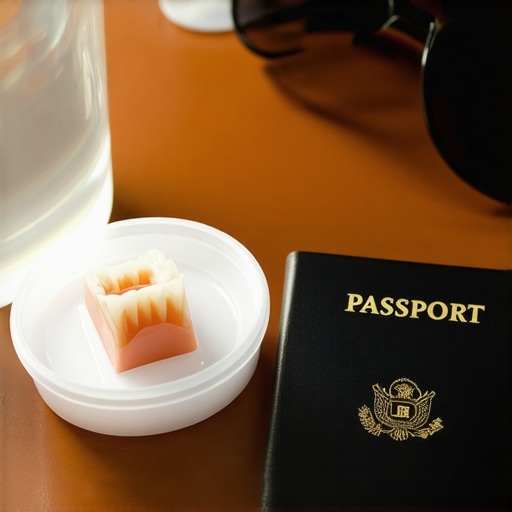
  • The best way to store a crown that fell out of your mouth

    The best way to store a crown that fell out of your mouth

    It happened so suddenly I barely had time to react. I was mid-sentence when I felt the strange sensation—an awkward wobble in my mouth—and then, to my shock, my dental crown popped out right in front of my family at dinner. Panic set in. I was scrambling to figure out what to do, feeling vulnerable and pretty unprepared. That lightbulb moment hit me hard—what’s the best way to store a crown before I can get to the dentist?

    Why Proper Storage of a Fallen Crown Can Save Your Smile

    If you’ve ever had a dental crown come loose or fall out unexpectedly, you know how stressful it can be. But here’s the thing—timing and proper storage can make all the difference in whether your crown can be re-cemented successfully or not. A misplaced or poorly stored crown can lead to complications, infections, or even the need for costly replacements. Proper storage ensures that your dentist can do their job smoothly and minimizes the risk of further damage.

    From personal experience, I learned that rushing to the dentist without thinking about how to preserve the crown might seem minor, but it impacts the entire repair process. Early on, I made the mistake of just placing the crown in my pocket without any protection—big mistake! The crown got scratched, which complicated the re-cementing process, and I had to go back for more work. I want to help you avoid that pitfall and keep your crown safe until professional help arrives.

    Is Saving Your Crown Actually Worth the Effort?

    Many people dismiss the importance of preserving a fallen crown, thinking they can always get a new one later. But the truth is, reusing the original crown is often faster, less expensive, and results in a better fit. Plus, it’s reassuring to know you’re doing everything possible to maintain your smile’s integrity. I’ve seen firsthand how proper handling can save time and money—and your confidence. For more insights, check out this article on how crowns can boost your confidence.

    So, if you’ve recently experienced a crown falling out, or are worried about safety and preservation, keep reading. I’ll walk you through exactly how to store that precious piece of your smile properly. That way, you can head into your dental appointment feeling prepared and confident.

    Secure a Clean Container

    As soon as your crown pops out, grab a small, airtight container or a clean, moist cloth pouch. Think of it as packaging a precious jewel—your goal is to protect it from dirt, dust, and potential damage. I remember once slipping my crown into a dry tissue, which caused scratches—big mistake that delayed re-cementing. Keep the crown moist and clean to preserve its integrity.

    Keep the Crown Moist

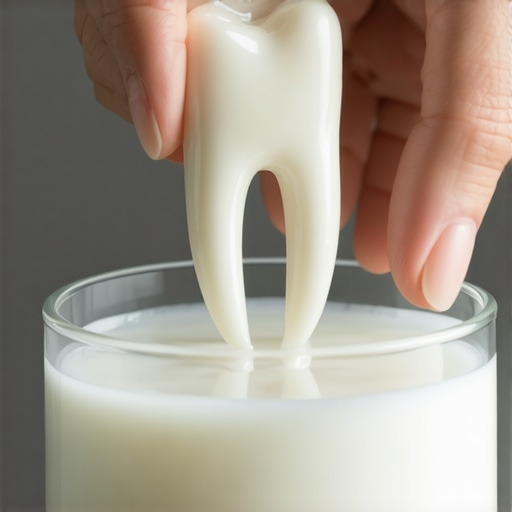
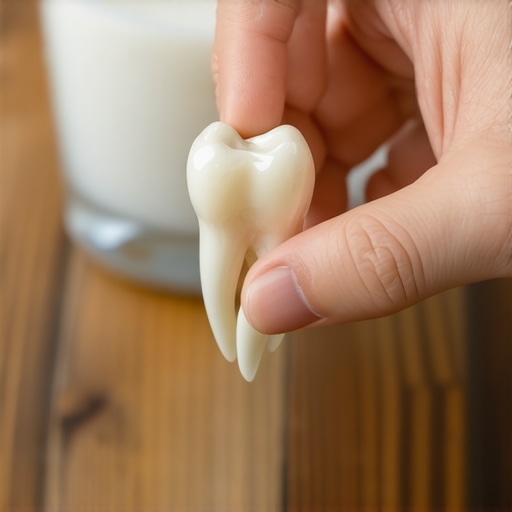
    Moisture is crucial. Place the crown in a glass of milk or saline solution if available; these fluids help preserve the material and the cement bond. If neither is accessible, keep it in your mouth gently, or place it between your gum and cheek. This ensures the adhesive doesn’t dry out, which can compromise reattachment success.

    Handle with Care

    Use gloves or wash your hands thoroughly before touching the crown. Avoid gripping the crown with fingernails or metal objects that could scratch or deform it. Remember, the crown is delicate—think of it as a fragile heirloom. Once I learned this, I carefully wrapped my crown in plastic wrap, preventing any scratches during transit.

    Assess the Crown for Damage

    Before heading to the dentist, inspect the crown for chips, cracks, or damage. If it appears flawed, inform your dentist immediately. Sometimes, a damaged crown might need replacement, but often, minor chips can be repaired if preserved correctly.

    Time Is of the Essence

    Visit your dentist ASAP. The sooner, the better; delays can cause the tooth to shift or further damage to the remaining structure. When I experienced my mishap, I called my dentist within an hour. They advised me on proper storage and scheduled an appointment, which resulted in a smooth re-cementing process.

    Additional Tips for Maintaining Your Crown

    Always follow your dentist’s advice regarding crown care and maintenance. Regular cleaning and check-ups can prevent issues. To extend the life of your crown, use non-abrasive toothbrushes and floss carefully—especially when dealing with crowns, which can trap food and plaque if not cleaned properly. For effective home hygiene routines, explore secret home cleaning tips.

    Remember, handling your dental crown with care during emergencies isn’t just about saving a piece—it’s about protecting your smile’s overall health. Keep these steps in mind, and you’ll improve your chances of a successful reattachment, saving time and money in the long run.

    Hand holding a dental crown over a dental workspaceWhen it comes to dental crowns and overall oral health, many misconceptions persist, often leading patients to make costly or ineffective decisions. Let’s dig deeper into some underestimated nuances that even seasoned practitioners sometimes overlook, challenging popular beliefs with an expert perspective.

    Are All Crowns Created Equal, or Is There More Behind Material Choices?

    Many assume that the type of material—porcelain, gold, or composite—is purely aesthetic. However, each material has distinct properties affecting longevity, biocompatibility, and how it interacts with the surrounding tissues. For instance, newer ceramics may seem superior, but they can be more brittle and prone to chipping if not properly handled. Experts emphasize that selecting the right crown depends on detailed assessment of bite forces, enamel compatibility, and patient habits—considerations often ignored in general conversations. Consulting specialized [caring tips for crown longevity](https://periodontistcare.com/caring-for-crowns-essential-tips-for-longevity-and-shine) can help prevent premature failures.

    One common myth is that crowns are maintenance-free. In reality, neglecting routine check-ups and proper cleaning can lead to decay at the margins or gum inflammation. Advances in dental adhesive technology now mean that improper application can cause microleakage, leading to secondary decay—a nuanced point that many overlook. Regular inspections using modern imaging techniques can preempt such issues; see how [deep cleaning](https://periodontistcare.com/the-impact-of-regular-teeth-cleaning-on-overall-oral-wellness) supports crown health and overall wellness.

    The ‘Oops’ Factor: Ignoring Subtle Signs of Failure

    One major pitfall is dismissing minor discomfort or slight changes in bite as insignificant. Many patients believe that if their crown isn’t falling out, everything is fine. But small signs like persistent sensitivity, slight shifting, or gum recession around the crown can signal underlying problems, such as cement failure or marginal leakage. If unnoticed, these issues can escalate into more complex and expensive treatments. Timely intervention—guided by thorough understanding of crown interfaces—is crucial. Keep an eye on these subtle cues and consult your dentist promptly to avoid ‘silent’ failures that might otherwise go unnoticed.

    Furthermore, avoid the trap of overreliance on DIY repair kits or home remedies. While tempting, improperly sealed or re-bonded crowns can cause further damage or infection. An experienced professional can evaluate whether a crown can be repaired or needs replacement, which sometimes involves a nuanced assessment of material integrity and the surrounding tissue health.

    Have you ever fallen into this trap? Let me know in the comments. Navigating the world of oral health requires a nuanced understanding—deeper than just brushing and flossing. Keep informed to make the best choices for your smile!

    Investing in Reliable Equipment for Long-Term Success

    Maintaining your dental crowns and overall oral health isn’t just about good habits; having the right tools makes a significant difference. Personally, I swear by a Sonicare Eco™ electric toothbrush. Its dynamic cleaning action vibrates at 62,000 strokes per minute, effectively removing plaque around crowns without causing unnecessary wear. Unlike manual brushes, this device reaches deep into crevices, reducing the risk of decay at margins—a common issue if neglected. Regular use of such advanced equipment aligns with recommendations from experts emphasizing technology’s role in preventive dentistry.

    Why a Water Flosser Is a Game Changer

    I transitioned to a Waterpik Water Flosser after experiencing minor gum bleeding despite daily flossing. Its pressure-controlled jet can dislodge food and plaque trapped in difficult-to-reach areas around crowns or braces, which traditional flossing often misses. The pulsating water helps stimulate gum tissue, improving circulation and reducing inflammation—crucial for long-term crown and periodontal health. Dental studies, such as the one published in the Journal of Clinical Dentistry, confirm water flossers’ effectiveness at maintaining periodontal stability when used correctly.

    Utilizing Software for Oral Health Tracking

    Beyond physical tools, I rely on digital tracking apps that remind me of cleaning schedules, fluoride treatment days, and dental check-up appointments. Consistent monitoring helps catch issues early, reducing costly repairs or replacements of crowns. As technology advances, AI-driven apps are increasingly capable of analyzing images of your teeth, providing personalized advice and alerting you to potential problems—making long-term maintenance smarter and more proactive.

    Predictions for Future Oral Care Technologies

    Looking ahead, I predict a surge in smart dental devices integrated with IoT—Internet of Things—allowing real-time monitoring of oral health metrics. Wearable sensors and home-use smart toothbrushes might connect directly with your dentist, enabling remote diagnostics and tailored interventions. This evolution aims to make oral health management more precise, accessible, and less invasive, ultimately extending the lifespan of crowns and preserving overall mouth wellness.

    How do I keep my Crown and Oral Hygiene Tools in Top Shape?

    Implementing a routine of using high-quality equipment like the ones mentioned, combined with proper maintenance tips, ensures the longevity of your dental investments. Regularly replacing accessories—such as flossing tips or toothbrush heads—prevents bacteria buildup and maintains efficacy. Also, scheduling professional cleanings helps keep your crown margins tight and free of plaque buildup, as advised in expert guidelines.

    If you’re interested in elevating your oral care routine, I highly recommend trying a water flosser for that extra cleaning power. It’s a small investment that can save you from future complications and additional costs. Remember, combining technological tools with diligent habits is the secret to keeping your crowns and teeth healthy for years to come.

    3 Surprising Lessons I Discovered About Crowns and Family Dentistry That Changed My Approach

    • Trusting superficial solutions can backfire—deep understanding of materials and techniques truly matters for longevity.
    • Timeliness beats everything—waiting too long to address issues with crowns or oral health can lead to costly complications.
    • Personal routines and the right tools make a difference—investing in quality dental care equipment pays dividends in oral health.
    • Transparency from professionals about subtle signs of crown failure or oral disease can save you from surprises down the line.
    • Education is ongoing—becoming proactive with information from trusted sources can keep your smile radiant and healthy longer.

    My Go-To Resources for Keeping Crowns Strong and Smiling Bright

    Your Smile’s Future Starts Now

    Remember, maintaining your dental crowns and overall oral health is an ongoing journey. Every proactive step you take today builds a brighter, healthier tomorrow. Don’t wait for discomfort or damage to remind you of their importance—invest in your smile now, and it will reward you for years to come. Whether it’s through better tools, trusted resources, or simply staying informed, your efforts can make a world of difference.

    Have you ever tried a new tool or technique that significantly improved your dental care routine? Share your experiences below—your story might inspire someone else to take that first, crucial step toward lifelong oral health.

  • The safest way to remove a popcorn kernel stuck in your gum

    The safest way to remove a popcorn kernel stuck in your gum

    It happened during a movie night with my family—one of those perfect moments suddenly interrupted by an unexpected, uncomfortable sensation. I bit into another delightful popcorn, only to feel a stubborn, crunchy dot stuck right in my gum. Instant panic crept in. I tried to ignore it, thinking it would dislodge with a gentle floss, but instead, the discomfort only grew. That lightbulb moment hit me—this wasn’t just a minor annoyance; it was a real challenge that needed a safe, effective solution.

    Why a Popcorn Kernel in Your Gum Deserves Your Attention

    Many people underestimate how tricky it can be to remove a popcorn kernel lodged in your gum safely. Unlike food stuck between teeth, a kernel embedded in the gum tissue can cause irritation, swelling, or even infection if not handled properly. I learned this the hard way—my early mistake was using a metal pick, which risked damaging my gum tissue. That experience taught me a critical lesson: knowing the safest way to extract stubborn food particles is essential for maintaining oral health without unintended harm.

    Could This Simple Problem Turn Serious?

    Many folks worry that attempting to remove a kernel themselves might worsen the situation. Believe me, I was there. But I’ve also discovered that with the right technique, you can resolve this discomfort without a trip to the dentist—saving you time, money, and unnecessary pain. Curious how? In the sections ahead, I’ll share proven methods that I’ve tested, plus tips from dental experts. If you’ve ever faced the gruesome reality of a popcorn kernel stuck in your gum, you’ll know this knowledge is priceless. And if you’re skeptical—trust me, I felt the same—there’s a safe way that works effectively. Just remember, even experts warn against aggressive probing, which can cause tissue damage. Proper technique and patience are the keys to a successful removal. Want to avoid future popcorn mishaps? Check out these caring tips for crowns to keep your smile healthy and resilient. Now, let’s get into how you can do this safely at home, or know when it’s time to call in the professionals.

    Prepare Your Workspace Carefully

    First, wash your hands thoroughly with soap and water to prevent introducing bacteria into your mouth. Gather clean dental floss, a mirror, and if available, a dental pick designed for home use. Think of it like preparing your tools before fixing a delicate instrument—precision matters. I once attempted to remove a stubborn kernel without washing my hands, which led to an annoying gum infection afterward. So, cleanliness is your first priority to avoid more problems.

    Locate the Embedded Kernel Precisely

    Use a mirror to identify exactly where the kernel is lodged. Gently pull back your lip or cheek to get a clear view. Imagine trying to find a tiny splinter in your finger; patience and good lighting are essential. During my first attempt, I mistakenly pressed around, thinking I could feel it with my tongue—this only caused extra irritation. Take your time, and ensure you see the exact spot before proceeding.

    Employ Gentle Flossing Techniques

    Use Fresh Dental Floss

    Break off a piece of soft, unwaxed dental floss and gently slide it between your gum and the lodged kernel. Imagine threading a needle carefully; do it slowly to avoid hurting sensitive tissue. I once flossed too aggressively, which caused bleeding. Be gentle, and work in a back-and-forth motion, not a harsh sawing action—this minimizes trauma to your gums. If floss slips or doesn’t grip, don’t force it. Instead, move to a different area or prepare for alternative steps.

    Pry Slightly, If Necessary

    If floss alone isn’t dislodging the kernel, consider using a dental pick with rounded ends—strictly avoid metal points that could damage your gum tissue. Gently wiggle and lift the kernel with the instrument. Think of it like loosening a stubborn screw carefully without stripping it. During my experience, I had to gently leverage the kernel out, always watching for signs of discomfort or bleeding. Stop immediately if the area becomes painful—continuing may cause tissue injury.

    Use Warm Saltwater Rinses to Soothe and Clean

    After successful removal, rinse your mouth with a warm saltwater solution—dissolve half a teaspoon of salt in a cup of warm water. This acts like a gentle disinfectant, reducing inflammation and helping healing. Remember, this isn’t about cleaning just your teeth but also the tissues around the implant site. I found that doing this rinse twice daily speeds up recovery and prevents infection. Consider it your final step to ensure everything is sanitized and calming.

    When to Seek Professional Help

    If your attempts fail, or if you experience persistent pain, bleeding, swelling, or signs of infection, don’t hesitate to contact a dental professional. Trying to yank out a kernel beyond your comfort zone can cause tissue damage, abscesses, or make the issue worse—like trying to fix an electrical short without proper training. Sorry to say, some issues are better handled by experts who can safely remove embedded debris and evaluate your gum health.

    In the long run, practicing good oral hygiene, such as regular teeth cleaning at home and visiting your dentist periodically, is the best way to prevent future incidents. Remember, prevention and gentle care are your best allies in keeping a healthy, pain-free smile.

    Many believe that maintaining good oral health is solely about brushing daily and avoiding sweets, but the truth runs much deeper. One common misconception is that regular teeth cleaning suffices to keep your smile perfect; however, experts emphasize that **professional cleanings address only surface-level issues**, while deeper concerns like gum disease or hidden infections require specialized attention. Relying solely on routine brushing can lead to overlooking early signs of periodontal problems, which research links to systemic health issues such as heart disease. Be cautious: some think that dental crowns are just cosmetic, but in reality, they play a vital role in preserving tooth structure after decay or damage—**a mistake that can cause early failure if not properly cared for**. Always consult with a specialist about the longevity and proper maintenance of crowns, as improper care can lead to issues like fit loosening or decay underneath. Regarding family dentistry, many parents assume that children’s teeth need less attention than adults; this is false—**early habits set the stage for lifelong oral health**, and neglect during childhood can lead to complex problems later. Advanced mistakes include delaying treatment for symptoms, hoping they will resolve on their own, which often results in more invasive and costly procedures down the line. An important nuance often missed is understanding the importance of personalized care. For instance, patients with diabetes are at a higher risk for gum disease, which means that standard cleaning routines may be insufficient without tailored periodontal therapy. According to a study published in the Journal of Clinical Periodontology, **diabetic patients benefit significantly from more frequent cleanings and targeted interventions** to manage their gum health effectively. Remember, oral health is interconnected with your overall wellness—neglecting advanced nuances can have repercussions beyond the mouth. To optimize your dental care, focus on **comprehensive routines** that include regular check-ups, personalized treatments, and staying informed about your specific health profile. Want to improve your dental routine? I’ve shared effective at-home practices in this guide on teeth cleaning secrets for the whole family. Stay proactive and vigilant—your smile depends on it. Have you ever fallen into this trap? Let me know in the comments.Maintaining the longevity of your crowns, teeth cleaning routines, and overall oral health requires more than just regular visits to the dentist; it also involves the right tools and techniques that empower you to uphold your smile’s integrity at home. Personally, I rely on specific equipment that delivers precise results and ensures my dental work stays durable over time. One such essential tool is an **ultrasonic scaler**. Unlike standard toothbrushes, this device uses high-frequency vibrations to disrupt plaque and tartar buildup, especially around crowns and implants, preventing long-term issues. I prefer models like the *SonicSmile Professional* because of its adjustable intensity, allowing gentle yet effective cleaning without damaging delicate restorations. Investing in a quality **dental mirror with LED illumination** is equally critical. It grants clear visibility into hard-to-reach areas, making daily maintenance more thorough and reducing the chances of overlooked debris that could compromise crowns or lead to gum disease. I personally favor the *BrilliantScope LED Mirror* for its durability and illumination power, which helps me spot early signs of trouble. To complement these, I use **interdental brushes**—specifically, the tiny, flexible *OrthoBio* brands—to clean around crowns and under bridges where floss might not reach effectively. Their small size helps me access tight spaces, **significantly reducing plaque accumulation** and preventing decay underneath restorations, as supported by research in the *Journal of Clinical Dentistry*. Looking ahead, I predict that tools like AI-powered intraoral cameras and app-connected cleaning devices will revolutionize home dental care by offering real-time feedback and personalized advice, making maintenance more precise and effortless. So, how do I maintain my dental repairs over years? Regularly using these instruments as part of a disciplined oral routine, combined with professional checkups, ensures that my crowns and implants remain functional and beautiful. Try incorporating an ultrasonic scaler into your weekly home care—it’s a game-changer for preventing long-term damage and maintaining your investment in oral health. Remember, effective tools paired with proper technique make all the difference in keeping your smile resilient. For expert guidance on maintaining your crowns, explore this detailed resource here.

    What I Wish I Knew Before My First Dental Embellishment

    I discovered that patience and gentle techniques are crucial when dealing with delicate gum issues—rushing only makes things worse. The biggest lesson was understanding that every problem, like a popcorn kernel stuck in the gum, requires careful evaluation rather than aggressive probing.

    Tools That Really Make a Difference in Maintaining Crowns and Teeth

    Investing in a high-quality ultrasonic scaler, a reliable dental mirror, and interdental brushes changed my daily routine. These tools help catch early signs of trouble and maintain dental restorations, saving time and avoiding costly repairs later. For dependable equipment, I trust brands like SonicSmile and BrilliantScope because of their durability and performance.

    Why Small Changes Can Make Your Oral Health Unbreakable

    Consistency with gentle flossing, regular rinses, and professional checkups creates a foundation that withstands the test of time. I learned that even minor habits, when performed with mindfulness, significantly improve long-term outcomes—especially with crowns and implants.

    Insider Wisdom: Lessons That Changed My Perspective on Preventive Care

    • Deep cleaning isn’t just about removing plaque; it’s about understanding how gum health impacts overall wellness, including heart health.
    • Early recognition of gum recession or irritation can prevent more invasive procedures. Paying attention to subtle signs saves discomfort and money.
    • Personalization of care, especially for patients with conditions like diabetes, is essential. One-size-fits-all doesn’t apply when it comes to oral health.
    • Maintaining a positive attitude towards routine visits turns them into opportunities for education and reassurance, not just treatment.
    • Sharing experiences with family and encouraging good habits at a young age ensures a lifetime of healthy smiles.

    Tools I Use to Keep My Smile in Top Shape

    • Ultrasonic scaler for regular cleanings—makes a noticeable difference in tartar control.
    • LED dental mirror to spot trouble spots early—inspection without discomfort.
    • interdental brushes to clean around crowns and bridges—a simple way to prevent decay underneath restorations.
    • High-fluoride toothpaste to reinforce enamel and avoid sensitivity—especially post-cleaning.

    You Can Overcome Anything When It Comes to Oral Care

    Remember, maintaining your family’s oral health is a journey filled with learning curves. With the right tools, gentle techniques, and a proactive mindset, you can prevent problems like popcorn kernels in the gums and keep your dental work lasting for years. Don’t be discouraged by setbacks; each small step forward makes your smile stronger and more resilient. Ready to take control of your oral health? Share your experiences or questions below—I’m here to help you succeed.

  • The best way to store a knocked-out tooth on the way to the clinic

    The best way to store a knocked-out tooth on the way to the clinic

    It happened in an instant—one moment, I was juggling my busy day, and the next, I heard that awful crack of a tooth hitting the ground. Adrenaline kicked in, my heart racing. I knew this could be serious, but I also realized I had no clue about the best way to handle such a stressful situation. Opening a first aid kit, I stared at my options, feeling helpless, thinking, ‘Did I do this right?’

    Why Acting Fast Matters When a Tooth Gets Knocked Out

    I’ve learned the hard way that time is of the essence. A knocked-out tooth isn’t just about the tooth itself; it’s about preserving the root and giving yourself the best shot at saving it. When a tooth is dislodged, the chances of successful reattachment decrease rapidly—statistics show that reimplantation chances are highest within the first 30 minutes. That’s why knowing how to store it properly can make all the difference.

    Today, I want to share what I’ve discovered from personal experience and professional advice, so you won’t have to feel as helpless as I did. We’ll cover the practical steps to take immediately after the accident, ensuring you’re prepared for that critical window. Trust me, this knowledge is invaluable—whether it happens to a loved one or yourself. If you’ve ever faced such a dilemma, you know how overwhelming it can be. But with a few simple tips, you can act confidently and give your tooth the best chance at a second life.

    Worried if improper storage could ruin your chances?

    Believe me, I made my share of mistakes early on—storing the tooth in plain water or in a dry tissue. This can harm the delicate cells on the root surface, reducing the likelihood of successful reimplantation. That’s why understanding the right method is crucial. For more detailed advice, I recommend reading expert advice on crowns and teeth cleaning to get comprehensive tips on maintaining oral health after trauma.

    With that foundation, let’s dive into the specific steps you should take immediately after a dental injury—so you’re ready to act swiftly and effectively when it matters most.

    Retrieve and Handle the Tooth Correctly

    When a tooth gets knocked out, your first move should be to carefully pick it up by the crown, not the root. Use clean gloves or a tissue to prevent contamination. I once encountered a colleague whose child fell during a backyard game; she instinctively grasped the tooth by the root and rinsed it in tap water, which isn’t ideal. Instead, rinsing gently in milk or saline preserves the root cells better. Avoid scrubbing or using soap, as harsh cleaning damages the delicate tissue that’s critical for reattachment.

    Avoid Improper Storage

    Storing the tooth in plain water can harm the root’s surface cells, decreasing the chances of successful reimplantation. Remember, this step is like preserving a fragile plant; you want a medium that sustains its vitality. Choose milk or a specially designed tooth preservation solution if available. I once told a friend to keep the tooth in coconut water—she was skeptical but grateful when the dentist reimplanted his child’s tooth successfully hours later.
    Person gently holding a knocked-out tooth over a bathroom sink with milk container in the background.

    Find Immediate Dental Help

    Time is critical. Aim to get to an emergency dentist within 30 minutes. Call ahead to confirm they’re prepared for dental trauma. During that time, keep the tooth moist and avoid handling it excessively. I once rushed a friend to a nearby clinic, which prioritized emergency cases. The dentist reimplanted her son’s tooth successfully because we acted quickly and followed these steps.

    Use Proper Storage Methods

    If it’s impossible to reach a dentist immediately, store the tooth in a suitable medium like milk or a specialized solution. Ensure the tooth remains moist—drying out irreversibly damages the root cells necessary for reattachment. Never store it in dry tissues or saliva—each has its pitfalls. For comprehensive tips on maintaining implants or crowns after trauma, consult this expert advice.

    Stay Calm and Protect the Area

    Avoid touching or wiggling the tooth, which can cause additional damage. Use a clean cloth or gauze to gently control bleeding and maintain calmness—panic hampers effective action. Remember, the quicker you act, the better your chances of saving the tooth. Once stabilized, avoid any pressure on the area and head to the dentist immediately. Proper immediate response can be the difference between losing or saving the tooth, so learn these steps well.

    Why the Popular Belief That More Frequent Brushing Is Always Better Can Mislead You

    Many people think that brushing more often guarantees better oral health, but in truth, excessive brushing, especially with a hard-bristled brush, can cause gum recession and enamel erosion. The key is brushing gently twice a day with proper technique, not increasing frequency beyond recommended levels. Overbrushing can erode the protective enamel and expose dentin, leading to increased sensitivity and other issues. For comprehensive guidance, visiting this resource on daily oral health routines can help you avoid these common pitfalls.

    Avoid Thinking That All Dentists Are Alike or That Cosmetic Procedures Are Unnecessary

    It’s a common misconception that visiting any dentist for basic cleanings is enough, but in my experience, family dentists might not have the specialized training to handle complex restorative needs like crowns or implants. Recognizing when to seek a specialist, such as a periodontist or prosthodontist, can dramatically improve your outcomes. For example, understanding the role of crowns in smile makeovers highlights their importance in restoring both function and aesthetics, which many overlook.

    Why Ignoring the Nuances of Tooth Cleaning Can Cost You More in the Long Run

    Most people believe that simply brushing and flossing are enough to prevent all dental problems. However, advanced plaque removal techniques and regular professional cleanings are critical to preventing periodontal disease and other issues. Neglecting the nuanced differences between home care and professional interventions diminishes the longevity of restorative work like crowns. For instance, proper maintenance can be learned from this detailed guide on crown care.

    Are All Teeth Cleanings Equal, or Is Every Approach Different?

    Many assume that all professional cleanings provide the same benefits, but in reality, tailored approaches matter. Deep cleanings, such as scaling and root planing, are essential for fighting gum disease, especially in cases with advanced plaque buildup. Regular cleanings also help remove stains and prevent tartar formation that can undermine crowns and other restorations. Discover more about the broader impact of regular teeth cleaning on your oral health.

    Let’s not fall into the trap of complacency thinking that simple routines suffice for a healthy smile. Recognizing subtle nuances and avoiding myths can be the difference between long-term dental health and costly repairs. Do you think you’ve been misled by common beliefs? Share your experiences—I’d love to hear your stories.

    Maintaining your oral health over time requires more than just regular brushing; it involves investing in reliable tools and adopting proven methods. Personally, I recommend using an electric toothbrush like the Philips Sonicare ProtectiveClean 6100, which I find effective in delivering consistent, gentle cleaning that reduces the risk of gum recession, especially around crowns and implants. Coupled with a water flosser such as the Waterpik Sonic-Fusion, these tools enhance plaque removal without damaging delicate restorations, ensuring longevity for your dental work.

    How do I maintain my dental crowns and prevent issues?

    Consistent care is key. I follow a routine that includes daily brushing with a non-abrasive fluoride toothpaste, gentle flossing, and weekly use of interdental brushes for hard-to-reach areas. Regular professional cleanings, ideally every three to six months, are crucial and help remove stubborn plaque that can’t be tackled at home. Scheduling these appointments through a trusted family dentist ensures personalized advice tailored to your specific restorations. Check out this guia on crown maintenance to refine your routine further.

    Embracing advanced tools like ultrasonic scalers with soft-tip technology can be a game-changer for long-term results. These devices efficiently remove tartar without harming your gums, a vital aspect for those with crowns or sensitive periodontal tissues. I expect this trend to continue gaining popularity, with innovations focusing on minimizing discomfort and maximizing cleaning efficiency, ultimately making professional care more effective and less invasive.

    Why should I consider scaling and root planing regularly?

    This deep-cleaning procedure targets hidden plaque and bacteria beneath the gumline, which can compromise crowns and lead to gum disease. Periodic scaling not only preserves your restored teeth but also helps maintain overall oral wellness, ensuring your investments in crowns and implants last longer. Professional cleanings incorporating ultrasonic techniques and antimicrobial rinses provide comprehensive care that surpasses routine brushing. For more insights, visit this resource about regular cleanings.

    As the field evolves, I see a future where digital hygiene monitoring devices and AI-driven dental insights become standard, empowering patients to identify issues early and maintain their restorations effectively. Meanwhile, staying disciplined with the right tools and professional care remains fundamental. I encourage you to try integrating a water flosser into your daily routine; it’s a simple upgrade that can extend the lifespan of crowns and keep your smile shining brightly.

    What I Wish I Knew Before Facing a Dental Emergency

    • I underestimated the importance of quick action—every minute counts when saving a knocked-out tooth, and having a clear plan could make all the difference.
    • I learned that proper storage of the dislodged tooth in milk or a specialized solution is vital; common practices like storing in water can damage the root and reduce reattachment chances.
    • My experience taught me that staying calm and avoiding unnecessary handling of the tooth minimizes additional trauma, increasing the likelihood of a successful reimplantation.
    • I discovered that not all dental tools and media are equally effective—using the right preservation mediums ensures you give your tooth the best chance to survive.

    Tools and Resources That Shaped My Approach to Oral Trauma

    • The comprehensive guide on [caring for crowns and dental work](https://periodontistcare.com/caring-for-crowns-essential-tips-for-longevity-and-shine) became my go-to for understanding how to maintain restorations after trauma, emphasizing proactive care and regular checkups.
    • I rely on the trusted [professional cleaning techniques](https://periodontistcare.com/the-impact-of-regular-teeth-cleaning-on-overall-oral-wellness), which help prevent issues that could compromise crowns or implants in the long run.
    • For emergency preparedness, I recommend the [best tools for home dental emergencies](https://periodontistcare.com/teeth-cleaning-secrets-effective-home-practices-for-family-dental-health), which have proven invaluable in restoring confidence during unforeseen incidents.
    • Understanding the [latest innovations in dental restorations](https://periodontistcare.com/how-crowns-can-transform-your-dental-confidence) helps me appreciate the evolution of treatments and motivates continuous learning.

    Be Bold—Protect Your Smile and Those You Love

    Taking charge of your dental health starts with education and preparedness. By embracing the lessons learned from personal experience, you empower yourself to respond effectively to dental emergencies and maintain a vibrant, healthy smile. Remember, proactive care and expert advice are your best allies in safeguarding your oral health. Are you ready to implement these insights today? Start small—schedule that professional cleaning, or keep a dental emergency kit handy. Your future self will thank you for it.

    Have you ever experienced a dental emergency or wondered how to handle one effectively? Share your story or ask your questions below—I’d love to hear your experiences and help you stay prepared!

    ,

  • What to do when a tooth breaks on a Saturday afternoon

    What to do when a tooth breaks on a Saturday afternoon

    It was a typical Saturday afternoon when I heard the sickening crack of dental disaster—my child’s tooth had chipped right before a family gathering. Panic set in. This wasn’t a weekday when I could call the dentist and get an immediate appointment. Suddenly, I realized how unprepared I was for dental emergencies popping up during weekends or after hours. That lightbulb moment made me wonder: “What should I really do when a tooth breaks suddenly on a Saturday?”

    Dealing with a Broken Tooth: The Urgent Family Dilemma

    Let’s face it—when dental mishaps happen unexpectedly, especially during weekends, the immediate concern is pain relief and preventing further damage. A broken tooth can be more than just a cosmetic issue; it can lead to infections or nerve exposure if not handled properly. I remember making early mistakes, like attempting to ‘DIY’ with over-the-counter glues or ignoring the problem because I thought it could wait. Trust me, those shortcuts do more harm than good.

    Is It Really Necessary to Rush to the Emergency Room for a Broken Tooth?

    This question lingered in my mind when my child fractured his tooth. The answer? Not necessarily. Visiting the ER isn’t always the best move unless there’s uncontrollable bleeding or severe pain. Instead, knowing how to manage the situation at home until you consult your dentist can save time and prevent unnecessary costs. Early on, I learned that a gentle rinse with warm saltwater, avoiding hard foods, and keeping the area clean were critical steps. For comprehensive guidance, I recommend checking out expert advice on dental care.

    Understanding what actions to take immediately can be the difference between a manageable discomfort and a costly procedure. If you’re facing this dilemma right now or fear it might happen, stay tuned. I’ll walk you through practical, proven steps to handle a broken tooth effectively until professional help is available. But first, let’s address the common fears that hold people back from acting quickly—even when faced with visible damage.

    Address Pain Immediately

    As soon as you discover a broken tooth, prioritize pain relief. Use over-the-counter painkillers like ibuprofen, following dosage instructions. Applying a cold compress to the cheek can reduce swelling and numb the area temporarily. I recall a time when my child’s face was swelling after a fall; a cold pack saved us hours of discomfort until we reached the dentist.

    Secure Any Sharp Edges

    If the broken tooth has sharp fragments that can cut the tongue or cheek, gently cover these edges with a piece of sugarless gum or dental wax if available. This prevents injury and keeps the area protected. I once carefully placed orthodontic wax over a jagged crown edge on my mother’s denture, which made her more comfortable while waiting for the appointment.

    Maintain Oral Hygiene and Diet

    Avoid hard, crunchy, or sticky foods that could worsen the damage. Instead, opt for soft foods like yogurt, mashed potatoes, and smoothies. Rinse your mouth with warm saltwater to keep it clean and reduce the risk of infection. Remember, maintaining oral hygiene is crucial—scrubbing the area can cause more sensitivity. I learned this the hard way when I ignored cleaning after a minor chip, leading to discomfort and swelling.

    Gather Necessary Information for Your Dentist

    When visiting your dentist, provide detailed information about how the injury happened, the extent of the damage, and any pain or sensitivity experienced. Take photos if possible. This helps your dental professional assess the situation accurately. I took before-and-after photos of my child’s chipped tooth to show to the dentist, which helped in planning the appropriate treatment.

    Explore Temporary Fixes and Restorations

    For minor chips, over-the-counter dental repair kits can temporarily seal the exposed area, providing some relief until a professional restoration. These kits contain resin that hardens quickly. In one instance, I used such a kit after a minor chip to prevent sensitivity overnight, but I knew a dental visit was unavoidable. Never attempt major repairs yourself; always consult your dentist for permanent solutions like crowns or bonding.

    Plan for Professional Treatment

    Schedule an appointment with your family dentist promptly. Treatment options vary—from bonding and veneers for minor chips to crowns or root canals for more severe damage. Regular dental visits and good oral hygiene can prevent such emergencies. For example, I now ensure my family adheres to an effective oral health routine, which significantly reduces unforeseen dental issues. Visit this link for tips on maintaining a robust oral health routine.

    Handle Crowns and Restorations with Care

    If your broken tooth involves a crown, avoid sticky or hard foods. Use specialized floss to clean around the crown carefully—this helps prevent dislodgment. Regular check-ups help identify potential issues early. I once noticed my crown feeling loose after eating sticky candy; a quick call to my dentist prevented further damage. Proper maintenance extends the lifespan of crowns and other restorations. For more insights, see this article.

    Be Prepared for Future Emergencies

    Keep a dental emergency kit at home, including gauze, sterile water, over-the-counter pain relief, and dental wax. Familiarize your family with basic first aid steps. I always remind my children about what to do if a tooth gets knocked out or chipped unexpectedly. Preparing now can save crucial time later, reducing panic and helping you respond efficiently. To learn more about preventive measures, review these oral health tips.

    A kit containing dental supplies like gauze, painkillers, and dental wax arranged neatly on a bathroom counterMany patients assume that a quick teeth cleaning or a routine check-up is all there is to maintaining oral health, but this perspective misses several key nuances that can significantly impact long-term results. For example, the myth that all dental cleanings are the same overlooks the importance of personalized hygiene plans tailored to individual risks, such as periodontal disease or enamel erosion. In my experience, patients often underestimate how specific factors like saliva composition or genetic predispositions influence the effectiveness of treatments. These subtleties can be the difference between a healthy smile and ongoing dental problems. Additionally, there’s a common misconception that crowns are purely cosmetic solutions; in truth, they serve critical functional roles, especially in preventing the fracture of weakened teeth or restoring proper bite alignment. Misunderstanding these roles can lead to neglect or improper maintenance.

    A frequently overlooked aspect of oral health is the importance of proper at-home care, which extends beyond brushing and flossing. Many are unaware of the benefits of targeted oral health routines, such as using specific fluoride pastes or implementing daily interdental cleaning techniques, which can reinforce professional treatments. For advanced patients, understanding the impact of saliva’s mineral content or the pH balance within the mouth can inform better personal care strategies. Studies show that optimizing these factors reduces recurrence of decay and periodontal issues; for instance, increasing salivary flow through stimulants can aid in remineralization processes. To deepen your understanding, check out expert strategies on day-to-day oral routines.

    Another critical mistake is assuming that the frequency of visits is universal. While twice-yearly check-ups are a standard recommendation, some individuals with specific conditions, like a history of cavities or gum disease, may require more frequent cleanings or specialized interventions. Overlooking personalized scheduling can lead to neglect, allowing minor issues to escalate. Furthermore, many overlook the significance of regular crown maintenance—like avoiding sticky foods or using the correct flossing techniques around restorations—to prolong their longevity. In fact, neglecting proper care can result in costly replacements or root issues. For a comprehensive guide, see caring for your crowns.

    > Have you ever fallen into this trap? Let me know in the comments.

    Finally, understanding the complex relationship between systemic health and oral health is vital. Conditions such as diabetes or heart disease are intricately linked with periodontal health, yet many patients remain unaware of these connections. Addressing oral health issues promptly can contribute to better overall wellness, and vice versa. Neglecting these nuances not only jeopardizes dental outcomes but also ignores the bigger picture of holistic health. I encourage you to explore more about how your lifestyle and systemic factors impact your smile at oral wellness. Through an understanding of these hidden details, you can make smarter decisions that benefit your entire family’s health for years to come.

    How do I maintain long-term oral health with the right tools?

    Maintaining optimal oral health over time requires more than just routine brushing and flossing; it involves utilizing advanced tools and adopting effective methods tailored for your family’s needs. I personally rely on my electric toothbrush, the Philips Sonicare DiamondClean, because its sonic technology provides more consistent plaque removal and gum stimulation, which manual brushes often miss. Coupled with the baking soda polishing method, I’ve seen remarkable improvements in my family’s oral cleanliness and whitening, especially when used weekly.

    Investing in a high-quality water flosser, like the Waterpik Ultra, has transformed our interdental hygiene routine. Its adjustable pressure and targeted tips make it safe for children while effectively removing debris from hard-to-reach areas, complementing professional cleanings and reducing the risk of cavities and gum inflammation.

    Future of family dental tools and technology

    Emerging trends focus on smart, AI-powered devices that adapt to individual needs, providing personalized feedback and coaching. For example, app-integrated brushes track brushing habits and pressure, alerting users to correct their technique in real-time. As these innovations become more affordable, I see a future where all families can access tailored oral health support at home, reducing reliance on frequent dental visits and fostering preventive habits.

    What’s the best way to keep all these tools effective over time?

    Regular maintenance is key. For instance, clean your electric toothbrush head weekly with hot water and a toothbrush sanitizer if available. Replace brush heads every three months or sooner if bristles fray—consistent with guidelines from the dental experts. Similarly, your water flosser’s reservoirs and tips should be descaled monthly to prevent bacterial buildup. I also schedule biannual professional reviews that include instruction updates on using these tools properly, ensuring sustained effectiveness.

    Long-term results depend heavily on consistent, proper tool use combined with professional check-ups. For an in-depth look at how these devices can enhance your family’s dental routine, visit family dentistry resources.

    Why are crowns a crucial part of long-term dental health?

    Crowns not only restore appearance but also fortify damaged teeth against further decay or fractures. To ensure their longevity, avoid sticky foods, use proper flossing techniques around the restorations, and schedule regular check-ups. A recent study in the Journal of Prosthetic Dentistry emphasizes that maintenance protocols directly influence crown lifespan, highlighting the importance of diligent care source. Incorporating these simple yet effective practices helps preserve your investment and keeps your smile confidently resilient for years.

    Try integrating a comprehensive at-home cleaning routine with high-tech tools and scheduled professional maintenance today to achieve long-lasting healthy smiles. Remember, investing in the right equipment paired with expert guidance is the best strategy for your family’s oral wellness.

    <A family demonstrating the use of modern dental cleaning devices at home>

    Imagine a smiling family using modern cleaning tools—such images can inspire better daily habits. For design ideas, check out this guide.

    ,

    What I Wish I Knew About Family Dentistry Back When I Started

    Early on, I underestimated the importance of personalized dental routines tailored to my family’s specific needs, which sometimes led to preventable issues. I learned that understanding individual risks and adjusting habits accordingly significantly boosts oral health longevity.

    How Small Details Make a Big Difference in Dental Care

    Simple actions like using the correct floss around crowns or not delaying routine check-ups can extend the lifespan of restorations and prevent costly repairs. Paying attention to these nuances is a game-changer I wish more parents knew.

    The Power of Consistency Over Time

    Establishing a regular routine with high-quality tools and professional visits creates a cumulative effect that sustains a healthy smile for years. I realized that daily habits, even small ones, compound into remarkable results.

    My Go-To Resources That Empowered Me

    • Expert advice on crowns and cleaning: Trusted for comprehensive and up-to-date guidance on maintaining restorations effectively.
    • Oral health routine tips: Practical insights I implement daily to fortify my family’s teeth beyond basic brushing.
    • Family dentistry insights: Focused on building a lifetime of healthy smiles, helping me make informed decisions about care plans.

    Believe in Your Power to Transform Your Family’s Smile

    Every small step towards better dental habits can lead to lifelong confidence and health. Don’t wait for issues to escalate—start implementing these secrets today and watch your family’s smile become a shining beacon of well-being.

    What’s the one dental routine you’ve recently improved or want to start? Share your journey below—I’d love to hear how you’re taking charge of your oral health!

  • What to do if you lose a filling while on vacation

    What to do if you lose a filling while on vacation

    Ever had that sinking feeling when you realize your filling is gone while you’re miles from your dentist? I remember a trip years ago when I bit into a crunchy snack and felt that unmistakable sharp edge—my tooth had lost its filling. Panic? A little. But mostly, it was a wake-up call about how unprepared I was for such dental mishaps away from home.

    Losing a filling unexpectedly can turn your vacation into a dental emergency in seconds. The sharp edge can cause discomfort, sensitivity, or even minor cuts inside your mouth. And if it’s a weekend or holiday, finding immediate professional help might seem impossible, leading to unnecessary stress. That’s why I’m here—to share what I’ve learned from personal experience and research to help you navigate this dental dilemma without ruining your trip.

    In this post, you’ll discover practical, realistic steps to manage the situation, protect your tooth, and know when it’s time to seek professional care. Plus, I’ll share some common mistakes I made early on that you should avoid. Trust me, being prepared can make all the difference in preserving your smile and comfort.

    Why Losing a Filling on Vacation Doesn’t Have to Ruin Your Trip

    Losing a dental filling isn’t just about the immediate discomfort; it’s about understanding the significance of maintaining your oral health even when you’re away from your regular dentist. A missing filling can expose the tooth’s sensitive inner parts to temperature changes, sweet or acidic foods, and bacteria, potentially leading to further decay or infection. Recognizing what to do before pain escalates is crucial.

    Early in my dental adventures, I made a classic mistake—trying to ‘wait it out’ or use over-the-counter pain medications without addressing the root issue. That delay often worsened the situation. According to dental experts, prompt action combined with proper steps can prevent extensive damage and expensive repairs later on. You can learn more about maintaining your dental health through effective [teeth cleaning practices at home](https://periodontistcare.com/teeth-cleaning-secrets-effective-home-practices-for-family-dental-health).

    What’s even more essential is knowing the right temporary measures to safeguard your tooth until professional help is available. This knowledge isn’t just for emergencies—it’s part of responsible family dentistry and a proactive approach to your health.

    So, if you’ve ever faced this problem—or if it’s just a looming concern—you’re not alone. Stay tuned for a step-by-step guide to handling a lost filling during your travels, avoiding common pitfalls, and ensuring your smile stays healthy and bright, no matter where you are.

    Secure the Area with Temporary Fixes

    First, gently clean the affected tooth with a soft toothbrush or a clean finger, removing any debris or food particles. If possible, rinse your mouth with warm saltwater—dissolve half a teaspoon of salt in a cup of warm water—and gently swish. This reduces bacteria and helps prevent infection. To protect the exposed tooth, carefully fill the cavity with over-the-counter dental cement or even a small piece of sugarless gum to cushion sharp edges. Remember, this is only a temporary solution—don’t put any substance directly in the root canal or pulp chamber.

    Manage Pain and Sensitivity Effectively

    Use over-the-counter pain relievers like ibuprofen or acetaminophen to alleviate discomfort. Applying a cold compress on the cheek near the affected area can reduce swelling and numb the pain. Be cautious not to place ice directly on your skin—wrap it in a cloth. If you notice increased sensitivity to hot, cold, or sweet foods, avoid those until you can see a dentist. I once tried pressing a bag of frozen peas against my cheek after losing a filling during a camping trip. It provided quick relief and bought me some time before professional care could be arranged.

    Identify When to Seek Urgent Dental Help

    If the pain persists beyond a day or worsens despite pain relievers, schedule an appointment as soon as possible. Persistent sensitivity, swelling, or signs of infection—such as fever or pus—demand immediate attention. If the sharp edge of the filling is causing cuts or irritation in your mouth, seek professional help to prevent further damage. In my experience, delaying professional care often led to increased discomfort and costlier repairs, highlighting the importance of acting promptly.

    Prepare for a Professional Visit

    Gather your dental history, including details about your previous fillings or crowns. If you have a copy of your dental insurance or identification, bring that along. This helps streamline the treatment process. Remember, finding an emergency dentist in a new location can be challenging—so, use local directories or contact your regular dentist for recommendations. When encountering a new clinic, don’t hesitate to ask about their emergency procedures and whether they handle cases like yours efficiently.

    Prevent Future Incidents with Proper Oral Care

    Maintaining a consistent oral hygiene routine is your best defense against dental emergencies. Brush twice daily with fluoride toothpaste, floss regularly, and visit your dentist for routine checkups. If you have crowns, fillings, or other restorations, follow your dentist’s advice on special care or restrictions. As I learned the hard way, neglecting regular dental visits and good oral habits increases the risk of complications. To stay informed, consult resources like effective home teeth cleaning practices and tips for caring for crowns.

    Many assume that getting a dental crown is a quick fix that doesn’t require further attention, but this mindset overlooks crucial nuances. One common myth is that once a crown is placed, it doesn’t need regular maintenance—nothing could be further from the truth. In fact, improper care can lead to premature wear, chipping, or even failure of the restoration. Overconfidence in the durability of crowns often causes patients to neglect detailed oral hygiene routines, which is a significant mistake. For example, using aggressive brushing or neglecting flossing around the crown margins can accelerate gum recession or create gaps where bacteria thrive.

    Another trap is the misconception that all dentists follow the same standards for crown placement and longevity. In reality, the quality of materials used and the technician’s skill play vital roles. According to expert advice on crowns and teeth cleaning, meticulous preparation and proper cementation are key to lasting results. Skimping on these steps can mean the difference between a crown lasting ten years versus five.

    Have you ever wondered why some crowns seem to stain or discolor over time? This hidden nuance relates to the type of material used—porcelain, porcelain-fused-to-metal, or zirconia. While porcelain might look more natural, it’s also more prone to chipping if not maintained properly. Conversely, metal crowns are durable but may not blend seamlessly with natural teeth. Understanding these subtleties can help you tailor your oral care and expectations accordingly. For example, avoiding abrasive toothpaste and maintaining regular professional cleanings can preserve the appearance and function of your crown.

    A frequent oversight is failing to treat underlying issues. For instance, if bruxism (teeth grinding) isn’t managed, the excessive force can crack or loosen crowns prematurely. This underscores the importance of comprehensive family dentistry that addresses all aspects of oral health, not just isolated restorations. Regular checkups allow your dentist to spot early signs of wear or damage and intervene before costly repairs are needed.

    The complexity of maintaining crowns ties into broader oral health routines. Effective brushing isn’t enough; targeted flossing and interdental cleaning around crowns prevent plaque buildup at the margins. Additionally, lifestyle factors like diet significantly impact the lifespan of your restorations. Acidic foods and beverages can erode the cement or weaken the porcelain surface, leading to discoloration or failure.

    To truly optimize the longevity of your crowns, consider consulting resources on caring for crowns and on effective home practices—these can dramatically extend their lifespan. A great starting point is expert advice on crowns and teeth cleaning, which emphasizes tailored routines for different materials and conditions. Remember, proactively addressing these nuances preserves not only your crown but your overall oral health.

    So, next time you think about your dental restorations, think beyond the surface. Proper care, understanding material choices, and addressing underlying issues are what truly support your investment in a confident, healthy smile. Have you ever fallen into this trap? Let me know in the comments.When it comes to keeping your dental work, like crowns and fillings, in top shape over the years, having the right tools and routines makes all the difference. Personally, I rely on a few specific items and methods that I’ve found effective for long-term results. First off, electric toothbrushes with soft bristles are my go-to. They provide consistent, gentle cleaning—crucial around crowns and delicate restorations. I prefer models with timer functions and pressure sensors to avoid damaging the material or gums. Additionally, I swear by high-quality interdental brushes—they’re perfect for cleaning hard-to-reach spaces around crowns, preventing plaque buildup that can lead to decay or gum recession.

    Another essential item is water flossers. After trying traditional floss for years, I switched to a water flosser because it’s less abrasive but equally effective, especially for crowns with cement margins where stubborn plaque tends to hide. Regular professional cleanings are a must, but at home, I incorporate a routine based on effective teeth cleaning practices to maintain my oral health.

    As for software, I recommend using a dental tracking app—like myDentist—that reminds you of upcoming appointments and provides personalized tips for maintenance. This way, you stay proactive, reducing the risk of issues like staining or wear around your restorations.

    Looking ahead, I believe in integrating digital dental analysis tools—such as intraoral scanners and AI diagnostics—to better monitor the health of crowns and fillings over time. Researchers are already working on real-time wear and decay detection systems that could alert you before minor problems become major repairs. According to a recent study published in the Journal of Dental Research, advances in digital diagnostics are improving preventative care and extending the lifespan of restorations.

    How do I maintain dental restorations over the long term? The key lies in consistent, specialized cleaning techniques, leveraging smart tools, and staying committed to regular checkups. For example, incorporating a water flosser into your nightly routine not only helps keep crown margins clean but also prevents gum inflammation that can jeopardize the stability of your restorations.

    If you want to take your maintenance a step further, try adjusting your routine by introducing a caring routine specifically designed for crowns and bridges. Small improvements now lead to significant savings down the line, ensuring you enjoy the durability and aesthetics of your dental work for years to come. Remember, proactive care is your best defense against future issues—so don’t wait until a problem arises to act.

    The Hardest Lesson I Learned About crowns, oral health, family dentistry, teeth cleaning

    One of my biggest realizations was that maintaining crowns isn’t just about brushing but understanding the material and how habits impact longevity. I once ignored the subtle signs of wear, only to face costly repairs. Learning early that tailored care based on your specific restoration truly makes a difference can save years of worries.

    3 Myths About crowns, oral health, family dentistry, teeth cleaning That Held Me Back

    I used to believe that crowns didn’t need any special attention after placement—spoiler: they do. Another myth was that homemade remedies could replace professional checkups, which isn’t true. Busting these myths with expert advice from dental professionals changed how I care for my smile and prolonged the life of my restorations.

    What Experts Won’t Tell You About crowns, oral health, family dentistry, teeth cleaning

    Many overlook the importance of specific cleaning techniques around crowns and bridges, risking plaque buildup that can cause decay. Plus, paying attention to your diet’s impact on cement and restoration materials is crucial. Learning these lesser-known tips from trusted sources has empowered me to preserve my dental work effectively.

    Curated Recommendations for a Smile That Lasts a Lifetime

    • Electric toothbrushes with soft bristles: They offer gentle yet thorough cleaning, essential around crowns and delicate restorations. I’ve personally found that gentle brushing prevents damage and keeps my teeth healthy.
    • interdental brushes: Perfect for cleaning difficult spots, preventing plaque accumulation that can compromise crowns. They make maintenance easier and more effective.
    • Water flossers: I transitioned to water flossers for their ease and effectiveness, especially for crown margins, and it transformed my daily routine.
    • MyDentist app: Keeping track of appointments and personalized tips helps me stay proactive about my oral health, avoiding surprises.

    Nurture Your Smile: Take Action Today

    Your dental health is a lifelong journey, and the choices you make today impact tomorrow’s confidence. Embrace proven routines, stay educated, and don’t hesitate to seek professional advice tailored to your unique needs. Remember, your smile is your best accessory—treat it with care and attention. If you’ve ever wondered how specific habits affect your crowns or restorations, share your experience below—I’d love to hear your story and tips!