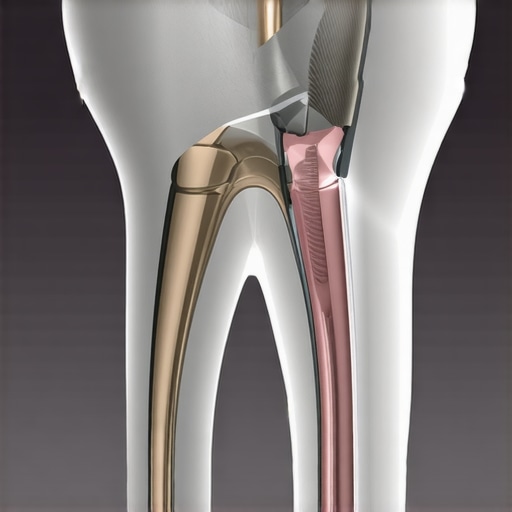
It hit me like a punch to the gut when I first noticed that one of my son’s front teeth looked dull and gray after he fell during a soccer game. That unsettling color change was more than just a cosmetic issue; it was a silent alarm telling me something deeper was going on. I remember the immediate panic, questioning if I’d missed something or made a mistake in his dental care. It was a lightbulb moment that made me realize how complex and misunderstood dental trauma can be.
The Hidden Aftermath of a Tooth Injury
We’ve all heard about chipped teeth or swollen gums, but a tooth turning gray after trauma? That’s less common knowledge, yet it happens more often than you’d think. When a tooth experiences a blow or injury, the internal structures—like the pulp—can get damaged. Sometimes, this damage causes the pulp to die, leading the tooth to change color, often turning a shade of gray or even black. It’s a visible sign that the tooth’s vitality has been compromised, and ignoring it can lead to more severe problems down the line.
Will It Just Go Away?
Here’s a mistake I made early on—I assumed the discoloration would fade over time or with whitening treatments. Spoiler alert: it won’t. The darkening from trauma indicates internal damage that won’t resolve on its own. In fact, delaying treatment can result in infection, abscess, or even tooth loss. That’s why understanding why some teeth turn gray—and acting promptly—is crucial to preserving your smile and your child’s confidence. For more insights on how timely care can prevent long-term issues, check out this guide on crowns and teeth cleaning.
If you’ve ever faced a similar situation or suspect your tooth has been injured, don’t wait. The next step is understanding how to address this problem effectively and what options are available to restore your dental health and appearance. But first, let’s tackle that common skepticism: is this discoloration actually worth worrying about? It might surprise you how interconnected this issue is with overall oral health—something I learned the hard way early in my practice.
Is Gray Teeth After Trauma Really As Bad As It Looks?
I used to think that a gray tooth was purely cosmetic—something to hide with whitening or veneers. Turns out, that grey hue signals deeper issues, like pulp necrosis or infection, which can threaten the entire tooth structure. Ignoring these signs can lead to more serious problems, including bone loss or systemic health concerns. So, recognizing the seriousness and acting fast is the key to saving the tooth and maintaining your family’s healthy smile. Want to learn about the best steps to take if your child or you experiences this? That’s what I’ll guide you through next.
So, if your heart skipped a beat when you saw a tooth change color after a trauma, you’re not alone. Many people overlook this sign, but understanding its importance can make all the difference. Stay with me as we explore the practical steps to diagnose, treat, and prevent further damage from dental injuries—rest assured, there’s hope, and solutions that can help you regain that confident smile.
.
Assess the Damage Quickly
First, evaluate whether the discoloration is accompanied by pain, swelling, or sensitivity. When I noticed my son’s tooth turning gray, I immediately gently probed the area and checked for discomfort. If you observe these signs, it’s crucial to act fast—delaying can worsen the damage. Schedule a prompt consultation with a qualified dentist who specializes in traumatic dental injuries. Remember, a thorough examination, including X-rays, is vital to determine the extent of internal damage and whether the pulp has been compromised.
Remove Any Obstacles to Treatment
Before visiting the clinic, ensure the affected area is clean. Gently rinse with warm water and avoid using any harsh chemicals or home remedies. This step prevents additional contamination and prepares the area for professional care. When I handled my son’s injury, I made sure not to disturb the tooth further—careful cleaning and avoiding pressure helped ensure the dentist could accurately assess the damage.
Choose the Right Intervention
Root Canal Therapy
If the internal pulp is dead or infected, root canal treatment is often necessary. It involves removing the necrotic tissue, disinfecting the canal, and sealing it to prevent further infection. Think of it as unclogging a blocked pipe to restore water flow; this analogy helps understand how removing damaged tissue restores dental health.
Internal Bleaching or Crown
For discoloration that persists after root canal therapy, internal bleaching can be performed to regain the tooth’s natural color. If bleaching isn’t effective or the tooth is structurally compromised, placing a crown becomes essential. My experience with this was messy—initially attempting whitening at home failed, but a professional crown restored both function and aesthetics, boosting confidence.
Post-Treatment Maintenance Is Key
Once treated, establish a diligent oral hygiene routine. Regular brushing, flossing, and professional cleanings help prevent secondary issues. Using tools like a water flosser can aid in maintaining health around crowns or sensitive areas. Regular visits to your dentist are comparable to routine car maintenance; they prevent small problems from escalating. For optimal results, consider scheduling teeth cleanings every six months, which significantly contribute to overall oral health—more details can be found in this guide.
Understand the Long-Term Importance of Proper Care
Neglecting a gray tooth doesn’t just affect appearance; it jeopardizes dental integrity. In my practice, I’ve seen children avoid smiling because of dental trauma scars, emphasizing the importance of immediate and proper treatment. Maintaining good oral health is like nurturing a garden—consistent effort ensures flowers bloom beautifully. Incorporating regular professional maintenance and being vigilant about changes can save teeth and smiles for a lifetime. For additional strategies on maintaining crowns and preventing future issues, visit this resource.
Seek Expert Guidance When in Doubt
If you’re unsure about the severity of damage or the best course of action, don’t hesitate to consult a specialist. A visit to a periodontist or endodontist can clarify options like root canal therapy or crown placement. Remember, quick and targeted intervention preserves more of your natural tooth and reduces long-term costs and discomfort. Having navigated this myself, I can attest that expert guidance makes all the difference—so don’t delay in seeking professional help.
Many people approach family dentistry with straightforward assumptions, but in reality, the field is riddled with misconceptions that can hinder optimal oral health. One common myth is that regular teeth cleaning alone can prevent all dental issues—yet, professionals emphasize that cleanings are just one component of a comprehensive oral health routine. For instance, neglecting proper brushing techniques or undervaluing the importance of custom crowns can lead to longer-term problems, despite frequent cleanings.
Are Professional Cleanings Enough to Maintain Oral Health, or Is There More?
Scientific studies, such as those highlighted in the impact of regular teeth cleaning on overall wellness, show that while essential, cleanings must be supplemented with daily habits and targeted treatments. A frequent oversight involves assuming that crowns are just aesthetic fixes; in reality, they protect weakened teeth from breaking or decay, and improper care can cause their premature failure. Misunderstanding the role of crowns can cost both time and money. Moreover, many believe that teeth whitening affects teeth uniformly—yet, internal stains and existing restorations react differently, and some stains require advanced techniques to address without damaging dental work.
What Are the Common Pitfalls Involving Crowns and Whitening Treatments?
Experts warn against attempting DIY whitening solutions or neglecting periodic evaluations of existing restorations. An article from expert advice on crowns and teeth cleaning confirms that improper maintenance accelerates wear and reduces longevity. Additionally, a widespread misconception is that oral health is solely about preventing cavities—yet, gum health, occlusion, and functional integrity are equally vital. Ignoring the nuanced interaction between gums, muscles, and teeth may lead to complex issues like temporomandibular joint problems or systemic health links, as studies have demonstrated. Understanding these intricacies empowers you to take a more holistic approach. Have you ever fallen into this trap? Let me know in the comments. By digging deeper into these nuances, you’ll avoid common pitfalls and build a durable foundation for your family’s oral health. Incorporate professional guidance and personalized strategies, such as tailored crown maintenance or advanced whitening options, to ensure lasting results. Stay vigilant and proactive—your smile deserves it.
How do I maintain my family’s oral health over time?
Maintaining lasting oral health requires more than just regular dentist visits; it involves investing in the right tools and adopting proven techniques. I personally swear by a combination of professional-grade equipment and smart daily habits that optimize long-term results. For everyday cleaning, I rely on ultrasonic toothbrushes that use sound waves to break up plaque more effectively than manual brushes. My preferred model is the Philips Sonicare DiamondClean, which offers superior plaque removal, gum stimulation, and gentle whitening effects. The high-frequency vibrations also help reach those hard-to-clean spots, making it easier to maintain a thorough oral hygiene routine.
For cavity prevention and strengthening enamel, I incorporate a fluoride varnish treatment with my dentist during routine visits—this simple step provides a protective barrier against acid erosion. Additionally, I recommend using a water flosser, like the Waterpik Aquarius, especially for family members with crowns or braces. It effectively flushes debris from around restorations and tight spaces, minimizing risks of secondary decay or gum issues. My personal experience confirms that these tools, combined with consistent brushing and flossing, dramatically reduce future dental problems.
To monitor oral health, I use a combination of digital toothbrush timers and apps that track brushing duration and technique. This ensures proper coverage and prevents over- or under-brushing. Many of these apps also send reminders for routine cleanings and checkups, keeping preventive care top of mind. I proactively schedule semiannual professional cleanings, which not only remove hardened tartar but also allow early detection of potential issues. These visits are invaluable—they serve as a comprehensive health check, often catching problems before they escalate, saving time, discomfort, and money in the long run. You can read more about the benefits of regular cleanings at this detailed guide.
Looking forward, I believe the future of oral health lies in smart technology integration. AI-driven diagnostics and personalized treatment plans based on genetic and lifestyle data are becoming more accessible. One exciting development is the on-site saliva analysis devices that identify risks for cavities, gum disease, or even systemic conditions like diabetes, allowing for more targeted interventions. As these innovations become mainstream, families will be able to maintain and even predict their oral health trajectories with greater accuracy, turning preventive care into proactive management rather than reactive treatment.What about long-term results from crowns and other restorations?
Long-term success with crowns hinges on diligent maintenance and proper tools. I recommend using specialized cleaning aids, such as interdental brushes and soft floss threaders, to keep around restorations clean. Regular use prevents plaque buildup that can lead to decay or gum inflammation at the margins. Applying a protective sealant like [this one](https://periodontistcare.com/caring-for-crowns-essential-tips-for-longevity-and-shine) enhances durability and shine, extending the lifespan of your crowns. Additionally, avoid excessive force on restorations by addressing malocclusion or teeth grinding early with custom night guards. Scheduling routine checkups ensures that any wear or damage is addressed promptly. Remember, proactive maintenance with the correct tools is the best investment you can make in preserving your smile’s integrity.
Consider integrating advanced tools into your family’s routine—try a water flosser with proper technique or an electric toothbrush with app connectivity. Incorporate these into daily practices, and you’ll notice improvements that last. Taking these small but significant steps today ensures your family’s oral health stays optimal for decades to come. For personalized advice on crowns or long-term maintenance strategies, contact us through this page. Remember, proactive care saves you from costly repairs and preserves your confidence in your smile every day.
The Hidden Truths That Transformed My Approach to Family Dentistry
One of the most eye-opening lessons I learned is that superficial fixes like whitening are just quick fixes—they don’t address underlying issues like damaged pulp or structural weakness. My biggest lightbulb moment was realizing that proactive, personalized care rooted in understanding each child’s unique needs can prevent years of dental trouble. If I could go back, I wouldn’t wait for problems to escalate; early intervention and tailored maintenance are game-changers.
Must-Have Tools and Resources That Changed My Dental Routine
The Philips Sonicare DiamondClean has been a revelation, offering superior plaque removal and gum health benefits that manual brushes can’t match. Regular use of a Waterpik Aquarius ensures thorough cleaning around crowns and braces, preventing secondary decay. I also trust expert resources like this guide on teeth cleaning for staying informed. And for deeper insights into crowns’ longevity, this resource provides invaluable tips on upkeep and maintenance.
Keep Smiling: It’s Your Turn to Make a Difference
Your family’s oral health is a lifelong journey that begins with yesterday’s choices. Embracing diligent care, using the right tools, and seeking expert advice will empower you to maintain bright, healthy smiles for generations. Remember, even a small step today can prevent significant problems tomorrow. Start by evaluating your current routine and consider integrating some of these strategies to transform your dental health outlook. Your smile deserves this commitment—don’t wait for issues to arise before taking action.
Have you ever faced a dental dilemma with your family that changed your perspective? Share your experiences in the comments below and let’s learn from each other’s journeys.
,