I’ll never forget the time I was sitting at a fancy bistro for a mid-day meeting, trying to look professional while surreptitiously scraping my front teeth with my fingernail under the table. It was horrifying. I had just finished a salad and a glass of iced tea, and suddenly, my teeth felt like they were wearing tiny velvet jackets. You know that sensation? It’s not just “food” stuck in there; it’s a weird, mossy coating that makes you want to go hide in the bathroom for twenty minutes. For years, I assumed I was just a “messy eater” or that my teeth were somehow more magnetic to grime than everyone else’s. I even went through a phase where I’d scrub my teeth so vigorously with a medium-bristle brush that I ended up learning the hard way why hard brushing actually makes your teeth look darker and damages your gums. Today, I’m going to pull back the curtain on why that lunchtime fuzz happens and how you can stop it before your next meeting. [image_placeholder]
That Grit You Feel Isn’t Just Leftover Food
Most people assume that “fuzzy” feeling is just bread or sugar sticking to their enamel. While that’s part of it, the real culprit is a rapidly forming biofilm. According to the American Dental Association, dental plaque starts to reform on your teeth within just minutes after you brush, and certain foods accelerate that “thick” feeling significantly. It’s essentially a microbial party happening in your mouth, and lunch is the caterer. When I first started obsessing over my oral health, I’d panic every time I felt that grit, thinking I was developing a cavity on the spot. I didn’t realize that understanding why your saliva is your best defense against decay is actually the key to managing this post-meal film. If your mouth is dry or the pH is off, that fuzz turns into a fortress.
Is a Professional Cleaning Really the Only Way to Fix This?
You might be wondering if you’re doomed to feel like a swamp monster until your next six-month checkup. Trust me, I’ve been there—counting down the days until a hygienist could blast it all away. While the impact of regular teeth cleaning on overall oral wellness is undeniable for long-term health, you can’t exactly run to the dentist after every turkey sandwich. The skepticism is real: can a simple change in habit actually keep that fuzzy feeling at bay? I used to doubt it too, until I started implementing a few teeth cleaning secrets and effective home practices that changed the game for my afternoon comfort. Have you ever had that moment where you’re talking to someone and suddenly realize your teeth feel “furry”? Drop a comment or send me a message—I honestly thought I was the only one for the longest time! We’re going to look at the specific foods that trigger this and the 30-second trick I use to reset my mouth’s texture without a toothbrush.
Flush the Film Away Without a Brush
When you’re in the middle of a social event and feel that mossy buildup, your first instinct is to find a toothbrush. But if you’re like me at my cousin’s wedding last summer—stuck between a heavy steak dinner and a champagne toast—you don’t always have your kit handy. The ‘water whirlpool’ is your best weapon here. Take a large sip of water and move it forcefully between your teeth for at least 30 seconds. Think of it like a pressure washer for your enamel; it dislodges loose debris and neutralizes the acids that fuel biofilm. This simple act is one of the most effective teeth cleaning secrets and effective home practices for those moments when you’re on the move. By flushing out the sugars before they can bond to your teeth, you prevent that “velvet jacket” from ever fully forming. #IMAGE_PLACE_HOLDER_B#
Crunchy Snacks Are Nature’s Toothbrush
If you have the option, reach for fibrous vegetables like celery or carrots. I used to think “natural” cleaning was a myth until I realized that certain foods actually help scrub the surface of your teeth while you eat. For instance, why strawberries might be the secret to a brighter smile is down to their malic acid, which helps dissolve surface stains. These foods also stimulate massive amounts of saliva, which is vital because why your saliva is your best defense against decay is all about its ability to wash away biofilm. It’s like having a built-in car wash for your mouth that triggers every time you crunch on a healthy snack.
Protect Your Crowns from Gritty Buildup
If you have dental work, that ‘fuzzy’ feeling can be even more alarming because bacteria love to hide where porcelain meets the gum. I once spent an entire afternoon feeling a strange grit on my back molar, only to realize I was neglecting the margins of my new restoration. Learning how to keep your porcelain crown from staining over time starts with ensuring that lunch debris doesn’t settle at the base. It’s equally important to know how to stop your crown from smelling like old food by using targeted cleaning methods. A quick rinse or a specialized brush can prevent the film from turning into a more permanent problem.
Master the Art of Cleaning Tight Spaces
That ‘fuzzy’ sensation often starts in the gaps your tongue can’t quite reach. If you have crowded teeth, you know the struggle of feeling plaque build up in the “no-man’s-land” between molars. For years, I just ignored those spots until my next checkup, but learning how to clean between teeth if you have tight spacing changed everything. Using the proper way to use interdental brushes for best results allows you to physically disrupt the biofilm before it has the chance to harden. These small adjustments are the secrets to making your professional cleaning last longer, keeping your mouth feeling smooth and grit-free well into the evening.
Stop Rinsing Your Progress Down the Drain
You’ve been told since kindergarten that brushing twice a day is the golden rule. But here is the contrarian truth: if you are rinsing with water immediately after you brush, you’re basically wasting half your effort. Most people are desperate for that clean, water-rinsed feeling, but why you should stop rinsing with water immediately after brushing is simple chemistry. Your toothpaste contains fluoride and other minerals that need time to bond with your enamel. By washing it away instantly, you’re preventing those oral health routine strengthening your smile every day ingredients from doing their job. A study by the Cochrane Oral Health Group confirmed that not rinsing after brushing can significantly reduce tooth decay compared to rinsing with water. Let the paste sit there; it’s the most passive way to boost your oral health. 
Why Does Your Mouth Feel Dirtier After Using Mouthwash?
It sounds like a contradiction, doesn’t it? You use a strong, minty wash to kill bacteria, yet an hour later, that ‘fuzzy’ feeling returns with a vengeance. This is the advanced nuance most people miss. If you use an alcohol-based mouthwash, you are likely drying out your oral tissues. Since why your saliva is your best defense against decay is true, a dry mouth is a breeding ground for rapid biofilm formation. This is why your mouth stings when you use alcohol-based mouthwash and why you might wake up feeling like your teeth are coated in wool.
The Enamel Erosion Trap You Might Be Walking Into
There is a dangerous ‘Oops’ factor when it comes to timing your cleaning. We often feel the ‘fuzz’ after drinking a soda or a glass of wine and immediately run for the toothbrush. This is actually one of the 5 dental habits that are actually ruining your enamel. Acid softens your enamel temporarily. If you scrub while the enamel is in this vulnerable state, you are literally brushing your teeth away. Wait at least 30 minutes for your saliva to neutralize the acid.
Don’t Assume Your Crowns Are Invincible
One of the biggest mistakes I see in family dentistry focus building a lifetime of healthy smiles is the ‘set it and forget it’ attitude toward dental work. People think because a crown is porcelain, it can’t decay. While the crown itself is immune, the tooth underneath is not. Caring for crowns essential tips for longevity and shine involve focusing specifically on the margin where the crown meets the gum. If you neglect this, you’ll end up needing expert advice on crowns and teeth cleaning for lasting results because of recurrent decay. Have you ever fallen into the trap of rinsing right after brushing or scrubbing too hard after a soda? Let me know in the comments!I used to think that as long as I had a high-end electric toothbrush, I was doing everything possible for my oral health. I was wrong. The brush is great for the surfaces, but the real ‘fuzz’ starts where the bristles can’t reach. To truly keep that smooth, post-dentist feeling, you need to think like a professional. I’ve transitioned my kit to include specific tools that focus on the micro-environments in my mouth, particularly around my back molars and dental work.
Ditch the String for a Specialized Tool
If you find traditional flossing a chore, you aren’t alone, but skipping it is why that mossy feeling returns so fast. I’ve personally found that interdental brushes are far superior to string for maintaining a clean feeling. A study published in the Journal of Clinical Dentistry found that interdental brushes removed significantly more plaque than floss alone, especially in the wider gaps between molars. Using the proper way to use interdental brushes for best results has helped me target the biofilm before it can colonize the gum line. It’s about the mechanical disruption of the bacteria, not just ‘getting the food out.’ 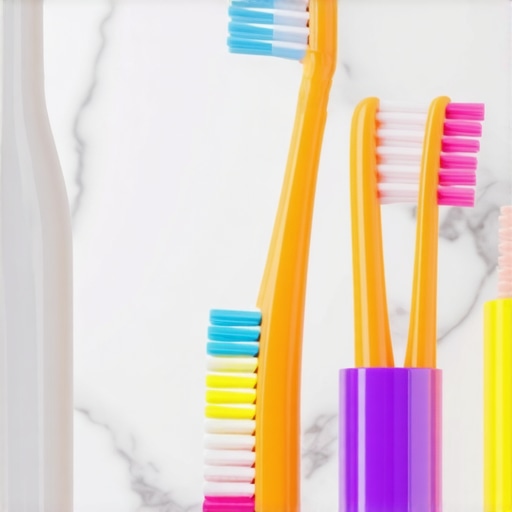
How do I maintain a professional level of clean over time?
The secret isn’t a one-time miracle; it’s about compounding your daily efforts. Think of your oral health as an investment account. Small, consistent actions like the ‘no-rinse’ rule or using the right snacks to scrub your teeth are the interest that builds up. To stay ahead of the game, you should focus on the secrets to making your professional cleaning last longer by being proactive rather than reactive. This means cleaning for the mouth you want, not just cleaning away the meal you just had.
Keep Your Dental Work Looking Brand New
For those of us with restorations, the stakes are a bit higher. I learned the hard way that a crown doesn’t mean you can slack off. In fact, you have to be even more diligent. Following maintaining your dental crowns dos and donts for best results is the difference between a crown that lasts fifteen years and one that fails in five. I now make it a point to seek out expert advice on crowns and teeth cleaning for lasting results whenever I feel even a slight change in the texture of my restorations. Bacteria love the margins, and keeping those areas polished is my top priority.
What Your Bathroom Counter Will Look Like in 2030
Looking ahead, I predict we are going to see a massive shift toward AI-integrated oral care. We are already seeing brushes that map your mouth in real-time, but soon, we’ll have sensors that can analyze the pH of your saliva instantly to tell you exactly when you need a water rinse or a mineral boost. As we move into 2025 and beyond, oral health tips every family should follow in 2025 will center on personalized data. For now, my advanced tip for you is this: tonight, try using an interdental brush before you use your electric toothbrush. By clearing the gaps first, you allow the fluoride in your toothpaste to actually reach the surfaces between your teeth. Give it a shot and feel the difference in the morning!
The Truth About the Grit I Wish I’d Known Years Ago
Looking back, my biggest mistake was thinking that a clean mouth required aggressive scrubbing. I eventually learned that consistency beats force every time and that why hard brushing actually makes your teeth look darker is a hard lesson in enamel preservation. One of the most eye-opening moments for me was realizing how much the impact of regular teeth cleaning on overall oral wellness extends beyond just aesthetics—it changes how you feel in every social interaction. I also learned that my dental work needed its own specialized strategy. If you have restorations, ignoring the “fuzz” near the gums is a recipe for trouble. I found that maintaining your dental crowns dos and donts for best results is less about expensive products and more about targeting the margins where bacteria love to hide.
Gear That Keeps My Smile Feeling Fresh Between Visits
If you want to replicate that “just-left-the-dentist” feeling at home, you need a toolkit that addresses the micro-environments of your mouth. First, invest in a set of interdental brushes; they are far more effective at disrupting biofilm in tight spaces than traditional string. Using the proper way to use interdental brushes for best results ensures you aren’t leaving plaque behind in the gaps. Second, stop the habit of rinsing your mouth with water after you brush—let that fluoride work its magic. This is one of the teeth cleaning secrets and effective home practices that costs nothing but yields huge results. Lastly, I always keep a pack of sugar-free gum with xylitol in my bag for those moments when a full water-rinse isn’t possible after a meal.
Your Path to a Smooth Smile Starts With Tonight’s Brush
Taking control of your oral health doesn’t have to be a chore. It’s about small, intentional shifts in your oral health routine strengthening your smile every day. Whether you’re protecting natural teeth or following expert advice on crowns and teeth cleaning for lasting results, the goal is the same: a healthy, confident mouth that feels as good as it looks. Don’t let that “fuzzy” feeling discourage you; use it as a signal to give your teeth the targeted care they deserve. [image_placeholder]
Have you ever noticed that “velvet jacket” sensation on your teeth after a specific meal or drink? Let me know in the comments below!