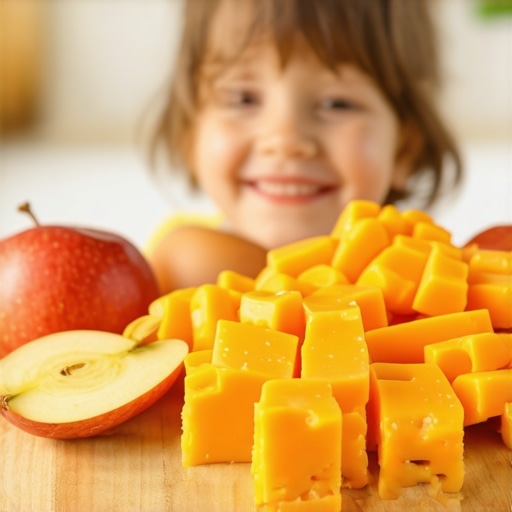
I was standing in my kitchen, clutching a dental bill that cost more than my first car’s transmission, and I just couldn’t wrap my head around it. I had been the ‘mean mom’ who swapped lollipops for raisins and fruit leather, yet my son was still developing those dreaded tiny holes. That’s when my dentist dropped a truth bomb: those sticky, ‘natural’ snacks I thought were healthy were actually acting like slow-release sugar patches for his molars. It was a gut punch. I realized that my focus on family dentistry wasn’t just about the brushing; it was about the constant grazing. Today, I’m going to share the snack swaps that finally stopped our cycle of dental drama, so you don’t have to learn the hard way like I did. Have you ever felt like you were doing everything right, only to be surprised by a cavity at the next check-up?
The Day My ‘Healthy’ Snack Choice Led to a Surprise Filling
Early on, I made the classic mistake of thinking ‘organic’ and ‘fruit-based’ meant safe. I used to pack boxes of raisins in every school lunch. I didn’t realize that their sticky texture meant they stayed jammed between his teeth for hours. This is exactly why some children get cavities despite never eating candy—it’s not just about the source of the sugar, but how long it sits on the enamel. My mistake cost us a lot of stress and a few extra trips to the chair. According to the American Academy of Pediatric Dentistry, the frequency of snacking is often more damaging than the total amount of sugar consumed because it keeps the mouth in a constant acidic state.
Is It Even Possible to Find Snacks That Children Actually Enjoy?
Many parents I talk to are skeptical that a ‘dental-friendly’ snack can be anything other than a plain stick of celery. I used to think the same. I worried that if I cut out the gummies, my kids would stage a kitchen strike. But the secret isn’t just about restriction; it’s about balance and choosing items that actually help scrub the teeth or neutralize acid. Whether you’re worried about dental sealants on their first molars or just trying to survive the toddler years, there are options that satisfy their cravings without the decay. I’ve even had to learn how to get my child to stop swallowing their toothpaste just to make sure we were attacking the problem from every angle.
Mastering the Art of the Dental-Safe Snack Swap
Moving from the ‘hidden sugar’ phase to an actionable plan requires a shift in how we view the texture of food. Think of your child’s teeth like a finely polished countertop. Sticky foods like dried mango or gummy vitamins are like pouring maple syrup on that counter and leaving it to dry—it’s going to take a lot of elbow grease to get it off. On the other hand, crunchy, watery snacks act like a gentle scrub brush.
How Crunchy Foods Act Like Natural Buffers
When kids chew on firm, fibrous foods like apples, carrots, or cucumbers, they are doing more than just eating; they are physically mechanical-cleaning their teeth. This fiber stimulates saliva flow, which is the mouth’s natural defense system to wash away debris. I remember one frantic Tuesday when I realized I’d run out of the usual ‘organic’ fruit bars. I handed my toddler a cold cucumber sliced into ‘coins’ instead. Not only did the crunch keep him occupied, but I noticed his teeth looked significantly cleaner afterward compared to the gummy residue those bars usually left behind. This simple switch is one of the easiest teeth cleaning secrets you can implement at home without a single argument. 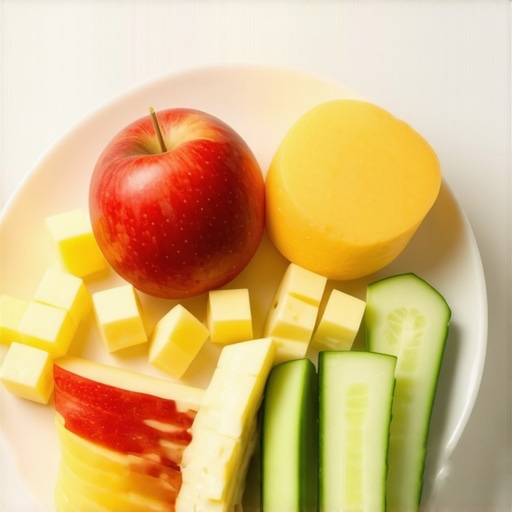
The Magic of Dairy in Neutralizing Acid
If your child is prone to sensitivity, you might be noticing the reason your teeth are sensitive to sugar but not ice often comes down to weakened enamel from acid attacks. This is where cheese and plain yogurt become your best friends. These aren’t just snacks; they are pH-balancers. After a child eats something slightly acidic, a cube of cheddar can help neutralize those acids and provide a boost of calcium and phosphates to help remineralize the enamel. This is particularly important for protecting the grooves of the teeth, as it explains why your back molars always get the most cavities—they have the deepest pits where acid loves to hide.
Timing Matters More Than You Think
It’s not just about what they eat, but how often they eat it. Every time your child takes a bite of a snack, the bacteria in their mouth produce acid for about 20 minutes. If they are ‘grazers’ who snack every hour, their teeth are effectively bathing in acid all day long. We shifted to a ‘snack station’ rule: snacks happen at the table, all at once, followed by a big glass of water. This water acts as a quick rinse, which is a vital part of an oral health routine that prevents buildup between professional visits.
Protecting Those Expensive Crowns and New Enamel
For parents who have already invested in restorative work, these habits are even more critical. If your child has already had dental work done, you’ll need to be diligent about caring for crowns or sealants. Sticky snacks are the number one culprit for pulling off a crown or breaking a seal. When we were on a vacation last year, I made the mistake of letting my son have a piece of saltwater taffy. Within two chews, we were looking for a way how to save a crown that fell out while you were traveling. Now, I always pack a ‘dental-safe’ bag, and it’s honestly the best snack to prevent cavities during a long road trip because it focuses on nuts, cheese, and water rather than sugary convenience foods.But here is where the conversation usually takes a turn into a dangerous misunderstanding: the idea that once a tooth is ‘fixed’ with a crown, it is invincible. I used to think of a crown as a suit of armor that made the tooth underneath untouchable. This is the biggest ‘oops’ factor in family dentistry. In reality, the most vulnerable part of a crowned tooth is the ‘margin’—that tiny seam where the porcelain meets your natural gum line. If you do not focus on maintaining your dental crowns with surgical precision, bacteria will find that seam and set up camp.
Is a Crown Really a Permanent Shield Against Decay?
Everyone tells you that crowns are the gold standard for restoration, and while understanding the role of crowns is important, they are not ‘set and forget.’ I have seen people stop flossing around a crown because they assume the porcelain cannot get a cavity. While the porcelain is safe, the tooth structure underneath is still very much alive and at risk. A study published in the Journal of Oral Rehabilitation emphasizes that the longevity of a restoration is tied directly to the health of the surrounding tissue and the prevention of biofilm buildup at the margin. This is why expert advice on crowns and teeth cleaning always prioritizes the gum line over the biting surface. 
Stop Scrubbing Like You Are Cleaning a Garage Floor
Another sophisticated mistake I see involves the tools we use. Most people think a ‘deep clean’ requires a hard-bristled brush and aggressive pressure. But did you know why hard brushing actually makes your teeth look darker? It wears down the enamel and can even scratch the glaze on your expensive dental work. If you have a crown, aggressive brushing can cause gum recession, exposing that vulnerable margin we just talked about. You need to learn how to keep your porcelain crown from staining over time without using abrasive whitening toothpastes that act like sandpaper. This is a vital part of an oral health routine that many families skip.
Why Does My Crowned Tooth Still Hurt When I Bite Down?
It is incredibly frustrating to invest in a crown only to find that the reason your tooth hurts when you bite down hard is still there. This is often a nuance of ‘occlusion’—meaning your bite is just a fraction of a millimeter off. Many people ignore this, thinking it will ‘settle,’ but an unbalanced bite can lead to a fractured crown or even jaw pain. Have you ever fallen into this trap of thinking a dental fix was a permanent solution without maintenance? Let me know in the comments. We also have to be careful about how to stop your crown from smelling like old food, which is a clear sign that the ‘oops’ factor has already kicked in and bacteria are trapped. Remember, the impact of regular teeth cleaning is not just about a bright smile; it is about protecting the expensive work you have already done.
The Gear That Actually Saved My Sanity and My Wallet
After my son’s third filling, I stopped buying the $2 manual toothbrushes with cartoon characters and invested in a high-quality sonic electric brush. I realized that my manual technique was mediocre at best, and for a kid, it was non-existent. The specific tool I swear by now uses pressure sensors that flash red when you press too hard. This is vital because why hard brushing actually makes your teeth look darker is a lesson I learned the hard way—you’re literally scrubbing away your protection. For my own work, I’ve added a water flosser to the mix. If you have restorative work, expert advice on crowns and teeth cleaning suggests that water flossing can reach deep into the periodontal pockets where traditional floss might snag or fail. I’ve found that using it on a medium setting after my final meal of the day has been the single most effective change in my oral health routine. 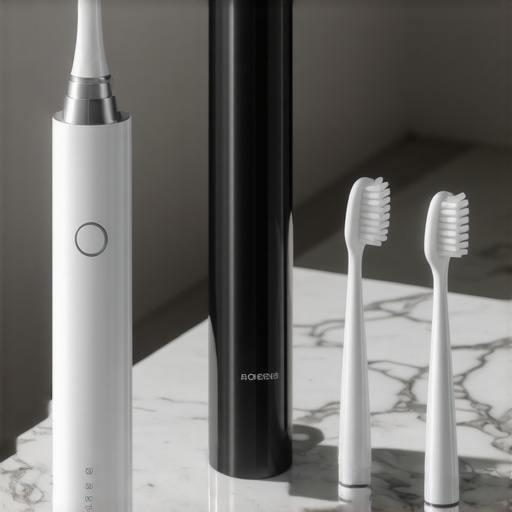
How do I maintain this high-level care without burning out?
The secret isn’t spending an hour in the bathroom; it’s about the precision of the tools you choose. I started using interdental brushes—those tiny little trees that look like pipe cleaners—specifically for the gaps around my back molars. This addresses how to prevent cavities between teeth where you can’t see, which is where most of my family’s dental drama started. According to a study published in the International Journal of Dental Hygiene, interdental brushes are significantly more effective at removing plaque than floss alone, especially for those with history of gum inflammation. We also had to learn how to clean a night guard without damaging the plastic, because if you’re popping a bacteria-laden tray into your mouth every night, you’re undoing all your hard work.
Why Your Next Toothbrush Might Be Smarter Than Your Phone
Looking ahead, the trend in family dentistry is moving toward ‘Bio-Feedback’ tools. We are already seeing brushes that sync to apps to show you exactly which tooth you missed. In the next few years, I predict we will see home-use sensors that can detect the acidity of your saliva in real-time, telling you exactly when it’s safe to brush after a meal. This will be a game-changer for oral health tips every family should follow in 2025 and beyond. For now, focus on maintaining your dental crowns by avoiding the ‘three Ps’: popcorn, peanut brittle, and pens. I want you to try this today: swap your manual brush for an electric one for just one week and notice how much smoother your teeth feel. The impact of regular teeth cleaning is compounded when your daily tools are doing the heavy lifting for you.
The Realization That Changed How I View Dental Restoration Maintenance
Looking back at my years of dental mishaps, the biggest ‘lightbulb moment’ was discovering that a dental repair isn’t the finish line—it is the starting block for a more refined care routine. I used to think of my son’s fillings and my own crowns as permanent shields, but I learned that the margin where the crown meets the gum is the most critical area to monitor. If you are diligent about maintaining your dental crowns with specific cleaning techniques, you can avoid the cycle of repeated repairs. I also realized that managing the pH level of the mouth is just as important as the actual brushing; keeping a neutral environment prevents that ‘sandpaper’ feeling and keeps enamel resilient. Lastly, I learned that ‘natural’ labels on snacks are often just a distraction from the sticky textures that cause the most damage to family dentistry goals.
My Proven Toolkit for Daily Oral Health Success
To keep our progress on track, I rely on a few specific tools that have made the process almost automatic. First, an electric toothbrush with a pressure sensor is non-negotiable to prevent the wear-and-tear that comes from over-scrubbing. Second, I keep a stash of xylitol-based mints for after meals when we cannot brush immediately; they help stimulate saliva and neutralize acid. I also highly recommend referring to expert advice on crowns and teeth cleaning whenever you add a new product to your routine. For our family, switching to a high-quality water flosser was the game-changer for caring for crowns and reaching those tricky back molars. #IMAGE_PLACEHOLDER_E#
Take the First Step Toward a Stress-Free Dental Future
Transitioning to these proactive habits doesn’t happen overnight, but the peace of mind you gain at the next check-up is worth every minute of effort. By refining your oral health routine and focusing on the long-term longevity of your teeth, you are teaching your children that dental care is an investment in their overall wellness. Remember, the impact of regular teeth cleaning and smart snacking choices will resonate far beyond a bright smile—it leads to a lifetime of confidence and comfort. What is the one snack swap or tool upgrade you are excited to try with your family this week? Let me know in the comments!