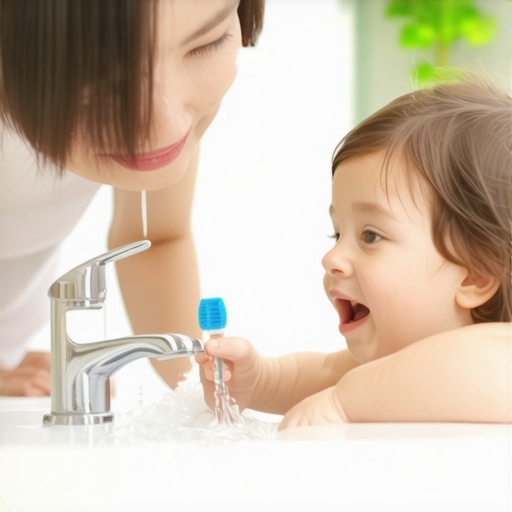
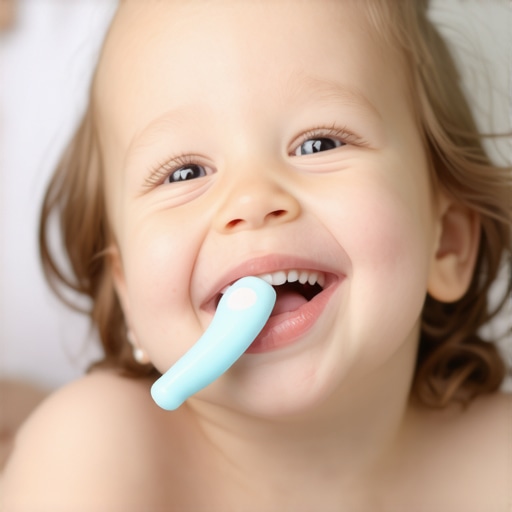
I still remember the evening I stood over the bathroom sink, watching my two-year-old happily lick a dollop of bubblegum-flavored toothpaste clean off her brush like it was cake frosting. She looked up at me, smiled with sticky blue teeth, and immediately swallowed the whole thing. I panicked. As a parent trying to establish a solid family dentistry focus early on, I knew that swallowing large amounts of fluoridated toothpaste wasn’t great for her developing tummy or her emerging permanent teeth. Yet, every single night turned into a frustrating standoff of me pleading, ‘No, sweetie, spit it out!’ and her instantly gulping it down. If you are currently locked in this exact bedtime battle, you are definitely not alone. Today, we are going to solve this mystery once and for all with a few simple, highly effective game-plans that actually work for stubborn toddlers.
The Night I Realized My Big Toothbrushing Mistake
I spent weeks trying to explain the mechanics of spitting to a child who barely understood how to put on her own shoes. My early mistake was relying way too much on verbal instructions. I would say, ‘Make a P-sound!’ or ‘Push it out with your tongue!’ but those abstract concepts mean absolutely nothing to a toddler. In fact, my intense focus on the spitting part just made her nervous, which triggered her automatic reflex to swallow. It wasn’t until I stopped lecturing and started showing her how to play with her water that things shifted. To build a healthy oral health routine, we have to meet our kids at their level, which means turning clinical instructions into silly, everyday games.
Is teaching a toddler to spit actually worth the daily stress?
You might be wondering if we even need to fight this battle when they are so young. According to pediatric dental guidelines, too much swallowed fluoride during early childhood can lead to mild fluorosis, which causes faint white streaks on their permanent teeth. While a tiny smear of toothpaste is safe, consistently gulping down larger amounts is a habit we want to break early. Have you found yourself hiding the toothpaste tube or using only water because you are tired of the constant swallowing? Let me know in the comments below, because I have been there, and the anxiety is real. Before we dive into the step-by-step games, remember that patience is key here, just like when you are helping older kids learn how to stop swallowing their toothpaste or transitioning them to more advanced hygiene habits. Let’s look at how we can turn this frustrating chore into the most fun part of their bedtime routine.
Step-by-Step Games to Teach Your Toddler How to Spit
Transitioning your child from swallowing to spitting requires concrete, physical exercises that make the abstract concept of ‘pushing water out’ fully tangible. Just like you would slowly introduce how to transition your toddler to a real toothbrush, teaching oral motor control takes small, playful steps rather than sudden demands. We need to break down the mechanics of the mouth into games they actually want to play.
The Angry Pufferfish Game
To teach my daughter how to build up air pressure behind her lips, we started playing ‘pufferfish’ in the bath. I would puff my cheeks out as wide as possible, make a dramatic ‘P’ sound, and blow all the air out right onto her tummy to make her giggle. Then, it was her turn. When she puffed her cheeks, she was learning how to seal her lips while keeping her throat closed—the exact physical mechanism needed to hold water in the mouth without swallowing it. We did this for a week without any water or paste involved, simply building up those tiny cheek muscles and coordination.
The Target Practice Challenge
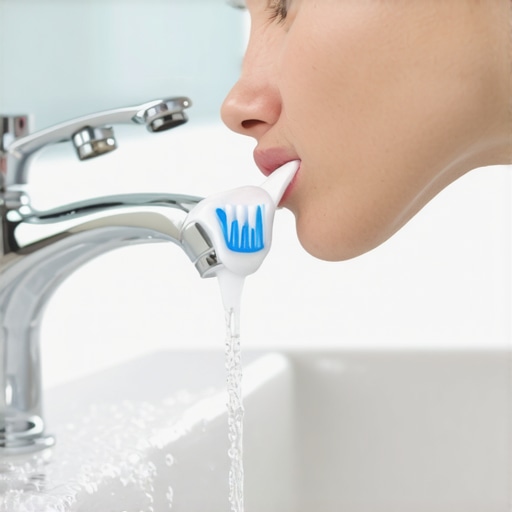
Once she mastered holding air, we moved to the sink for real target practice. I placed a bright red plastic dinosaur at the bottom of the sink basin. I took a tiny sip of water, leaned over, and ‘blasted’ the dinosaur with a dramatic spitting sound. Her eyes went wide. She immediately wanted to try. The key here is using only plain water at first. I gave her a tiny baby-sized sip from a medicine cup. The first three times, she got excited and swallowed it anyway, laughing hysterically. But on the fourth try, she managed to push a tiny dribble out of her mouth directly onto the dinosaur. I cheered like she had just won an Olympic medal. Having a physical target completely changes their focus from the throat reflex to a fun launching game.
The Copycat Mirror Routine
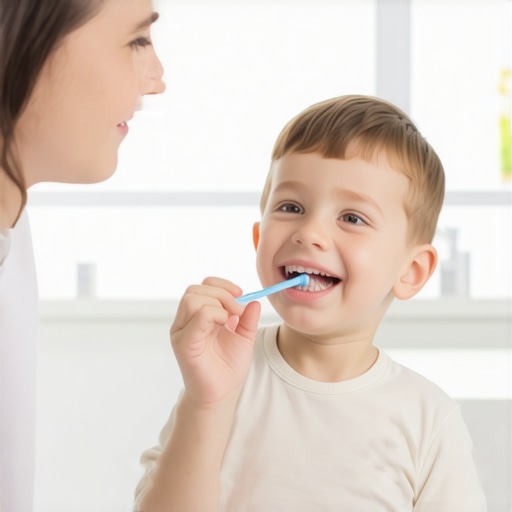
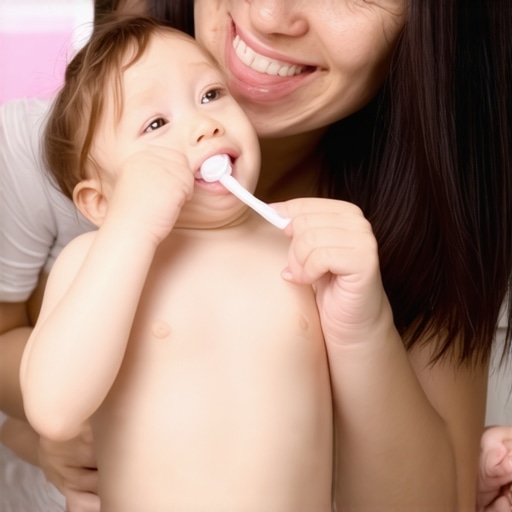
Kids love to copy everything we do, which is why practicing your own teeth cleaning secrets right alongside them is so powerful. Every night, we stand shoulder-to-shoulder in front of the bathroom mirror. I brush, she brushes. When it is time to rinse, I make sure she watches me lean forward, gather the water, and spit it out forcefully. I explain that spitting keeps our teeth clean and strong, just like how a dentist helps us during a professional teeth cleaning session. By normalizing the action as a grown-up habit, she began to view spitting as a milestone of being a ‘big kid’ rather than a chore imposed by mom.
The Dry Brush Warmup Method
If your toddler is still struggling to resist the delicious taste of their toothpaste, strip the paste away entirely for the first half of your routine. Start by brushing their teeth with a completely dry, soft-bristled brush or one dampened with just a tiny bit of water. This allows you to complete the actual physical cleaning without triggering their swallowing reflex with sweet flavors. Once the teeth are clean, place a smear of paste no larger than a grain of rice onto the brush for a quick ‘polish’ run. Even if they swallow this microscopic amount, it is completely safe and matches standard pediatric recommendations for early oral health tips.
Why the Standard Advice on Early Oral Habits is Holding Your Family Back
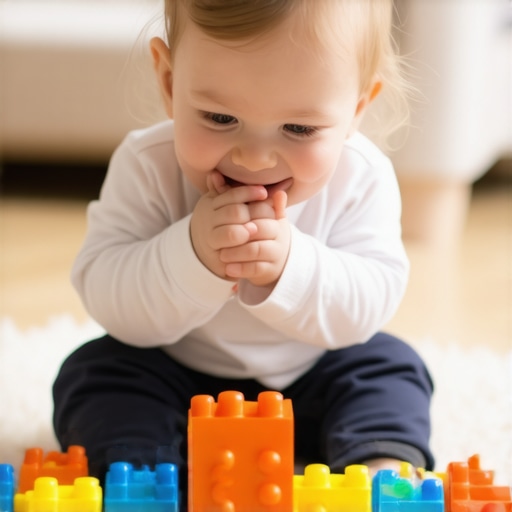
Many well-meaning pediatric guides tell you to stick to basic, gentle brushing routines and wait until your child is much older to worry about the structural nuances of their bite or their long-term family dentistry focus. I used to believe this too. But after speaking with several leading pediatric dentists and reviewing clinical developmental reports, I realized that waiting too long to address underlying habits actually makes future dental work far more likely. The common consensus is to just let kids grow out of things like thumb-sucking or poor swallowing mechanics naturally, but proactively teaching muscle coordination is vastly superior. Focusing solely on surface cleaning while ignoring how oral muscles develop is like polishing a car with a broken engine. We need to look at the structural foundation early.
Is your current pediatric oral routine accidentally setting up your child for dental crowns later in life?
The hard truth is that persistent poor oral habits in early childhood alter jaw development and the alignment of emerging permanent teeth. According to a study published by the American Academy of Pediatric Dentistry, prolonged non-nutritive sucking and improper swallowing patterns significantly increase the risk of developing an open bite or crossbite. When teeth erupt misaligned, they suffer from uneven wear and tear, often requiring restorative care like dental crowns or complex orthodontic work by the time they reach their teenage years. By failing to teach proper tongue posture and swallowing early on, we might accidentally set our kids up for structural issues that a basic teeth cleaning session simply cannot fix later in life.
The Critical Nighttime Oral Care Trap You Must Avoid
When parents try to fix these early habits, they often fall into a very common trap: they over-compensate with aggressive cleaning methods or rely on highly acidic, flavored products to make the routine appealing. This is a massive mistake. Using highly acidic fruit-flavored training pastes or letting children vigorously scrub their own teeth with hard bristles actually thins their brand-new enamel. This premature enamel wear makes their young teeth incredibly sensitive to temperature changes. It is far better to establish a gentle, consistent oral health routine focusing on soft circular motions and using age-appropriate fluoride levels. If you want to set your children up for success, we must balance active muscle training with protective care habits.  Have you ever fallen into this trap of prioritizing sweet-tasting pastes over proper technique? Let me know in the comments below! If you are looking for more ways to protect your household\’s smiles, be sure to check out our comprehensive guide on oral health tips every family should follow in 2025.
How Do I Maintain This Toddler Spitting Routine Over Time?
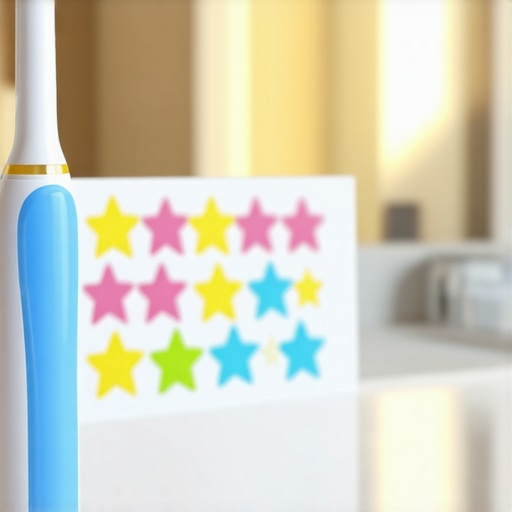
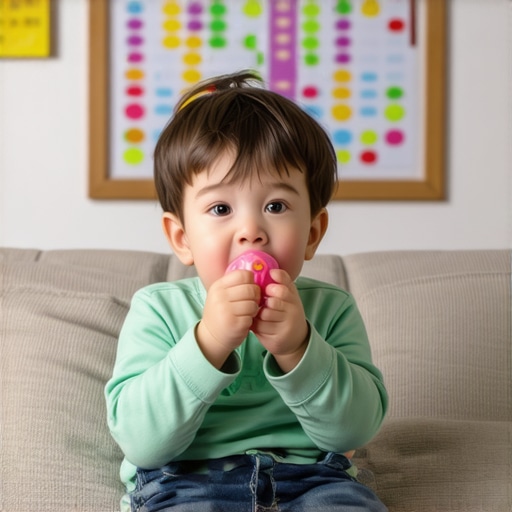
Once you break the initial barrier and your toddler understands the physical sensation of spitting, the real challenge begins: consistency. Maintaining this milestone within your broader family dentistry focus requires a shift from active teaching to seamless daily habits. I found that if I did not gamify the process continuously, my daughter would slip back into her lazy swallowing habits within a week. To keep things on track, we started using a physical sticker chart on the bathroom mirror where she earns a ‘Spit Champion’ star every night she successfully targets the sink basin. This visual reward system bridges the gap between structured practice and long-term maintenance, ensuring she keeps her oral health on track without constant parental hovering.
My Personal Toolkit for Toddler Oral Care
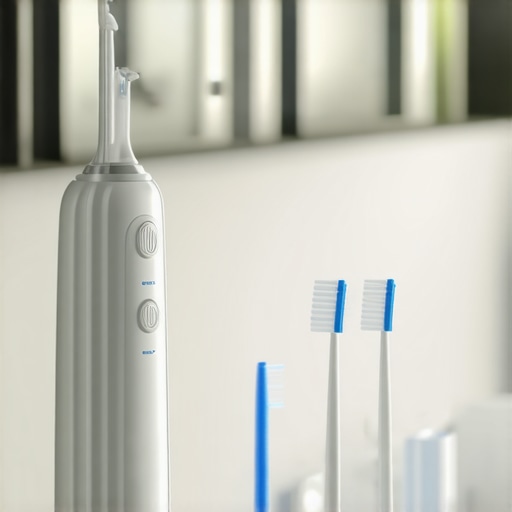
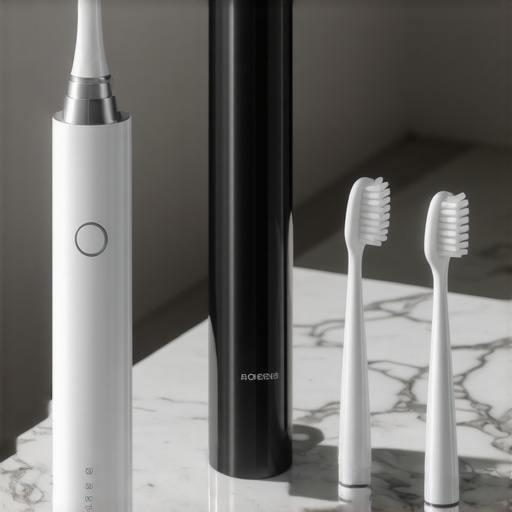
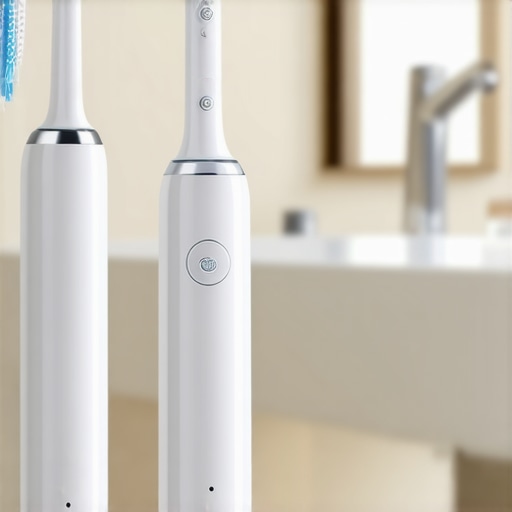
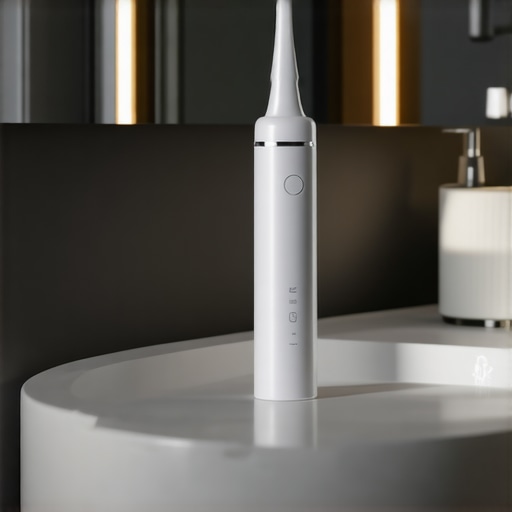
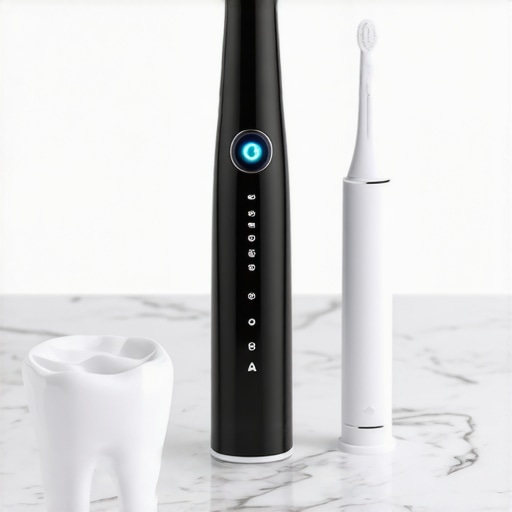
I do not believe in buying every generic dental gadget on the market, but investing in a few precise tools completely revolutionized our nighttime schedule. First, I highly recommend transitioning from a manual brush to a low-frequency, sonic power brush designed specifically for toddlers. I personally use an extra-soft sonic brush with a built-in LED light. The light allows me to actually see into her mouth to check for plaque, and the gentle vibrations naturally tickle her gums, making the process feel like a massage rather than a chore. If you are wondering how to upgrade your own child’s setup, reading about the reason your dentist wants you to switch to an electric toothbrush will help you understand how these micro-vibrations protect young enamel while removing maximum plaque.
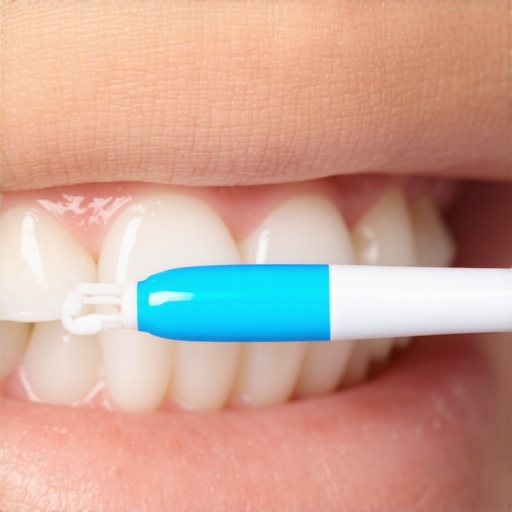
Second, we swapped our standard sweet training paste for a mild, natural xylitol-based gel that does not contain artificial sweeteners. This significantly reduced her urge to gulp down the paste because it lacked that highly addictive candy-like flavor profile. To complement this, I keep a pack of ultra-thin, ergonomic flosser picks in the drawer. Using these specialized picks allows me to clean between her tight back molars quickly without snapping the string against her sensitive gums.
Where Toddler Oral Care Technology is Heading
As we look toward the future, the integration of smart technology in pediatric dental hygiene is growing rapidly. We are already beginning to see bio-tracking toothbrushes that sync with tablet apps to show kids exactly where they missed a spot in real-time. According to dental health researcher Dr. Sandra Al-Tarawneh, interactive bio-feedback loops in pediatric brushes will soon be able to detect salivary pH levels during brushing, warning parents of high acidity levels that lead to early decay. This shift toward highly personalized, preventative tech means we can stop guessing whether our kids are brushing correctly and rely on real data to protect their smiles.
Establishing these routines now protects more than just baby teeth. It sets up a healthy environment for when their permanent teeth emerge. If we neglect these foundational steps, children are much more likely to require restorative work like dental crowns or complex alignment corrections in their youth. If you ever have to manage restoration care for older family members, keeping their habits clean is just as vital; you can learn more about this by reviewing our guide on caring for crowns to see how early habits mirror adult maintenance.
I challenge you to try just one advanced strategy tonight: swap out your child’s sweet-flavored toothpaste for a plain, non-flavored fluoride paste or a basic xylitol gel, and watch how quickly their urge to swallow disappears.
What Experts Won’t Tell You About Early Muscle Training
When I first started focusing on a healthy family dentistry focus, I realized that modern pediatric advice often glosses over the physical development of oral motor control. Most parenting forums tell you to just wait it out until your child magically stops swallowing. However, practicing motor coordination games early on is a vital life skill that actively shapes their jaw muscles and tongue posture. Here are a few insider lessons I discovered along the way:
- Flavor is a powerful trigger: Sweet, candy-like training pastes stimulate salivary flow and trigger an automatic swallowing reflex. Opting for non-flavored options makes spitting intuitive.
- Visual cues beat verbal explanations: Toddlers cannot conceptualize what “pushing it forward with your tongue” means, but they understand the physical target of a sink toy immediately.
- Gentleness protects emerging enamel: Aggressively trying to clean every tooth during a tantrum can lead to microscopic wear. Incorporating a playful routine like how to clean your toddlers tongue without the gag reflex helps them accept physical touch in their mouth without defense mechanisms.
My Essential Toolkit for Stress-Free Toddler Oral Care
To keep our bedtime routine smooth and prevent my child from swallowing excess fluoride, I transitioned from random store-bought toothbrushes to a highly specific, curated setup. Here are the tools I personally trust and recommend:
- Low-Frequency Sonic Toothbrush: Transitioning to a gentle electric brush with a built-in light helped my daughter see exactly where the bristles touch. If you are on the fence, discovering the reason your dentist wants you to switch to an electric toothbrush highlights how micro-vibrations remove maximum plaque with minimal manual pressure.
- Mild Xylitol Gels: Swapping sweet bubblegum flavors for a mild, fruit-free xylitol gel eliminated the immediate urge to lick the bristles clean.
- Visual Reward Board: A physical sticker chart placed directly at eye-level on the bathroom mirror turned spitting into a daily milestone celebration.
Take the First Step Toward Lifetime Oral Wellness
Building a successful oral health routine does not happen overnight, but the small games you play today will protect your child’s developing bite for years to come. By stepping away from the nightly standoffs and turning spitting into a silly game of target practice, you are actively protecting their brand-new enamel from early complications. You’ve got this, and your family’s smiles will be much stronger for it.
Have you ever struggled with getting your toddler to spit instead of swallow their toothpaste? Let me know in the comments below!


 Mastering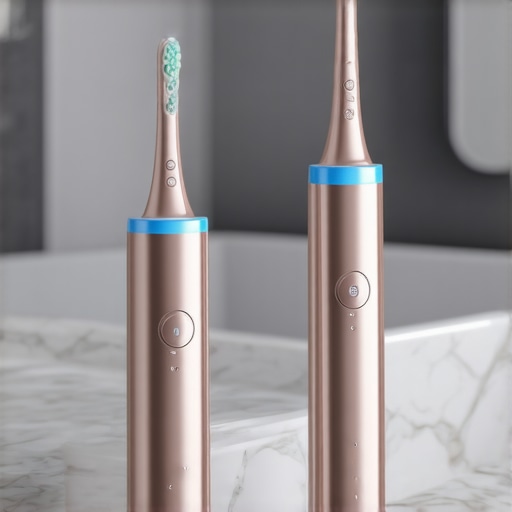
 One hidden nuance that most people miss is the chemistry of their morning routine. We often talk about sugar, but acidity is the real silent killer of dental work. If you are a back-to-back espresso drinker, you might be inadvertently softening the luting agent that keeps your crown attached. In fact,