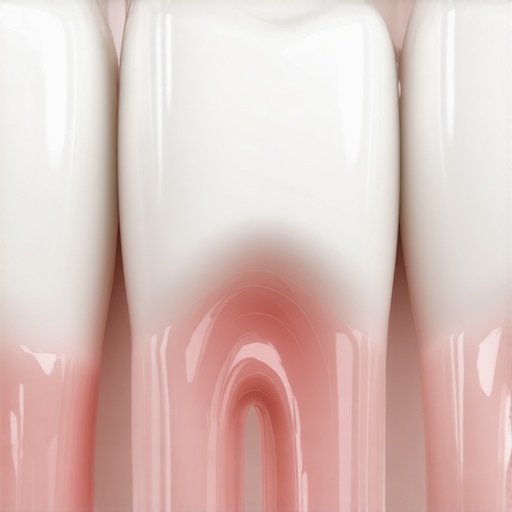
I remember sitting in that tiny plastic chair at the pediatric dentist’s office, my six-year-old gripping my hand like it was a lifeline. The dentist pointed to those brand-new first molars and started talking about pits and fissures. Honestly? I felt a bit defensive. I’m a parent who enforces the two-minute brushing rule and hides the fruit snacks. I thought my kid was safe. But then she showed me the mistake I was making—I assumed a toothbrush could reach everywhere. It can’t. Those first permanent molars are basically obstacle courses for bristles, and I realized I was gambling with my daughter’s enamel without even knowing it.
Those Deep Grooves Are Hiding a Secret
I’ll be real with you: I used to think dental sealants were just an upsell. I figured if we kept up with family dentistry essentials like regular brushing, we’d be fine. I was wrong. I missed the fact that some children get cavities despite never eating candy simply because of their unique tooth anatomy. My oldest ended up with a tiny cavity in a molar that had barely been in her mouth for a year. It was a wake-up call. According to the Centers for Disease Control and Prevention, school-age children without sealants have almost three times more cavities in their first molars than those with sealants. That’s not a small number; that’s a massive preventative gap. Today, I’m going to help you peel back the mystery of this treatment and decide if it is truly the right move for your family’s budget and your child’s long-term health.
Are Sealants Actually Worth the Hype?
You might be wondering if this is just another thing to add to the parenting guilt list or if it is a legitimate medical necessity. Is it just plastic on teeth? Well, sort of, but it is more like a raincoat for a tooth. If you have ever felt like you are losing the battle against hidden sugars in a busy schedule, you are not alone. Have you ever felt that sinking feeling when the dentist finds a cavity you were sure wasn’t there? I have been there, and it is why understanding the reason your child might need sealants is so vital before those permanent teeth even fully break the surface. We are going to break down how they work, the cost-benefit ratio, and why I finally stopped saying no at the check-up chair.
The Quickest Five Minutes Your Child Will Spend at the Dentist
The first thing you should know is that this is not a ‘drilling and filling’ situation. If you’ve been worried about how to explain the dental drill to a nervous child, you can breathe a sigh of relief here because the drill stays in the drawer. The process is remarkably simple, and in my experience, it took less time than a standard professional cleaning. When my daughter had hers done, she was more interested in the flavor of the cleaning paste than the actual procedure. I remember sitting by her side, expecting a struggle, but she just hummed along to the music in the office. It was the most ‘non-event’ dental appointment we’ve ever had.
Getting the Surface Ready
First, the hygienist will give the tooth a thorough scrub. Think of this like prepping a wall before you paint it; if there’s dust or debris, the paint won’t stick. They use a specific rotating brush, much like the one used during effective home practices, but slightly more powerful to ensure the pits and fissures are totally clear of plaque. Since different tools are used for childrens dental cleanings, the experience is tailored to be gentle yet effective. They need that enamel to be pristine so the resin can form an airtight bond.
How the Sealant Actually Sticks
After the tooth is dry, a small amount of ‘etching’ gel is applied. This was the part that looked the coolest to my kid because it’s a bright blue color. This gel creates a microscopic roughness on the enamel—imagine it like scuffing up a smooth floor so a rug won’t slide. You won’t see it, and your child won’t feel it, but it’s what allows the sealant to bond permanently. Without this step, the plastic would just slide right off the smooth tooth surface. Once that’s rinsed and dried again, the liquid sealant is painted onto the grooves with a tiny brush.
The Magic Blue Light
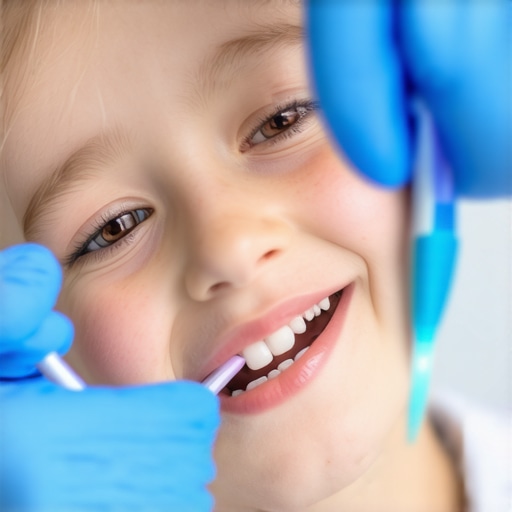
To turn that liquid into a hard, protective shield, the dentist uses a blue curing light. It’s the same technology used for some fillings, but here it’s just solidifying that protective ‘raincoat’ we talked about. This took about 30 seconds per tooth in our case. My daughter thought the ‘laser’ was the best part of the whole visit. Once the material is hard, the dentist will check the bite to make sure the sealant isn’t too thick. If it feels ‘high,’ they just buff it down slightly. Usually, it’s so thin that the child doesn’t even notice a difference when they chew their next meal.
Keeping the Shield Intact for the Long Haul
Just because the teeth are sealed doesn’t mean you can slack off on your oral health routine. I learned this the hard way when I thought sealants were a ‘get out of jail free’ card for flossing. Sealants only protect the chewing surfaces; the sides of the teeth are still vulnerable to the stickiness of things like gummies. In fact, fruit snacks are often worse for kids than chocolate bars because they lodge themselves in the spots sealants can’t reach. You still need to stay on top of oral health tips every family should follow to ensure the gaps between teeth stay healthy. I also make it a point to ask the hygienist to check the integrity of the sealants during our regular six-month visits, as they can sometimes chip if your child loves chewing on ice or very hard candy.
If you think sealants are a one-and-done deal, wait until we talk about the big guns: dental crowns. Most people assume that once a tooth is capped, it’s basically immortal. I’ve seen patients treat their crowned teeth like they’re made of vibranium, only to be shocked when a cavity develops underneath. The truth is, the most advanced restoration in the world is only as good as its margin—the tiny seam where the crown meets your natural tooth. If you aren’t focused on maintaining your dental crowns with the same intensity as your natural enamel, you’re essentially building a house on sand.
Why does my crowned tooth still feel sensitive to cold?
It’s a question I get all the time. You’d think the ceramic would insulate the nerve, but it’s often a sign that something is shifting. Sometimes it’s just the material—for instance, some crowns feel cold when you drink iced coffee because of their thermal conductivity. But other times, it’s a warning of a ‘micro-leak.’ A study published in the Journal of Prosthetic Dentistry highlights that marginal leakage is a primary cause of secondary caries in fixed prosthodontics. If that seal fails, bacteria sneak in like a Trojan horse. 
Stop Scrubbing Your Restorations with Gritty Paste
Here is a trap I see even the most dedicated ‘dental nerds’ fall into: using abrasive whitening products on high-end dental work. I’ve had friends swear by ‘natural’ solutions, but charcoal toothpaste might be ruining your enamel and scratching the surface of your beautiful ceramic work. These scratches don’t just look dull; they create a ‘Velcro’ effect for plaque. Instead of chasing a brighter white with grit, focus on expert advice on crowns and teeth cleaning that prioritizes the integrity of the bond and long-term polish.
The Hidden Nuance of Material Choice
Not all crowns are created equal, and choosing the wrong one for your bite is a recipe for a cracked tooth. While ceramic crowns are the best choice for your front teeth because of how they mimic light, they might not survive the crushing force of a back molar if you’re a heavy grinder. This is where choosing zirconia crowns for back molars becomes a game-changer for durability. They offer the strength of metal without the aesthetic drawback of why some crowns have a dark line at the gum. Have you ever fallen into the ‘it’s a crown, so I don’t have to floss it’ trap? Let me know in the comments—we’ve all been there, but it’s time to level up our oral health tips for 2025.I’ll admit it: I used to be a manual toothbrush loyalist. I thought the vibrations of an electric one were just a gimmick to charge more. But after seeing the difference in my own plaque scores during a check-up, I became a total convert. When you have crowns or sealants, that tiny seam where the material meets your natural tooth is a magnet for microscopic debris. I personally use a sonic toothbrush because it creates fluid dynamics—essentially pushing a mixture of water and toothpaste into the areas a manual brush simply cannot reach. This is especially vital if you are focusing on teeth cleaning secrets that actually protect your investment.
How do I maintain my dental restorations over the long haul?
The secret to longevity isn’t just brushing longer; it is about consistent mechanical disruption of the biofilm at the gum line. I’ve found that incorporating a water flosser is a non-negotiable for anyone with restorative work. It is the most effective way to ensure you are maintaining your dental crowns without accidentally tugging on the cement or scratching the delicate ceramic glaze. For my back molars, where the bite force is highest, I focus the pressurized stream at a 90-degree angle to the tooth. It is these small tweaks in expert advice on crowns and teeth cleaning that prevent the bacterial infiltration that leads to crown failure. 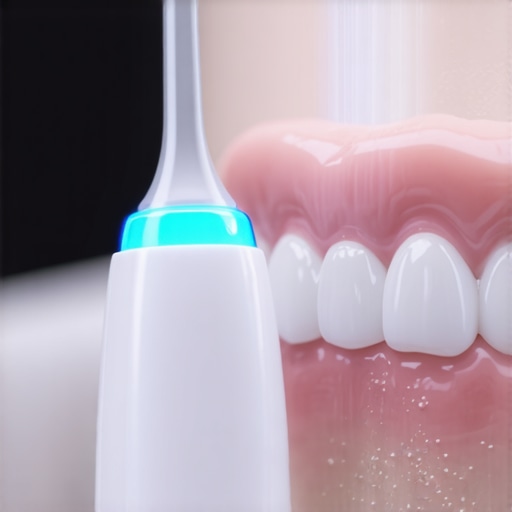 In my deep dive into dental longevity, I came across research by Dr. Gordon Christensen, a world-renowned expert in restorative dentistry and founder of Clinicians Report. He emphasizes that the average life of a crown is significantly extended not just by the material chosen, but by the precision of the home care at the gingival margin. This reinforces why we can’t just ‘set it and forget it’ once the dentist finishes the procedure. If you’ve ever wondered how long a porcelain crown actually lasts, the answer usually lies in your bathroom sink drawer. Looking ahead, I think we are moving toward an era of ‘smart’ restorations. We are already seeing the rise of AI-guided brushing apps that map your mouth in 3D to show you the blind spots you miss every morning. In the future, I predict we will have crowns with embedded biosensors that can detect a pH drop—signaling a bacterial invasion before you even feel a twinge of sensitivity. For now, however, the best tech we have is the preventative kind. I truly believe that learning how a simple night guard can save you thousands is the most underrated trend in modern family dentistry. It protects the physical structure of your teeth and your bite alignment while you sleep, preventing the micro-cracks that lead to major dental emergencies. My challenge to you is simple: Swap your traditional floss for a high-quality water flosser for just one week. Focus specifically on the margins of your existing dental work and the back molars. You will likely be shocked at what your ‘standard’ routine was leaving behind, and it is the best way to ensure you are caring for crowns with the respect they deserve.
Three Surprising Realities of Modern Enamel Protection
Over years of navigating the ups and downs of family dentistry, I’ve realized that the ‘wait and see’ method is the most expensive strategy you can adopt. Here are a few lightbulb moments from my own journey that might save you a headache later:
- Sealants aren’t just for children: While we focus heavily on kids’ first permanent molars, adults with deep grooves or high decay rates can also benefit from that protective shield to prevent future drilling.
- The margin is the mission: Whether it’s a sealant or a crown, the point where the material meets your natural tooth is where the battle is won or lost. Focus your cleaning efforts right on that tiny seam.
- Sensitivity isn’t always a ‘bad’ sign: Sometimes it’s just your tooth adjusting to a new material, but knowing how to manage sudden tooth sensitivity helps you stay calm while you wait for your scheduled checkup.
#IMAGE_PLACEHOLDER_E#
My Daily Arsenal for a Lifetime Smile
I don’t just recommend these tools because they’re trendy; I recommend them because I’ve seen the impact of regular teeth cleaning on overall oral wellness first-hand. Here is what stays on my bathroom counter to protect my investments:
- High-Frequency Sonic Toothbrush: In my experience, this is the only way to truly disrupt the biofilm near crown margins without using excessive pressure that might hurt the gums.
- Water Flossers: This is a non-negotiable for anyone with restorative work. It cleans the ‘traps’ where food gets stuck without the risk of pulling on a crown.
- pH-Balanced Fluoride Rinse: I always look for a non-alcohol version to keep the mouth hydrated while strengthening the enamel around the edges of my sealants.
Take the First Step Toward a Worry-Free Checkup
Investing in preventative care like sealants or high-quality restorations can feel like a big commitment, but seeing how crowns can transform your dental confidence makes every visit worth it. Your path to a healthier smile starts with the small, daily choices you make today. By focusing on family dentistry focus and proactive care, you’re not just fixing teeth—you’re building a foundation for a lifetime of health. Have you ever been blindsided by a cavity even though you thought your routine was perfect? Let me know in the comments below!