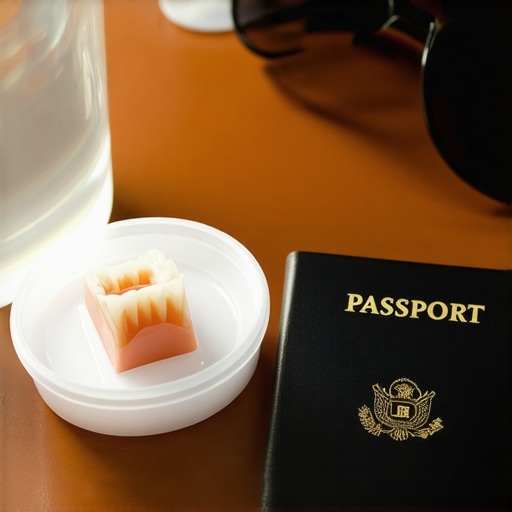
I remember biting into a seemingly innocent piece of artisanal sourdough in a tiny café in Paris, only to hear that sickening ‘clink’ against the ceramic plate. It wasn’t a crusty bit of bread; it was my expensive porcelain crown. In that moment, the romantic ambiance evaporated, replaced by a cold wave of panic and the metallic taste of fear. If you’ve ever found yourself staring at a piece of your own smile in the palm of your hand while miles away from home, you know exactly how isolating that feels. Today, I’m going to share the hard-won lessons I learned that day so you can save your tooth, your money, and your vacation without losing your mind.
Keep Your Cool and Save the Crown
Losing a crown abroad is more than just a blow to your confidence; it’s a race against the bacterial clock. I’ll be honest with you—when it happened to me, I almost threw the crown in my pocket and ignored it for the rest of the day. That was a huge mistake. If you’ve been diligent about family dentistry focus and oral hygiene, you know that an exposed tooth is a vulnerable tooth. We are going to walk through the exact steps to keep that crown safe and your tooth protected. Have you ever felt that sudden, terrifying gap in your smile while trying to enjoy a holiday?
Is DIY dental repair actually worth the risk?
This is the part where I have to be your blunt neighbor: I once actually considered using a tiny drop of industrial adhesive to stick my crown back on. Trust me, never use superglue to fix dental work. The chemicals are incredibly toxic and can cause permanent nerve damage. Understanding the reason dental crowns fall out is the first step to a safe temporary fix. According to the American Dental Association, the only safe way to handle this yourself is by using temporary dental cement found at a local pharmacy, which provides a barrier against bacteria and sensitivity.
Protect Your Smile Until You Get Home
First things first: find that crown and keep it clean. If it’s still in one piece, you’re already halfway to a solution. You can often manage a loose dental crown by gently cleaning the inside and using a bit of toothpaste as a makeshift adhesive if no pharmacy is nearby. Proper caring for crowns during this emergency phase ensures the underlying tooth doesn’t shift or decay further. If the exposed area becomes painful, knowing how to manage a sudden toothache while navigating a foreign city is an essential skill every traveler should have in their back pocket.
How to Secure Your Smile Before the Dentist Sees You
Think of your crown like a custom-made lid on a very delicate jar. When that lid pops off, the contents—your sensitive tooth pulp and dentin—are suddenly exposed to the elements. I learned this the hard way when I tried to ignore the gap for a few hours. By dinner time, even a breath of room-temperature air felt like an electric shock to my jaw. To avoid this, you need to act like a field medic. First, gently clean the crown. I once made the mistake of trying to pop my crown back in while a tiny fragment of sourdough was still trapped inside; it didn’t just feel ‘off,’ it actively prevented the crown from seating properly, which can actually shift your bite. Use a soft toothbrush to caring for crowns and remove any old cement or debris. If you are diligent about your oral health routine, you likely have a soft brush handy. Scrub the inside of the crown until it’s smooth.
Check the Fit Before Applying Any Cement
Before you even think about adhesive, you must do a ‘dry run.’ Carefully place the crown back onto the tooth to see how it sits. It should feel like a puzzle piece clicking into place. If it feels ‘high’ or prevents your other teeth from touching, do not force it. Misalignment is often why your dental crown might feel loose when you eat sticky candy or eventually fails. If it fits comfortably, you’ve confirmed the tooth structure is likely still intact. 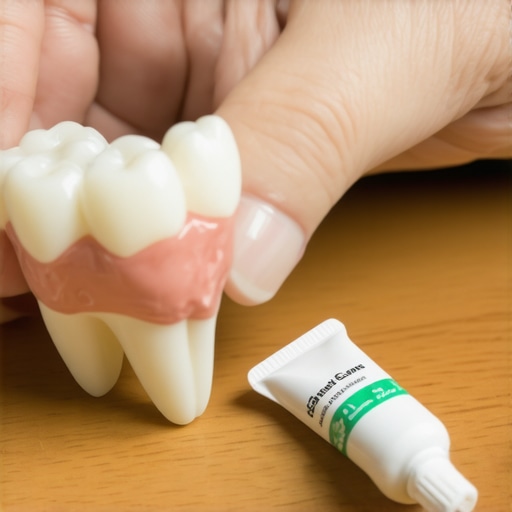
Shield the Exposed Nerve from Hot and Cold
If you can’t get the crown to stay, or if you’re too nervous to try, you have to protect the stump. An exposed tooth is like a raw nerve. I’ve found that a small dab of clove oil on a cotton swab can work wonders for the ache, but the real goal is a physical barrier. While how to handle a loose dental crown usually involves temporary cement, you can use a glob of toothpaste or even sugar-free gum in an absolute emergency to cover the sensitive area. This prevents that agonizing zing when you drink water and keeps the tooth from drifting toward its neighbors. Understanding how a dental crown can restore your bite alignment helps you realize why keeping that space filled is so vital; even a few days of a ‘gap’ can cause minor tooth movement that makes reseating the permanent crown impossible later.
Apply Temporary Adhesive with Precision
Once you have your dental cement from a local pharmacy, less is more. Imagine you are icing a tiny cupcake—you only need a thin layer around the inner rim. If you overfill it, the excess will squeeze out and irritate your gums, leading to that strange sensation where your gums turn white around a new dental crown due to pressure or irritation. Gently bite down on a piece of gauze or a paper towel to set the crown. This ensures the pressure is even across the surface, mirroring the dos and donts for best results you’d hear in a professional office. Stay away from sticky or hard foods for at least 24 hours to let that temporary bond fully cure.Most people assume that once a crown is cemented, it’s basically indestructible—a ‘shield’ for the tooth. This is a dangerous oversimplification that leads to what I call ‘dental complacency.’ While the porcelain itself won’t decay, the tiny sliver of natural tooth at the gum line is more vulnerable than ever. I’ve seen patients who were meticulous with their oral health routine still end up with ‘recurrent decay’ because they ignored the margin. If you think your job is done once the dentist hands you the mirror, you’re setting yourself up for a costly surprise.
Stop Treating Your Crown Like It’s Indestructible
In my experience, the ‘set it and forget it’ mentality is the biggest threat to caring for crowns. We often focus on the crown’s surface, but the real battle is at the interface. A study published in the International Journal of Prosthodontics highlights that marginal integrity is the primary factor in long-term success. If bacteria seep into that microscopic gap, the tooth underneath can rot without you feeling a thing until the crown literally falls off. This is why the impact of regular teeth cleaning on overall oral wellness cannot be overstated; a professional hygienist can reach depths your floss simply can’t. Many people also don’t realize that the material matters just as much as the maintenance. For instance, why ceramic crowns are the best choice for your front teeth comes down to light translucency, whereas the benefits of choosing zirconia crowns for back molars center on their ability to withstand thousands of pounds of pressure.
How to tell if your dental crown has a small leak
One of the most sophisticated questions I get is how to spot trouble before it’s an emergency. You might notice a strange metallic taste, persistent bad breath in one specific spot, or a slight graying at the gum line. Understanding how to tell if your dental crown has a small leak is about being hyper-aware of these subtle shifts. If you feel a ‘click’ when you bite, or if that tooth suddenly reacts to temperature, the seal may be compromised. 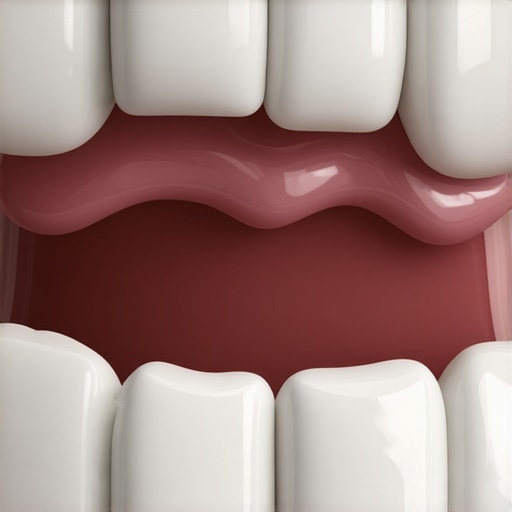
The Hidden Trap of Abrasive Whitening
Here is the ‘oops’ factor most people miss: in a quest for a brighter smile, they use charcoal or highly abrasive toothpastes. While you might want to maintain a bright smile without using abrasive strips, some ‘natural’ alternatives are actually destructive. I’ve seen patients literally scrub the polished glaze off their expensive Zirconia crowns. Once that glaze is gone, the crown becomes porous and picks up stains faster than a white t-shirt. Furthermore, the truth about charcoal toothpaste and long-term enamel wear is that it creates micro-scratches that harbor bacteria. Also, a pro-tip: why you should never brush your teeth immediately after eating citrus is because the acid softens the remaining natural enamel around your crown; scrubbing then is like using sandpaper on wet wood. It’s better to wait 30 minutes and let your saliva naturally neutralize the acid first. Have you ever fallen into this trap? Let me know in the comments.
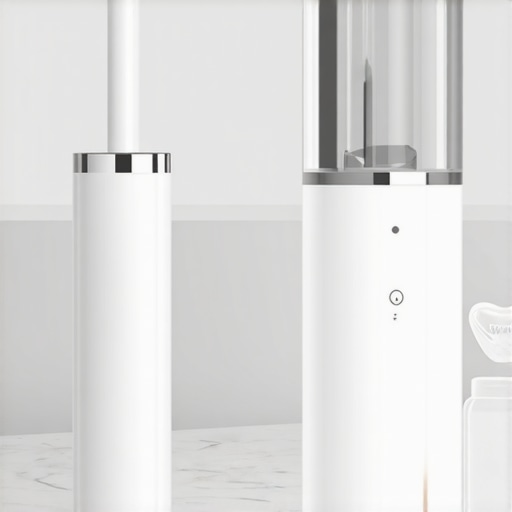
If you really want to keep that expensive porcelain crown for fifteen years instead of five, you need to upgrade your toolkit beyond a basic toothbrush. I personally swear by the Waterpik Aquarius; the reason I use it specifically is because it can reach the microscopic ‘shelf’ where the crown meets the gum line, a place where traditional floss often shreds or misses entirely. When you use a water flosser, you are practicing the best way to clean plaque from under a dental bridge or crown without mechanical trauma. I’ve found that even if you are diligent about your oral health routine, manual tools simply cannot flush out the anaerobic bacteria that hide in the deep sulcus of a molar.
How do I maintain my dental crowns for decades instead of years?
The secret isn’t just about what you do in the morning; it’s about what you do while you sleep. If you have the habit of clenching when stressed, you are essentially hammer-drilling your dental work into your jawbone every night. This is why I tell everyone that how a simple night guard can save you thousands in future dental work is not an exaggeration—it is a financial strategy. According to the American Academy of Cosmetic Dentistry (AACD), using a custom-fitted occlusal guard can reduce the risk of porcelain fracture by over 80% in patients with bruxism. By creating a sacrificial layer of plastic between your teeth, you preserve the structural integrity of your Zirconia or ceramic work. Beyond that, staying consistent with oral health tips every family should follow in 2025 ensures that your natural teeth remain strong enough to support those crowns.
I predict that in the very near future, we will see ‘smart crowns’ embedded with biosensors that can alert your smartphone the moment a marginal leak is detected, but until then, we have to rely on our own vigilance. You also need to be aware of how to manage sensitivity after getting a new dental crown, as lingering discomfort can be a sign that your bite is slightly off, which leads to premature wear. Don’t just ignore a ‘high’ spot; get it adjusted immediately. If you want a quick win today, I challenge you to swap your abrasive whitening paste for a high-fluoride, low-RDA (Relative Dentin Abrasivity) gel. This single switch will protect the delicate margin of your crown from thinning out over time. Consistency in maintaining your dental crowns dos and donts for best results is what separates a lifetime smile from a series of expensive emergencies. Don’t wait for a ‘clink’ on a dinner plate to start taking this seriously.
Lessons from a Decade of Living with Restorations
After years of navigating the world of restorative dentistry, I’ve realized that the most important effective home practices for family dental health aren’t about the materials, but the discipline. Here is what I wish I’d known sooner:
- The gum line is the real frontline: I used to focus on the biting surface, but regular teeth cleaning at the margin is what prevents the ‘dark line’ often seen in older restorations.
- Night guards are non-negotiable: If you grind your teeth, you’re essentially trying to break your investment. Seeing how a simple night guard can save you thousands changed my financial approach to health.
- Aesthetics and function go hand-in-hand: It’s not just about looking good; it’s about why some crowns look like real teeth—it’s because they fit the natural anatomy of your mouth.
#IMAGE_PLACE_PLACEHOLDER_E#
The Daily Toolkit for a Bulletproof Smile
To keep your restorations in peak condition, I recommend a few specific tools that have served me well. First, a reliable water flosser is the best way to clean plaque from tight spaces. Second, stay updated with oral health tips every family should follow in 2025 to ensure you aren’t using outdated techniques. Finally, always keep an ’emergency kit’ containing temporary cement when you travel—it’s the one thing that would have saved my Paris trip from that initial wave of panic.
Confidence is More Than Just Porcelain
Ultimately, how crowns can transform your dental confidence isn’t just about the physical tooth—it’s about the freedom to eat, laugh, and travel without hesitation. By taking these proactive steps, you ensure that your smile remains a source of joy rather than a source of stress. Your oral health is a lifelong journey, and every small habit you build today pays dividends for years to come. Have you ever had a dental emergency while traveling? Let me know in the comments below!