
I stood in the bathroom at the office, frantically rubbing my front teeth with a damp paper towel. I had a major presentation in five minutes, and my smile looked like a sepia-toned photograph. I’m a three-cups-a-day kind of person, and for years, I just accepted that a yellowing smile was the price of admission for my caffeine addiction. I tried every whitening strip under the sun, but I kept making the same amateur mistake: I was treating the stain after it happened instead of preventing the bond in the first place. Today, I am going to show you how to outsmart those coffee molecules so you can keep your morning ritual and your bright smile without the constant anxiety of a dull reflection. [image]
Keep Your Caffeine and Your Bright Smile Too
I remember one specific Tuesday sitting across from a potential client, and every time I smiled, I felt this nagging urge to cover my mouth. I’d just finished a cold brew, and I knew—without even looking—that my front teeth were bearing the evidence. It’s a vulnerable feeling, isn’t it? You want to be present, but you’re stuck wondering if they’re looking at your pitch or your coffee-tinted incisors. I spent years trying to fix it with abrasive cleaners, which is a classic rookie mistake. I didn’t realize that the truth about charcoal toothpaste is that it can actually make things worse by thinning your enamel and making the yellow dentin underneath show through even more. I was obsessed with the secret to keeping your smile white without expensive kits, but I was looking in all the wrong places. My lightbulb moment came when my hygienist explained that the tannins in coffee aren’t just sitting on top of the tooth; they are essentially moving into the microscopic pores of the enamel. This is especially true if you have existing dental work, so knowing how to keep your porcelain crown from staining over time is just as vital as protecting your natural teeth. We are going to tackle the ritual that stops the stain before it sets. Have you ever felt like your morning coffee is a secret you can’t hide from your smile?
Is this routine actually worth the effort?
You might be thinking this sounds like a lot of work just for a cup of joe. I thought so too, until I realized how much I was spending on whitening gels that only made my teeth sensitive. Once I learned the best way to whiten teeth if you have very thin enamel, I realized that prevention is ninety percent of the game. I’ll admit, early on, I tried to use baking soda every single day, which was a disaster for my gums. Don’t do that. Instead, let’s look at how the impact of regular teeth cleaning combined with a simple rinse technique can keep those front teeth sparkling. According to research published by the American Dental Association, the acidic nature of coffee can temporarily soften tooth enamel, making it even more porous and susceptible to pigments if you don’t neutralize the pH balance quickly. Transitioning from reactive cleaning to proactive protection changed everything for me. I stopped being that person with the travel toothbrush in their pocket at all times. I started focusing on strengthening your smile every day through better hydration habits. It’s not about the coffee itself as much as it is about the environment in your mouth after that last sip.
Stop the Acid Bath Right After Your Last Sip
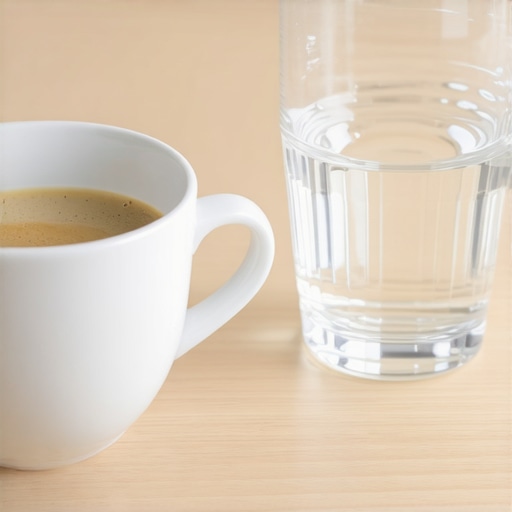
The most effective thing you can do costs nothing and takes ten seconds: the water chaser. Think of your enamel like a white linen tablecloth. If you spill red wine, you don’t wait three hours to clean it; you dab it with water immediately. Coffee is exactly the same. By sipping water alongside your coffee, or at least swishing vigorously once you’re done, you dilute the acids and wash away the pigments before they can ‘dry’ into the pores of your teeth. I used to be so embarrassed doing this in public, especially at work meetings, but I realized that a quick, discreet sip of water is far less noticeable than yellow teeth. If you find that the temperature change makes you wince, you might need to learn how to manage sudden tooth sensitivity to hot coffee or tea before you commit to this routine.
Give your enamel time to recover before brushing
Wait! Before you grab your toothbrush, there is a catch. Brushing immediately after coffee is like scrubbing a floor with sandpaper while the finish is still soft. The acid in coffee temporarily softens your enamel. If you brush right away, you’re actually scrubbing the stain extra deep and wearing down your protective layer. Give your saliva at least thirty minutes to remineralize your teeth. During this time, I focus on teeth cleaning secrets effective home practices for family dental health that don’t involve abrasive friction. This waiting period is crucial for the long-term health of your smile. I remember one morning I was in such a rush that I brushed immediately after an espresso; my teeth felt ‘fuzzy’ for the rest of the day because I had literally scraped away the microscopic top layer of my enamel.
Protect those expensive porcelain investments
If you have dental work, the stakes are even higher. I found out the hard way that the reason your coffee habit is ruining your crowns sealant is often due to the constant acidic environment. While the porcelain itself is stain-resistant, the edges where the crown meets your natural tooth are not. You need to be diligent about caring for crowns essential tips for longevity and shine to ensure that ‘black line’ at the gumline never makes an appearance. I remember the panic I felt when I noticed a tiny shadow on my molar crown; it turned out I was letting coffee sit in my mouth too long, allowing it to seep into the margins.
Angle your straw to bypass your front teeth
If you’re a cold brew fan like me, the straw is your best friend. But don’t just stick it in the middle of your mouth. I learned to position the straw toward the back of my tongue. This way, the coffee spends almost zero time touching the ‘smile zone’—those front six teeth. I once tried this with a reusable metal straw during a long drive. It felt weird at first, but when I got home and did the ’tissue test’ (wiping my teeth with a white tissue), there was zero residue. This simple mechanical bypass is a game changer for maintaining a family dentistry focus building a lifetime of healthy smiles within your household. Finally, remember that no matter how good your home routine is, some molecules will eventually lodge themselves in. That’s why knowing how often you actually need a professional scaling to prevent bone loss is part of the whitening puzzle. A professional cleaning removes the hardened tartar that coffee loves to cling to—once that tartar is there, no amount of home scrubbing will get it off.
Most people assume that once they get a crown, that tooth is ‘done’—shielded forever from the world. But here is the nuance most dentists don’t spend enough time on: understanding the role of crowns in modern smile makeovers is about more than just aesthetics; it is about the margin. While the porcelain itself cannot decay, the tooth structure underneath remains vulnerable. Coffee’s high acidity can slowly degrade the resin cements that hold your restoration in place. I have seen people double down on their coffee habit because they think their new smile is invincible, only to find themselves frantically searching for what to do if your dental crown falls out while you are eating just a year later. It’s not the coffee that kills the crown; it’s the neglect of the ‘seam’ where the restoration meets your natural tissue.
Your Crown Isn’t a Bulletproof Vest
In my experience, the ‘forever fix’ is a dangerous myth. Research published in the Journal of Conservative Dentistry highlights that microleakage at the margin of a crown is significantly influenced by the frequent consumption of acidic beverages, which can degrade the cement over time. This is why caring for crowns essential tips for longevity and shine must include pH management. Simply brushing isn’t enough if the environment in your mouth remains acidic for six hours a day. 
The Danger of the Natural Whitening Trap
The most common ‘oops’ I see from dedicated coffee drinkers is the pivot to charcoal or heavy baking soda. You think you are scrubbing away the stains, but the truth about charcoal toothpaste and why it might be ruining your enamel is that it creates microscopic scratches. These scratches actually provide coffee pigments a perfect place to anchor themselves. It becomes a vicious cycle: you scrub to get white, you create texture, the stains get deeper, so you scrub harder. Instead, focus on an oral health routine strengthening your smile every day through remineralization rather than abrasion.
Why does your crown still feel cold-sensitive after all these years?
It sounds counterintuitive since the nerve is often removed during a root-canal-and-crown process, but why your crown might feel sensitive to cold even years after placement often boils down to gum recession. If your coffee habit is paired with aggressive brushing, your gums pull back, exposing the sensitive root of the natural tooth. Since coffee is acidic, it hits that exposed area with a sharp ‘zing’ that has nothing to do with the porcelain itself.
Balance Your Mouth Chemistry Before You Reach for the Bleach
Keeping a white smile while being a caffeine lover isn’t about the strongest bleach; it is about the smartest habits. While the impact of regular teeth cleaning provides the professional foundation you need, your daily choices—like the water chaser and the 30-minute brush delay—keep the results from fading. Have you ever fallen into this trap of over-brushing after a cup of coffee only to find your teeth feeling more sensitive? Let me know in the comments.I used to think my manual brush was doing a fine job until I saw the high-definition photos at my last cleaning. While it is true that why manual toothbrushes are still effective if you use the right technique is a valid conversation, for a heavy coffee drinker, you need more mechanical advantage. I switched to a sonic toothbrush with a pressure sensor. Why? Because coffee-stained teeth are often accompanied by thinning enamel from over-scrubbing. The sensor buzzed every time I pressed too hard, saving me from myself. According to a systematic review published in the Cochrane Database of Systematic Reviews, powered toothbrushes provide a 21% reduction in plaque over three months compared to manual brushing. For those of us with crowns, that reduction is the difference between a restoration that lasts twenty years and one that fails in five.
Upgrade your gear to keep the coffee at bay
I personally use the Philips Sonicare ProtectiveClean because it specifically focuses on gum health around the margins of my crowns. If you are serious about maintaining your dental crowns dos and donts for best results, you have to realize that the ‘thump’ of a manual brush can’t reach the microscopic nooks where coffee pigments hide. I also added a water flosser to my nightstand. It sounds like overkill, but the water jet can flush out the acidic residue from between the teeth that traditional floss sometimes just smears around. This is especially vital when you consider expert advice on crowns and teeth cleaning for lasting results; you want to keep the tissue tight and healthy around that porcelain edge.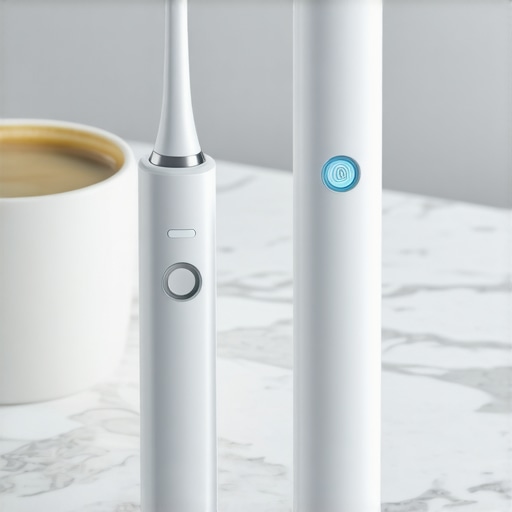
The water flosser is your crown’s best friend
I’ve found that using the water flosser on a medium setting with slightly warm water is the ‘sweet spot’ for cleaning around my restorations. It prevents that common anxiety about how to prevent your crown from popping off while eating, because healthy, firm gums provide the best support for the underlying tooth structure. I also make it a point to never skip my professional visits. I’ve learned that why ultrasonic cleaning is faster and more comfortable than hand scaling is a major win for coffee drinkers—the ultrasonic waves literally vibrate the coffee stains off the tooth surface without the aggressive scraping I used to hate.
How do I keep my smile consistent for the next ten years?
The secret to long-term results isn’t a one-time bleach; it’s the cumulative effect of small, tech-assisted habits. I suspect the next few years will bring us smart toothbrushes that don’t just track where you brush, but actually measure the pH level of your saliva in real-time via built-in sensors, alerting you exactly when the ‘acid danger zone’ has passed after your morning brew. Until then, we have to be our own advocates. Focusing on the impact of regular teeth cleaning and knowing how often you actually need a professional scaling to prevent bone loss ensures that your coffee habit doesn’t lead to structural failure later. My challenge for you: swap your manual brush for a sonic one for just 30 days and commit to the ‘water-chaser’ method after every single cup of coffee. You will be amazed at how much brighter your next dental check-up feels.
The Expensive Lessons My Dental Bills Taught Me
Looking back at my journey from frantically scrubbing my teeth in the office bathroom to having a truly stable, bright smile, I realized a few things that aren’t in the standard pamphlets. First, I had to accept that the real reason some teeth are naturally yellower than others despite care often comes down to genetics and enamel thickness, not just my coffee habit. This stopped the cycle of self-blame and helped me focus on what I could actually control. Second, I learned that understanding the role of crowns in modern smile makeovers meant realizing they are high-performance restorations that require their own unique maintenance schedule. Finally, I discovered that consistency beats intensity every time. You don’t need a twenty-minute scrubbing session; you just need a ten-second water swish.
The Exact Tools That Changed My Morning Routine
If you want to keep that glow without giving up the caffeine, there are three things I never skip. I rely heavily on a sonic toothbrush because the vibration is gentle enough for my restorations but incredibly effective at disrupting the biofilm coffee loves to cling to. I also swear by a high-quality water flosser; it’s the only way to get expert advice on crowns and teeth cleaning for lasting results into your actual daily practice. Lastly, don’t underestimate the power of a simple tongue scraper. I found that the simple switch that stops morning breath for good also removes the coffee residue that sits on your tongue and eventually transfers back to your teeth throughout the day. By following the maintaining your dental crowns dos and donts for best results, you ensure your smile stays as vibrant as your first cup of the day.
Why You Can Finally Stop Worrying About Your Morning Brew
Maintaining a bright, healthy smile doesn’t mean you have to sacrifice the small joys of life. By focusing on a proactive oral health routine strengthening your smile every day, you turn your defense into a natural, effortless habit. You have the tools, the knowledge, and the strategy to outsmart the stains before they even have a chance to settle into your enamel or around your dental work. Go ahead and pour that second cup—you have the plan to protect your smile now. Have you ever felt that a certain type of coffee, like espresso or cold brew, stains your teeth faster than others? Let me know your thoughts in the comments below!