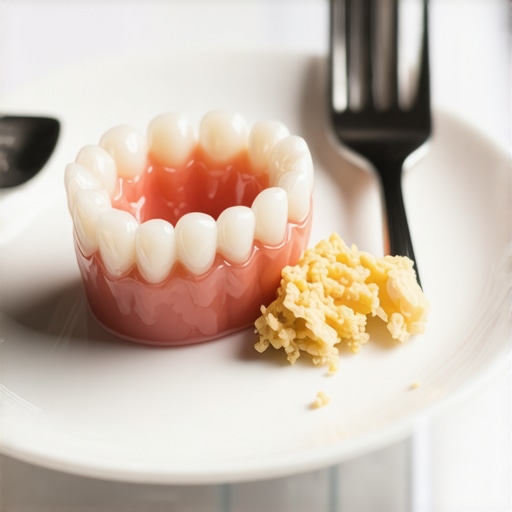
I remember the exact moment it happened. I was three bites into a sourdough baguette—the kind that’s crusty on the outside and chewy on the inside—when I felt a distinct, metallic thud against my tongue. My heart skipped a beat. It wasn’t a pebble. It was my dental crown. I sat there, frozen in a crowded restaurant, wondering if I should spit it into my napkin or just swallow my pride and the porcelain. It is a terrifying sensation. It instantly makes your mouth feel like an unfinished construction site. Most of us assume our dental work is permanent, but the reality is that the most common reason dental crowns fall out often boils down to the simple physics of sticky food or aging cement. If you are reading this while holding a small piece of ceramic in your hand, take a deep breath. We are going to get through this together. Today, I am sharing the exact steps to take to protect your exposed tooth and why you should never reach for the Superglue. [IMAGE_PLACEHOLDER]
Stop and find the crown immediately
When that piece of dental work pops loose, your first instinct is usually to panic. Don’t. Stop chewing. Carefully spit whatever is in your mouth into your hand or a clean napkin. If you swallow it, the situation becomes much more expensive. I learned this the hard way years ago when I tried to ‘test’ a loose fit by eating a gummy bear, only to realize why your dental crown might feel loose when you eat sticky candy the moment it slid down my throat. Once you have the crown, rinse it gently with warm water and put it in a small container or a plastic baggie. You need to keep it safe because your dentist can often just clean it and cement it back into place, saving you hundreds of dollars. While you wait for your appointment, you need to know how to handle a loose dental crown before you can see the dentist to avoid sensitivity or infection. Have you ever faced this mid-meal disaster, or are you currently staring at your reflection in a spoon trying to see the damage?
Will my tooth rot if I do not fix this today?
It is the fear that keeps us up at night. You might worry that the stump of your tooth is going to dissolve or get a massive cavity within hours. The truth is that while the underlying tooth is vulnerable, it is not going to disintegrate overnight. However, the American Dental Association notes that leaving a tooth unprotected can lead to shifting or gingival overgrowth, which makes putting the old crown back on impossible if you wait too long. You should aim to see a professional within 24 to 48 hours. In the meantime, stick to the best foods to eat after you get a new dental crown—think soft, lukewarm, and definitely not crunchy—to keep the area calm. My biggest mistake early on was thinking I could just ignore it for a week; I ended up needing a whole new fitting because my gums had already started to move.
Clean the crown and your tooth right now
Think of your tooth like a building foundation and the crown as the roof. If the roof blows off, you don’t want to leave the interior exposed to the elements. The very first thing you need to do is gently clean both the crown and the remaining tooth structure. Use a soft-bristled toothbrush to remove any debris or old cement from the inside of the crown. I found that the right way to use a manual toothbrush for better plaque removal also applies here; use light, circular motions so you do not scratch the interior of the porcelain. If there is a bit of old cement stuck inside, don’t pick at it with metal tools. A toothpick is much safer. For your actual tooth, a gentle rinse with warm water is usually enough. If you are following caring for crowns: essential tips for longevity and shine, you already know that keeping the margins clean is the secret to making the repair successful once you get to the office. 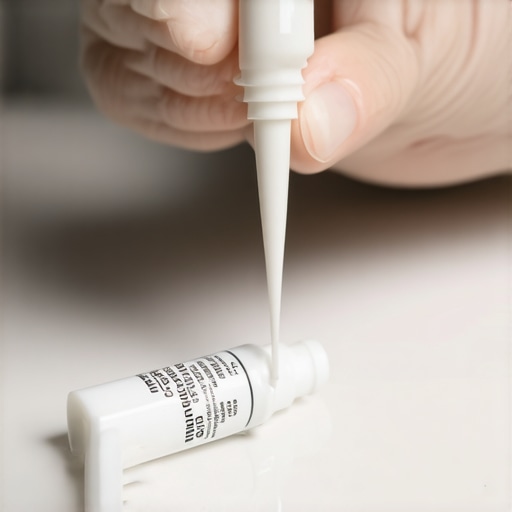
Dry the tooth before you try a dry fit
Once everything is clean, try to see if the crown still fits. Use a piece of sterile gauze or a clean tissue to dry the tooth stump completely. Moisture is the enemy of any adhesive, even the temporary kind. Gently place the crown over the tooth to see if it seats properly. If it feels like it is sitting too high or ‘clicking’ when you bite, do not force it. You might have why your dental crown feels like it has a click when you bite occurring because of a tiny piece of debris or a slight shift in the tooth position. If it fits comfortably, you can move on to a temporary fix.
Use temporary cement instead of hardware glue
I cannot stress this enough: do not go to your garage for help. I once had a friend who thought a tiny drop of Superglue would solve her problems, but it ended up chemically burning her gums and making it impossible for the dentist to remove the crown without breaking the tooth. There is a very specific reason why you should never use superglue to fix a broken dental bridge or crown—the toxicity and the permanent bond are a nightmare for family dentistry professionals. Instead, head to any local pharmacy and look for a temporary dental cement kit. It is usually a small tube or a pre-mixed putty designed to hold for a few days. If you can’t find that, a tiny dab of denture adhesive or even a paste made of flour and water can work as a ‘temporary-temporary’ measure just to keep the tooth from being sensitive to air.
Managing the zing of sensitivity
If your crown is off, the underlying tooth is likely missing its protective enamel layer, which means nerves are closer to the surface. To avoid that sharp, stinging pain, you can apply a tiny amount of clove oil to the stump with a cotton swab. It is an old-school remedy that really works to numb the area. Learning how to fix a sensitive tooth flare up before your next appointment is mostly about blocking the tubules in the dentin. If the air hitting it makes you jump, keep the crown seated with that temporary cement as much as possible.
Rinse with saltwater to keep bacteria away
Until the dentist can professionally seal that tooth back up, it is a playground for bacteria. Use the salt water trick that calms gum inflammation in minutes at least three times a day. Dissolve half a teaspoon of salt in a cup of warm water and swish gently. This keeps the gum tissue around the tooth from getting puffy or infected, which ensures your dentist won’t have to perform a deep cleaning before they can put the crown back on. This is especially important for maintaining the results of the impact of regular teeth cleaning on overall oral wellness while you are in this ’emergency’ phase.The “Invincible Tooth” Myth is Dangerous. Many patients walk out of the clinic thinking their new restoration is a shield of armor. It is a common misconception in family dentistry that a crowned tooth cannot get a cavity. In reality, the margin where the crown meets the gum is a high-risk zone. According to a study in the Journal of Prosthetic Dentistry, marginal leakage is the leading cause of secondary decay under restorations. This is precisely why the impact of regular teeth cleaning on overall oral wellness matters even more after you have had work done. Your hygienist is not just polishing; they are checking for microscopic gaps that your toothbrush simply cannot reach. If you ignore these checkups, you might not notice how to tell if your dental crown has a small leak until the internal structure is too far gone to save. 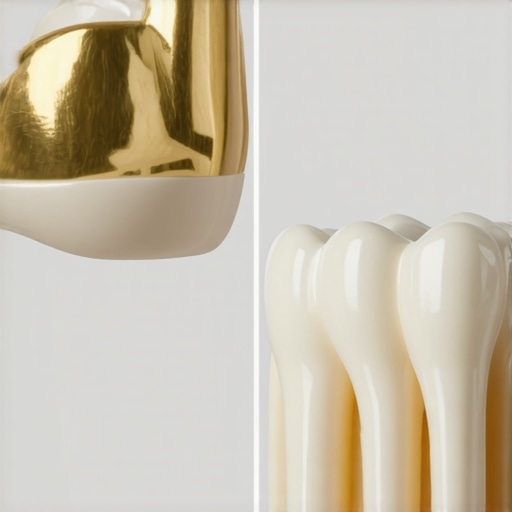
Stop Chasing the Hollywood White Aesthetic
We all want a perfect, bright smile, but choosing a material based solely on color is a classic “advanced” mistake. I see it all the time: someone insists on an all-porcelain crown for a back molar because they do not want a ‘dark spot’ when they laugh. But for heavy grinders, that porcelain is prone to fracturing under the extreme pressure of your jaw. That is why gold is still one of the most durable materials for back crowns, especially for those molars that do the heavy lifting. If you cannot stomach the look of metal, you should look into the benefits of choosing zirconia crowns for back molars, which offer a balance of incredible strength and decent aesthetics. Choosing the wrong material for your bite pattern is a trap that leads to expensive replacements every few years.
Why does my bite feel slightly ‘off’ even after the adjustment?
This is a nuanced issue that many people overlook. Even a hair’s breadth of misalignment can cause ‘occlusal trauma.’ Your nerves are incredibly sensitive to pressure; if the crown is hitting just a fraction of a second before your other teeth, it can lead to chronic jaw pain or even a fracture of the root. This is why a ‘dry fit’ is not enough—you need to ensure your dentist uses articulating paper to map your bite in every direction, not just up and down. To keep the area healthy during this transition, remember that why soft-bristled brushes are the only ones that should touch your gums remains a gold standard rule; aggressive scrubbing can actually cause the gum to recede away from the crown margin, exposing the junction and inviting bacteria. Have you ever fallen into this trap where you chose looks over longevity? Let me know in the comments.Choosing longevity over aesthetics isn’t just about the material; it is about the daily commitment to the infrastructure of your mouth. I have found that the most successful patients—the ones who keep their crowns for twenty years instead of five—treat their bathroom counter like a mini-clinic. If you want a real secret, stop relying solely on string floss. I personally use a combination of interdental brushes and a high-quality water flosser. Why? Because a crown creates a 360-degree margin that string often misses. If you are refining your oral health routine: strengthening your smile every day, you need tools that can reach under the ‘overhang’ of the porcelain where plaque loves to hide. This is where teeth cleaning secrets: effective home practices for family dental health truly come into play. I recommend the ‘orthodontic tip’ for your water flosser; even if you don’t have braces, the tiny bristles are perfect for sweeping away biofilm from crown edges. 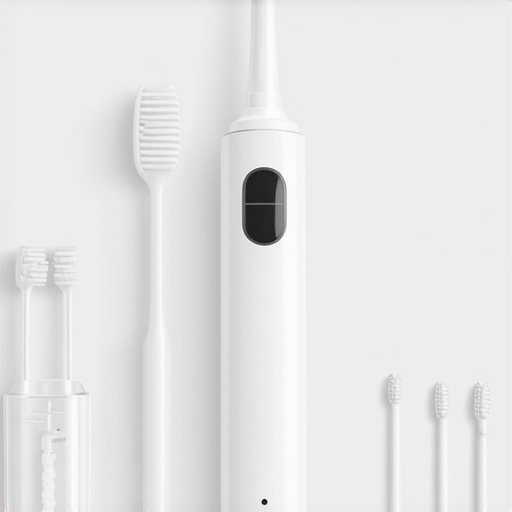
Treat your crown margins like a crime scene
You have to be meticulous. The junction where the crown meets your natural tooth is the most vulnerable point in your entire mouth. According to the Journal of Oral Rehabilitation, the longevity of these restorations is primarily dictated by ‘biological width’—the space between the crown margin and the alveolar bone. If that area gets inflamed, the bone can recede, leading to a loose fit. This is why I tell everyone that maintaining your dental crowns: dos and donts for best results involves more than just brushing; it requires checking the gum line for any signs of redness or ‘pitting.’ If you are a grinder, you must wear a nightguard. I have seen why we recommend zirconia for patients who grind their teeth firsthand; the material is tough, but even zirconia can stress the underlying root if you are clenching at 200 pounds of pressure per square inch every night.
How do I keep my dental work from failing a decade from now?
Long-term success is about monitoring the ‘micro’ changes. In the next few years, I predict we will see more ‘smart’ intraoral scanners in local offices that can overlay 3D images from year to year, highlighting even a 0.1mm shift in your crown’s position. For now, your best defense is the ‘fingertip test.’ Once a week, gently press your finger against the crown and try to feel for any movement or a ‘squish’ sensation. If you feel anything, it means the cement is leaching out. Regular professional maintenance is non-negotiable because the impact of regular teeth cleaning on overall oral wellness ensures that these tiny leaks are caught before they turn into a full-blown root canal. If you haven’t checked your margins lately, grab a flashlight and a mirror tonight—being proactive is the only way to avoid that ‘baguette disaster’ I mentioned earlier. My advanced tip for today: swap your standard toothpaste for a low-abrasivity gel to ensure you aren’t microscopically scratching the glaze on your porcelain over time.
Lessons Only a Lost Crown Can Teach You
After years of working with patients and managing my own dental work, I have realized that a popped crown is rarely just bad luck; it is usually a wake-up call for your oral health. First, realize that “permanent” is a relative term in family dentistry. Your mouth is a dynamic environment, and even the best cement has a lifespan. Second, your gums are the ultimate gatekeepers. If they are inflamed, the fit of your restoration will never be perfect, which is why I always emphasize oral health tips every family should follow in 2025 to keep the foundation strong. Finally, remember that the most expensive crowns are the ones you have to replace twice because you skipped your teeth cleaning appointments. Routine care is the only way to spot a leak before it becomes a lost tooth.
The Dental Defense Kit I Swear By
If you want to avoid mid-dinner disasters, you need more than just a standard toothbrush. I have curated a small toolkit that I recommend to everyone who wants to maintain their smile properly. First, Interdental Brushes are far more effective at cleaning the margins of your restorations than standard string. Second, a Temporary Cement Kit is a lifesaver; keep one in your travel bag for when you are away from your local office. Third, use a Low-Abrasivity Toothpaste; this protects the finish of your porcelain and is part of the expert advice on crowns and teeth cleaning for lasting results that I give to patients who want their work to shine for decades. Finally, a Custom Nightguard is essential for clenchers to protect their investment from sheer physical force.
Building a Smile That Lasts a Lifetime
While a lost crown feels like a crisis in the moment, it is actually an opportunity to reset your daily habits. By being proactive and focusing on family dentistry focus: building a lifetime of healthy smiles, you can ensure that your next visit is for a routine checkup rather than an emergency. Don’t let a small setback discourage you; your smile is worth the effort, and with the right care, your dental work can serve you well for many years to come. If you have a minor imperfection elsewhere, you might also want to learn how to fix a small chip in your front tooth without a full crown to keep your smile looking its best without invasive procedures. Have you ever had a dental emergency strike at the worst possible time? Let me know your story in the comments below!