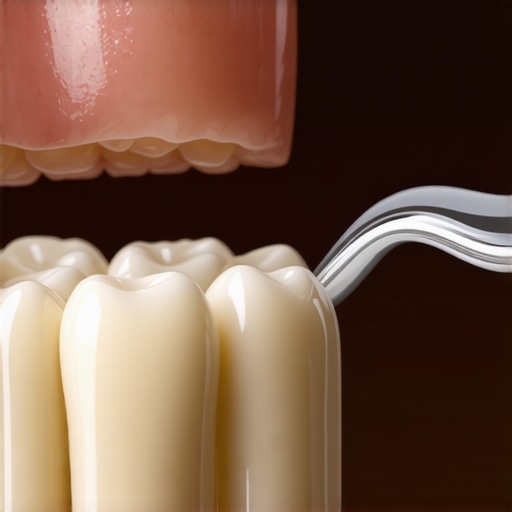
I will never forget the Great Steakhouse Disaster of 2019. It wasn’t the flavor of the ribeye that left a lasting impression, but the distinct, sickening crunch-slide sensation that happened right in the middle of a polite conversation. I reached into my mouth and pulled out a tiny, sauce-covered porcelain cap—my molar crown. It is embarrassing, expensive, and frankly, it ruins the vibe of any social gathering faster than a fire alarm. If you have ever felt that slight, terrifying wobble or feared a piece of crusty sourdough, you are in the right place. Today, I am sharing exactly how I stopped living in fear of my dinner and started caring for crowns with a strategy that actually works.
Why Your Crown Decides to Quit Mid-Meal
Most of us treat our dental work like it is part of our natural anatomy the moment we leave the dentist’s chair. I certainly did. My biggest mistake was assuming that once a crown was cemented, it was essentially invincible. I was wrong. The reality is that the bond between your tooth and that porcelain is constantly under siege. Between the heat of your morning coffee and the sheer pressure of chewing, that cement is working overtime. According to the Journal of Prosthodontics, mechanical failure of the cement is one of the leading causes of crown displacement, often triggered by the repetitive stress of chewing harder foods. If you have noticed that your dental crown feels loose when you eat sticky candy, your mouth is trying to tell you something before the full disaster strikes.
Is My Dental Crown Actually Worth This Much Stress?
You might be wondering if you should have just skipped the crown and gone for something else. I get it. The anxiety of potentially swallowing a piece of expensive dental work is real. However, a well-maintained crown is the only thing standing between you and a much more invasive (and pricey) procedure. The trick isn’t to avoid eating; it is to master the art of maintaining your dental crowns so they stay exactly where they belong. We are going to look at the specific foods that act like ‘crown-pullers’ and the habits you might be doing right now that are weakening your smile’s foundation. Have you ever had a crown pop off at the absolute worst possible moment? Tell me your story in the comments—I promise mine involves even more peppercorn sauce! Before we dive into the hacks, remember that knowing what to do if your dental crown falls out while you are eating is your first line of defense against a dental emergency.
Stop Scrubbing and Start Detailing Your Gums
Most people approach brushing like they are scrubbing a kitchen floor—lots of back-and-forth pressure with the hope that friction does the work. When you have a crown, you need to think like a car detailer working on a vintage Porsche. The most vulnerable part of your dental work is the margin, that tiny seam where the porcelain meets your natural gum line. If you treat it roughly, you risk recession; if you ignore it, you invite decay. I learned this the hard way during a stressful work week when I rushed my morning ritual. I was brushing so hard I actually caused my gums to bleed, which I later found out is a common reaction when your gums bleed when you switch to an electric toothbrush or change techniques. I had to slow down and focus on a 45-degree angle, gently sweeping the bristles under the gum margin to ensure a proper oral health routine that preserves the bond.
Why You Should Switch to Interdental Brushes Immediately
Standard floss is great for natural teeth, but for crowns, it often misses the ‘pockets’ created by the slightly different shape of the prosthetic. Think of an interdental brush as a specialized pipe cleaner for your smile. I started using these after a check-up where my dentist pointed out a tiny buildup I couldn’t even see. Using expert advice on crowns and teeth cleaning, I began threading these tiny brushes between my teeth at least once a day. It feels strange at first—almost like you are poking something you shouldn’t—but it is the only way to ensure the area stays sterile. It’s also much more effective than the struggle of trying to clean under a permanent retainer or other complex dental work.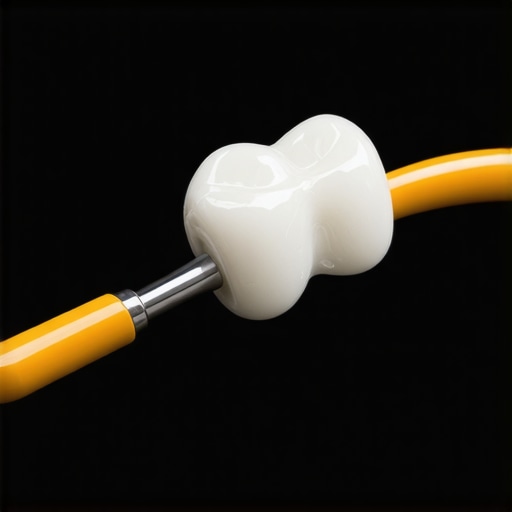
Watch Out for the Hidden Acids in Your Favorite Drinks
It isn’t just the ‘crown-puller’ foods like taffy that you need to worry about. The chemical environment of your mouth matters just as much. I used to sip on black coffee for three hours every morning until I realized the reason your coffee habit is ruining your crowns sealant isn’t just the staining; it’s the constant acidic bath that can micro-erode the cement over years. If you can’t give up the caffeine, at least follow it with a water rinse. This simple habit helps maintain caring for crowns by neutralizing the pH levels before they can do damage to the underlying tooth structure.
Protect Your Porcelain Against Nighttime Stress
If you ever wake up with a dull ache in your jaw, pay attention. I used to ignore it until I noticed the reason your crown feels loose when you wake up was actually due to nocturnal grinding. Your crown is strong, but it isn’t designed to withstand the hundreds of pounds of pressure that come from a stressed-out jaw at 3 AM. This is where how a simple night guard can save you thousands becomes the most important part of your toolkit. It acts as a shock absorber, ensuring that even if you grind, the porcelain won’t crack or loosen. Checking the integrity of your crown’s fit is a daily task, and you must know how to tell if your dental crown has a small leak by feeling for new sensitivity to cold or air.That small leak isn’t just an inconvenience; it’s the gateway to a common myth that many patients—and even some practitioners—occasionally overlook. Most people assume that once a tooth is ‘capped,’ it is effectively sealed away from the world’s problems. I fell into this exact mindset after my first major procedure, treating my crowned tooth like a bionic replacement that no longer required my full attention. This is the ultimate ‘beginner’ mistake. While the porcelain itself is immune to decay, the junction where the crown meets your natural tooth—the margin—is the most vulnerable millimeter in your entire mouth. Experts call this the bio-corrosion zone. A landmark study published in the Journal of Clinical Dentistry confirms that marginal integrity is the single most important factor for long-term restoration success. If that seal is compromised even slightly, bacteria can colonize the tooth structure underneath, leading to ‘recurrent decay’ that remains invisible until it becomes a catastrophe. This is why expert advice on crowns and teeth cleaning focuses so heavily on maintaining that specific seam.
Avoid the Whitening Trap
Many people fall into a frustrating trap when they decide to brighten their smile for a big event. They use aggressive over-the-counter kits only to find their natural teeth whitening while their crown remains the same ‘off-white’ shade it was years ago. Since the real reason some teeth are naturally yellower than others despite care often involves the inner dentin color, porcelain simply won’t budge. You end up with a ‘checkered’ smile that looks far less cohesive than before. If you have visible dental work, you must coordinate your whitening with your dentist or risk having to replace perfectly good porcelain just to match your new shade. Sometimes, learning how to fix a small chip in your front tooth without a full crown is a better first step than a full chemical bleach that inadvertently highlights your dental work.
Why Do Some Crowns Develop a Dark Line at the Gumline?
This is the number one question I get from friends who have had work done. Is it rot? Is it a shadow? Usually, why some crowns look like real teeth while others have a dark line comes down to the material used. Older ‘porcelain-fused-to-metal’ crowns have a dark metal base that becomes visible as the gums naturally recede with age. However, that line can also signal a ‘leak’ in the cement. Have you ever fallen into the trap of ignoring a change in your crown’s color? Let me know in the comments. Knowing the truth about how long a porcelain crown actually lasts before replacement is vital because that line might be your early warning system. By staying ahead of it, you can upgrade your oral health routine to include more frequent check-ups before the crown actually fails.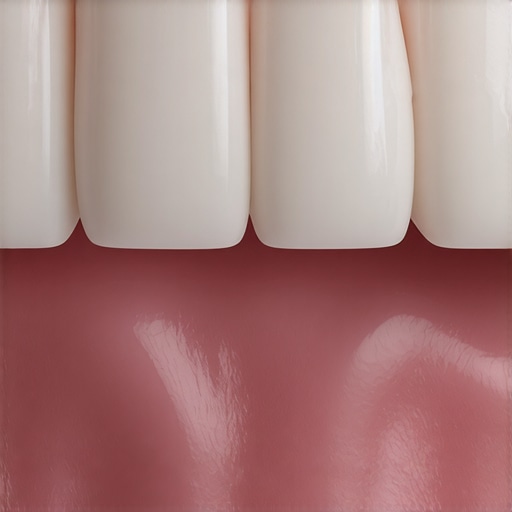 Beyond the visible aesthetics, the ‘oops’ factor also extends to how we view professional maintenance. Many people skip their bi-annual cleanings because they think their home routine is enough. However, the impact of regular teeth cleaning on overall oral wellness goes beyond just removing surface stains; it’s about ‘scaling’ the areas around the crown that your brush simply can’t reach. If you ignore this, you risk the crown loosening over time. This isn’t just about the individual; it’s a cornerstone of family dentistry focus building a lifetime of healthy smiles for everyone in your household.To move from surviving a dental mishap to truly thriving with your restorations, you have to upgrade your daily arsenal. I personally ditched my manual brush for a high-end sonic model with a dedicated pressure sensor. Why? Because most of us—myself included—tend to over-scrub when we are stressed, and that abrasive force is the enemy of a crown’s seal. I also swear by specialized interproximal brush heads, specifically the 0.4mm size, which act like tiny precision scrubs for the sides of the porcelain where traditional floss often just glides over. These tools are the backbone of the teeth cleaning secrets effective home practices for family dental health that keep my mouth from becoming a construction zone again. I’ve also integrated a water flosser with a ‘plaque seeker’ tip into my nightly ritual. By using a pulsating stream of water on a medium setting, you can flush out the anaerobic bacteria hiding in the microscopic gap between the crown and your natural tooth—a place no manual tool can reach.
Why Professional Scaling Is Your Real Insurance Policy
While home care is the daily grind, you simply cannot remove mineralized tartar once it takes hold around the base of your crown. This is where professional intervention becomes non-negotiable. You need to understand exactly how often you actually need a professional scaling to prevent bone loss because if the bone support beneath the crown retreats, the entire restoration is at risk. It is like having a beautiful house on a shifting sand dune. During my visits, I always request ultrasonic scaling. According to a study published in the Journal of Periodontology, ultrasonic instruments are significantly more effective at disrupting the complex biofilm found around dental restorations than traditional hand-scaling alone, all while being gentler on the porcelain surface. 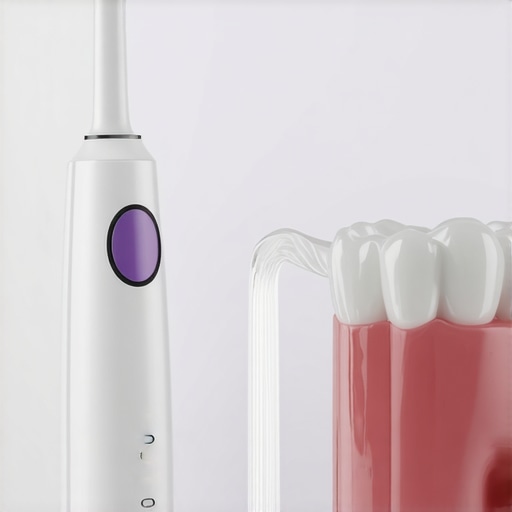
How do I keep my crown from failing over the next decade?
Long-term success is about more than just cleaning; it is about managing the physical forces in your mouth. Every six months, I have my dentist check my ‘occlusion’—the precise way my teeth meet when I bite. Even a microscopic shift in your bite can place ‘pathological loading’ on a crown, leading to a fracture or a broken seal. This focus on long-term structural integrity is a vital part of understanding the role of crowns in modern smile makeovers. Looking ahead, I predict we will soon see bio-active cements that can actually ‘re-mineralize’ the tooth structure underneath the crown if a leak is detected. Until that tech arrives, maintaining a rigorous oral health routine is your best defense. This proactive mindset is ultimately how crowns can transform your dental confidence from a fragile hope into a permanent reality. If you want to see exactly where your technique is failing, I challenge you to use a ‘disclosing tablet’ after your next brush—it will highlight exactly where plaque is still clinging to your crown’s margins.
Hard Truths I Learned the Expensive Way
If there is one thing I have learned after years of dental procedures, it is that complacency is the enemy of porcelain. Many people think a crown is a one-and-done solution, but the reality is that the tooth underneath is still alive and susceptible to decay. One ‘lightbulb moment’ for me was realizing that the crown doesn’t fail—the foundation does. I spent years assuming my oral health routine was sufficient until I saw the data on marginal leakage. Another realization was the impact of stress; I never connected my work deadlines to my loose crowns until I understood the reason your crown feels loose when you wake up. It wasn’t the food; it was the grinding. I also learned that the truth about how long a porcelain crown actually lasts before replacement is often shorter than we hope if we treat it like it is indestructible.
The Gear That Actually Makes a Difference
To truly protect your investment, you need more than just a standard toothbrush. I personally recommend a sonic toothbrush with a pressure sensor. It is the only way to ensure you aren’t accidentally scrubbing away your gum line. For those hard-to-reach spots, expert advice on crowns and teeth cleaning often highlights the use of interdental brushes over traditional floss because they adapt to the shape of the crown margin more effectively. If you ever notice a jagged edge, knowing how to fix a small chip in your front tooth without a full crown can save you an emergency visit. Finally, if you haven’t considered it yet, how a simple night guard can save you thousands cannot be overstated. It is the ultimate insurance policy for anyone with restorative work.
#IMAGE_PLACEHOLDER_E#
Your Smile is Worth the Extra Minute
Maintaining your dental work can feel like a chore, but the confidence of a stable, healthy smile is priceless. You no longer have to fear the ‘crunch’ at dinner or the sudden sensitivity to cold drinks. By mastering maintaining your dental crowns, you are taking control of your long-term wellness. Remember, you aren’t just cleaning a prosthetic; you are preserving your ability to enjoy life’s simple pleasures without pain or embarrassment. This proactive mindset is exactly how crowns can transform your dental confidence from a source of anxiety into a permanent asset. What is the one food you have been avoiding since getting your dental crown? Let me know in the comments below!