I remember sitting on my porch last July, nursing a glass of iced tea, when a sudden, sharp jolt of cold sensitivity practically knocked me off my chair. It wasn’t just a twinge; it was a full-on lightning strike right through the molar I’d had crowned nearly four years ago. I stared at the glass like it was a traitor. I thought the crown was a permanent suit of armor. I’d spent years focusing on family dentistry and keeping my kids’ smiles healthy, yet here I was, an adult with a “permanent” fix that felt anything but stable.
That Icy Zap in a Three-Year-Old Crown
If you’re reading this, you’ve likely felt that same betrayal. You did the work, paid the bill, and thought that tooth was done. But now, years later, a cold breeze or a scoop of mint chocolate chip feels like a personal attack. It’s frustrating and honestly makes you wonder if the whole thing is falling apart. Today, I want to pull back the curtain on why this happens and show you that properly caring for crowns is a long-term commitment. We are going to look at the sneaky reasons your nerve is suddenly shouting for attention after years of silence.
Is this just a sign that my dentist messed up?
That was my first thought too. I was convinced the seal had failed or the material was cheap. But here’s a mistake I made early on: I assumed a crown was a “set it and forget it” solution. I didn’t realize that the tooth underneath is still very much alive and susceptible to things like gum recession. According to the American Association of Endodontists, even a tooth with a crown can develop pulpitis—an inflammation of the inner pulp—due to thermal conduction through the restorative material over time. It’s not always a failure of the dentist; often, it’s a failure of the biology surrounding the porcelain.
The Real Culprits Behind the Late-Onset Chills
When I finally dragged myself back into the chair, I learned that my sensitivity wasn’t necessarily because of a cracked crown. Sometimes, it’s as simple as your gums pulling back. When your gum line recedes, it exposes the sensitive root surface not covered by that tough porcelain shell. Other times, you might be dealing with a small leak where the cement has started to wash away, letting cold liquids reach the nerve. Have you noticed the pain happens more when you’re stressed? I realized I was grinding my teeth, essentially bruising the ligament holding my tooth in place. Have you ever felt that sudden, sharp zap while drinking something cold, even though your crown is years old? Drop a comment below—I’d love to know if I’m not the only one who’s been blindsided by an old molar. Before we dive into the fixes, it’s worth checking out how to manage sensitivity if the pain is becoming a daily struggle.
How to Tame That Sudden Crown Sensitivity Before It Ruins Your Morning
I realized that treating a sensitive crown isn’t a one-size-fits-all situation. It is like troubleshooting a leaky faucet; you have to find the exact point of failure. My first move was a DIY diagnostic. I gently tapped the tooth with the back of a spoon—if it hurts from pressure, it’s a ligament issue; if it only zaps with cold, it’s a seal or root issue. If you feel a weird movement, you might need to know how to handle a loose dental crown before it pops off entirely.
Seal the Gaps Your Gums Left Behind
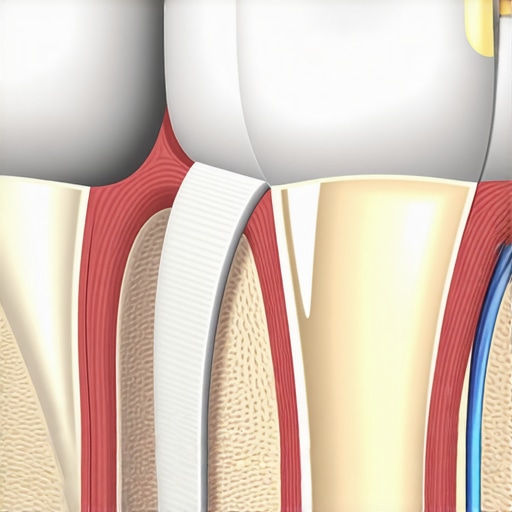
When gums recede, they expose the dentin, which is full of microscopic tunnels leading straight to the nerve. Think of it like leaving the front door open during a blizzard. To combat this, I started using a high-fluoride desensitizing toothpaste, but the trick is not to rinse it away. I would take a pea-sized amount on my finger and “paint” it directly onto the margin where the crown meets the gum. I left it there while I slept. This gives the minerals time to plug those tunnels. It is a vital part of how to fix a sensitive tooth flare-up before your next appointment.
Stop the Mechanical Sabotage of Your Crown
Sometimes the pain isn’t about the temperature at all; it’s about the physical wear and tear. I used to wake up with a dull ache in my jaw that I thought was just “morning brain.” In reality, I was hammering my crowned tooth all night. My dentist explained that a crown, especially a back molar, can take the brunt of your stress. Learning how to stop grinding your teeth while you sleep by using a custom night guard was the only thing that stopped the “bruised” feeling in my tooth. If you have a back molar, you might want to look into the benefits of choosing zirconia crowns for back molars because they handle these forces much better than traditional porcelain.
Clean the Margin Without Causing Damage
I once thought that more pressure meant a cleaner tooth. I went at my crown with a medium-bristled brush like I was scrubbing a grout line in the bathroom. Big mistake. I ended up making my recession worse and the sensitivity spiked. Now, I stick to the rule that why soft-bristled brushes are the only ones that should touch your gums is non-negotiable. I also tried using a water flosser to get under the crown’s edge. The first time I did it, I had the setting on “high” and accidentally shot a stream of water straight into my sensitive gum pocket, which felt like a literal needle. I ended up soaking my shirt and the bathroom mirror. The lesson? Start on the lowest setting and angle the tip at 90 degrees to the tooth. The common mistake you are making with your water flosser is usually focusing on the tooth rather than the gum line where the crown meets the natural tooth.
Track the Timeline of Your Restoration
You also have to be realistic. While we want them to last forever, the truth about how long a porcelain crown actually lasts before replacement is usually around 10 to 15 years. If yours is hitting the double-digit mark and suddenly acting up, the cement might simply be reaching its expiration date. You don’t necessarily need a whole new procedure, but you do need expert advice on crowns and teeth cleaning for lasting results to see if a simple re-cementing can save the day.
Why your crown isn’t the invincibility cloak you think it is
Most people walk out of the dentist’s office thinking their new restoration is a permanent shield. It’s a common belief: since porcelain doesn’t decay, the tooth is now invincible. But in my years of obsessing over family dentistry, I’ve learned that the crown is only as strong as the seal at the gum line. A study published in the Journal of Dentistry highlights that the most common cause of prosthetic failure is secondary caries—cavities forming right at the margin where the crown meets your natural tooth. If you think you don’t need to floss a crowned tooth because ‘it’s not real,’ you are falling for the biggest trap in oral health. Expert advice on crowns and teeth cleaning for lasting results always emphasizes that the margin is your crown’s Achilles’ heel.
Can a microscopic shift in your bite be the real cause of that sharp pain?
Sometimes that ‘cold sensitivity’ isn’t actually about the temperature at all. It’s about physics. When we talk about how a dental crown can restore your bite alignment, we usually focus on the positive, but even a tiny 10-micron discrepancy—thinner than a human hair—can cause the periodontal ligament to become inflamed. According to the Journal of Oral Rehabilitation, this ‘occlusal trauma’ can mimic the sharp, stabbing pain of a cavity. If you feel a ‘click’ or a zing when you first bite down on a sandwich, your crown might be slightly ‘high,’ forcing it to take the brunt of your jaw’s force. This isn’t just a nuisance; it’s a mechanical failure waiting to happen. Have you ever felt like one tooth was hitting just a millisecond before the others? Let me know in the comments—I’m curious how many of you have dealt with this ‘phantom’ pain.
The hidden trap of the ‘good enough’ cleaning routine
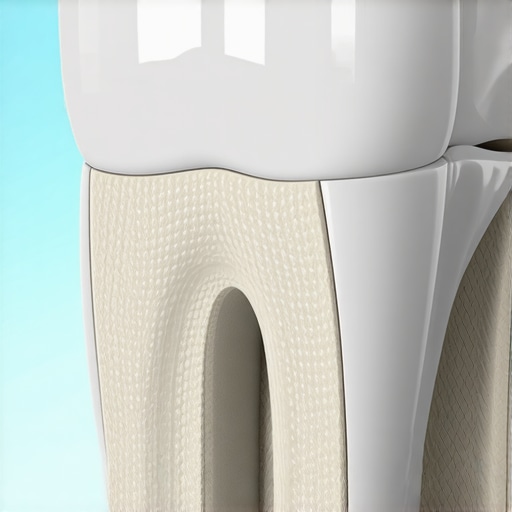
I used to think that as long as I didn’t see blood, my gums were fine. This is the ‘oops’ factor that catches most patients off guard. We often assume that the impact of regular teeth cleaning on overall oral wellness is just about aesthetics, but for a crown, it is about survival. If you are skipping the area around the base of your restoration, plaque builds up and hardens into tartar, which slowly eats away at the cement holding your crown in place. This is the most common reason dental crowns fall out and how to fix it: poor marginal hygiene. You have to treat that crown with more respect than a natural tooth, not less. Integrating a solid oral health routine strengthening your smile every day means focusing specifically on those transition zones. If you’ve ever ignored a minor ‘ting’ of sensitivity only to have the crown pop off a month later, you’ve seen this trap in action. Have you ever fallen into this trap? Let me know in the comments.
Stop treating your dental work like a ‘set it and forget it’ appliance
We treat our dental work like we treat a new dishwasher—we expect it to run for a decade without us ever looking at the filter. But your mouth is a living, changing environment. Gums recede, bone density shifts, and even the strongest maintaining your dental crowns dos and donts for best results won’t help if you aren’t looking for the subtle signs of wear. Beyond just brushing, you need to be aware of how caring for crowns involves checking for any dark lines appearing at the gum line or any ‘spongy’ feeling in the tissue nearby. Advanced oral care means being a detective for your own health before a small leak becomes a major root canal.
The gear that actually keeps my crowns from failing
I spent years using a cheap manual brush and wondering why my gums were retreating like a shy turtle. Switching to an electric toothbrush with a built-in pressure sensor was the ultimate turning point for my oral health routine strengthening your smile every day. I personally use the Oral-B iO because the visual sensor turns red the second I apply too much pressure. This is critical because over-brushing is the fastest way to expose those sensitive tooth margins. Since I stopped scrubbing like I was cleaning a grout line, my gum recession has actually stabilized. If you are managing your family’s hygiene, the truth about manual vs electric toothbrushes for kids is exactly the same—the automation removes the human error that leads to plaque buildup around new molars and restorations.
How do I maintain my dental work over time?
Maintenance isn’t just about the brush; it’s about the specific zones where the crown meets the tooth. I’ve traded traditional string floss for interdental brushes—those tiny, tapered trees on a wire. They fill the space under the crown much more effectively than string can, which often just slides past the plaque. Dr. Gordon Christensen, a world-renowned clinical researcher, has highlighted in the Clinicians Report that mechanical plaque removal at the gingival margin is the single most significant factor in the long-term success of restorations. This matches my personal experience: once I focused on caring for crowns by using these specialized tools, that lingering ‘zingy’ feeling completely disappeared. If you’re dealing with more complex work, you must learn the best way to clean plaque from under a dental bridge to prevent the anchor teeth from decaying from the inside out.
Smart sensors and the future of bio-active ceramics
We are rapidly entering an era where your crown might actually ‘talk’ to your toothbrush. I predict that within the next decade, we will see bio-active restorative materials that release calcium and phosphate ions to actively fight decay at the crown margin. Understanding the role of crowns in modern smile makeovers is already shifting from pure aesthetics to integrated health monitoring. Imagine a crown that changes color slightly if the pH level in your mouth becomes too acidic—acting as an early warning system for your family dentistry needs. This level of preventive tech will make the sudden ‘icy zap’ I experienced a thing of the past.
The specialized products I never skip
I also swear by an alcohol-free mouthwash. Most people don’t realize that alcohol-based rinses can cause dry mouth, reducing the protective saliva that keeps your crown’s seal intact. I keep a high-fluoride gel specifically for nights when I feel a slight twinge. This is a core part of how to maintain a bright smile without using abrasive strips that can micro-scratch the porcelain glaze over time. My final piece of advice? Try the ‘fluoride painting’ method tonight—it’s the single most effective way to block sensitivity before it ruins your morning coffee. When you stop guessing and start seeking expert advice on crowns and teeth cleaning for lasting results, your dental work can actually last the 15+ years it was designed for.
The Hardest Lesson I Learned About Keeping a Crown for Life
I used to think a crown was like a permanent suit of armor—once it was on, the battle was won. But the truth is, a crown is more like a high-performance tire; it needs regular alignment and the right environment to last. I learned the hard way that even if the porcelain is perfect, the tooth underneath is still living and breathing. I had to realize that family dentistry isn’t just about the kids’ checkups; it is about me showing up for my own maintenance too. One of my biggest lightbulb moments was discovering how to protect your family’s teeth from hidden sugars in sports drinks, which were quietly eroding the seal on my back molars while I thought I was being healthy. If you treat your dental work as a living part of you rather than a hardware fix, it changes everything.
My Go-To Toolkit for a Sensitivity-Free Smile
Building a routine that actually works doesn’t require a cabinet full of gadgets, just a few intentional choices. I personally rely on an electric brush with a pressure sensor because I’m a chronic over-scrubber. If you’re looking for the same for your little ones, checking out the truth about manual vs electric toothbrushes for kids can save them from the recession I eventually faced. I also made the switch to a non-burning rinse after learning about the benefit of using an alcohol free mouthwash for dry mouth, which keeps my saliva flow—the mouth’s natural defense—at peak performance. Finally, never underestimate the power of an interdental brush; it reaches the margins where traditional floss often fails to scrub effectively.
Take Control of Your Dental Future Today
That sudden zap of cold sensitivity doesn’t have to mean the end of your crown or a massive dental bill. It is simply a signal from your body that it’s time to adjust your oral health routine strengthening your smile every day. By being proactive and focusing on caring for crowns with the right tools and a gentle touch, you can keep your smile functional and pain-free for decades. You’ve done the hard part by getting the restoration; now, let’s make sure it stays exactly where it belongs. Have you ever experienced a sudden zap in a tooth you thought was fully protected? Let me know in the comments below!