
I remember waking up last Tuesday, eyes barely open, trying to swallow. It felt like I’d spent the night licking the Sahara Desert. My tongue was practically glued to my palate, and honestly? It’s a visceral, slightly terrifying way to start the day. I tried to speak, but only a raspy croak came out. This wasn’t just being thirsty—it was that gritty, sandpaper-like sensation that makes you wonder if your salivary glands just decided to go on strike while you were dreaming. I used to think this was normal, but I’ve learned that a desert-dry mouth is actually your body’s way of sounding an alarm about your oral health.
Your Morning Thirst Is More Than Just Dehydration
For a long time, I made the mistake of thinking this was purely about how much water I drank before hitting the pillow. I’d chug a massive glass of water, only to wake up at 2:00 AM needing the bathroom while my mouth stayed bone-dry. It was a cycle of frustration. I eventually realized that my oral health routine was missing some vital components. I was focusing on the brush and the floss, but I was ignoring the environment I was creating for my teeth while I slept. Sometimes, the culprits are things we’d never suspect, like the alcohol-based mouthwash we use right before bed or even the way we breathe when we’re deep in REM sleep. This matters because saliva isn’t just spit; it is the primary defense mechanism for your smile. When your mouth is dry, you lose the natural rinsing action that keeps bacteria from throwing a party on your enamel. I’ve seen how quickly a healthy mouth can slide toward trouble, and if you have crowns, that lack of moisture can even make maintaining your dental crowns much harder than it needs to be. We aren’t just talking about comfort here; we’re talking about the longevity of your dental work and your breath.
Is this just an inevitable part of getting older?
I get asked this all the time by my friends and neighbors. There’s a fear that as we age, our bodies just stop working the way they used to, and we’re stuck with a desert mouth forever. While it’s true that certain life stages, such as the connection between menopause and dry mouth, can play a role, it is rarely something you just have to accept. According to the American Dental Association, over 30% of adults experience xerostomia, but many cases are actually side effects of medications or simple lifestyle habits that we can tweak. It isn’t a life sentence. Early in my journey to better health, I ignored the signs. I figured if my teeth didn’t hurt, I was fine. But then I started noticing the signs that a morning headache was actually linked to my dry mouth and jaw tension. It’s all connected. Have you ever felt like you’re doing everything right—the regular teeth cleaning and the expensive toothpaste—but you still wake up feeling like you’ve been chewing on cotton? If so, you’re in the right place. Today, I want to walk you through the real reasons your mouth is drying out and the small, neighborly advice I wish someone had given me years ago. If you’re really struggling, don’t hesitate to contact us to discuss how we can help you get back to waking up refreshed.
Sip Water Instead of Chugging
Most of us treat hydration like a cram session before a final exam. We realize we’re thirsty at 9:00 PM and down half a gallon of water right before bed. All that does is ensure a few midnight trips to the bathroom, which actually disrupts your sleep cycle and can lead to more mouth breathing as you struggle to settle back in. Instead, think of your mouth like a garden that needs a steady drip irrigation system. I started carrying a reusable bottle and taking small sips every twenty minutes throughout the entire day. This keeps the oral tissues moist and prevents that icky feeling where your saliva turns thick and sticky even when you aren’t sick. When your mouth stays hydrated during the day, your salivary glands don’t have to work overtime to catch up when you’re unconscious.
Is Your Mouthwash Actually Drying You Out?
I used to love that intense burn from my mouthwash; I mistakenly thought it meant it was working. In reality, that alcohol was essentially mummifying my gums and parching my mouth. If you find that your gums sting when you use mouthwash, it’s time for a change. Alcohol is a powerful drying agent. Switching to a xylitol-based or alcohol-free rinse was a game-changer for me. Xylitol actually helps stimulate saliva production and makes the oral environment less friendly for the bacteria that cause decay. One night, after making the switch, I realized I didn’t wake up once to reach for the water carafe. It’s a small tweak to your home teeth cleaning routine that pays huge dividends by morning, reinforcing the impact of regular teeth cleaning on your total comfort.
Protect Your Dental Work
If you’ve invested in your smile, you have to be extra vigilant about moisture. A dry mouth is a high-acid mouth, and that acid can slowly weaken the bond of your dental work. I’ve seen cases where neighbors struggled to prevent a crown from popping off simply because the lack of saliva allowed bacteria to creep under the margin of the restoration. When you follow essential tips for crown longevity, you’ll notice that keeping the area moist is always at the top of the list. Saliva acts as a natural buffer, neutralizing the acids that would otherwise eat away at your natural teeth and the edges of your crowns.
Add a Humidifier to Your Nightly Routine
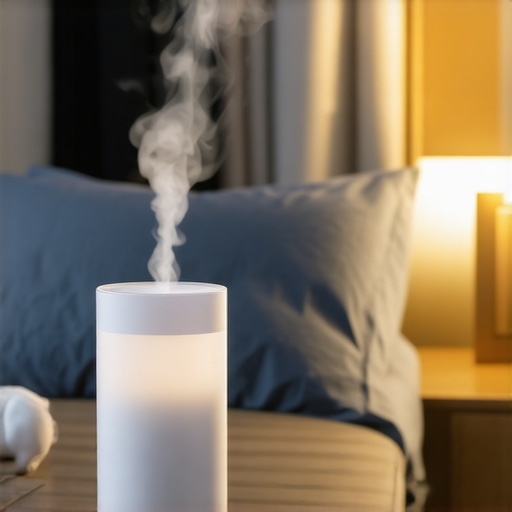
I finally broke down and bought a small humidifier for my bedroom last winter. I felt a bit silly at first, like I was living in a tropical greenhouse, but the results were undeniable. If you live in a dry climate or run the heater all winter, the air is literally sucking the moisture out of your mucous membranes while you sleep. The dry air forces your body to work harder to keep your throat and mouth lubricated, and eventually, it just can’t keep up. I paired this with a conscious effort to stop clenching my teeth, which I realized was forcing me to breathe through my mouth during the night. Clenching often goes hand-in-hand with mouth breathing because of how it positions your jaw. The combination of moist air and relaxed muscles was like magic. No more sandpaper tongue, and no more waking up with that dull, dry-mouth ache. It’s about creating a habitat where your mouth can actually recover from the day’s stress and stay healthy.
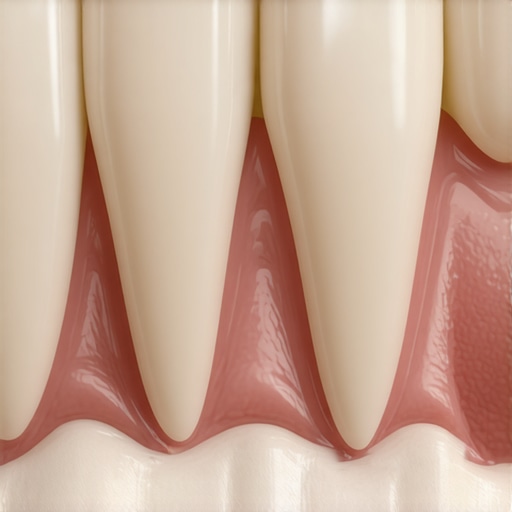
I often see my neighbors fall into what I call the ‘Ironclad Shield’ trap. It’s the belief that once a tooth is capped, it is essentially invincible and immune to further decay. In my experience, the opposite is true: a crowned tooth requires even more vigilance than a natural one. While the porcelain itself won’t rot, the tiny seam where the restoration meets your gum—the margin—is a high-traffic zone for bacteria. If you are struggling with a parched mouth, you lack the saliva needed to neutralize the acids that gather at that seam. I’ve seen many people surprised by the truth about how long a porcelain crown actually lasts before replacement simply because they ignored the environment around it. When your mouth is dry, those margins are incredibly vulnerable to ‘secondary caries,’ which is just a fancy way of saying a cavity is forming underneath your expensive dental work.
Wait, can a tooth with a crown still get a primary cavity?
This is the big question I get from patients who are confused about why their ‘dead’ tooth (one with a root canal) is suddenly hurting. The answer is a resounding yes. According to a study published in the Journal of Dentistry, patients with xerostomia (chronic dry mouth) show a significantly higher rate of failure in fixed prosthodontics because the lack of saliva allows the oral pH to drop into the danger zone. When the pH stays acidic, the cement holding your crown can degrade, and the tooth structure underneath can soften. This is why maintaining your dental crowns involves more than just brushing; it involves managing your mouth’s chemistry. If you aren’t careful, you might find yourself needing a total replacement much sooner than expected. Have you ever fallen into this trap of thinking your dental work was bulletproof? Let me know in the comments.
The Charcoal Myth and Other Cleaning Mistakes
Here is a specific ‘oops’ factor I see far too often: the trend of using abrasive ‘natural’ cleaners. I’ve talked to several friends who switched to charcoal-based pastes thinking they were doing their smile a favor. In reality, the truth about charcoal toothpaste is that it is often way too abrasive for porcelain and the underlying tooth structure. It can create microscopic scratches that actually catch stains and harbor bacteria, making it harder to keep your porcelain crown from staining over time. When you combine an abrasive paste with a dry mouth, you are essentially sandpapering your dental work every morning. Instead of searching for the grittiest paste, look for products that offer expert advice on crowns and teeth cleaning, focusing on gentle, non-abrasive formulas that support saliva production. If you are worried about the state of your restorations or that nagging dry feeling, feel free to contact us to see how we can help you protect your investment.
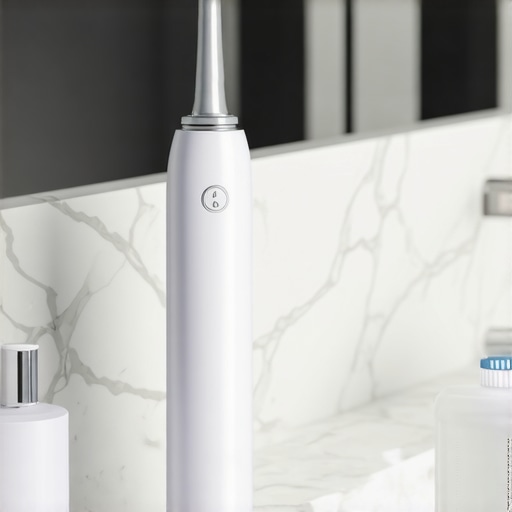
Moving past the myths of charcoal and abrasives, I’ve found that the real ‘secret’ to a healthy mouth isn’t a miracle paste, but the tools we use to maintain the ecosystem. I personally made the switch to a high-end electric toothbrush with a built-in pressure sensor about three years ago, and it changed everything. I used to be a ‘scrubber,’ thinking harder meant cleaner, but that just leads to recession and sensitive margins. Now, I let the vibrations do the work. This is vital for maintaining your dental crowns because the sensor alerts me if I’m pushing too hard against the porcelain-to-gum junction. If you’re still using a manual brush, you might be surprised to learn why manual toothbrushes are still effective only if your technique is flawless—which, let’s be honest, most of ours isn’t when we are half-asleep.
Why I Swapped My Traditional Floss for a Water Pulsator
I’ll be the first to admit that I used to skip flossing when my gums felt tender. But then I discovered the water flosser. I use it on a medium-low setting specifically to flush out the ‘pockets’ around my restorations. It’s a game-changer for expert advice on crowns and teeth cleaning because it reaches areas that traditional string often misses, especially if your teeth are tightly packed. It’s also why I’m such a proponent of why ultrasonic cleaning is faster and more comfortable when you finally get to the dentist’s chair; if you’ve done the work at home with a pulsator, the professional cleaning is a breeze. I truly believe the future of our oral health routine is heading toward smart-integrated devices. In five years, I predict we’ll have sinks with built-in pH sensors that tell us exactly when our mouth is too acidic before we even feel the dryness.
How do I keep my dental work healthy for twenty years or more?
The key to longevity isn’t a single appointment; it is the consistency of your family dentistry focus and the protection you provide while you sleep. I never go to bed without my custom-fit guard now. I realized that how a simple night guard can save you thousands isn’t an exaggeration—it prevents the micro-fractures that lead to crown failure. Even the most expensive porcelain can’t withstand the constant grinding of stressed-out jaw muscles. As Dr. Michael Glick, a prominent voice in the Journal of the American Dental Association, has often emphasized, the shift in modern care is toward ‘precision prevention’—treating the mouth as a complex biological system rather than just a set of tools. This means looking at your the impact of regular teeth cleaning as a way to manage your entire body’s inflammation. If you want to take your routine to the next level, I highly recommend trying a xylitol-based gum for five minutes after every meal to jumpstart your saliva. If you’re ready to see how these advanced tools can work for you, contact us to schedule a personalized walkthrough of your oral environment.
The Hard Truths About Saliva That Changed My Dental Appointments
Looking back, I spent years treating the symptoms of a dry mouth without ever addressing the root causes. I’ve realized that saliva is the single most important fluid in your body for preventing decay. If you have restorations, you need to understand that the reason your coffee habit is ruining your crowns’ sealant is often exacerbated by a lack of natural lubrication. When my mouth was dry, every latte was an invitation for bacteria to settle in. I also learned that caring for crowns involves longevity and shine that only happens when your pH is balanced. My lightbulb moment? Realizing that dental health isn’t about scrubbing harder; it’s about fostering a healthy biological environment.
The Tools I Use to Keep the Desert at Bay
I’ve narrowed my daily survival kit down to three non-negotiables that I genuinely trust. First, a high-quality water flosser is essential for effective home practices for family dental health because it keeps the gum line hydrated and debris-free. Second, I swear by a humidifier to prevent that midnight ‘sandpaper’ sensation. Finally, I always check oral health tips every family should follow in 2025 to stay ahead of new tech. These aren’t just gadgets; they are investments in making sure I don’t need a total smile overhaul in five years.
#IMAGE_PLACEHOLDER_E#
Your Smile Deserves a Fresh Start Every Day
Waking up without that parched, sticky feeling is more than just a comfort—it is proof that your oral health routine is working for you, not against you. You don’t have to live with the fear of a crown popping off or a recurring headache. By making these small shifts, you are protecting your investment and your peace of mind. If you’re ever unsure if your symptoms are serious, feel free to contact us and we can help you find a strategy that fits your life. Have you ever noticed your mouth feeling drier after drinking certain drinks or using specific products? Let me know in the comments below!