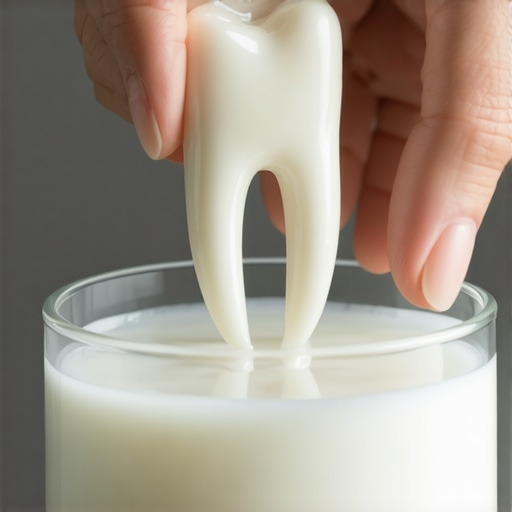
It happened in slow motion. One second, my nephew was racing toward the soccer goal, and the next, there was a sickening thud and a spray of grass. He stood up, looking dazed, and that’s when I saw it—a gap where his front tooth used to be and a tiny white object glinting in the dirt. My heart hammered against my ribs. I did exactly what you’re never supposed to do: I wiped the tooth clean with a dry sleeve. That split-second instinct nearly cost him his permanent smile forever. It’s a gut-wrenching feeling, realizing you’re holding a piece of someone’s face in your hand, but I’ve learned the hard way that your reaction in the next five minutes dictates everything. I felt like a failure in that moment, but that’s why I’m sharing this—so you don’t make the same mistakes I did when the stakes are high. [image-placeholder]
Act Fast Because the Clock Is Ticking
Losing a tooth is a true dental emergency, but it isn’t always the end of the road. Most people think once it’s out, it’s out, but our bodies are surprisingly resilient if we treat those delicate root cells with respect. If you’ve ever dealt with handling a chipped front tooth during a weekend or holiday trip, you know how stressful dental mishaps can be, but a full avulsion—that’s the fancy word for ‘knocked out’—is a different beast entirely. You have about a 60-minute window to get that tooth back into its socket or into a professional’s hands. I’ve seen parents panic and throw the tooth in a glass of tap water, which is actually a massive mistake because the chlorine can kill the very cells needed for reattachment. Instead, you need to keep it moist in milk or a specialized tooth-saver solution. Our family dentistry focus is all about protecting those milestones, and nothing ruins a childhood photo faster than a missing front tooth.
Can a tooth really survive being ripped out?
I get it, it sounds like science fiction. You’re wondering if sticking a tooth back into a bleeding hole is actually going to work or if it’s just going to fall out again at dinner. The truth is, according to the American Association of Endodontists, a tooth that is replanted within 30 minutes has a significantly higher success rate of surviving for a lifetime. In fact, they suggest that millions of teeth are knocked out every year, and most could be saved with the right immediate care. I once waited too long with a neighbor’s kid, thinking a little bit of ice would help, only to find out the root had already begun to ‘die.’ It’s all about the periodontal ligament. If those fibers stay alive, they can re-bond. This is way more urgent than your typical regular teeth cleaning or even caring for crowns. You aren’t just fixing a cosmetic issue; you’re saving a living organ. Have you ever had a moment where a freak accident left you scrambling for a dentist’s number? If you’re in the middle of a crisis right now, take a deep breath, find some milk, and contact us or your local emergency dentist immediately. Let’s walk through exactly how to handle the tooth without damaging it further.
Pick It Up by the Top or Lose the Tooth Forever
When you see that tooth on the ground, your first instinct is to grab it however you can. Stop. You must only touch the crown—the white part you usually see when smiling. The root is covered in delicate periodontal ligament cells. Think of these like the ‘velcro’ that reattaches the tooth to the jaw. If you touch the root, you’re essentially crushing the velcro and killing the chances of survival. I remember my neighbor’s son, Leo, tripped on a concrete curb and his incisor went flying into a patch of damp mulch. In my panicked rush, I grabbed it by the ‘tail’ (the root) and tried to pick off the wood chips with my fingernails. That was a massive mistake. By the time we got to the clinic, those cells were already traumatized. This is why why your dentist wants you to stop using hard bristles even on your healthy teeth; mechanical force is often too much for delicate dental structures, and a raw root is even more vulnerable.
Rinse the Dirt Without Scrubbing the Life Away
If the tooth is covered in blood or dirt, rinse it gently under a slow stream of cool water for no more than ten seconds. Do not use soap, chemicals, or—heaven forbid—alcohol. Most importantly, do not dry it. A dry tooth is a dead tooth. If you have a how to fix a small chip in your front tooth without a full crown kit at home, don’t use it now; this isn’t a cosmetic fix, it’s a biological rescue mission. You aren’t trying to make it look pretty; you’re trying to keep the cells hydrated enough to stay alive until a professional can splint it back into place.
Get the Tooth Back into Its Home Socket
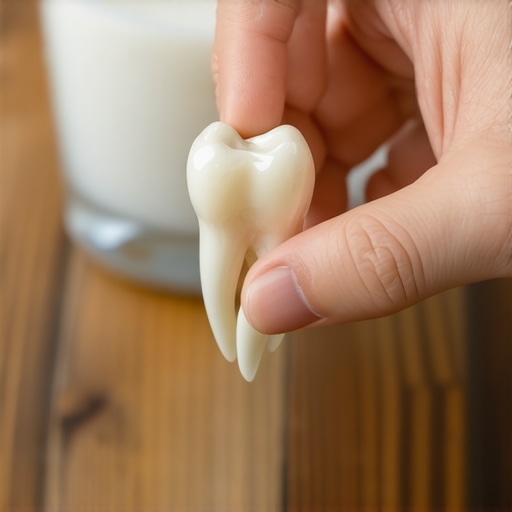
The absolute best place for a knocked-out tooth is back where it came from. It sounds gruesome, but if you can gently slide the tooth back into the hole, do it. Use your fingers to push it in or have the person bite down slowly on a piece of gauze or a clean handkerchief to hold it in place. Keeping the tooth in its natural environment—surrounded by the right temperature and fluids—is the ultimate way to maintain its health. This level of quick thinking is what separates a saved smile from a lifetime of expensive dental implants. It is a proactive and intense part of an oral health routine strengthening your smile every day. If the tooth doesn’t slide in easily, don’t force it. You don’t want to cause more damage to the bone or the surrounding tissue.
Why Your Saliva or Cold Milk Is the Best Transport
If you can’t get the tooth back in the socket because of swelling, pain, or sheer fear, do not put it in a tissue or a glass of tap water. Tap water is essentially a poison to those root cells because the chemical balance causes them to swell and burst. Instead, place the tooth in a small container of cold whole milk. If milk isn’t available, the person’s own saliva in a cup will work in a pinch. This keeps the pH balanced and the cells hydrated. This is one of those oral health tips every family should follow in 2025 because accidents happen regardless of how careful you are. If you’re a coach or an active parent, knowing the best way to protect your teeth during contact sports starts with a high-quality mouthguard, but the second half of that protection is knowing exactly how to handle the emergency transport of a tooth that has been fully avulsed.
Saving a tooth in the heat of a crisis is a massive victory, but the long-term survival of a replanted tooth—or any major dental restoration—is where the real technical complexity begins. Most people assume that once a dentist ‘fixes’ a problem with a crown or a filling, the tooth is essentially invincible. I used to fall into this trap myself, thinking of porcelain as a permanent shield against the elements. But here is the contrarian truth: a crowned tooth often requires more meticulous care than a natural one. The real danger isn’t the porcelain breaking; it’s the microscopic ‘margin’ where the restoration meets your gum line. A study published in the Journal of Dentistry highlights that ‘micro-leakage’ at the adhesive interface is a primary cause of secondary restoration failure. If you aren’t focused on caring for crowns with the same intensity as an emergency, you’re just waiting for a hidden cavity to form under the expensive ceramic. One of the biggest ‘Oops’ factors I see in my practice is the charcoal toothpaste trend. It’s marketed as a natural whitening solution, but on a crown or bridge, it’s a total disaster. Those gritty particles act like sandpaper, scuffing the smooth glaze of the restoration. Once that glaze is compromised, the crown becomes a magnet for plaque and stains, which is the exact opposite of the impact of regular teeth cleaning on overall oral wellness. Using the truth about the charcoal whitening trend as your guide, you quickly learn that gentle, fluoride-based care is the only way to protect your investment. 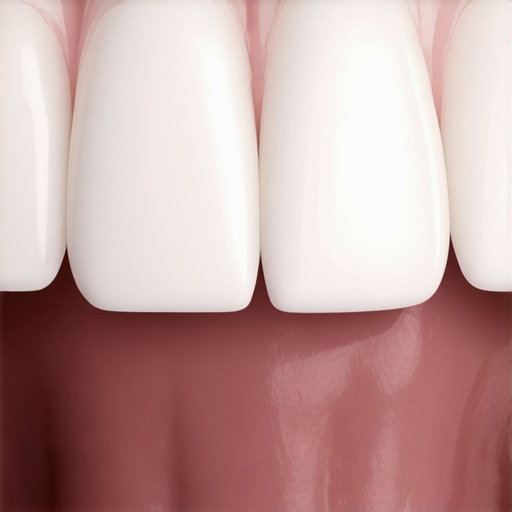
Why a Crown Isn’t a Permanent Shield
We often treat dental work like a ‘set it and forget it’ solution, but that mindset is exactly what leads to failed implants and recurring infections. If you’ve ever wondered about the reason your coffee habit is ruining your crowns sealant, it’s because the constant acidity can degrade the bonding agents over time. This creates a tiny entryway for bacteria. This isn’t just about your teeth; it’s about your whole body. There is a significant connection between your heart health and your last dental cleaning. Inflammation in the gums around a restoration can trigger systemic issues, making your six-month checkup a literal life-saver. For those seeking expert advice on crowns and teeth cleaning for lasting results, the focus must shift from the surface to the seal. If you treat your restorations as ‘finished business,’ you are ignoring the biological reality of your mouth.
Why does my crown feel sensitive to cold even years after placement?
If you feel a sharp zing when drinking cold water, it’s a major red flag. Porcelain itself doesn’t have nerves, so that sensation is actually coming from the underlying tooth structure or the root. This often happens because of gum recession or a breakdown in the dental cement, which is why your crown might feel sensitive to cold even years after placement. Most people wait until the pain is unbearable, but by then, the internal structure may be severely compromised. Have you ever fallen into this trap of thinking a crown made your tooth invincible? Let me know in the comments. We need to shift our perspective from ‘fixing’ teeth to ‘managing’ a living ecosystem. For more personalized help, feel free to contact us and let’s keep your smile on track.
Your Bathroom Counter Needs a High-Tech Upgrade
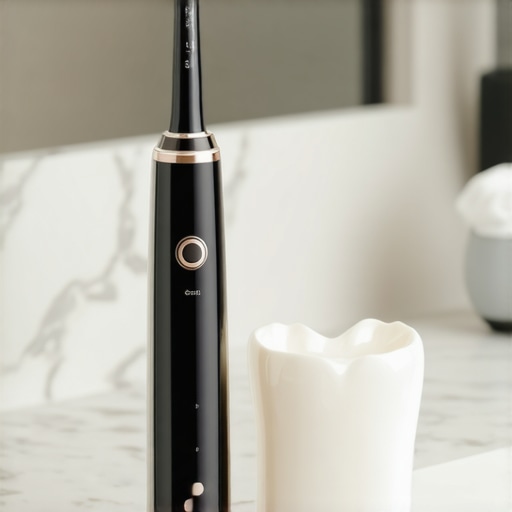
Maintaining a high-end restoration isn’t just about avoiding sticky candy; it is about the precision of your daily mechanical cleaning. I personally use the Philips Sonicare 9900 Prestige because of its SenseIQ technology, which adjusts the intensity if you press too hard—a common mistake that causes gum recession around the crown margin. While many people think why manual toothbrushes are still effective if you use the right technique applies to everyone, the reality is that the 62,000 brush movements per minute create fluid dynamics that reach where bristles cannot. This is vital for maintaining your dental crowns dos and donts for best results. When you have a crown, that tiny seam where the porcelain meets the tooth is your most vulnerable point. If plaque sits there for even 24 hours, you risk losing the entire tooth to internal decay. I’ve seen patients spend thousands on understanding the role of crowns in modern smile makeovers only to neglect the basic physics of plaque removal. This is why expert advice on crowns and teeth cleaning for lasting results always emphasizes the tool over the technique.
How do I maintain my dental crowns and overall oral health over time?
The secret isn’t just brushing; it’s irrigation. I recommend the Waterpik Aquarius professional to every one of my patients with dental work. The reason is simple: traditional floss can sometimes snag on the edge of a crown, whereas a pressurized stream of water flushes out the ‘biofilm’ without any mechanical friction that might loosen the cement. A systematic review by the Cochrane Oral Health Group suggests that powered toothbrushes and adjunct cleaning tools show a statistically significant reduction in gingivitis over manual methods. This is a core part of an oral health routine strengthening your smile every day. You also need to know how to prevent your crown from popping off while eating by being mindful of vertical forces on the restoration. Consistency with these tools is what determines the truth about how long a porcelain crown actually lasts before replacement.
The Future of Your Smile is Digital
We are moving toward a world where your toothbrush won’t just vibrate; it will scan. The next generation of oral care involves AI-integrated sensors that can detect the chemical composition of your saliva to warn you of an impending cavity before it even shows up on an X-ray. This is going to revolutionize family dentistry focus because we can move from reactive ‘drilling and filling’ to true biological management. We’re already seeing this with why ultrasonic cleaning is faster and more comfortable than hand scaling in the office. In the next decade, 3D-printed crowns will be produced in-home for temporary emergencies, though the long-term strength will still require professional-grade ceramics. If you’re serious about teeth cleaning secrets effective home practices for family dental health, you should adopt oral health tips every family should follow in 2025, which include using pH-balancing mouth rinses to neutralize the acids that degrade crown seals. My advanced tip for today: switch to an expanding floss (like CocoFloss) for your natural teeth and a water flosser for your crowns—try this for one week and notice how much less your gums bleed during your next checkup. If you need a professional assessment of your current restorations, feel free to contact us today.
Hard Lessons in Biological Reality
After years of seeing dental mishaps, the biggest shift in my thinking was realizing that a dentist doesn’t just ‘fix’ a tooth; they help you manage a living environment. One lightbulb moment for me was discovering that even a perfectly placed crown is only as strong as the gum tissue supporting it. This is why expert advice on crowns and teeth cleaning for lasting results is so critical—it’s not about the ceramic; it’s about the seal. Another reality check? Your mouth’s pH balance changes as you age, meaning the routine that worked at twenty might fail you at forty. [image-placeholder]
The Rescue Kit Every Home Should Have
If you want to move beyond basic brushing, you need a specialized toolkit. I personally swear by Save-A-Tooth kits for athletes or active kids—it’s a pH-balanced transport fluid that outperforms milk every time. For daily maintenance, I recommend switching to an alkaline mouth rinse to neutralize acid after meals, especially if you have existing dental work. I also trust the insights found in oral health tips every family should follow in 2025 for staying ahead of new dental tech. Lastly, never underestimate a high-quality water flosser for maintaining your dental crowns dos and donts for best results—it reaches the margins where bacteria love to hide.
Your Smile Deserves a Second Chance
Whether you are dealing with a knocked-out tooth today or trying to prevent a crown failure tomorrow, know that modern dentistry gives us incredible second chances. You don’t have to be a dental expert to protect your family; you just have to be prepared and consistent. Prioritizing your oral health is an investment in your confidence and your longevity. If you’re feeling overwhelmed, start with one small change—maybe it’s the water flosser or just being more mindful of your crown margins. If you have questions or need a helping hand, please contact us. Have you ever had a dental emergency or a crown mishap that taught you a valuable lesson? Let me know in the comments below!