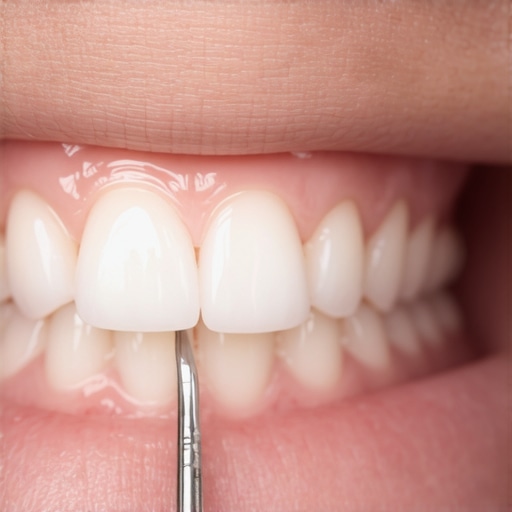
I’ll never forget the feeling of my tongue hitting that sharp, jagged edge right in the middle of a Friday night dinner. I’d just bitten into a piece of artisanal sourdough, and snap—there went a tiny piece of my smile. My first thought was a full-blown panic attack about getting a massive, expensive cap. I spent the rest of the night hiding my mouth behind my hand, convinced everyone was staring at the imperfection. It felt like the end of the world, or at least the end of my confidence. But here’s the secret I learned after a few frantic calls to my dentist: you don’t always need to go the nuclear route. [image_placeholder]
Stop Panicking and Skip the Full Crown
If you’re currently running your tongue over a rough spot, take a deep breath. We often think a chip means a major overhaul, but there are plenty of ways to fix a jagged tooth edge without getting a full crown. When I first started obsessing over family dentistry and oral health, I made a huge mistake—I actually considered using a nail file to smooth it out myself. Please, don’t do that! It’s a recipe for permanent enamel damage and sensitivity. Today, we’re going to walk through the actual, professional alternatives that save your natural tooth structure and your bank account. Whether it’s dental bonding or a simple re-contouring, you have options that don’t involve hours in the chair or the heavy price tag of dental crowns. Have you ever looked in the mirror after a minor mishap and felt like your whole look was ruined by one tiny chip?
Will a quick fix actually stay put?
It’s the number one thing people ask me. They worry that anything less than a crown is just a temporary band-aid that will pop off the next time they eat an apple. While it’s true that composite bonding isn’t as indestructible as a diamond, the American Academy of Cosmetic Dentistry notes that modern bonding materials are designed to withstand significant pressure and can last up to a decade with a proper oral health routine. The key is knowing which method fits the size of your chip. We aren’t just slapping some plastic on there; we are strategically restoring the shape. By the time we’re done here, you’ll know exactly what to ask your dentist so you can get back to smiling without that annoying sharp edge.
Reshape Your Smile with Simple Odontoplasty
If your chip is barely visible but feels like a razor blade against your tongue, you likely do not need a major procedure. Dentists use a technique called odontoplasty, which is essentially a professional reshaping of the tooth. Think of it as a high-precision manicure for your enamel. My dentist used a tiny, fine-grit diamond bur to smooth out my sourdough-induced disaster in under fifteen minutes. No numbing was required because we were only working on the outermost layer of the enamel. This is a fantastic alternative for those who are not ready for dental crowns and just need a quick cosmetic fix. It preserves your natural tooth structure and, quite frankly, feels like magic once that irritating sharp point is gone. Just remember that once enamel is removed, it does not grow back, so your dentist will be very conservative with the sanding.
How Composite Bonding Saves Your Natural Tooth
When the chip is too big to just sand down, we move into the world of additive dentistry. Dental bonding is the most common way to fix a jagged tooth edge without getting a full crown. The process is fascinating: the dentist roughens the tooth surface slightly and applies a tooth-colored resin that matches your shade perfectly. 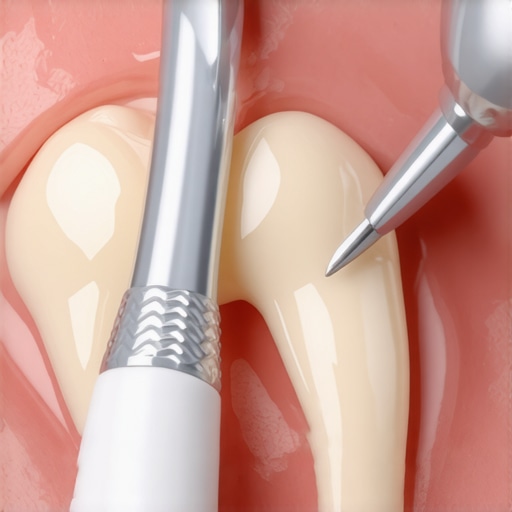 I once watched a colleague get this done after a gym accident involving a wayward dumbbell. The dentist sculpted the resin right onto the tooth, cured it with a blue light, and polished it until it looked exactly like the original. It is a great way to avoid the invasiveness of ceramic crowns for the front teeth. To keep the bonding looking sharp, you really have to stay on top of your regular teeth cleaning because the resin can pick up stains from coffee or red wine more easily than your natural teeth.
Stop the Sharp Pain with a Temporary Home Fix
If you are stuck at home and cannot get to the office immediately, there are ways to manage. I remember a weekend hiking trip where my cousin chipped a tooth on a trail mix nut. We were miles from civilization, and the sharp edge was cutting his cheek. While you should never try to file it down yourself, knowing how to fix a sharp edge on a chipped tooth at home temporarily can save you a lot of misery. You can use dental wax—the kind used for braces—to cover the jagged part so it does not tear up your soft tissue. It is not a permanent solution, but it buys you time until you can get a professional repair and a proper teeth cleaning session.
Why a Little Maintenance Goes a Long Way
Even after a repair, you need to be mindful of how you treat your teeth. You might experience some minor sensitivity after getting a new dental crown or even after a bonding session. This is normal. The key is to maintain a rigorous oral health routine. I learned the hard way that biting my nails after getting a tooth bonded was a fast track to a second repair bill. Treat your bonded teeth like you would a piece of fine china—durable enough for daily use, but not meant for heavy-duty prying or crunching on ice. Modern materials are strong, but they are not invincible, and keeping them clean is the only way to ensure the transition between the tooth and the resin stays invisible.Let’s dig a little deeper into the things your dentist might not have time to explain during a ten-minute checkup. While we all know the drill—brush, floss, repeat—there is a massive misconception that ‘cleaner is always better.’ In fact, one of the most common mistakes I see people make in the quest for a perfect smile is becoming far too aggressive with their home care. Everyone thinks using charcoal powder or whitening pastes is a shortcut to a Hollywood look, but the truth about charcoal toothpaste and long-term enamel wear is that you are essentially using sandpaper on your teeth. The American Dental Association (ADA) uses the Relative Dentin Abrasivity (RDA) scale to measure this, and many ‘natural’ trends sit far above the safe limit. If you strip away that protective layer, you aren’t just making your teeth sensitive; you’re making it impossible for repairs like bonding to hold onto a healthy foundation.
Why Your Pursuit of Squeaky Clean Teeth Might Backfire
Most patients assume that if their gums bleed during a cleaning, the hygienist is being too rough. In reality, that sensitivity often stems from the tools finally reaching plaque that has been sitting there for months. However, there is a legitimate ‘trap’ to avoid: the misuse of high-tech gadgets. The common mistake you are making with your water flosser is likely the pressure setting or the angle of the stream. If you blast water directly into the gum pocket at maximum power, you can actually push bacteria deeper into the tissue rather than flushing it out. This is why a family dentistry focus building a lifetime of healthy smiles requires learning the technique, not just buying the most expensive tool on the shelf. 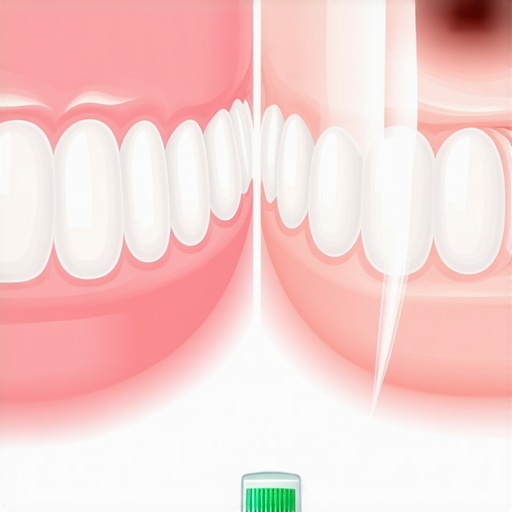
Can a simple crown actually fix your chronic jaw pain?
It sounds counterintuitive, but a crown is about much more than just covering a chip. Most people think of it as a cosmetic cap, but the nuance lies in occlusion—the way your upper and lower teeth meet. When a tooth is jagged or worn down, it shifts your entire bite out of alignment. I’ve seen cases where a single, well-placed restoration did more than improve a smile; it functioned as a way how a dental crown can restore your bite alignment, effectively stopping the cycle of tension headaches and jaw fatigue. If you’ve ever noticed that your dental crown feels like it has a click when you bite, it’s a sign that the alignment is slightly off, which can lead to larger structural issues down the road.
Don’t Ignore the Dark Line Around Your Gums
Another major nuance involves the materials used in your restoration. People often settle for the cheapest option without realizing that not all crowns are created equal. You might have noticed why some crowns look like real teeth while others have a dark line at the gum line—this usually happens with porcelain-fused-to-metal (PFM) crowns as the gums naturally recede over time. Understanding these technical differences is what separates a ‘fix’ from a long-term investment. Have you ever fallen into the trap of choosing the quickest, cheapest repair only to regret it a year later? Let me know in the comments if you’ve experienced the ‘clicking’ or if you’ve struggled with enamel wear from those trendy whitening products! Staying informed is the only way to ensure your expert advice on crowns and teeth cleaning for lasting results actually pays off in the long run.If you’re serious about keeping your dental work intact, you need to stop thinking about a toothbrush as just a stick with bristles. I personally swear by the Philips Sonicare 9900 Prestige. It isn’t just about the vibration; it’s about the AI-driven pressure sensor that literally pulses when you press too hard. If you’ve invested in dental bonding or crowns, being too aggressive is the fastest way to cause gum recession, which leads to that ugly dark line we talked about. This is why soft-bristled brushes are the only ones that should touch your gums, as any veteran dental hygienist will tell you. We need to move away from the ‘scrubbing’ mentality and toward ‘massaging’ the plaque away. One tool that changed my life—and my bank account—is a custom night guard. If you’re a stress-grinder like me, you are putting hundreds of pounds of pressure on your teeth every night. This is exactly why we recommend zirconia for patients who grind their teeth; the material is incredibly resilient, but it can still wear down your opposing natural teeth if you aren’t careful. According to the renowned prosthodontist Dr. Gordon Christensen in his Clinicians Report, zirconia has become the modern go-to for its incredible fracture resistance, but its success depends entirely on the patient’s long-term habits. Don’t skip the protection. Learning the proper way to clean a night guard so it doesn’t smell is a small price to pay for protecting a five-figure investment in your mouth. 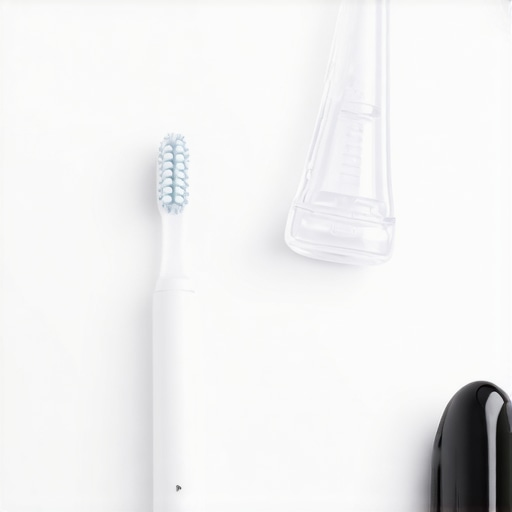
How do I maintain my dental restorations over time?
The secret isn’t a magic potion; it’s consistency and knowing what to avoid. You need to focus on maintaining your dental crowns dos and donts for best results, which means no chewing ice and no using your teeth as tools to open packages. I always tell my friends that your oral health routine strengthening your smile every day is the most profitable ‘stock’ you can own. Beyond the brush, make sure you are looking for the best way to clean plaque from under a dental bridge or crown—usually using a specialized floss threader or a dedicated interdental brush like a TePe. These small tools reach the areas where standard floss fails, preventing the decay that often hides at the margin of a restoration. Looking forward, I predict we are going to see a massive shift toward at-home diagnostic tools. We are already seeing AI-powered apps that can scan your photos for early signs of inflammation. In a few years, your family dentistry focus building a lifetime of healthy smiles will likely involve a monthly digital scan you do on your phone to catch chips before they become cracks. For now, your best bet is sticking to expert advice on crowns and teeth cleaning for lasting results. If you haven’t upgraded your flossing game yet, my challenge to you is this: switch to a high-quality water flosser for one week and watch the inflammation vanish. You’ll never go back to the string.
What I Finally Realized After Years of Chasing the Perfect Smile
After talking to countless specialists and going through my own dental journey, I’ve had a few lightbulb moments that I wish I had known sooner. First, that tiny chip you think is just a cosmetic annoyance is often a signal that your bite alignment is off. Ignoring it isn’t just about aesthetics; it’s about preventing future jaw pain. Second, I’ve learned that the transition between your tooth and a repair is the most vulnerable spot. This is why expert advice on crowns and teeth cleaning for lasting results emphasizes the margin—the area where the restoration meets the gum. If you don’t keep that area pristine, even the most expensive work will fail. Lastly, don’t be swayed by every natural trend you see on social media. I’ve seen more damage from the truth about charcoal toothpaste and long-term enamel wear than from years of drinking coffee or wine combined.
My Personal Kit for a Lifetime of Healthy Enamel
I don’t recommend products lightly, but these three items have genuinely saved my teeth from further damage. To start, a high-quality electric brush with a built-in pressure sensor is non-negotiable because soft-bristled brushes are the only ones that should touch your gums if you want to avoid recession and the sensitivity that comes with it. I also swear by specialized interdental brushes for cleaning the tight spaces around bonding or bridges where standard floss often misses. Finally, I always check the RDA scale for my toothpaste to ensure I am not accidentally sanding down my enamel. Your oral health routine strengthening your smile every day is only as good as the tools you use, so invest in quality over quantity.
Your Smile Deserves the Best Protection
At the end of the day, your teeth are the only ones you get, and protecting them is a marathon, not a sprint. Whether you decide to fix a jagged tooth edge without getting a full crown or opt for a complete restoration, the goal is always to preserve your natural strength while feeling confident. Take that first step and talk to your provider about a family dentistry focus building a lifetime of healthy smiles. You’ll be amazed at how much your confidence grows once that nagging jagged edge is finally a thing of the past. Have you ever had a minor dental mishap that turned into a major learning experience? Let me know in the comments below!