
I still remember the sickening sound of a “friendly” elbow meeting my front tooth during a casual soccer match. It wasn’t just the pain; it was the immediate realization that my smile was about to become very expensive. I had spent years on a meticulous oral health routine only to gamble it all on a $5 mouthguard I bought at a gas station. That little piece of plastic did absolutely nothing when the impact came. I ended up needing a series of visits for crowns and teeth cleaning to get things back to normal. Today, I want to make sure you don’t make the same mistake I did. We are going to dive into why proper protection is non-negotiable and how to choose the right gear so you can play hard without fearing the dentist’s chair.
Get Real About the Risks of the Weekend Warrior Life
We often think of dental injuries as something that only happens to pro hockey players or MMA fighters. But the truth is, most of the “dental disasters” I see happen during local pickup games or even a rough game of tag with the kids. When I first started out, I thought my reflexes were fast enough to avoid any real damage. I was wrong. According to the American Dental Association, athletes are 60 times more likely to suffer harm to the teeth when they are not wearing a mouthguard. Think about that for a second. By skipping out on real protection, you are basically inviting a dental emergency. It’s not just about the missing tooth; it’s about the potential for restoring your dental confidence after a traumatic injury. Plus, if you’re refueling with the wrong stuff, you might be doubling the damage. I’ve learned that the hidden sugar in sports drinks can weaken your enamel over time, making your teeth even more prone to chipping during a sudden collision. Have you ever had a close call on the field where you felt your teeth rattle?
Will a fancy guard really make a difference?
This is the big question I get from neighbors and teammates all the time. They wonder if a custom-fit piece is just a marketing gimmick or if they can get away with the cheap stuff. I used to be a skeptic too, until I realized that the common “boil-and-bite” versions often don’t stay in place when you actually need to breathe or speak. A guard that sits in your gym bag because it’s uncomfortable is a guard that provides zero protection. If you’ve already invested in your smile, perhaps through modern smile makeovers, the last thing you want is a preventable accident sending you back to square one. Trust me, spending a bit more now on a high-quality guard is much better than figuring out what to do if your dental crown falls out in the middle of a game. We’re going to look at how a simple piece of gear can prevent a lifetime of dental headaches.
Stop Settling for Gas Station Protection
Choosing a mouthguard at a convenience store is like buying a helmet made of cardboard; it might look the part, but it fails exactly when the pressure is on. I learned this the hard way when my $5 boil-and-bite guard shifted during a slide, leaving my front tooth exposed to a stray boot. The best way to secure your smile is to opt for a custom-molded guard from a professional. Within the realm of family dentistry focus building a lifetime of healthy smiles, a custom guard is designed to distribute the force of an impact across your entire jaw rather than concentrating it on one or two teeth. Think of it as a high-end shock absorber for your face. When you have a guard that actually fits the unique architecture of your mouth, you can breathe easier and communicate with your teammates without the plastic flopping around. 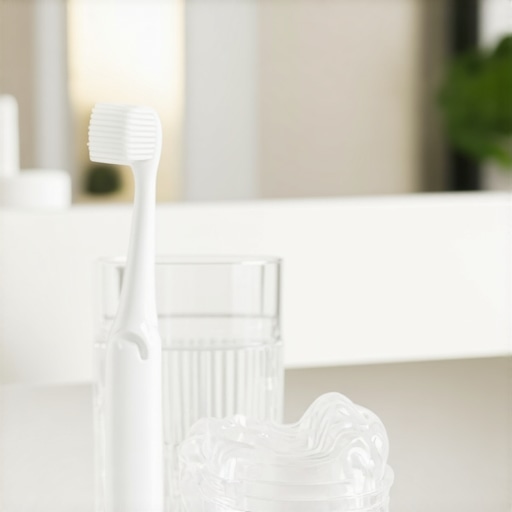
Bacteria Loves Your Plastic Gear
Most people toss their mouthguard into a dark, damp gym bag and forget about it until the next game. This is a recipe for a localized bacterial explosion. If you are already diligent about your teeth cleaning secrets effective home practices for family dental health, don’t ruin that progress by putting a germ-laden piece of plastic back into your mouth. I once developed a nasty gum infection because I went three weeks without properly sanitizing my gear. Every time you finish a session, rinse the guard in cool water and use a soft-bristled brush with non-abrasive soap. Store it in a ventilated case to let it dry out completely.
Don’t Ignore the Micro-Cracks After a Hit
Sometimes you take a hit and everything feels fine initially. No blood, no immediate wiggle. However, internal damage can be stealthy. Last summer, a friend of mine took a hard fall during a trail run. He didn’t think twice about it until he noticed a dull ache three days later. It turns out he had a hairline fracture that was slowly letting bacteria into the pulp. If you experience any trauma, you need to check for signs that you might need to know how to fix a small chip in your front tooth without a full crown. Catching these tiny issues early prevents them from turning into massive fractures that require expensive restorative work.
Keep Your Crown from Becoming a Projectile
If you already have existing dental work, you are playing a different game. A heavy blow can dislodge restorations if they aren’t properly protected. You should be specifically looking for ways on how to prevent your crown from popping off while eating or during high-intensity clenching. When we compete, we tend to grit our teeth, which puts immense lateral pressure on crowns. A well-fitted guard acts as a buffer, ensuring that your jaw muscles don’t accidentally shear off a porcelain restoration during a heavy lift or a fast sprint. I always tell my teammates that the guard isn’t just for the ‘other guy’s’ elbows—it’s to protect you from your own physical intensity.
Many of my friends and teammates think that as long as their teeth look white in a selfie, their oral health is in the clear. This is probably the biggest misconception in modern dentistry. We have been conditioned to equate ‘white’ with ‘healthy,’ but some of the most dangerous issues happen beneath the gum line where a toothbrush cannot reach. I have seen patients with sparkling white veneers who were simultaneously battling significant bone loss because they skipped their professional cleanings. Understanding the impact of regular teeth cleaning on overall oral wellness goes way beyond aesthetics; it is about preventing systemic inflammation that can affect your heart and lungs. According to the American Academy of Periodontology, nearly half of adults over 30 suffer from some form of gum disease, many of whom are completely asymptomatic until the damage is severe.
Stop Brushing Like You Are Scrubbing a Tile Floor
One of the most common ‘oops’ factors I encounter is the belief that more pressure equals a cleaner mouth. I have had to explain countless times why your dentist wants you to stop using hard bristles. You are not scrubbing grout in a shower; you are cleaning delicate biological tissue. Aggressive brushing with hard bristles actually saws away at your enamel and pushes your gums back. This recession is irreversible without surgical intervention. If you have been ‘scrubbing’ for years, you might find that the truth about how long a porcelain crown actually lasts before replacement is much shorter than you hoped, as recession exposes the vulnerable margins where the crown meets the tooth.
The Great Charcoal Deception
Then there is the ‘natural’ trap. I see so many people switching to charcoal-based products thinking they are doing their bodies a favor. In reality, the abrasive nature of these pastes can act like sandpaper on your teeth. I always warn my readers about the truth about charcoal toothpaste and long-term enamel wear. Once that enamel is gone, it does not grow back. You are essentially trading a temporary whitening effect for a lifetime of tooth sensitivity and potential structural failure. If you want to brighten your smile, stick to professional methods that protect the integrity of your teeth.
Why some crowns look like real teeth while others have a dark line?
This is a nuance often missed during initial consultations and it usually identifies an older style of dental work. That dark line at the gum line is typically the metal substructure of a porcelain-fused-to-metal (PFM) crown showing through as the gums naturally shift or recede. Modern dentistry has moved toward all-ceramic or zirconia options that mimic the natural translucency of light. However, even the most expensive material will not save your investment if you are not caring for crowns with essential tips for longevity and shine. People often assume a crown is ‘set it and forget it,’ but the natural tooth structure underneath is still susceptible to decay if the seal is compromised. 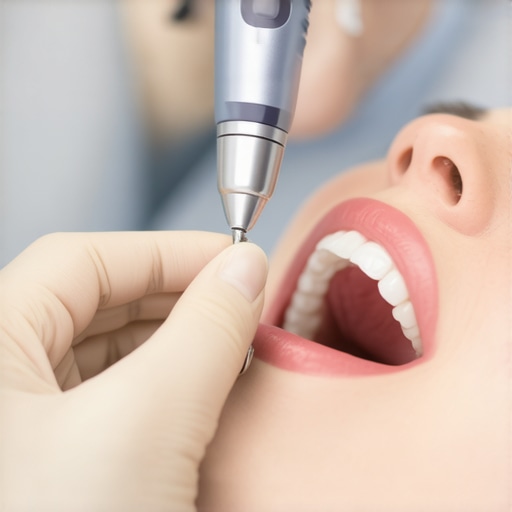
The Real Reason for That Professional Scaling
Most people view a professional scaling as an optional ‘deep clean,’ but it is actually a vital preventative measure against bone loss. When plaque hardens into tartar (calculus) below the gum line, it becomes a biological splinter that your body tries to reject by pulling the bone away. Knowing how often you actually need a professional scaling to prevent bone loss is the real secret to keeping your natural teeth well into your eighties. It is about removing the stuff you simply cannot see or reach at home. Have you ever fallen into this trap of over-brushing or trying a ‘natural’ trend that backfired? Let me know in the comments.
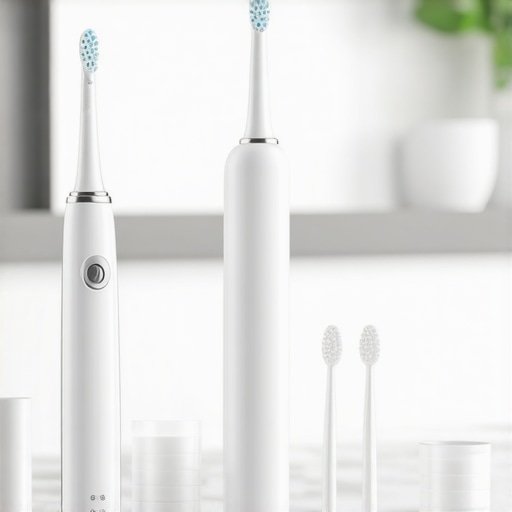
I used to think my manual toothbrushing technique was flawless until my dentist showed me a plaque map of my own mouth. It was a wake-up call that led me to overhaul my entire kit. When you are serious about your health, you stop treating your dental gear like an afterthought. I’m a huge advocate for the transition to electric, specifically models with oscillating-rotating heads. A 2014 systematic review by the Cochrane Library found that these specific types of brushes provide a modest but statistically significant reduction in plaque and gingivitis compared to manual brushing over both short and long terms. I personally use a brush with a visible pressure sensor because, as I mentioned before, it’s far too easy to scrub your gums into recession without realizing it.
Ditch the String for a Water Flosser
If you find traditional flossing tedious, you aren’t alone, but skipping it isn’t an option if you want to follow the oral health tips every family should follow in 2025. I made the switch to a high-powered water flosser three years ago, and the difference in my gum health was immediate. The pulsation doesn’t just knock food loose; it flushes out the bacteria that hide in deep pockets where string flossing can’t reach. This is especially vital if you have dental work, as you need to be maintaining your dental crowns dos and donts for best results. For those with permanent retainers or bridges, a water flosser is practically a requirement to prevent decay from setting in around the hardware.
How do I maintain my dental work over the long haul?
Consistency is the boring truth behind every beautiful smile you see. Maintaining your crowns and natural teeth requires a multi-layered approach. First, stop using your teeth as tools—no opening packages or biting nails. Second, if you have any history of clenching, realize that how a simple night guard can save you thousands in future dental work is not an exaggeration. The sheer force of nocturnal grinding can shear through porcelain over time. I wear mine every single night without fail. Finally, ensure you are getting expert advice on crowns and teeth cleaning for lasting results by keeping your bi-annual appointments. These visits are the only way to verify that the margins of your crowns remain sealed and healthy.
The Future of Personalized Dental Care
I predict we are moving toward a world where your toothbrush doesn’t just buzz—it analyzes. We are already seeing the beginning of AI-integrated brushes that track your coverage in real-time, but soon, I expect we will have at-home microbiome testing kits that tell you exactly which strains of bacteria are dominant in your mouth. This will allow for highly personalized toothpaste and probiotic recommendations. Until then, you need to be diligent about caring for crowns with essential tips for longevity and shine, which includes avoiding staining agents like turmeric or heavy tobacco use that can dull the luster of your restorations. My challenge to you today: swap out your manual brush for a pressure-sensing electric model this week and pay close attention to how much more ‘glassy’ your teeth feel after the first use. Your gums will thank you a decade from now.
Lessons from a Decade of Dental Near-Misses
One of the biggest eye-openers for me was realizing that a perfect oral health routine isn’t a permanent shield against physical trauma. You can have the strongest enamel in the world, but physics doesn’t care. I’ve learned that the ‘it won’t happen to me’ mindset is the most expensive mistake you can make. Another lightbulb moment was seeing how my gums reacted when I finally committed to a family dentistry focus building a lifetime of healthy smiles. It’s not just about filling cavities; it’s about the structural integrity of your entire jaw. I used to think a slightly loose guard was ‘fine,’ but that tiny play in the fit is exactly where the damage happens during a sudden collision. I also realized that the impact of regular teeth cleaning on overall oral wellness acts like a shock absorber for your system, keeping your gums strong enough to hold your teeth in place even when things get rough.
My Non-Negotiable Kit for Game Day
If you are serious about keeping your teeth, you need a toolkit that matches your intensity. I personally rely on these three essentials: First, a professional custom-fit mouthguard. Don’t even look at the ones in the plastic bins at the store. Second, I swear by a water flosser for maintaining your dental crowns dos and donts for best results. It gets into the nooks that traditional floss misses after a high-impact game. Finally, I keep a dedicated ’emergency’ dental kit in my gym bag, which includes the contact information for my dentist and a small container for a dislodged tooth. Knowing expert advice on crowns and teeth cleaning for lasting results is vital, but having a plan for when things go wrong is what saves you from a permanent gap in your smile. I also recommend checking out these oral health tips every family should follow in 2025 to ensure your gear and habits are up to date.
Play Hard But Protect Your Progress
At the end of the day, your smile is one of your most valuable assets. It’s how you greet the world and how you enjoy your favorite meals. Don’t let a single moment of negligence or a cheap piece of plastic ruin years of meticulous care. Whether you are hitting the gym or the soccer field, remember that consistent maintenance creates a foundation that can withstand a lot more than you think—if you give it the right support. #IMAGE_PLACEHOLDER_E# You’ve worked hard for your dental health; make sure you’re playing just as hard to keep it. Have you ever had a sports-related dental scare or a crown that felt a bit loose during a game? Let me know your story in the comments below!