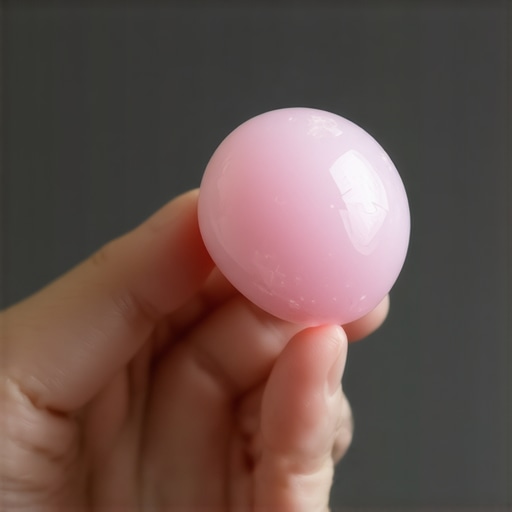
I remember sitting on my back porch, enjoying a piece of peppermint gum, when I felt a sudden, sharp crunch that definitely wasn’t supposed to be there. It was that sinking, metallic realization: my filling had just checked out. I stared at the tiny silver lump in my palm and felt that immediate wave of panic. My first instinct was to poke the hole with my tongue—don’t do that, by the way—and I spent the next hour spiraling about whether I’d need a full-blown root canal by morning. I’ve been there, and I know exactly how vulnerable that exposed nerve makes you feel. Today, I’m going to show you exactly how to manage this dental hiccup without losing your cool or your tooth. We’ll talk about immediate first aid and how to keep the area clean so a minor toothache doesn’t become a major emergency.
Stop the Panic and Protect Your Exposed Tooth Right Now
The very first thing I did wrong during my ‘gum incident’ was trying to keep chewing on the other side. That’s a recipe for disaster because you’re likely to shove bacteria or food debris right into the cavity. If you just lost a filling, the clock is ticking to protect the sensitive dentin underneath. Start by gently rinsing your mouth with warm salt water to clear out any stray bits of gum or old filling material. If you can find the piece that fell out, keep it; though, unlike when a dental crown falls out while eating, a filling usually can’t be popped back in. It’s more about showing your dentist what happened. Have you ever had that sudden ‘gap’ feeling and wondered if you could just ignore it for a week? (Spoiler: You really shouldn’t).
Is a missing filling really a dental emergency?
You might be tempted to think that if it doesn’t hurt, it isn’t a big deal. I made that exact mistake early on, thinking my tooth was ‘tough enough’ to handle a few days of exposure. I quickly learned that an unprotected tooth is essentially an open door for decay. According to the American Dental Association, fillings usually fail because of new decay forming underneath the restoration, which weakens the bond. This means the hole is likely deeper than you think. To bridge the gap until you can get into family dentistry care, you can use a tiny dab of dental wax or even temporary filling material from a drugstore. It’s not a permanent fix, but it keeps the air and sugar away from the nerve. I once tried to use sugarless gum as a temporary plug—huge mistake. It just got stuck and made the eventual cleaning much more painful. Stick to the stuff actually meant for teeth. We need to focus on oral health tips that prevent the underlying decay from getting worse while the tooth is vulnerable. If you’re feeling a bit of a zing, you might even be dealing with sensitivity to cold air, which is totally normal but incredibly annoying. Let’s get into the practical steps of cleaning the area without causing a flare-up.
Clear the Debris Before Things Get Messy
To start, you need to be a bit of a detective. Grab a flashlight and a mirror—yes, you will look slightly ridiculous, but you need to see the extent of the damage. I once tried to ‘feel’ my way through a lost filling with a toothpick and ended up stabbing my gums so hard they bled for ten minutes. Learn from my clumsiness: visibility is everything. Once you can see the cavity, use a soft-bristled brush or a gentle rinse. Think of this as clearing a construction site before you pour the foundation; if there is debris left behind, the patch won’t stick. You should definitely use the salt water trick that calms gum inflammation in minutes. It is a natural disinfectant that keeps the area from swelling up while you are waiting for your appointment. Avoid using high-pressure water flossing tools directly on the hole, as the force can actually irritate the nerve further.
Seal the Gap with a Temporary Shield
You cannot leave that nerve exposed to the elements. Imagine leaving your front door wide open during a blizzard—that is what cold air feels like to an exposed tooth nerve. This is where a temporary repair kit comes in. You can find these at almost any pharmacy. They usually contain a zinc oxide material that hardens when it hits your saliva. If you are caught without a kit, a small piece of sugarless dental wax is your best friend. When I was hiking and lost a piece of my molar, that tiny bit of wax was the only thing that allowed me to finish the trail without crying every time I took a breath. This is not a permanent fix, but it is how you fix a sensitive tooth flare-up before your next appointment. Roll the material into a small ball and press it firmly into the cavity, then bite down gently to ensure it does not sit too high and interfere with your bite. 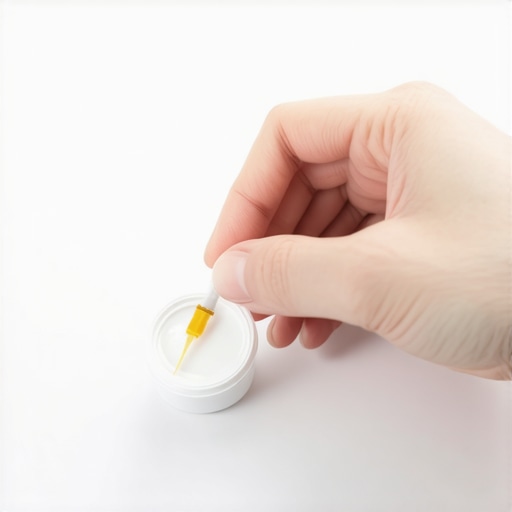
Why Your Old Metal Filling Failed You
It is worth asking why that filling decided to jump ship in the first place. Often, it is not just bad luck. Metal fillings, especially older silver ones, expand and contract with temperature changes—think hot coffee followed by ice water. Over time, this stress can cause the tooth structure to buckle. You might actually be dealing with a situation where your old metal fillings are cracking your teeth from the inside. If the tooth has cracked, a simple replacement filling might not cut it anymore. This is often when dentists start understanding the role of crowns in modern smile makeovers as a way to hold the remaining tooth together and prevent a full fracture.
Stick to Your Routine Even When It Hurts
It is incredibly tempting to stop brushing the area because it is tender, but that is the worst thing you can do. Plaque does not care if your tooth is broken; it will move into that new ‘room’ and start causing decay immediately. You need to keep up with your oral health routine, but with a gentler touch. Focus on teeth cleaning secrets like using lukewarm water instead of cold to avoid the ‘zing.’ If you can keep the site clean and sealed, you turn a potential disaster into a manageable afternoon at the dentist. Remember to chew on the opposite side of your mouth and avoid sticky foods like gummy bears or hard crusty bread that could easily pull your temporary patch right out.Let’s dig a little deeper into why these things actually happen because, honestly, the ‘sticky candy’ explanation is usually just the final straw. Most people believe a filling falls out because the glue simply gave up, but that is a major misconception. In reality, the bond between your tooth and the filling material is incredibly strong. When it fails, it is usually because the tooth structure itself has shifted or micro-cracks have formed over years of chewing. If you have been living with older restorations, you might find that your old metal fillings are cracking your teeth from the inside, essentially pushing the tooth apart until the filling has no choice but to pop out.
Stop Scrubbing Your Teeth Like You Are Cleaning a Garage Floor
One of the biggest mistakes I see people make once they realize a filling is missing is trying to ‘sterilize’ the hole with aggressive brushing. They grab the stiffest brush they can find and go to town. This is a massive ‘oops’ factor. You are not cleaning the tooth; you are likely abrading the sensitive dentin and irritating the pulp. This is exactly why your dentist wants you to stop using hard bristles, especially when a tooth is already compromised. If you add a ‘natural’ abrasive like charcoal to the mix, you are just accelerating the wear. I’ve seen patients who thought they were being proactive, but the truth about charcoal toothpaste is it might be ruining your enamel and making that cavity much harder to fill later.
Does a missing filling always lead to a root canal?
This is the advanced question that keeps most people up at night. The answer depends on the ‘leakage’ factor. A study published in the Journal of Oral Rehabilitation highlights that even a microscopic gap can allow enough bacteria through to inflame the pulp. If you catch it while it is just a sensitivity to cold air, you are likely in the clear for a simple replacement. However, if you wait until there is a dull, throbbing ache, the bacteria have likely reached the nerve. This is where understanding the role of crowns in modern smile makeovers becomes vital. A crown doesn’t just fill a hole; it encapsulates the tooth to prevent it from splitting under the 200-plus pounds of pressure your jaw generates during a meal. 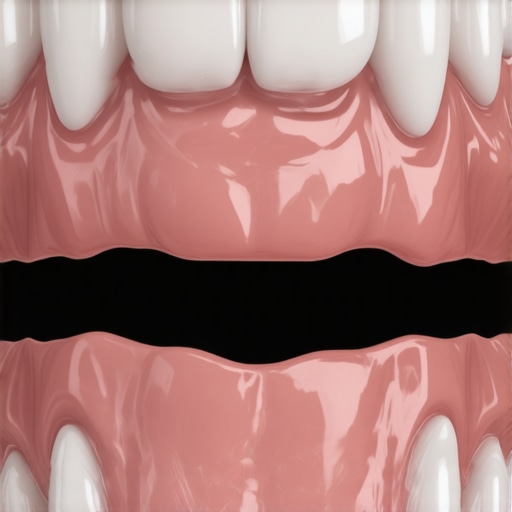
The Trap of the Quick Home Fix
I have to warn you about the ‘superglue trap.’ It sounds ridiculous, but in a moment of panic, people try some wild things. You should never use superglue to fix a broken dental bridge or a lost filling. The chemicals are toxic to the tooth pulp and can cause the very nerve death you are trying to avoid. Instead, focus on professional-grade expert advice on crowns and teeth cleaning to keep the rest of your mouth stable. If the tooth is too far gone for a new filling, your dentist might suggest a more durable material, which is why gold is still one of the most durable materials for back crowns despite all the high-tech ceramics available today. Have you ever fallen into the trap of waiting too long because the pain went away? Let me know in the comments, and let’s talk about how to get your oral health routine back on track before your next appointment.I used to think a basic toothbrush and a prayer were enough, but once you start investing in high-quality restorations, the stakes get much higher. I’ve transitioned to using a high-end sonic toothbrush specifically because of the fluid dynamics; the micro-bubbles it creates can actually reach 2-3 millimeters beyond where the bristles physically touch. This is a game-changer for those tight margins where a crown meets the gum line. If you are still using a manual brush, you are essentially trying to clean a modern engine with a wet rag. You need tools that work as hard as your dentist does.
Stop Brushing Like a Caveman and Upgrade Your Gear
My personal daily kit isn’t about being fancy; it’s about mechanical efficiency. I use a brush with a built-in pressure sensor because, as I’ve learned the hard way, your dentist wants you to stop using hard bristles and heavy pressure. Over-brushing is a leading cause of gum recession, which eventually exposes the sensitive root and the edge of your fillings. I also swear by interdental brushes—specifically the TePe brand with the angled heads—because they grab biofilm that floss simply glides over. This is one of those teeth cleaning secrets that separates people who get cavities every year from people who don’t. 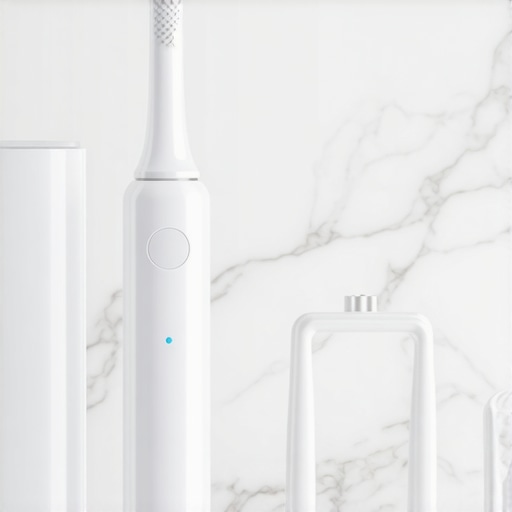
Why the RDA Index is the Most Important Number You Have Never Heard Of
When you are maintaining expensive dental work, you have to be obsessive about what is in your toothpaste. I follow the ISO 11609 standard, which measures the Relative Dentin Abrasion (RDA) of toothpaste. I never use anything with an RDA over 70. Many popular whitening toothpastes rank at 150 or higher, which is essentially like using liquid sandpaper on your enamel. Over time, this grit wears down the seal of your crown, leading to a ‘leak’ that requires a full replacement. If you want to protect your investment, look for a low-abrasive paste and a solid oral health routine that prioritizes chemical protection over physical scrubbing. This is especially true when caring for crowns in the front of your mouth where aesthetics are everything.
How do I ensure my new crown survives the next ten years?
The secret is managing the force your jaw exerts while you sleep. I didn’t realize I was a ‘clencher’ until my third filling popped out in two years. Now, I never go to sleep without a custom-fit night guard. According to a 2024 study in the Journal of Adhesive Dentistry, nocturnal bruxism (grinding) is the primary cause of ceramic crown fatigue and fracture. I’ve found that how a simple night guard can save you thousands in future dental work isn’t just hyperbole; it is a literal shield for your smile. Beyond that, you need to understand the impact of regular teeth cleaning on overall oral wellness. A professional hygienist can reach the tartar that has mineralized and become ‘bonded’ to your crown’s margin—something your brush at home can’t touch. I predict that in the next few years, we’ll see more ‘smart’ crowns with embedded sensors that can detect pH changes in real-time, but for now, we have to do the work manually. To keep things in top shape, stick to maintaining your dental crowns by avoiding ice-chewing and sticky taffy. My advanced tip for you: Try using a water flosser filled with a 50/50 mix of warm water and an alcohol-free mouthwash. Use it on the lowest setting to flush out the ‘sulcus’—the tiny pocket of gum around your tooth—to keep the bacteria count at near zero. Don’t wait until you see a dark line near the gum; be proactive with your oral health tips today.
Three Hard Lessons I Learned While Chasing Dental Perfection
Looking back at my own dental saga, there are a few things I wish someone had whispered in my ear the moment that filling popped out. First, keeping the site dry is the secret to any temporary patch; if your saliva touches the tooth right before you apply the wax, it won’t bond effectively. Second, never assume a lack of pain means a lack of a problem. Bacteria move into those crevices within hours, which is why you need to understand how to stop a minor toothache from becoming a major emergency before the nerve gets involved. Lastly, your family dentistry team is your best resource—call them immediately, even if it is after hours, just to leave a message and secure the first available slot.
My Personal Arsenal for Protecting Every Tooth
I’ve spent a small fortune learning which tools actually work and which ones are just clever marketing. To keep your restorations intact, I recommend focusing on these essentials: TePe Interdental Brushes are far superior to traditional floss for cleaning the margins of crowns and large fillings. For emergencies, DenTek Temparin Max is the most reliable drugstore temporary filler I have found; it holds up surprisingly well during light meals. If you are a clencher, custom night guards are the only way to avoid maintaining your dental crowns through expensive and repetitive replacements. Finally, stick to low-abrasion toothpaste to protect your enamel and the seal of your current dental work.
Your Path Back to a Pain-Free Life
A missing filling feels like a crisis in the moment, but it’s really just a prompt to give your mouth the attention it deserves. Whether you end up needing a simple replacement or discover how crowns can transform your dental confidence, the goal is long-term stability. Take the lessons you have learned here and apply them to your daily oral health tips and routines. Don’t underestimate the impact of regular teeth cleaning on overall oral wellness. You’ve got this—just keep the area clean, keep your head up, and get to the dentist as soon as possible. Have you ever tried to DIY a dental fix only to have it backfire? Let me know in the comments below!