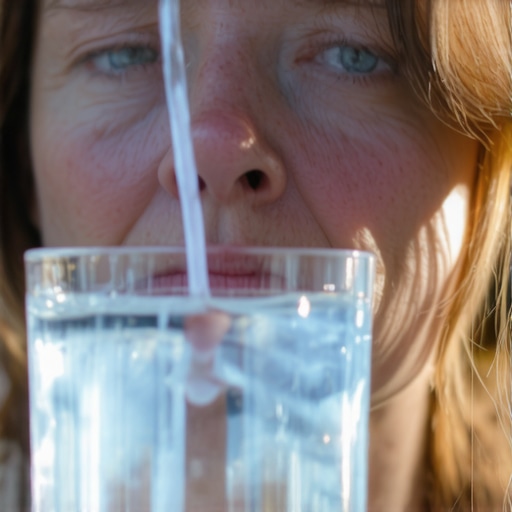
My mouth felt like a desert. Not just a bit thirsty. I mean the kind of dry where your lips stick to your teeth in a grimace you didn’t intend. I remember waking up at 3 AM, my tongue practically glued to the roof of my mouth, feeling like I’d been wandering the Sahara for a week. For months, I thought it was just a weird side effect of a new pillow or maybe my allergies. It wasn’t until I sat down for my regular teeth cleaning that my dentist dropped the ‘M-word’: menopause. It turns out, those fluctuating hormones don’t just cause hot flashes; they can absolutely wreck your oral environment. Today, I’m going to share exactly how I reclaimed my comfort and why you don’t have to suffer through the ‘sandpaper tongue’ phase of life.
Why Your Body Suddenly Stops Making Spit
Saliva is the unsung hero of your mouth. It’s not just ‘spit’; it’s a mineral-rich bath that protects your teeth. When our estrogen levels take a nosedive, our mucous membranes—including the ones in our mouth—tend to dry out. This isn’t just a nuisance. According to the Mayo Clinic, this lack of moisture, known as xerostomia, can lead to a rapid increase in plaque and a much higher risk of gum disease because you no longer have that natural rinse-cycle happening. I’ll be honest, I made a huge mistake early on. I reached for a popular, minty-fresh mouthwash to try and ‘refresh’ my mouth, not realizing it was packed with alcohol. I was essentially pouring gasoline on a fire. If you’re struggling right now, the first thing you need to do is look for the benefit of using an alcohol-free mouthwash to keep from making the irritation worse.
Is this dry mouth actually a permanent problem?
It’s easy to feel like your body is betraying you, but this is a management game, not a life sentence. You might notice that your morning breath is worse than it’s ever been, or that your favorite spicy foods now feel like they’re burning your tongue. That is your body’s way of saying the barrier is thin. Have you found yourself carrying a water bottle everywhere lately just to be able to speak clearly? Tell me in the comments, because I felt like I was the only one for a long time. We’re going to dive into the specific routine changes that actually work, moving past the basic ‘just drink more water’ advice that we’ve all heard a thousand times.Think of your mouth like a high-performance engine that’s suddenly run out of oil. Without that lubrication, the gears—your teeth and gums—start to grind and overheat. To fix it, you have to manually reintroduce the moisture and protective layers your body isn’t producing naturally anymore. I remember trying to eat a plain cracker during a lunch meeting last July; I literally couldn’t swallow it. It was like trying to digest a piece of dry construction material. I had to excuse myself just to chug water so I could finish my meal. That was my wake-up call to stop ‘winging it’ and build a real defense strategy.
Stop treating your mouth like a standard sink
Your saliva is usually busy neutralizing acids, but when it’s gone, the bacteria in your mouth throw a party that leads to decay. To calm things down without harsh chemicals, I started using the salt water trick that calms gum inflammation in minutes whenever my mouth felt particularly ‘hot’ or irritated. It’s a simple saline rinse that mimics your body’s natural fluids and helps clear out debris that your lack of spit left behind. Also, look into saliva substitutes that contain xylitol. These aren’t just for comfort; they trick your brain into thinking the environment is stable, which can actually help prevent that sticky, thick feeling that makes it hard to talk.
Why your old toothbrush is probably making things worse
If you’re still using a medium or hard-bristled brush, you’re essentially scrubbing a raw wound. When your mouth is dry, your gums are thinner, less resilient, and much more prone to recession. This is exactly why your dentist wants you to stop using hard bristles immediately. I switched to an ultra-soft brush and focused on small, circular motions near the gumline. Think of it as polishing a delicate piece of heirloom jewelry rather than scrubbing a garage floor. This shift in technique is one of the most overlooked teeth cleaning secrets for effective home practices that actually preserves your enamel when you lack the protective coating of saliva.
The 30-second tongue check you should never skip
Because menopause dries out the mucous membranes, you’re at a much higher risk for secondary issues like oral thrush or painful sores. Every morning, after I brush, I now do a quick scan in the mirror. There’s a specific reason why your dentist checks your tongue for spots and bumps, and you should be doing the same at home. If you see a white, lacey coating or red, raw patches, that’s a sign that the dry mouth has moved from a nuisance to a fungal or bacterial issue. Catching it early prevents the need for much harsher, alcohol-based treatments later that would only restart the drying cycle.
Getting ahead of the permanent damage
Finally, you have to adjust your professional dental schedule. You might have been a ‘once-every-six-months’ person before this life stage, but dry mouth accelerates plaque buildup into rock-hard tartar within days, not weeks. You need to talk to your hygienist about how often you actually need a professional scaling to prevent bone loss during this hormonal transition. I moved to every four months for a year, and it saved me from the bone loss that often accompanies menopausal gum recession. This isn’t about being ‘extra’; it’s about an oral health routine strengthening your smile when the natural odds are stacked against you. By being proactive with these tweaks, you turn a frustrating side effect into a manageable part of your daily routine.Most patients I talk to assume that once they get a crown, that tooth is ‘safe’ forever. This is perhaps the most dangerous misconception in modern restorative dentistry. A crown covers the visible part of your tooth, but the root and the margin—that tiny seam where the porcelain meets your natural tooth—are still very much alive and vulnerable. In fact, studies published in reputable clinical journals highlight that secondary caries at the margin is the leading cause of crown failure over time. If you’re dealing with menopausal dry mouth, that margin is under constant attack because you lack the saliva to wash away sugars and neutralize acids. It is vital to stay on top of maintaining your dental crowns with more than just a quick brush. If you neglect the gumline, you might find yourself needing to know how to tell if your dental crown has a small leak before the entire internal structure fails.
Why does your crown feel sensitive to cold years later?
It’s a question that catches many by surprise. You would think after the initial procedure, the tooth would be ‘numb’ to the world. However, why some dental crowns feel cold often comes down to gum recession. As we age, or as hormone levels shift, our gums pull back, exposing the sensitive root surface or the microscopic gap where the cement has aged. This isn’t just a minor ‘oops’ moment; it is a signal that your protective barrier is thinning. I’ve seen people ignore this for years, thinking it’s just part of getting older, only to realize the cement was washing away entirely. When that happens, you need to revisit the truth about how long a porcelain crown actually lasts because ‘forever’ is a marketing myth, not a clinical reality.
Your family oral health is a shared ecosystem
We often talk about family dentistry as a matter of convenience—one office for everyone—but the nuance goes much deeper. Your mouth is not an island. The bacteria that cause cavities and gum disease are transmissible. If one person in the house has a high bacterial load and you are sharing even small things, you are resetting your own progress. This is why you should never share a toothbrush, but it also extends to tasting a child’s food with their spoon. Real caring for crowns and natural teeth requires a household-wide commitment to hygiene. Have you ever fallen into the trap of thinking a crowned tooth was ‘immune’ to sugar? Or maybe you’ve noticed that sudden sensitivity to your morning coffee? Let me know in the comments, because catching these nuances early is what separates a quick fix from a lifetime of comfort.I used to think that buying a high-end electric toothbrush was just a way to feel fancy. I was wrong. After my dentist showed me how I was literally sawing away at my gumline with a manual brush, I realized that my tool choice was a financial decision. If I didn’t stop the ‘scrubbing’ motion, my crowns wouldn’t last five years, let alone twenty. I personally use an electric brush with a smart pressure sensor—it flashes red if I push too hard, which is a lifesaver when my gums are sensitive due to menopause. This shift in equipment is a core part of an oral health routine strengthening your smile. I also integrated a water flosser into my nightly routine. For anyone with dental work, a water flosser isn’t a luxury; it’s the only way to effectively flush out the debris hiding under the margins of those expensive restorations. When you follow the professional maintaining your dental crowns dos and donts, you realize that physical floss often just snags on the edge of a crown, whereas pressurized water gets deep into the pocket without pulling on the cement.
The one tool that saved my gumline from recession
Beyond the toothbrush, the most significant change I made was requesting ultrasonic scaling at my appointments. According to a clinical study published by the American Academy of Periodontology, the use of ultrasonic devices in professional settings—like why ultrasonic cleaning is faster and more comfortable—removes biofilm much more efficiently than hand scaling alone. This is critical for patients with hormonal gingivitis because our tissues are already prone to inflammation. If you are still relying on old-school metal scrapers, you are missing out on a level of clean that actually preserves the bone. I also keep a stash of pH-neutralizing oral gel in my bag. Since my spit isn’t doing the job of neutralizing acids anymore, I apply a small dab after my morning coffee to ensure I’m not just letting acid sit on my enamel for hours. It is these small, specific teeth cleaning secrets and effective home practices that prevent the ‘surprise’ cavity at your next checkup.
How do I maintain my dental work over the next decade?
Long-term success is about consistency over intensity. You cannot ‘catch up’ on oral health once a month; it has to be a twice-daily ritual. This includes getting expert advice on crowns and teeth cleaning to ensure you aren’t using abrasive whitening toothpastes that can scratch the porcelain finish of your crowns. I’ve personally switched to a nano-hydroxyapatite paste which helps remineralize the natural tooth structure without the gritty sand-like texture of traditional pastes. Looking ahead, I predict that by 2025, we will see a massive shift toward bio-active materials in family dentistry that actually ‘heal’ small leaks in crown cement automatically. Until that technology arrives, we have to be the guardians of our own margins. I want you to try one thing this week: swap your manual flossing for a water flosser for just seven days. You’ll be shocked at what comes out even after you think you’re clean, and your gums will finally stop that ‘itchy’ feeling. It’s the most important of all oral health tips every family should follow to ensure those investments in your smile last a lifetime.
The Real Reason My Dental Work Started Failing in My 50s
The most startling realization I had wasn’t just that menopause causes dry mouth—it was that dry mouth changes the chemistry of everything you’ve already invested in your smile. I learned the hard way that a crown isn’t a permanent shield; it’s a precision instrument that requires a stable, moist environment to stay sealed. When your saliva production drops, your mouth becomes more acidic, and that seal is at risk every single day. Shifting my focus to a model of family dentistry that prioritizes preventative education rather than just reactive repairs was the pivot I needed to make.
Another lightbulb moment was realizing that sudden sensitivity is often a cry for help from your gums, not necessarily a new cavity. When estrogen levels fluctuate, gum tissue can become thinner and far more reactive to plaque. If you aren’t getting expert advice on crowns and teeth cleaning tailored specifically to these hormonal shifts, you’re basically flying blind through a major biological transition. Catching the ‘sandpaper’ feeling early is the difference between a simple routine adjustment and an expensive replacement later.
The Non-Negotiable Tools in My Vanity Cabinet
To keep my smile intact and my comfort high, I’ve curated a very specific routine that goes beyond a basic toothbrush. These tools are my lifeline because they address the root cause of menopausal dental decline: friction and acidity.
- A High-Quality Water Flosser: This is my secret weapon for caring for crowns without the mechanical stress of string floss, which can occasionally snag on aging margins and pull at the cement.
- Xylitol-Based Mints: I keep these everywhere. They aren’t just for fresh breath; they stimulate what little natural saliva I have left while neutralizing the harmful bacteria that thrive in dry environments.
- pH-Balanced Mouth Rinses: I strictly use alcohol-free versions now. They protect the delicate oral microbiome without stripping away the precious moisture I’m working so hard to retain.
By treating my oral health routine as a form of self-care rather than a chore, I’ve been able to maintain my confidence and avoid the tooth sensitivity that many of my peers just accept as part of aging.
#IMAGE_PLACEHOLDER_WRAPUP#
Stop Surviving and Start Thriving with Your Smile
You don’t have to accept a dry, painful mouth as your permanent new normal. Menopause is a significant life transition, but it doesn’t have to be a dead end for your dental health. By staying proactive and understanding the impact of regular teeth cleaning on your systemic health, you are protecting far more than just your teeth; you’re protecting your ability to eat, speak, and smile without hesitation. Take that first step today—swap out one harsh, alcohol-based product for a soothing alternative and see how much better your mouth feels within a week. Have you noticed your dental work feeling different or more sensitive lately? Let me know in the comments below so we can share what’s working.