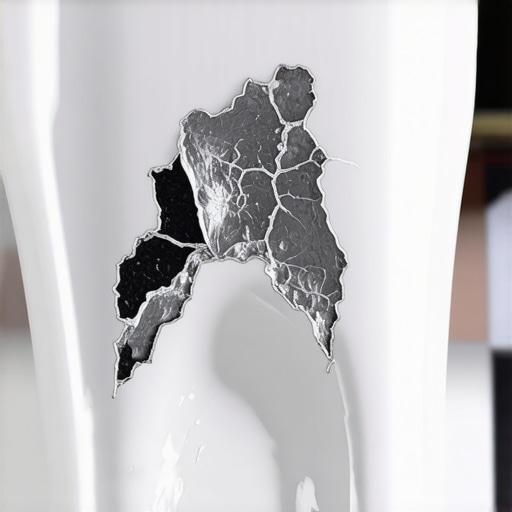
I was sitting at my kitchen table, enjoying a piece of toasted sourdough, when I heard it. A distinct, sickening pop followed by a sharp zing that shot straight to my ear. I hadn’t even bitten into a seed! I ran to the mirror, expecting to see a shattered mess, but everything looked surprisingly normal. Or at least, as normal as a mouth full of 20-year-old silver fillings can look. That was my first wake-up call. I’d spent years assuming that because my dentist hadn’t seen a new cavity, everything was fine. I didn’t realize that why your old silver fillings might be causing micro-cracks in your teeth is actually a mechanical issue, not just a decay issue. Today, I am going to help you spot the signs of these hidden fractures before you end up needing an emergency root canal. Have you ever felt a weird click or a sharp pain for just a split second when you let go of a bite?
Your Old Silver Fillings Are Acting Like a Wedge
It’s a hard pill to swallow, but those fillings we got as kids weren’t designed to last forever. Metal is rigid, but your natural tooth is slightly flexible. When you chew, your tooth gives a little, but that big block of silver and mercury simply does not budge. I made the mistake of thinking my oral health routine was enough to compensate for structural aging. It wasn’t. The real problem is thermal expansion. According to the International Academy of Oral Medicine and Toxicology (IAOMT), dental amalgam expands and contracts at a much faster rate than your natural tooth structure when exposed to hot coffee or ice cream. Over twenty years, that constant pushing creates tiny stress fractures that grow deeper with every meal.
Is it really worth replacing something that doesn’t hurt yet?
This is where I messed up early on. I waited for the pain. By the time I felt the tooth sensitivity, the crack had already traveled deep into the dentin. If I had listened to the advice about how crowns can transform your dental confidence or even just looked into a simple composite replacement, I could have avoided a lot of stress. Often, by the time you feel it, the damage requires understanding the role of crowns rather than a simple patch. You might be worried about the cost, but trust me, a proactive fix is much gentler than a cracked tooth emergency on a Saturday night.
To really get a handle on this, you need to stop thinking of your tooth as a solid rock and start thinking of it like a piece of firewood with a metal wedge driven into the center. Every time you chew, that wedge is driven deeper. I remember the exact moment I realized my tooth was structurally compromised; I was eating a slice of soft cheese pizza when a lightning bolt of pain shot through my jaw. I didn’t even hit a crust! I used a simple diagnostic trick at home that you can try right now to see if your sensitivity is actually a structural failure.
The Simple Bite Test You Can Do Right Now
The most common sign of a micro-crack isn’t pain while you are biting down, but rather the sharp zing you feel the moment you release the pressure. This is called ‘rebound pain.’ When you bite, you force the crack open; when you let go, the two halves of the tooth snap back together, irritating the nerve. To test this, you don’t need fancy equipment. Take a clean, wooden popsicle stick or even a plastic pen cap, place it specifically over the suspicious tooth, and bite down firmly. If the pain only hits when you open your mouth, you are likely dealing with a fracture caused by that old metal filling. Learning how to fix a sensitive tooth flare up before your next appointment starts with identifying if the pain is from decay or a mechanical split.
Use a Flashlight to See the Unseen
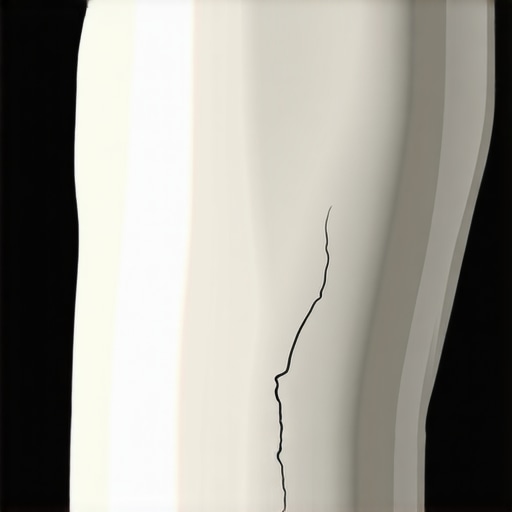
Another trick I learned is called transillumination. Go into a dark room with a small, bright LED flashlight. Press the light against the side of your tooth near the gumline. A healthy tooth will glow all the way through like a lamp. However, if there is a crack, the light will stop abruptly at the fracture line, leaving one half of the tooth in the dark. It’s a sobering sight to see a literal line of darkness cutting through your smile. This is often why why your old silver fillings might be the cause of your tooth sensitivity—the light (and the bacteria) are being blocked or trapped by those deep internal fissures.
Choosing the Right Reinforcement
Once you’ve identified a crack, the ‘how’ of fixing it moves into structural support. You cannot simply ‘patch’ a cracked tooth with another filling; that’s like putting a band-aid on a cracked foundation. You need to bind the tooth back together. This is where understanding the role of crowns becomes vital. A crown acts like a sturdy hoop around a wooden barrel, holding all the pieces together so they can’t flex and split further. When I finally got my cracked molar capped, the relief was instant because the tooth was finally stable.
Why Material Choice Matters for Grinders
If you have a history of worn-down enamel, you might be contributing to these cracks at night. We often see a strong connection between your nightly snoring and your worn-down teeth, which suggests you are grinding under stress. In these cases, a standard porcelain crown might be too brittle. This is why we recommend zirconia for patients who grind their teeth. Zirconia is virtually indestructible and provides the heavy-duty reinforcement needed to stop a micro-crack in its tracks. Once the hardware is installed, focusing on caring for crowns ensures that you don’t end up back in the chair with a different problem. Even with the best restoration, the impact of regular teeth cleaning on overall oral wellness cannot be overstated; you must keep the margins of that new crown spotless to prevent new decay from sneaking in underneath. If you are still clenching, learning how to stop grinding your teeth while you sleep is the final step in protecting your investment and your natural bone structure.
A Crown Isn’t a Get-Out-of-Jail-Free Card
A common trap many patients fall into—myself included—is the ‘set it and forget it’ mindset. We treat a crown like a porcelain fortress that protects the tooth from everything. In reality, the most dangerous place in your mouth is the microscopic seam where the crown ends and your natural tooth begins. If that seal fails, bacteria can slide underneath like a silent intruder. This is how to tell if your dental crown has a small leak before the entire structure is compromised. I once thought that as long as I brushed the porcelain surface, I was safe, but I was ignoring the gum line entirely. This ‘Oops’ factor is why so many crowns fail within five years instead of lasting fifteen. According to research in the Journal of Dentistry, recurrent caries at the margin is the leading cause of restoration failure, accounting for nearly 30% of replacement cases. You have to be hyper-vigilant about maintaining your dental crowns if you want to avoid a repeat performance.
Why Your Gum Line is the Real Battleground
Most people focus on the top of the tooth where they chew, but with a crown, the survival of the tooth depends entirely on the gum line. If you allow plaque to sit at the margin, the tooth structure underneath the crown begins to soften. This is the ultimate hidden nuance: the porcelain cannot decay, but the tooth holding it up absolutely can. This is why the impact of regular teeth cleaning on overall oral wellness is even more critical once you have hardware in your mouth. A hygienist can spot ‘shadowing’ at the margin that you will never see in your bathroom mirror. It is better to catch a slight breakdown now than to wait until the crown literally falls off in a piece of taffy because the natural tooth has turned to mush inside.
Can a Crowned Tooth Still Get a Cavity?
The short answer is a resounding yes. In fact, it is often harder to treat a cavity under a crown because it stays hidden from X-rays by the metal or dense ceramic. Advanced dental care requires looking for expert advice on crowns and teeth cleaning for lasting results rather than assuming you are ‘fixed.’ If you are prone to decay, you might need a high-fluoride toothpaste to specifically protect that vulnerable margin. If you’ve ever felt a weird taste or a persistent ‘smell’ around one specific tooth, that is often the first sign of a failing seal. Don’t wait for a literal toothache to investigate. Have you ever fallen into this trap of thinking your crowns were indestructible? Let me know in the comments. By shifting our focus from the porcelain to the seam, we can make these investments last a lifetime instead of just a few seasons.
To keep a crown or a bridge functioning for twenty years instead of five, you have to transition from a general cleaning mindset to a mechanical maintenance mindset. I used to think that a quick scrub with a manual brush was enough, but after seeing the microscopic debris that hides under the gum line, I realized I was bringing a knife to a gunfight. To get that professional-grade clean at home, I have swapped my standard routine for a combination of high-pressure irrigation and interdental brushes. I specifically recommend using a water flosser set to a medium-high pressure, but here is the secret: you must aim the tip at a 90-degree angle to the tooth’s axis. If you angle it downward into the pocket, you risk pushing bacteria deeper into the tissue rather than flushing it out. This is one of those teeth cleaning secrets that separates patients who keep their teeth for life from those who don’t.
Stop Assuming Your Brush Does it All
Standard floss is great for tight contacts, but it is often useless for the concave surfaces of a molar where a crown meets the natural root. This is why I use interdental brushes—those tiny ‘Christmas tree’ shaped tools. I personally use the Curaprox brand because the wire core is plastic-coated, which is vital because metal-on-metal contact can scratch the margins of your porcelain. Research in Clinical Oral Investigations indicates that the marginal gap in modern zirconia restorations, while small, still requires daily mechanical disruption of biofilm to prevent secondary decay. If you aren’t physically ‘scrubbing’ that seam with a dedicated tool, you are leaving the door open for a failure. Adopting this into your oral health routine might add two minutes to your night, but it will save you thousands of dollars in replacement costs.
How do I maintain my dental restorations over the long haul?
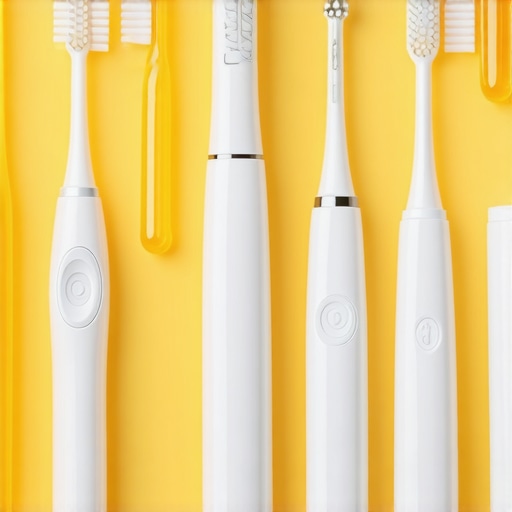
Consistency is the only thing that works. You can’t be a ‘weekend warrior’ with your dental care. If you have invested in understanding the role of crowns, you know they are strong, but they aren’t immortal. I recommend a ‘Stitch and Sweep’ method: use your interdental brush to ‘stitch’ through every gap, then use an electric toothbrush with a pressure sensor to ‘sweep’ the gum line. I only use brushes with a pressure sensor because pressing too hard can lead to recession, and why your gums might recede is often a result of over-aggressive brushing rather than poor hygiene. By keeping the gum tissue thick and healthy, you protect the base of the crown from exposure.
The High-Tech Future of Tooth Repair
Looking ahead, I suspect we are moving toward a ‘smart’ era of restorative dentistry. We are already seeing the emergence of bio-active cements that actually release calcium and phosphate over time to remineralize the natural tooth structure underneath a crown. In the next decade, your crown might even contain a microscopic sensor that alerts your smartphone when the pH level at the margin drops, signaling an early-stage leak before a cavity even forms. Until then, we have to rely on expert advice on crowns and teeth cleaning to do the heavy lifting. Don’t wait for your next checkup; go to the store tonight and buy a pack of interdental brushes. Try them on just your crowned teeth for one week and look at what they pull out—you’ll never go back to just flossing again.
Moving past the realization that your teeth are structurally compromised can be daunting, but it is the first step toward a pain-free future. I’ve learned through trial, error, and a few emergency dental visits that the way we treat our restorations determines the longevity of our natural smiles.
The Most Expensive Mistakes I Made with My Molars
Reflecting on my journey from silver fillings to crowns, I realized I fell into three major traps that cost me both time and comfort. First, I assumed that absence of pain meant absence of a problem. In reality, a micro-crack is a silent predator that waits for the perfect moment to split. Second, I viewed dental work as a ‘one and done’ fix. I didn’t understand that even the best crown requires more maintenance than a natural tooth. Finally, I didn’t realize how to stop a minor toothache from becoming a major emergency by simply acting when the sensitivity first started. Proactive care is always cheaper and less invasive than reactive repair.
The Gear I Actually Use to Save My Smile
I have curated a specific toolkit that has kept my current restorations in perfect shape for over a decade. I swear by the Curaprox Interdental Brushes because they are plastic-coated, ensuring I don’t scratch the delicate margins of my crowns. I also recommend a high-quality water flosser to clear debris from the ‘hidden’ spaces that traditional floss simply misses. For my family, we’ve looked into the truth about manual vs. electric toothbrushes for kids to ensure the next generation starts with the right habits. Lastly, I keep a log of my oral health tips every family should follow in 2025 to stay ahead of the curve as dental technology evolves.
Reclaiming Your Bite and Your Peace of Mind
Deciding to address those old silver fillings isn’t just about mechanics; it’s about the freedom to eat a meal without wondering if the next bite will be your last. When you invest in a solid family dentistry focus building a lifetime of healthy smiles, you are protecting more than just your teeth—you are protecting your quality of life. Don’t let fear of the chair hold you back. Once that unstable tooth is reinforced, you’ll be surprised at how much tension you’ve been carrying in your jaw. Your oral health routine is a gift to your future self. Have you ever felt that weird ‘zing’ while eating something soft like bread or cheese? Let me know your experiences in the comments below!