
I remember sitting on my porch last June, ready to dive into a double scoop of mint chocolate chip. I’d just had a cavity filled three days prior and felt like a responsible adult who finally took care of that nagging tooth. Then, the first spoonful hit. A sharp, electric shock shot through my jaw, and suddenly, I was clutching my face while my ice cream melted sadly into the cone. It wasn’t a dull ache; it was a visceral, lightning-bolt-to-the-brain sensation that made me regret ever sitting in that dental chair. I actually thought my dentist had made a massive mistake. I even called the office, frantic and slightly accusatory, convinced they’d left a hole in my tooth. Today, I want to share exactly why that happens and why your tooth is currently acting like a sensitive toddler. We are going to solve this mystery so you can get back to your favorite cold treats without fear. Have you ever felt that sudden, sharp zinger and wondered if your filling was actually failing? [IMAGE_PLACEHOLDER]
Your Tooth Pulp is Throwing a Temper Tantrum
It is easy to think of a tooth as a hard, indestructible rock, but the inside is actually a living, breathing organ. When a dentist drills into your enamel to remove decay, it creates heat and vibration that can irritate the nerve—what we pros call the pulp. I made the mistake of thinking my tooth should feel perfect the second I left the office. In reality, that nerve needs time to settle down. If you are currently struggling, knowing how to fix a sensitive tooth flare-up before your next appointment can save you a lot of middle-of-the-night anxiety. According to the American Dental Association (ADA), post-operative sensitivity is one of the most common reasons patients call their dentists, often caused by the microscopic tubule fluid moving within the tooth when exposed to temperature changes. It doesn’t mean the filling is ‘bad’; it means your body is responding to a tiny bit of surgical trauma. Just like you wouldn’t run a marathon on a freshly healed sprained ankle, your tooth needs a solid oral health routine to support the recovery of those delicate tissues.
Is This Sharp Pain Actually Worth the Price of the Filling?
You might be sitting there, ice pack in hand, wondering if you should have just left the cavity alone. I’ve been there. But the truth is that a little temporary sensitivity is a small price to pay for preventing a full-blown root canal or an extraction. If the pain feels more like a heavy pressure than a sharp cold snap, you might actually just need a quick bite adjustment. Sometimes a filling is just a fraction of a millimeter too high, causing your teeth to hit unevenly. While we wait for the nerve to calm down, getting expert advice on crowns and teeth cleaning for lasting results can help you understand the bigger picture of your dental health. Don’t let a few days of zingers scare you away from necessary care.
Triage Your Tooth Pain at Home
If you are currently wincing at a glass of room-temperature water, let’s get tactical. You do not have to ‘tough it out’ until your next checkup. There are specific moves you can make right now to settle that nerve and determine if you actually need to head back to the dental clinic. While the pulp is healing, your goal is to minimize external stressors that keep the nerve in a state of high alert.
Test Your Bite with the Click Method
One of the most common reasons for post-filling pain isn’t the cavity itself, but the way your teeth meet. If a filling is even a hair too high, it absorbs all the force of your jaw every time you chew or speak. I remember a specific time after a deep filling on my lower left molar. For three days, I couldn’t even tap my teeth together without a sharp jolt. I was convinced the filling had failed. When I finally went back, the dentist had me bite on a piece of blue carbon paper, filed down one tiny ‘high spot’ for ten seconds, and the pain vanished instantly. It felt like magic. Try clicking your teeth together rapidly in a mirror. If one tooth hits before the others, you likely have a high spot that needs a professional adjustment.
Switch to Potassium Nitrate Immediately
While you wait for the inflammation to subside, your standard whitening toothpaste is likely your worst enemy. Most whitening formulas are abrasive and contain chemicals designed to lift stains, which can open up those microscopic tubules we discussed earlier. Instead, grab a toothpaste specifically containing potassium nitrate. This ingredient acts like a localized ‘nerve blocker,’ calming the transmission of pain signals from the tooth surface to the pulp. This is very similar to why your teeth feel temporarily sensitive right after a professional cleaning; the protective layer is thin, and you need to chemically soothe the area until it remineralizes.
Stop Grinding the Problem Away
If your sensitivity is significantly worse when you first wake up in the morning, the filling might not be the primary culprit—your jaw is. When you have a new restoration, your brain subconsciously ‘hunts’ for the new shape in your mouth while you sleep. This often leads to clenching and grinding, which bruises the periodontal ligament holding the tooth in place.
Use a Temporary Shock Absorber
I’ve seen patients spend weeks in agony, thinking they needed an emergency root canal, only to find total relief after wearing a simple mouthguard for two nights. Learning how to stop grinding your teeth while you sleep is a game-changer for post-operative recovery. If you cannot get a custom guard immediately, a soft over-the-counter version can act as a shock absorber for that sensitive new filling. This small step is a core part of how a simple night guard can save you thousands in future dental work by preventing the new filling from fracturing under the immense pressure of a nighttime clench.
Know When the Filling Needs a Shield
Sometimes, a cavity is so large that a standard composite filling simply cannot protect the remaining tooth structure from the pressures of chewing. If your tooth hurts specifically when you bite down on something hard or sticky, the remaining walls of the tooth might be ‘flexing.’ This is a clear sign that you might need to move beyond a simple patch. Understanding the role of crowns in modern smile makeovers helps explain why a cap is often more comfortable than a massive filling; it distributes the pressure evenly across the entire tooth rather than wedging into the center. If you already have a restoration and it starts acting up, you should also check how to tell if your dental crown has a small leak to ensure no new decay is irritating the nerve. Maintaining a strong family dentistry focus means catching these structural issues before they turn into a full-blown toothache.
Why Your New Crown Isn’t a Suit of Armor
Most people assume that once a crown is cemented, that specific tooth is essentially ‘bulletproof.’ This is probably the most dangerous myth in family dentistry. I’ve seen patients neglect their hygiene for years because they thought the porcelain would protect them from everything. The reality is that the most critical part of your restoration isn’t the shiny top; it’s the ‘margin’—the invisible line where the porcelain meets your natural tooth. This is the ultimate trap: if you don’t maintain a strict oral health routine, bacteria will infiltrate that tiny seam. A study published in the *Journal of Prosthetic Dentistry* confirms that marginal micro-leakage is the primary cause of secondary decay, often happening silently because the crown masks the initial symptoms. Understanding the role of crowns in modern smile makeovers requires accepting that they are high-performance tools, not ‘set-it-and-forget-it’ solutions.
Can a tooth still rot under a perfectly seated porcelain crown?
The short answer is a definitive yes. While the porcelain itself can’t decay, the natural tooth structure underneath is still biological tissue susceptible to acid and bacteria. This is why knowing how to tell if your dental crown has a small leak is vital for long-term survival. If the seal fails, sugar reaches the dentin, and because the nerve might be less responsive due to the trauma of the original procedure, you might not feel the cavity until it hits the bone. It’s a common mistake to skip regular cleanings once you have restorative work, but expert advice on crowns and teeth cleaning for lasting results emphasizes that professional scaling is the only way to clear the ‘biofilm bridge’ that forms at the gum line. 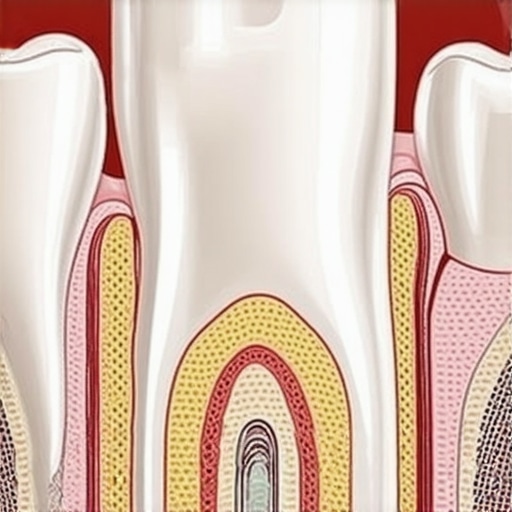
Stop Scrubbing Away Your Dental Investment
Here is the ‘oops’ factor I see every week: patients trying to ‘whiten’ their crowns or bridges. You cannot whiten porcelain. If you use abrasive products, you aren’t brightening the crown; you are actually scratching the protective glaze and wearing down the surrounding natural enamel. The truth about charcoal toothpaste and why it might be ruining your enamel is especially relevant here. Once that factory-applied glaze is compromised, the crown becomes a magnet for stains and plaque. If you’re worried about the lifespan of your work, look into the truth about how long a porcelain crown actually lasts before replacement. Usually, it’s not the material that fails; it’s the environment around it. This is also why the reason your dentist asks about your medications during a checkup is so important; certain meds cause dry mouth, which removes the saliva needed to buffer acids at your crown margins. Have you ever fallen into the trap of thinking a crown was indestructible? Let me know in the comments.
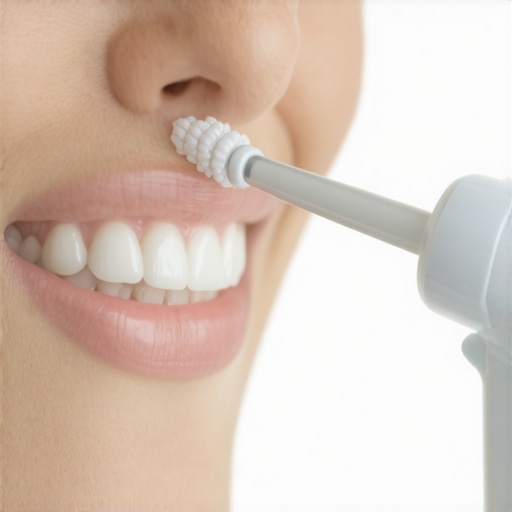
Once you have moved past the initial sensitivity of a new filling or crown, you enter the ‘maintenance phase.’ This is where most people fail because they think the hard part is over. I look at dental work like a high-performance engine; it requires specific tools to keep running smoothly. My personal favorite tool, and one I recommend to everyone, is the water flosser. While traditional string flossing is great, a water flosser can reach into the micro-gaps at the gum line where a crown meets the natural tooth—areas that are incredibly hard to scrub manually. Incorporating this into your oral health routine is the single best way to ensure your investment doesn’t wash away in a few years.
Upgrade Your Toolkit to Protect Your Margins
If you are still using a manual brush on expensive ceramic work, you are essentially washing a Ferrari with a brick. I switched to a sonic electric toothbrush five years ago and never looked back. The high-frequency vibrations create ‘fluid dynamics’ that push toothpaste and water into the spaces between your teeth, which is vital for expert advice on crowns and teeth cleaning for lasting results. This mechanical action is far superior at removing biofilm than manual scrubbing. Dr. Gordon Christensen, a world-renowned prosthodontist and founder of the Clinicians Report, has often noted that marginal integrity—the seal where the crown meets the tooth—is the primary failure point for restorations. He emphasizes that mechanical disruption of plaque at this specific line every 24 hours is non-negotiable for longevity.
How do I maintain my dental work over time?
Maintenance is about consistency and the right chemicals. Beyond the hardware, I am a huge advocate for alcohol-free fluoride rinses. Alcohol dries out the mouth, and as we’ve discussed, a dry mouth is an acidic mouth. By using a fluoride-rich, alcohol-free wash, you are essentially ‘re-sealing’ the edges of your fillings every night. This is one of the most effective teeth cleaning secrets for home use. If you have a bridge, you also need to master the art of the ‘super-flosser’ or interdental brushes. These tiny, pine-tree-shaped brushes are much more effective at clearing out the space under a pontic (the fake tooth in a bridge) than standard floss. Knowing the best way to clean plaque from under a dental bridge prevents the surrounding anchor teeth from decaying, which would otherwise cause the entire bridge to fail.
The Secret Weapon for Family Dental Health
In my house, we treat dental care as a team sport. Following oral health tips every family should follow in 2025 means moving toward more preventative, tech-driven care. One thing I’ve started doing is taking a high-resolution photo of my own teeth once a year. It sounds obsessive, but it allows me to see if my gums are receding or if a crown margin is becoming more visible. This kind of self-monitoring helps you catch issues before they require an emergency visit. If you ever feel a ‘catch’ when you floss, it might not be food; it could be a sign that you need to know how to tell if your dental crown is cracked or just the cement is failing. Early detection is the difference between a simple re-cementing and a $1,500 replacement.
Where Dental Technology Is Headed Next
I predict that in the next decade, we will see the end of the ‘filling-and-drilling’ cycle. We are moving toward ‘biomimetic’ dentistry, where materials actually bond to the tooth structure in a way that mimics natural enamel and dentin. This will significantly reduce post-operative sensitivity and the need for aggressive crowns. We are already seeing this with the rise of 3D-printed restorations that are perfectly matched to your tooth’s unique flex and bite pressure. For now, focus on maintaining your dental crowns using the tools we’ve discussed. I want you to try one thing this week: grab a pack of interdental brushes and use them just once a day between your back molars. You will be shocked at what your ‘regular’ flossing has been leaving behind. If you have questions about your specific restoration, feel free to contact us or check out our guide on caring for crowns for more deep dives.
I remember sitting on my porch last June, ready to dive into a double scoop of mint chocolate chip. I’d just had a cavity filled three days prior and felt like a responsible adult who finally took care of that nagging tooth. Then, the first spoonful hit. A sharp, electric shock shot through my jaw, and suddenly, I was clutching my face while my ice cream melted sadly into the cone. It wasn’t a dull ache; it was a visceral, lightning-bolt-to-the-brain sensation that made me regret ever sitting in that dental chair. I actually thought my dentist had made a massive mistake. I even called the office, frantic and slightly accusatory, convinced they’d left a hole in my tooth. Today, I want to share exactly why that happens and why your tooth is currently acting like a sensitive toddler. We are going to solve this mystery so you can get back to your favorite cold treats without fear. Have you ever felt that sudden, sharp zinger and wondered if your filling was actually failing? [IMAGE_PLACEHOLDER]
Your Tooth Pulp is Throwing a Temper Tantrum
It is easy to think of a tooth as a hard, indestructible rock, but the inside is actually a living, breathing organ. When a dentist drills into your enamel to remove decay, it creates heat and vibration that can irritate the nerve—what we pros call the pulp. I made the mistake of thinking my tooth should feel perfect the second I left the office. In reality, that nerve needs time to settle down. If you are currently struggling, knowing how to fix a sensitive tooth flare-up before your next appointment can save you a lot of middle-of-the-night anxiety. According to the American Dental Association (ADA), post-operative sensitivity is one of the most common reasons patients call their dentists, often caused by the microscopic tubule fluid moving within the tooth when exposed to temperature changes. It doesn’t mean the filling is ‘bad’; it means your body is responding to a tiny bit of surgical trauma. Just like you wouldn’t run a marathon on a freshly healed sprained ankle, your tooth needs a solid oral health routine to support the recovery of those delicate tissues.
Is This Sharp Pain Actually Worth the Price of the Filling?
You might be sitting there, ice pack in hand, wondering if you should have just left the cavity alone. I’ve been there. But the truth is that a little temporary sensitivity is a small price to pay for preventing a full-blown root canal or an extraction. If the pain feels more like a heavy pressure than a sharp cold snap, you might actually just need a quick bite adjustment. Sometimes a filling is just a fraction of a millimeter too high, causing your teeth to hit unevenly. While we wait for the nerve to calm down, getting expert advice on crowns and teeth cleaning for lasting results can help you understand the bigger picture of your dental health. Don’t let a few days of zingers scare you away from necessary care.
Triage Your Tooth Pain at Home
If you are currently wincing at a glass of room-temperature water, let’s get tactical. You do not have to ‘tough it out’ until your next checkup. There are specific moves you can make right now to settle that nerve and determine if you actually need to head back to the dental clinic. While the pulp is healing, your goal is to minimize external stressors that keep the nerve in a state of high alert.
Test Your Bite with the Click Method
One of the most common reasons for post-filling pain isn’t the cavity itself, but the way your teeth meet. If a filling is even a hair too high, it absorbs all the force of your jaw every time you chew or speak. I remember a specific time after a deep filling on my lower left molar. For three days, I couldn’t even tap my teeth together without a sharp jolt. I was convinced the filling had failed. When I finally went back, the dentist had me bite on a piece of blue carbon paper, filed down one tiny ‘high spot’ for ten seconds, and the pain vanished instantly. It felt like magic. Try clicking your teeth together rapidly in a mirror. If one tooth hits before the others, you likely have a high spot that needs a professional adjustment.
Switch to Potassium Nitrate Immediately
While you wait for the inflammation to subside, your standard whitening toothpaste is likely your worst enemy. Most whitening formulas are abrasive and contain chemicals designed to lift stains, which can open up those microscopic tubules we discussed earlier. Instead, grab a toothpaste specifically containing potassium nitrate. This ingredient acts like a localized ‘nerve blocker,’ calming the transmission of pain signals from the tooth surface to the pulp. This is very similar to why your teeth feel temporarily sensitive right after a professional cleaning; the protective layer is thin, and you need to chemically soothe the area until it remineralizes.
Stop Grinding the Problem Away
If your sensitivity is significantly worse when you first wake up in the morning, the filling might not be the primary culprit—your jaw is. When you have a new restoration, your brain subconsciously ‘hunts’ for the new shape in your mouth while you sleep. This often leads to clenching and grinding, which bruises the periodontal ligament holding the tooth in place.
Use a Temporary Shock Absorber
I’ve seen patients spend weeks in agony, thinking they needed an emergency root canal, only to find total relief after wearing a simple mouthguard for two nights. Learning how to stop grinding your teeth while you sleep is a game-changer for post-operative recovery. If you cannot get a custom guard immediately, a soft over-the-counter version can act as a shock absorber for that sensitive new filling. This small step is a core part of how a simple night guard can save you thousands in future dental work by preventing the new filling from fracturing under the immense pressure of a nighttime clench.
Know When the Filling Needs a Shield
Sometimes, a cavity is so large that a standard composite filling simply cannot protect the remaining tooth structure from the pressures of chewing. If your tooth hurts specifically when you bite down on something hard or sticky, the remaining walls of the tooth might be ‘flexing.’ This is a clear sign that you might need to move beyond a simple patch. Understanding the role of crowns in modern smile makeovers helps explain why a cap is often more comfortable than a massive filling; it distributes the pressure evenly across the entire tooth rather than wedging into the center. If you already have a restoration and it starts acting up, you should also check how to tell if your dental crown has a small leak to ensure no new decay is irritating the nerve. Maintaining a strong family dentistry focus means catching these structural issues before they turn into a full-blown toothache.
Why Your New Crown Isn’t a Suit of Armor
Most people assume that once a crown is cemented, that specific tooth is essentially ‘bulletproof.’ This is probably the most dangerous myth in family dentistry. I’ve seen patients neglect their hygiene for years because they thought the porcelain would protect them from everything. The reality is that the most critical part of your restoration isn’t the shiny top; it’s the ‘margin’—the invisible line where the porcelain meets your natural tooth. This is the ultimate trap: if you don’t maintain a strict oral health routine, bacteria will infiltrate that tiny seam. A study published in the *Journal of Prosthetic Dentistry* confirms that marginal micro-leakage is the primary cause of secondary decay, often happening silently because the crown masks the initial symptoms. Understanding the role of crowns in modern smile makeovers requires accepting that they are high-performance tools, not ‘set-it-and-forget-it’ solutions.
Can a tooth still rot under a perfectly seated porcelain crown?
The short answer is a definitive yes. While the porcelain itself can’t decay, the natural tooth structure underneath is still biological tissue susceptible to acid and bacteria. This is why knowing how to tell if your dental crown has a small leak is vital for long-term survival. If the seal fails, sugar reaches the dentin, and because the nerve might be less responsive due to the trauma of the original procedure, you might not feel the cavity until it hits the bone. It’s a common mistake to skip regular cleanings once you have restorative work, but expert advice on crowns and teeth cleaning for lasting results emphasizes that professional scaling is the only way to clear the ‘biofilm bridge’ that forms at the gum line.
Stop Scrubbing Away Your Dental Investment
Here is the ‘oops’ factor I see every week: patients trying to ‘whiten’ their crowns or bridges. You cannot whiten porcelain. If you use abrasive products, you aren’t brightening the crown; you are actually scratching the protective glaze and wearing down the surrounding natural enamel. The truth about charcoal toothpaste and why it might be ruining your enamel is especially relevant here. Once that factory-applied glaze is compromised, the crown becomes a magnet for stains and plaque. If you’re worried about the lifespan of your work, look into the truth about how long a porcelain crown actually lasts before replacement. Usually, it’s not the material that fails; it’s the environment around it. This is also why the reason your dentist asks about your medications during a checkup is so important; certain meds cause dry mouth, which removes the saliva needed to buffer acids at your crown margins. Have you ever fallen into the trap of thinking a crown was indestructible? Let me know in the comments.
Once you have moved past the initial sensitivity of a new filling or crown, you enter the ‘maintenance phase.’ This is where most people fail because they think the hard part is over. I look at dental work like a high-performance engine; it requires specific tools to keep running smoothly. My personal favorite tool, and one I recommend to everyone, is the water flosser. While traditional string flossing is great, a water flosser can reach into the micro-gaps at the gum line where a crown meets the natural tooth—areas that are incredibly hard to scrub manually. Incorporating this into your oral health routine is the single best way to ensure your investment doesn’t wash away in a few years.
Upgrade Your Toolkit to Protect Your Margins
If you are still using a manual brush on expensive ceramic work, you are essentially washing a Ferrari with a brick. I switched to a sonic electric toothbrush five years ago and never looked back. The high-frequency vibrations create ‘fluid dynamics’ that push toothpaste and water into the spaces between your teeth, which is vital for expert advice on crowns and teeth cleaning for lasting results. This mechanical action is far superior at removing biofilm than manual scrubbing. Dr. Gordon Christensen, a world-renowned prosthodontist and founder of the Clinicians Report, has often noted that marginal integrity—the seal where the crown meets the tooth—is the primary failure point for restorations. He emphasizes that mechanical disruption of plaque at this specific line every 24 hours is non-negotiable for longevity.
How do I maintain my dental work over time?
Maintenance is about consistency and the right chemicals. Beyond the hardware, I am a huge advocate for alcohol-free fluoride rinses. Alcohol dries out the mouth, and as we’ve discussed, a dry mouth is an acidic mouth. By using a fluoride-rich, alcohol-free wash, you are essentially ‘re-sealing’ the edges of your fillings every night. This is one of the most effective teeth cleaning secrets for home use. If you have a bridge, you also need to master the art of the ‘super-flosser’ or interdental brushes. These tiny, pine-tree-shaped brushes are much more effective at clearing out the space under a pontic (the fake tooth in a bridge) than standard floss. Knowing the best way to clean plaque from under a dental bridge prevents the surrounding anchor teeth from decaying, which would otherwise cause the entire bridge to fail.
The Secret Weapon for Family Dental Health
In my house, we treat dental care as a team sport. Following oral health tips every family should follow in 2025 means moving toward more preventative, tech-driven care. One thing I’ve started doing is taking a high-resolution photo of my own teeth once a year. It sounds obsessive, but it allows me to see if my gums are receding or if a crown margin is becoming more visible. This kind of self-monitoring helps you catch issues before they require an emergency visit. If you ever feel a ‘catch’ when you floss, it might not be food; it could be a sign that you need to know how to tell if your dental crown is cracked or just the cement is failing. Early detection is the difference between a simple re-cementing and a $1,500 replacement.
Where Dental Technology Is Headed Next
I predict that in the next decade, we will see the end of the ‘filling-and-drilling’ cycle. We are moving toward ‘biomimetic’ dentistry, where materials actually bond to the tooth structure in a way that mimics natural enamel and dentin. This will significantly reduce post-operative sensitivity and the need for aggressive crowns. We are already seeing this with the rise of 3D-printed restorations that are perfectly matched to your tooth’s unique flex and bite pressure. For now, focus on maintaining your dental crowns using the tools we’ve discussed. I want you to try one thing this week: grab a pack of interdental brushes and use them just once a day between your back molars. You will be shocked at what your ‘regular’ flossing has been leaving behind. If you have questions about your specific restoration, feel free to contact us or check out our guide on caring for crowns for more deep dives.
The Hardest Lessons I Learned Through Five Crown Replacements
If I could go back and talk to my younger self, I would emphasize that a crown is a living partnership with your body, not a piece of permanent jewelry. The hardest pill to swallow was that a ‘perfect’ crown can still fail if you don’t watch the bite alignment; listening for that tiny click—often why your dental crown feels like it has a click when you bite—is your early warning system. I also learned that cold sensitivity isn’t always a sign of a bad dentist, but ignoring it can lead to a root canal. Understanding how to tell if your dental crown has a small leak early on saved my last molar from a full-blown extraction.
The Survival Gear I Swear By for Healthy Margins
Over the years, I have curated a toolkit that has drastically reduced my emergency visits. I swear by an alcohol-free fluoride rinse because the benefit of using an alcohol-free mouthwash for dry mouth ensures my crown margins stay hydrated and mineralized. I also rely heavily on interdental brushes; they are simply the best way to clean plaque from under a dental bridge or tight back crowns where string floss shreds. Finally, I never sleep without my shock absorber, as how a simple night guard can save you thousands in future dental work is not an exaggeration—it keeps my bite pressure even and my nerves calm.
Take Control of Your Dental Journey
Sensitivity after a dental procedure can feel like a setback, but it is actually an invitation to refine your daily care and protect your investment. By focusing on a long-term oral health routine, you move from reactive pain management to proactive dental wellness. Your smile is worth the extra few minutes of care each night. Have you ever felt that sharp electric ‘zing’ after a simple filling or crown? Let me know your experience in the comments below!