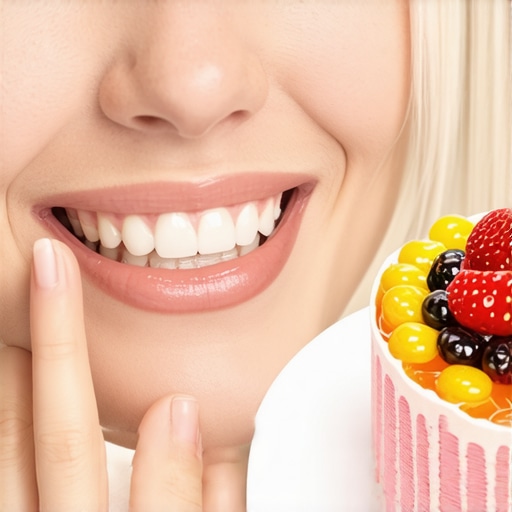
I remember the moment vividly—standing in my bathroom mirror, toothbrush in hand, and realizing my teeth felt almost gritty, even after a thorough brush. It was a lightbulb moment that hit me hard. Despite thinking I was doing the right thing, those little frequent snacks were secretly undoing everything I tried to protect my smile from. That sinking feeling? It’s more common than you think, especially when we indulge in continuous snacking instead of enjoying a single, satisfying treat.
The Hidden Dangers of Constant Snacking for Your Smile
Many of us believe that snacking throughout the day keeps our energy steady and prevents those pesky hunger pangs. But here’s the truth—those tiny, repetitive bites add up in ways you might never realize, especially when it comes to your oral health. Every bite of sugary or starchy food triggers acid production in your mouth, which starts attacking your enamel. The problem isn’t just one big dessert; it’s the incessant, scattered snacking that prolongs the acid attack, leaving your teeth vulnerable longer.
Did you know that a constant onslaught of acid can weaken your enamel, even more than a single indulgent pastry? According to recent research, frequent snacking maintains an environment of low pH in your mouth, which accelerates enamel erosion and increases cavity risk. Trust me, I learned this the hard way—early in my dentistry journey, I made the mistake of brushing immediately after snacking, thinking I was doing the right thing. Unfortunately, that can actually cement the acid into your enamel, making damage worse. For more about protecting your enamel, check out [here](https://periodontistcare.com/why-2026-dental-crowns-now-use-peptide-infused-bonding-agents).
So, what’s the real fix? The key lies in understanding how frequent eating habits influence oral health and how to break free from this cycle.
Are you tired of feeling like your teeth are under constant assault, despite diligent brushing? If so, don’t worry—there’s hope. Up next, I’ll share practical steps to help you break free from damaging snacking habits and safeguard your smile for years to come.
Limit Mindless Snacking
Start by setting designated snack times rather than grazing constantly. I once kept a bowl of almonds on my desk and snacked unconsciously throughout the afternoon. To fix this, I replaced it with a cup of water and scheduled specific snack breaks, which helped reduce overexposure to acids. Remember, each nibble introduces sugars or starches that fuel acid production, damaging your enamel.
Choose Tooth-Friendly Snacks
Opt for crunchy vegetables like carrots and celery, or cheese, which neutralize acids. Once, I replaced my usual chips with sliced cucumbers and added cheese to my snack plate. The result? My teeth felt cleaner and less sensitive by the end of the week. These choices stimulate saliva flow, naturally cleansing your mouth and buffering acids.
Create a Post-Snacking Routine
Instead of rushing to brush immediately, wait 30 minutes after snacking. I made this mistake early on, brushing right after a sweet cookie, which actually etched my enamel further. By implementing a rinse with water or a neutral mouthwash (see [this guide](https://periodontistcare.com/how-to-keep-your-teeth-white-between-professional-cleanings)), I let saliva do its job. Saliva helps remineralize teeth and neutralize acids.
Integrate Oral Hygiene Smartly
Use a soft-bristled toothbrush and fluoride toothpaste designed not to strip enamel ([check here](https://periodontistcare.com/is-your-familys-2026-toothpaste-actually-stripping-enamel-2)). During my own routine, I avoided aggressive scrubbing and focused on gentle, circular motions. This prevents gum recession and preserves enamel integrity, especially when battling frequent acid attacks.
Schedule Professional Cleanings Regularly
Professional cleanings are essential to remove biofilm and tartar that regular brushing can’t reach. I booked my appointment, and my hygienist used advanced methods like smart enzymes to eat away plaque ([learn more](https://periodontistcare.com/why-2026-teeth-cleaning-now-uses-smart-enzymes-to-eat-plaque)). My teeth felt noticeably smoother afterwards, reinforcing that consistent visits make a difference.
Be Mindful of Nighttime Habits
Stop late-night snacks that can cling to teeth overnight. I used to enjoy chips before bed until I learned this habit contributes to enamel erosion. Replacing that evening treat with water or herbal tea reduces the risk of decay and helps maintain a neutral pH in your mouth.
Track Your Oral Health Monthly
Use a mirror for a quick inspection—look for signs like redness, swelling, or sticky deposits ([see how here](https://periodontistcare.com/30-second-mirror-check-that-catches-gum-disease-before-it-bleeds)). My own routine involves a weekly check, which helped me catch early gum issues before they worsened. Early detection is key to preventing extensive damage and costly procedures.
 Many patients believe that frequent flossing alone is sufficient to prevent cavities, but in reality, overemphasizing flossing without proper technique or neglecting professional cleanings can be ineffective. Contrary to popular belief, aggressively brushing or using whitening toothpaste excessively can strip enamel and cause sensitivity, emphasizing the importance of choosing the right products—like those recommended in [this guide](https://periodontistcare.com/is-your-familys-2026-toothpaste-actually-stripping-enamel-2). Another myth is that crowns always look artificial; however, advancements in materials mean that modern crowns like bio-ceramic options blend seamlessly with natural teeth, as explained [here](https://periodontistcare.com/why-2026-bio-ceramic-crowns-stop-gum-sensitivity-tested). Many assume that a quick dental cleaning is enough to maintain oral health, but research shows that biannual professional cleanings using smart enzymes significantly reduce plaque and tartar buildup, which can be missed during routine self-care—discover more about this [here](https://periodontistcare.com/why-2026-teeth-cleaning-now-uses-smart-enzymes-to-eat-plaque).Maintaining a healthy smile over the years requires more than just regular brushing and flossing; it demands reliable tools that support your ongoing oral care routines. One device I personally swear by is the **Electric Toothbrush with Smart Technology**. Unlike manual brushes, my electric model features oscillating-rotating motions combined with personalized timers, ensuring I brush for the optimal duration—at least two minutes—every session. The smart sensors also alert me if I’m applying too much pressure, helping prevent gum recession and enamel abrasion. This proactive feedback elevates my brushing routine from guesswork to precision care.
Another essential tool I rely on is a **High-Quality Water Flosser**. After experimenting with various brands, I prefer models with adjustable pressure settings and targeted jet tips, which I find significantly improve my interdental cleaning. Their ability to dislodge plaque from hard-to-reach areas is unmatched, especially for those with crowns or implants. Regular use of a water flosser not only reduces bacterial buildup but also contributes to healthier gums over time.
In addition, I incorporate **Enzyme-Based Dental Cleaning Gels** into my routine. These gels contain active enzymes that actively break down biofilm—those invisible layers of plaque that traditional brushing often misses. Using them weekly, especially after professional cleanings, enhances my mouth’s cleanliness and helps maintain a low bacterial environment. Research indicates that enzyme-based products are effective at destabilizing plaque structure, making subsequent cleanings less invasive ([see more](https://periodontistcare.com/why-2026-teeth-cleaning-now-uses-smart-enzymes-to-eat-plaque)).
For long-term results, consistent use of **Professional-Grade Oral Hygiene Devices** is key. I schedule quarterly check-ins with my dental practitioner to assess my tool efficacy and make adjustments. Modern dental practices now incorporate advanced sterilization methods for tools like bio-acoustic buffing devices, which clean deeper and prevent biofilm buildup ([more info](https://periodontistcare.com/why-2026-teeth-cleaning-now-uses-smart-enzymes-to-eat-plaque)).
Looking ahead, the trend in dental technology points toward even smarter, connected devices. The integration of AI and IoT in oral health tools promises personalized care, real-time feedback, and better long-term outcomes. Embracing these innovations can keep your smile healthy and radiant for decades.
How do I maintain my dental tools over time? Regular sterilization with UV sanitizers and replacement of consumables like brush heads and tips every three months ensure that my devices remain effective and safe. This prevents bacterial buildup and maintains optimal performance. Implementing routine maintenance on your tools is a small step that yields significant benefits.
Finally, I encourage you to try upgrading to a **smart electric toothbrush** with real-time feedback features. The investment can feel substantial initially, but the long-term health benefits—fewer cavities, healthier gums, and preserved enamel—are well worth it. Take charge of your oral health today and experience the difference that advanced tools can make in your daily routine.
Lessons That Changed My Approach to Oral Care
The biggest revelation was realizing that consistency in habits outweighs intensity. Brushing harder or more frequently isn’t the answer; smart, mindful routines truly make the difference. I learned that even small changes, like choosing tooth-friendly snacks and waiting after eating before brushing, drastically reduced enamel wear and cavity formation. Recognizing my triggers, especially late-night snacking, allowed me to take control and protect my teeth effectively. These lessons taught me that knowledge combined with simple behavioral tweaks could transform oral health long-term.
Tools and Resources That Elevated My Dental Routine
My go-to tool is a **Smart Electric Toothbrush** that provides real-time feedback, ensuring I brush effectively without damaging my gums. I also trust a high-quality **Water Flosser** for reaching hard areas, which makes plaque removal more thorough and gentle. To support remineralization and biofilm breakdown, I incorporate enzymatic dental gels—trusted for their scientific backing and ease of use. For deeper insights, I recommend reading reviews on **bio-acoustic buffing devices** and staying updated with the latest in [smart dental technology](https://periodontistcare.com/why-2026-teeth-cleaning-now-uses-smart-enzymes-to-eat-plaque). These tools are game-changers, making preventive care easier and more effective.
Your Smile’s Bright Future Starts Now
Taking charge of your oral health with mindful habits and the right tools can truly revolutionize your smile’s longevity. Remember, proactive steps today will pay off with healthier teeth and gums tomorrow. Don’t wait for problems to become urgent—embrace smarter routines and innovative devices to keep your smile vibrant for decades. Your journey toward optimal oral health is within reach, and every small step adds up to a lifetime of confidence.