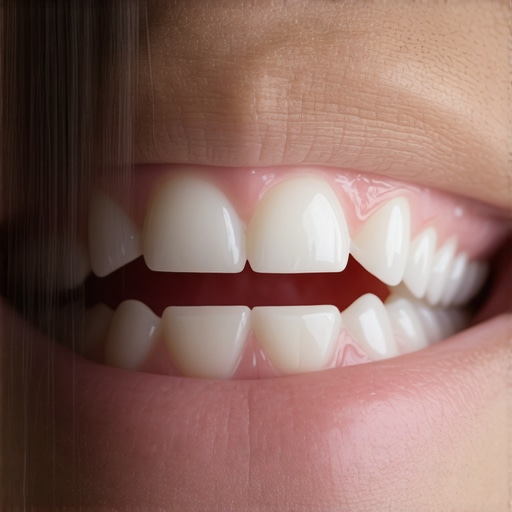
I remember the first time I finished a routine teeth cleaning and immediately felt a sharp, almost stabbing sensation whenever I sipped water. It caught me off guard. I thought, “Did I mess something up?” That uncomfortable, sensitive feeling lingered for hours, turning what should have been a fresh, clean mouth into an episode of discomfort. It was a lightbulb moment for me—realizing that teeth sensitivity after cleaning isn’t unusual, but understanding why it happens and how to manage it is crucial.
Getting to the Root of Post-Cleaning Tooth Sensitivity
Many people experience increased tooth sensitivity following a professional cleaning, and it’s more common than you might think. Essentially, during a cleaning, plaque and tartar are removed, which can expose areas of your teeth that hadn’t been exposed before—like the dentin layer, which is much more sensitive. If you have existing issues like gum recession or enamel erosion, the cleaning process can temporarily heighten this sensitivity.
Now, why does this happen right after your appointment? Well, the cleaning process can irritate your gums or strip away protective layers, leading to a short-term increase in sensitivity. According to dental studies, **up to 30% of individuals report some discomfort after professional cleanings**, especially if they already have underlying issues such as exposed roots or worn enamel.My early mistake was assuming this sensitivity was a sign of something worse—like cavities or gum disease—so I rushed to my dentist, which only increased my anxiety. The truth? Much of this discomfort is temporary and manageable with the right tips.
Curious about how to protect your teeth and reduce this sensitivity? Stay tuned. We’ll cover practical steps you can take to make your next cleaning more comfortable, along with some expert advice to keep your smile healthy and pain-free.
Is Tooth Sensitivity After Cleaning Actually Worth Worrying About?
Many fear that post-cleaning sensitivity signals a major problem, but in reality, it often isn’t. I’ve been there, making the mistake early on of thinking every twinge meant trouble. Instead, understanding the causes can help you avoid unnecessary worry and treatment. If you’re tired of the discomfort after visits and want to know how to prevent it, keep reading. We’ll explore effective strategies and when it’s time to see your dentist for tailored advice. Do you often experience this issue? If so, you’re not alone, and there’s plenty you can do to ease the pain and protect your enamel.
Protect Your Teeth Before and After Appointments
Start by discussing your sensitivity concerns with your dentist beforehand. They can recommend fluoride treatments or desensitizing agents that strengthen enamel and reduce discomfort. Personally, I requested a fluoride varnish during my last cleaning, which visibly decreased sensitivity for days afterward.
Choose the Right Oral Hygiene Products
Use a soft-bristled toothbrush and a toothpaste formulated for sensitive teeth, such as those containing potassium nitrate or stannous fluoride. I switched my toothpaste to a sensitivity-specific brand and noticed a significant difference within a week. Regularly replacing your toothbrush ensures effective cleaning without irritating your gums.
Master Proper Brushing Techniques
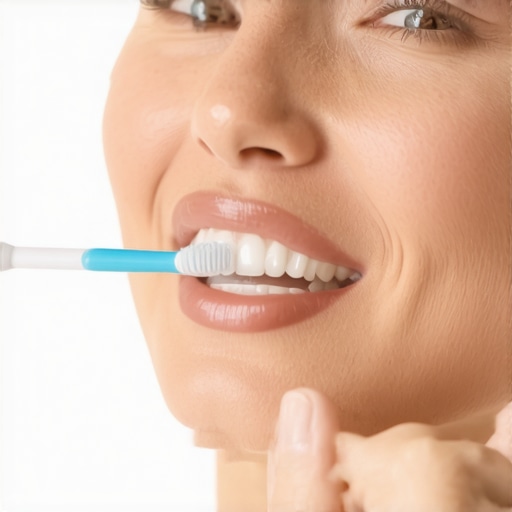
Gentle, circular motions with light pressure prevent enamel erosion and gum recession that exacerbate sensitivity. Think of it as massaging your teeth rather than scrubbing fiercely. Practicing this method helped me avoid adding to my sensitivity issues after cleanings.
Adjust Your Eating and Drinking Habits
Avoid very hot, cold, or acidic foods and beverages immediately after cleaning. Wait at least 30 minutes; I made a habit of sipping lukewarm water instead of ice-cold drinks during this window. This small change made a notable impact on my daily comfort.
Incorporate Desensitizing Rinses and Gels
Use over-the-counter desensitizing rinses or gels as directed. I applied a gel to my affected areas before bed, and over a week, my sensitivity truly diminished. These products create a protective barrier, shielding exposed dentin from temperature swings and irritants.
Schedule Regular Dental Visits
Routine check-ups allow your dentist to monitor signs of enamel erosion or gum recession. They can recommend treatments like bonding or sealing exposed areas if necessary. I scheduled follow-up visits to ensure my sensitivity was managed professionally, which provided peace of mind and ongoing relief.
Optimize Your Home Care Routine
Consistent cleaning and avoiding aggressive brushing are essential. Incorporate interdental brushes or water flossers, like the water flosser for crown care, to maintain oral health gently. I found that gentle, consistent routines prevented further irritation and promoted healing.
 |
|
Illustration showing gentle brushing technique emphasizing soft strokes and proper angle to reduce sensitivity.
Many assume that visiting the dentist solely involves cleaning teeth and fixing cavities, but the reality is far more nuanced. A common myth is that professional teeth cleanings are merely superficial; however, research indicates that these procedures play a critical role in preventing systemic health issues by reducing oral bacteria that can enter the bloodstream. Furthermore, some believe that once your crowns are placed, maintenance isn’t crucial — but experts emphasize that proper care extends their longevity.
Are All Toothbrushes Created Equal for Preventing Gum Recession?
Contrary to popular belief, using a hard-bristled toothbrush isn’t necessarily more effective; instead, it can accelerate enamel erosion and gum recession, leading to increased sensitivity. Studies from the American Dental Association highlight that soft-bristled brushes combined with proper technique outperform aggressive scrubbing with harder brushes. An often-overlooked mistake is neglecting the importance of regular check-ups for crowns; even if they look fine, unseen deterioration can compromise your smile’s health. Visiting your dentist periodically allows early detection of issues like marginal leakage or decay beneath crowns, which can be managed proactively. For comprehensive guidance, see how [maintaining your dental crowns properly](https://periodontistcare.com/maintaining-your-dental-crowns-dos-and-donts-for-best-results) can save you money and avoid discomfort. Additionally, a prevalent misconception is that teeth whitening is safe to perform at home without professional supervision. While over-the-counter products can be effective, improper use may cause uneven results or increased sensitivity. Consulting your dentist ensures tailored treatment plans that consider your unique oral health profile.
In fact, embracing a holistic approach that incorporates both professional care and effective home routines is vital. Techniques like gentle brushing, flossing, and using interdental cleaners—like the water flosser—can significantly enhance family dental health. Remember, the goal isn’t just cleaner teeth but healthier gums and stronger teeth to last a lifetime. If you’ve fallen into these common traps or have questions about optimizing your family’s dental routines, let me know in the comments. For ongoing tips on improving your oral health, explore [effective home practices](https://periodontistcare.com/teeth-cleaning-secrets-effective-home-practices-for-family-dental-health) and stay ahead in your dental game.
Investing in the Right Tools for Dental Maintenance
Maintaining your oral health over the years requires more than just good habits; it demands high-quality tools designed for durability and effectiveness. Personally, I swear by a **sonic toothbrush**, such as the Philips Sonicare DiamondClean. Its advanced ultrasonic technology ensures a thorough clean, reaching areas that manual brushing might miss, especially around crowns and implants.
Complementing the toothbrush, I use a **water flosser** like the Waterpik Aquarius. The pulsating water effectively dislodges plaque, particularly under crowns and around gum lines, reducing the risk of inflammation. Regular use of such devices has noticeably improved my gum health and decreased bleeding episodes during cleanings.
For routine check-ups on your crowns or bridges, an **ultrasound scaler** employed by professional hygienists is irreplaceable. It safely and efficiently removes tartar buildup without damaging delicate restorations. Invest in a **smart mirror** equipped with LED lighting and magnification—this allows close inspection of hard-to-see areas, helping catch early signs of wear or decay around crowns.
Methodical Approaches to Sustained Results
Adopting a systematic approach ensures these tools serve you well. I schedule bi-annual professional cleanings to complement daily maintenance routines, aligning with insights from [a trusted dental resource](https://periodontistcare.com/the-impact-of-regular-teeth-cleaning-on-overall-oral-wellness). During these visits, my hygienist uses high-power ultrasonic devices to remove stubborn tartar and assess crown integrity.
Incorporating fluoride varnish treatments at your dentist’s discretion can strengthen enamel, especially around crowns or areas prone to wear. And don’t overlook your home routine: replace your manual toothbrush every three months and ensure your water flosser tips are sanitized regularly to prevent bacterial buildup.
How do I maintain my dental tools over time?
Proper maintenance extends the lifespan of your equipment. Rinse toothbrush heads and flosser tips after each use, and store them in dry, ventilated places. Regularly check for signs of wear—frayed bristles or cracked tips are signs it’s time for replacements. Keep your electric toothbrush’s charging station clean, and follow manufacturer instructions for calibrating or updating software if applicable.
Looking ahead, advancements like AI-powered toothbrushes capable of analyzing brushing habits could revolutionize personal dental care. Integrating sensors that monitor coverage and pressure, these devices offer tailored feedback to maximize effectiveness—a trend worth watching.
To get started, I recommend trying a **high-tech sonic toothbrush combined with a water flosser** for comprehensive home care. Not only will you notice immediate improvements, but you’ll also be proactively preserving the longevity of your crowns and natural teeth. For detailed advice on maintaining crowns, see [essential tips for crown longevity](https://periodontistcare.com/caring-for-crowns-essential-tips-for-longevity-and-shine).
Beyond the Tips: Hidden Truths About Crowns and Dental Care
– The biggest breakthrough for me was realizing that consistent, gentle oral hygiene is more impactful than relying solely on expensive treatments. Small daily habits build long-term protection for crowns and natural teeth alike.– I learned that not all dental tools are created equal; investing in high-quality, dentist-recommended devices can prevent issues like sensitivity and crown damage better than generic alternatives.– Many overlook the psychological aspect—staying motivated and proactive about dental health can transform routine visits into empowering experiences rather than chores or sources of anxiety.– Regular communication with your dentist uncovers subtle signs of wear or decay around crowns before they escalate into costly repairs, saving time, money, and discomfort later.– Finally, understanding that family dental routines evolve—what worked for me at age 30 isn’t enough at 50. Flexibility and education are key to adapting your care as your oral health needs change.